14 Incredible Vegetables to Naturally Power Up Your Immune System
Your immune system needs fresh, nutrient-rich vegetables to stay strong and fight off illness. I’ve discovered these 14 powerful vegetables through years of cooking and experimenting in my kitchen. Each one packs a unique mix of vitamins, minerals, and antioxidants that work together to boost your natural defenses.
I love adding these immune-boosting vegetables to my daily meals through simple, delicious recipes. From vibrant bell peppers in stir-fries to warming ginger-turmeric tea, you’ll find countless ways to incorporate these nutritional powerhouses into your cooking. The best part? Many of these vegetables grow year-round, making them easy to find at your local market.
My global cooking background has taught me that these vegetables appear in traditional healing recipes across cultures. Chinese soups feature mushrooms and leafy greens, Indian curries shine with turmeric and garlic, while Mediterranean dishes celebrate parsley and watercress. This list brings together nature’s most potent immune-supporting vegetables, backed by both tradition and science.
Leafy Greens
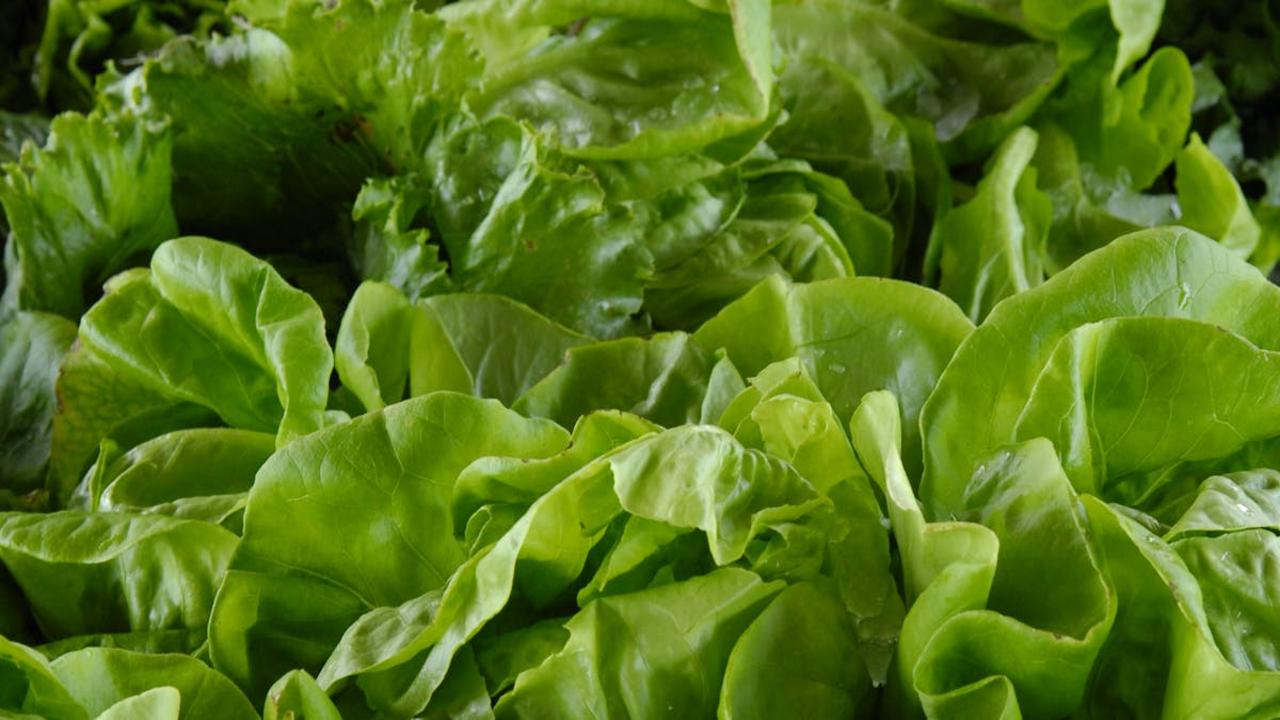
Your immune system will thank you for loading up on leafy greens like kale, spinach, Swiss chard, and collard greens. These powerhouse vegetables pack significant amounts of vitamin C, vitamin K, and beta-carotene that directly support your body’s natural defense mechanisms. I love adding a handful of baby spinach to my morning smoothies or sautéing tender kale with garlic and olive oil for a quick immune-boosting side dish. The deep green color signals their rich antioxidant content, which helps protect your cells from damage.
You’ll find endless ways to incorporate these nutritious greens into your daily meals. Try massaging raw kale with lemon juice and avocado for a hearty salad, or blend Swiss chard into your favorite pasta sauce for an extra nutrient boost. The fiber in leafy greens also supports gut health, which plays a key role in immunity. During cold and flu season, I make sure to eat at least one serving of dark leafy greens each day – they’re like nature’s multivitamin for keeping your immune system running strong.
Watercress

I add watercress to almost everything in my kitchen because this peppery little green packs a serious immune-boosting punch! The crisp leaves contain more vitamin C than oranges, plus hefty amounts of vitamin A, calcium, and iron. What I love most about watercress is how it adds a bright, slightly spicy kick to sandwiches, soups, and salads while loading your body with antioxidants that help fight off infections and strengthen your immune system.
Your body will thank you for making watercress a regular part of your meals. Beyond its immune-supporting benefits, this nutrient-dense green helps reduce inflammation and supports bone health through its high vitamin K content. I often blend it into morning smoothies with apple and ginger or toss it with warm roasted vegetables – the heat slightly wilts the leaves and mellows their peppery bite. You’ll find watercress year-round in most grocery stores, but it’s at its peak in spring and fall.
Turmeric Root
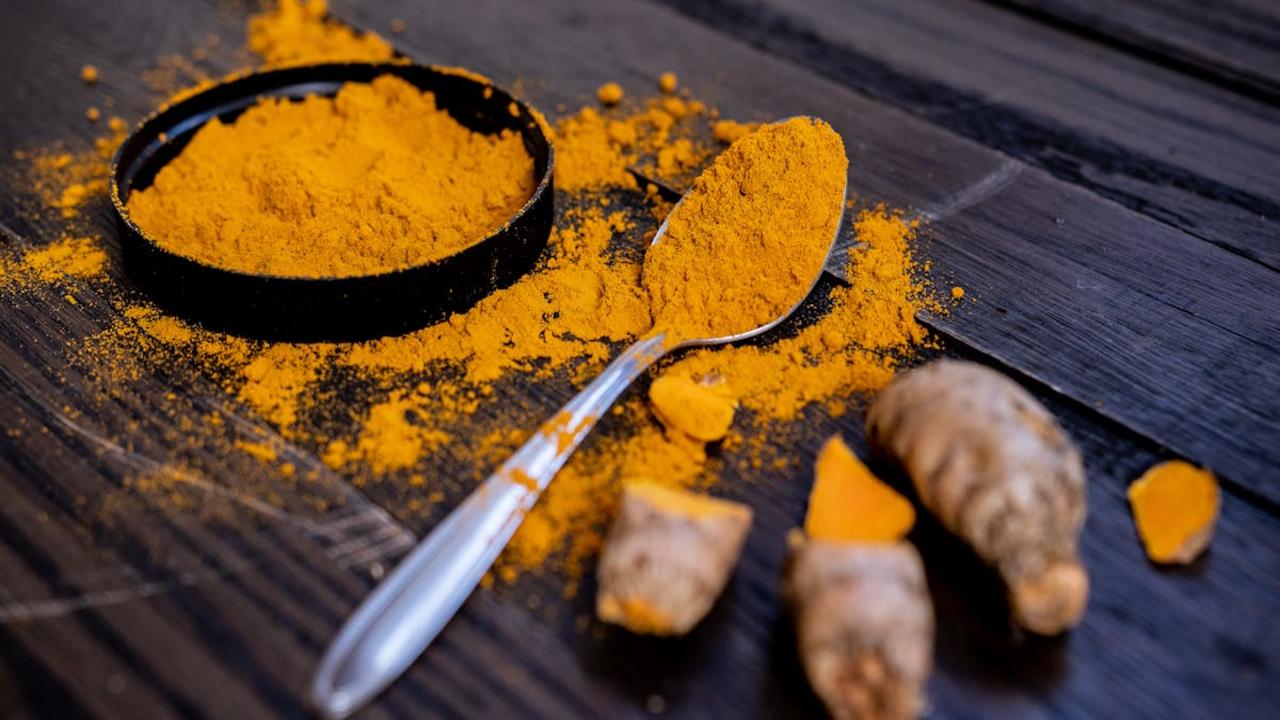
I’ve grown deeply attached to turmeric root through my years of cooking and creating recipes. This vibrant yellow-orange root packs a powerful punch for your immune system with its active compound curcumin. What makes turmeric special is how it fights inflammation in your body while boosting your natural defenses. I add fresh turmeric root to my morning smoothies, grate it into soups, or blend it into golden milk – a warm, comforting drink that helps me wind down in the evening.
Fresh turmeric root offers more benefits than its powdered counterpart, though both forms work great in recipes. To maximize its immune-supporting properties, combine turmeric with black pepper – the piperine in pepper increases curcumin absorption by up to 2000%. I love making an immunity shot by juicing turmeric root with ginger, lemon, and a pinch of black pepper. The earthy, slightly peppery flavor adds depth to curries, rice dishes, and even scrambled eggs. Just remember to wear gloves when handling fresh turmeric to avoid staining your hands!
Sweet Potatoes
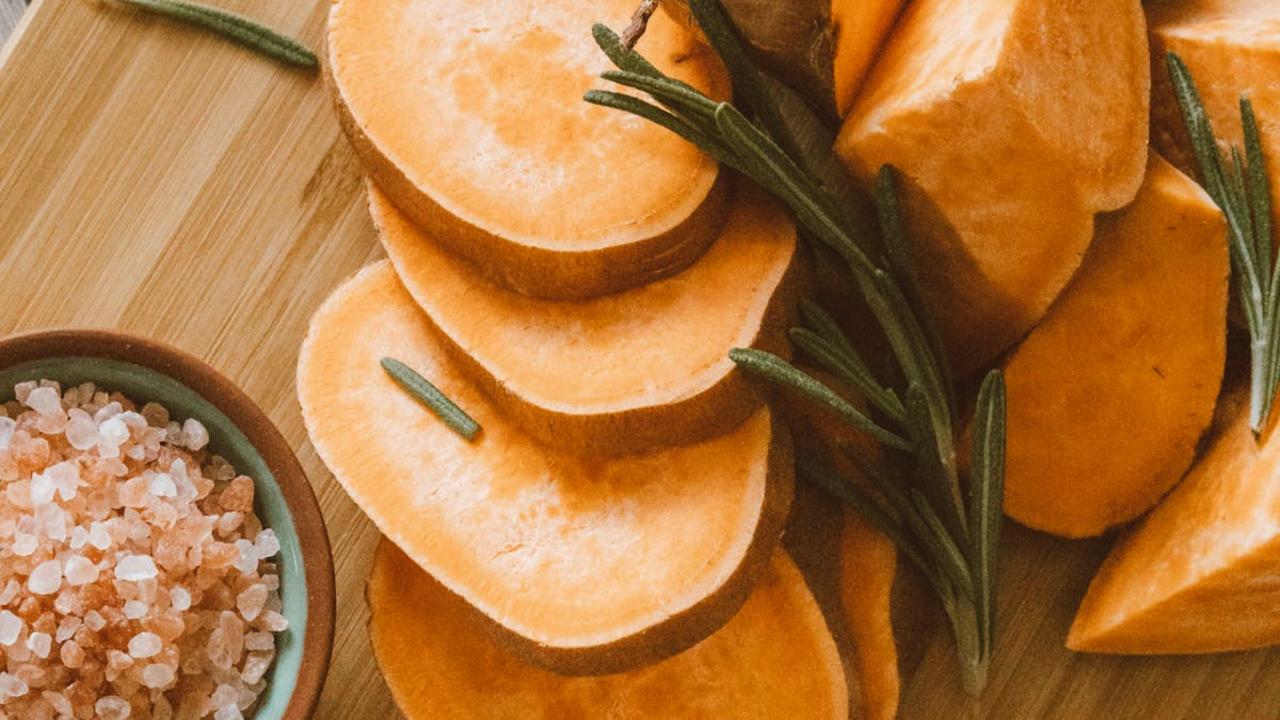
I always keep sweet potatoes in my pantry because they pack an incredible immune-boosting punch. These vibrant orange tubers contain high amounts of beta-carotene, which your body converts into vitamin A – a key nutrient for maintaining healthy skin, mucous membranes, and immune cell function. One medium sweet potato gives you over 100% of your daily vitamin A needs, plus generous doses of vitamin C and potassium to help your immune system stay strong.
What makes sweet potatoes even more amazing is how versatile they are in the kitchen. You can roast them with olive oil and herbs, mash them with coconut milk for a creamy side dish, or blend them into soups. The natural sweetness intensifies with cooking, making them perfect for both savory and sweet preparations. I love adding diced sweet potatoes to stews, curries, and Buddha bowls for an extra boost of nutrients. Their fiber content also helps feed the good bacteria in your gut, which directly supports your immune system’s function.
Spinach
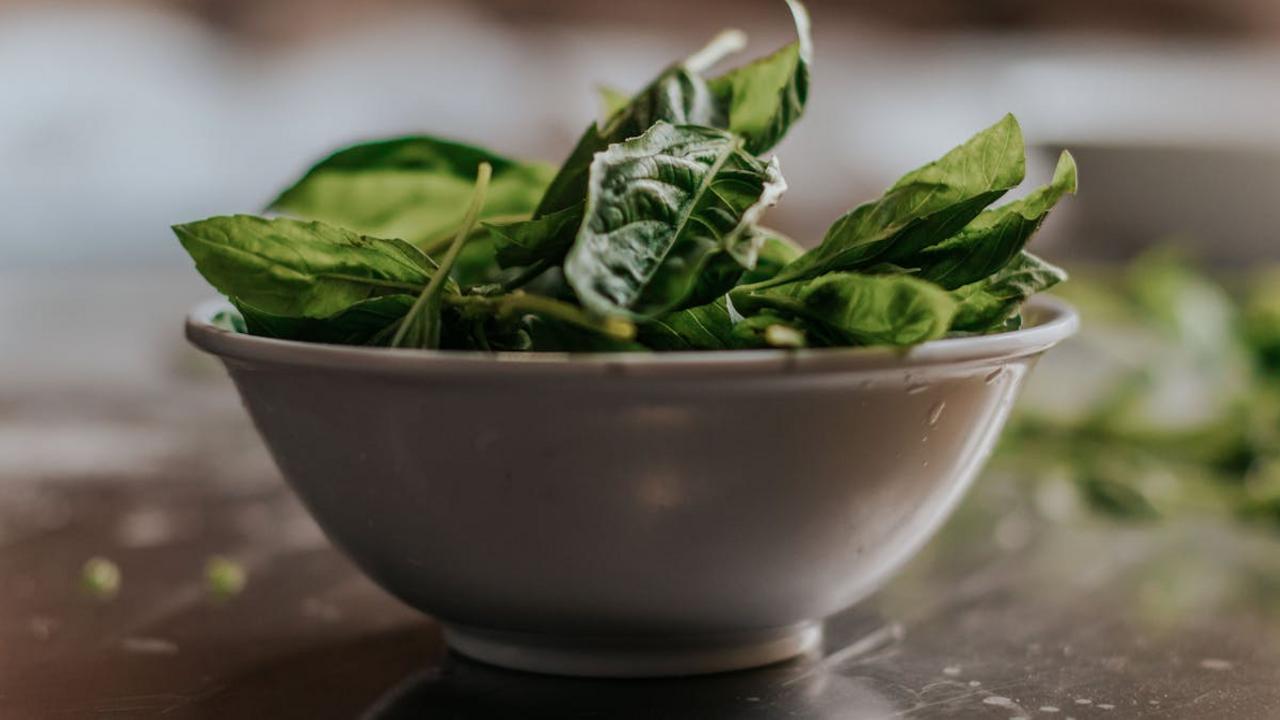
I add fresh spinach to almost everything in my kitchen – from smoothies to stir-fries. This leafy green powerhouse packs a serious punch for your immune system with its rich vitamin C content, beta carotene, and antioxidants. The nutrients work together to help your white blood cells function better and fight off infections. Raw spinach gives you the highest concentration of nutrients, but you’ll still get plenty of benefits from cooking it.
Your body will thank you for the folate and iron found in spinach too. These nutrients support healthy blood cell production and keep your immune system running strong. I love wilting a big handful into my morning eggs or tossing it into pasta right before serving – the residual heat gently cooks the leaves while maintaining their bright green color and nutritional benefits. Pro tip: Add a splash of lemon juice or pair spinach with vitamin C-rich foods to help your body absorb more of its iron content.
Parsley

I always keep a bunch of fresh parsley in my kitchen – this bright herb goes far beyond a simple garnish! As a powerful immune-boosting green, parsley contains more vitamin C than oranges by weight. The vitamin C, combined with antioxidants like flavonoids and carotenoids, helps your body fight off infections and reduce inflammation. You’ll also find high amounts of vitamin K, which supports bone health and proper blood clotting.
You can add parsley to practically any savory dish to boost both nutrition and flavor. I love chopping it finely for tabbouleh salads, blending it into green smoothies, or stirring it into soups and stews near the end of cooking. The flat-leaf variety brings a clean, peppery taste while curly parsley offers a milder flavor. For maximum benefits, consume parsley raw or add it to cooked dishes right before serving – this preserves its valuable immune-supporting nutrients. Just a quarter cup gives you a significant portion of your daily vitamin C needs.
Onions
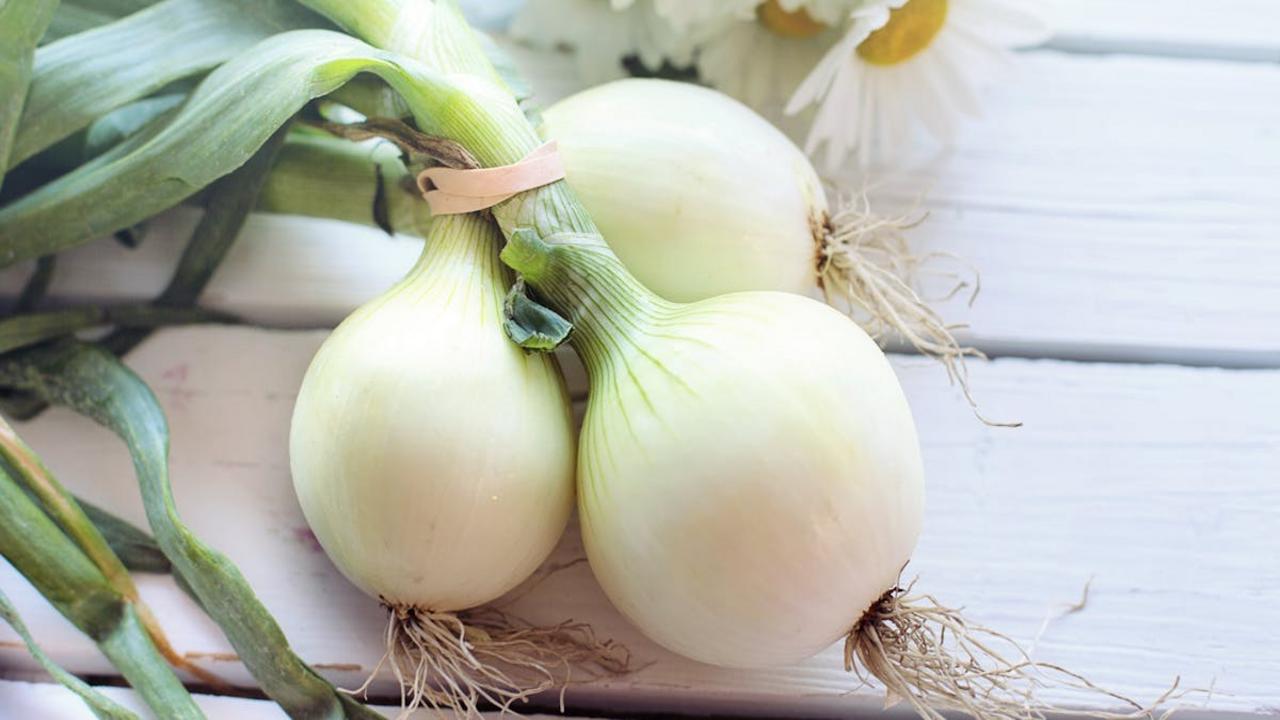
You’ll find onions in nearly every kitchen worldwide, and for good reason! These humble vegetables pack a powerful punch for your immune system through their high concentration of quercetin and sulfur compounds. I love adding raw onions to salads and sandwiches because they retain the highest levels of their immune-boosting properties in their uncooked form. The quercetin in onions acts as a natural antihistamine and anti-inflammatory agent, helping your body fight off infections and reduce inflammation.
My favorite way to incorporate more onions into daily meals starts with caramelizing them to bring out their natural sweetness. During cold and flu season, I make a traditional immune-supporting onion soup by slowly cooking sliced onions with garlic and fresh herbs in homemade bone broth. The combination creates a nourishing meal that warms you from the inside out while delivering those powerful immune-strengthening compounds. Remember to store your onions in a cool, dark place to maintain their beneficial properties longer.
Mushrooms
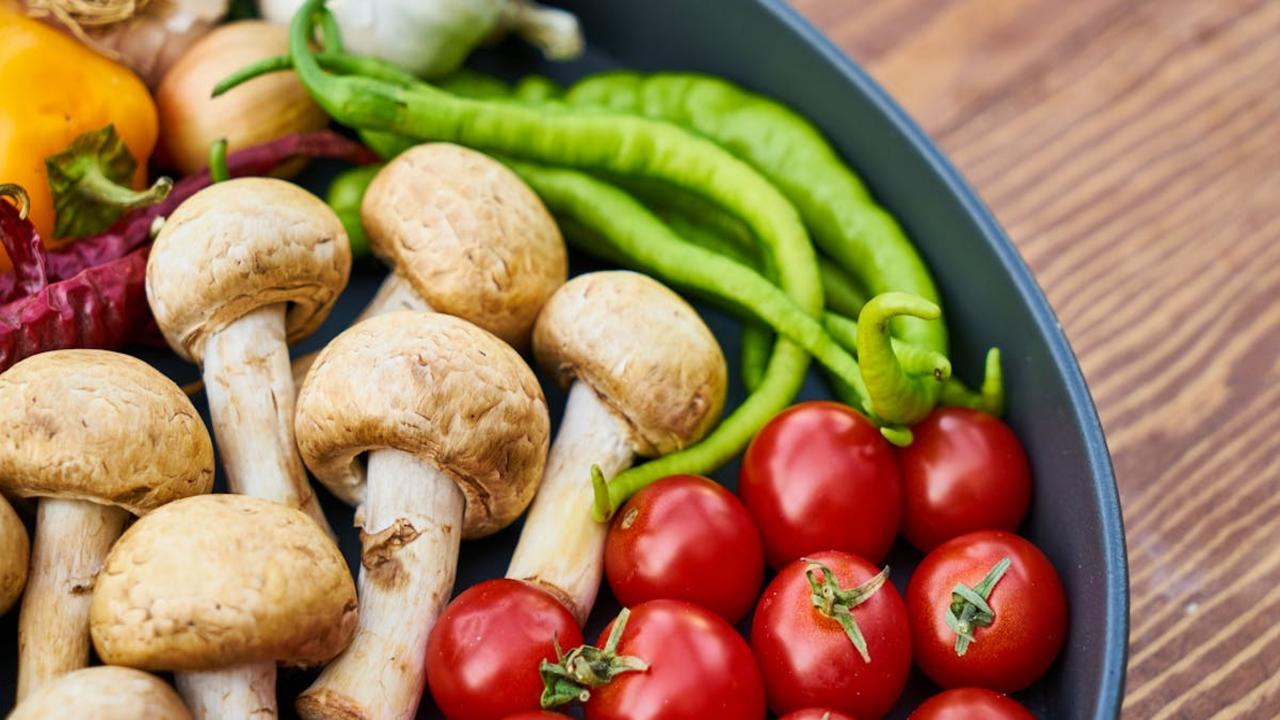
I can’t help but get excited about mushrooms – these incredible fungi pack a serious immune-boosting punch that goes beyond their meaty texture and rich umami flavor. Your body will thank you for the beta-glucans found in mushrooms, natural compounds that strengthen your immune response and help fight off infections. White button, shiitake, maitake, and other mushroom varieties contain high levels of selenium, B vitamins, and copper that work together to power up your natural defenses.
You’ll find endless ways to add these immunity heroes into your daily meals. I love sautéing mixed mushrooms with garlic and herbs for a quick side dish, blending them into vegetable soups for extra depth, or grilling portobello caps as a satisfying meat alternative. The key is choosing fresh mushrooms that feel firm and dry – avoid any that seem slimy or have dark spots. Store them in a paper bag in your fridge, and give them a quick brush clean right before cooking to maintain their natural protective properties.
Kale
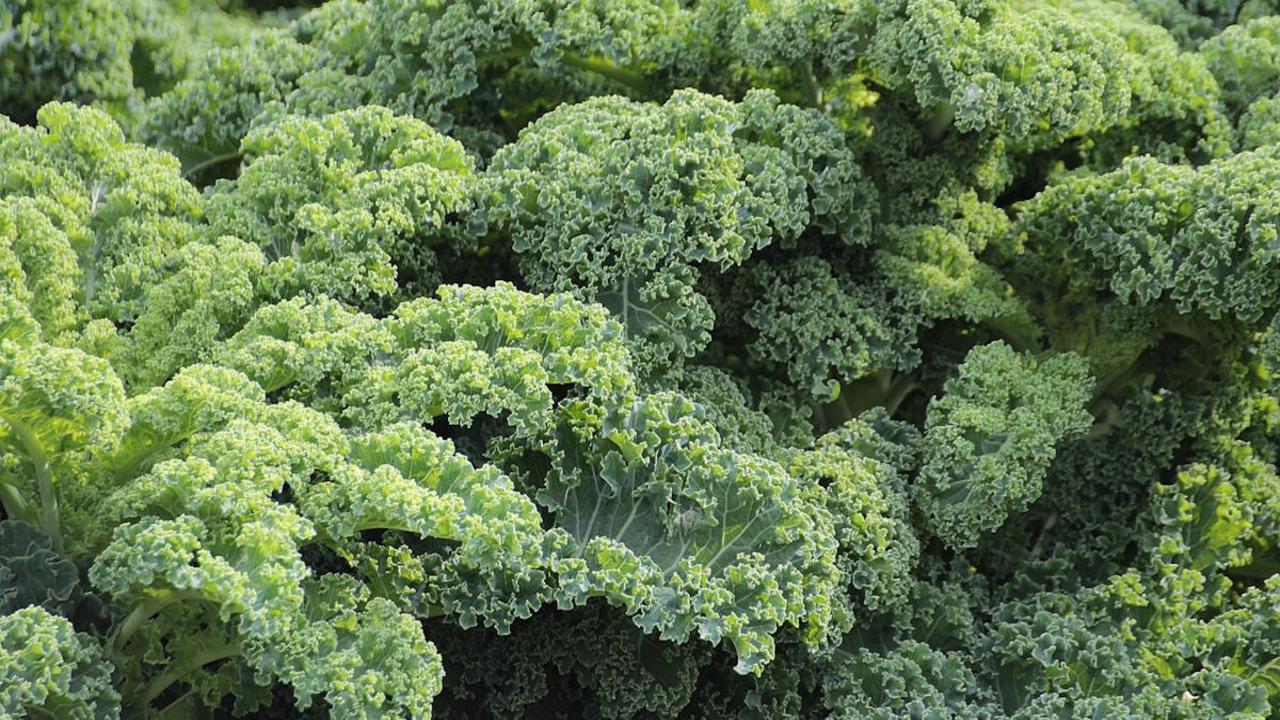
I absolutely adore adding kale to my weekly meals because this superstar green packs a serious immune-boosting punch! The deep green leaves contain high amounts of vitamin C, which helps your body create more white blood cells to fight off infections. Your immune system also gets incredible support from kale’s rich antioxidants like beta-carotene and flavonoids that protect your cells from damage. Just one cup gives you over 100% of your daily vitamin C needs.
You’ll find endless ways to incorporate kale into your cooking. I love massaging raw kale with olive oil and lemon juice for a hearty salad, blending it into morning smoothies, or sautéing it with garlic as a quick side dish. The sturdy leaves hold up well to cooking while maintaining their nutrients. For maximum benefits, I recommend pairing kale with foods high in healthy fats like avocados or nuts since this helps your body absorb more of its fat-soluble vitamins. Your immune system will thank you for making kale a regular part of your meals!
Ginger Root
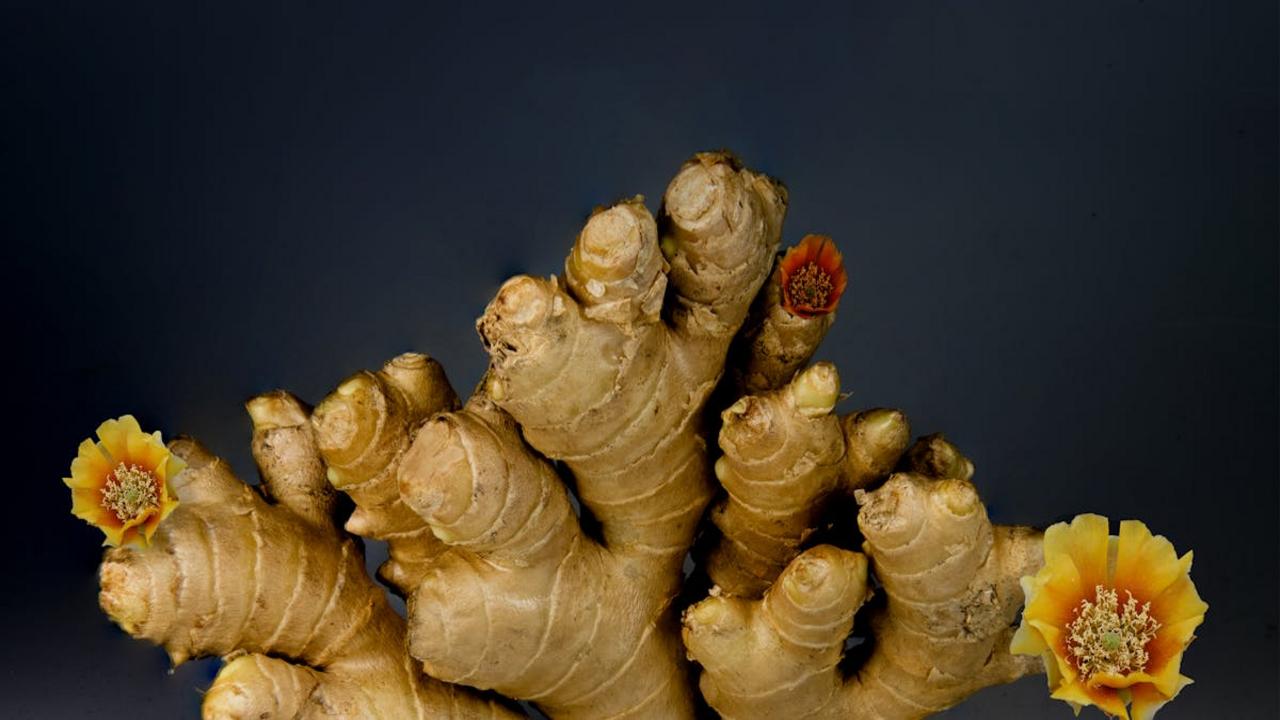
You’ll find ginger root’s zesty kick adds more than just flavor to your dishes – this knobby root vegetable packs a powerful immune-boosting punch. I love adding fresh ginger to my morning smoothies and stir-fries because it contains gingerols and shogaols, natural compounds that help reduce inflammation and support your body’s defense system. The antioxidants in ginger also fight off harmful free radicals while its antimicrobial properties help your body ward off infections.
My favorite way to incorporate ginger into daily meals starts with grating it fresh into hot water with lemon for an invigorating morning drink. You can also blend it into Asian-inspired marinades, simmer it in soups, or juice it with carrots and oranges. The root’s versatility shines in both sweet and savory recipes – try mincing it into homemade salad dressings or steeping it in hot water to make a soothing tea. Just remember to peel the brown skin before using, and store unused portions in your freezer to maintain freshness.
Garlic
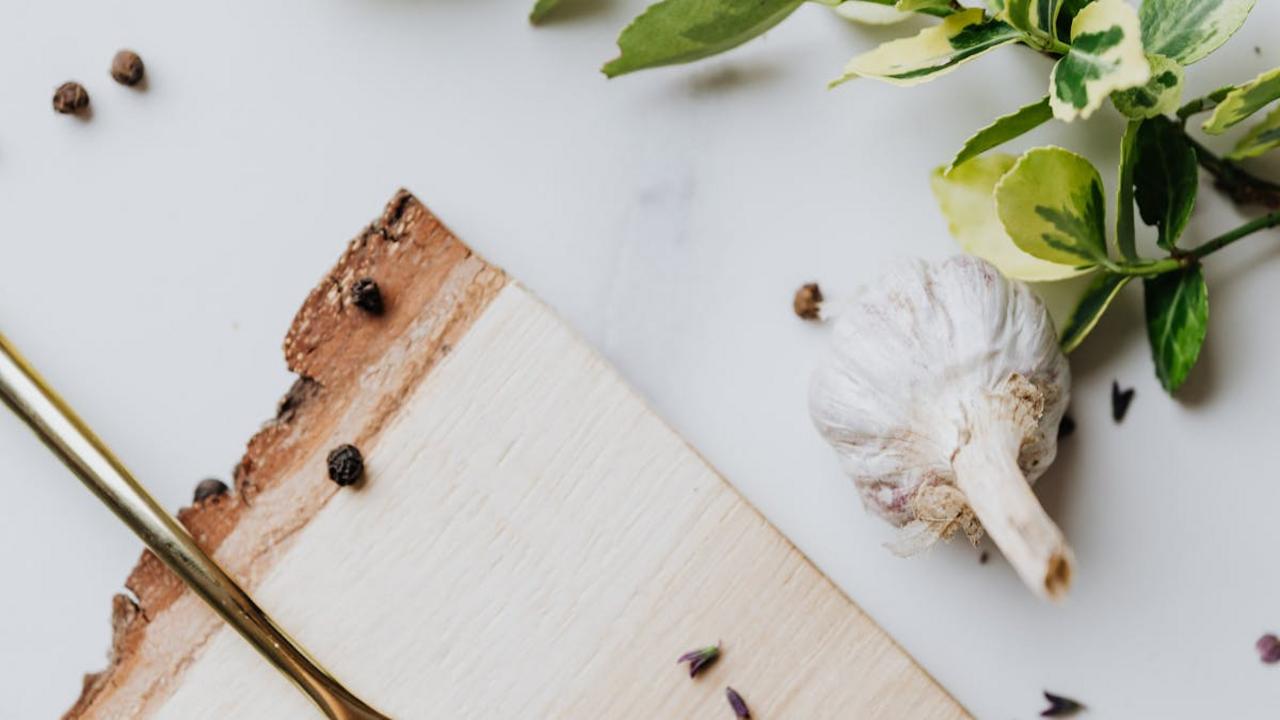
You’ll find garlic in almost every global cuisine, and for good reason! This small but mighty bulb packs powerful immune-boosting compounds, particularly allicin, which activates white blood cells to fight off infections. I love adding fresh garlic to my homemade soups and stews during cold season – it adds incredible depth while helping my body stay strong. The key is to crush or chop the cloves and let them sit for 10-15 minutes before cooking, which maximizes their health benefits.
Raw garlic gives you the biggest immune boost, so I often mince it into salad dressings or stir it into dips and spreads. But don’t worry if you prefer it cooked – garlic still retains many beneficial properties after heating. I recommend incorporating 2-3 cloves into your daily meals. Try roasting whole heads until soft and sweet, then spread the buttery cloves on whole grain toast or toss them into pasta dishes. Your immune system will thank you, and your food will burst with rich, complex flavors.
Brussels Sprouts
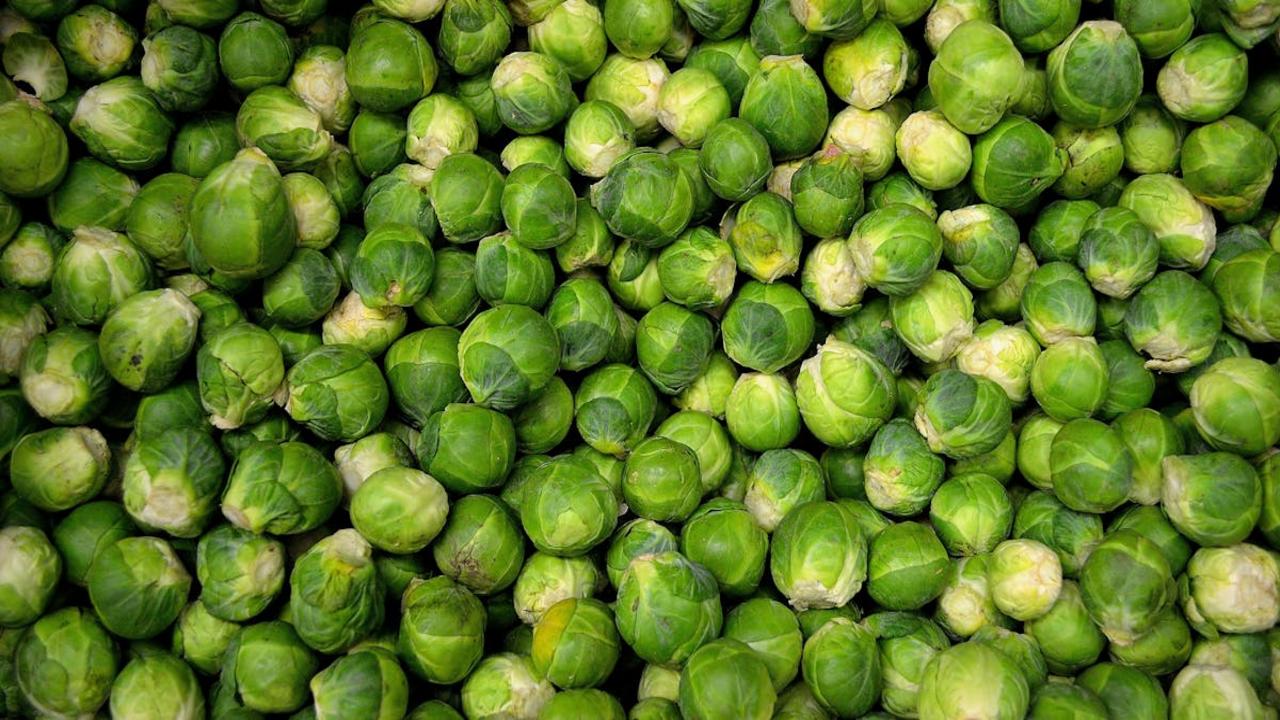
I can’t help but recommend Brussels sprouts as one of your top immune-boosting vegetables. These miniature cabbage-like powerhouses pack a serious punch of vitamin C – just one cup gives you over 80% of your daily needs! Brussels sprouts contain high amounts of antioxidants that fight inflammation and strengthen your body’s natural defenses. The fiber content keeps your gut healthy, which directly impacts your immune function. Plus, they deliver a good dose of vitamin K and folate to support overall wellness.
My favorite way to prepare Brussels sprouts transforms even the strongest skeptics into fans. Simply halve them, toss with olive oil and garlic, then roast at 400°F until the edges turn golden and crispy. The natural sugars caramelize, creating an irresistible nutty sweetness that pairs beautifully with a sprinkle of sea salt and fresh black pepper. You’ll find these versatile vegetables work wonderfully shaved raw in salads, sautéed with bacon, or added to stir-fries for an immunity-boosting meal.
Broccoli
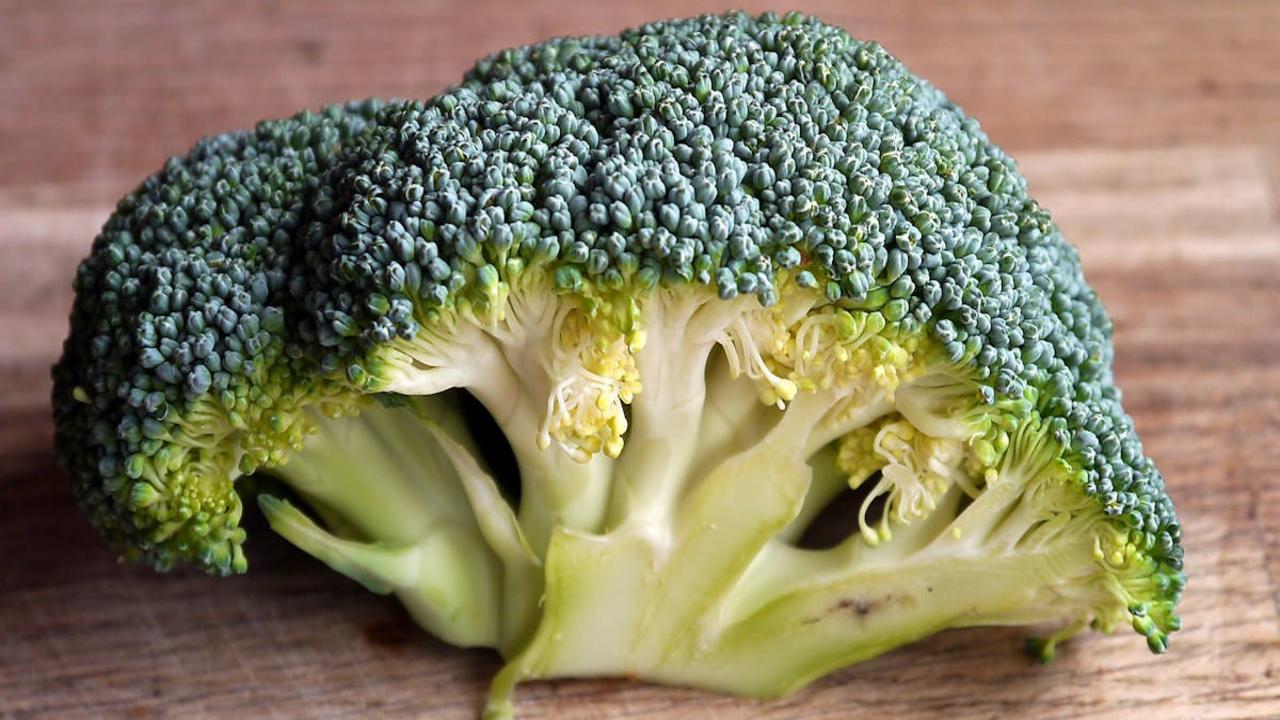
I can’t help but get excited about broccoli – this mighty green powerhouse packs an incredible immune-boosting punch! Rich in vitamin C, antioxidants, and fiber, broccoli strengthens your body’s natural defense systems while promoting healthy digestion. The compound sulforaphane found in broccoli activates special proteins that signal your immune cells to fight off potential threats. Plus, you’ll get a good dose of vitamin A and E, which work together to maintain the health of your skin – your body’s first line of defense.
You can enjoy broccoli in countless ways to maximize its immune-supporting benefits. I love roasting it with olive oil and garlic until the edges turn crispy, adding it raw to salads for extra crunch, or quickly steaming it to preserve its nutrients. My favorite preparation method? Stir-frying broccoli with ginger and garlic, then finishing with a splash of lemon juice – this combination not only tastes amazing but also helps your body absorb more of its iron content. Remember to keep the stalks too – they’re packed with fiber and just as nutritious as the florets!
Bell Peppers
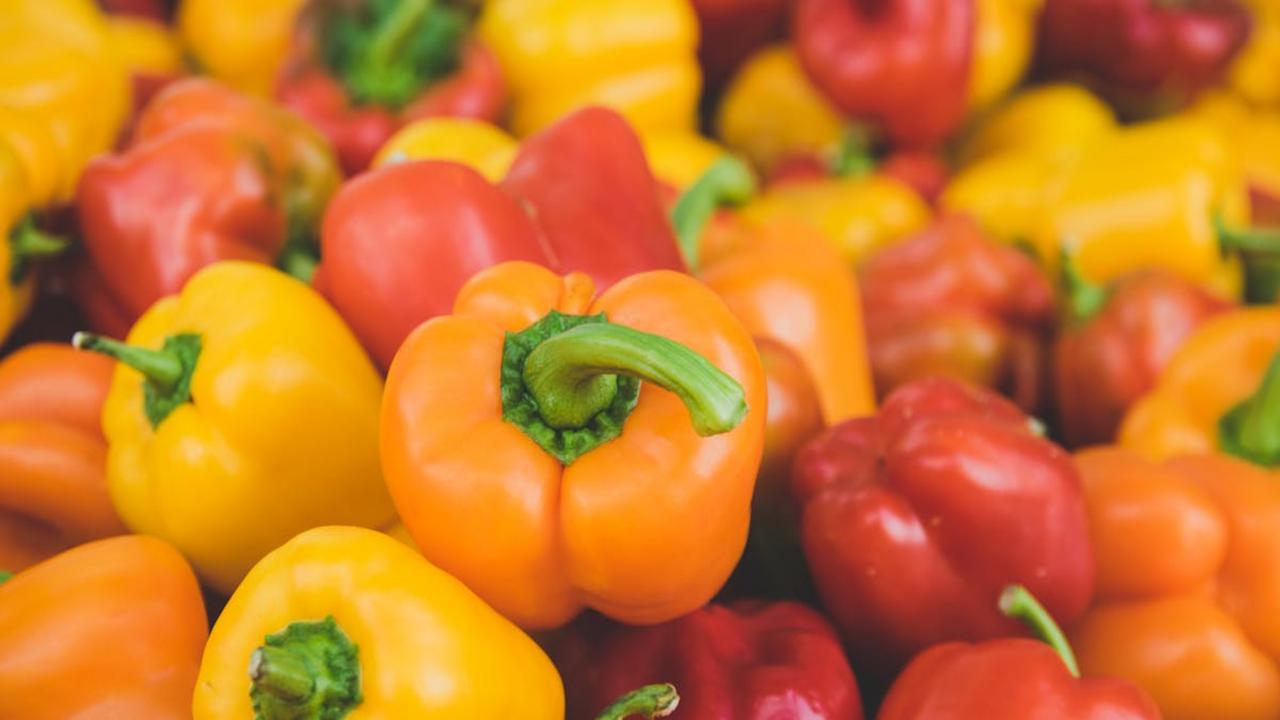
I love adding colorful bell peppers to my dishes – they’re like nature’s immune-boosting candy! These vibrant vegetables pack more vitamin C than oranges, especially red bell peppers which contain up to three times the amount. Yellow, orange, and green varieties also deliver substantial immune support through their mix of vitamins A and E, plus potent antioxidants like beta-carotene and lycopene that help your body fight off infections.
My favorite way to maximize the immune benefits of bell peppers is to eat them raw in salads or as crunchy snacks with hummus. The natural enzymes and nutrients remain fully intact this way. If you prefer them cooked, I recommend a quick stir-fry or light sauté to maintain most of their nutritional goodness. Their natural sweetness intensifies with gentle cooking, making them perfect for adding to pasta, fajitas, or blending into smooth, immunity-boosting soups that will keep you healthy through cold and flu season.