14 Iconic Street Foods From Around the World for Your Foodie Bucket List
Picture this: you’re wandering through a bustling market in Bangkok, the air thick with sizzling oil and exotic spices, when suddenly you spot a vendor flipping golden pancakes filled with mysterious goodness. That moment right there? Pure magic. Street food represents the soul of a culture, served hot and fast from makeshift stalls and food trucks around the globe.
From Japan’s perfectly spherical takoyaki balls hiding tender octopus inside to South Africa’s ingenious bunny chow (spoiler alert: no actual bunnies involved), these portable masterpieces tell stories that fancy restaurants simply can’t match. Each bite connects you directly to generations of tradition, creativity born from necessity, and flavors that’ll make you question everything you thought you knew about food.
Ready to expand your palate beyond the usual suspects? These fourteen street food legends will transport you from Seoul’s bustling markets to Morocco’s ancient medinas, all without leaving your kitchen. Pack your appetite and prepare for an adventure that’ll leave you planning your next international food expedition before you’ve even finished reading.
Sfenj – Morocco
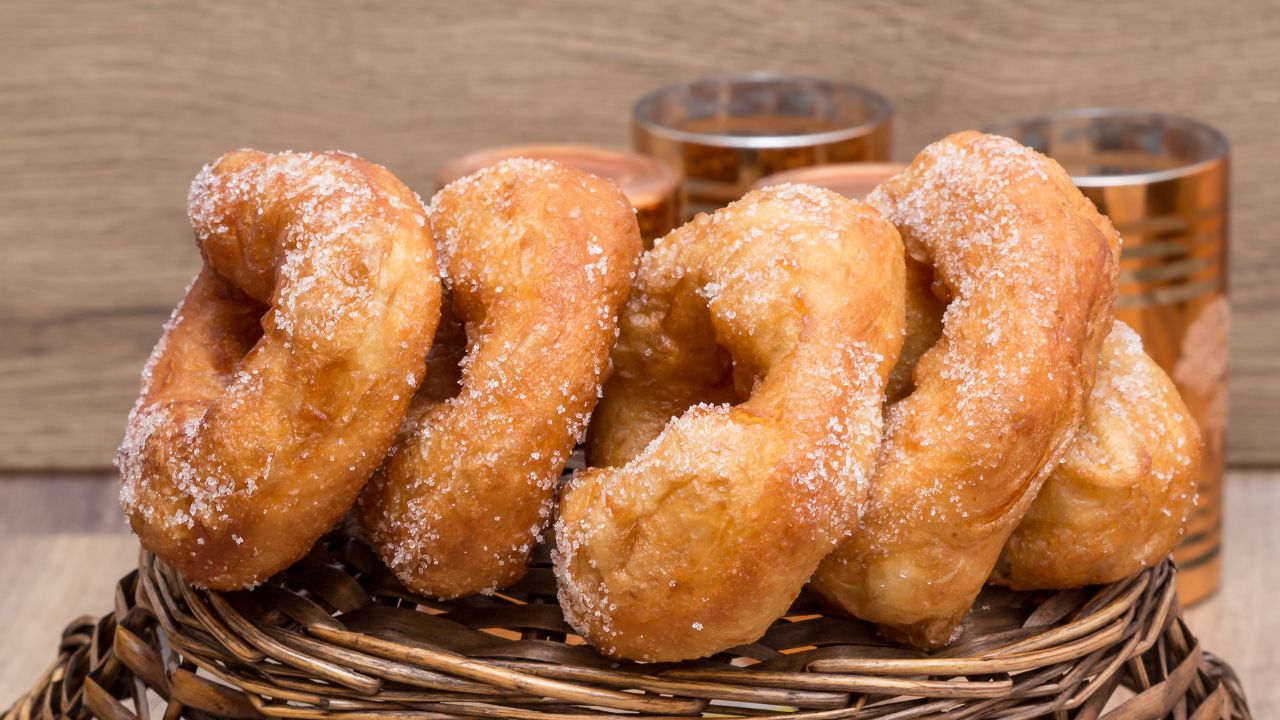
Picture this: you’re wandering through the bustling souks of Marrakech when suddenly you spot a vendor working magic over a giant vat of bubbling oil. Meet sfenj, Morocco’s answer to the doughnut that makes Krispy Kreme look like amateur hour. These golden rings of heaven get hand-stretched into perfect circles before taking a hot oil bath that transforms them into crispy-outside, fluffy-inside masterpieces. The stretching technique takes years to master – vendors can spin dough so thin you could read a newspaper through it, yet it never tears. I once watched a sfenj master in Fez create twelve perfect rings in under two minutes, each one looking like edible jewelry.
What makes sfenj absolutely addictive is its simplicity – just flour, water, salt, and yeast, yet somehow it achieves what fancy pastries spend paragraphs trying to describe. Moroccans typically enjoy these beauties for breakfast with mint tea or honey, but honestly, any time is sfenj time. The texture hits differently than regular donuts; imagine biting into a cloud that’s been kissed by oil and blessed by Moroccan sunshine. Pro tip: always eat them fresh and hot – cold sfenj is like yesterday’s excitement, technically the same thing but missing all the magic. They cost mere pennies, making them the perfect street food for budget travelers who refuse to compromise on flavor.
Balut – Philippines
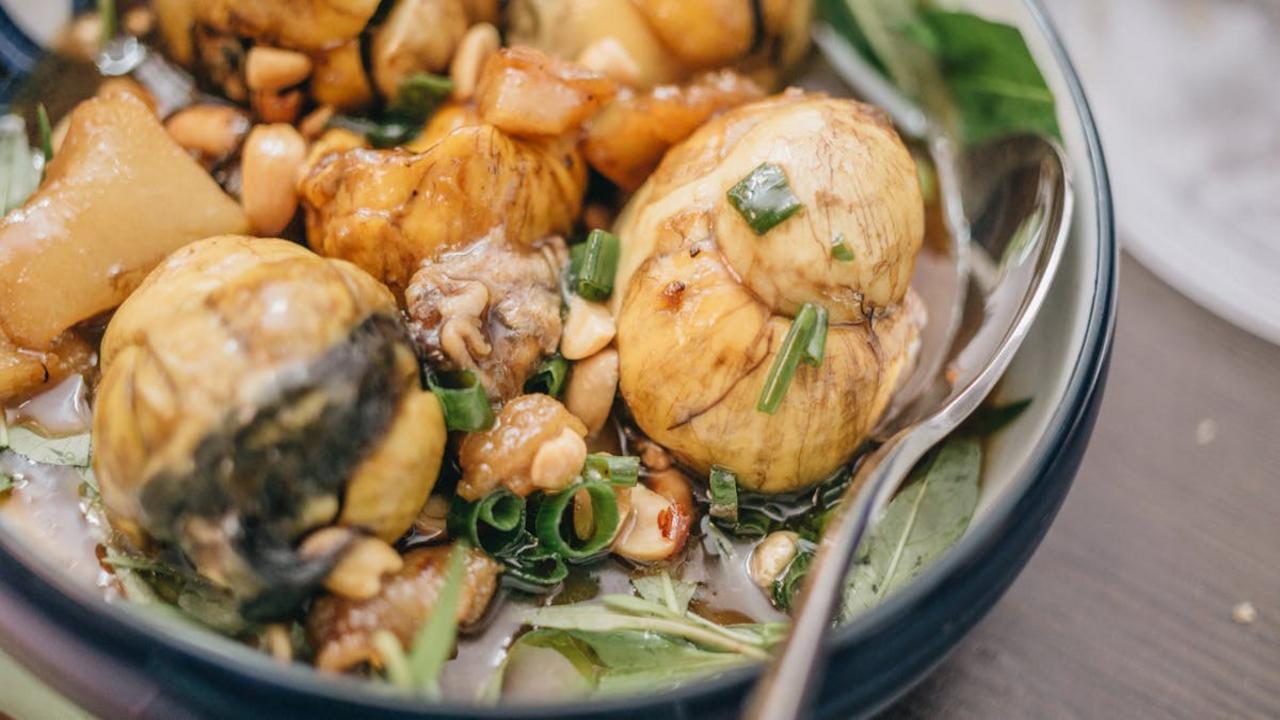
Picture this: you’re wandering through Manila’s bustling streets when a vendor calls out “Balut!” and suddenly you’re face-to-face with one of Southeast Asia’s most notorious delicacies. This Filipino street food classic is a partially developed duck embryo that’s been incubated for 14-21 days, then boiled and eaten straight from the shell. Before you run screaming, hear me out! Locals crack open the top, slurp the savory broth first (it’s surprisingly rich and warming), then sprinkle salt, chili, or vinegar over the embryo before devouring it in one brave bite. The texture combines tender meat with a slightly creamy consistency, while the flavor is surprisingly mild – think of it as duck soup’s more adventurous cousin.
Balut vendors roam Filipino neighborhoods with their distinctive call, carrying these protein-packed treats in woven baskets lined with cloth to keep them warm. Fun fact: balut is considered an aphrodisiac and energy booster, which explains why it’s particularly popular among night shift workers and party-goers looking for a midnight snack. The key to enjoying balut? Don’t overthink it, and definitely don’t stare too long at what you’re about to eat. Many first-timers close their eyes and focus on the surprisingly pleasant taste rather than the appearance. Whether you’re conquering your fears or simply expanding your food horizons, balut represents the Filipino spirit of making the most out of every ingredient – waste nothing, savor everything.
Khachapuri – Georgia
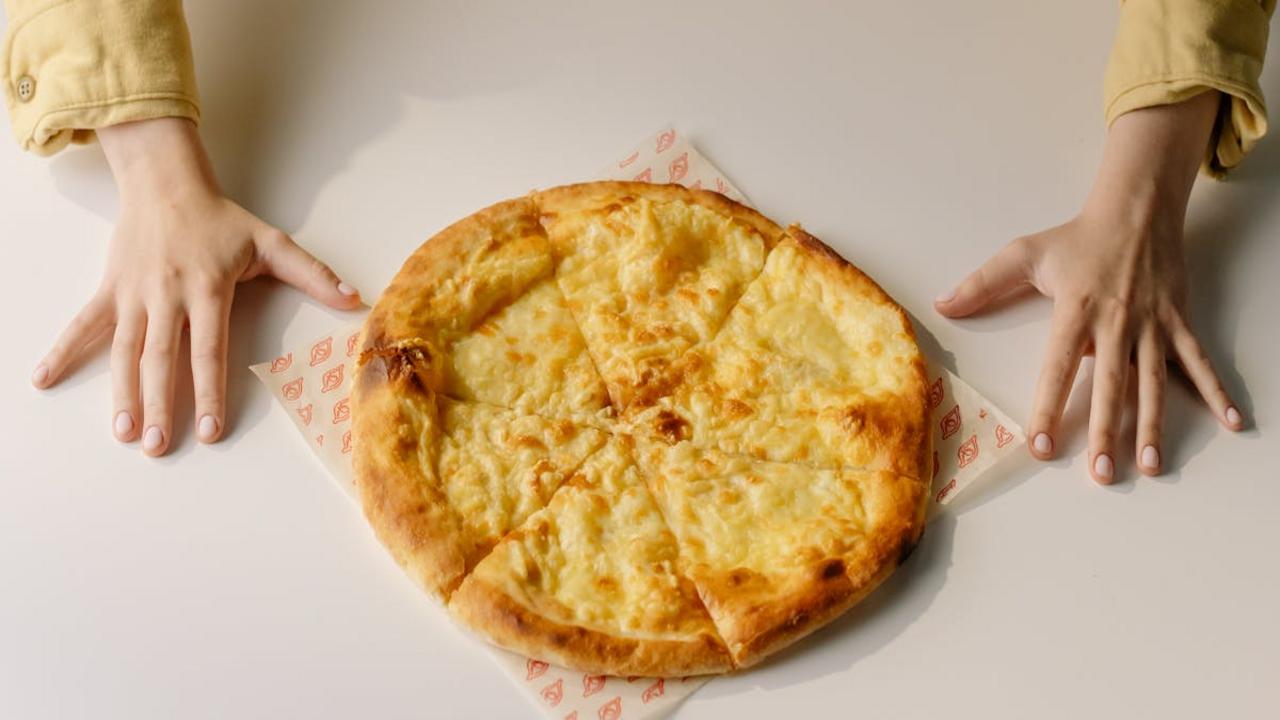
Picture this: you’re wandering through the cobblestone streets of Tbilisi when you spot locals gathered around a bakery, their faces lit up with pure joy as they tear into what looks like a cheese-filled boat. That, my friend, is khachapuri – Georgia’s national dish and quite possibly the most Instagram-worthy comfort food on the planet. This bread-and-cheese masterpiece comes in several regional varieties, but the most famous is Adjarian khachapuri, shaped like a canoe with a raw egg cracked into the molten cheese center. You mix everything together with a pat of butter, creating a golden, gooey mess that’ll make you question why you ever bothered with pizza.
Here’s the thing about khachapuri – Georgians take this stuff seriously. So seriously, in fact, that economists use the “Khachapuri Index” to track inflation in the country, measuring the cost of ingredients needed to make this beloved dish. Each region has its own spin: Imeretian khachapuri is round and closed like a giant cheese pocket, while Mingrelian adds even more cheese on top because apparently, there’s no such thing as too much dairy in Georgia. The bread should be crispy on the outside, pillowy soft inside, and the cheese – traditionally Georgian sulguni – should stretch for days when you pull it apart. Trust me, once you master the art of the khachapuri swirl (mixing that egg into the cheese), you’ll never look at regular garlic bread the same way again.
Currywurst – Germany
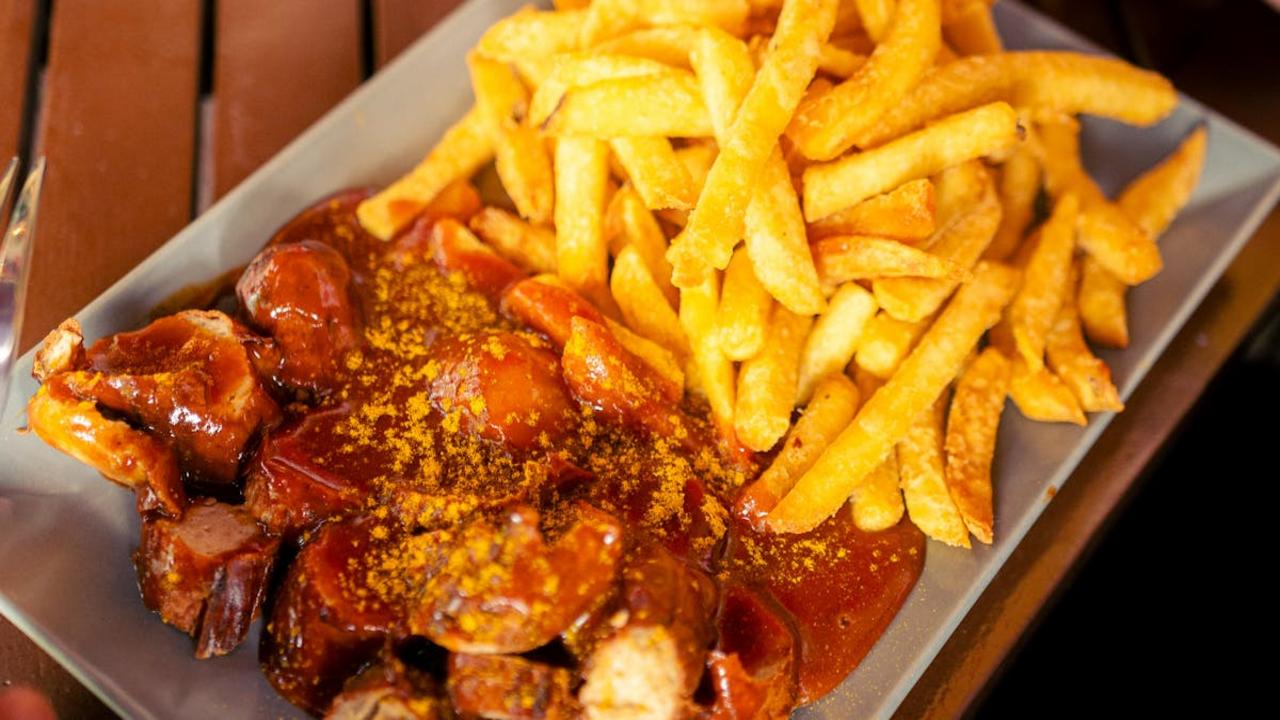
Picture this: you’re wandering through Berlin after a night out, and suddenly you catch a whiff of something that smells like pure comfort food heaven. That’s currywurst calling your name! This genius invention consists of sliced bratwurst drowning in a tangy tomato-based curry sauce, topped with a generous sprinkle of curry powder. Born in post-war Berlin in 1949, this street food legend supposedly came to life when Herta Heuwer mixed ketchup with curry powder and other spices she’d gotten from British soldiers. Talk about making the best out of tough times! The dish became so popular that Germans now consume around 800 million portions annually – that’s roughly 10 servings per person per year.
What makes currywurst absolutely irresistible is its perfect balance of sweet, tangy, and mildly spicy flavors that dance on your palate. The sausage provides that satisfying protein punch while the curry sauce adds just enough kick to keep things interesting without overwhelming your mouth. You’ll find currywurst stands (called “Imbiss”) on practically every street corner in Germany, each vendor swearing their secret sauce recipe is the best. Pro tip: don’t be shy about asking for extra sauce – it’s the star of the show! Grab some crusty bread or crispy fries on the side to soak up every last drop of that magical curry goodness.
Börek – Turkey
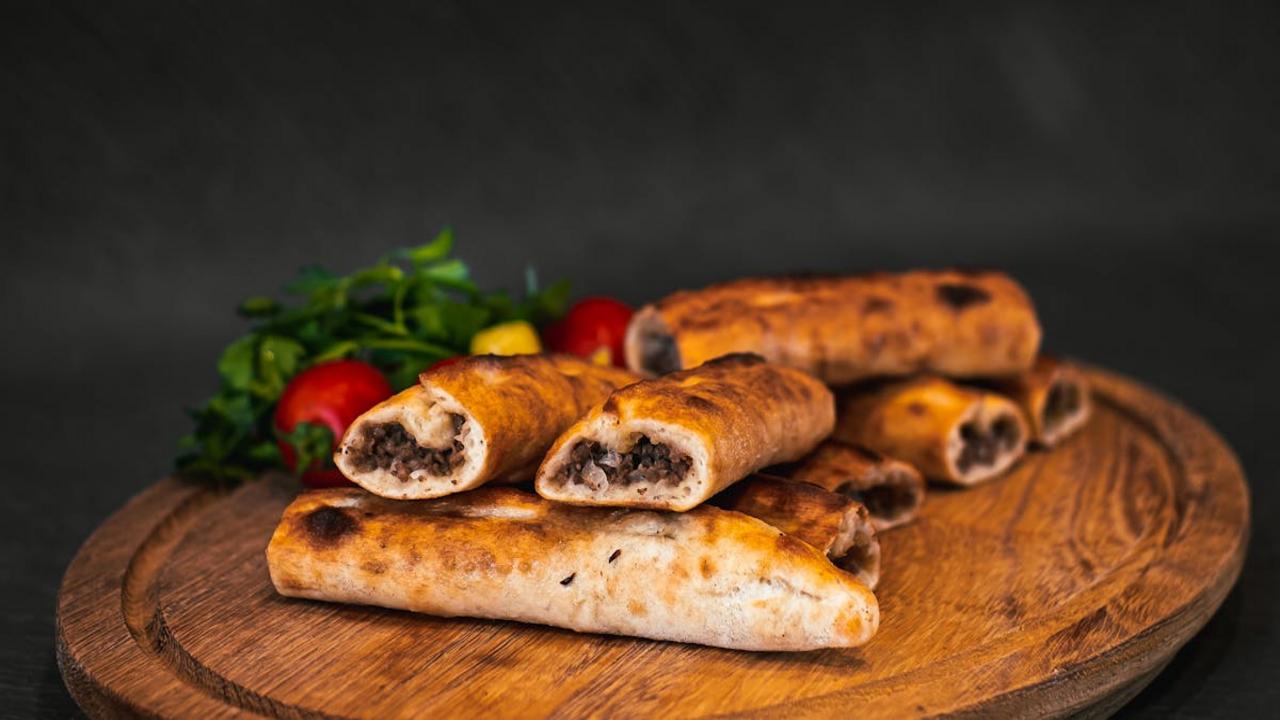
Picture this: you’re strolling through Istanbul’s Grand Bazaar when suddenly your nose catches the most heavenly aroma of buttery, flaky pastry. That’s börek calling your name, and trust me, resistance is futile! This Turkish marvel consists of paper-thin phyllo dough layered with cheese, spinach, or meat, then baked until golden and crispy. The locals have been perfecting this recipe for centuries, and honestly, they’ve nailed it. What makes börek extra special is how each region puts its own spin on it – some roll it into spirals, others fold it into triangles, and the really fancy ones create rose-shaped masterpieces that look too pretty to eat (but you absolutely should).
Here’s a fun fact that’ll blow your mind: börek is so beloved in Turkey that they have different names for nearly every variation. Su böreği (water börek) gets its name because the pastry sheets are briefly boiled before layering – weird but genius! The street vendors selling börek from their little carts are basically edible magicians, pulling out steaming hot portions that somehow manage to be simultaneously crispy on top and creamy inside. Pro tip from someone who learned the hard way: always blow on it first because that molten cheese filling will absolutely roast the roof of your mouth, but the burn is totally worth it for this buttery, cheesy slice of Turkish heaven!
Pani Puri – India
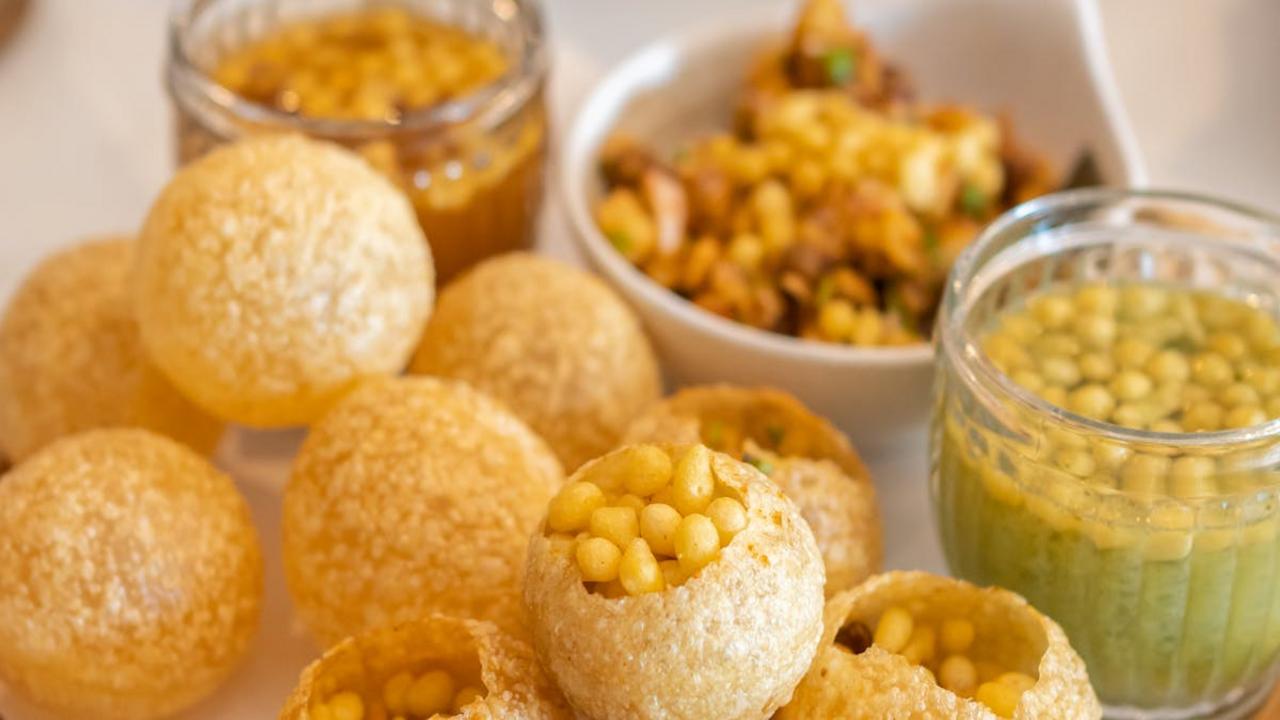
Picture this: you’re standing at a chaotic Indian street corner, watching a vendor expertly crack open tiny, hollow spheres with the precision of a surgeon and the speed of a magician. That’s your first encounter with pani puri, India’s most beloved interactive snack that turns every bite into a miniature water balloon fight in your mouth. These crispy, palm-sized shells get stuffed with spiced potatoes, chickpeas, and tangy chutneys before receiving their crowning glory – a ladle of flavored water that ranges from mildly tangy to “holy cow, my sinuses are officially cleared for the next decade.”
Here’s the beautiful chaos of pani puri: you must eat each one in a single bite, no exceptions, or risk wearing half your snack down your shirt. The vendors, who’ve mastered this ancient dance of assembly-line perfection, can pump out dozens per minute while chatting with customers and somehow never mixing up orders. Pro tip from someone who learned the hard way – don’t wear white when you’re pani puri hunting, because that explosive burst of flavored water has zero respect for your laundry situation. The beauty lies in the customization; you can request your water spicy, sweet, or somewhere in between, making each vendor’s version a unique fingerprint of flavor that keeps locals fiercely loyal to their favorite stall.
Karaage – Japan
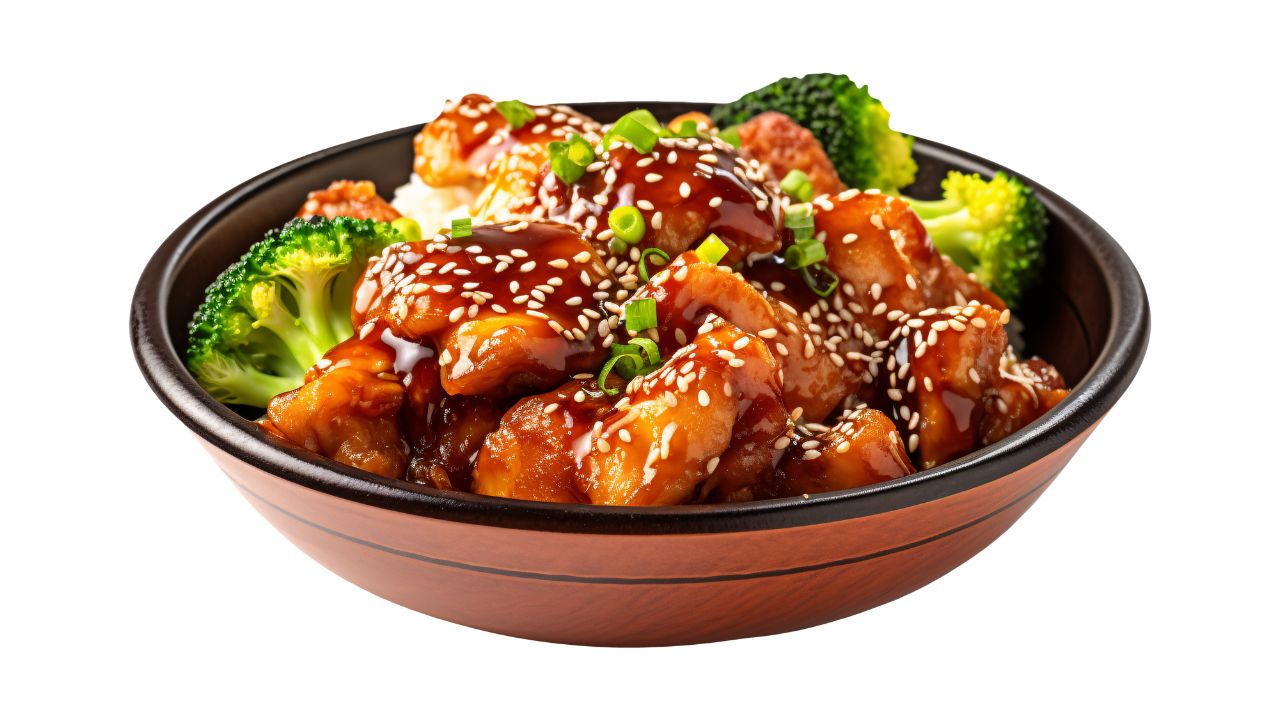
Picture this: you’re wandering through a bustling Japanese street market, and suddenly you catch a whiff of something so impossibly good that your feet start moving toward the source without your brain’s permission. That’s karaage calling your name – Japan’s answer to fried chicken that makes Colonel Sanders weep with envy. These golden nuggets of pure joy start as bite-sized pieces of chicken thigh (because the Japanese know that dark meat is where the flavor lives), marinated in a heavenly mixture of soy sauce, sake, ginger, and garlic. The magic happens when they get tossed in potato starch and take a hot oil bath that transforms them into crispy, juicy perfection.
What makes karaage absolutely brilliant is its democratic nature – you’ll find it everywhere from convenience stores to high-end restaurants, and somehow it’s always spectacular. The secret lies in that potato starch coating, which creates an impossibly light and crispy shell that shatters between your teeth before revealing the tender, flavor-packed chicken inside. Pro tip: grab some from a konbini (convenience store) at 2 AM after a night of karaoke – it’s a rite of passage that locals swear by. The best part? You can make this at home by marinating chicken pieces for at least 30 minutes, coating them in katakuriko (potato starch), and frying at 340°F twice for maximum crispiness. Trust me, your kitchen will smell like heaven, and your neighbors will start being suspiciously friendly.
Ceviche – Peru
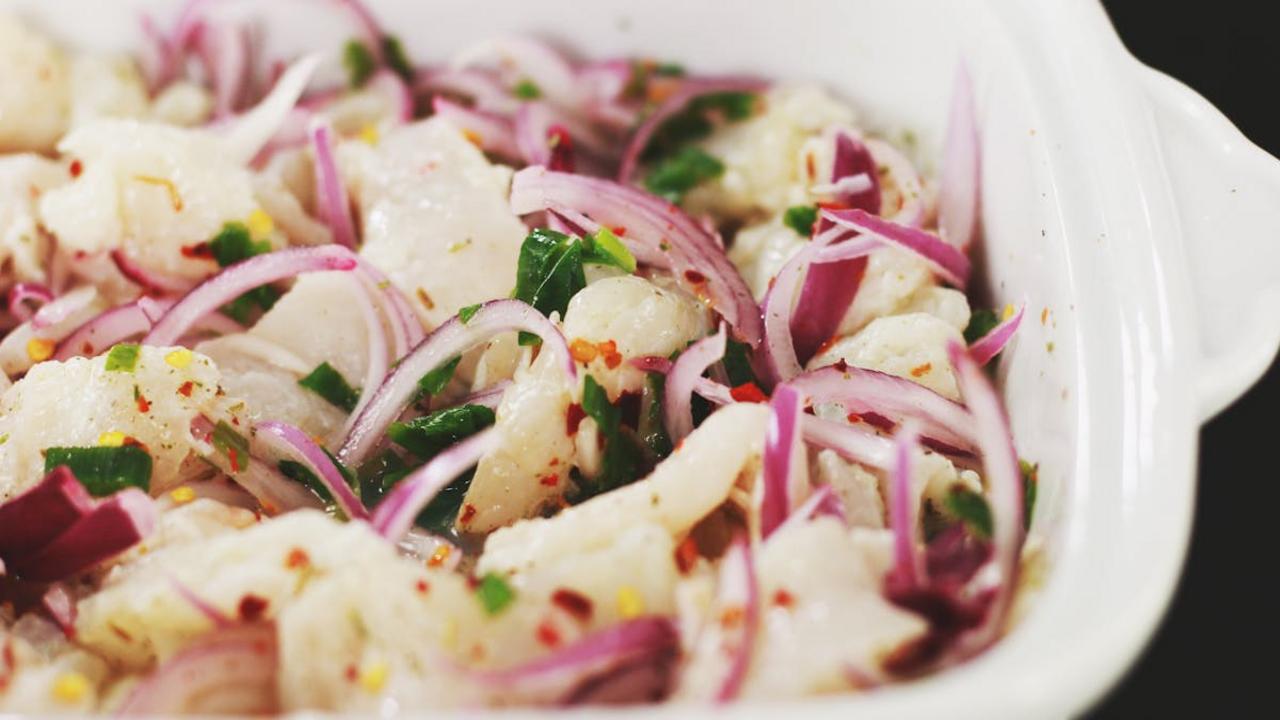
Picture this: you’re standing on a bustling Lima street corner at 11 AM, and locals are already lining up for what looks like raw fish in a bowl. Before you panic and reach for your hand sanitizer, know that ceviche represents one of Peru’s greatest gifts to the food world. This isn’t just raw fish – it’s fish that gets “cooked” by citric acid, transforming from translucent to opaque while you watch. The magic happens when fresh catch meets tiger’s milk (leche de tigre), a punchy marinade of lime juice, chili peppers, onions, and garlic that could wake the dead.
Here’s where it gets wonderfully weird: Peruvians consider ceviche a hangover cure and typically devour it before 3 PM because eating raw fish later apparently brings bad luck. Street vendors prep this masterpiece right before your eyes, dicing everything with lightning speed while chatting about last night’s soccer match. The best part? You get to slurp that leftover tiger’s milk straight from the bowl like a citrusy, spicy shot. Pro tip from someone who learned the hard way: don’t wear white clothes when eating ceviche from a street cart. That zesty marinade has a mind of its own and zero respect for your wardrobe.
Bánh Xèo – Vietnam
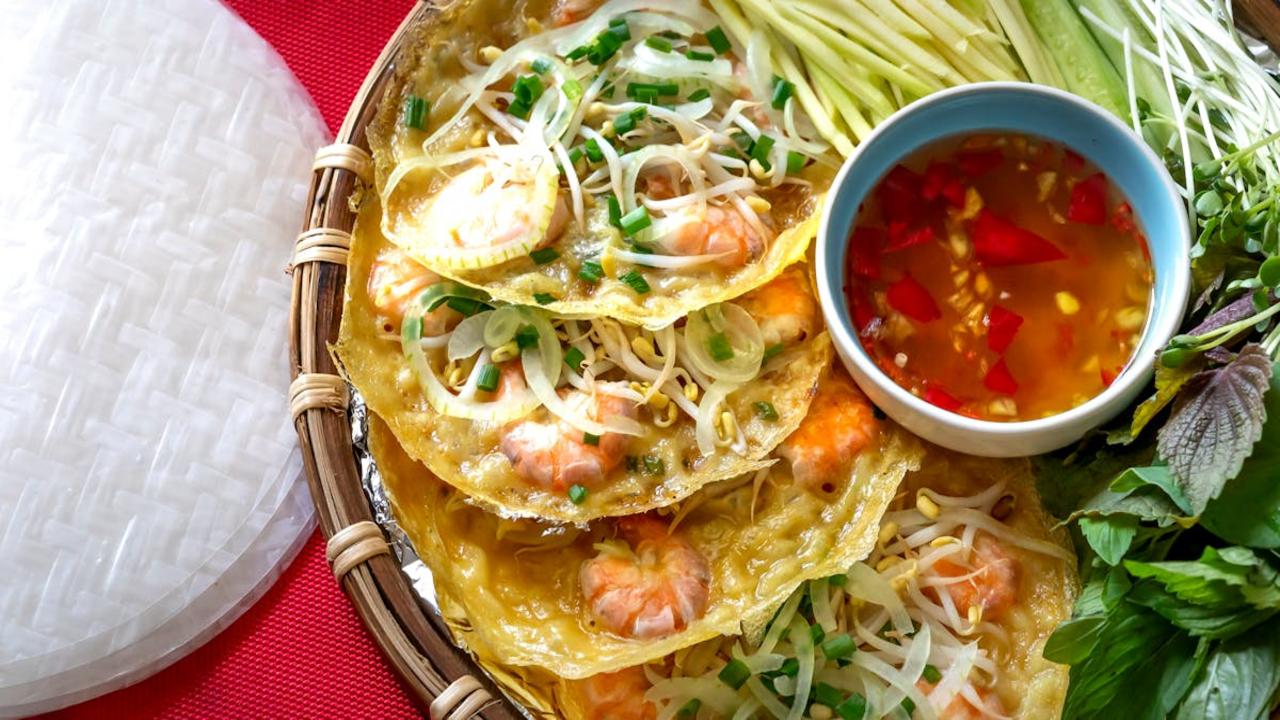
Picture a crepe that decided to move to Vietnam and completely reinvent itself – that’s bánh xèo for you! This golden, crispy pancake gets its sunny color from turmeric and coconut milk, creating a paper-thin shell that crackles like autumn leaves when you bite into it. The name literally means “sizzling pancake,” and trust me, you’ll hear that satisfying sizzle from three blocks away when street vendors pour the batter onto their blazing hot pans. Stuffed with shrimp, pork, bean sprouts, and sometimes mung beans, this beauty looks like a folded omelet but tastes like pure Vietnamese magic.
Here’s where things get wonderfully messy – you don’t just eat bánh xèo, you perform a little food ritual with it. Tear off a piece, wrap it in fresh lettuce leaves with herbs like mint and cilantro, then dunk the whole package into nuoc cham dipping sauce (a sweet, salty, spicy concoction that could make cardboard taste amazing). Vietnamese families often gather around huge bánh xèo, turning dinner into an interactive experience where everyone gets their hands dirty. Pro tip: don’t wear white when you eat this – between the turmeric stains and the inevitable sauce drips, you’ll look like you wrestled with a very delicious, very colorful opponent!
Bunny Chow – South Africa
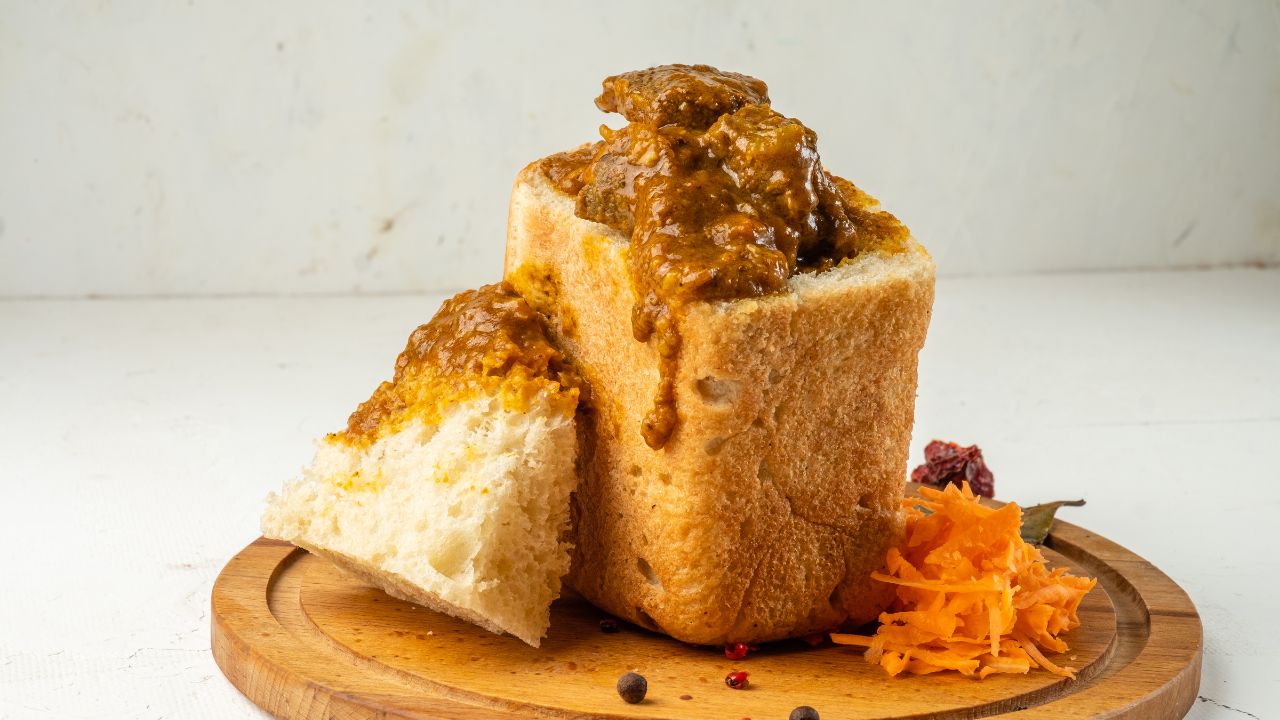
Don’t worry—no actual bunnies were harmed in the making of this South African street food legend! Bunny chow is basically a loaf of bread that’s been hollowed out and stuffed with curry, creating the ultimate handheld feast. Picture this: you take a quarter or half loaf of white bread, scoop out the fluffy insides, then fill that bread bowl with steaming hot curry—usually chicken, mutton, or beans. The scooped-out bread becomes your edible spoon, and suddenly you’re eating both your meal and your plate. It’s like nature’s original takeout container, except infinitely more delicious and way before anyone cared about being eco-friendly.
This genius invention reportedly started in Durban during the 1940s when Indian laborers needed a portable lunch solution. Restaurant owners would serve curry in hollowed-out bread loaves, creating a mess-free meal that workers could eat with their hands. The name “bunny chow” has nothing to do with rabbits—it likely comes from “bania,” a term for Indian traders, though locals will give you a dozen different origin stories, each more colorful than the last. Today, you’ll find bunny chow stands throughout South Africa, where ordering a “quarter mutton” gets you a perfectly portioned bread bowl filled with tender, spiced meat that’ll have you questioning why every country doesn’t serve food this way.
Langos – Hungary
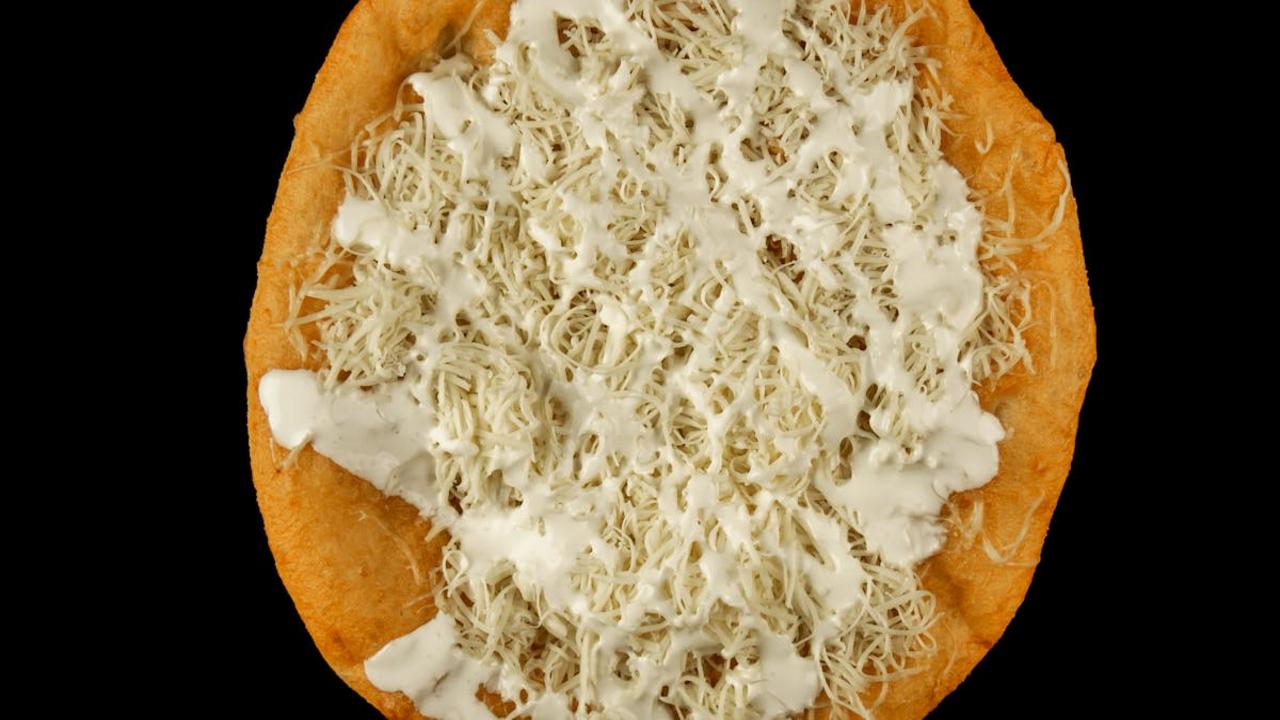
Picture this: you’re wandering through a Hungarian market, following the irresistible scent of hot oil and yeast, when you stumble upon what looks like a golden frisbee of pure joy. That’s langos, Hungary’s beloved street food that transforms simple bread dough into something magical. This deep-fried flatbread serves as the perfect canvas for toppings that range from traditional sour cream and cheese to wild combinations like Nutella and banana. The name comes from “láng,” meaning flame, because these beauties were originally cooked over an open fire – though today’s vendors have thankfully upgraded to safer (and more consistent) deep fryers.
What makes langos absolutely brilliant is its versatility and the fact that Hungarians treat it like a blank canvas for creativity. The classic version gets topped with tejföl (sour cream) and grated cheese, but you’ll find vendors piling on everything from garlic butter to ham, mushrooms, and even sweet options that turn this street snack into dessert. The dough puffs up beautifully when it hits the hot oil, creating those perfect crispy edges while keeping the center pillowy soft. Pro tip: eat it immediately while it’s still steaming hot – langos waits for no one, and cold langos is like yesterday’s newspaper: technically the same thing, but nobody wants it.
Gimbap – South Korea
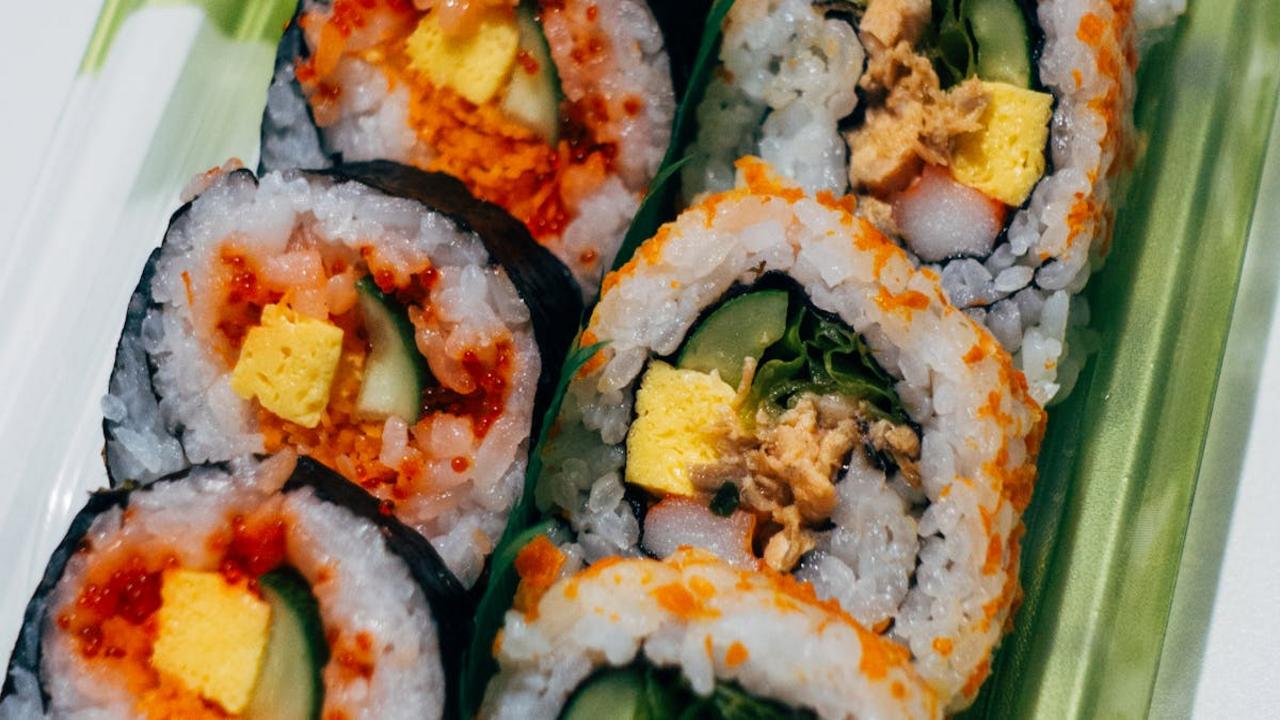
You know that friend who always has their life perfectly organized? That’s gimbap in food form. This Korean rice roll sits pretty with its neat rows of colorful fillings wrapped in crisp seamed nori, looking like it just stepped out of a magazine photoshoot. While sushi gets all the international fame, gimbap quietly does its own thing with pickled radish, egg strips, beef bulgogi, and whatever else strikes your fancy. The rice gets a light coating of sesame oil and salt instead of vinegar, giving it a nutty flavor that makes you wonder why more foods don’t get the sesame treatment.
What makes gimbap absolutely brilliant is its grab-and-go nature – Korean students and office workers have been packing these portable flavor bombs for decades. You can find them at every Korean convenience store, train station, and street corner, each one sliced into perfect little rounds that reveal their rainbow interior like edible kaleidoscopes. Making them at home becomes oddly meditative; there’s something satisfying about laying out your ingredients in neat lines and rolling everything into a tight cylinder. Pro tip: wet your knife before slicing, or you’ll end up with a beautiful mess instead of those Instagram-worthy cross-sections that make everyone jealous of your lunch.
Arepas – Venezuela
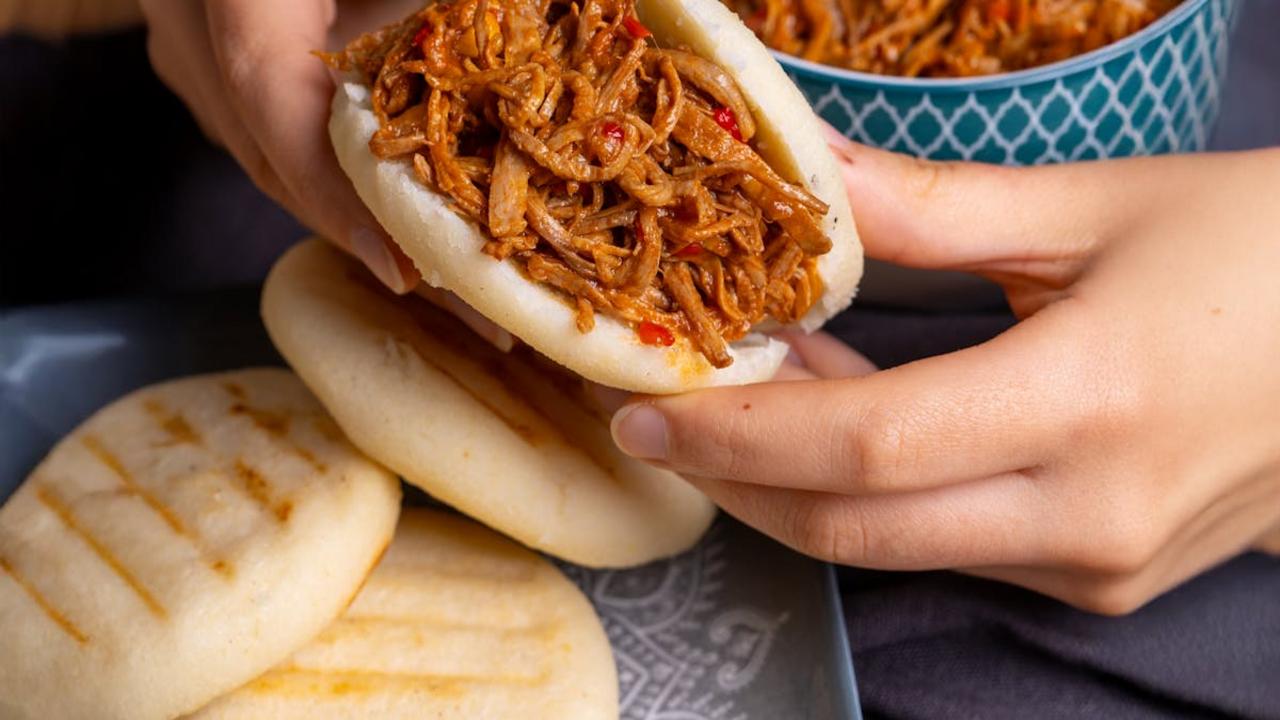
You know that moment when you bite into something so perfectly simple yet mind-blowingly satisfying that you wonder why you’ve been wasting your time with complicated sandwiches? That’s exactly what happens when you encounter your first arepa. These golden, pillowy corn cakes from Venezuela are like little edible pockets of joy that have been keeping Venezuelans happy for over 3,000 years – talk about standing the test of time! Made from just masa harina (precooked corn flour), water, and salt, arepas prove that sometimes the best things in life really are the simplest.
What makes arepas absolutely genius is their split personality – crispy on the outside, fluffy on the inside, and ready to be stuffed with literally anything your heart desires. Venezuelans have turned arepa-filling into an Olympic sport, cramming these beauties with everything from black beans and cheese (called “Dominó”) to shredded beef, chicken salad, or even scrambled eggs. The most popular version, “Reina Pepiada,” features chicken salad with avocado and mayonnaise, supposedly named after a Miss World winner from Venezuela in 1955. Pro tip: if you’re making them at home, cook them on a griddle first, then pop them in the oven to get that perfect texture. Trust me, once you master the arepa game, regular bread will seem tragically boring.
Takoyaki – Japan
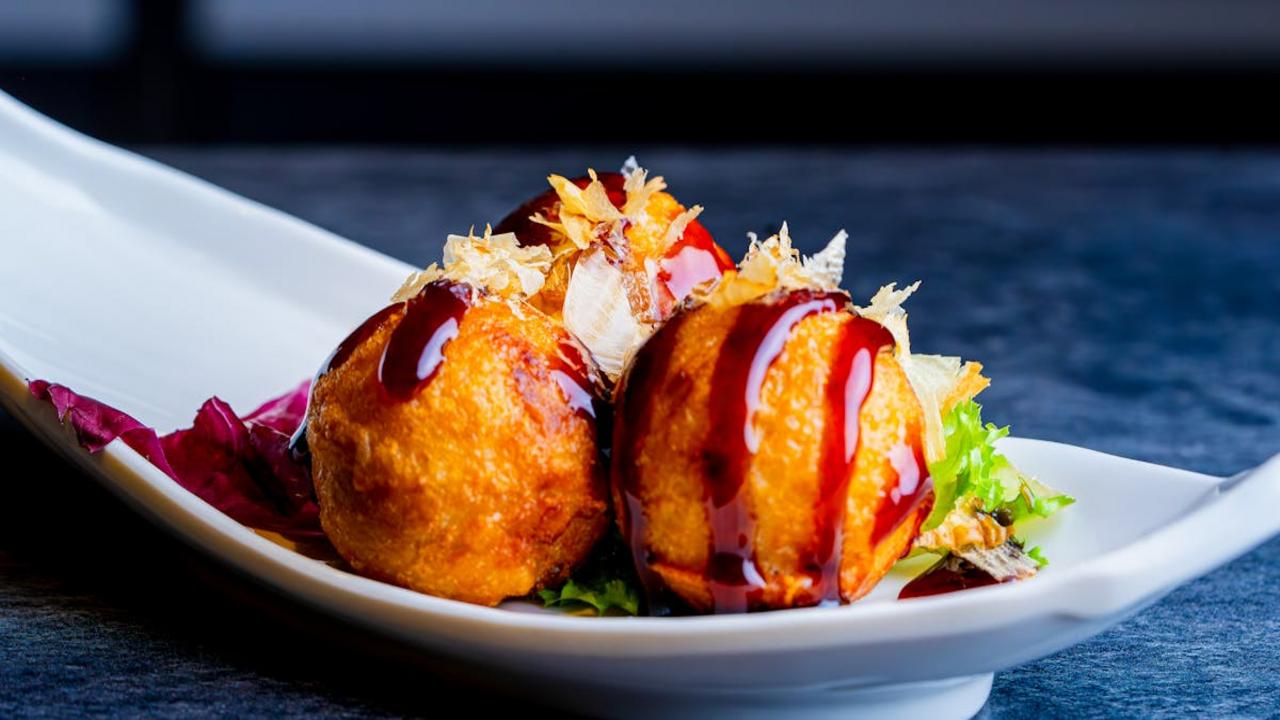
Picture this: you’re wandering through the neon-lit streets of Osaka, and suddenly you catch sight of a vendor flipping what looks like tiny golf balls in a special pan with more holes than Swiss cheese. Welcome to the magical world of takoyaki, Japan’s beloved octopus balls that have been making people happy since the 1930s! These golden spheres of joy contain chunks of tender octopus swimming in a fluffy batter made from flour, eggs, and dashi broth. The real magic happens when the vendor drizzles them with a sweet-savory sauce that tastes like the lovechild of Worcestershire and barbecue sauce, then tops them with dancing bonito flakes that wiggle from the heat like they’re putting on a tiny puppet show.
What makes takoyaki absolutely genius is how the vendors spin them with lightning speed using special picks, creating perfectly round balls that look almost too cute to eat. The outside gets crispy while the inside stays molten hot – seriously, these little devils will burn your tongue faster than you can say “octopus,” so patience becomes your best friend! Fun fact: takoyaki originated in Osaka, where locals are so obsessed with this street snack that they’ve created takoyaki-flavored Kit Kats and even takoyaki museums. You’ll find vendors at festivals, street corners, and train stations throughout Japan, each one claiming their secret batter recipe makes them the best. Trust me, after your first bite of these wobbly, sauce-covered spheres of happiness, you’ll understand why Japanese people queue up for them rain or shine!