14 Foods You Can Save and Transform Instead of Throwing Away
You know that sinking feeling when you open your fridge and spot wilted greens or overripe fruit? I used to toss these “failed” ingredients without a second thought. Then I realized I was throwing away pure potential—and money.
Food waste breaks my heart, especially knowing how these seemingly spoiled ingredients can become the stars of incredible dishes. That wrinkled carrot? Perfect for a vibrant soup. Those brown bananas? They’re practically begging to become bread or smoothies.
Today I’m sharing fourteen foods you can rescue and transform into something beautiful. These simple techniques will change how you see your kitchen scraps forever. Trust me, your wallet and your family will thank you for these creative solutions.
Browned Herbs
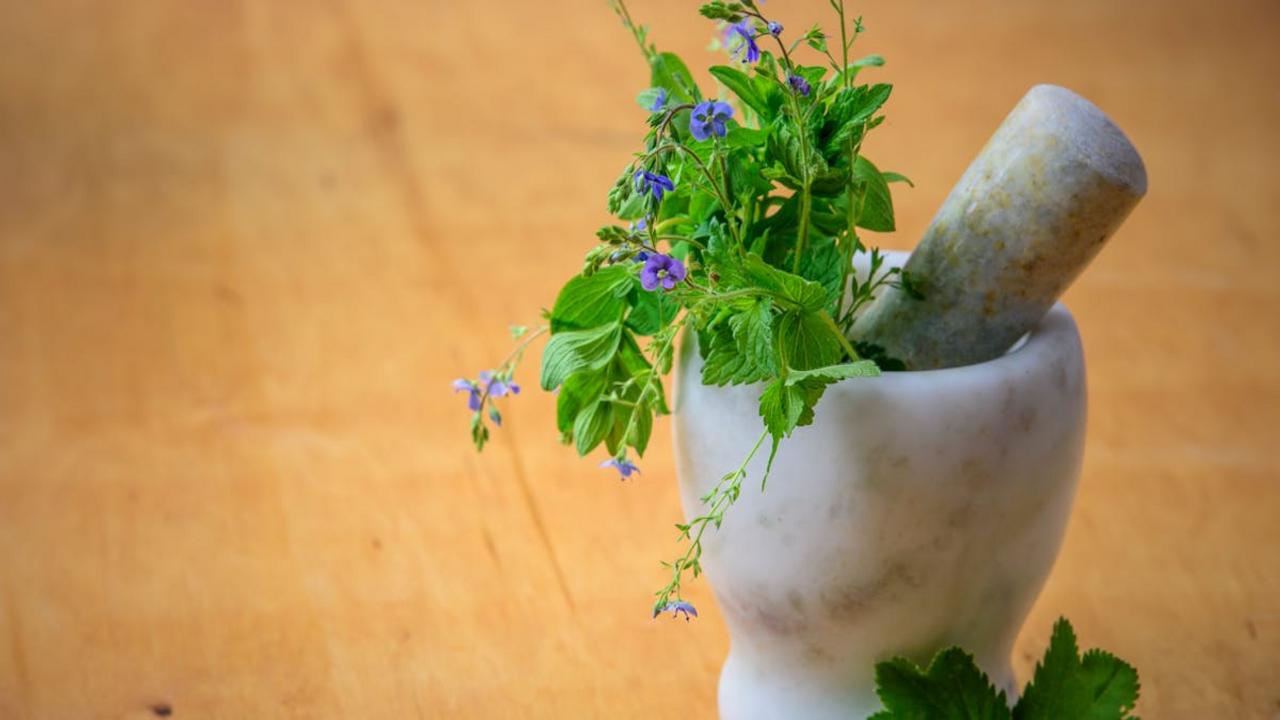
I see you staring at those herbs in your fridge—the basil leaves with brown edges, the cilantro looking a bit worse for wear, the parsley that’s seen better days. Before you toss them in the compost, hold up! Those seemingly past-their-prime herbs still have so much flavor locked inside them. I transform these beauties into concentrated flavor bombs that actually taste more intense than their fresh counterparts. The browning process concentrates their oils, creating deeper, more complex flavors that work magic in cooked dishes.
Here’s what I do: I gather all my slightly wilted herbs and turn them into herb oils, pestos, or chimichurris. Simply blend them with good olive oil, garlic, and a pinch of salt—the brown bits disappear completely and you get this gorgeous, deeply flavored sauce. I also love dehydrating them in a low oven to make my own herb blends. That sad-looking rosemary becomes an incredible seasoning for roasted potatoes, and those droopy thyme sprigs transform into the perfect addition to my homemade spice rubs. Your wallet and your meals will thank you for this simple switch from waste to wonder.
Limp Celery
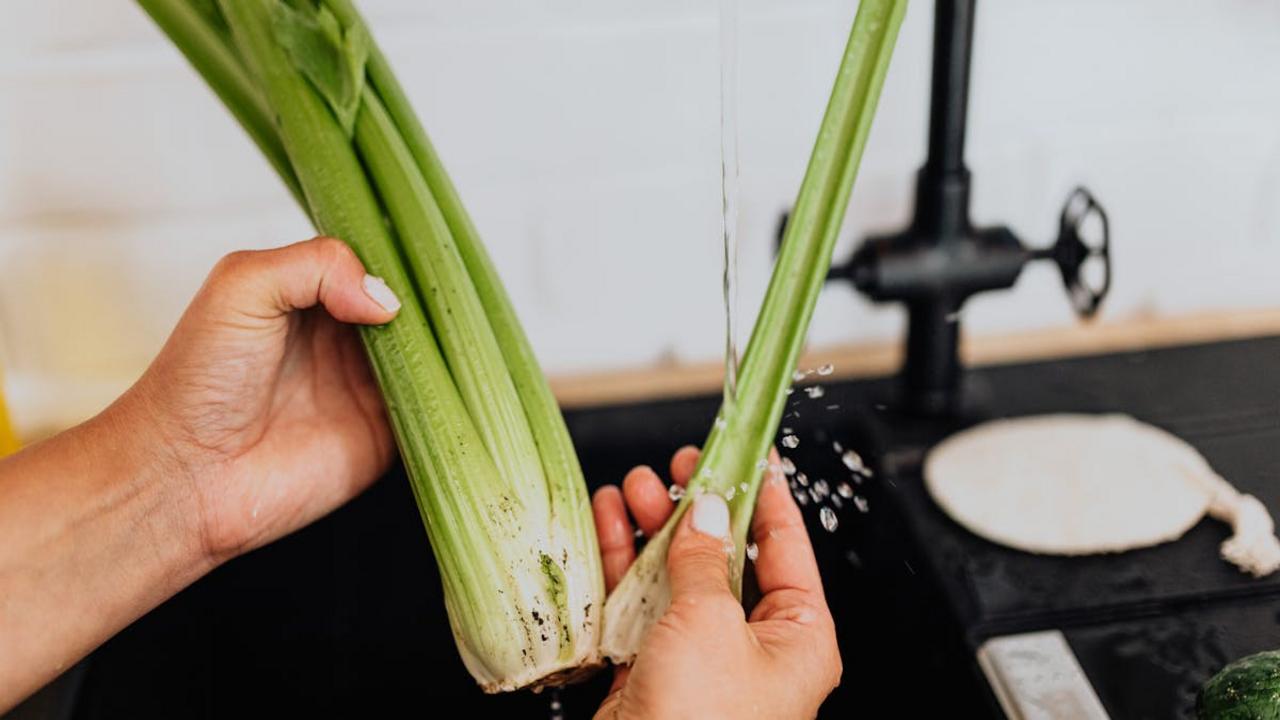
That sad bunch of celery sitting in your crisper drawer, looking more like wilted green straws than the crisp vegetable you bought last week? Don’t toss it! Limp celery becomes your secret weapon for building incredible flavor bases. I always save mine for mirepoix—that holy trinity of celery, carrots, and onions that forms the backbone of so many soups, stews, and sauces. The softened texture actually works in your favor here, breaking down beautifully to release concentrated flavor into whatever you’re cooking.
You can also transform limp celery into homemade vegetable stock that puts store-bought versions to shame. Toss those tired stalks into a pot with onion peels, carrot tops, herb stems, and any other vegetable scraps you’ve been collecting in your freezer. Simmer for an hour, strain, and you’ve got liquid gold for risottos, soups, or cooking grains. I freeze my homemade stock in ice cube trays—each cube adds instant depth to weeknight stir-fries or helps deglaze pans for quick pan sauces. Your wallet and your meals will thank you for this simple transformation.
Past Prime Berries
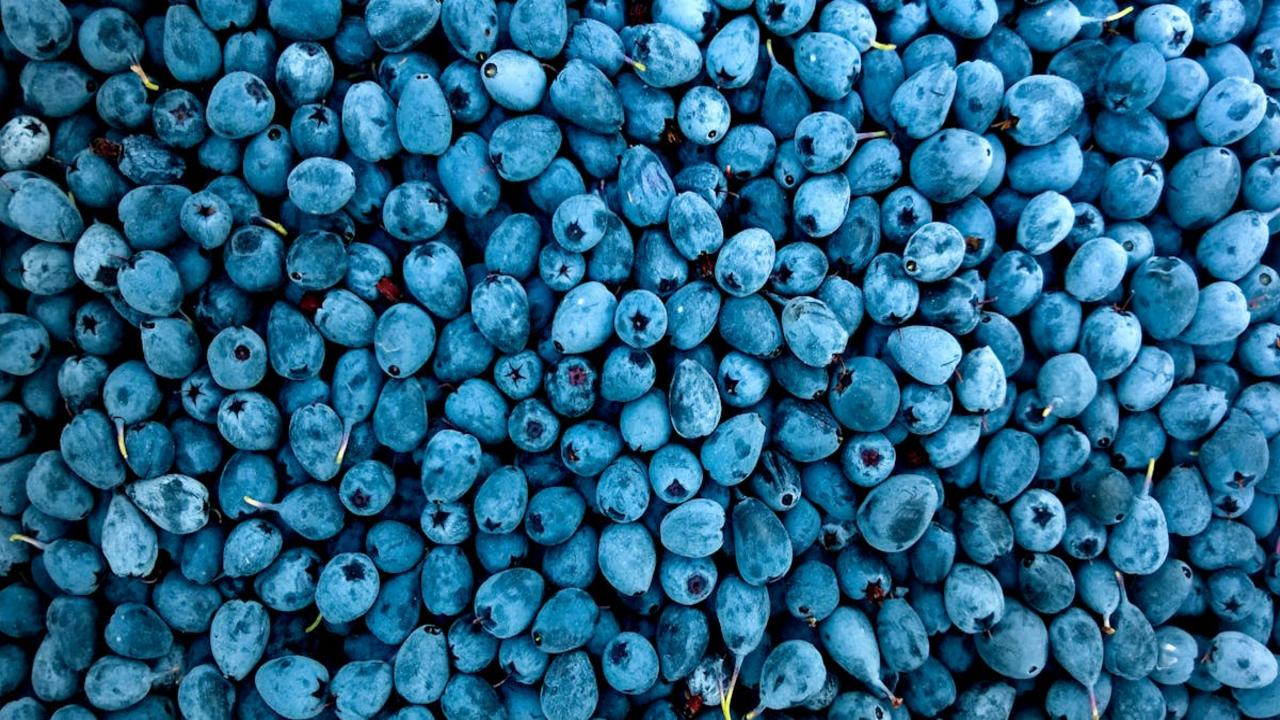
Those soft, slightly wrinkled berries sitting in your fridge aren’t destined for the trash—they’re about to become something magical! I always get excited when I spot overripe berries because they’re actually at their sweetest point. The natural sugars have concentrated, making them perfect for compotes, jams, or my favorite quick berry sauce that transforms pancakes into restaurant-quality brunch. Simply toss them in a pan with a splash of water and honey, let them bubble away for five minutes, and you’ve got liquid gold.
Beyond the stovetop, these tender berries work beautifully in smoothies where their mushy texture becomes an advantage rather than a drawback. I blend them into overnight oats, swirl them into yogurt, or fold them into muffin batter where they create pockets of intense berry flavor. You can even freeze them on a sheet pan and save them for future smoothie bowls—frozen berries actually blend smoother than fresh ones. Next time you see those sad-looking berries, remember they’re not past their prime; they’re ready for their second act in your kitchen.
Overripe Avocados
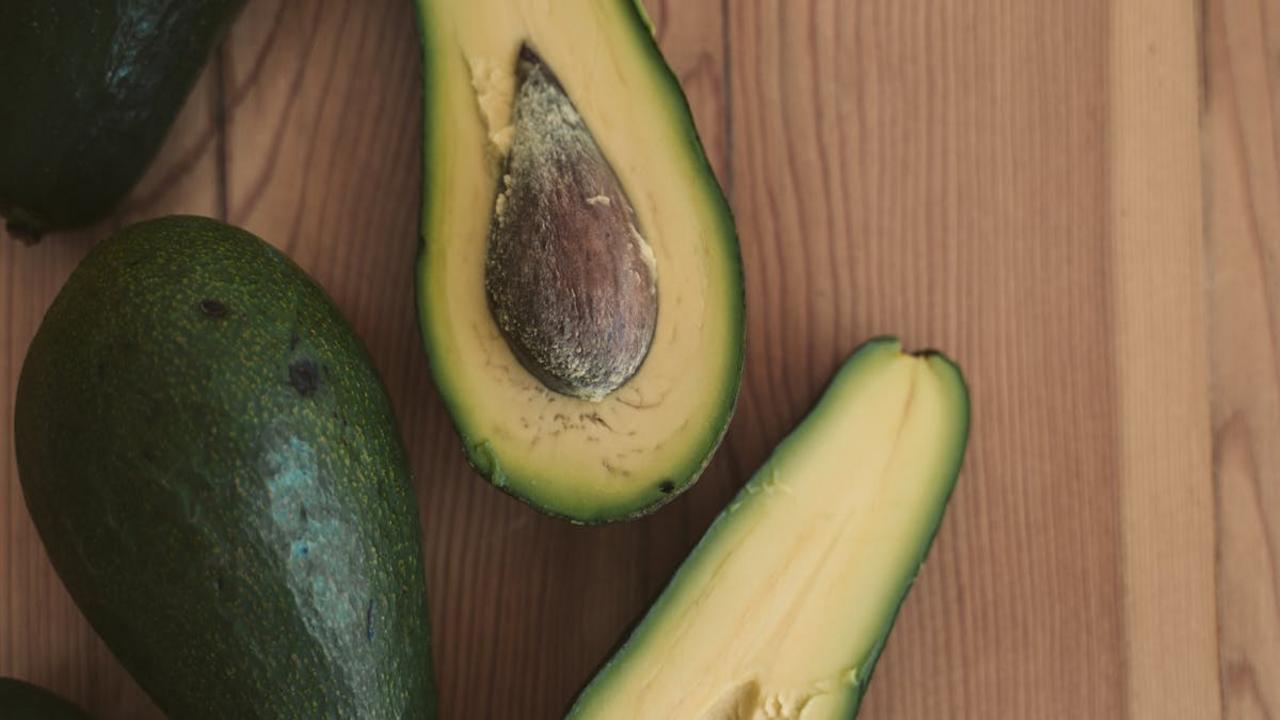
Those brown, mushy avocados sitting on your counter aren’t destined for the trash—they’re actually perfect for creating rich, creamy dishes that’ll surprise you. I reach for overripe avocados when making chocolate mousse, adding them to smoothies for natural creaminess, or whipping up my favorite avocado brownies. The soft texture works beautifully in baked goods, contributing moisture and healthy fats while reducing the need for butter or oil. You can also mash them into face masks for a spa-like treatment, though I prefer keeping mine in the kitchen where they truly shine.
Transform those squishy avocados into vibrant green goddess dressing by blending them with herbs, lemon juice, and garlic—it keeps fresh in the fridge for days and elevates any salad or grain bowl. I love making avocado ice cream too, combining the fruit with coconut milk, lime, and a touch of honey for a naturally creamy frozen treat. The key lies in embracing their soft texture rather than fighting it. Next time you spot those overly ripe avocados, think beyond guacamole and discover how their buttery richness can enhance both sweet and savory creations in ways that perfectly ripe avocados simply can’t match.
Dry Cheese
That block of aged cheddar sitting in your fridge, looking a bit too firm for your liking? Don’t toss it! I’ve learned that dry cheese becomes your secret weapon for creating incredible depth in dishes. When cheese loses moisture, it concentrates flavors beautifully. I grate hardened cheese directly over pasta, risotto, or roasted vegetables where the heat releases those intensified savory notes. You can also create your own parmesan-style seasoning by finely grating dry cheese and storing it in an airtight container—it keeps for weeks and transforms simple dishes into something special.
My favorite trick involves turning dry cheese into crispy cheese crisps. Simply grate the cheese, spread it thin on a parchment-lined baking sheet, and bake at 375°F until golden and crispy. These make perfect salad toppers or snacks on their own. I also love incorporating grated dry cheese into bread dough or muffin batter—the concentrated flavor creates pockets of savory goodness throughout. Remember, cheese that’s simply dried out isn’t spoiled cheese; it’s cheese that’s ready for a delicious transformation in your kitchen.
Wrinkled Carrots
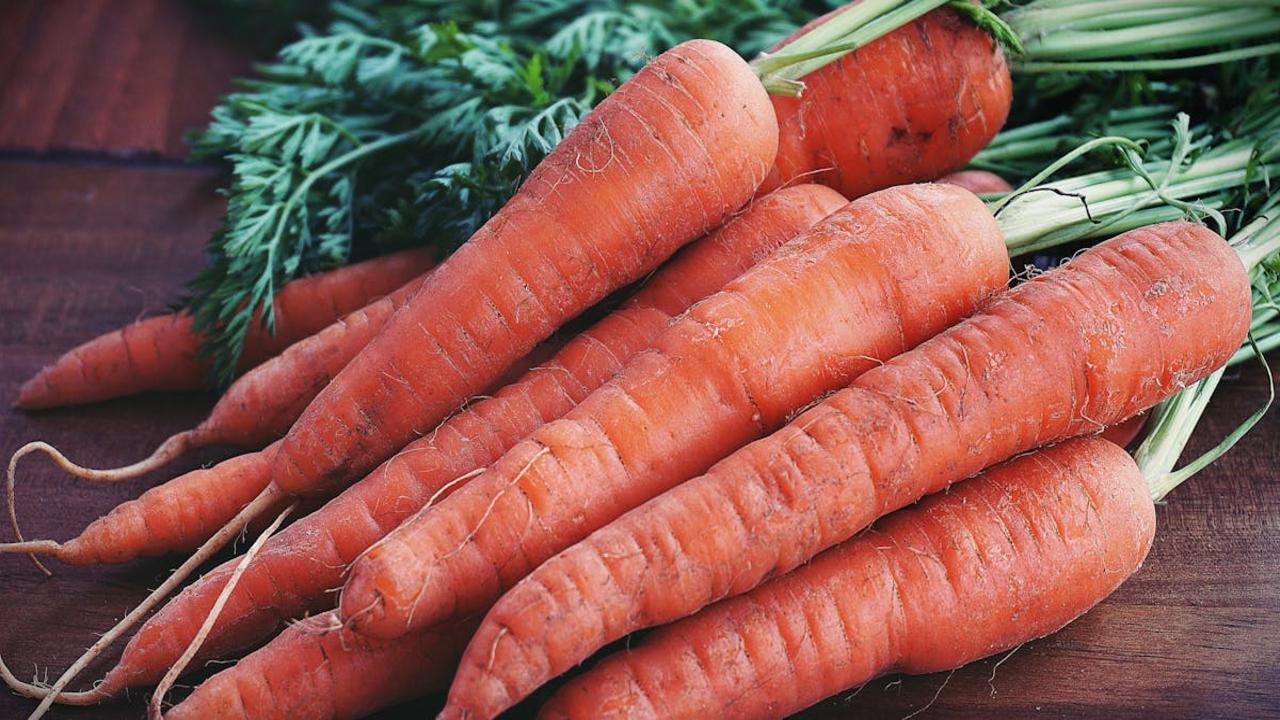
Don’t toss those wrinkled carrots sitting in your crisper drawer! I know they might look past their prime, but these slightly soft vegetables still have incredible flavor locked inside. When carrots start to wrinkle and lose their snap, they’re actually concentrating their natural sugars, making them perfect for roasting, braising, or transforming into silky smooth soups. I love taking these overlooked gems and turning them into my grandmother’s Moroccan-inspired carrot tagine or a vibrant ginger-carrot soup that warms you from the inside out.
The key to reviving wrinkled carrots lies in understanding that their texture change doesn’t mean flavor loss—quite the opposite. Peel away any truly soft spots, then slice them thin for quick-cooking stir-fries where they’ll absorb all those beautiful aromatics you’re working with. Or roast them whole with olive oil, cumin, and honey until they caramelize into sweet, tender perfection. I often blend cooked wrinkled carrots into my homemade hummus for extra creaminess and natural sweetness, or grate them into morning muffins where their concentrated flavor really shines. Your wallet and your taste buds will thank you for giving these humble roots a second chance.
Old Potatoes
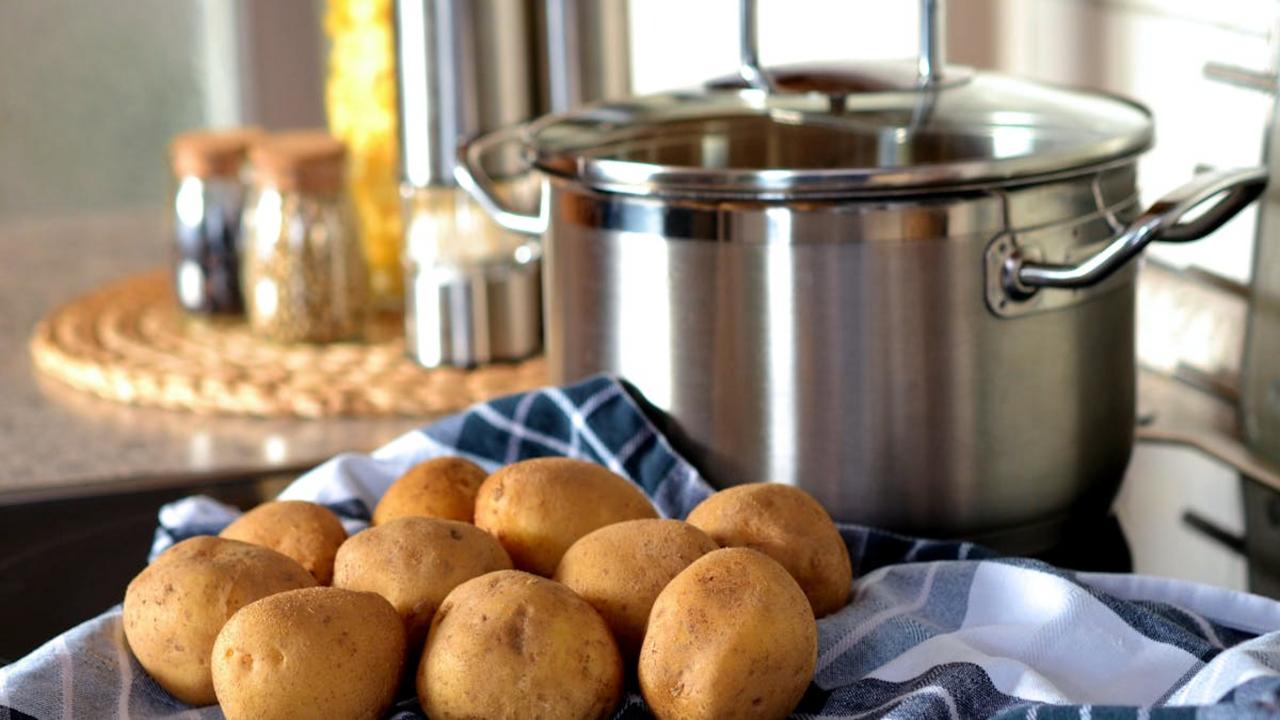
Those sprouted, wrinkled potatoes sitting in your pantry corner? Don’t toss them just yet! I transform these forgotten gems into some of my most satisfying dishes. Remove the sprouts and any green spots, then give them a good scrub. These older potatoes actually work beautifully for mashed potatoes, gnocchi, or my favorite weekend project – homemade potato bread. The slightly dehydrated texture means they absorb flavors more intensely, creating deeper, more complex tastes in your final dish.
I love turning old potatoes into crispy hash browns or roasted potato wedges seasoned with whatever spices I have on hand – maybe some za’atar from my Middle Eastern pantry stash or a sprinkle of curry powder for warmth. The key is cutting away any questionable bits and focusing on what’s still good. You can even boil and mash them into a base for vegetable patties, mixing in some grated carrots, herbs, and chickpea flour for binding. These rescued potatoes often become the foundation for my most creative, soul-warming meals.
Bruised Peaches
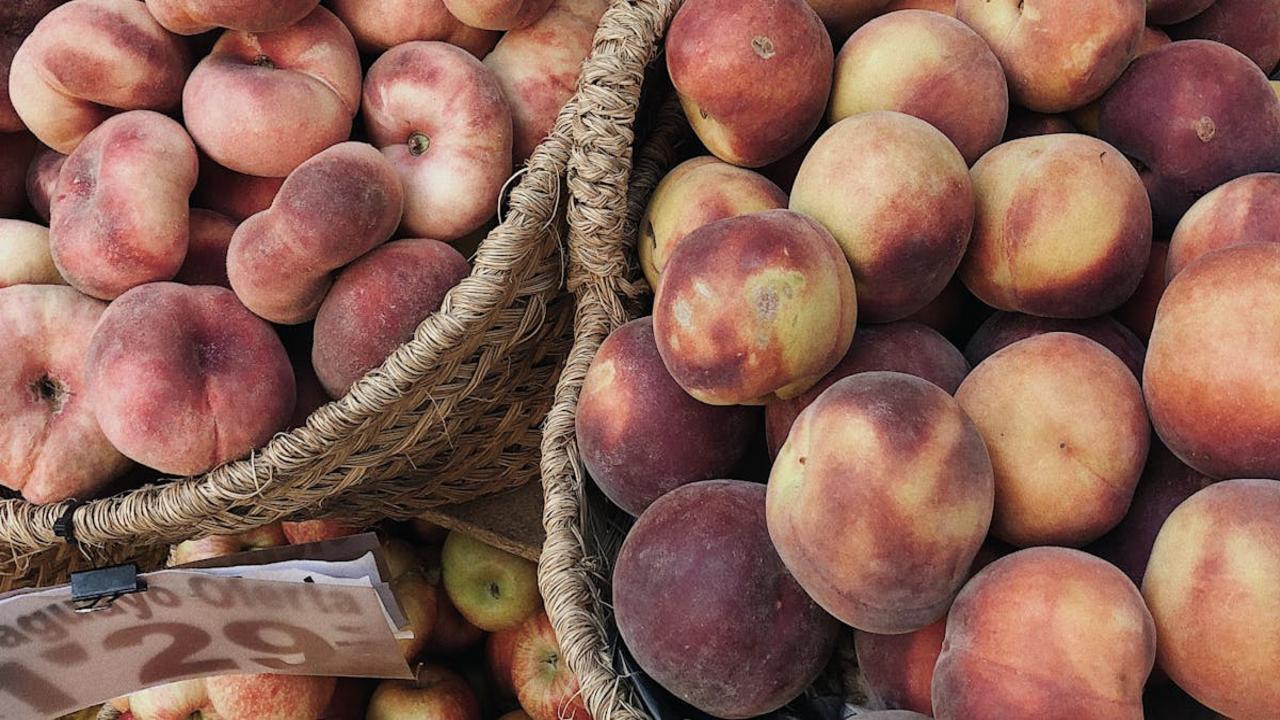
Those soft spots on your peaches aren’t signs of defeat—they’re invitations to create something magical! I grab my bruised peaches and turn them into the most incredible quick jam you’ve ever tasted. Simply chop them up, toss them in a pan with a splash of honey, fresh ginger, and maybe some cardamom if I’m feeling fancy. The natural sugars concentrate as they cook down, creating this glossy, aromatic spread that transforms morning toast into something special. You can also blend them into smoothies where their sweetness shines without any textural concerns, or fold them into pancake batter for bursts of peachy goodness.
My grandmother taught me that bruised fruit carries concentrated flavor—she was absolutely right. These peaches work beautifully in cobblers and crumbles where their softness becomes an advantage, melting into the filling and creating natural sweetness that reduces your need for added sugar. I love roasting halved bruised peaches with rosemary and serving them alongside grilled chicken or pork—the caramelization brings out incredible depth. You can even freeze them in ice cube trays with a bit of lemon juice for instant smoothie additions later. Trust me, once you start seeing bruised peaches as flavor goldmines rather than kitchen failures, you’ll never waste another one.
Milk Past Date
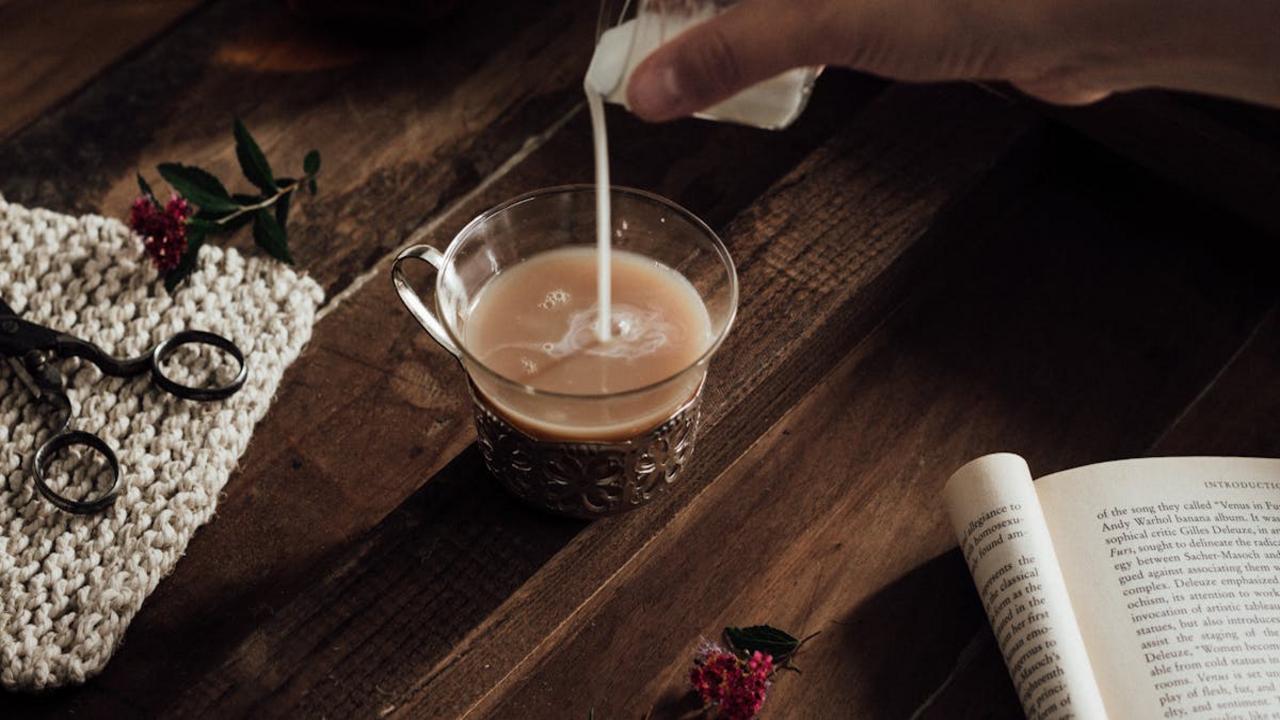
Before you pour that slightly sour milk down the drain, stop right there! That tangy flavor developing in your milk isn’t a sign of defeat—it’s your ticket to creating something absolutely wonderful in the kitchen. I’ve learned that milk past its prime becomes your secret weapon for the most tender pancakes, fluffiest biscuits, and richest homemade cheese you’ve ever tasted. The natural acids that develop give baked goods an incredible lift and create that coveted tender crumb we all chase after.
Transform your aging milk into fresh ricotta by gently heating it with a splash of lemon juice—you’ll watch magic happen as curds form before your eyes. Use it as a buttermilk substitute in cornbread or muffins, where that slight tang adds depth and character to every bite. I always keep slightly sour milk around for my weekend pancake ritual because nothing creates those cloud-like, golden beauties quite like it. The key is trusting your nose—if it smells pleasantly tangy rather than truly rotten, you’re golden to create something extraordinary from what others might discard.
Soft Tomatoes
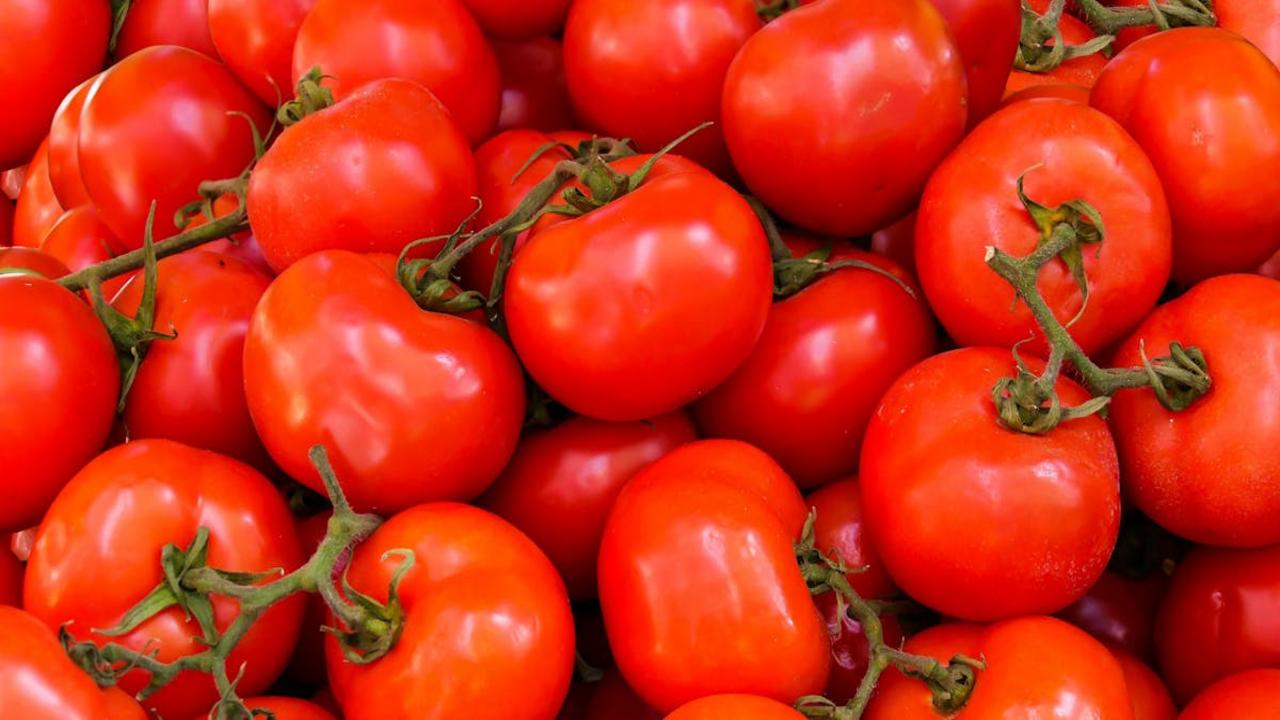
Don’t toss those soft tomatoes sitting on your counter! I grab every single one and transform them into something magical. You know that moment when tomatoes start getting squishy and you think they’re done for? That’s actually when their flavors concentrate and become incredibly sweet. I turn them into the most gorgeous slow-roasted tomato sauce that beats anything from a jar. Just slice them up, drizzle with olive oil, add garlic, herbs, and a pinch of salt, then let your oven work its magic at a low temperature for hours.
These soft beauties also make incredible tomato powder when dehydrated and ground up – sprinkle it on everything from scrambled eggs to roasted vegetables for an instant flavor boost. I love making fresh salsa with them too, since the softer texture means they break down perfectly and create this chunky, restaurant-style consistency without any effort. Sometimes I’ll char them quickly in a cast iron pan with onions and peppers for a smoky base that goes into soups, stews, or grain bowls. Your soft tomatoes aren’t waste – they’re concentrated flavor waiting to happen!
Spotted Apples
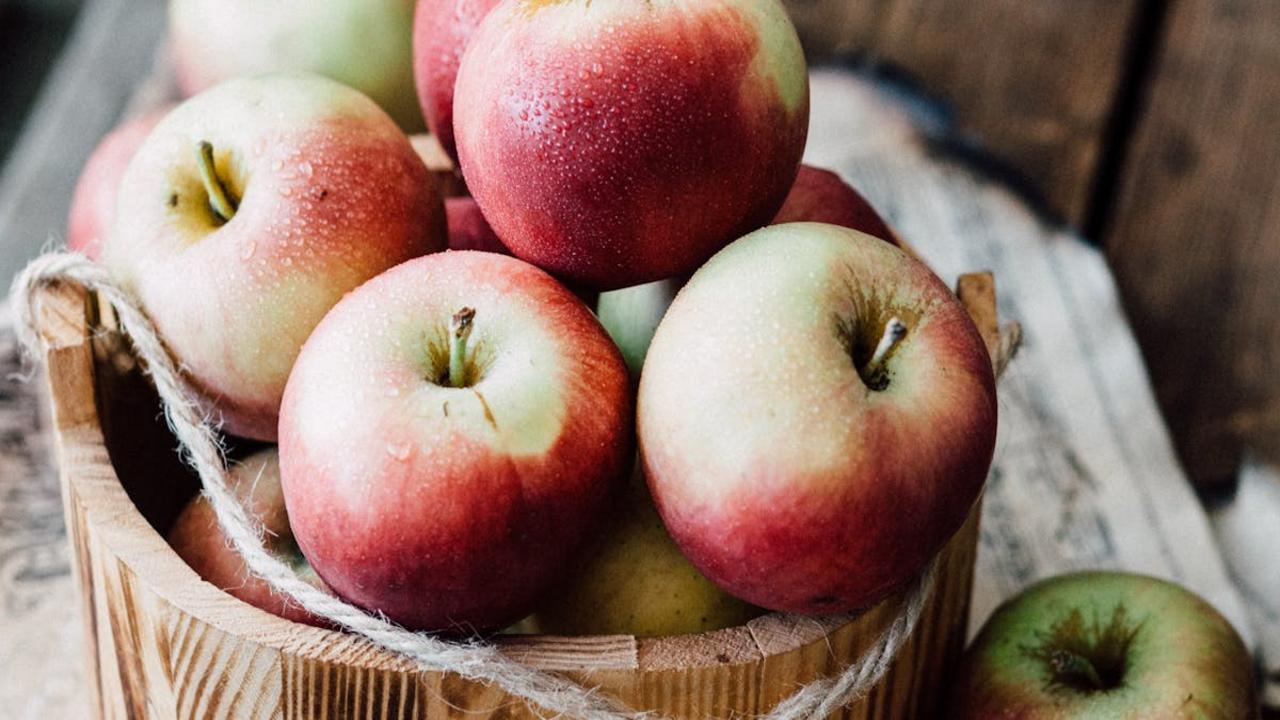
Those brown spots on your apples aren’t a sign of defeat—they’re your ticket to some of the most comforting desserts and warming beverages you can imagine! I’ve learned that spotted apples actually concentrate their sweetness as they soften, making them perfect for transforming into something magical. The natural sugars intensify, and that slightly mushy texture becomes an advantage rather than a drawback. Instead of tossing them in the bin, I grab these beauties and turn them into homemade applesauce, apple butter, or the most incredible spiced apple compote that’ll make your kitchen smell like pure autumn bliss.
My favorite trick with spotted apples is creating a rustic apple crisp where their natural softness means they cook down beautifully with just a touch of cinnamon and nutmeg. You can also core them and stuff with oats, nuts, and a drizzle of honey for baked apples that taste like pure comfort food. For something completely different, I blend them into smoothies where their sweetness shines through, or simmer them with ginger and lemon to make a soothing tea that beats any store-bought version. These past-their-prime apples actually cook faster and break down more easily, giving you that perfect jammy consistency that fresh apples sometimes struggle to achieve.
Wilted Lettuce
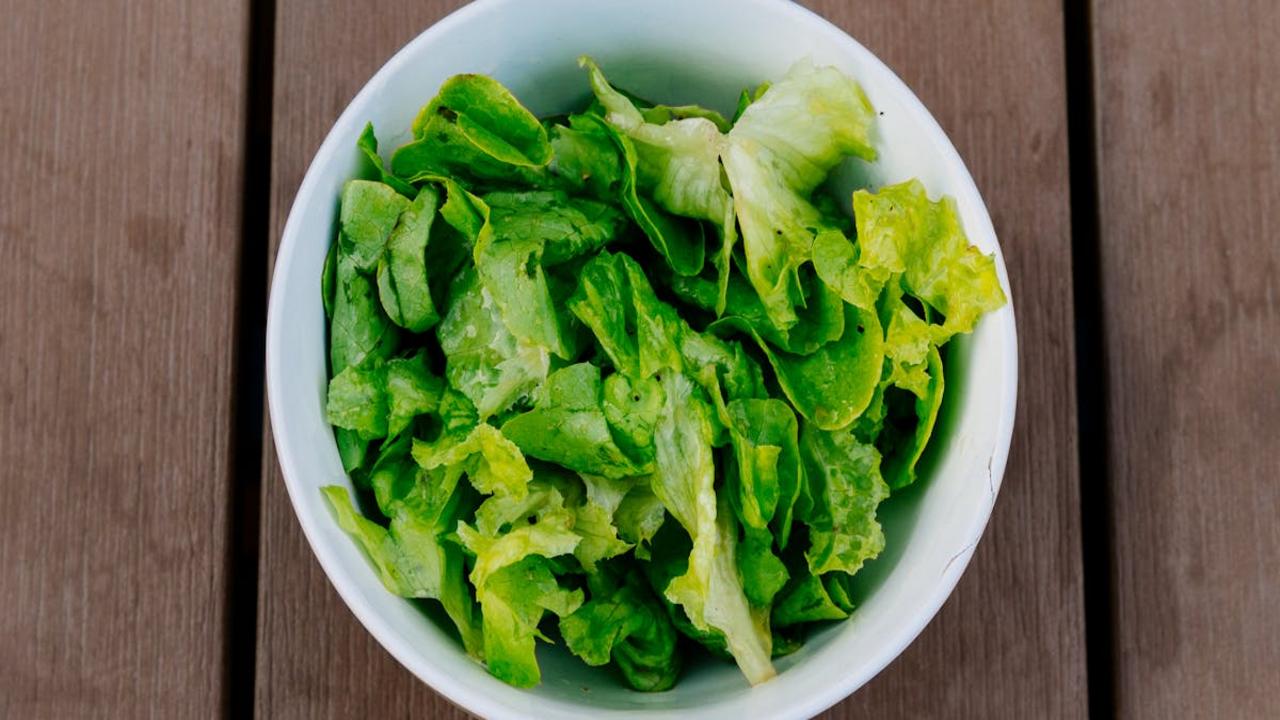
That sad, droopy lettuce sitting in your crisper drawer isn’t destined for the compost bin just yet! I’ve rescued countless bags of wilted greens by giving them a refreshing ice water bath – simply submerge those limp leaves in cold water for 10-15 minutes, and watch them perk up like they’re greeting the morning sun. The cellular structure rehydrates, bringing back that satisfying crunch you thought was lost forever. Even if they don’t fully bounce back, wilted lettuce becomes your secret weapon for cooking applications you probably never considered.
Transform those less-than-perfect leaves into a vibrant stir-fry by tossing them with garlic, ginger, and a splash of soy sauce – the wilted texture actually works beautifully here, absorbing flavors like a sponge. I love adding them to soups during the last few minutes of cooking, where they contribute a fresh, green note without the need for perfect crispness. Blend them into smoothies for an extra dose of nutrients, or chop them finely and fold into grain bowls, frittatas, or even homemade dumplings. Your wallet and the planet will thank you for seeing potential where others see waste.
Brown Bananas
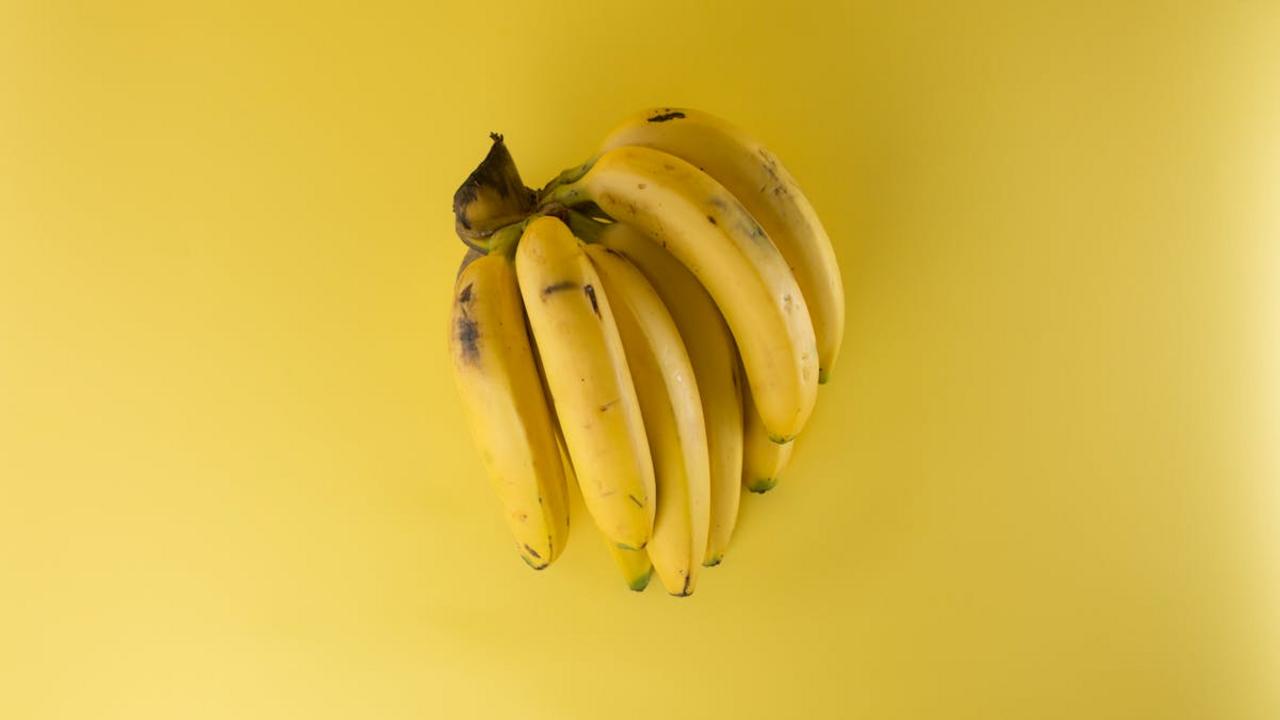
Those brown, speckled bananas sitting on your counter aren’t food waste—they’re pure gold for your kitchen! I learned this lesson years ago when my grandmother would rescue overripe bananas from certain doom, transforming them into the most incredible treats. The brown spots actually signal peak sweetness, as the starches have converted to natural sugars, creating a concentrated flavor that’s perfect for baking and cooking.
You can mash these beauties into banana bread, pancakes, or smoothies where their natural sweetness reduces your need for added sugars. I love freezing peeled brown bananas in chunks—they become the base for instant “nice cream” when blended with a splash of plant milk and warming spices like cinnamon or cardamom. For a global twist, try making Filipino turon by wrapping banana slices in spring roll wrappers with a sprinkle of brown sugar, or blend them into Indian-style lassi with yogurt and a pinch of ground ginger. These overripe fruits also work beautifully in oatmeal, chia puddings, or as a natural binding agent in homemade energy balls mixed with nuts and dates.
Stale Bread
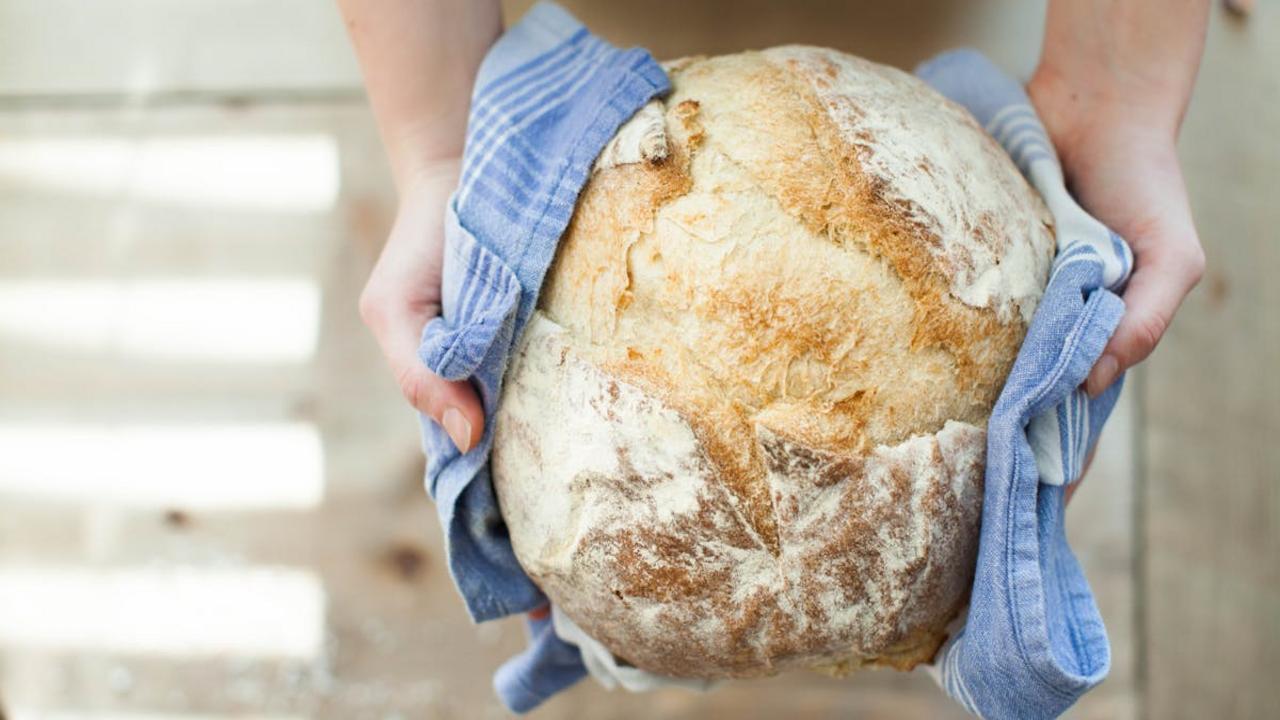
Your day-old bread doesn’t belong in the trash—it belongs in your kitchen arsenal! I’ve learned that stale bread actually works better than fresh for so many applications. Transform those hardened slices into golden breadcrumbs by tearing them up and pulsing in a food processor, then toast them in a dry pan until crispy. These homemade breadcrumbs blow store-bought versions out of the water, and you can season them with herbs, garlic, or parmesan for an instant flavor boost on pasta, salads, or roasted vegetables.
Stale bread also makes incredible bread pudding, both sweet and savory versions. I love creating a Mediterranean-inspired savory pudding with torn bread, eggs, milk, sun-dried tomatoes, and fresh herbs—it’s like a cross between stuffing and quiche that feeds a crowd. For breakfast, try making French toast with slightly stale bread since it absorbs the custard mixture without falling apart. You can even blend stale bread into gazpacho for body and texture, or turn it into rustic croutons tossed with olive oil and roasted until golden. Your “expired” bread becomes the foundation for countless satisfying meals.