14 Foods You Can Rescue With Smart Kitchen Tricks Instead of Tossing Out
Food waste breaks my heart, especially when I see perfectly good ingredients heading to the trash. In my kitchen, I’ve learned that what looks “past its prime” often holds the most potential for creating something magical. Those brown bananas? They’re begging to become the moistest banana bread you’ve ever tasted.
Over years of cooking from scratch, I’ve discovered that most foods we consider “gone bad” simply need a creative approach. That wilted lettuce can spring back to life with an ice bath, while overripe tomatoes transform into the richest pasta sauce. These aren’t just money-saving tricks—they’re opportunities to create more flavorful, wholesome meals.
Today I’m sharing fourteen rescue methods that will change how you view your refrigerator. These techniques turn potential waste into wonderful ingredients, proving that the best cooking happens when we work with what we have rather than what we think we need.
Browned Herbs
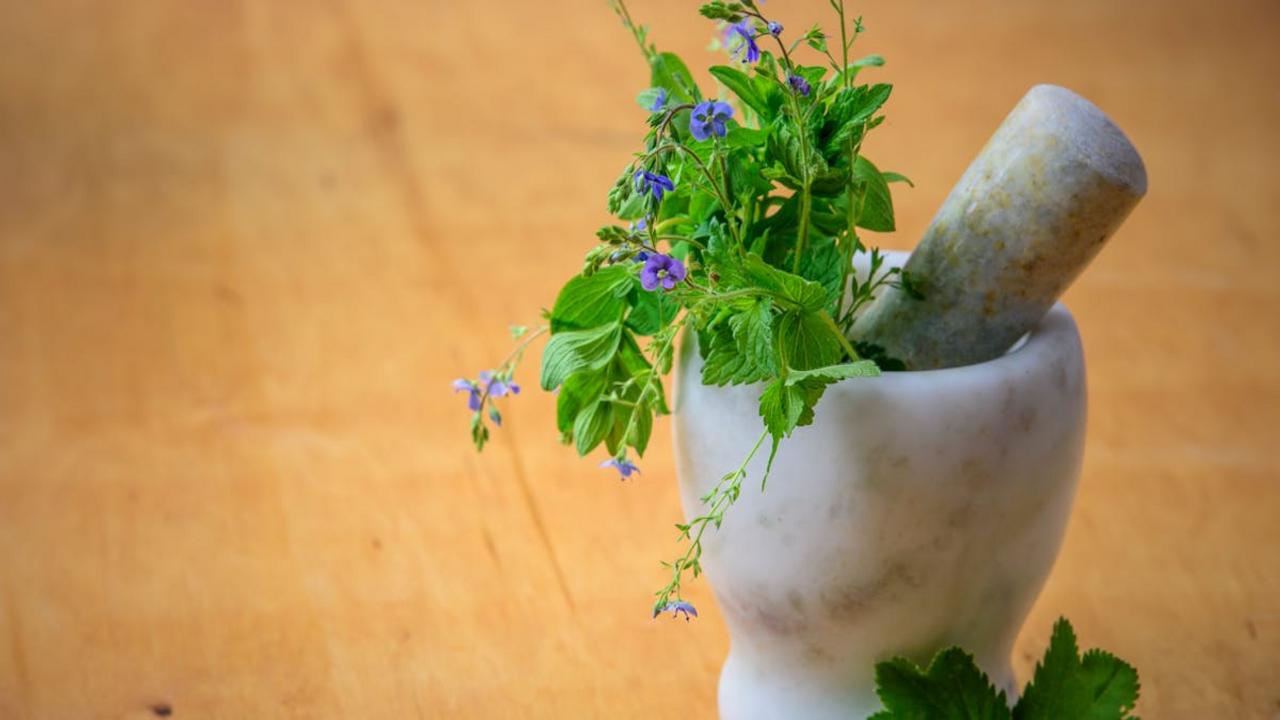
You know that moment when you open your herb container and find those once-vibrant basil leaves looking a bit tired and brown around the edges? Don’t toss them just yet! I’ve discovered that slightly browned herbs still pack incredible flavor – they’ve just concentrated their oils and developed deeper, more complex notes. The key is knowing how to work with them instead of against them. I transform these herbs into flavor-packed oils by gently heating them with olive oil, creating an infused base that adds richness to everything from roasted vegetables to grilled fish.
Another brilliant rescue technique involves turning those browning herbs into herb salt or seasoning blends. Simply dry them completely in a low oven, then grind them with coarse sea salt and maybe some garlic powder or dried citrus zest. This method works beautifully with oregano, thyme, or rosemary that’s past its prime. You can also blend browned herbs into compound butters, where their concentrated flavors shine through the richness. Store these creations in your freezer, and you’ll have instant flavor boosters ready whenever inspiration strikes in the kitchen.
Limp Celery
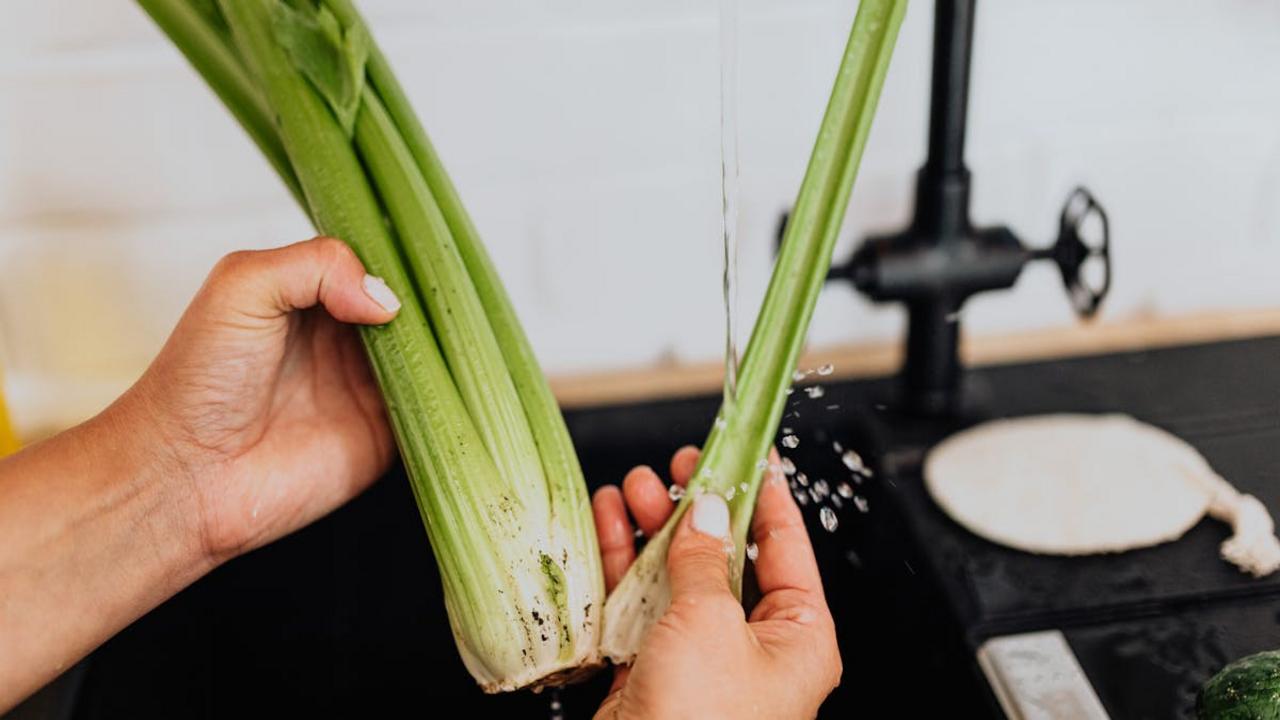
You know that sad, bendy celery sitting in your crisper drawer? Don’t toss it just yet! I’ve rescued countless stalks of limp celery with one simple trick that works like magic every single time. Fill a tall glass or jar with cold water and stand those droopy stalks upright, just like you would with fresh flowers. Within a few hours, you’ll watch them transform back into crisp, snappy vegetables ready for your next stir-fry or soup.
This water revival method works because celery loses its crunch when it dehydrates, but the plant’s natural structure can still pull water back up through its fibers. I love using revived celery in my weeknight vegetable broths or chopping it fresh for a quick mirepoix base. The best part? This trick works for other leafy vegetables too – try it with wilted herbs, lettuce, or even slightly soft carrots. Your wallet will thank you, and you’ll feel good about reducing food waste while keeping wholesome ingredients in your cooking rotation.
Past Prime Berries
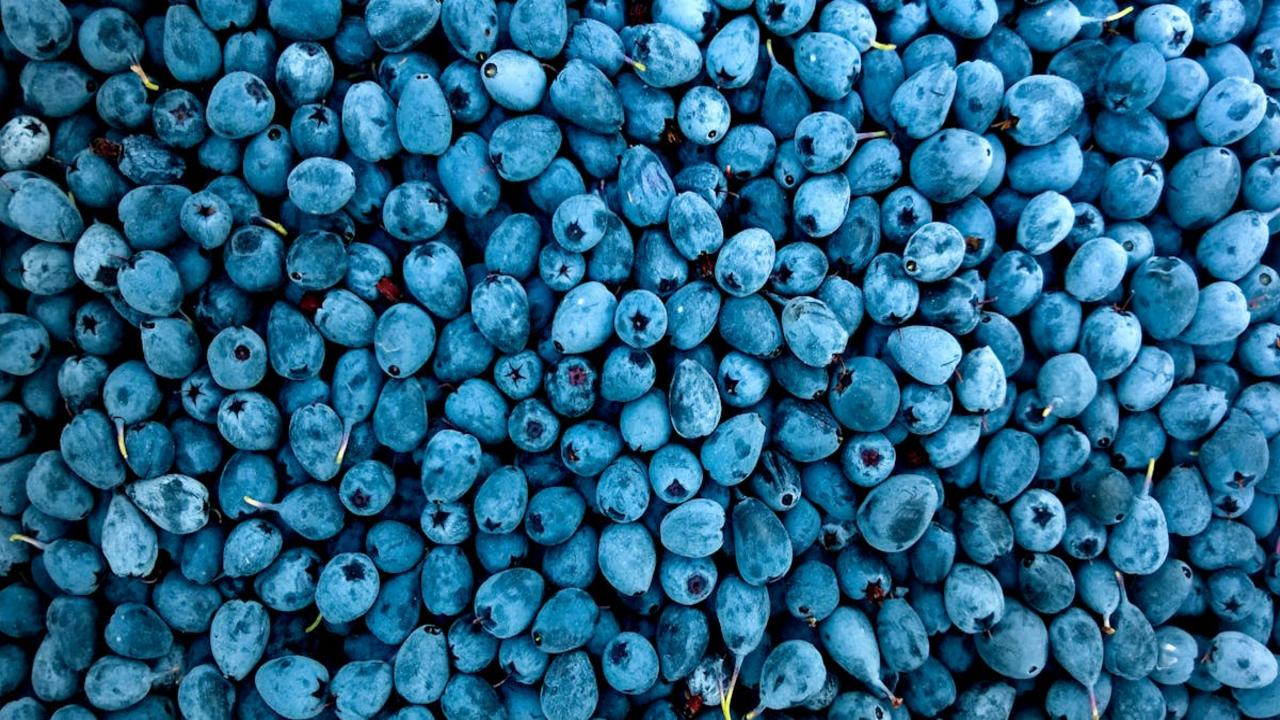
Those berries sitting in your fridge looking a bit sad and wrinkled? Don’t throw them away just yet! I transform my past-prime berries into something magical almost daily. The secret lies in understanding that soft, slightly mushy berries have concentrated their natural sugars, making them perfect for cooking applications. I toss them into a hot pan with a splash of lemon juice and honey, creating an instant compote that brightens up everything from morning yogurt to evening desserts. You can also freeze them directly in ice cube trays with a bit of water to create berry ice cubes that add natural sweetness to your drinks throughout the week.
My favorite rescue method involves blending overripe berries into smoothie bases or incorporating them into pancake batter where their softness becomes an advantage rather than a flaw. I often make quick berry sauces by simmering them with fresh ginger and a touch of balsamic vinegar – this creates a complex flavor profile that pairs beautifully with grilled meats or roasted vegetables. The natural pectin in slightly overripe berries actually helps create better texture in homemade jams and preserves, so you’re working with nature rather than against it. Remember, those berries still contain all their antioxidants and nutrients; they just need a little creativity to shine again.
Overripe Avocados
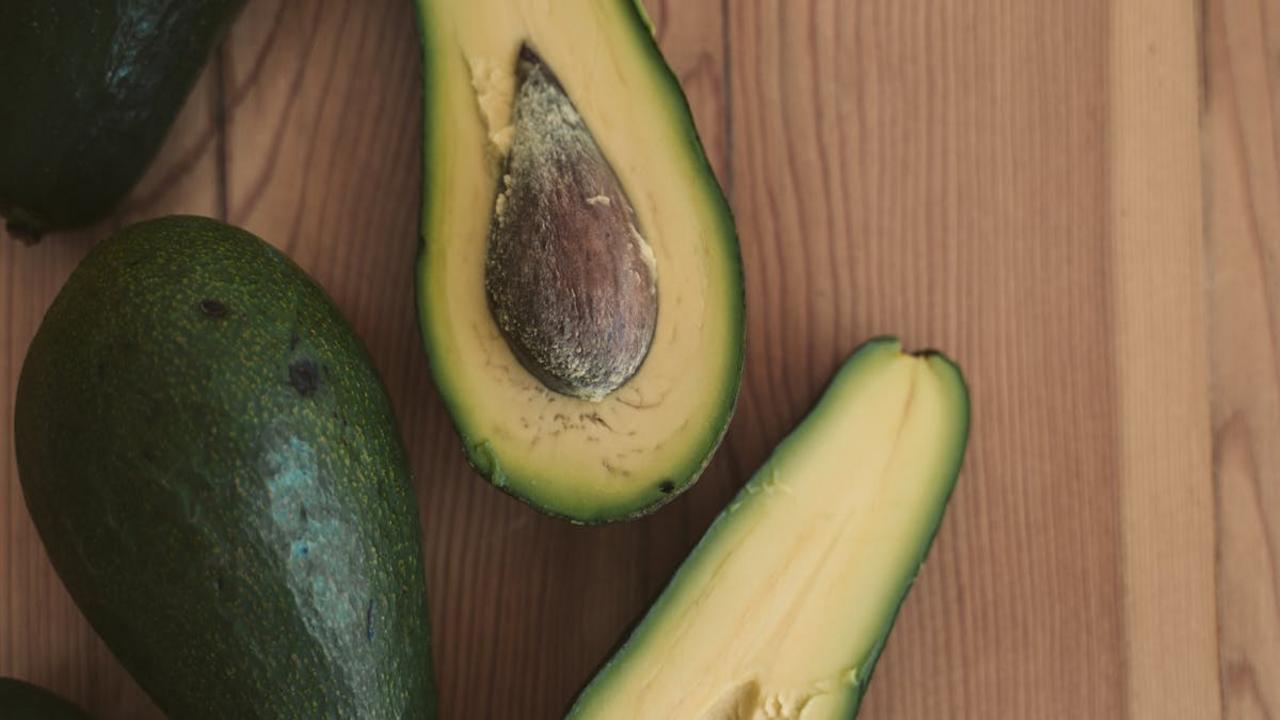
Don’t you dare throw out those brown, mushy avocados sitting on your counter! I know they look past their prime, but trust me—these soft beauties are about to become your secret weapon in the kitchen. Those overripe avocados that feel like pudding when you squeeze them? They’re absolutely perfect for making the creamiest chocolate mousse you’ve ever tasted. Just blend them with cocoa powder, a touch of maple syrup, and vanilla extract. The natural richness transforms into a decadent dessert that nobody will guess contains avocado. I’ve served this to skeptical friends who couldn’t believe something so indulgent could be dairy-free and packed with healthy fats.
Beyond desserts, these soft avocados work magic in baked goods too. Mash them up and substitute for butter or oil in brownies, muffins, or quick breads—you’ll get incredibly moist results with added nutrition. I love folding overripe avocado into my banana bread batter for extra richness, or whisking it into salad dressings for a creamy texture without dairy. You can even freeze mashed overripe avocado in ice cube trays for future smoothies. Each cube adds instant creaminess and healthy omega-3s to your morning blend. These overlooked fruits teach us that perfection isn’t always about appearance—sometimes the best flavors come from ingredients that others might overlook.
Dry Cheese
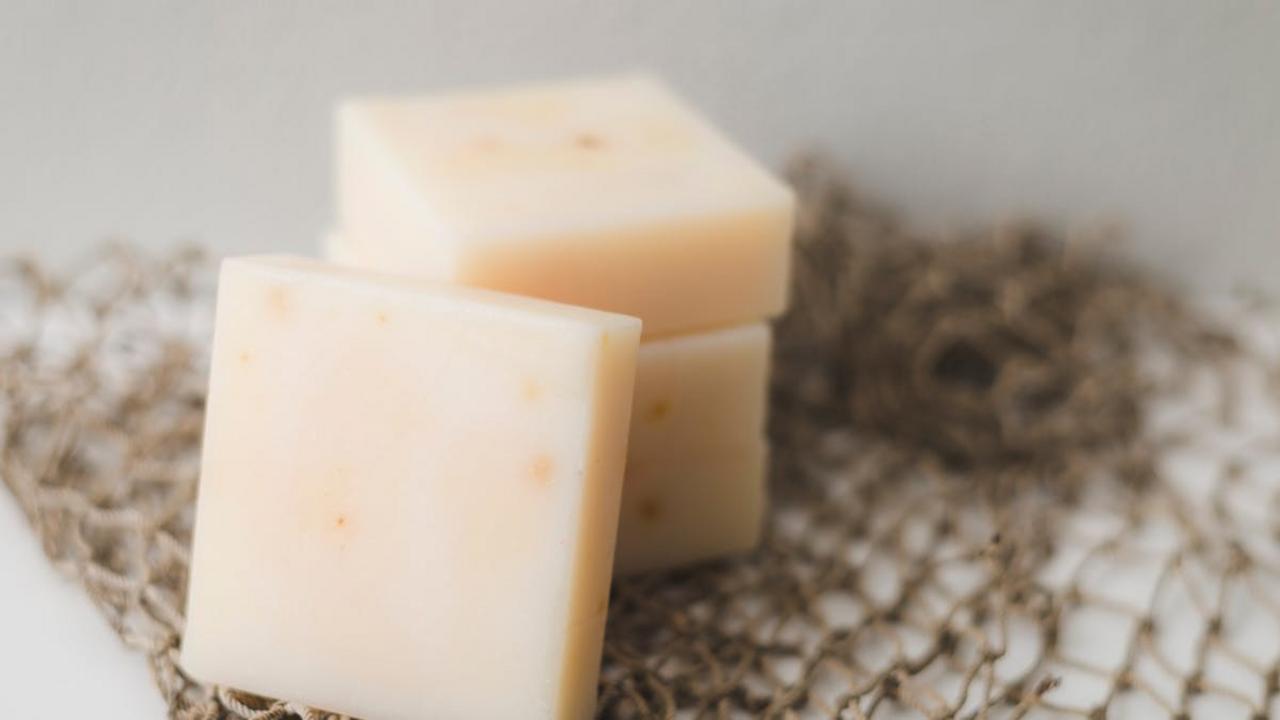
You know that feeling when you discover a forgotten block of cheese in your fridge, only to find it’s transformed into something that could double as a doorstop? Don’t throw it away just yet! I’ve rescued countless wheels of parmesan, cheddar, and goat cheese from this exact fate. The secret lies in understanding that dry cheese hasn’t gone bad—it’s simply lost moisture. Grate that hardened block immediately, and you’ll create the most incredible finishing cheese for pasta, soups, and roasted vegetables. Store the grated cheese in an airtight container, and it will keep for weeks longer than the original block would have.
For softer cheeses that have developed a tough exterior, try my favorite revival trick: wrap the cheese in a damp paper towel, then place it in a sealed container overnight. The gentle moisture will penetrate the surface, bringing back much of the original texture. If the cheese remains stubborn, slice off the dried outer layer and use the interior for melting into quesadillas, grilled cheese sandwiches, or my grandmother’s technique of adding small cubes directly into warm rice dishes. The residual heat transforms even the most stubborn dry cheese into creamy, melted perfection that adds depth and richness to simple meals.
Wrinkled Carrots
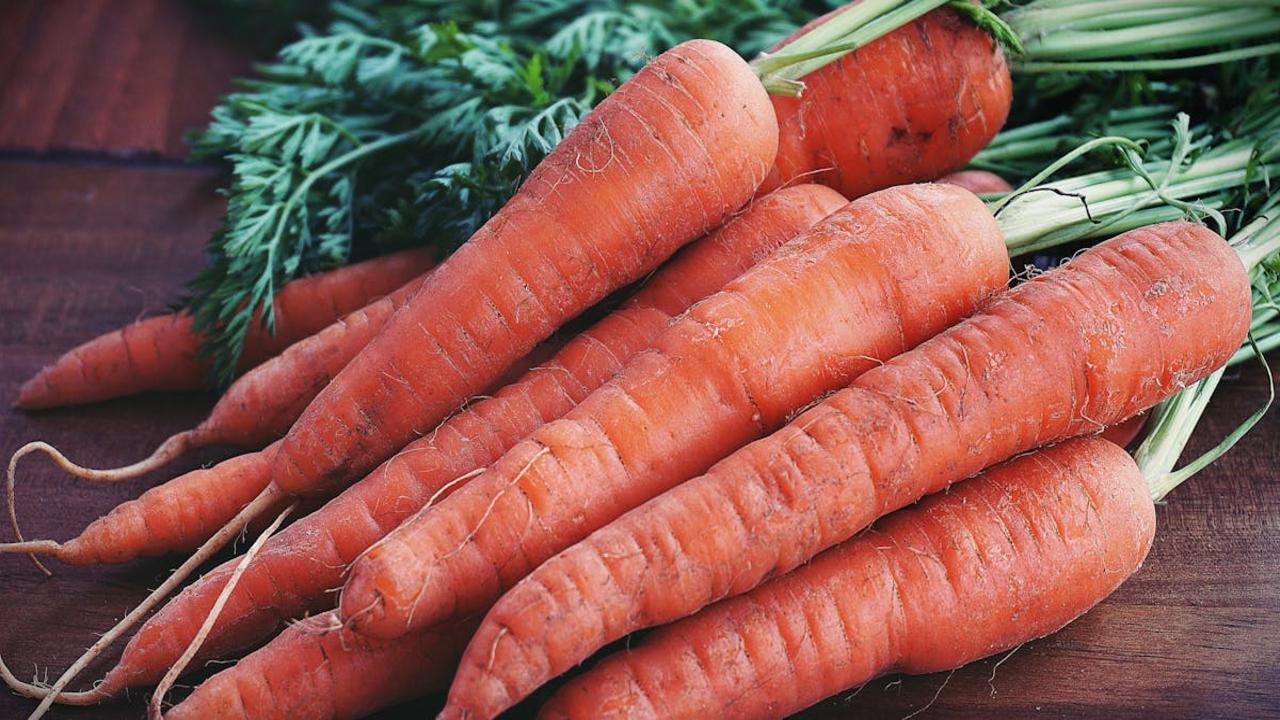
Those wrinkled carrots sitting sadly in your crisper drawer aren’t destined for the compost bin—they’re actually perfect candidates for some of my favorite cooking techniques! I grab these softened beauties and give them new life through roasting, where their concentrated sugars caramelize into pure magic. You can also revive them by soaking in ice water for about thirty minutes, which helps firm them back up if you want that satisfying crunch for fresh applications.
What I love most about working with slightly past-their-prime carrots is how forgiving they become in the kitchen. Their softened texture makes them ideal for quick-cooking methods like stir-frying with ginger and garlic, or blending into silky smooth soups that taste like sunshine in a bowl. I often turn them into carrot-ginger dressing for salads, or grate them into morning muffins where their natural sweetness shines through. Don’t judge these wrinkled warriors by their appearance—they still pack the same nutritional punch and often have even more concentrated flavor than their crisp counterparts.
Old Potatoes
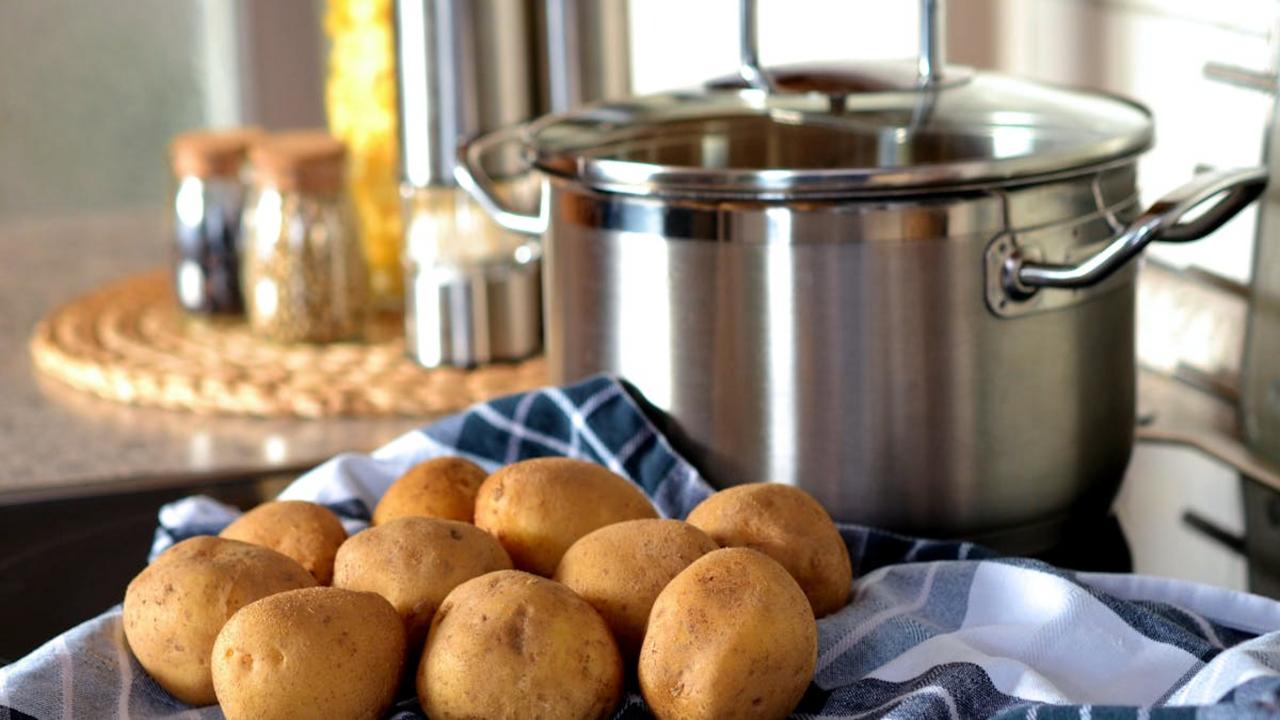
You know that moment when you reach for potatoes and find them sprouted, wrinkled, or sporting those telltale green patches? Don’t toss them just yet! I’ve rescued countless bags of seemingly hopeless potatoes by understanding what’s actually happening. Those green spots contain solanine, which you definitely want to avoid, but a generous peeling usually takes care of the problem. For sprouted potatoes, simply remove the eyes and sprouts completely—the rest of the potato remains perfectly good. Even wrinkled potatoes have incredible potential once you understand their new texture.
My favorite trick for reviving older potatoes is transforming them into crispy smashed potatoes or silky mashed versions. The slightly dehydrated texture actually works in your favor for achieving that perfect crispy exterior when roasted. I boil them until tender, then smash gently with a fork before roasting with olive oil, herbs, and whatever spices call to me that day. Sometimes I’ll incorporate them into hearty soups where their softer texture becomes an asset rather than a flaw. These rescued potatoes often end up being more flavorful than their fresher counterparts, having concentrated their earthy sweetness through the aging process.
Bruised Peaches
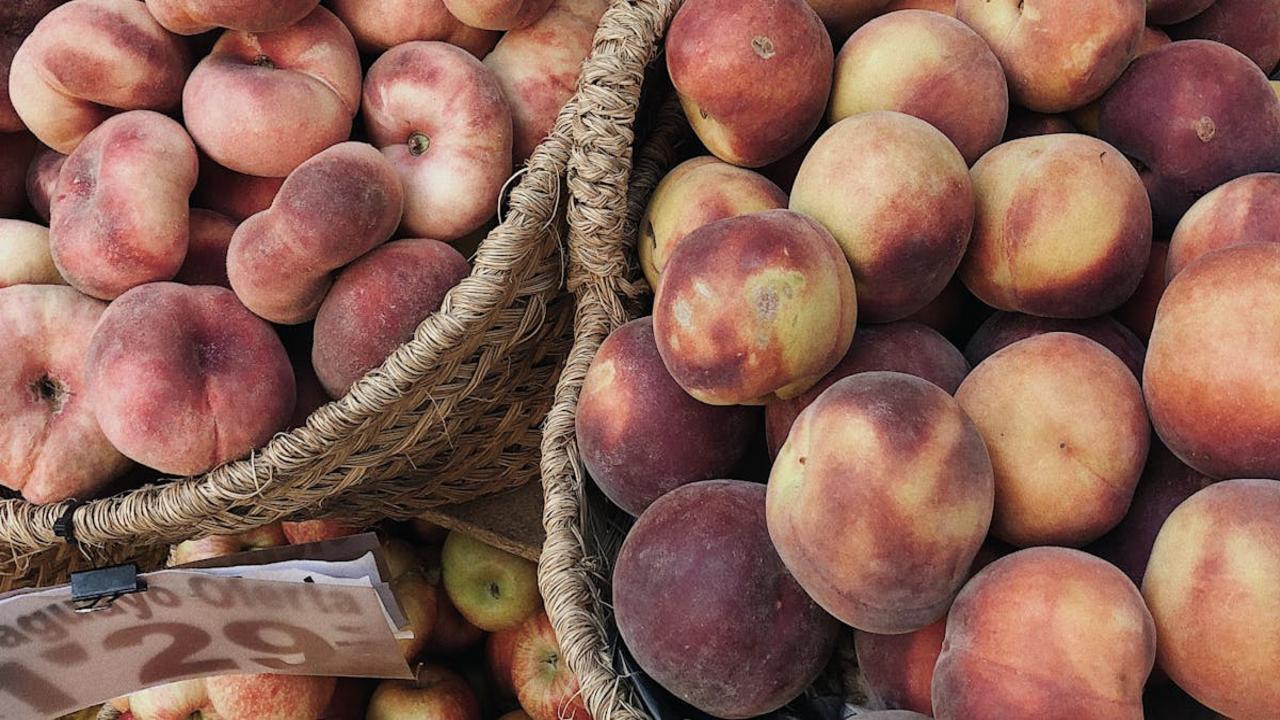
Those soft spots on your peaches don’t spell disaster – they signal transformation time! I grab my bruised beauties and turn them into something magical. The bruised areas are actually sweeter and more concentrated in flavor, making them perfect for cooking projects. Simply cut away any truly damaged parts, then dice the remaining fruit for a quick peach compote that takes just minutes on the stovetop with a splash of lemon juice and honey.
Your rescued peaches work wonders in overnight oats, swirled into yogurt, or spooned over pancakes for weekend mornings. I also love blending them into smoothies where their natural sweetness shines without needing extra sugar. For something more adventurous, try incorporating them into savory dishes – diced peaches add incredible depth to salsas, chutneys, or even grain bowls with quinoa and fresh herbs. Don’t toss those imperfect fruits when they can become the star ingredient in your next wholesome creation.
Milk Past Date
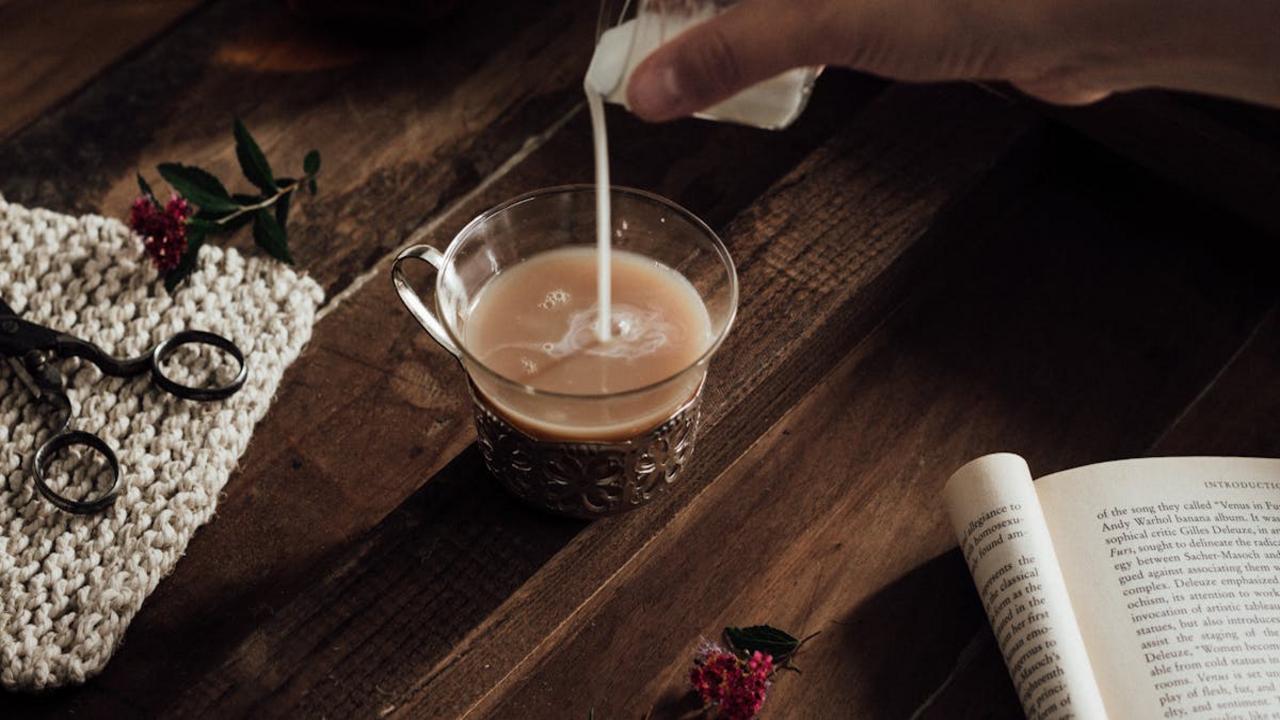
You walk to your fridge, grab that carton of milk, and notice it’s a few days past its printed date. Before you pour it down the drain, take a moment to actually smell and taste it. That date stamp represents peak quality, not a magical expiration moment when milk transforms from good to bad overnight. If your milk smells fresh and tastes normal, you can absolutely use it in cooking where it gets heated anyway—think creamy soups, pancake batter, or homemade bread where the slight tanginess might actually add character.
I transform slightly sour milk into something beautiful by making fresh paneer or ricotta at home. Just heat the milk gently, add a splash of lemon juice or vinegar, and watch it separate into curds and whey. The fresh cheese works wonderfully in everything from Indian curries to Italian pasta dishes. You can also use that questionable milk for baking—the acidity creates incredibly tender cakes and fluffy pancakes. My grandmother always said the best bread came from milk that had “turned thoughtful,” and honestly, she wasn’t wrong. This approach saves money while creating something genuinely delicious from what others might waste.
Soft Tomatoes
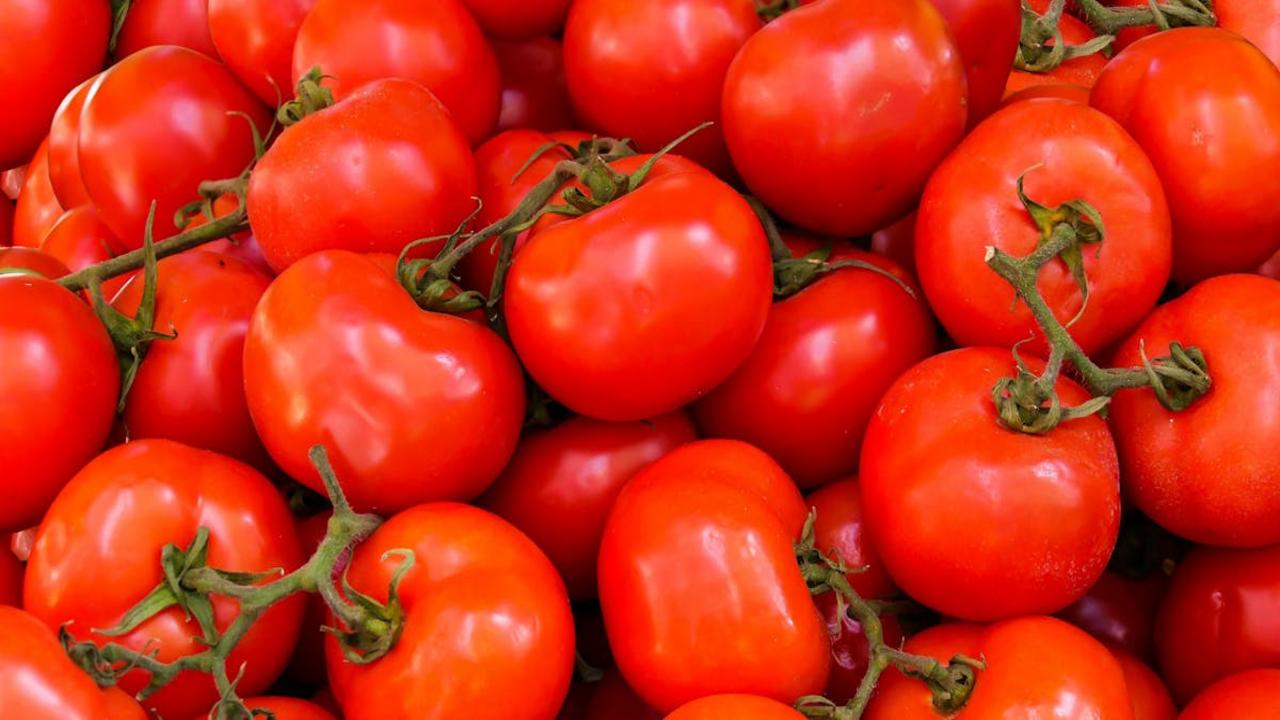
You know that feeling when you reach for a tomato and it gives way under gentle pressure? Don’t toss those beauties! Soft tomatoes have concentrated their sugars and developed deeper flavors that make them perfect for cooking. I grab these gems and turn them into rich, chunky sauces that would make my grandmother proud. Simply core them, give them a rough chop, and let them break down in a hot pan with garlic and herbs. The natural sweetness intensifies as the excess moisture evaporates, creating a sauce that clings beautifully to pasta or serves as a base for shakshuka.
Another trick I love is roasting soft tomatoes with olive oil, salt, and whatever herbs are calling to me that day. Slice them in half, arrange cut-side up on a baking sheet, and let the oven work its magic at 400°F for about 25 minutes. The edges caramelize while the centers become jammy and concentrated. I fold these roasted beauties into grain salads, spread them on toast with fresh ricotta, or blend them into soups that taste like summer in a bowl. These techniques transform what some might see as waste into ingredients that bring depth and soul to your cooking.
Spotted Apples
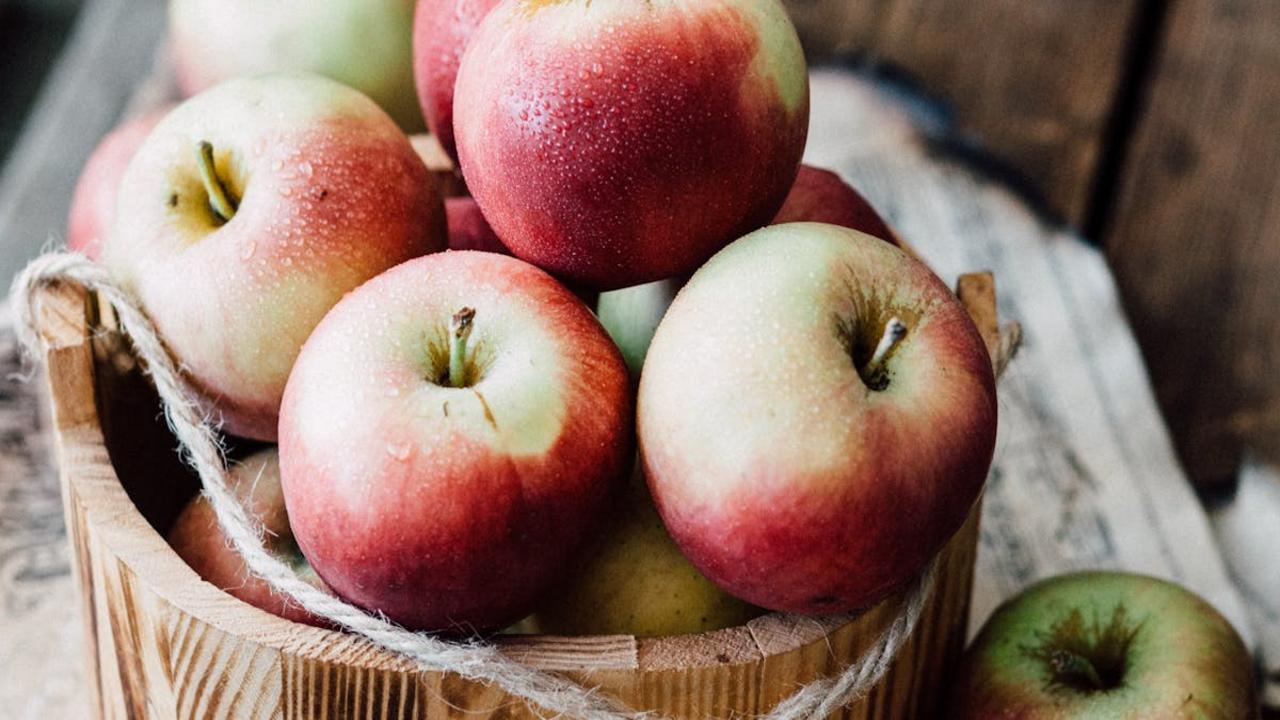
Those brown spots staring back at you from your apple bowl don’t spell doom – they signal opportunity! I’ve learned that soft, spotted apples transform into some of the most incredible homemade treats. The natural sugars concentrate as the fruit ripens, creating deeper flavors that actually improve your cooking. Instead of tossing them, I grab my knife and get creative. You can turn these beauties into chunky applesauce by simply peeling away the bruised bits, chopping the good flesh, and simmering with a touch of cinnamon and ginger. The result beats any store-bought version hands down.
My favorite rescue mission involves baking these apples into a rustic galette or folding them into morning pancakes where their sweetness really shines. The spots won’t affect the final dish – they just disappear into golden, caramelized perfection. I often core them whole and stuff with oats, nuts, and warming spices for a healthy dessert that feels indulgent. Remember, you’re not settling for second-best ingredients; you’re working with fruit at its peak flavor potential. Next time you see those spots, smile and start planning your next homemade creation.
Wilted Lettuce
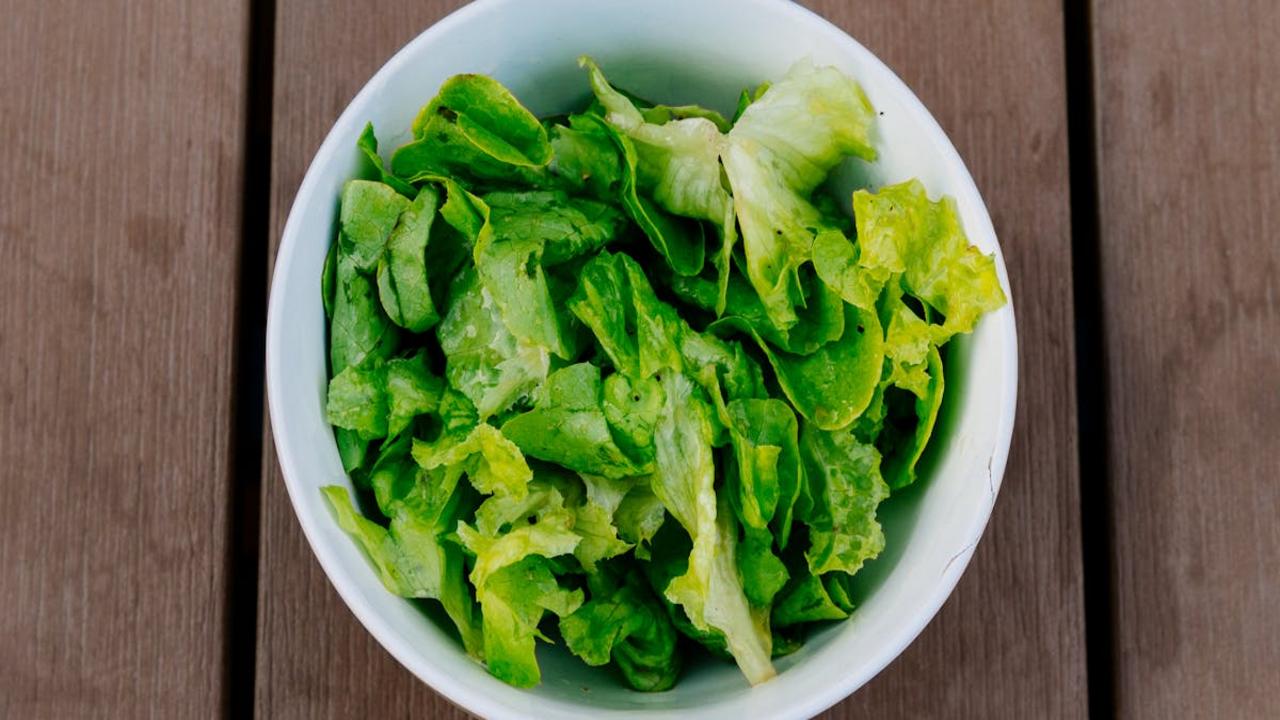
You know that feeling when you open your crisper drawer and find your beautiful lettuce looking sad and droopy? Don’t toss it just yet! I’ve rescued countless heads of wilted greens with this simple ice bath method that works like magic. Fill a large bowl with ice-cold water and submerge your wilted lettuce leaves for 10-15 minutes. The cold shock helps the cells rehydrate and firm up again. I learned this trick from my grandmother, who grew up during times when wasting food wasn’t an option, and it’s saved me so much money over the years.
After the ice bath, gently shake off excess water and pat the leaves dry with clean kitchen towels. Your lettuce will be crisp and ready for salads, wraps, or whatever dish you have planned. I often combine this rescued lettuce with warm roasted vegetables and a tahini dressing for a perfect contrast of temperatures and textures. The key is acting quickly once you notice the wilting – the sooner you treat it, the better the results. This method works beautifully for most leafy greens, from romaine to butter lettuce, giving them a second chance to shine in your kitchen.
Brown Bananas
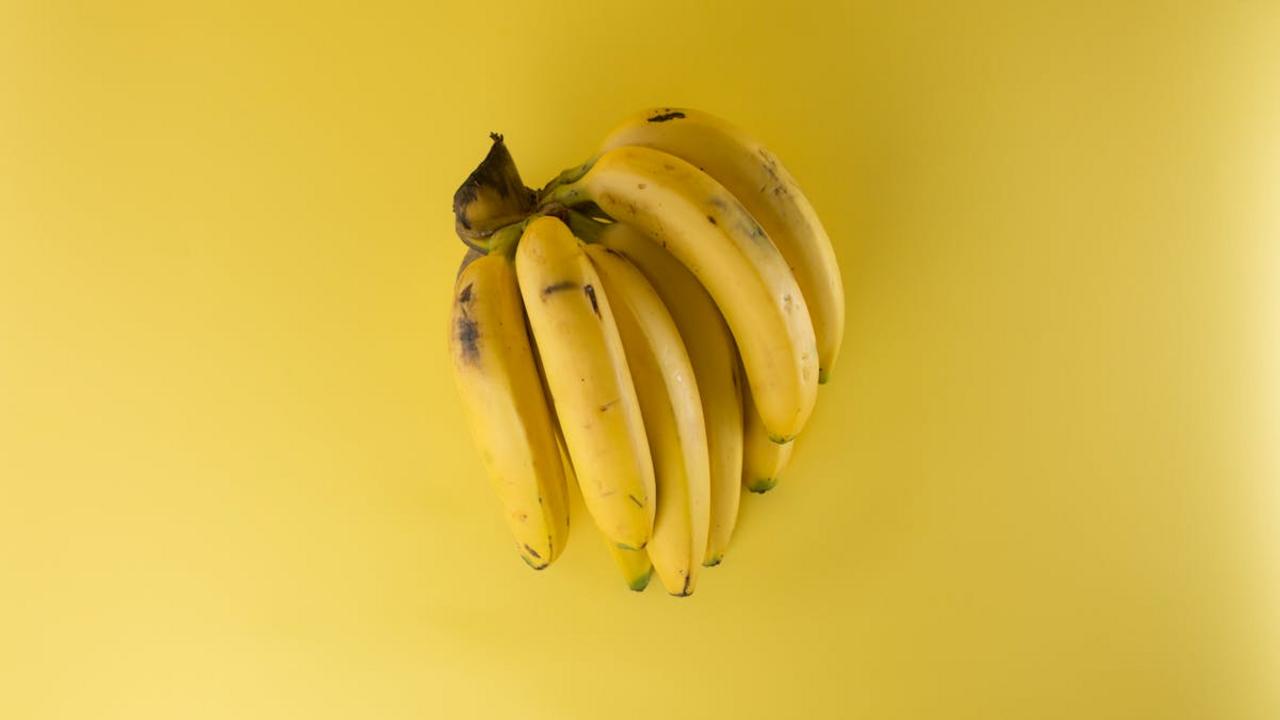
Those spotted, browning bananas sitting on your counter aren’t crying out for the trash bin – they’re practically begging to become something magical! I grab these overripe beauties faster than fresh ones because their concentrated sweetness and soft texture make them perfect for so many creations. The darker the spots, the more natural sugars have developed, which means you can reduce added sweeteners in your recipes while getting incredible depth of flavor.
Mash them into pancake batter for naturally sweet breakfast treats, or blend them into smoothies where they create that creamy, milkshake-like consistency without any dairy. I love freezing sliced brown bananas in ice cube trays – they become instant smoothie bases that add richness and natural sweetness. You can also fold them into oatmeal, quick breads, or even savory applications like curry dishes where their sweetness balances heat and spice. Don’t forget banana ice cream – just freeze those brown bananas whole, then blend them until creamy for a one-ingredient dessert that rivals any store-bought version.
Stale Bread
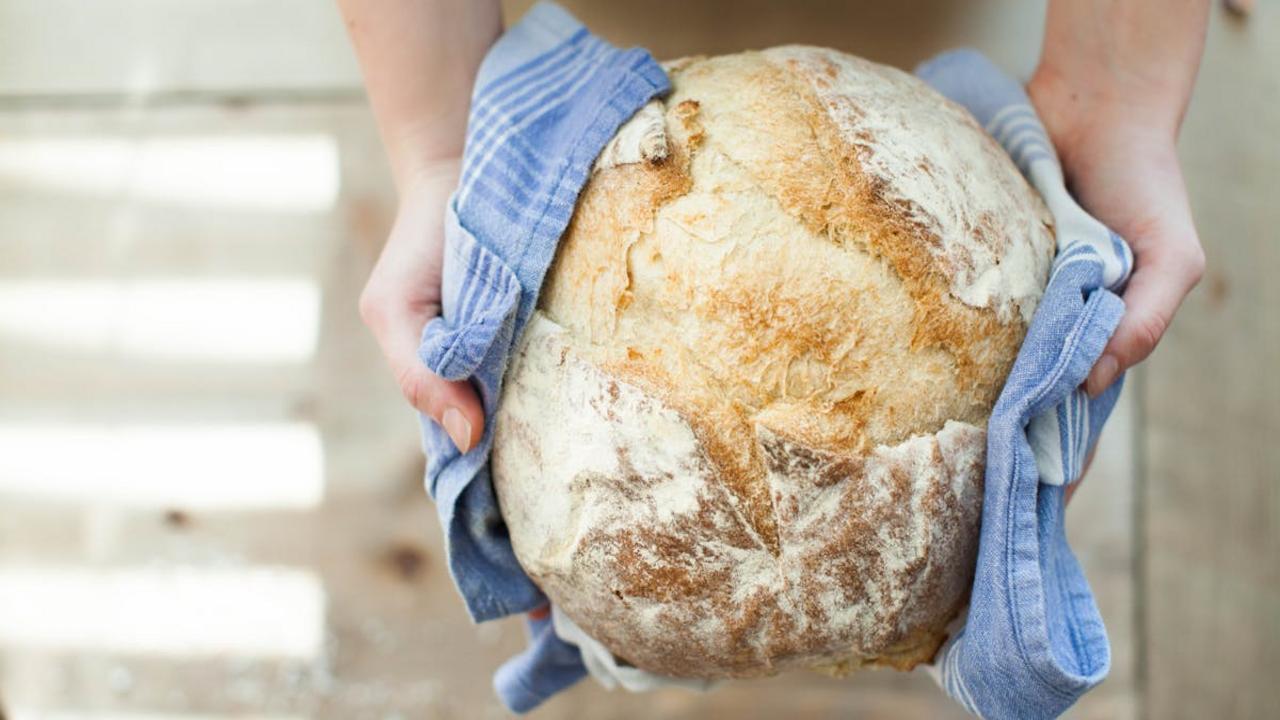
You know that feeling when you reach for your favorite loaf only to find it’s gone rock-hard overnight? Don’t you dare toss it in the trash! Stale bread becomes your secret weapon for creating magic in the kitchen. I transform day-old bread into golden, crispy breadcrumbs by grating it coarsely and toasting in a dry pan with a pinch of garlic powder and herbs. These homemade breadcrumbs add incredible texture to everything from roasted vegetables to pasta dishes, and they’re infinitely better than anything you’ll buy in a store.
But here’s where things get really exciting – stale bread makes the most incredible French toast and bread pudding you’ve ever tasted. The drier texture actually soaks up custard mixtures better than fresh bread, creating that perfect balance of crispy exterior and custardy center. I love making a savory bread pudding with Mediterranean herbs, sun-dried tomatoes, and a good sharp cheese. Or go the sweet route with cinnamon, vanilla, and whatever fruit you have on hand. Your stale bread just became the star of tomorrow’s breakfast or dessert, and nobody will ever guess it started as yesterday’s “mistake.”