14 Foods That Don’t Belong in Your Kids’ Lunchboxes
Packing your child’s lunchbox feels like a daily puzzle, doesn’t it? You want to send them off with something nutritious and delicious, but certain foods can actually pose safety risks or create unnecessary mess and stress. As someone who spends countless hours thinking about wholesome meals, I’ve learned that some seemingly innocent choices can turn lunchtime into a nightmare for teachers, parents, and kids alike.
From choking hazards to allergy concerns, school-friendly foods require more consideration than you might expect. Many ingredients we use freely at home simply don’t translate well to the classroom environment. The good news? Once you understand which foods to avoid, you’ll feel more confident creating safe, satisfying lunches that make everyone happy.
Today we’re breaking down fourteen common lunchbox items that deserve a second thought. These aren’t necessarily “bad” foods – many are perfectly healthy at home – but they present specific challenges in school settings that smart parents learn to sidestep.
Citrus fruits for infants
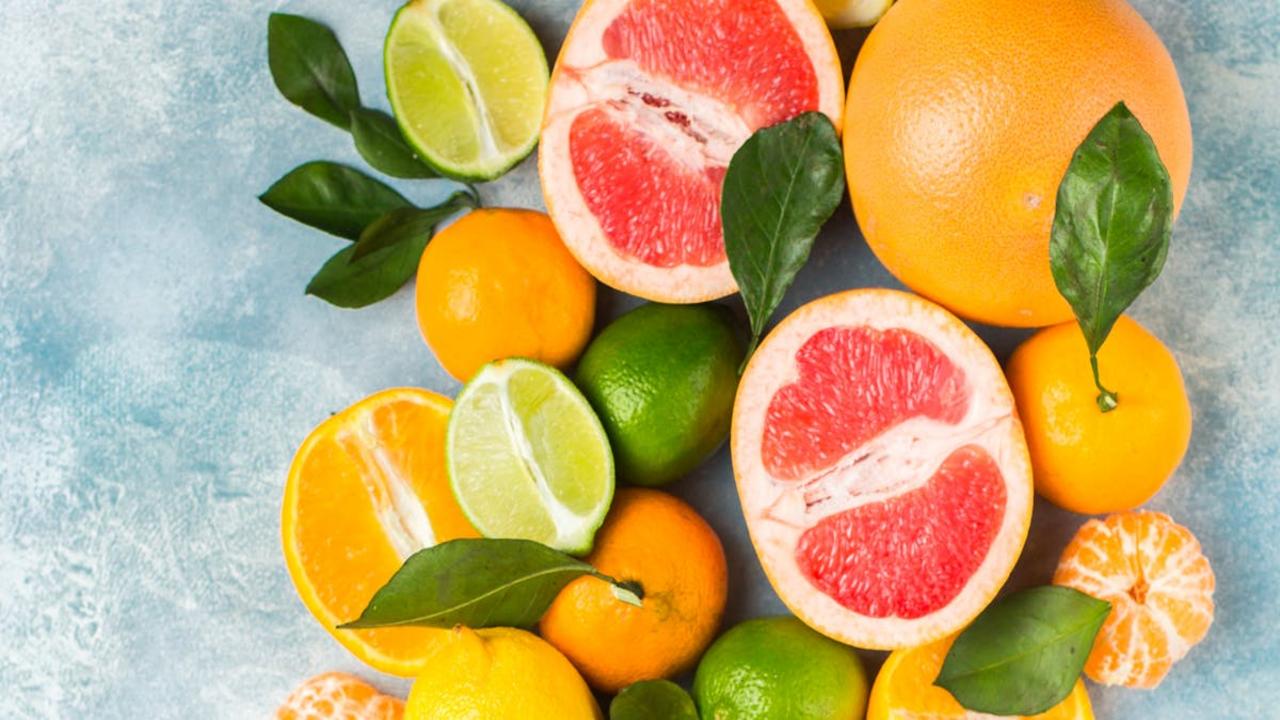
I know those bright oranges and sunny grapefruits look tempting for your little one’s lunchbox, but hold off on packing citrus fruits for babies under 12 months old! These acidic powerhouses can be too harsh for tiny digestive systems and may cause uncomfortable diaper rashes or tummy upset. The high acid content in oranges, lemons, limes, and grapefruits can irritate your baby’s delicate stomach lining and create more mess than nourishment during those precious early months.
Once your child reaches their first birthday, citrus fruits become fantastic additions to their diet – they’re packed with vitamin C and natural sweetness that kids absolutely love! Until then, stick with gentler options like bananas, avocados, or steamed sweet potatoes that won’t cause digestive drama. Your pediatrician will give you the green light when it’s time to introduce these zesty favorites, and trust me, the wait will be worth it when you see your toddler’s face light up at their first taste of fresh orange segments!
Canned tuna
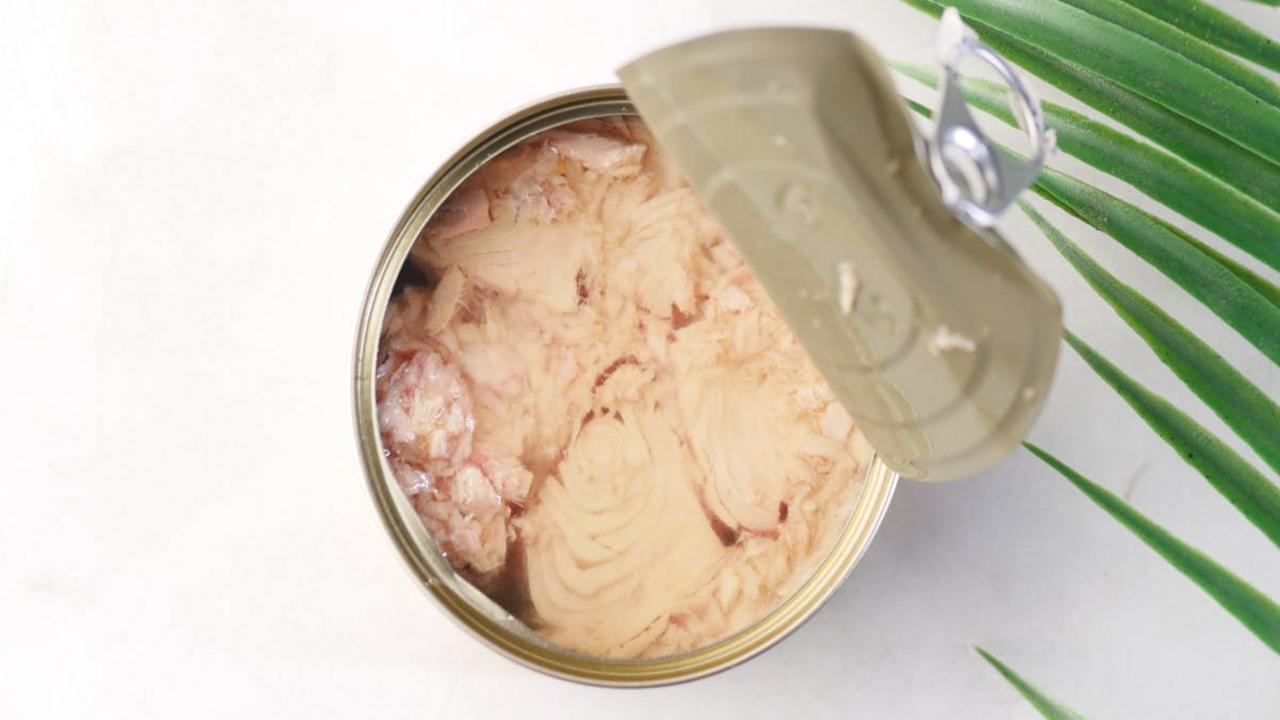
I know what you’re thinking – tuna seems like a healthy protein choice for your little one’s lunch! While canned tuna does pack plenty of protein and omega-3 fatty acids, there’s a concerning mercury issue we need to chat about. Mercury accumulates in larger fish like tuna, and children’s developing nervous systems are particularly sensitive to this heavy metal. Regular consumption can affect brain development and cognitive function in growing kids.
Instead of completely avoiding fish, try switching to lower-mercury options like canned salmon, sardines, or light tuna (which contains less mercury than albacore). You can still create those beloved tuna salad sandwiches your kids love – just make them an occasional treat rather than a weekly staple. Consider rotating between different protein sources throughout the week: hard-boiled eggs, hummus, lean turkey, or even a thermos of warm lentil soup. This variety keeps lunchtime exciting while protecting your child’s health. Remember, moderation is key, and there are so many delicious alternatives that will make both you and your kids happy!
Unpasteurized milk
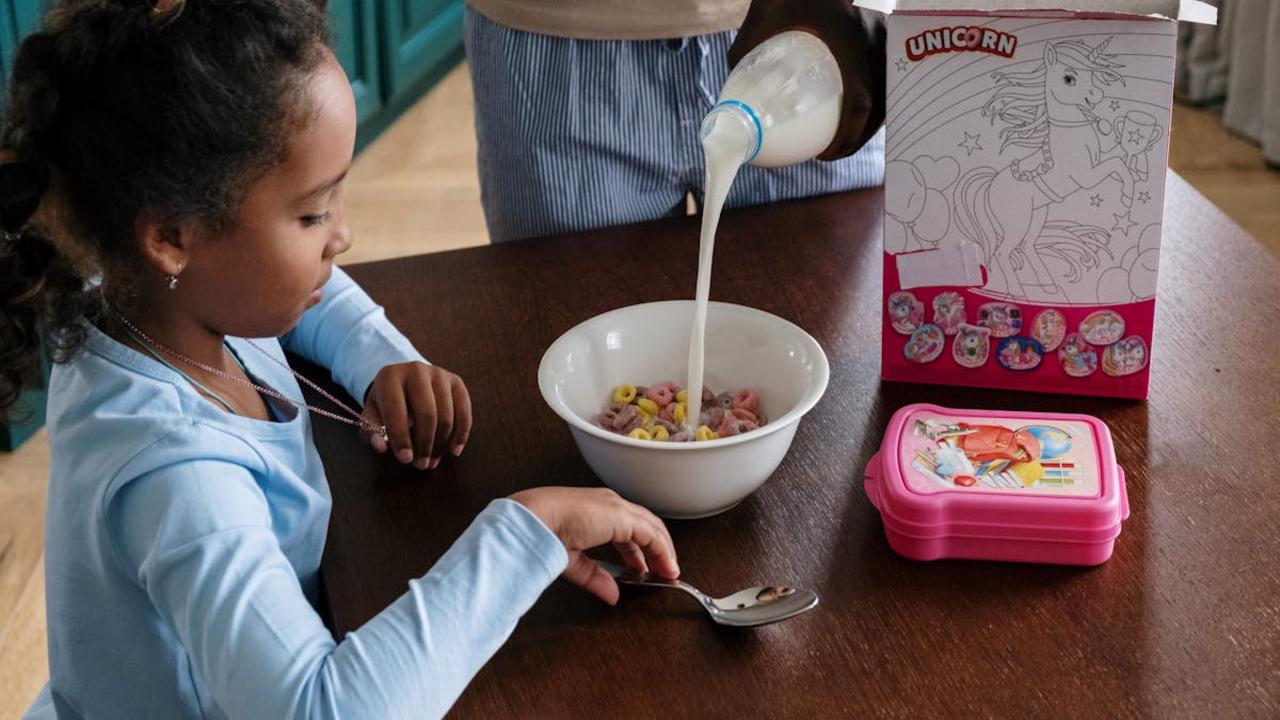
I know raw milk has its passionate advocates, and I totally understand the appeal of wanting the most natural option for your family. However, sending unpasteurized milk in your child’s lunchbox creates serious health risks that just aren’t worth taking. Raw milk can harbor dangerous bacteria like E. coli, Salmonella, and Listeria – microorganisms that can cause severe foodborne illness in children whose immune systems are still developing. Even milk from the cleanest, most trusted farms can carry these invisible threats.
The pasteurization process exists for good reason – it eliminates harmful pathogens while preserving most of the nutritional benefits we love about milk. Your little one gets the same calcium, protein, and vitamins from pasteurized milk without the scary bacterial roulette. If you’re concerned about processing, look for minimally processed pasteurized options from local dairies that still maintain that fresh, wholesome quality you’re seeking. Save the raw milk discussions for home where you can make informed choices, but keep those lunchbox drinks safe and worry-free with pasteurized varieties.
Soft cheeses
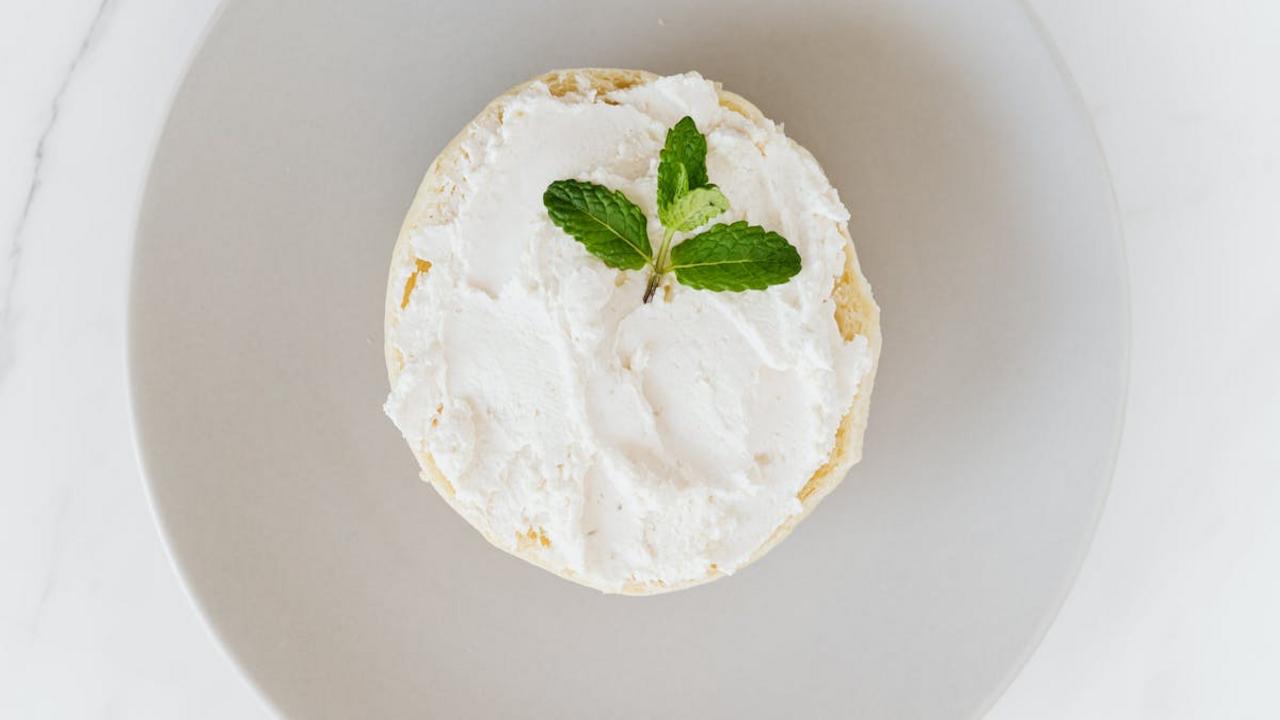
I get it – those creamy brie wheels and tangy goat cheese spreads look absolutely divine in your kid’s lunchbox, but here’s the thing: soft cheeses can be tricky little troublemakers when they sit at room temperature for hours. Unlike their harder cousins, soft cheeses have higher moisture content, which makes them perfect breeding grounds for bacteria. Think about it – your child’s lunch sits in their backpack or locker from morning until noon, and that’s plenty of time for things to go sideways. The creamy texture that makes these cheeses so delicious also makes them more perishable than you might expect.
Instead of risking a tummy ache, stick with firmer options like cheddar, Swiss, or mozzarella sticks that can handle the lunch-packing adventure much better. These sturdy varieties maintain their safety and flavor even when they’re not perfectly chilled. If your little one absolutely adores soft cheese, save it for after-school snacks or weekend treats when you can serve it fresh from the fridge. Pack those lunch containers with cheese that won’t stress you out or leave your kiddo feeling queasy – because nobody wants a call from the school nurse over a questionable camembert situation!
Dried fruits
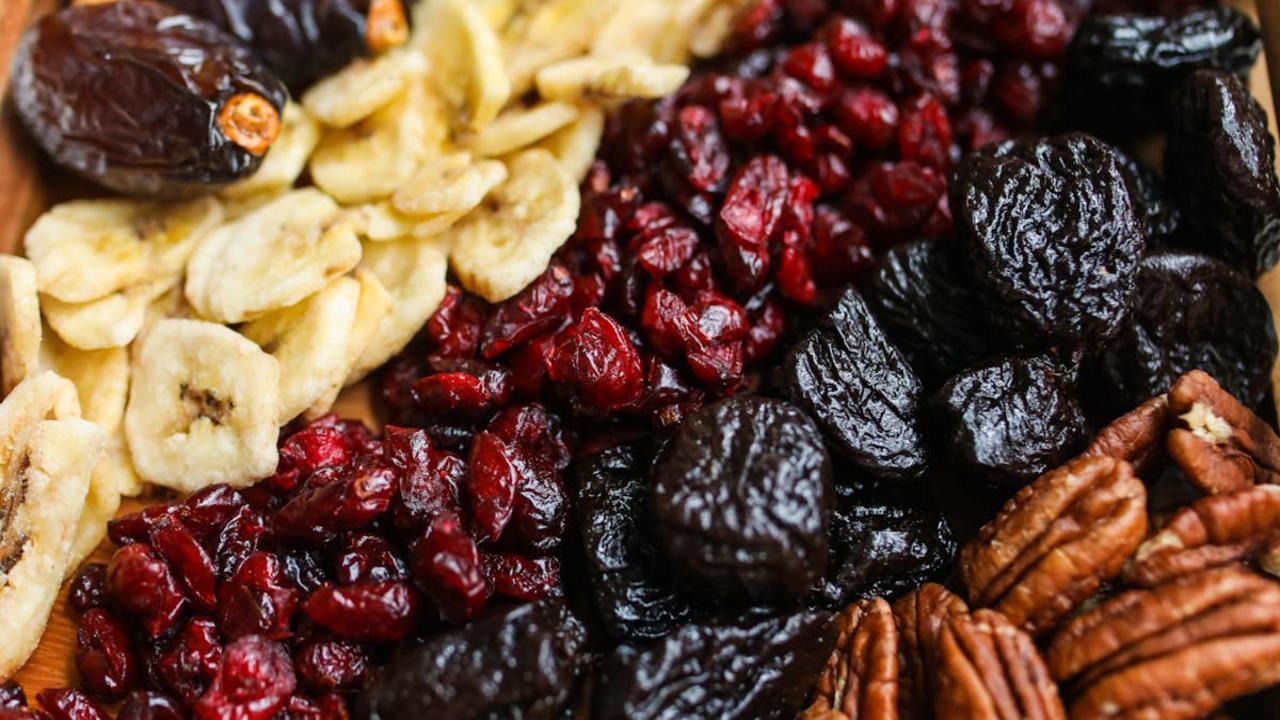
I know what you’re thinking – dried fruits sound like the perfect healthy snack for your little ones! They’re portable, sweet, and technically made from real fruit, so they must be good, right? Unfortunately, most commercial dried fruits pack way more sugar and calories than you’d expect. During the dehydration process, fruits lose their water content but keep all their natural sugars in a concentrated form. What used to be a handful of grapes becomes a sugar bomb of raisins that stick to your child’s teeth for hours.
The sticky texture creates another problem you don’t want to deal with – tooth decay. Those chewy dried fruits cling to teeth much longer than fresh alternatives, giving bacteria plenty of time to feast and create cavities. Plus, many brands add extra sugar, preservatives, and artificial colors to make their products more appealing to kids. Instead of reaching for that box of dried fruit snacks, pack fresh apple slices, berries, or orange segments. Your children will get the same natural sweetness along with fiber, water, and nutrients that actually support their energy levels throughout the school day.
Hot dogs

I know hot dogs seem like the perfect grab-and-go lunch option for busy mornings, but these processed meat staples pack way more than convenience into that little package. Most commercial hot dogs contain high levels of sodium, nitrates, and preservatives that can impact your child’s developing body. The sodium content alone often exceeds what kids need for an entire day, and those nitrates? They’re linked to potential health concerns that make me want to steer families toward fresher alternatives.
Instead of reaching for that package of franks, try making your own mini meatballs using lean ground turkey or chicken mixed with herbs and spices your kids love. You can prep a batch on Sunday and pop them into lunchboxes throughout the week. Another fantastic swap involves slicing up some grilled chicken breast into fun shapes or rolling turkey and cheese into pinwheels. Your children get the protein they need without all those additives, and you get peace of mind knowing exactly what goes into their bodies. Trust me, once you see how easy these alternatives are, you’ll wonder why you ever relied on processed options!
Marshmallows

I get it – marshmallows seem like harmless fun, and your kids probably light up when they see those fluffy white treats in their lunch. But here’s the thing: marshmallows are basically sugar bombs disguised as innocent snacks. Each little pillow contains high fructose corn syrup, regular corn syrup, and gelatin, creating a perfect storm for blood sugar spikes that’ll have your child bouncing off classroom walls before crashing into an afternoon energy slump. Plus, they stick to teeth like glue, feeding cavity-causing bacteria all day long.
Instead of sending marshmallows, try freeze-dried fruits that give kids that same satisfying chewiness with actual nutritional benefits. Strawberries, bananas, or mixed berry blends offer natural sweetness plus vitamins and fiber. You could also pack homemade energy balls made with dates, oats, and a touch of honey – they’re naturally sweet and provide sustained energy for learning and playing. Your kids will still get their sweet fix, but their bodies (and their teachers) will thank you for choosing options that fuel their brains rather than sending them on sugar roller coasters.
Popcorn

You might think popcorn sounds like a harmless snack for your child’s lunchbox, but this fluffy treat can actually create some serious safety concerns for younger kids. The kernels pose a real choking hazard, especially for children under four years old who haven’t fully developed their chewing and swallowing coordination. Those partially popped kernels are particularly dangerous since they can get lodged in tiny throats. Even older children can struggle with the hard, unpopped kernels that inevitably hide among the fluffy pieces.
Beyond safety concerns, most commercial popcorn varieties pack way more sodium and artificial flavors than growing bodies need during their school day. The butter-flavored options often contain synthetic additives that don’t provide any nutritional benefits, while the high salt content can leave kids feeling thirsty and sluggish during afternoon classes. Instead of sending popcorn, try packing some crunchy roasted chickpeas or homemade granola clusters that give kids that satisfying crunch they crave without the safety risks. Your little ones will get better nutrition and you’ll have peace of mind knowing they can safely enjoy their midday snack.
Hard candies
Those bright, colorful hard candies might seem like a fun lunchbox treat, but they’re basically sugar bombs wrapped in artificial colors and flavors. I get it – kids love them, and they’re easy to toss into a lunch bag. However, these little sugar spheres can wreak havoc on your child’s teeth, especially when they’re away from home and can’t brush immediately after eating. The prolonged exposure to sugar as the candy slowly dissolves creates the perfect environment for cavity-causing bacteria to thrive in their mouth.
Beyond the dental concerns, hard candies also present a choking hazard, particularly for younger children who might bite down too hard or try to swallow them whole. The sugar rush followed by an inevitable crash can leave your little one feeling sluggish during afternoon classes, making it harder to focus and learn. Instead of sending these sugar-loaded treats, try packing naturally sweet alternatives like dried fruit, a small piece of dark chocolate, or homemade fruit leather. Your child will still get that sweet satisfaction they crave, but with nutrients that actually fuel their growing bodies rather than just providing empty calories.
Whole nuts
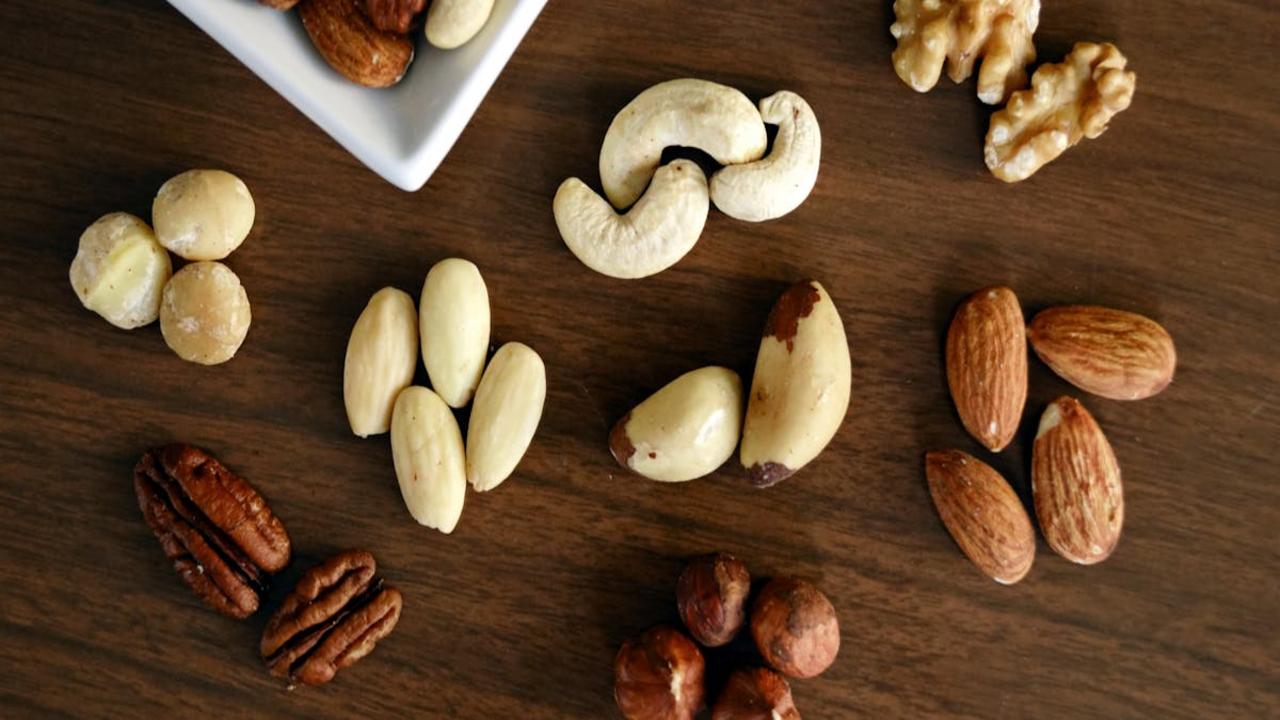
I know whole nuts seem like the perfect healthy snack – they’re packed with protein, healthy fats, and give kids that satisfying crunch they love. But here’s the reality check we all need: whole nuts pose a serious choking risk for young children, especially those under four years old. Their size and hard texture make them incredibly dangerous for little ones who are still learning to chew properly. Even older kids can struggle with whole nuts if they’re eating too quickly or talking while snacking.
Instead of tossing whole almonds or peanuts into that lunchbox, try nut butters spread on whole grain crackers or bread. You can also find finely chopped nuts that give kids all those amazing nutrients without the safety concerns. Sunflower seed butter works wonderfully for nut-free schools, and it delivers similar protein and healthy fats. Your kids will still get all the nutritional benefits they need, but you’ll have peace of mind knowing their snack won’t turn into a scary situation. Trust me, there are so many creative ways to include nuts safely in their meals!
Cherry tomatoes
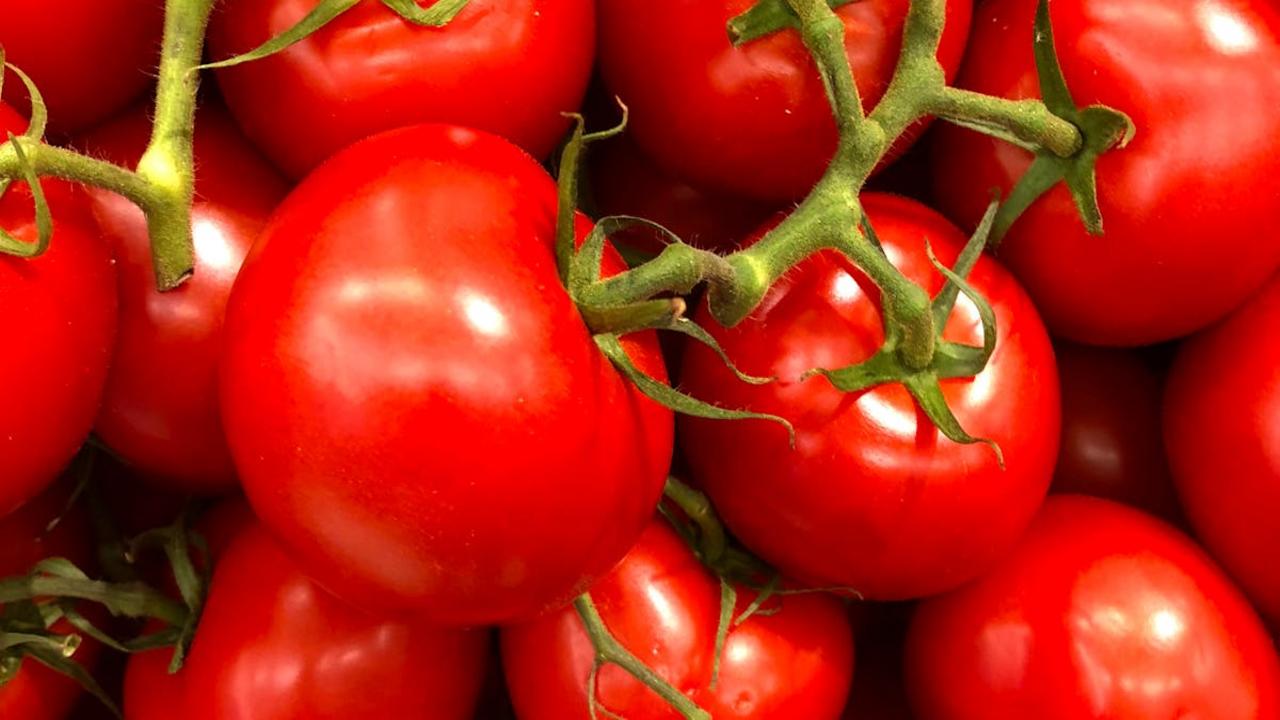
I know what you’re thinking – cherry tomatoes seem like the perfect healthy lunch addition, right? These little red gems pack vitamins and bring natural sweetness to any meal. But here’s the thing: they’re actually a choking hazard for younger kids. Their small, round shape and firm texture make them tricky for little ones to chew properly. Even when kids bite down, these tomatoes can slip right down their throats whole, creating a dangerous situation that no parent wants to face.
If your child absolutely loves tomatoes (and honestly, who can blame them?), you can still include them safely! Simply slice those cherry tomatoes in half or quarters before packing them up. This small step removes the choking risk while keeping all those wonderful nutrients intact. You could also swap them for regular sliced tomatoes, which are much easier for kids to manage. Remember, lunch should be both nutritious and worry-free, so taking these simple precautions helps you achieve both goals without sacrificing flavor or health benefits.
Raw honey
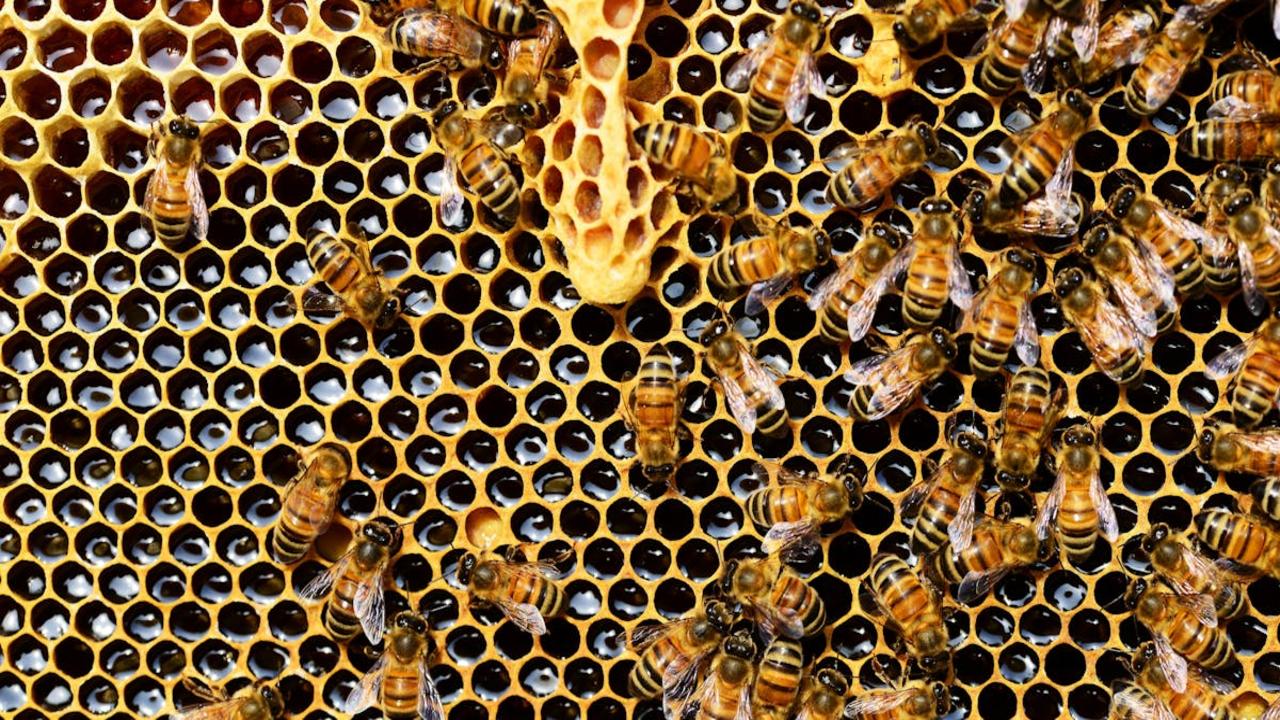
Raw honey might seem like the perfect natural sweetener for your little one’s lunch, but it’s actually one item you should keep out of lunchboxes for children under 12 months old. This golden liquid can contain spores of Clostridium botulinum, which can cause infant botulism – a serious condition that affects a baby’s nervous system. While older children and adults can safely enjoy raw honey because their digestive systems are mature enough to handle these spores, babies simply don’t have the same protective mechanisms yet.
Even for older kids, raw honey in lunchboxes presents practical concerns you might not have considered. Honey can leak, create sticky messes, and attract insects – nobody wants ants marching through their child’s lunch! Instead of raw honey, try safer alternatives like pasteurized honey for older children, or better yet, fresh fruit slices that provide natural sweetness without the mess. Your kiddo will still get that sweet satisfaction, and you’ll have peace of mind knowing their lunch is both safe and practical for the school environment.
Peanut butter
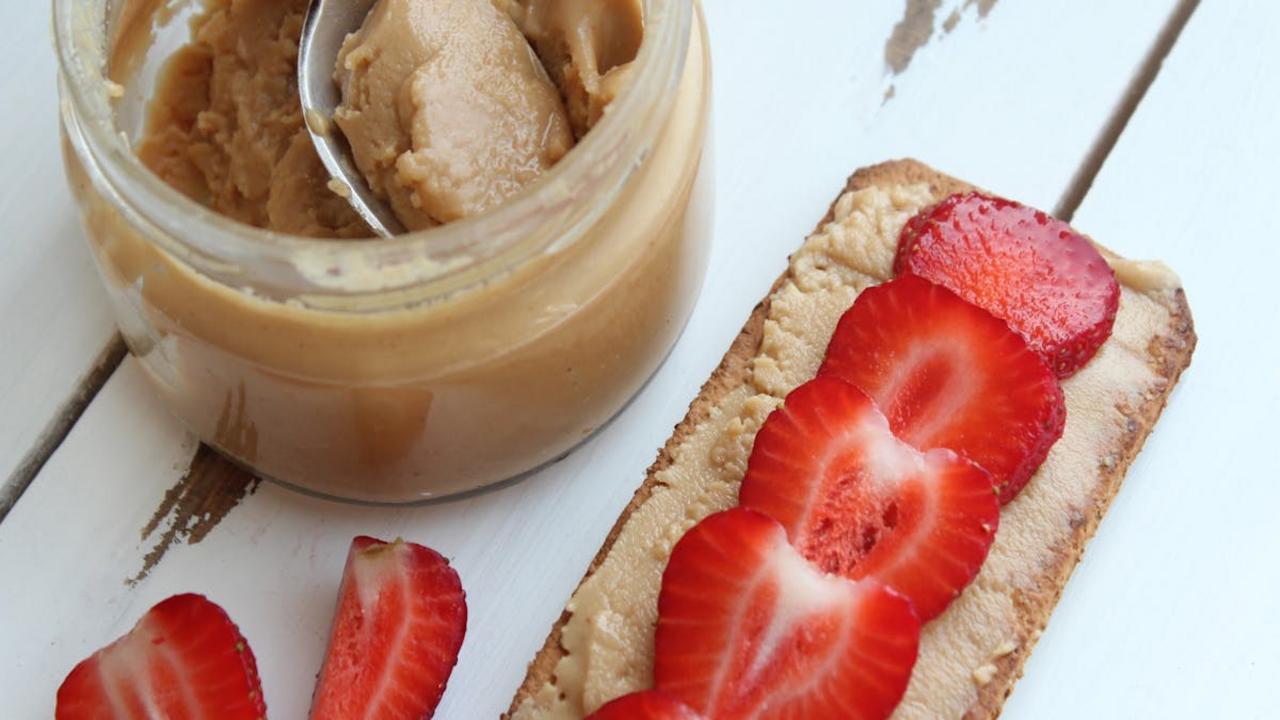
I know this might shock you, but peanut butter can be a tricky choice for school lunches. While it’s packed with protein and healthy fats that growing kids need, many schools have strict no-nut policies due to severe allergy concerns. Even if your child’s school allows peanut products, you’re putting classmates with life-threatening allergies at serious risk. The residue from peanut butter can linger on hands, desks, and shared surfaces long after lunch ends.
Instead of risking someone’s safety, try sunflower seed butter or soy butter – they taste surprisingly similar and offer comparable nutrition without the danger. These alternatives spread just like peanut butter and pair beautifully with jelly, banana slices, or honey. Your child won’t miss out on that creamy, satisfying sandwich experience, and you’ll sleep better knowing every kid in the cafeteria can eat lunch worry-free. Trust me, making this simple swap shows incredible thoughtfulness for your school community.
Grapes
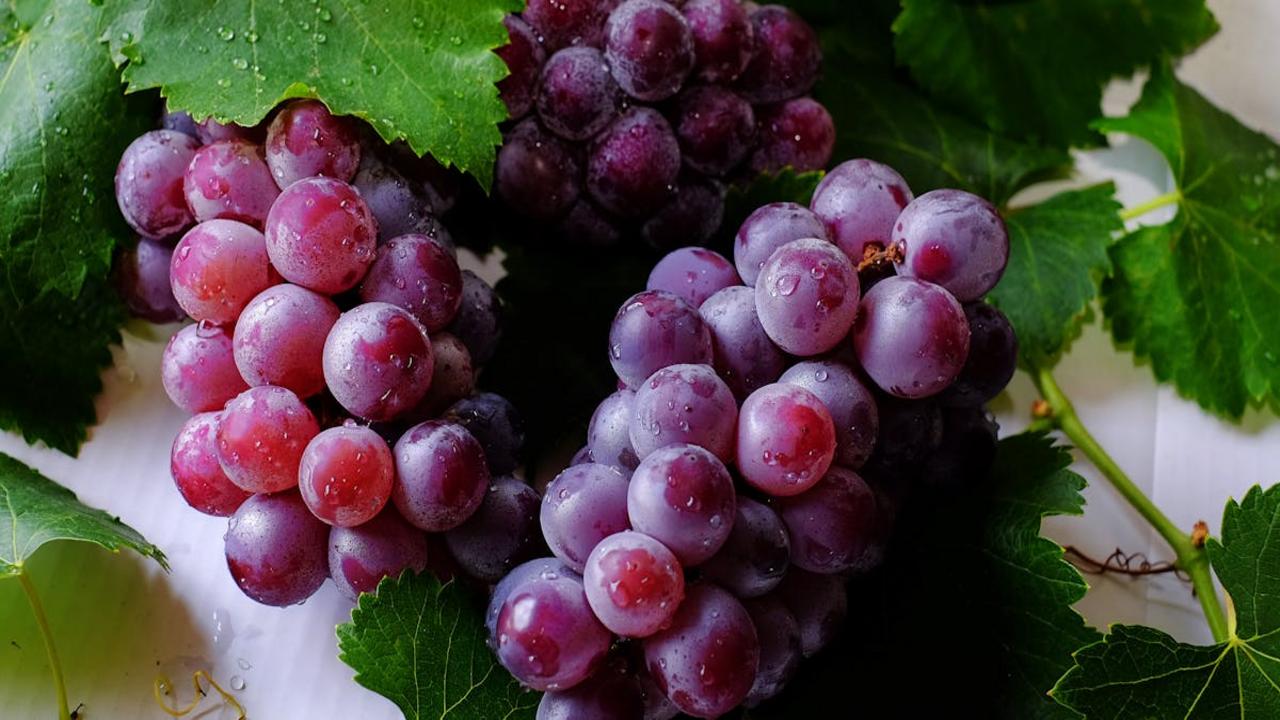
I know what you’re thinking – grapes seem like such an innocent, healthy snack choice! They’re sweet, packed with vitamins, and kids absolutely love them. But here’s the thing that might catch you off guard: whole grapes present a serious choking hazard for young children. The round shape and firm texture create the perfect storm for blocking little airways, making them one of the top foods that emergency room doctors see in choking incidents. Even for older kids, those slippery little spheres can slide down the wrong way faster than you’d expect.
The good news? You don’t have to ban grapes entirely from your lunch-packing routine! Simply slice them lengthwise into halves or quarters, and you’ve transformed a risky snack into a safe, nutritious treat. This small step makes all the difference while preserving all those wonderful antioxidants and natural sweetness that make grapes so appealing. For extra peace of mind, pack them in a small container where they won’t roll around and potentially pose problems during lunch. Your kids will still get to enjoy their favorite fruit – just in a much safer form that lets you breathe easy.