14 Eco-Smart Foods to Add to Your Cart for Tasty, Low-Impact Meals
Your grocery cart doesn’t need to choose between saving the planet and satisfying your stomach! These fourteen eco-friendly superstars prove that sustainable eating means more flavor, not less. From protein-packed lentils that grow without hogging water to algae that literally cleans the air while it grows, these foods work overtime for both you and Mother Earth.
You know that friend who always finds the coolest restaurants? Consider this your insider’s guide to the most environmentally brilliant ingredients hiding in plain sight. Seaweed that tastes like bacon, bamboo shoots that crunch like the perfect pickle, and yes—even fly larvae that might just convert the most stubborn carnivore (trust me on this one).
Ready to stock your kitchen with foods that make environmentalists and food lovers equally happy? These picks deliver maximum taste with minimal environmental drama. Your dinner guests will never guess they’re eating planet-friendly—they’ll just wonder how you became such an amazing cook overnight!
Tree Nuts
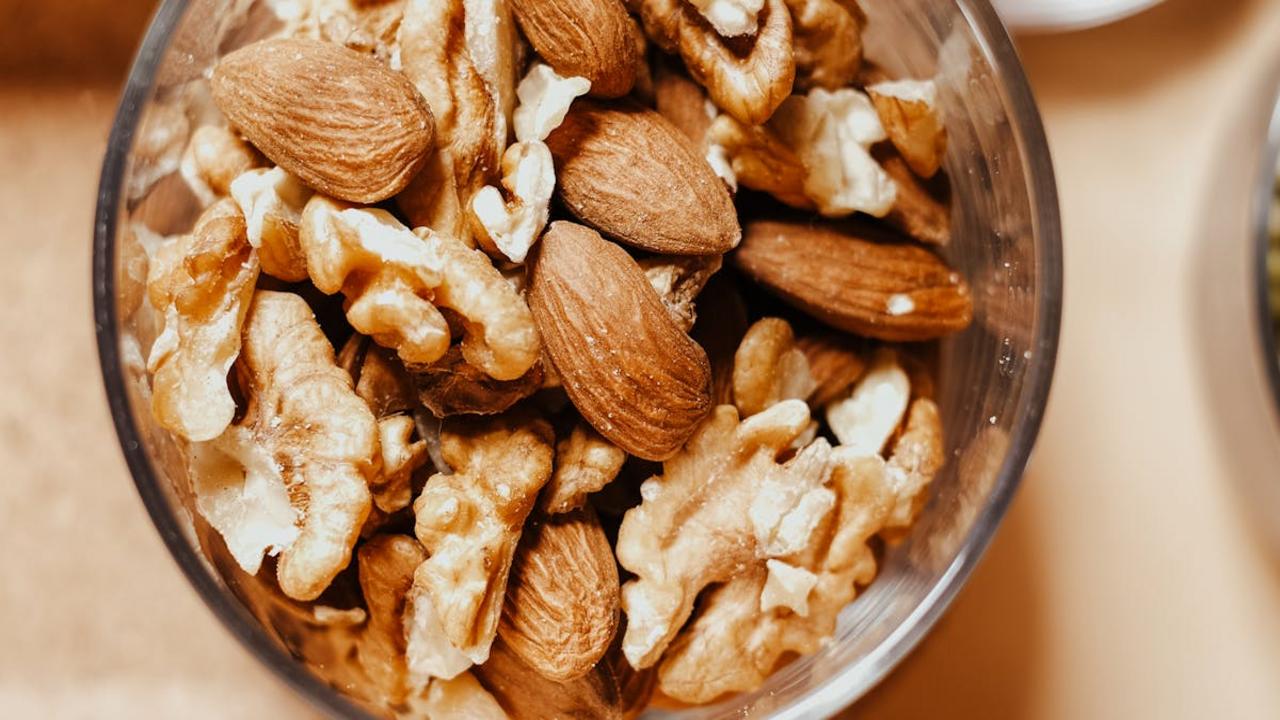
Picture this: you’re standing in the grocery store, contemplating whether to splurge on that bag of almonds that costs more than your lunch, when suddenly you remember that these crunchy little powerhouses are basically nature’s gift to both your taste buds and the planet. Tree nuts like almonds, walnuts, pecans, and hazelnuts pack more protein per square inch than most people realize, and here’s the kicker – they’re carbon-negative superstars! Almond trees actually pull more CO2 out of the atmosphere than they produce, making your afternoon snack attack a genuine environmental win. Plus, did you know that a single walnut tree can live for over 200 years? That’s commitment to the cause right there.
Now, before you start tossing handfuls of cashews into your mouth like nature’s popcorn (guilty as charged), consider the magic these nuts bring to your kitchen adventures. Almonds transform into creamy milk that makes your morning coffee sing, walnuts add that perfect crunch to your salad that makes you feel like a proper adult, and pecans? They turn any dessert into a Southern comfort masterpiece. The best part about choosing tree nuts over processed snacks is that you’re supporting perennial crops – trees that keep giving year after year without needing to be replanted, unlike those resource-hungry annual crops that demand constant attention. Your wallet might feel the initial pinch, but your body and Mother Earth will thank you for choosing these nutritional nuggets that literally grow on trees.
Fava Beans
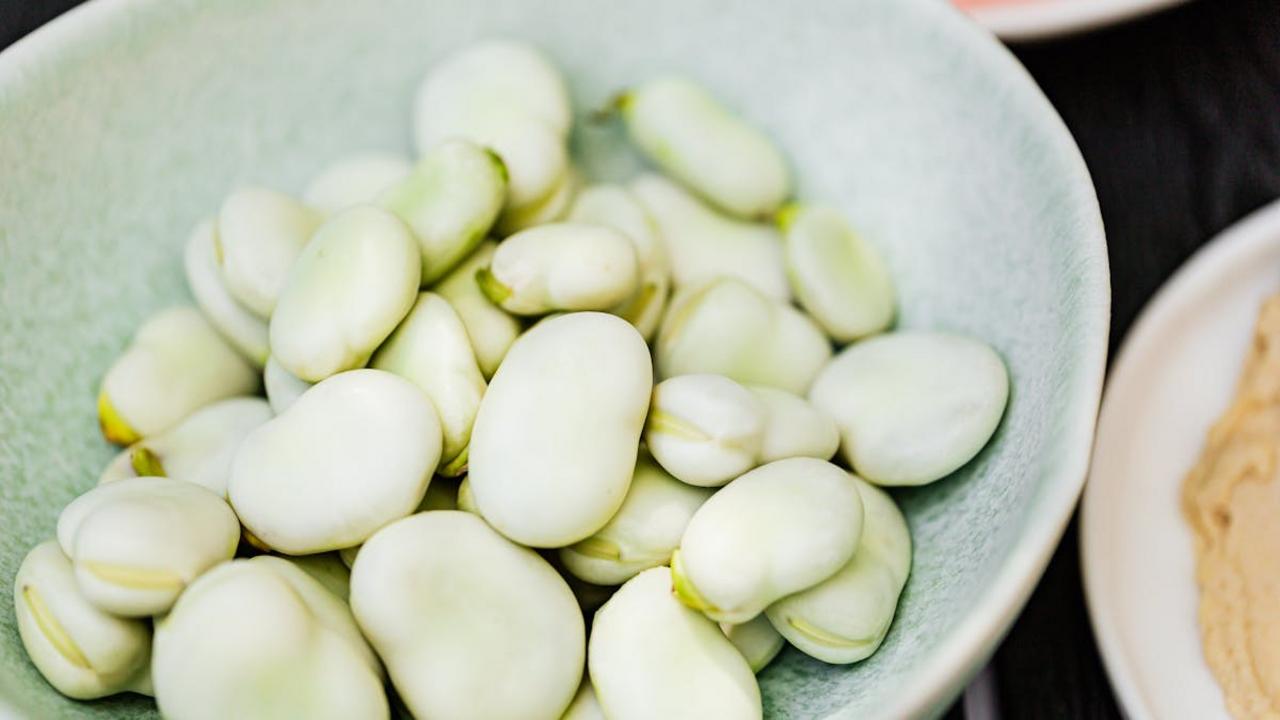
Meet the fava bean – the Hannibal Lecter of legumes that’s actually much friendlier than its Hollywood reputation suggests! These bright green pods pack a serious environmental punch while delivering buttery, nutty flavors that’ll make you forget all about their cinematic infamy. Fava beans fix nitrogen in soil naturally, which means they actually improve the earth while they grow. Talk about overachieving! Plus, they’re drought-resistant champions that laugh in the face of climate change while producing protein-packed seeds that taste like spring decided to throw a party in your mouth.
Fresh favas require a bit of work – you’ll need to shell them twice, peeling away both the pod and the waxy outer skin – but trust me, the payoff is worth every minute of meditative peeling. Toss them into pasta with lemon zest and pecorino, blend them into a vibrant green hummus, or simply sauté them with garlic and mint for a side dish that screams Mediterranean sophistication. Dried fava beans transform into creamy soups and hearty stews that’ll warm you from the inside out. Pro tip: if you’re feeling lazy, frozen favas skip the double-peeling drama while still delivering that distinctive flavor that makes regular lima beans weep with envy.
Fly Larvae
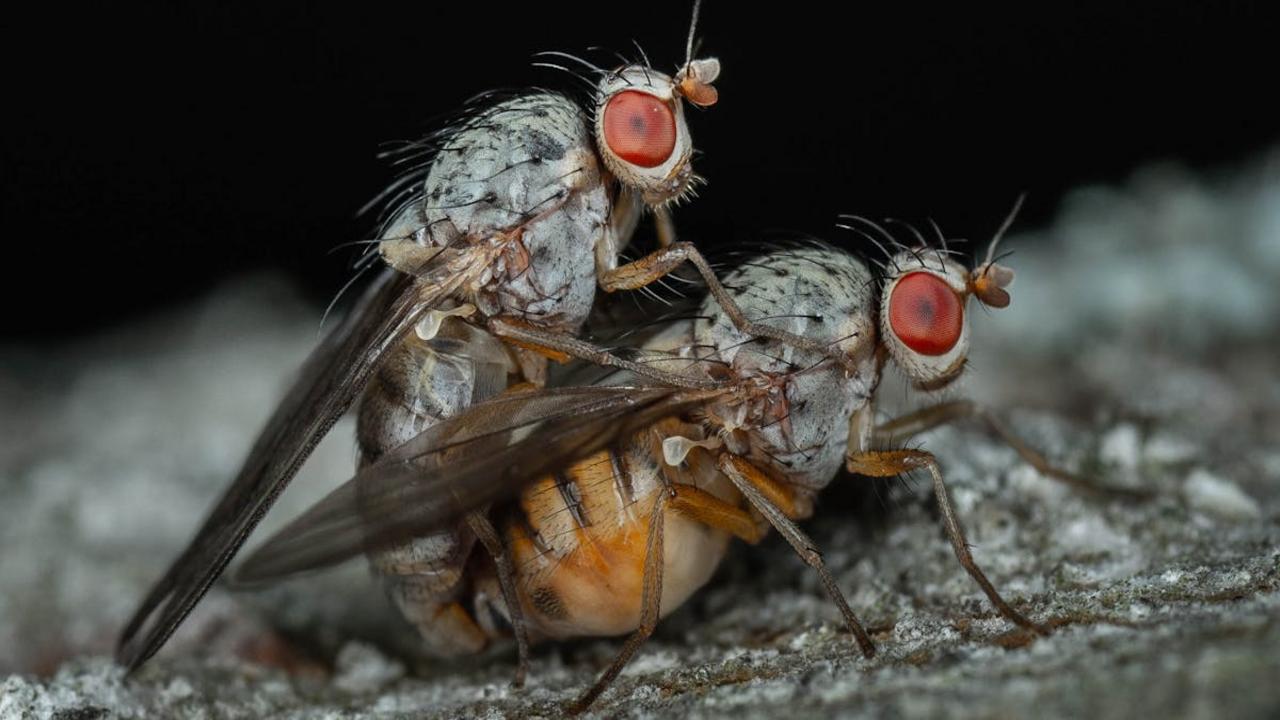
Okay, I know what you’re thinking – fly larvae sounds about as appetizing as yesterday’s leftover fish. But hold onto your forks, because these tiny protein powerhouses are actually creating quite the buzz in sustainable food circles! Black soldier fly larvae, specifically, pack an incredible nutritional punch with more protein per gram than beef, chicken, or fish. Plus, they require virtually no water, land, or resources to raise compared to traditional livestock. Think of them as nature’s most efficient recycling machines – they transform food waste into high-quality protein in just days. Companies are already turning these little guys into protein powders, energy bars, and even whole roasted snacks that reportedly taste nutty and crunchy, like a cross between sunflower seeds and popcorn.
Before you start making that “eww” face, remember that many cultures around the world have been snacking on insects for centuries – we’re just fashionably late to the party! The environmental benefits are staggering: producing one pound of fly larvae protein generates 99% fewer greenhouse gases than beef production. You probably won’t find them at your local grocery store just yet, but specialty online retailers and some progressive restaurants are starting to feature insect-based products. If you’re feeling adventurous, start with cricket flour or mealworm snacks to ease into the world of entomophagy (that’s bug-eating, in fancy science speak). Who knows? In a few years, “pass the larvae” might be as normal as “pass the salt” at dinner tables everywhere!
Moringa
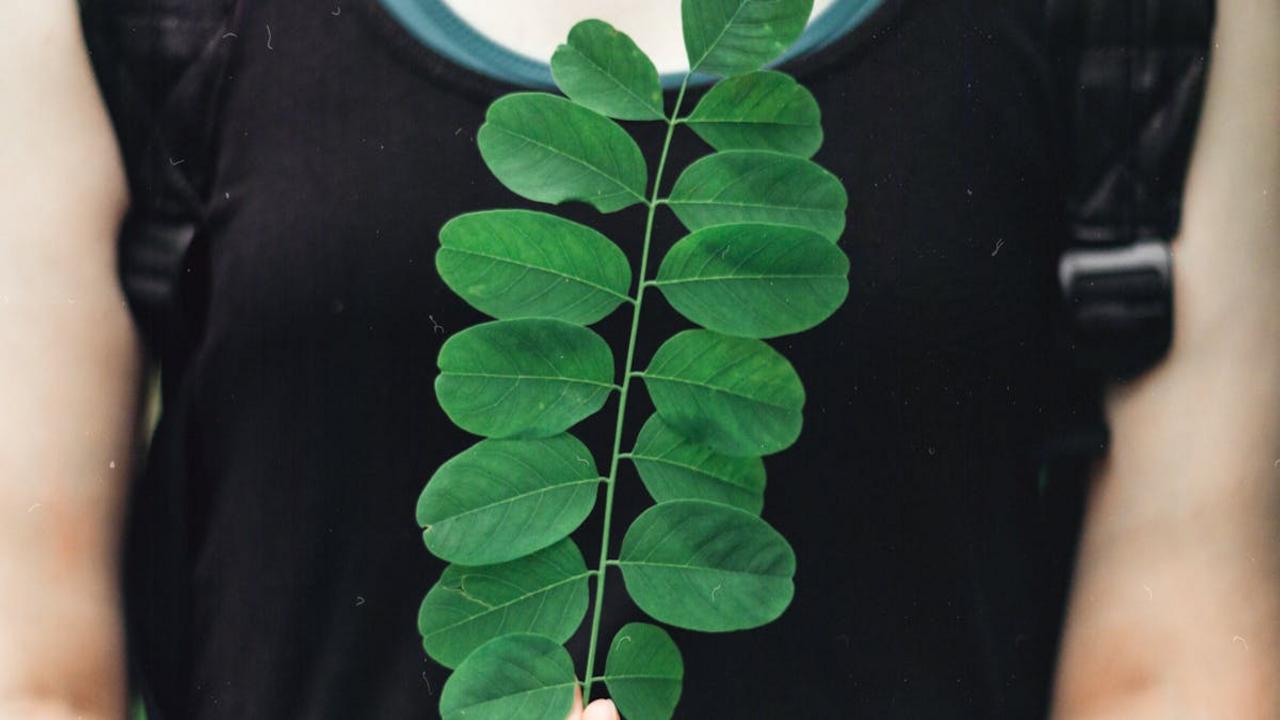
Meet moringa, the “miracle tree” that’s been quietly flexing its nutritional muscles while most of us were still figuring out how to pronounce quinoa correctly. This African and Asian native packs more vitamin C than oranges, more iron than spinach, and more protein than yogurt – basically, it’s the overachiever of the plant kingdom that makes your honor roll kid look lazy. The leaves taste like a gentle cross between spinach and matcha, with an earthy kick that whispers “I’m good for you” without being preachy about it. Plus, here’s the kicker: every single part of this tree serves a purpose, from roots to seeds, making it the ultimate zero-waste superstar.
Growing moringa is like having a green superhero in your backyard – it thrives in poor soil, needs minimal water, and grows faster than your nephew’s TikTok follower count. You can toss the fresh leaves into smoothies (they’ll turn everything a gorgeous green), stir the powder into soups, or even nibble the drumstick-shaped pods like edible chopsticks. One tree can feed a family while simultaneously cleaning the air and preventing soil erosion – talk about multitasking! If you can’t grow your own, look for moringa powder at health stores, but fair warning: start with small amounts because this green goddess packs a powerful punch that might surprise your digestive system on the first date.
Hemp Seeds
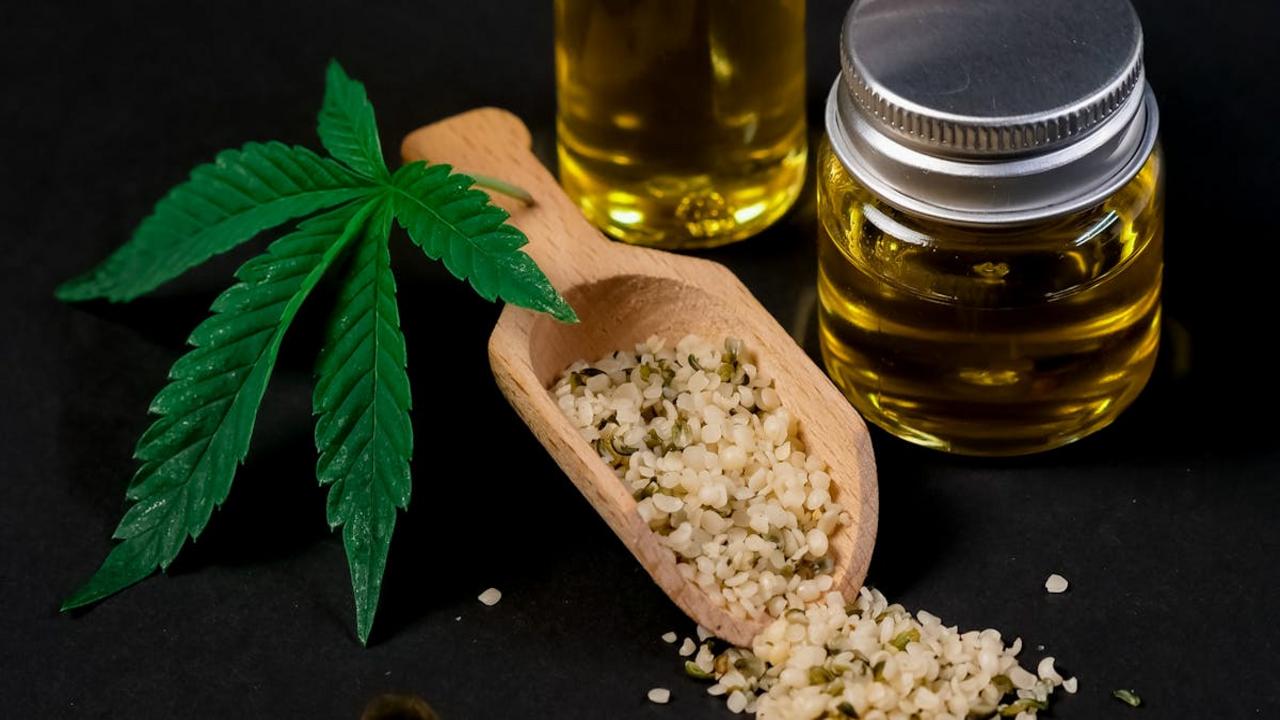
Hemp seeds might sound like something you’d find in a hippie commune’s pantry circa 1967, but these tiny nutritional powerhouses pack more protein per ounce than most people realize. Don’t worry – they won’t get you high (that’s their flashy cousin), but they will get you incredibly healthy. These little gems contain all nine amino acids your body needs, making them a complete protein that puts many animal sources to shame. Plus, they grow with minimal water and actually improve soil health while they’re at it, making them the overachievers of the sustainable food world.
You can sprinkle hemp seeds on literally everything – yogurt, salads, smoothies, or just eat them straight from the bag like the health-conscious snack monster you are. They taste nutty and mild, with a satisfying crunch that makes your morning oatmeal feel like it got a fancy makeover. Fun fact: one tiny hemp plant can produce up to 1,000 seeds, and farmers have been growing hemp for over 10,000 years. Your great-great-grandmother probably had hemp rope holding her garden gate together, so really, you’re just continuing a family tradition – except now you’re eating the seeds instead of making rope.
Algae

You know that green stuff floating on top of ponds that makes you wrinkle your nose? Well, plot twist – some of that slimy goodness is actually a nutritional powerhouse that’s been quietly revolutionizing kitchens worldwide. Spirulina and chlorella might sound like characters from a sci-fi movie, but these microscopic marvels pack more protein per gram than beef, plus they’re loaded with vitamins, minerals, and antioxidants that’ll make your regular multivitamin jealous. The best part? Growing algae requires virtually no land, no fresh water, and produces oxygen as a bonus – talk about an overachiever!
Before you start imagining pond scum smoothies, hear me out: these emerald gems actually taste surprisingly mild, with spirulina offering earthy, slightly nutty notes while chlorella brings a fresh, grassy flavor. Start small by whisking a teaspoon into your morning smoothie with mango and banana (trust me, the tropical fruits mask any “I’m drinking the ocean” vibes), or mix chlorella powder into homemade energy balls with dates and almonds. Some adventurous souls even sprinkle spirulina into popcorn seasoning for that Instagram-worthy blue-green crunch. Your planet will thank you, and your body will practically throw a party!
Kelp

Picture this: you’re snorkeling through an underwater forest where towering green ribbons dance in the current like nature’s own pasta factory. That’s kelp for you – the ocean’s most underrated vegetable that grows faster than your nephew’s TikTok addiction. This seaweed superhero can shoot up three feet in a single day, making it one of the planet’s most renewable resources. While you’ve been stressing about your carbon footprint, kelp has been quietly absorbing CO2 and producing oxygen like some sort of aquatic overachiever. Plus, it requires zero fresh water, no soil, and absolutely no pesticides to thrive.
Now here’s where kelp gets really interesting – this salty sea noodle packs more umami punch than a wrestling match between mushrooms and aged cheese. You can toss dried kelp flakes into soups for an instant oceanic depth, or grab some fresh kelp noodles that look suspiciously like translucent ramen but taste like the sea’s gentle whisper. My favorite trick? Blend dried kelp into homemade salad dressing for that mysterious “what IS that amazing flavor?” factor that’ll have your dinner guests interrogating you like food detectives. Rich in iodine, calcium, and iron, kelp basically turns your meal into a multivitamin that actually tastes good – imagine that!
Microgreens
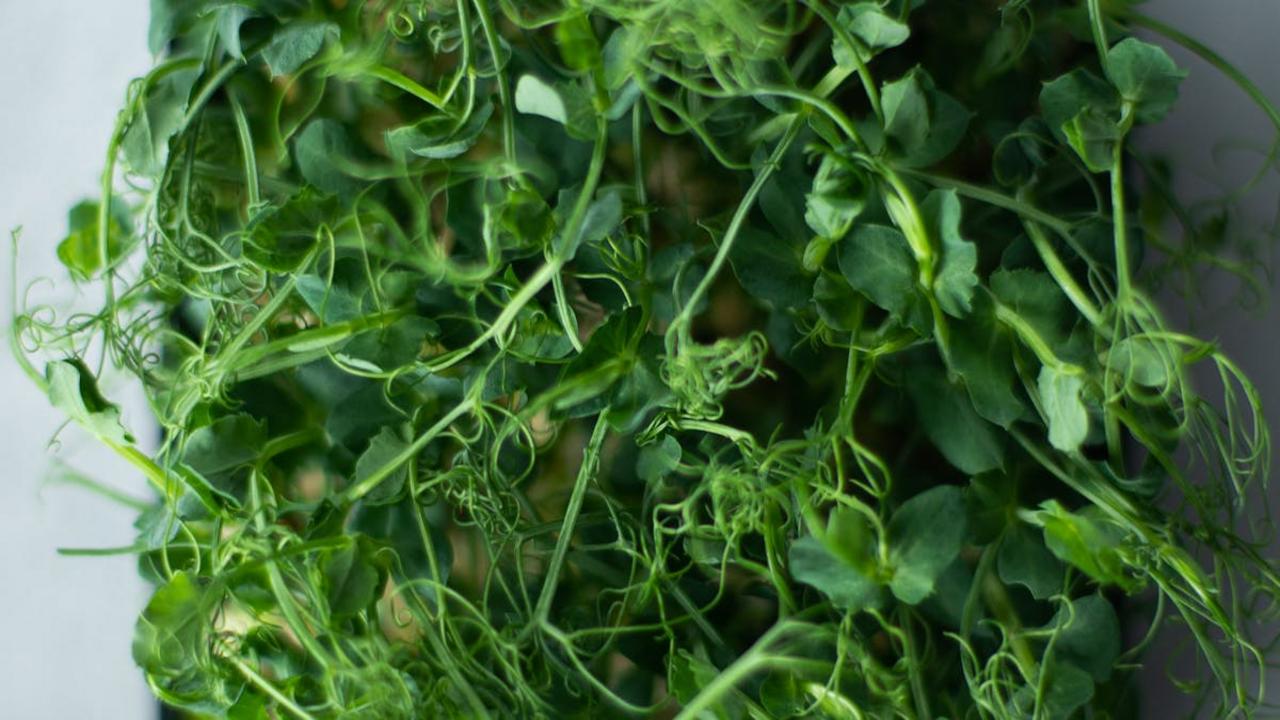
Think of microgreens as the baby photos of the vegetable world – adorable, tiny, and absolutely packed with more personality than their full-grown counterparts. These miniature marvels are basically vegetables that decided to peak early, getting harvested just 7-14 days after germination when they’re sporting their first set of true leaves. You know that friend who was already witty and charming in elementary school? That’s microgreens in a nutshell. They pack 4-40 times more nutrients than their mature versions, which means your pea shoots are basically tiny green superheroes wearing capes made of concentrated vitamins.
Growing microgreens at home is ridiculously simple – you don’t need a green thumb, just a windowsill and about as much gardening skill as it takes to water a houseplant. Grab some seeds (radish, arugula, and sunflower are fantastic starter options), sprinkle them on some potting soil in a shallow tray, mist them daily, and boom – you’re basically running a tiny farm in your kitchen. The environmental footprint is so small it’s practically invisible: no transportation, minimal water usage, and zero packaging waste. Plus, you get to snip your own dinner with scissors, which makes you feel like a very sophisticated, very eco-conscious food stylist every single day.
Jackfruit
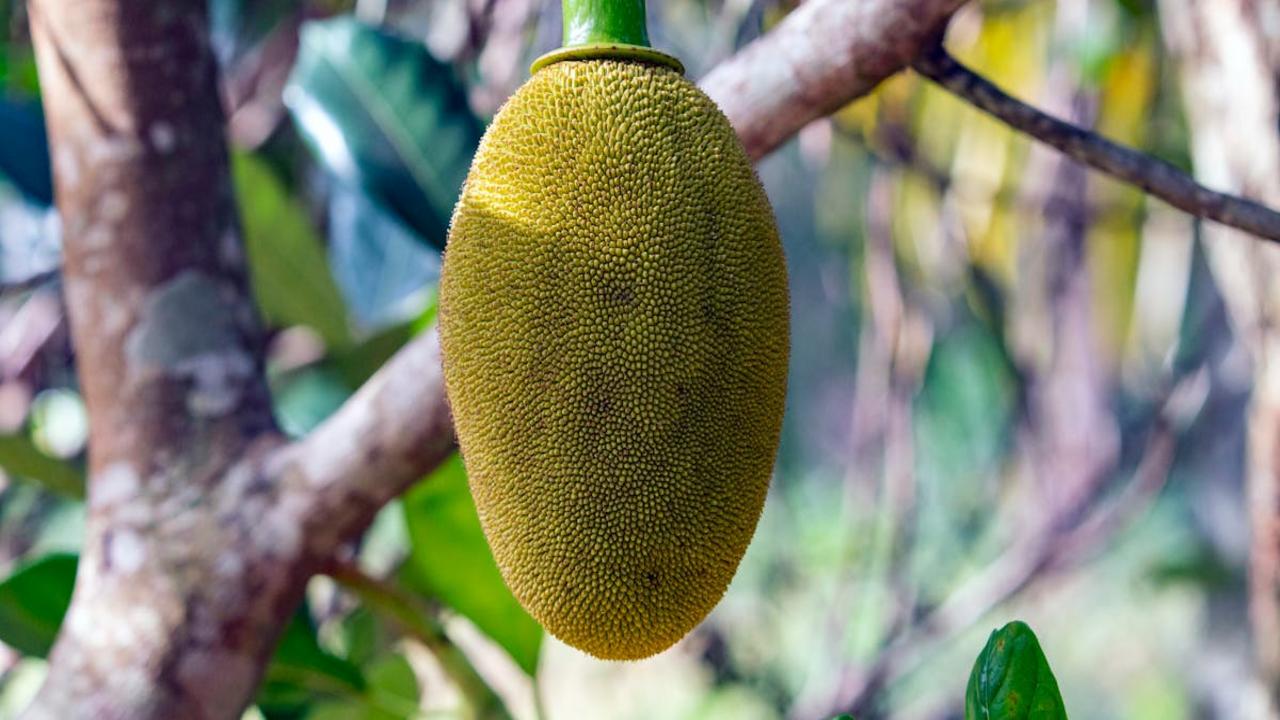
Meet the world’s largest tree fruit that’s basically nature’s prank on vegetarians everywhere. Jackfruit can weigh up to 80 pounds and hangs from trees like giant green footballs covered in medieval armor spikes. When you crack one open, the flesh inside has this uncanny ability to mimic pulled pork so convincingly that even your carnivorous uncle might do a double-take at your BBQ sandwich. The texture is spot-on shredded meat territory, which makes it the ultimate plant-based impostor for tacos, curries, and slider fillings. Plus, one tree can produce up to 200 fruits annually, making it a productivity champion that puts your overachieving coworker to shame.
Beyond its meat-mimicking superpowers, jackfruit packs serious nutritional punch with vitamin C, potassium, and fiber that’ll keep your digestive system humming along happily. The environmental benefits are equally impressive – these trees require minimal water compared to livestock farming and actually improve soil quality while they’re busy growing their massive fruit babies. You can find canned young jackfruit in most grocery stores now (look for it in brine, not syrup, unless you want your tacos tasting like dessert). Try sautéing it with BBQ sauce, cumin, and garlic for a ridiculously satisfying pulled “pork” that’ll have you questioning everything you thought you knew about plant-based eating.
Bamboo Shoots
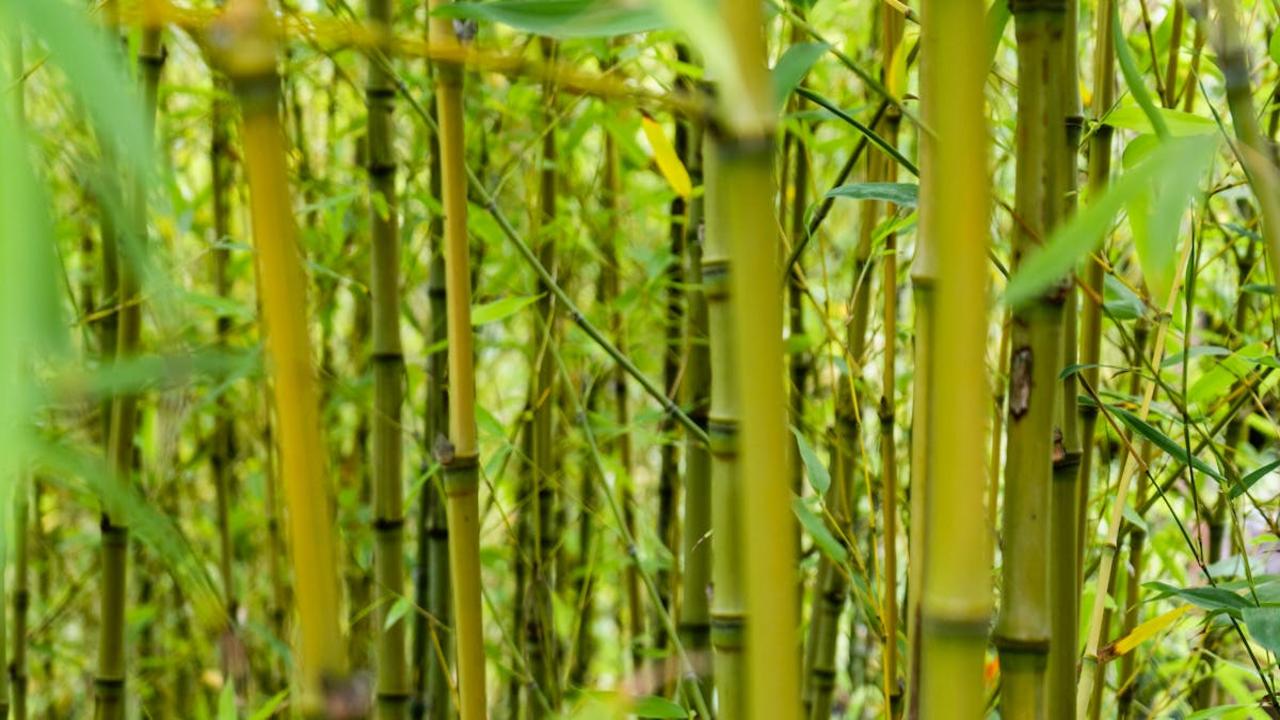
Picture this: you’re wandering through an Asian grocery store, and suddenly you spot these pale, cone-shaped mysteries lurking in the produce section. Those are bamboo shoots, and they’re about to become your new favorite eco-warrior food! These crunchy wonders grow faster than your neighbor’s gossip spreads – we’re talking up to three feet in a single day. That’s right, bamboo is basically the Usain Bolt of the plant kingdom. The best part? Harvesting bamboo shoots doesn’t kill the plant, so it keeps on growing and pumping out oxygen like nature’s own superhero. You can snag them fresh, canned, or dried, and trust me, your carbon footprint will thank you for choosing this renewable rocket ship of a vegetable.
Now, before you start gnawing on raw bamboo like a confused panda, know that fresh shoots need proper preparation – they contain compounds that require boiling to make them safe and delicious. Once you’ve conquered that step, these babies add an incredible crunch to stir-fries, soups, and curries that’ll make your regular vegetables weep with envy. I once threw some into a simple fried rice, and the texture was so satisfying it sounded like I was eating bubble wrap – but in the best possible way. They taste mildly sweet with earthy undertones, kind of like if celery and water chestnuts had a baby and raised it in a zen garden. Pro tip: grab a can of pre-cooked bamboo shoots for your first adventure – they’re already tender and ready to transform your weeknight dinner from boring to bamboo-zling!
Quinoa
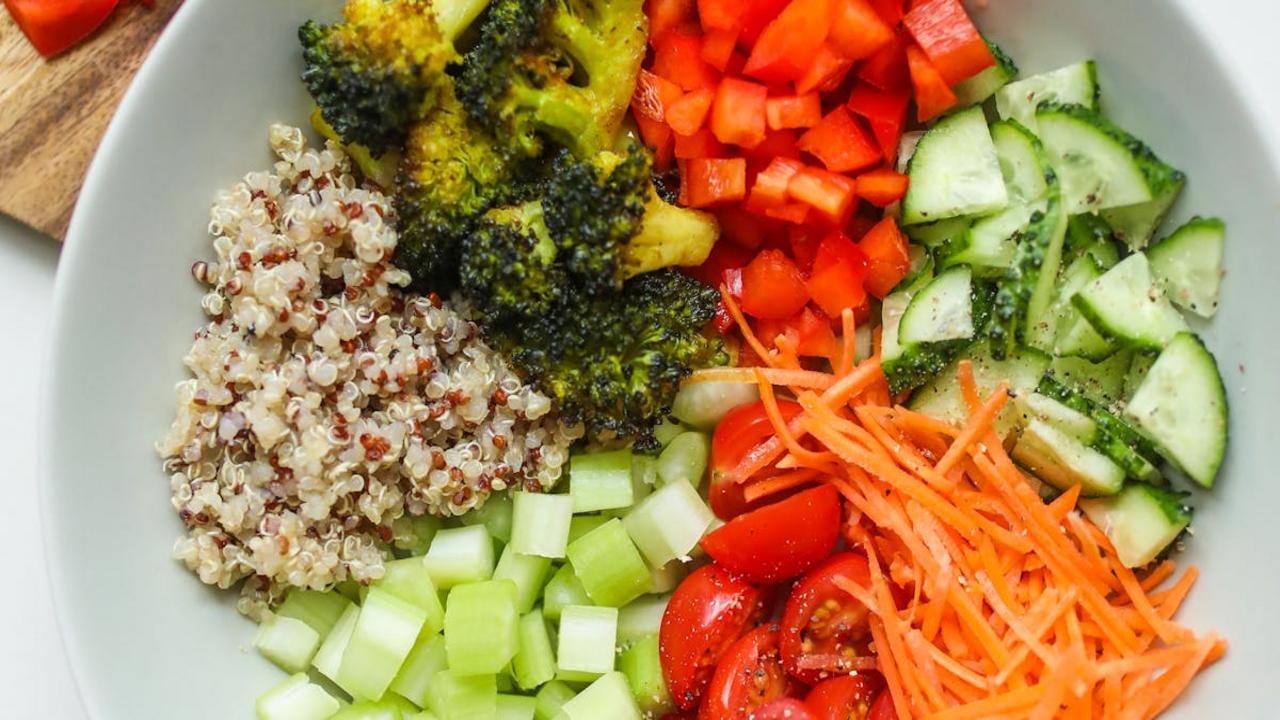
You know that friend who somehow manages to be the perfect dinner party guest—beautiful, sophisticated, and secretly packed with incredible talents? That’s quinoa for you. This ancient grain (technically a seed, but who’s keeping track?) originally grew wild in the Andes mountains, where the Incas called it “chisaya mama” or “mother of all grains.” Today, quinoa stands as one of the most eco-friendly protein sources you can toss in your shopping cart. Unlike resource-hungry crops that demand gallons of water and tons of fertilizer, quinoa thrives in harsh conditions with minimal water, making it a superhero in sustainable agriculture.
Here’s where quinoa gets really show-offy: it’s a complete protein, meaning it contains all nine amino acids your body needs but can’t make on its own. Think of it as nature’s multivitamin disguised as a fluffy, nutty grain. You can cook it exactly like rice—two parts water to one part quinoa, bring to a boil, then simmer for about 15 minutes until those little white rings pop out like tiny life preservers. Pro tip: always rinse quinoa before cooking unless you enjoy the delightful bitterness of saponins, the natural coating that makes it taste like you’re eating soap. Trust me, I learned this the hard way during what I now call “The Great Quinoa Disaster of 2019.”
Mussels
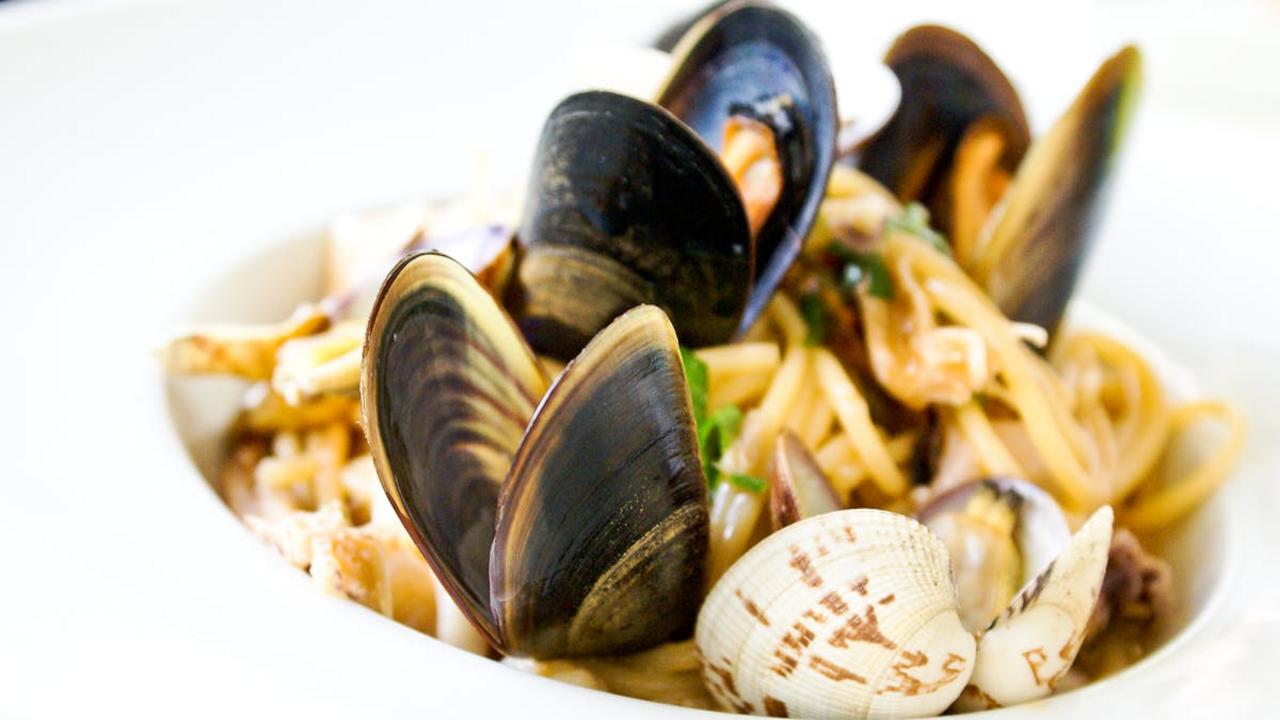
You know what’s absolutely wild? Mussels are basically the ocean’s vacuum cleaners, and somehow that makes them one of the most eco-friendly proteins you can throw on your dinner plate. These little blue-black beauties spend their entire lives filtering seawater – we’re talking about 20 gallons per day per mussel – which means they’re actually cleaning up their neighborhood while growing into your next meal. They don’t need any feed, fertilizers, or freshwater to thrive, making them the ultimate low-maintenance seafood. Plus, mussel farms actually improve water quality rather than polluting it, which is pretty much the opposite of what most food production does to our planet.
Here’s the kicker: mussels grow incredibly fast and can be ready for your steaming pot in just 12 to 24 months. I once watched my friend Jake attempt to shuck his first mussel – he ended up with more shell fragments in his mouth than actual mollusk, but that’s what makes them so entertaining! The secret is simple: give them a good scrub, toss out any that won’t close when tapped, then steam them with white wine, garlic, and herbs until they pop open like tiny treasure chests. One pound feeds two people generously, and at around $3-5 per pound, they’re cheaper than most land-based proteins. Pro tip: save that brothy cooking liquid – it makes an incredible base for seafood risotto the next day.
Seaweed
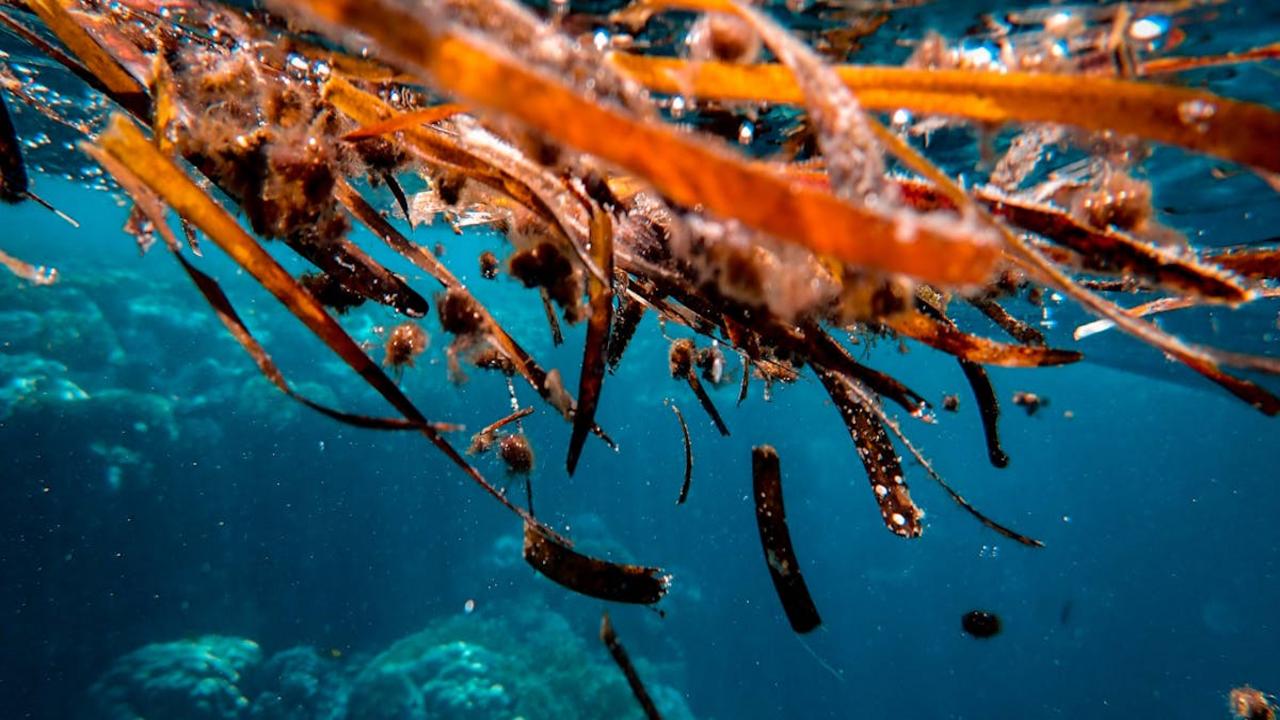
Okay, I get it – seaweed sounds about as appetizing as eating pond scum. But hear me out! This ocean vegetable is basically the ultimate multitasker of the food world, requiring zero fresh water, zero fertilizer, and zero land to grow. It just hangs out in the ocean, soaking up nutrients and growing faster than your neighbor’s overzealous tomato plants. Plus, seaweed produces more oxygen per acre than forests do, making it the ocean’s very own superhero. The stuff literally cleans the water while it grows, which is more than I can say for most vegetables in my garden.
Now, before you wrinkle your nose, remember that you’ve probably already eaten seaweed without knowing it – that silky miso soup at your favorite sushi spot? Pure seaweed magic. Nori sheets aren’t just for wrapping sushi; try toasting them with a sprinkle of sesame oil and salt for a snack that’ll make you forget about potato chips. Kelp noodles make fantastic low-carb pasta substitutes, and dulse flakes add a smoky, bacon-like flavor to everything from salads to popcorn. The best part? You can buy dried seaweed online or at most Asian markets, and it keeps forever in your pantry, ready to transform boring meals into oceanic adventures.
Lentils
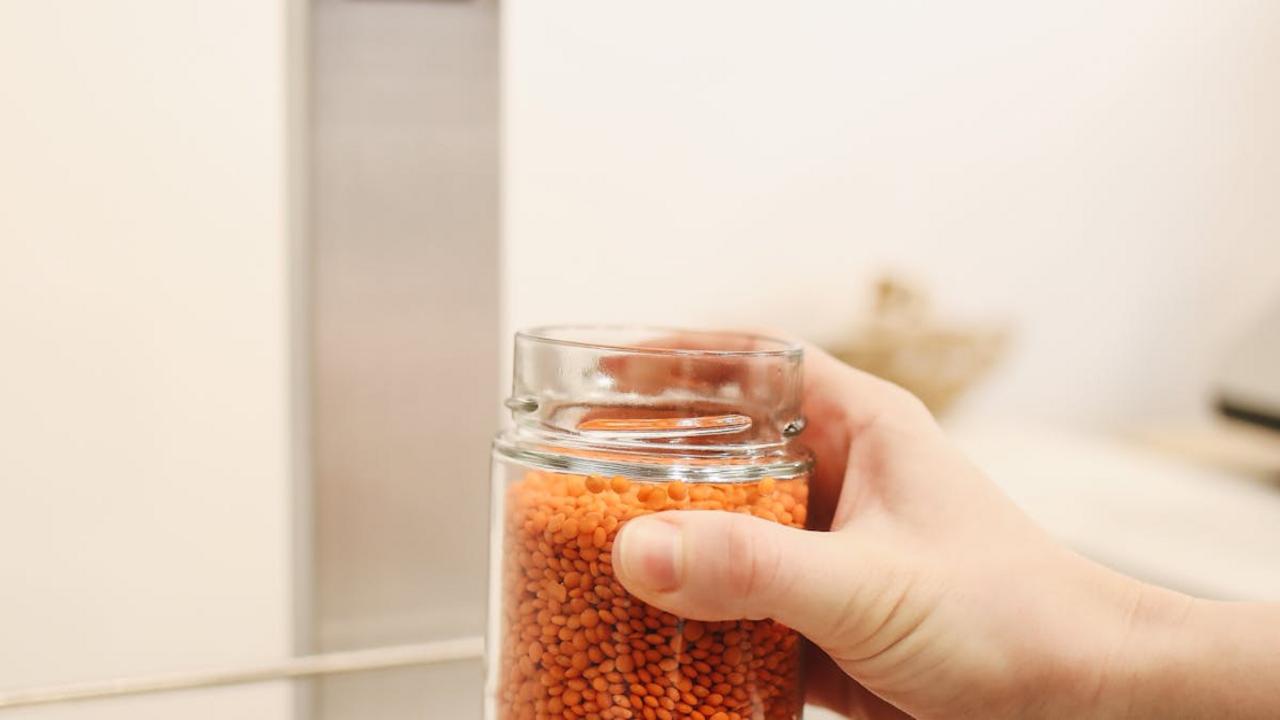
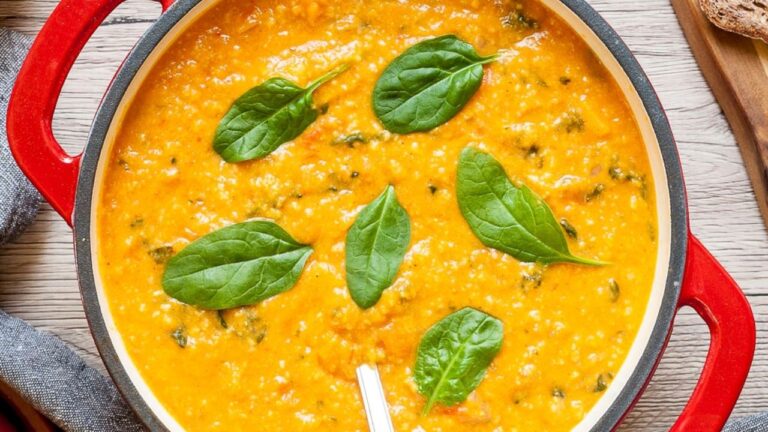
These tiny powerhouses pack more protein punch than a boxer on espresso! Lentils might look like they belong in your grandmother’s dusty spice jar, but don’t let their humble appearance fool you – they’re the Clark Kent of legumes. Red ones cook faster than you can say “superhero soup,” while green and brown varieties hold their shape like tiny soldiers in a stew. Here’s a fun fact that’ll make you the star of your next dinner party: lentils are actually seeds, not beans, and they’ve been feeding humans for over 10,000 years. Ancient Egyptians considered them so valuable they buried them with pharaohs for the afterlife buffet!
From an environmental standpoint, lentils are basically Mother Nature’s gift to your guilt-free conscience. They fix nitrogen in soil naturally, which means they actually improve farmland instead of depleting it – talk about being a good neighbor! A single cup provides about 18 grams of plant-based protein and enough fiber to keep your digestive system humming happily. Try tossing red lentils into your next curry for a creamy texture without the cream, or throw some cooked green lentils into salads for extra oomph. Pro tip: unlike their fussy bean cousins, lentils don’t need overnight soaking, so you can go from pantry to plate in under 30 minutes!