14 Easy Ways to Tell Your Food Is Still Good to Use After the Date
Throwing away perfectly good food because of expiration dates hurts your wallet and creates unnecessary waste. Many foods remain safe and tasty well beyond their printed dates! I’ve discovered simple ways to check if your food is still good to eat, saving you money while keeping you safe.
Your senses are your best tools for food safety. Look for unchanged appearance, normal smell, and consistent texture. Properly stored items with intact packaging often last longer than you’d think. The absence of mold, slime, or unusual color changes typically indicates food is still fresh enough to enjoy.
Temperature control plays a crucial role in food longevity. Items kept at appropriate temperatures without freezer burn typically maintain their quality. Before tossing something based solely on a date, check for gas buildup in containers, broken seals, or separation in liquids. A quick taste test (for non-high-risk foods) can confirm if your food is still perfectly good!
Seal remains unbroken
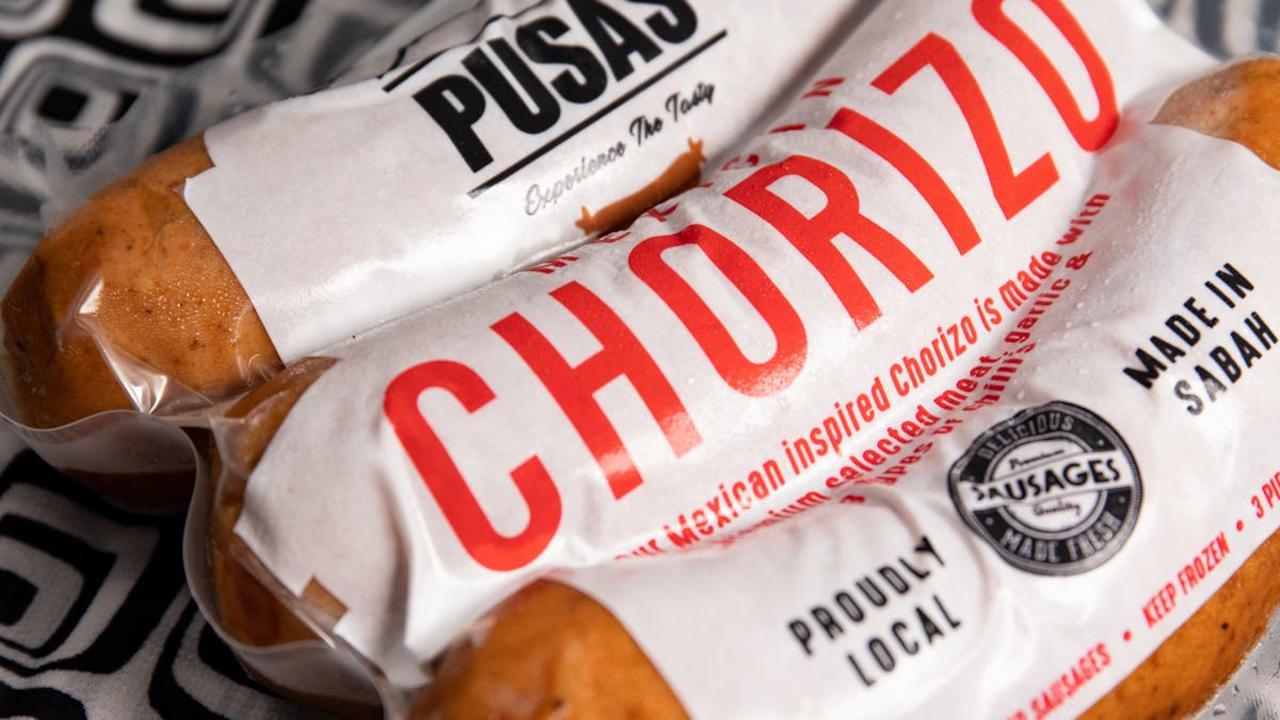
When you’re checking packaged foods past their dates, an intact seal acts as your first line of defense against spoilage. That plastic wrapper, vacuum seal, or foil packaging creates a protective barrier that keeps harmful bacteria, oxygen, and moisture from reaching your food. If you spot an unbroken seal on items like lunch meats, cheese, crackers, or canned goods, you’ve got a strong indicator that the contents remain fresh and safe to consume, even beyond the printed date.
Your sealed packages work like tiny fortresses, maintaining the food’s original quality and extending its shelf life significantly. Before you toss that “expired” yogurt or those crackers hiding in your pantry, give the packaging a thorough inspection. Look for any tears, punctures, or loose edges that might have compromised the seal. If everything appears tight and secure, trust your packaging – it’s been doing its job! This simple visual check can save you money and reduce food waste while keeping your family fed with perfectly good food.
No freezer burn
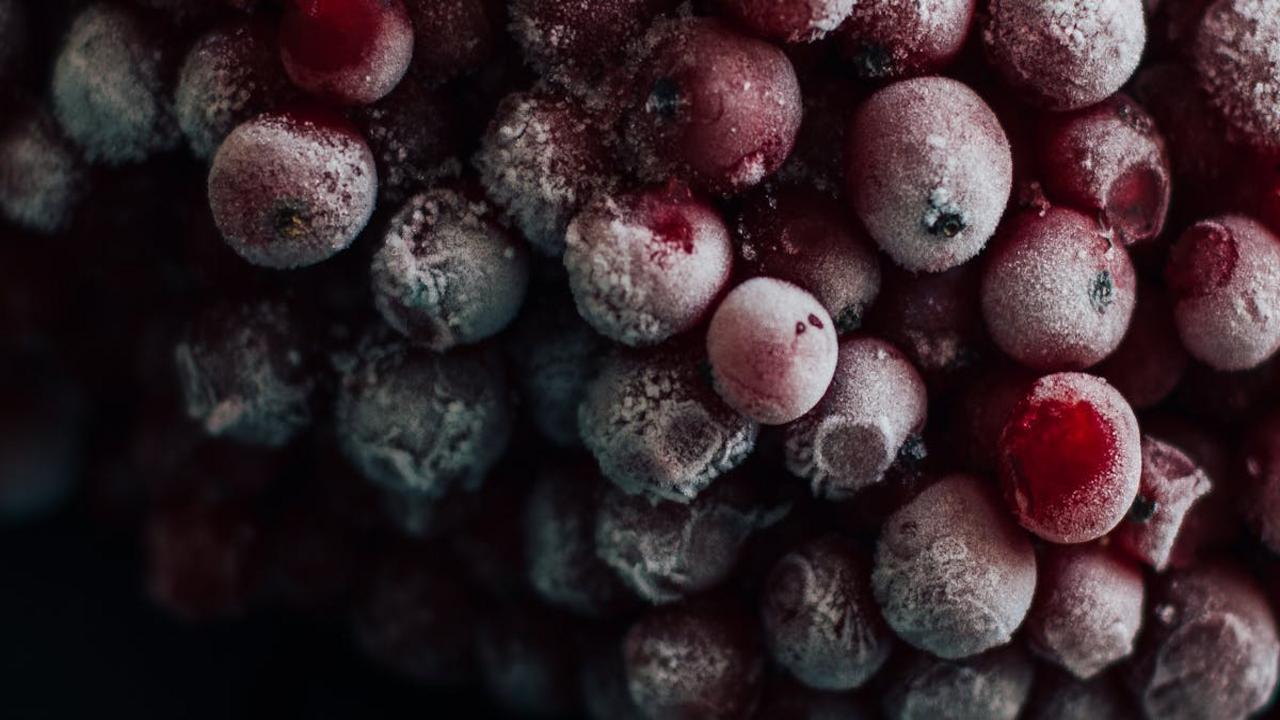
When you pull something from your freezer and notice those white, crystalline patches covering the surface, that’s freezer burn staring right back at you. This happens when air reaches your frozen food, causing moisture to evaporate and leave behind those telltale dry, discolored spots. While freezer burn doesn’t make food unsafe to eat, it definitely changes the texture and flavor in ways that won’t make your taste buds happy. The good news? If you spot just small patches, you can trim them away and still enjoy the rest of your frozen treasure.
Your best defense against freezer burn starts with proper storage techniques that keep air away from your food. Wrap items tightly in plastic wrap, then place them in freezer bags with all the air squeezed out, or invest in a vacuum sealer for maximum protection. Double-wrapping works wonders for longer storage periods. Also, check your freezer temperature – it should stay at 0°F or below to maintain food quality. If you notice your frozen foods developing freezer burn quickly, your freezer might need some attention or your wrapping technique could use improvement.
Absence of slime
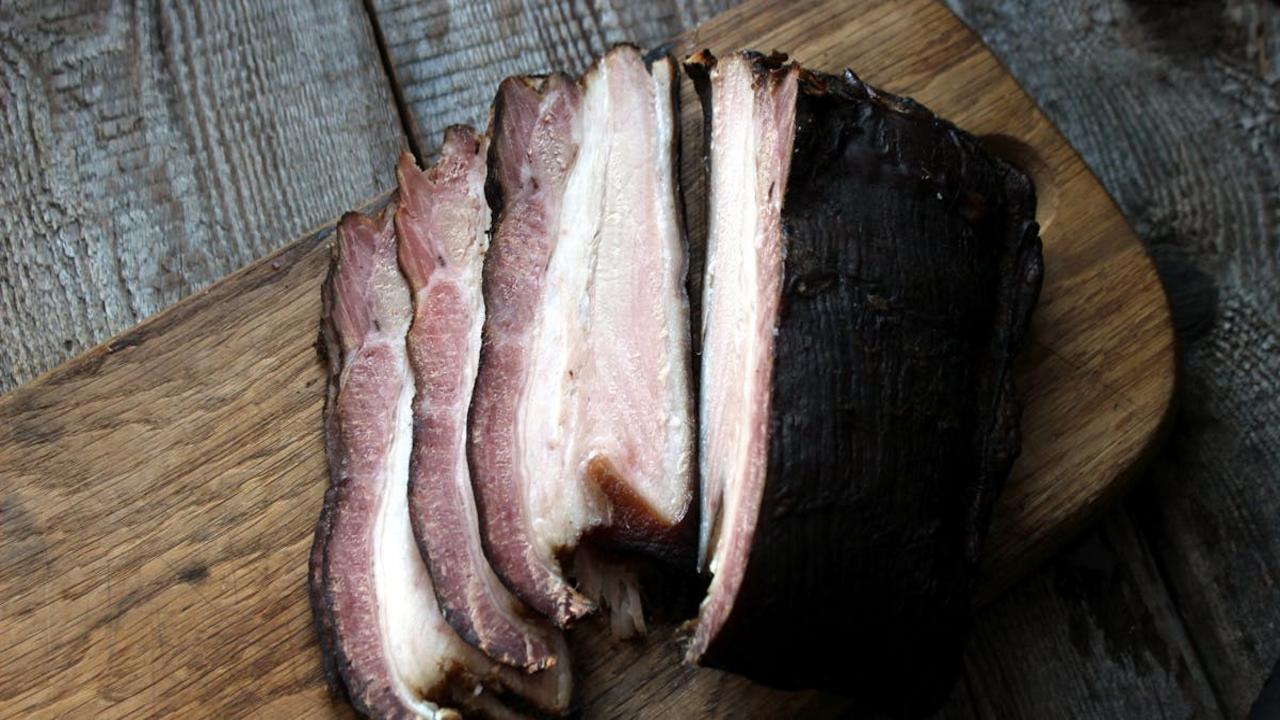
When you’re checking whether your food has gone bad, the slime test is one of your most reliable allies in the kitchen! Fresh produce, meats, and dairy products should feel clean and firm to the touch. If you pick up that bunch of spinach or package of chicken and notice a slippery, gooey coating, that’s your cue to toss it straight into the trash. Slime forms when bacteria multiply and create biofilms on food surfaces, which means the spoilage process is well underway.
You can easily perform this simple check by gently running your fingers over the surface of questionable items. Fresh vegetables should have a crisp texture, while good meat feels slightly tacky at most but never slimy or sticky. Even foods past their printed dates can still be perfectly safe if they pass the slime test along with other freshness indicators. Trust your hands – they’re incredibly sensitive tools that can detect texture changes long before your eyes might notice visual signs of spoilage. This quick tactile inspection takes just seconds but can save you from an unpleasant food experience.
No gas buildup in containers
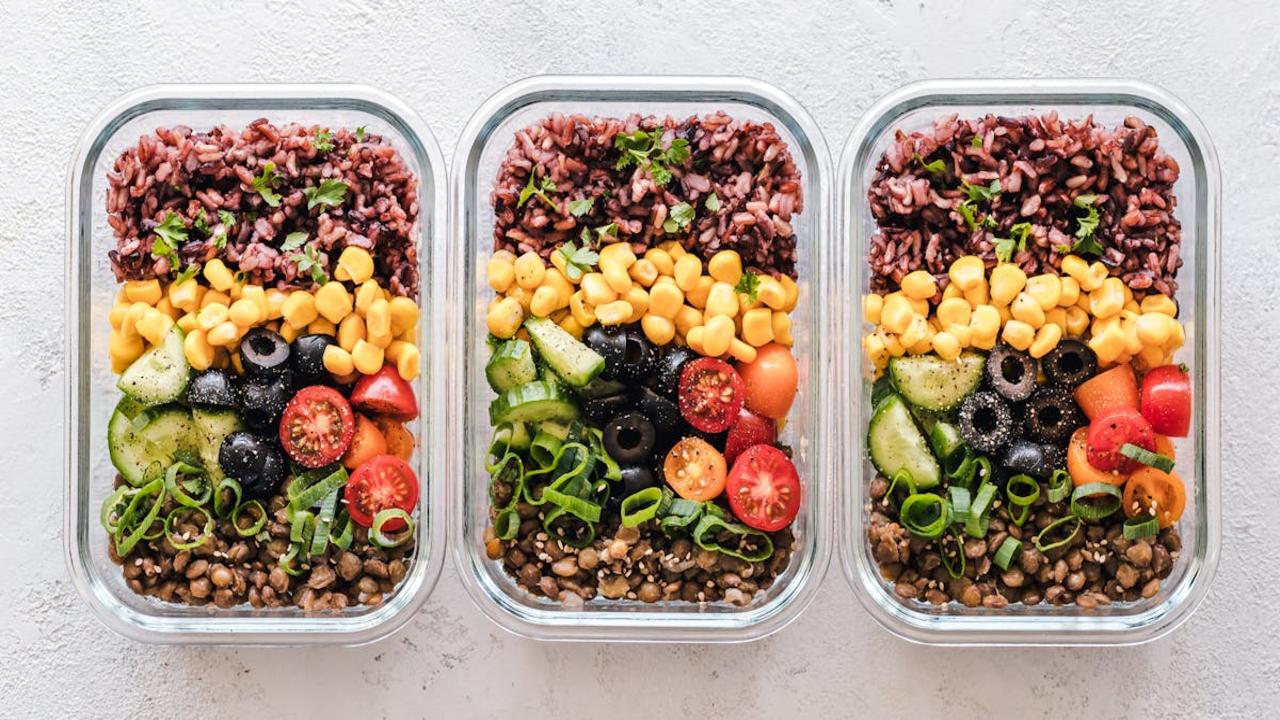
When you open a container of food and hear that satisfying “pop” of the seal breaking, that’s exactly what you want! Fresh, properly stored foods won’t produce gas or cause containers to bulge outward. If you notice your yogurt container looks puffed up like a tiny balloon or your sealed jar of sauce has developed a dome-shaped lid, that’s bacteria working overtime and creating gas as a byproduct. This telltale sign means harmful microorganisms have moved in and made themselves comfortable, turning your food into their personal playground.
Trust your eyes on this one – containers should maintain their original shape throughout their recommended storage period. I always do a quick visual check before opening anything that’s been sitting in my fridge for a while. Canned goods, jarred sauces, dairy products, and even vacuum-sealed items will show obvious swelling when they’ve gone bad. Don’t take chances with bulging containers, even if the expiration date hasn’t passed yet. Your safety matters more than potentially wasting a few dollars, and your digestive system will thank you for being cautious. When in doubt, toss it out and grab something fresh from your pantry instead.
Taste remains normal
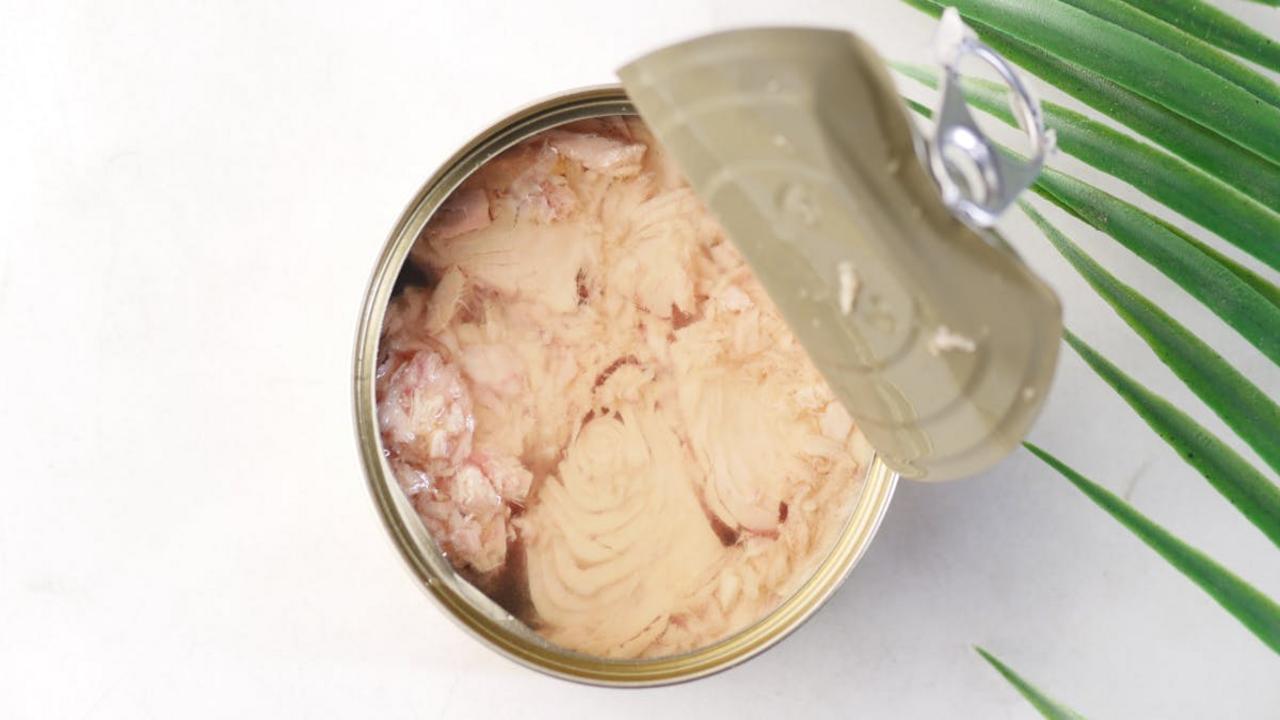
When you’re questioning whether that leftover pasta or week-old bread is still good, your taste buds become your most reliable allies! I always tell my friends that if food tastes exactly like it should – no off flavors, no sourness where there shouldn’t be any, and no weird bitter notes – then you’re probably in the clear. Your mouth can detect spoilage long before your eyes might notice anything amiss, so take a small taste test and trust what you’re experiencing.
Of course, you want to be smart about this approach and only taste foods that look and smell normal first. I recommend starting with just a tiny amount on the tip of your tongue, especially with dairy products or proteins that have been sitting around for a while. If that first taste tells you everything is perfectly normal – the same delicious flavor you remember – then you can confidently enjoy your food without worry. This method has saved me countless grocery dollars over the years, and it’s incredibly satisfying to know you’re reducing food waste while keeping your family well-fed with perfectly good meals.
Temperature control maintained
Your refrigerator and freezer work harder than you might realize to keep your food safe and fresh! When you maintain proper temperatures consistently, you create an environment where harmful bacteria struggle to multiply, giving your food a much longer life beyond those printed dates. I always keep my fridge at 40°F or below and my freezer at 0°F – these magic numbers slow down spoilage dramatically. Foods that have been stored at the right temperature throughout their storage time often remain perfectly safe and delicious days or even weeks past their expiration dates.
Think of temperature control as your food’s personal bodyguard! Dairy products, meats, and leftovers that have lived their entire storage life in properly cooled conditions typically show fewer signs of deterioration than items exposed to temperature fluctuations. You can trust your senses more confidently when you know your food has been consistently cold. Check that milk that’s three days past its date – if it smells fresh and looks normal, and your fridge has been running at the right temperature, you’re probably good to go! Remember, those dates on packages assume average storage conditions, but superior temperature control often means superior food quality for longer periods.
No separation or curdling
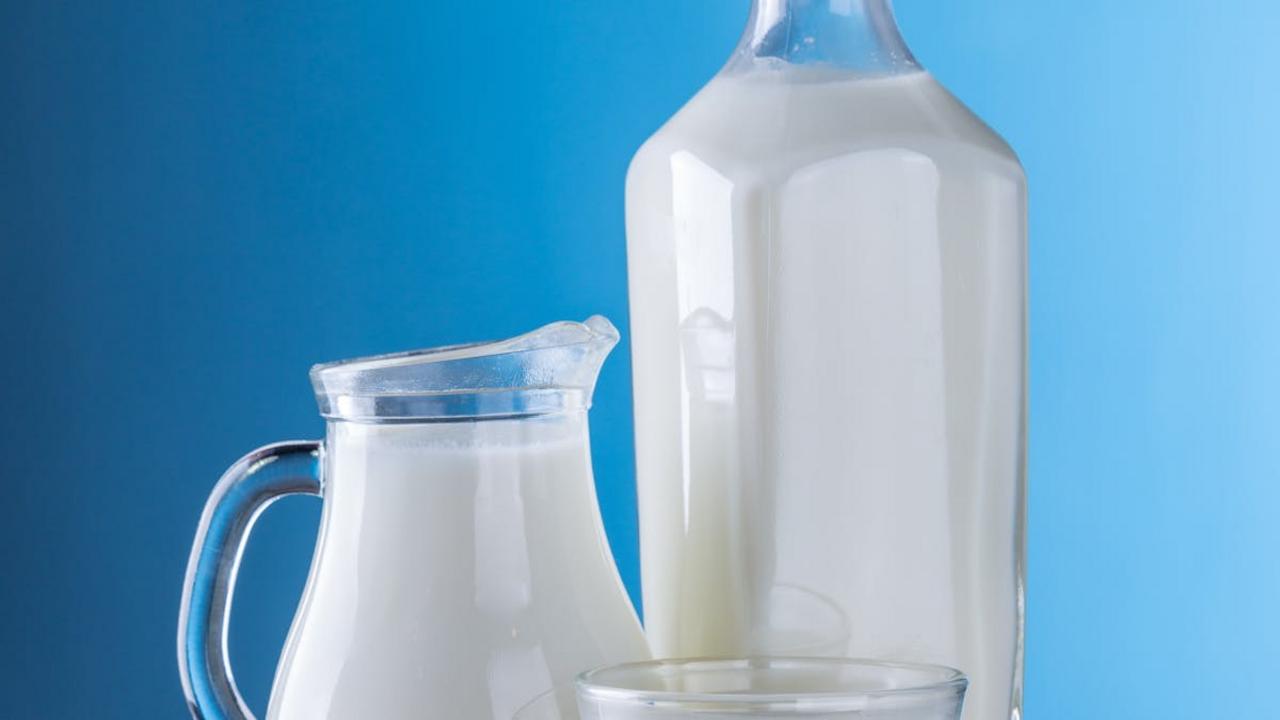
When you peek into that container of milk, yogurt, or cream sauce, your eyes are doing some serious detective work! Fresh dairy products maintain their smooth, consistent texture throughout. If you notice any chunky bits floating around, weird clumps, or that telltale watery separation where the liquid seems to have split from the solids, that’s your cue to toss it out. Good dairy should look unified and creamy, not like it’s having an identity crisis in your fridge.
This same rule applies to your favorite condiments, salad dressings, and even some plant-based milk alternatives. That bottle of ranch dressing should pour out smooth and creamy, not in weird separated layers that make you question your life choices. I always give my dairy products a gentle swirl before using them – if everything comes back together nicely, you’re golden! But if it stays stubbornly separated or looks curdled no matter how much you shake it, trust your instincts and grab a fresh container. Your recipes (and your stomach) will thank you for being picky about texture.
Color stays consistent
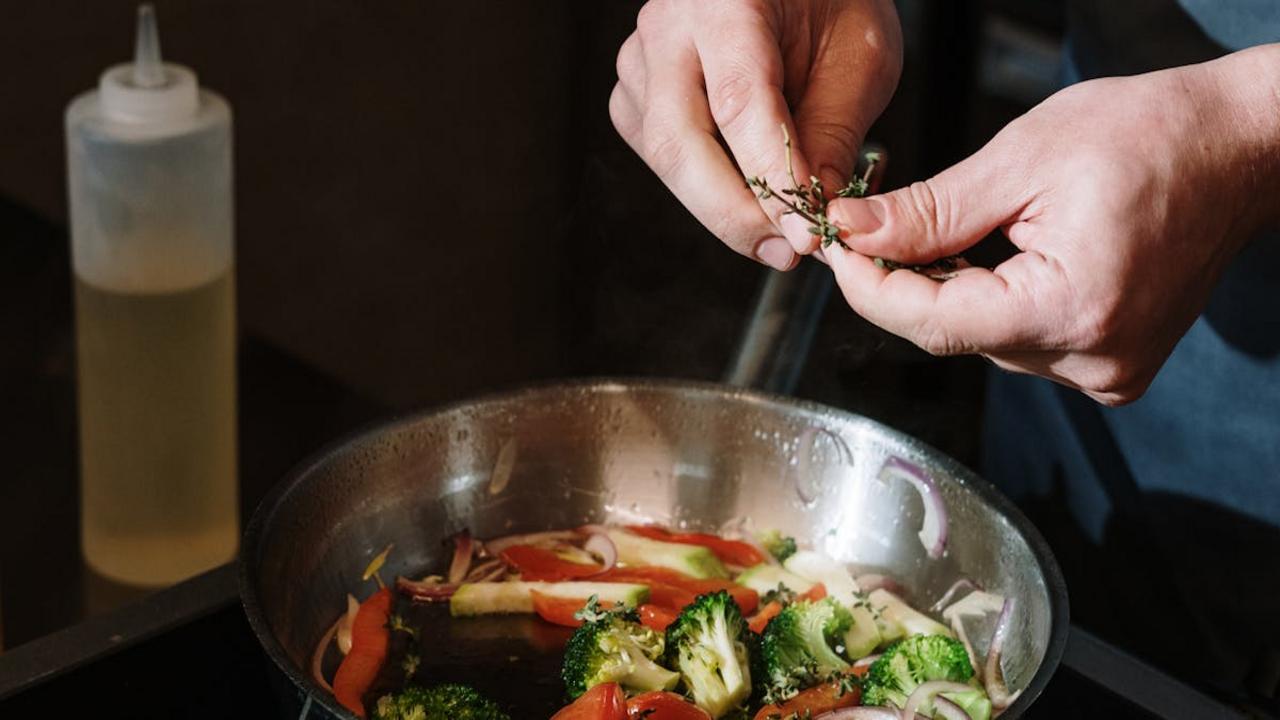
Your eyes are your first line of defense when checking if food has gone bad! Fresh ingredients maintain their natural, vibrant colors, and any dramatic shifts usually signal it’s time to toss them out. Think about how a bright red strawberry should stay that gorgeous ruby shade, or how fresh spinach keeps its deep green hue. When foods start developing strange colors – like meat turning gray or green, produce getting dark spots, or dairy products showing any funky discoloration – your food is telling you it’s past its prime.
I always tell people to trust what they see because color changes often happen before smell or texture issues become obvious. Fresh bread stays golden or white depending on the type, but if you notice any green or black spots, that’s mold making itself at home. Cheese should maintain its original color too – if your white cheddar suddenly has pink or blue streaks that weren’t there before, it’s definitely time to say goodbye. The same goes for fruits and vegetables: consistent color means they’re still good to eat, while dramatic color changes mean they’ve started breaking down and losing their nutritional value.
Packaging remains intact
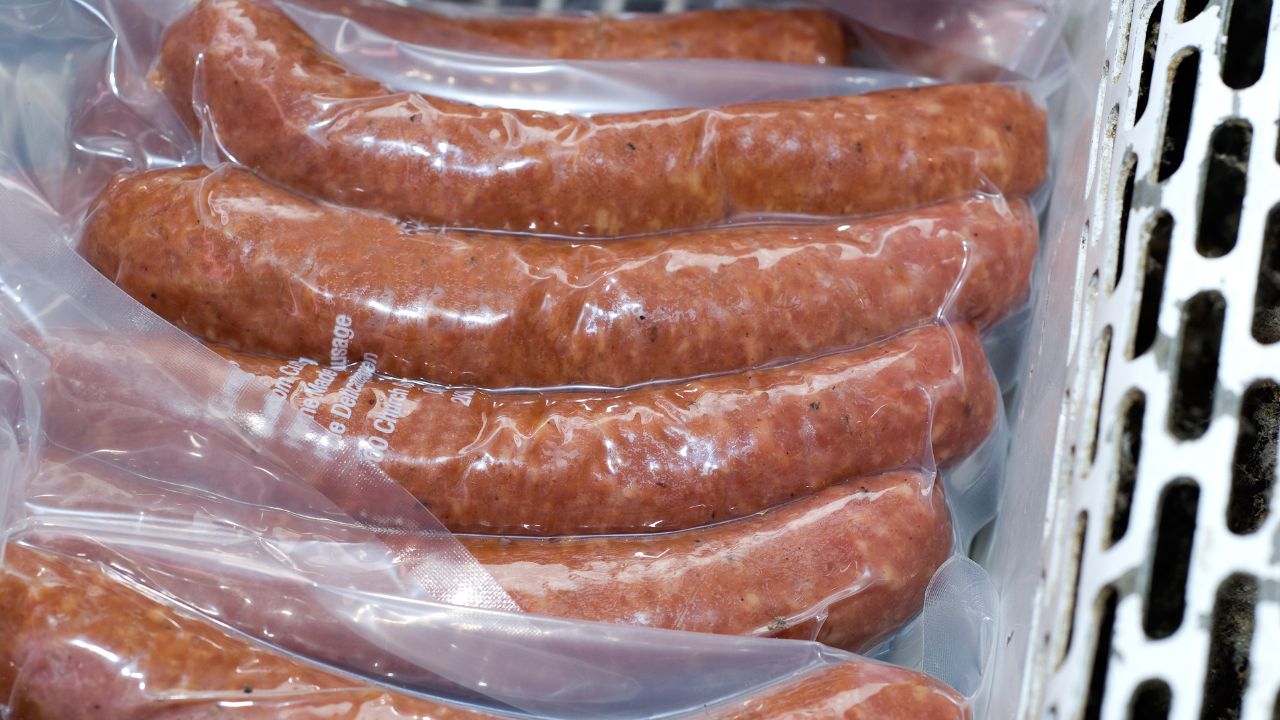
When you’re checking whether your food is still good to use, one of the simplest indicators is the condition of the packaging itself. If you notice that cans aren’t dented or bulging, plastic containers haven’t cracked or warped, and sealed bags remain tight without any tears or holes, you’re looking at a promising sign that your food is likely still fresh. I always run my hands around containers and give them a gentle inspection – it’s become second nature in my kitchen routine, and it’s saved me from unnecessary food waste countless times.
Intact packaging acts like a protective shield, keeping bacteria, moisture, and air from compromising your food’s quality and safety. You’ll want to pay special attention to vacuum-sealed items, canned goods, and anything in glass jars – these should maintain their original seal and show no signs of damage. If you spot any swelling in canned goods or hear a unusual sound when you shake containers, those are red flags to avoid. Trust your instincts here – good packaging means your food has been properly protected from the elements that cause spoilage, giving you more confidence in your meals.
Proper storage conditions followed
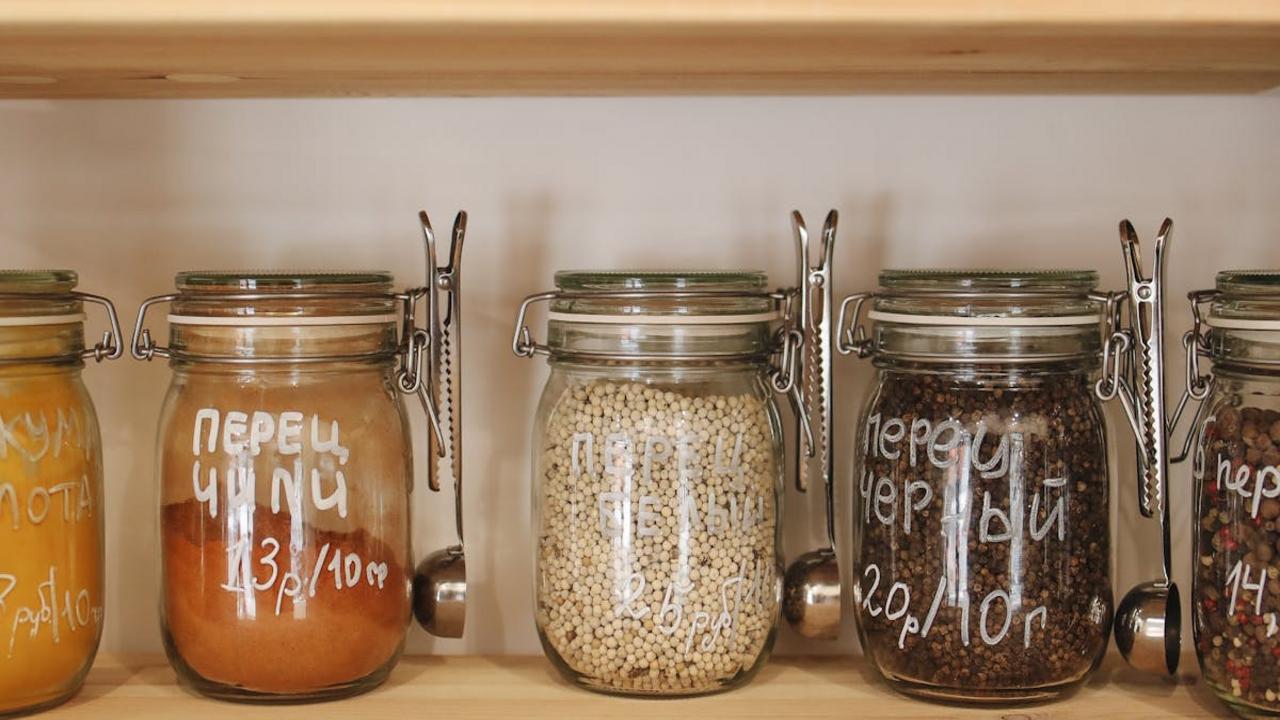
You know that feeling when you open your fridge and wonder if that yogurt is still good? Here’s the thing – dates on packages often mean very little if you haven’t been storing your food correctly. When you keep your refrigerator at the right temperature (below 40°F), store dry goods in cool, dark places, and seal everything properly, your food can stay fresh well beyond those printed dates. I always tell my friends that proper storage is like giving your groceries a cozy home where they can maintain their quality longer.
Think about it this way: a carton of milk stored at the correct temperature in your fridge will outlast one that’s been sitting in a warm car for hours, regardless of what the date says. The same goes for pantry items – those crackers stored in a sealed container in your cool pantry will stay crispy much longer than ones left open in a humid kitchen. Pay attention to how you’ve been treating your food, and you’ll discover that many items remain perfectly safe and delicious days or even weeks past their printed dates when you’ve given them the proper care they deserve.
No visible mold growth
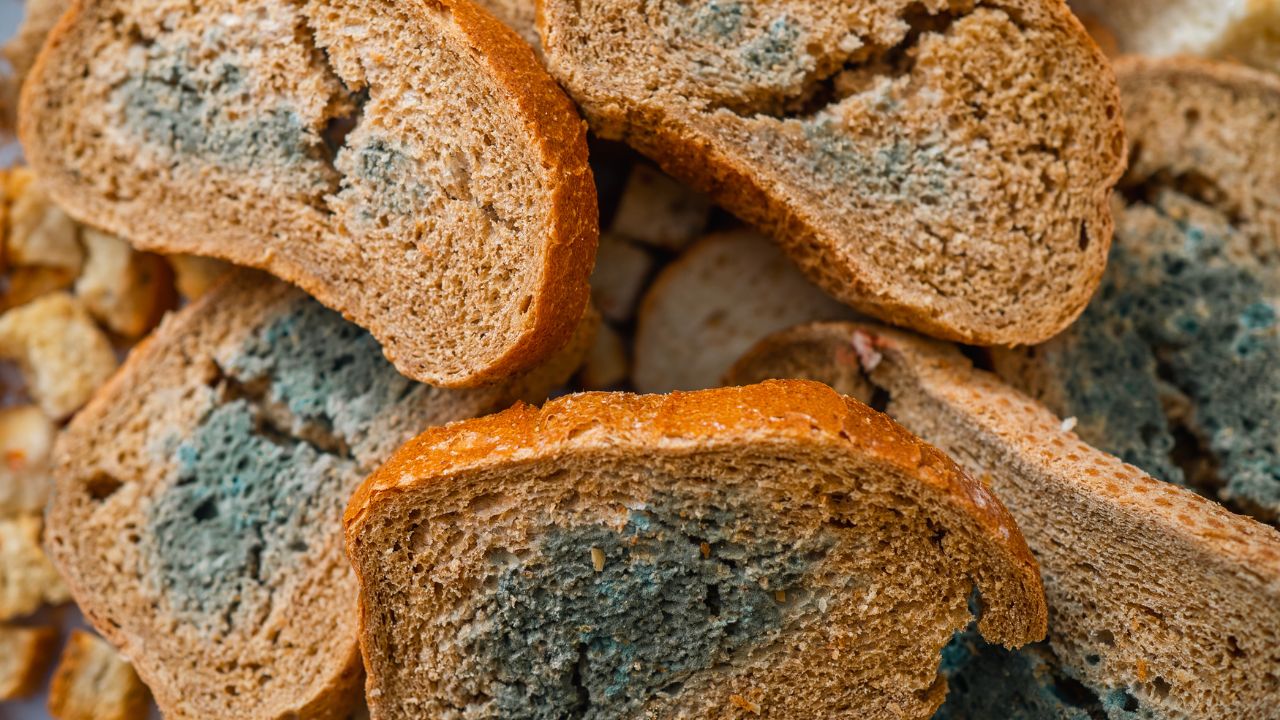
When you’re checking whether your food has passed its prime, your eyes become your best friend in the kitchen! I always tell people that a quick visual inspection can save you from both food waste and potential tummy troubles. If you don’t see any fuzzy, discolored patches or strange growths sprouting on your bread, cheese, fruits, or leftovers, you’re already winning half the battle. Trust me, mold makes itself known pretty clearly – it’s not shy about announcing its presence with those telltale green, black, white, or blue spots that seem to appear overnight.
Now, here’s what I love about this simple check: it works for almost everything in your fridge and pantry! Fresh produce, dairy products, baked goods, and even some condiments will show you exactly what’s happening on their surface. Just remember to look at all sides of your food, not just the top. I’ve caught sneaky mold hiding on the bottom of strawberries and the back of cheese blocks more times than I can count. Keep in mind that while no visible mold is a great sign, you’ll want to combine this check with your other senses – smell and texture – to get the complete picture of your food’s freshness.
Original texture maintained
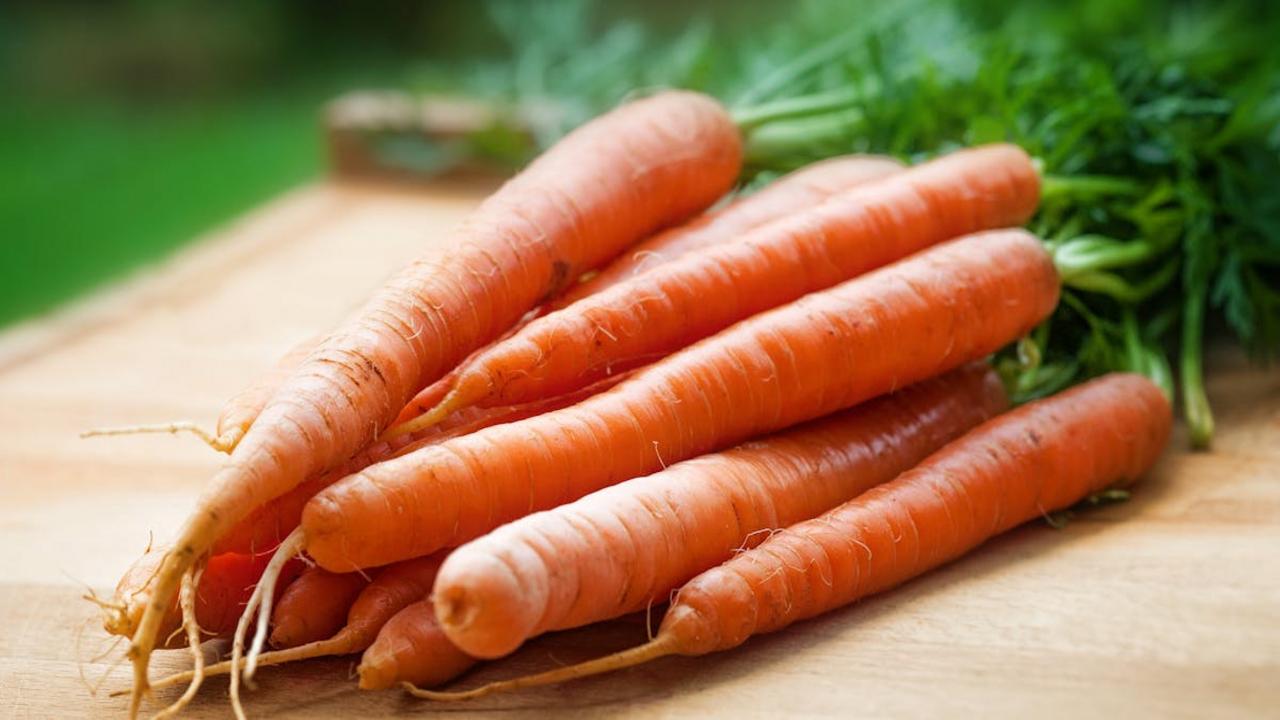
Your fingers know food better than any expiration date ever will! When you pick up that loaf of bread, squeeze those tomatoes, or press into that block of cheese, you’re getting direct intel about freshness. Fresh bread springs back when you gently press it, while stale bread feels dense and unyielding. Ripe fruits give slightly under pressure but bounce back, and fresh vegetables snap with crisp authority. If your food still feels like it should – firm apples, tender-crisp carrots, or bouncy pasta – you’re looking at perfectly good ingredients.
Trust your hands to guide you through the freshness test! Slimy surfaces, mushy spots, or weirdly soft areas signal that decomposition has started, regardless of what the date stamp says. I always tell my friends to give their produce a gentle squeeze before tossing it based on dates alone. That slightly wrinkled bell pepper might still have weeks of delicious life left if it feels firm and substantial. Your sense of touch connects you directly with your food’s quality, helping you save money and reduce waste while ensuring you’re cooking with ingredients at their peak performance.
No unusual odors
Your nose knows best when it comes to food safety, and I can’t stress this enough! Fresh food should smell like what it’s supposed to smell – bread should have that warm, yeasty aroma, milk should smell clean and neutral, and fruits should carry their natural sweet fragrance. If you open your fridge and catch a whiff of something funky, sour, or just plain wrong coming from your food, that’s your cue to toss it out immediately. Trust me, your sense of smell developed over thousands of years to protect you from spoiled food, so don’t ignore those warning signals your body sends you.
I always tell my friends to do the sniff test before diving into any meal prep, especially with dairy products, meats, and leftovers. Good food maintains its characteristic scent even past the printed date, while spoiled items develop unmistakable off-odors that range from sour and acidic to downright rotten. You know that moment when you open a container and immediately wrinkle your nose? That’s your instinct working perfectly! Even if something looks fine visually, unusual smells indicate bacterial growth or chemical changes that make food unsafe. Remember, when in doubt about an odor, choose safety over saving a few dollars – your health is worth so much more than that questionable leftover casserole.
Visual appearance remains unchanged
Your eyes are honestly your best friend when checking if food stays fresh past its printed date. Take a good look at what you’re about to eat – does it look exactly like it should? Fresh produce maintains its vibrant colors, meats keep their natural hue, and dairy products stay smooth without any funky spots or discoloration. If that apple still has its crisp red skin without dark patches, or your milk looks creamy white without any chunky bits floating around, you’re probably good to go!
Trust your visual instincts because they rarely steer you wrong in the kitchen. Mold, weird growths, or dramatic color changes are obvious red flags, but sometimes the signs are more subtle. Check for any slimy textures on vegetables, unusual darkening on fruits, or separation in sauces and dressings that normally stay mixed. I always tell my friends to give their food a quick visual once-over before cooking – if it looks appetizing and normal, chances are it still has plenty of life left in it, regardless of what that date stamp says.