14 Delicious Non-Dairy Foods You’ll Want on Your Plate
You don’t need dairy to build strong bones or create satisfying meals. These fourteen powerhouse ingredients prove that plant-based and seafood options can deliver incredible flavor while supporting your health goals. I’ve been cooking with these foods for years, and they never fail to surprise me with their versatility.
From creamy tofu that transforms into anything you imagine to calcium-rich sardines that add umami depth to simple salads, each ingredient brings something special to your kitchen. White beans become the base for hearty stews, while chia seeds create puddings that rival any dessert.
These foods work beautifully together or shine on their own. Mix sesame seeds into your morning yogurt alternative, toss almonds with roasted broccoli, or blend silky soybeans into homemade milk. Your body gets the nutrients it craves while your taste buds discover new favorites.
Salmon
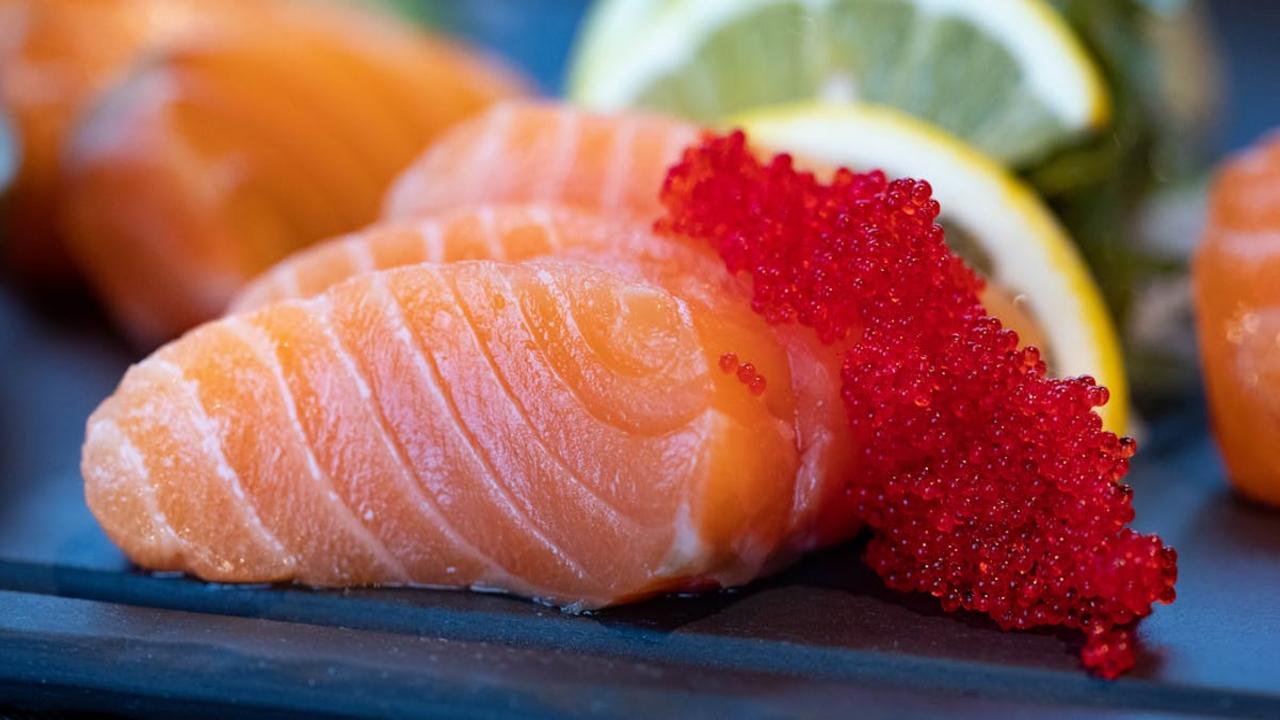
When I think about versatile proteins that bring both richness and nutrition to the table, salmon immediately comes to mind. This beautiful fish offers those coveted omega-3 fatty acids your body craves, plus high-quality protein that keeps you satisfied for hours. I love how salmon adapts to so many flavor profiles—whether you’re coating it with Middle Eastern za’atar, giving it an Asian-inspired miso glaze, or simply letting Mediterranean herbs and lemon do their magic. The natural oils in salmon create this gorgeous, flaky texture that makes every bite feel indulgent, yet you know you’re nourishing your body with something truly wholesome.
What excites me most about cooking salmon is how forgiving it can be for home cooks who might feel intimidated by fish. You can pan-sear it with just olive oil and garlic, bake it wrapped in parchment with vegetables, or even flake leftover cooked salmon into grain bowls and salads the next day. I always buy wild-caught when possible because the flavor is more complex and the nutritional profile is superior. The key is not overthinking it—salmon’s natural richness means you don’t need heavy sauces or complicated techniques to make it shine on your plate.
Orange Juice

Fresh-squeezed orange juice transforms any breakfast table into a bright morning celebration. I love making my own at home – there’s something magical about rolling those oranges on the counter, cutting them in half, and watching the golden liquid flow from my citrus press. You can taste the difference immediately: that vibrant, tangy sweetness that store-bought versions simply can’t match. The natural sugars dance on your tongue while vitamin C floods your system, giving you that energizing boost that feels so much better than caffeine.
I often blend different orange varieties to create my own signature morning drink – maybe some blood oranges for depth, navels for sweetness, and a Valencia or two for that perfect juice consistency. Adding a splash of fresh lime juice elevates the whole experience, creating layers of citrus that wake up your senses. You can also freeze fresh juice in ice cube trays for smoothies later, or reduce it down into a beautiful glaze for roasted vegetables or grilled proteins. This simple fruit juice becomes a versatile ingredient that brings sunshine to both sweet and savory dishes throughout your day.
Soybeans
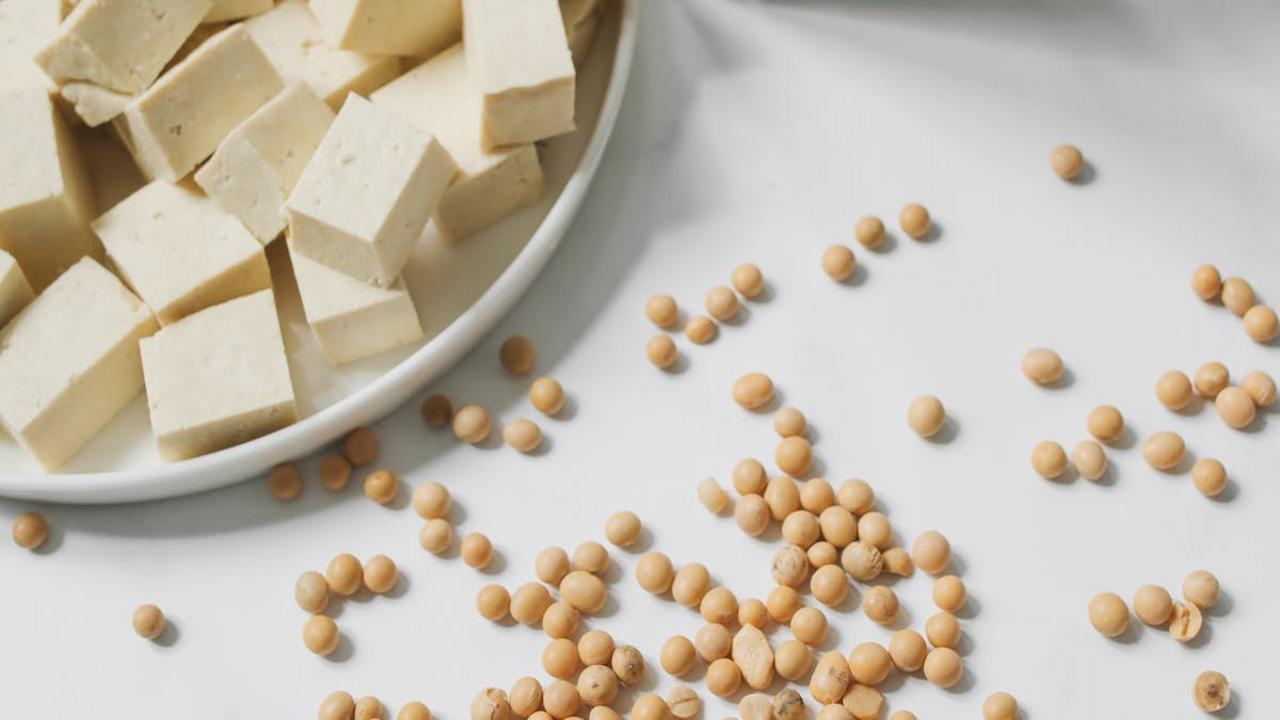
I’ve been cooking with soybeans for years, and they remain one of my favorite plant-based proteins to work with in the kitchen. These versatile little beans transform into countless forms—from silky tofu and rich tempeh to creamy soy milk and umami-packed miso paste. What I love most about soybeans is how they adapt to whatever flavors you introduce them to. When I’m making a hearty Indonesian tempeh curry, the fermented soybeans absorb all those aromatic spices beautifully. For a lighter meal, I’ll cube fresh tofu and toss it with ginger, garlic, and sesame oil for a simple yet satisfying stir-fry.
The nutritional profile of soybeans makes them a powerhouse ingredient that I always keep stocked in my pantry. They’re packed with complete protein, containing all nine amino acids your body needs, plus fiber, folate, and potassium. I particularly appreciate how soybeans offer so many textures and preparation methods—you can roast them for a crunchy snack, blend them into smoothies as edamame, or ferment them into complex condiments that add depth to your cooking. My grandmother always said that good food nourishes both body and soul, and soybeans deliver on both fronts while giving you endless creative possibilities in the kitchen.
Sesame Seeds
Those tiny golden seeds sitting in your spice drawer hold more power than you might imagine! I reach for sesame seeds constantly in my kitchen, not just because they add that perfect nutty crunch to everything from salads to stir-fries, but because they’re absolute calcium champions. A single tablespoon packs about 88 milligrams of this bone-building mineral – that’s impressive for something so small. I love how they transform simple dishes into something special, whether I’m sprinkling them over roasted vegetables or grinding them into tahini for my weekend hummus sessions.
What really excites me about sesame seeds is their incredible versatility across different cuisines. I toast them in a dry pan until they’re golden and fragrant, then use them to create everything from Japanese gomashio (that addictive sesame salt blend) to Middle Eastern za’atar. Sometimes I’ll grind them with a mortar and pestle to make fresh tahini – so much better than store-bought versions loaded with preservatives. The healthy fats and protein in these little seeds make them perfect for adding substance to plant-based meals, and they store beautifully in airtight containers for months. Trust me, once you start cooking with sesame seeds regularly, you’ll wonder how you ever lived without them.
Oranges
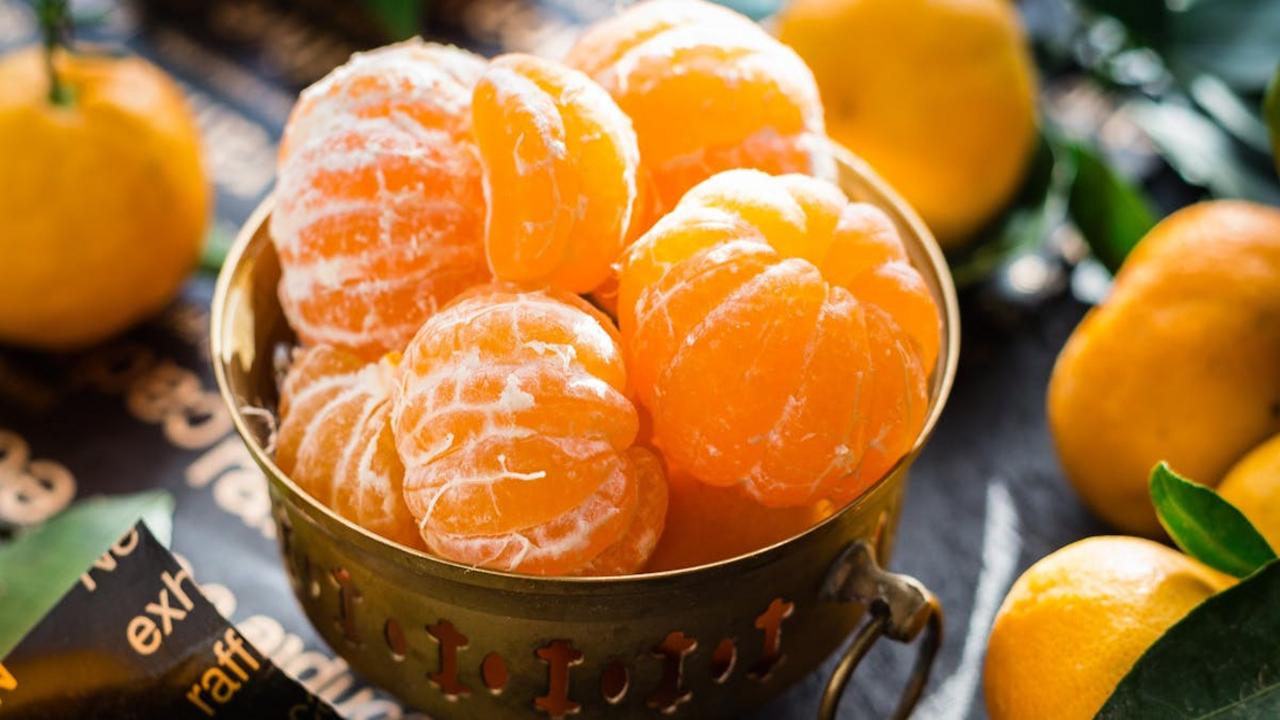
Oranges bring sunshine to every dish, and I find myself reaching for them constantly in my kitchen. These vibrant citrus gems pack serious nutritional power with their vitamin C content, but what really gets me excited is how they transform both sweet and savory recipes. I love segmenting fresh oranges into my morning grain bowls, where their juicy burst plays beautifully against creamy oats or quinoa. The natural oils in orange zest add incredible depth to marinades for roasted vegetables, and I often grate that fragrant peel directly over finished dishes for an instant flavor lift that makes everything taste brighter.
What many people don’t realize is how oranges can anchor entire meals beyond just being a snack or dessert component. I frequently build salads around orange segments, pairing them with fennel, red onion, and fresh herbs for a Mediterranean-inspired combination that feels both refreshing and substantial. The acidity from fresh orange juice makes an excellent base for vinaigrettes, naturally balancing rich olive oil without needing processed additives. When I’m cooking for friends, I often finish roasted root vegetables with a squeeze of fresh orange juice and a sprinkle of toasted seeds – this simple technique creates layers of flavor that turn humble ingredients into something special and memorable.
Broccoli
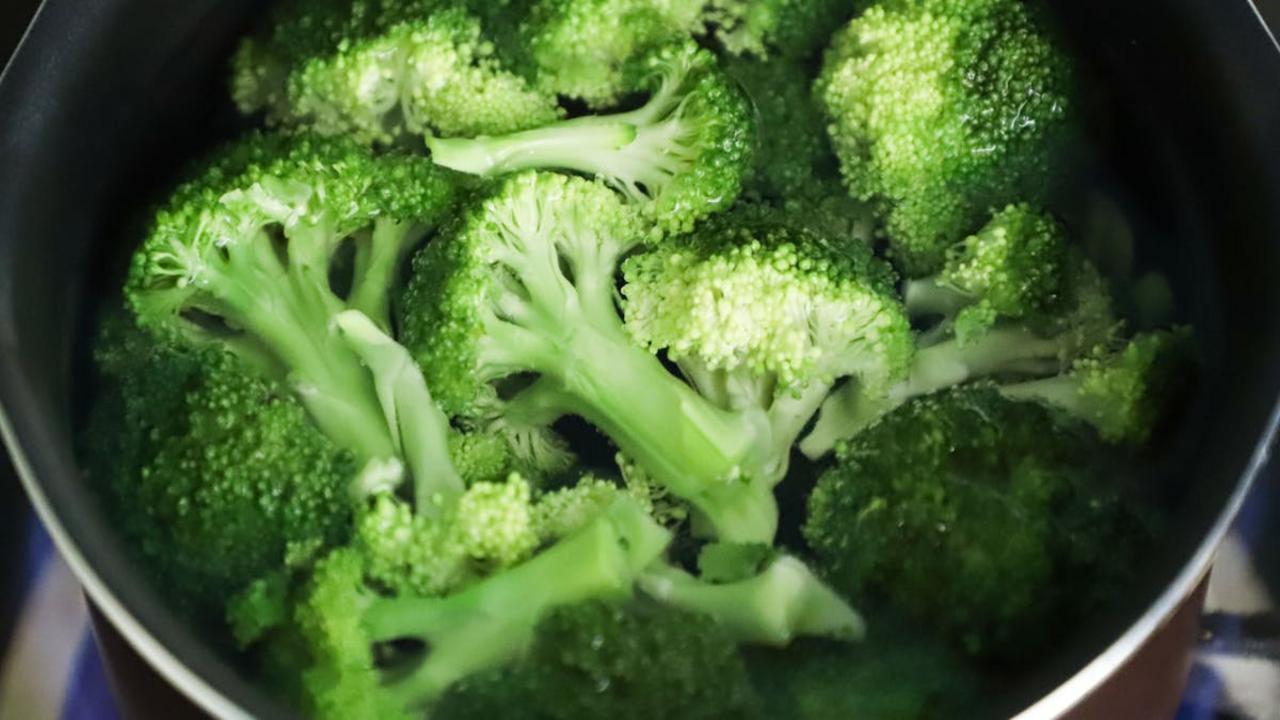
You know, broccoli gets such a bad rap, but I genuinely think it’s one of the most versatile vegetables in my kitchen! This green powerhouse packs serious nutrition—loaded with vitamin C, fiber, and folate—while being completely dairy-free and incredibly satisfying. I’ve discovered that the secret to making broccoli irresistible lies in how you treat it. Instead of boiling it into submission, try roasting those florets at high heat until the edges get crispy and caramelized. The transformation is incredible—what was once bland becomes nutty, sweet, and absolutely addictive.
My favorite way to prepare broccoli draws inspiration from Mediterranean and Asian cooking techniques. I toss the florets with olive oil, garlic, and red pepper flakes, then roast them until they’re perfectly tender with those beautiful crispy bits. Sometimes I’ll finish with a squeeze of lemon and toasted pine nuts, or go the Asian route with sesame oil, ginger, and a splash of tamari. The stem shouldn’t be wasted either—I peel and slice it thin for stir-fries or grate it raw into salads for extra crunch. This approach turns what many consider a boring vegetable into something you’ll actually crave on your dinner plate.
Figs
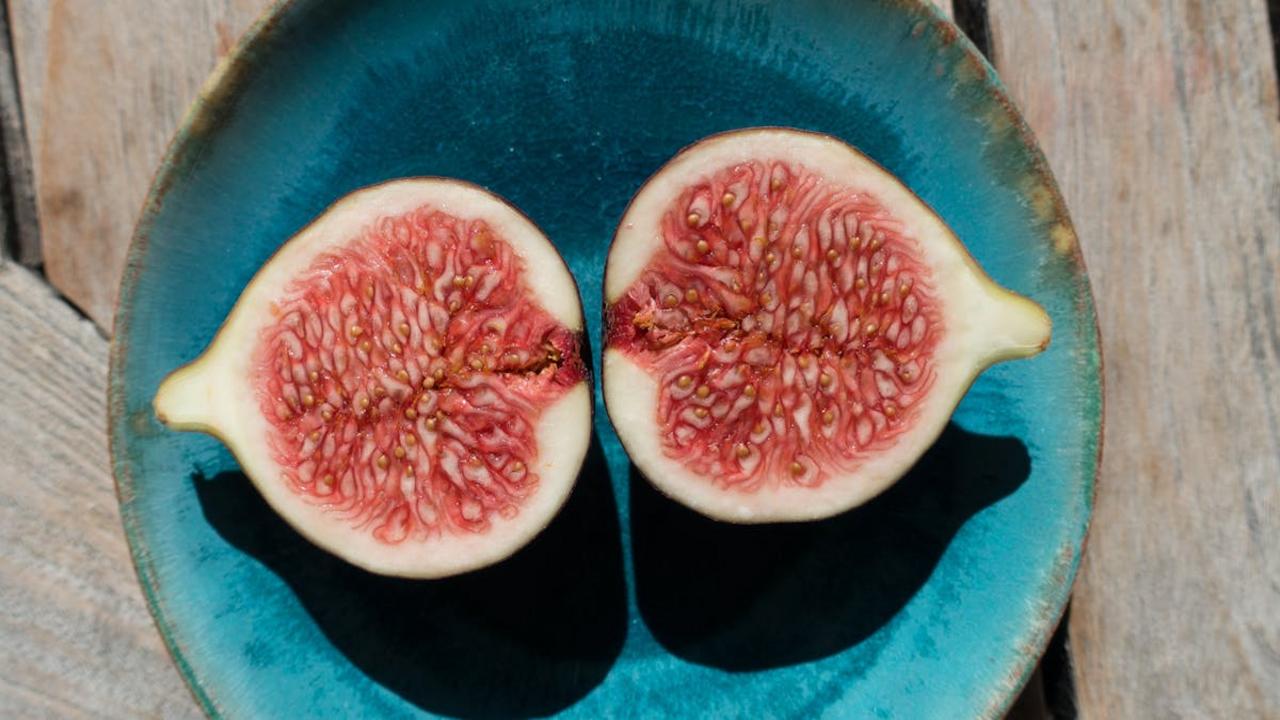
Fresh figs bring such natural sweetness to your kitchen that you’ll wonder why you ever reached for processed sweeteners. I keep these gorgeous fruits on hand because they work magic in both sweet and savory dishes – slice them into your morning oatmeal, toss them with arugula and balsamic for an instant salad, or roast them with herbs for a stunning side dish. Their honeyed flavor pairs beautifully with nuts, especially walnuts and pistachios, creating combinations that feel both rustic and elegant.
What makes figs special goes beyond their incredible taste – they’re packed with fiber, potassium, and antioxidants that support your digestive health and overall wellness. I love how versatile they are throughout the seasons: fresh figs shine in summer arrangements, while dried figs become pantry heroes for winter baking and grain bowls. Try stuffing fresh figs with goat cheese and herbs for appetizers, or blend dried figs into energy balls with dates and coconut. Their natural sweetness means you can reduce added sugars in recipes while creating desserts and snacks that truly nourish your body.
Edamame
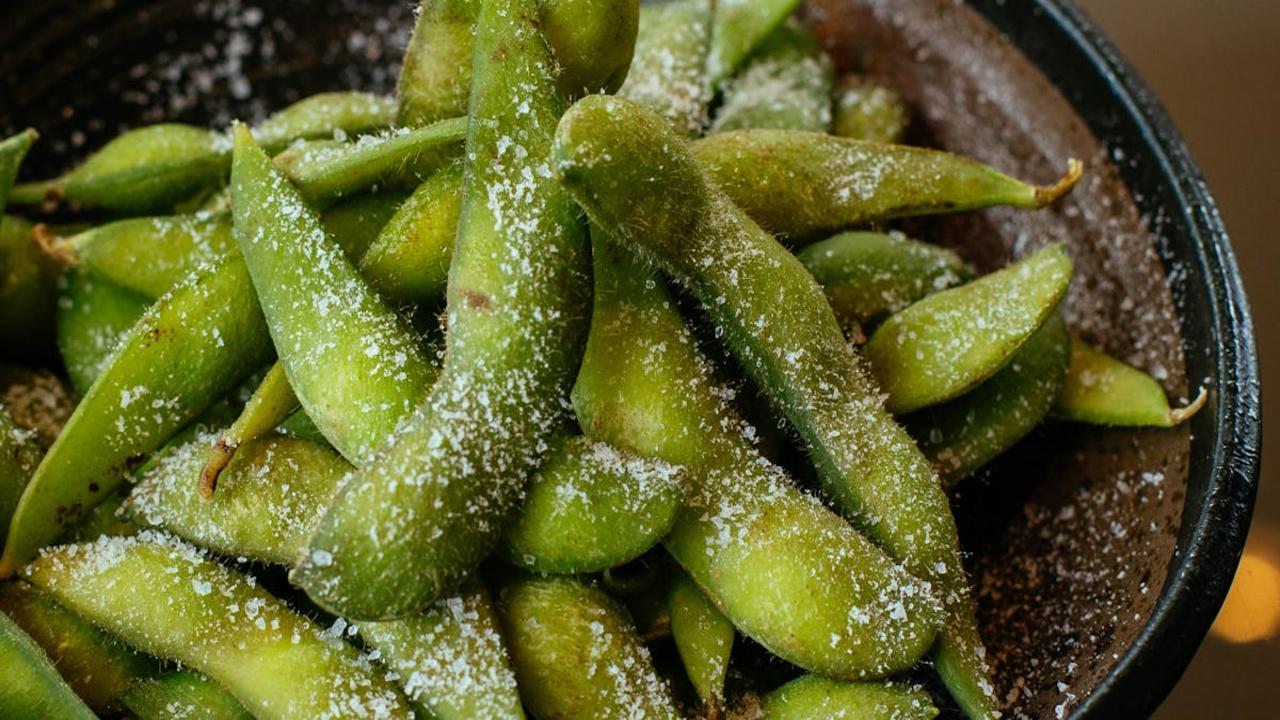
You know those bright green pods that show up at Japanese restaurants? Edamame deserves a permanent spot in your kitchen rotation, and I’m here to convince you why. These young soybeans pack an incredible protein punch—about 17 grams per cup—making them one of nature’s most complete plant-based proteins. I love keeping a bag of frozen edamame in my freezer because they transform from frozen to table-ready in just five minutes of boiling.
The beauty of edamame lies in its versatility beyond the classic salted pods. I toss them into grain bowls, blend them into vibrant green hummus, or fold them into fried rice for extra texture and nutrition. Their mild, slightly nutty flavor plays well with bold seasonings—try tossing warm edamame with chili flakes, sesame oil, and a squeeze of lime for an addictive snack. Rich in fiber, folate, and vitamin K, these little green powerhouses support everything from heart health to bone strength, proving that nutritious food can be absolutely delicious.
White Beans
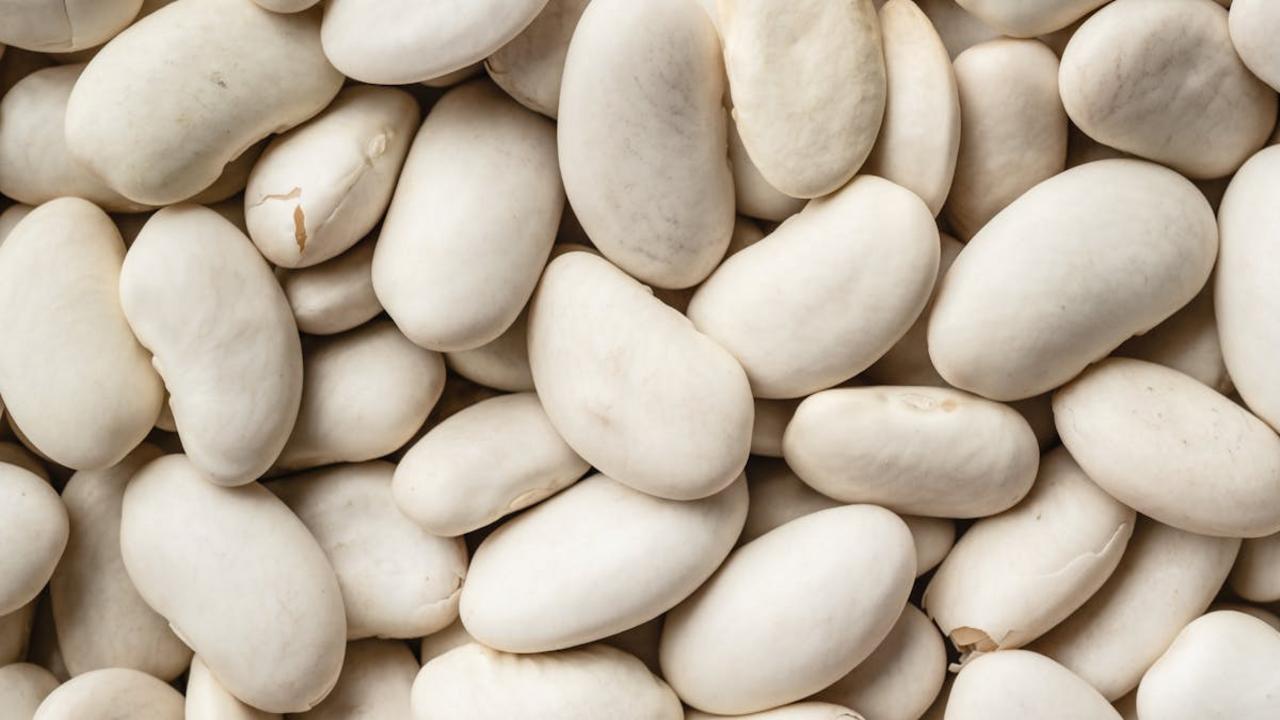
White beans have become my secret weapon for creating satisfying, protein-packed meals that never leave you feeling heavy. These creamy gems—whether cannellini, navy, or great northern—transform into everything from silky Mediterranean dips to hearty Brazilian feijoada. I love how they absorb flavors like little sponges, making them perfect for my favorite one-pot wonders. When you simmer them with aromatics like garlic, rosemary, and a splash of good olive oil, they develop this incredible depth that makes even the simplest weeknight dinner feel special.
What really excites me about white beans is their incredible versatility across global cuisines. I’ve been experimenting with mashing them into creamy pasta sauces, folding them into vibrant salads with fresh herbs, and even blending them into smoothies for extra protein without any weird taste. They’re also budget-friendly powerhouses—a single can provides enough protein for multiple servings while delivering fiber that keeps you satisfied for hours. Try roasting them with spices until crispy for a crunchy snack, or simmer them into a warming soup with seasonal vegetables. Your body will thank you for choosing this wholesome, minimally processed protein source.
Chia Seeds
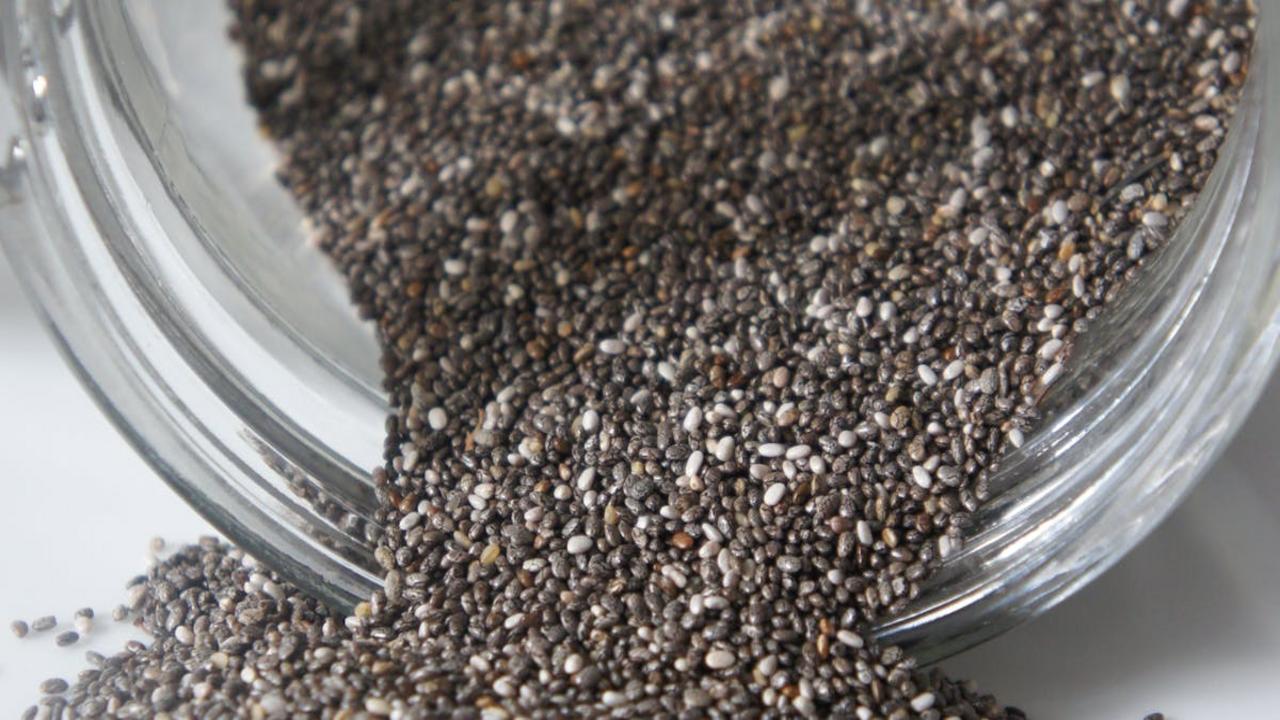
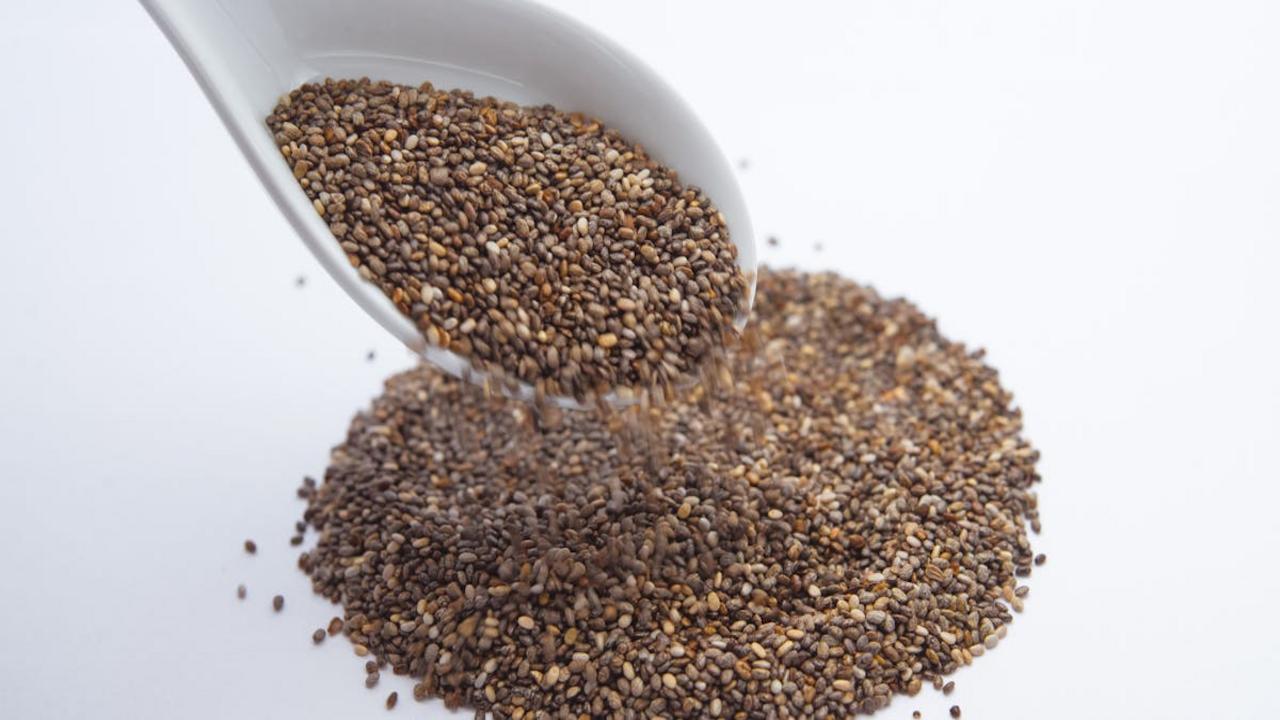
These tiny black and white seeds pack more nutritional power than their size suggests! I keep jars of chia seeds in my pantry because they transform into something magical when you give them just a few minutes with liquid. Watch them absorb water, almond milk, or coconut milk and bloom into gel-like pearls that remind me of tapioca. You can sprinkle them directly onto smoothie bowls, yogurt alternatives, or salads for an instant crunch, but I love making overnight chia puddings that taste like dessert while delivering serious nutrition.
What makes chia seeds so special goes beyond their omega-3 fatty acids and fiber content. I use them as natural thickeners in my homemade jams, mixing them with mashed berries and a touch of maple syrup for spreads that set without any artificial additives. They work beautifully in baking too – I substitute eggs by mixing one tablespoon of chia seeds with three tablespoons of water, letting the mixture sit for fifteen minutes until it becomes gooey. This simple swap keeps my muffins and pancakes moist while adding a subtle nutty flavor that pairs perfectly with vanilla, cinnamon, or fresh fruit.
Leafy Greens
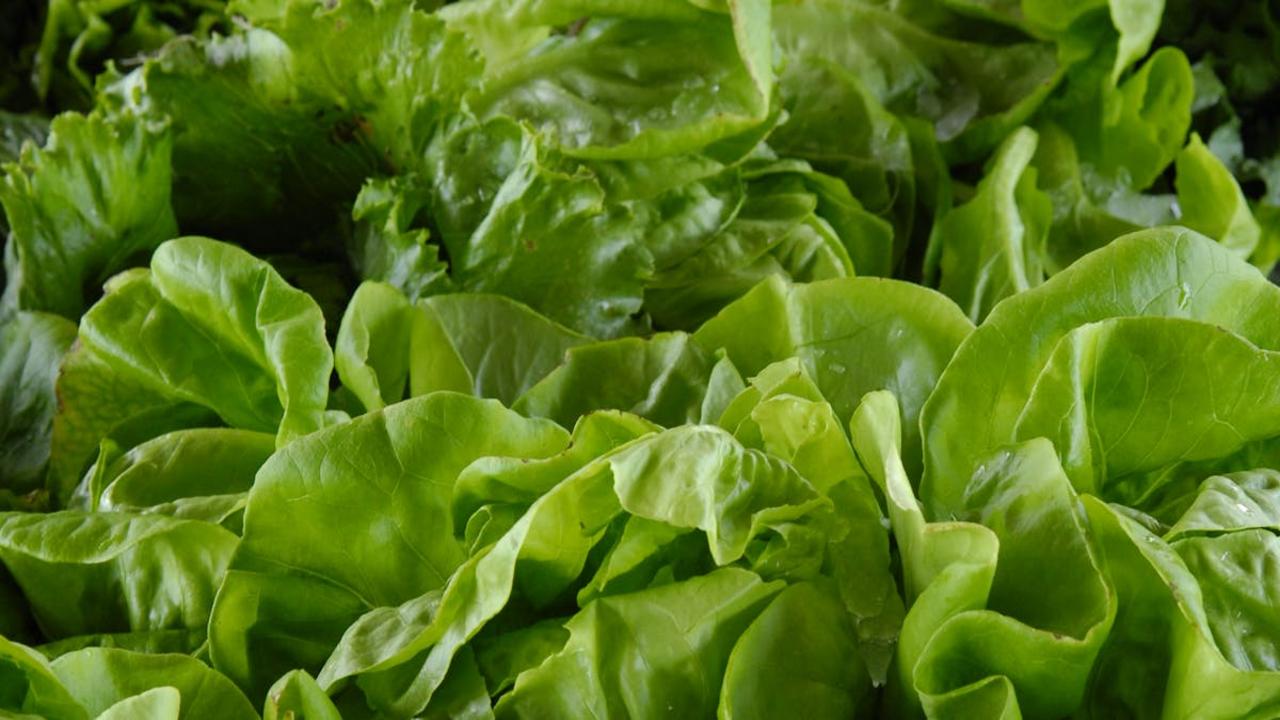
You know what makes me smile every time I open my refrigerator? That vibrant bundle of leafy greens sitting there like nature’s vitamin powerhouse. Whether you grab spinach, kale, arugula, or those beautiful rainbow chard leaves, you’re bringing serious nutrition to your plate without a drop of dairy in sight. I love how these greens transform any dish – toss baby spinach into your morning smoothie with mango and ginger, or massage some kale with olive oil and lemon juice for an instant salad that actually tastes incredible. The calcium content in these leaves rivals what you’d find in dairy products, plus you get iron, folate, and those antioxidants that make your body sing with gratitude.
What really gets me excited about leafy greens is their versatility across different cuisines. I’ll sauté collard greens with garlic and red pepper flakes for a Southern-inspired side, then switch gears and add fresh herbs like cilantro and mint to create a Vietnamese-style salad with lime dressing. You can stuff them, steam them, blend them, or eat them raw – each method brings out different flavors and textures. My favorite trick is wilting spinach directly into hot pasta with olive oil and pine nuts, creating this silky, nutrient-dense sauce that clings to every strand. These greens prove that healthy eating doesn’t mean sacrificing flavor or satisfaction.
Tofu
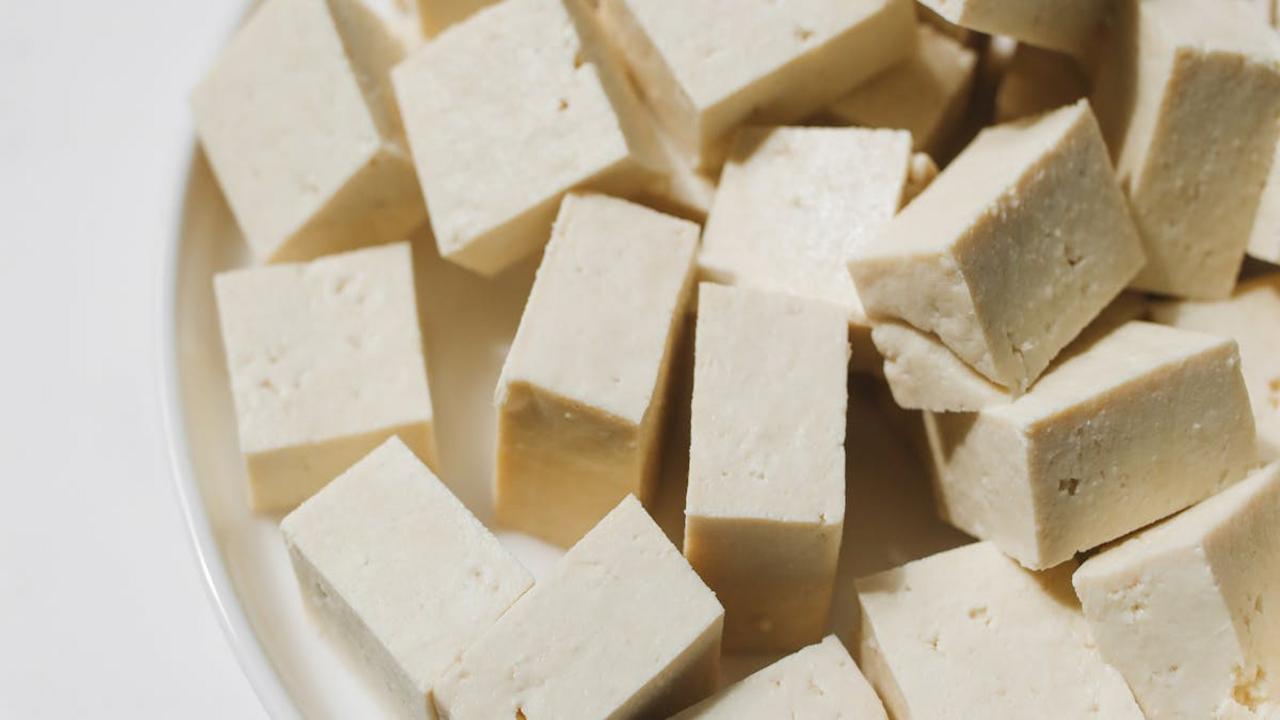
You know what I absolutely adore about tofu? It’s like having a blank canvas in your kitchen that transforms into whatever flavors you introduce it to. This soy-based protein has been a cornerstone of Asian cooking for centuries, and once you understand how to work with it, you’ll wonder why you waited so long to make it a regular part of your meal rotation. I press mine between clean kitchen towels for at least 30 minutes before cooking – this simple step removes excess moisture and creates the perfect texture for absorbing marinades and seasonings.
The beauty of tofu lies in its incredible versatility across different cooking methods. I love cubing firm tofu and tossing it with tamari, ginger, and a touch of maple syrup before pan-frying until golden and crispy on the outside. Silken tofu becomes the base for creamy chocolate puddings or smoothies that rival any dairy version. Medium-firm tofu works beautifully in curries and stir-fries, while extra-firm varieties hold their shape perfectly when grilled or baked. Each type brings something unique to your cooking, and experimenting with different preparations keeps your meals exciting and satisfying.
Almonds
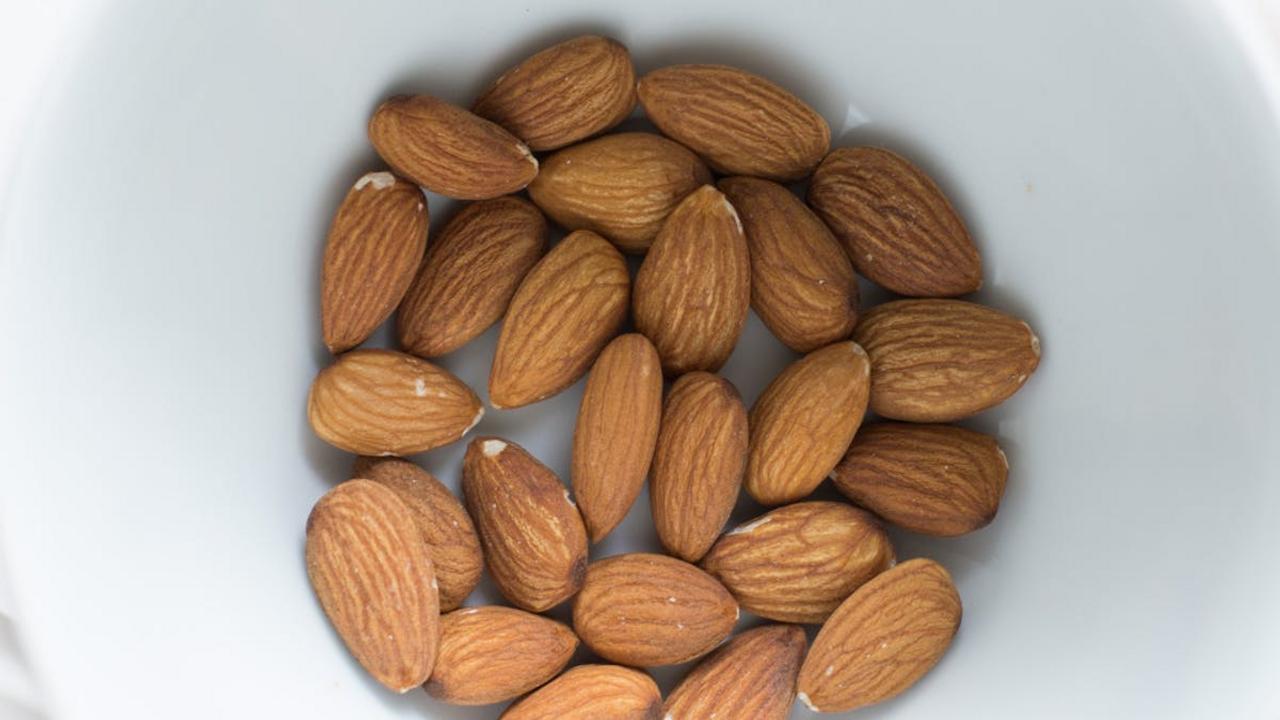
You know how I’m always talking about ingredients that pull double duty in the kitchen? Almonds are absolute champions at this! These little powerhouses transform everything they touch – whether I’m grinding them into flour for gluten-free pancakes, blending them into creamy milk for my morning coffee, or simply toasting a handful to sprinkle over roasted vegetables. What I love most about almonds is how they bring this subtle sweetness and satisfying crunch that works across cuisines. I use them in Moroccan tagines, Indian biryanis, and even my grandmother’s old cookie recipes with amazing results.
The beauty of almonds lies in their versatility and nutritional punch. Raw almonds make perfect snacks, but I prefer buying them whole and toasting them myself – the aroma alone fills my kitchen with warmth. I keep almond butter in my pantry for quick sauces (mix it with tamari and lime for an incredible Asian-inspired dressing), and soaked almonds become the base for the creamiest dairy-free cheese you’ve ever tasted. Plus, they’re packed with healthy fats, protein, and vitamin E, making every bite nourishing. Trust me, once you start incorporating almonds into your cooking beyond just snacking, you’ll discover they’re truly magical ingredients.
Sardines

I know what you’re thinking – sardines aren’t exactly the first thing that comes to mind when planning a delicious meal. But hear me out! These tiny silver fish pack an incredible nutritional punch and, when prepared thoughtfully, they transform into something absolutely magical on your plate. Fresh sardines are worlds apart from their canned cousins, offering a delicate, almost buttery flavor that works beautifully with Mediterranean herbs, bright citrus, and good olive oil. I love grilling them whole with just sea salt, lemon, and fresh oregano – the simplicity lets their natural richness shine through.
What makes sardines truly special goes beyond their omega-3 powerhouse status. They’re sustainable, affordable, and incredibly versatile in the kitchen. I’ve folded flaked sardines into pasta with capers and cherry tomatoes, mashed them into a rustic pâté with herbs and garlic, and even stuffed them into homemade empanadas with onions and paprika. The key is treating them with respect rather than masking their flavor. When you source quality sardines and pair them with ingredients that complement rather than compete, you create dishes that feel both nourishing and indulgent – exactly what I believe good food should be.