14 Budget-Friendly Grocery Staples Frugal Shoppers Always Grab
Shopping smart doesn’t mean sacrificing nutrition or flavor—it means knowing which items deliver maximum bang for your buck. The savviest shoppers walk past flashy packages and trendy superfoods, heading straight for the unsung heroes of the grocery store. These budget-friendly staples have been feeding families for generations, offering protein, fiber, and vitamins without the hefty price tag.
Think of your pantry as a treasure chest waiting to be filled with versatile ingredients that work overtime. A single bag of lentils transforms into soup, curry, or even veggie burgers. That humble container of oats? Breakfast, cookies, and homemade granola bars all in one purchase.
The real magic happens when you stock up on these fourteen powerhouse foods. They’re the building blocks of countless meals, the safety net when payday feels far away, and the secret weapon of anyone who refuses to choose between eating well and staying on budget. Ready to revolutionize your shopping cart?
Seasonal Fruits
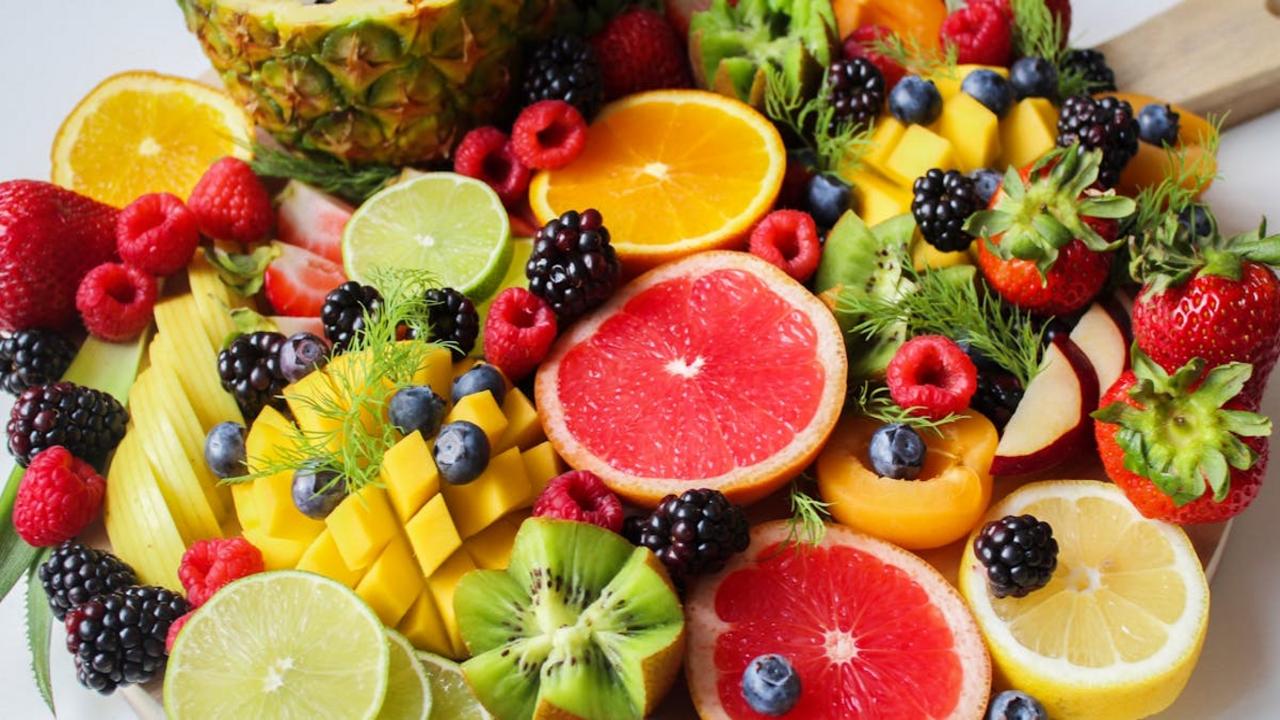
Buying fruit when it’s in season isn’t just smart—it’s the difference between paying mortgage prices for mediocre strawberries in January and scoring a basket of ruby-red beauties for pocket change in June. Seasonal produce hits the sweet spot of being both cheaper and infinitely tastier because it hasn’t traveled halfway across the globe in a refrigerated truck. When watermelons flood the market in summer, you’ll find them for a fraction of what you’d pay in winter, and they’ll actually taste like watermelon instead of crunchy water. The same goes for apples in fall, citrus in winter, and berries in spring. Your wallet will thank you, and your fruit salad won’t taste like sad cardboard.
Shopping seasonally also means you’re getting produce at its nutritional peak, packed with vitamins and antioxidants that might have degraded during long-distance shipping. Plus, there’s something deeply satisfying about eating with the rhythm of the year—munching on crisp pears while leaves fall outside or enjoying juicy peaches during those scorching summer days. Local farmers’ markets become treasure troves during peak seasons, often offering deals on slightly imperfect (but perfectly delicious) fruit that grocery stores reject. Stock up when prices drop, freeze what you can’t eat fresh, and suddenly you’ve got smoothie ingredients for months. Your bank account stays happy, you eat better, and you’re not contributing to the absurdity of flying grapes across continents.
Avocados
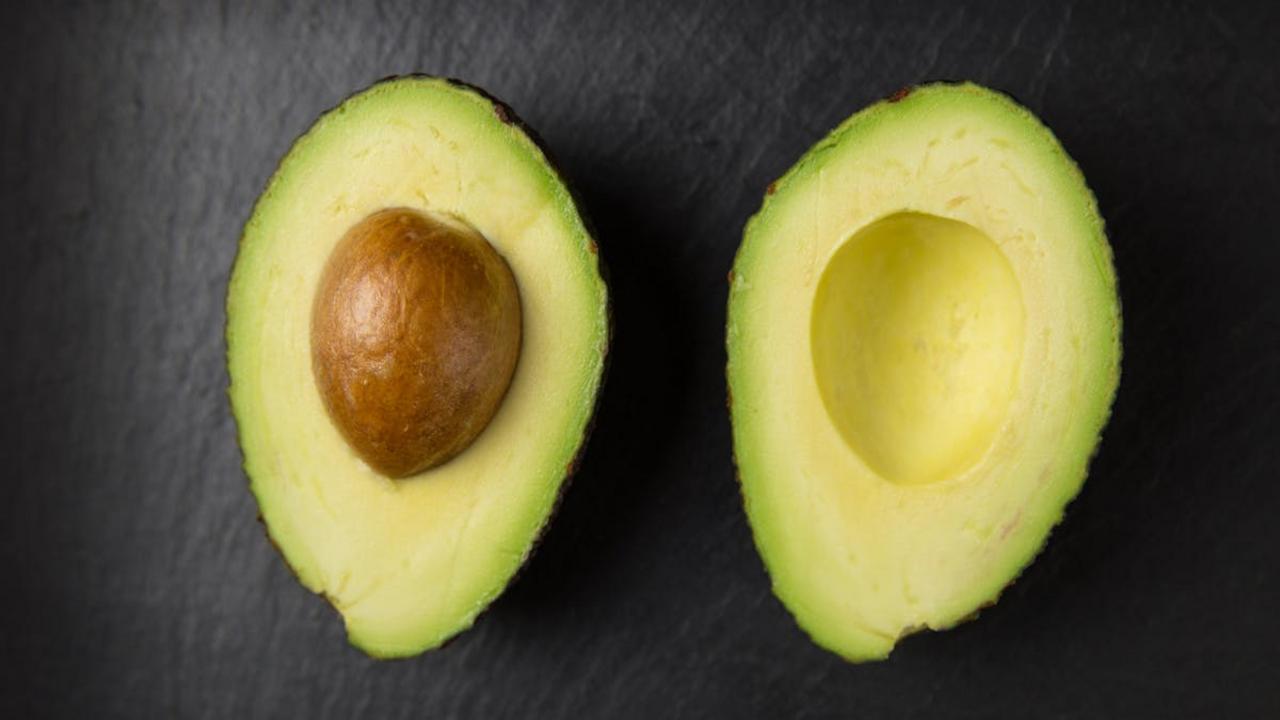
Look, I’m not going to pretend avocados are the cheapest thing in the produce aisle—we’ve all experienced that heart-stopping moment when you grab three of these green beauties and realize you’ve just dropped the equivalent of a coffee shop latte. But here’s the thing: when you catch them on sale or buy them firm and let them ripen at home, avocados become an absolute powerhouse of budget-friendly nutrition. One medium avocado packs nearly 20 vitamins and minerals, healthy fats that keep you satisfied for hours, and enough fiber to make your digestive system do a happy dance. Plus, they’re ridiculously versatile—smash them on toast, slice them into salads, blend them into smoothies, or my personal favorite: scoop them straight from the skin with a spoon while standing over the kitchen sink like some kind of millennial caveperson.
The secret to making avocados work for your wallet is buying them in bulk when they’re on sale (usually around 50 cents each if you’re lucky) and storing them strategically. Keep them in the fridge once they’re ripe to extend their life by several days, or freeze the flesh in portions for future guacamole emergencies. Did you know that avocados are technically berries? Wild, right? They’re also one of the few fruits that contain healthy monounsaturated fats, which means they can replace more expensive proteins in your meals. Swap out mayo for mashed avocado in sandwiches, use it as a butter substitute in baking (yes, really!), or whip up a creamy pasta sauce that’ll make your taste buds think you spent way more than you actually did. The key is viewing them as a multi-purpose ingredient rather than just a trendy toast topper, and suddenly that investment doesn’t seem so steep after all.
Lentils
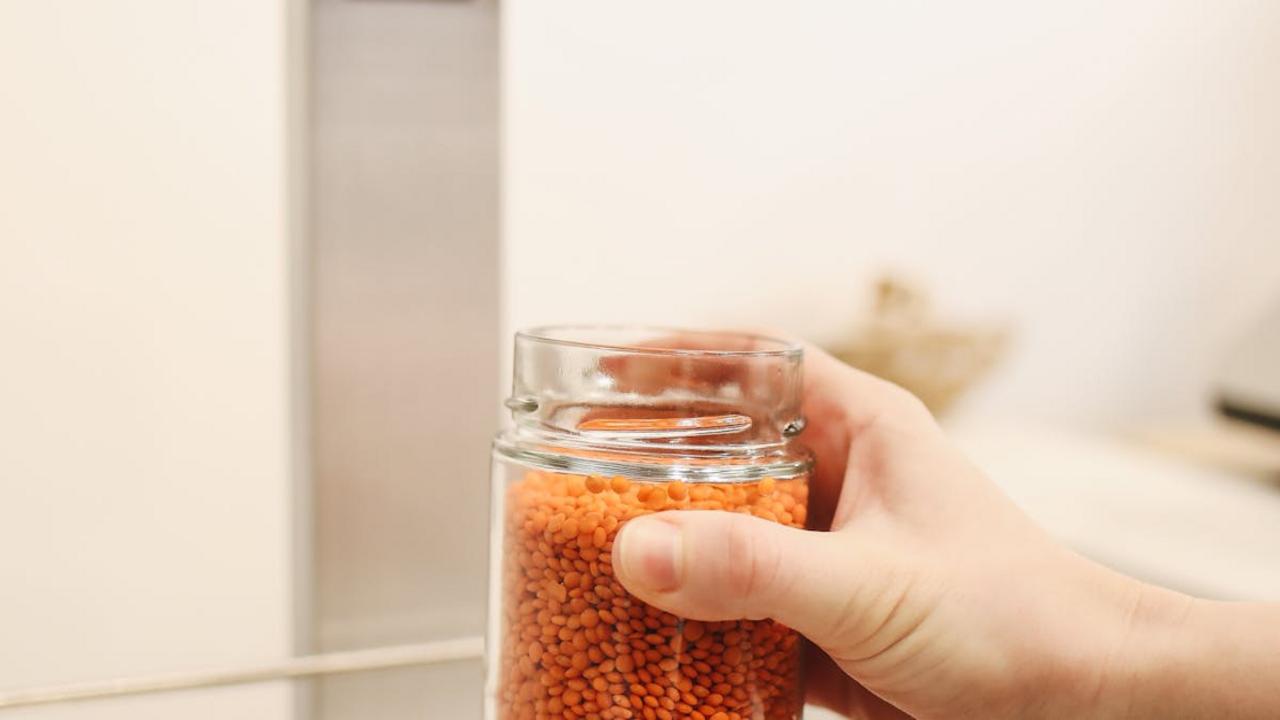
If you’re looking for a protein-packed punch that won’t drain your wallet, lentils are your new best friend. These tiny legumes come in a rainbow of colors—red, green, brown, black—and each one brings its own personality to the plate. Red lentils cook down into a creamy mush perfect for dal, while green and brown varieties hold their shape beautifully in salads and soups. At around a dollar per pound, they’re practically giving them away! Plus, unlike their bean cousins, lentils don’t need overnight soaking. Toss them in a pot, add water, and twenty minutes later you’ve got yourself a nutritious base for literally hundreds of dishes. They’re loaded with fiber, iron, and folate, making them a vegetarian superhero food that even meat-lovers can appreciate.
The beauty of lentils lies in their chameleon-like ability to absorb whatever flavors you throw at them. Cooking them in vegetable broth with garlic and herbs transforms them into something spectacular. Add curry spices and coconut milk for an Indian-inspired feast, or mix cooked lentils with sautéed onions, carrots, and tomato paste for a hearty Bolognese that’ll fool even the pickiest pasta purist. They’re also sneaky little nutrition bombs you can hide in pretty much anything—blend cooked lentils into burger patties, fold them into tacos, or stir them into chili for extra heartiness. One cup of dried lentils yields about two and a half cups cooked, which means your measly dollar investment suddenly feeds four people. That’s the kind of math that makes frugal shoppers do a happy dance in the grocery aisle!
Tinned Fish
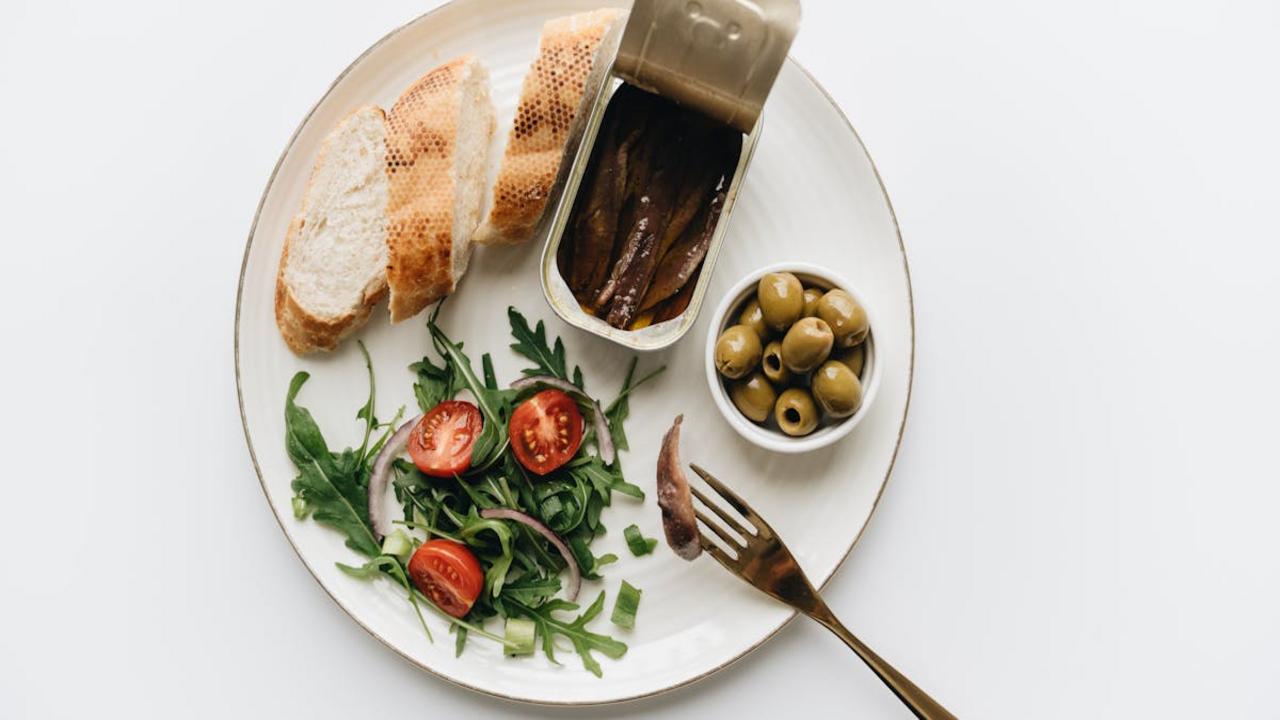
Tinned fish is the unsung hero of budget shopping, sitting quietly on grocery store shelves while fresh seafood costs you an arm and a leg. I’m talking sardines, mackerel, anchovies, and even the fancy Portuguese tuna that comes in those adorable flat tins. For a couple of bucks, you’re getting protein-packed goodness that lasts longer than most friendships from high school. The beauty of canned fish is its versatility—toss sardines on toast with a squeeze of lemon and some chili flakes, mix tuna into pasta with capers and tomatoes, or mash anchovies into butter for the most ridiculously flavorful compound butter you’ve ever spread on bread. Plus, these little swimmers are loaded with omega-3 fatty acids, which your brain and heart will thank you for later.
Now, I know what you’re thinking—canned fish sounds boring or even slightly scary if you’ve never ventured beyond the standard tuna sandwich. But here’s a fun fact: the canning process actually preserves fish at peak freshness, often within hours of being caught, which means you’re sometimes getting better quality than the “fresh” fish that’s been sitting on ice for days. Spaniards and Portuguese folks have been obsessed with tinned fish for centuries, treating premium cans like fine wine, and they’re onto something big. Keep a few tins in your pantry, and you’ll always have a quick lunch or dinner solution that doesn’t involve sad takeout or instant noodles for the third night in a row. Frugal shoppers know that tinned fish delivers maximum flavor and nutrition without the guilt of watching your wallet cry.
Brown Rice
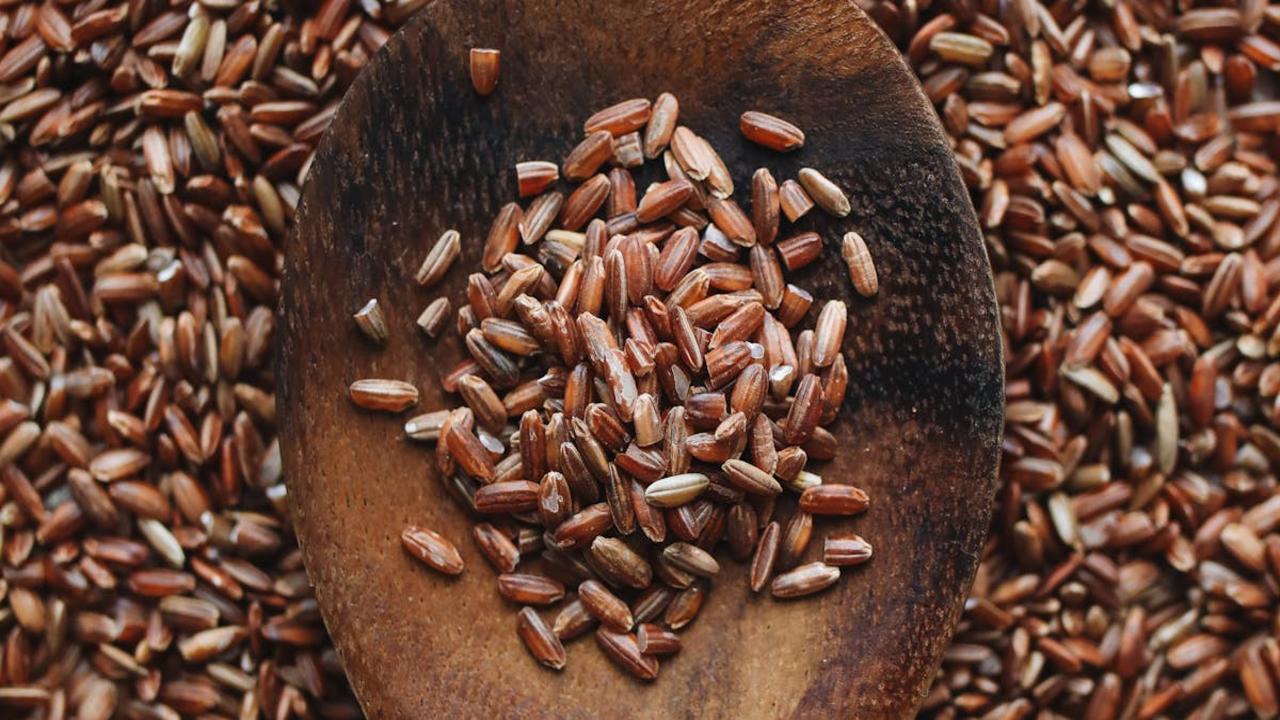
Brown rice is the unsung hero sitting quietly on grocery store shelves while its flashier white cousin gets all the attention. But here’s the thing: this humble grain packs more fiber, vitamins, and minerals than its refined counterpart, all while costing barely more per pound. A big bag of brown rice can last you months, feeding you through countless meals for pennies per serving. It’s the MVP of budget cooking, the foundation for stir-fries, burrito bowls, fried rice experiments, and those “I have nothing in my fridge” moments when you throw whatever vegetables you find over a steaming bowl and call it dinner.
The beauty of brown rice lies in its versatility and forgiving nature. Cook up a big batch on Sunday, and you’ve got ready-to-go meals all week long. Toss it with scrambled eggs for breakfast, mix it with canned beans and salsa for lunch, or stir-fry it with frozen vegetables for dinner. Brown rice keeps you full longer thanks to all that fiber, which means you’re not raiding the pantry an hour after eating. Plus, once you get the hang of cooking it (the trick is using slightly more water and giving it extra time), you’ll wonder why anyone bothers with instant rice packets that cost three times as much. Stock your pantry with this grain, and you’re basically bulletproofing your budget against those expensive takeout temptations.
Chia Seeds
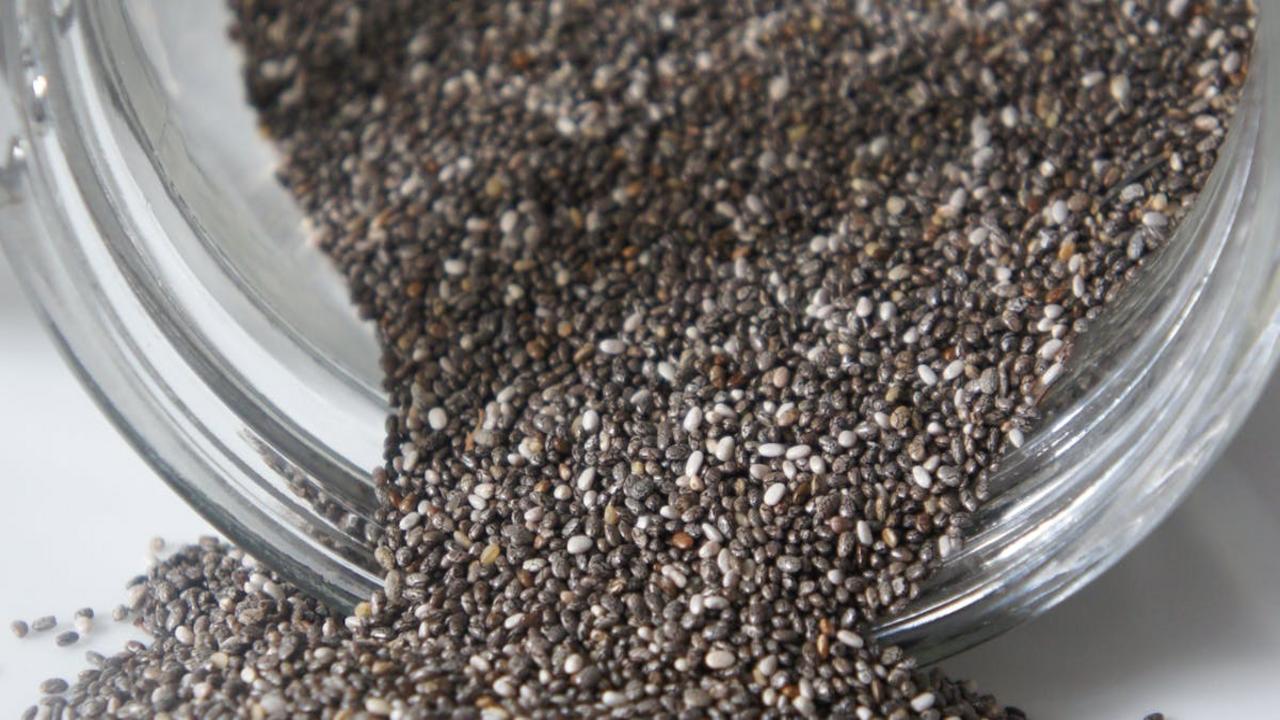
These tiny black specks might look like something you’d shake off your shoe after a beach walk, but don’t let their size fool you—chia seeds pack more nutritional punch per dollar than almost anything else in your cart. For under five bucks, you’re getting a bag that’ll last months, delivering omega-3 fatty acids, fiber, protein, and enough bragging rights to make your health-nut friends jealous. The ancient Aztecs used these little powerhouses as warrior fuel, and honestly, after you see how they transform from crunchy dots into gel-like blobs when soaked, you’ll understand why they inspired such devotion. Toss them into smoothies, yogurt, oatmeal, or even just water with lemon for a refreshing drink that mysteriously keeps you full for hours.
The magic happens when chia seeds meet liquid—they absorb up to twelve times their weight and turn into this fascinating pudding-like consistency that’s either your new favorite texture or something that takes getting used to. Mix a quarter cup with a cup of milk (any kind works), add maple syrup and vanilla, refrigerate overnight, and boom—breakfast sorted without turning on a single burner. They’re the ultimate lazy cook’s secret weapon because they require zero cooking skills and somehow make you look like you’ve got your life together. Plus, unlike trendy superfoods that disappear faster than your paycheck, chia seeds have staying power in both your pantry and your stomach, making them the reliable friend your budget desperately needs.
Cottage Cheese
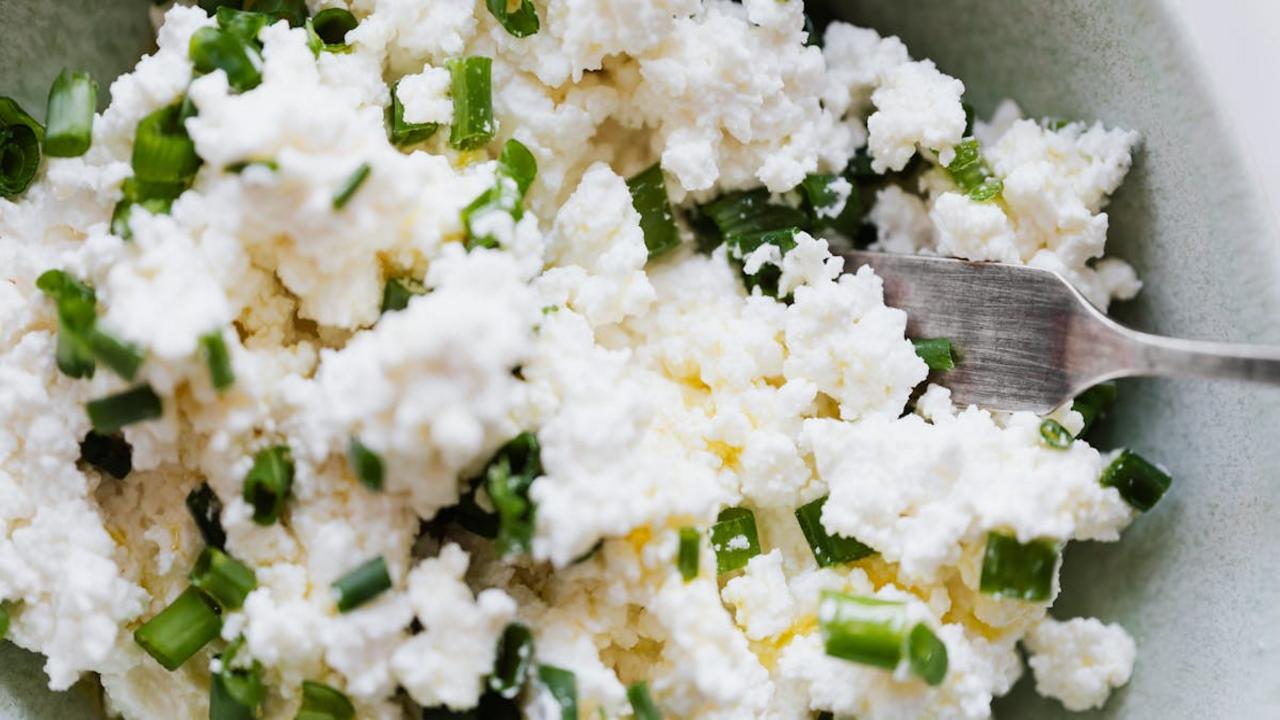
Cottage cheese gets a bad rap for looking like something your grandma served at bridge club, but hear me out—this wobbly white wonder is having a major comeback, and your wallet will thank you for jumping on board. At around three bucks for a tub that’ll last you several meals, it’s one of the most protein-packed bargains in the dairy aisle. You’re getting about 24 grams of protein per cup, which is basically like eating a chicken breast without the grill marks. Plus, it’s ridiculously versatile. Toss it into your morning smoothie for a creamy boost, dollop it on toast with everything bagel seasoning, or mix it with herbs for a quick veggie dip that’ll make you look like you tried way harder than you actually did.
The real magic happens when you realize cottage cheese can moonlight as ricotta’s thrifty cousin in your favorite pasta dishes. Blend it smooth, and suddenly you’ve got a lasagna filling that costs half the price and sneaks in extra protein without anyone being the wiser. I started buying the full-fat version after years of punishing myself with the low-fat stuff—turns out, the extra fifty cents is worth it for actual flavor and satisfaction that keeps you full. Keep a container in your fridge, and you’ll always have a ready-made snack that works sweet or savory. Mix it with a drizzle of honey and cinnamon for dessert, or go the Mediterranean route with olive oil, tomatoes, and fresh basil. Your budget will stay intact while you eat like someone who actually has their life together.
Frozen Vegetables
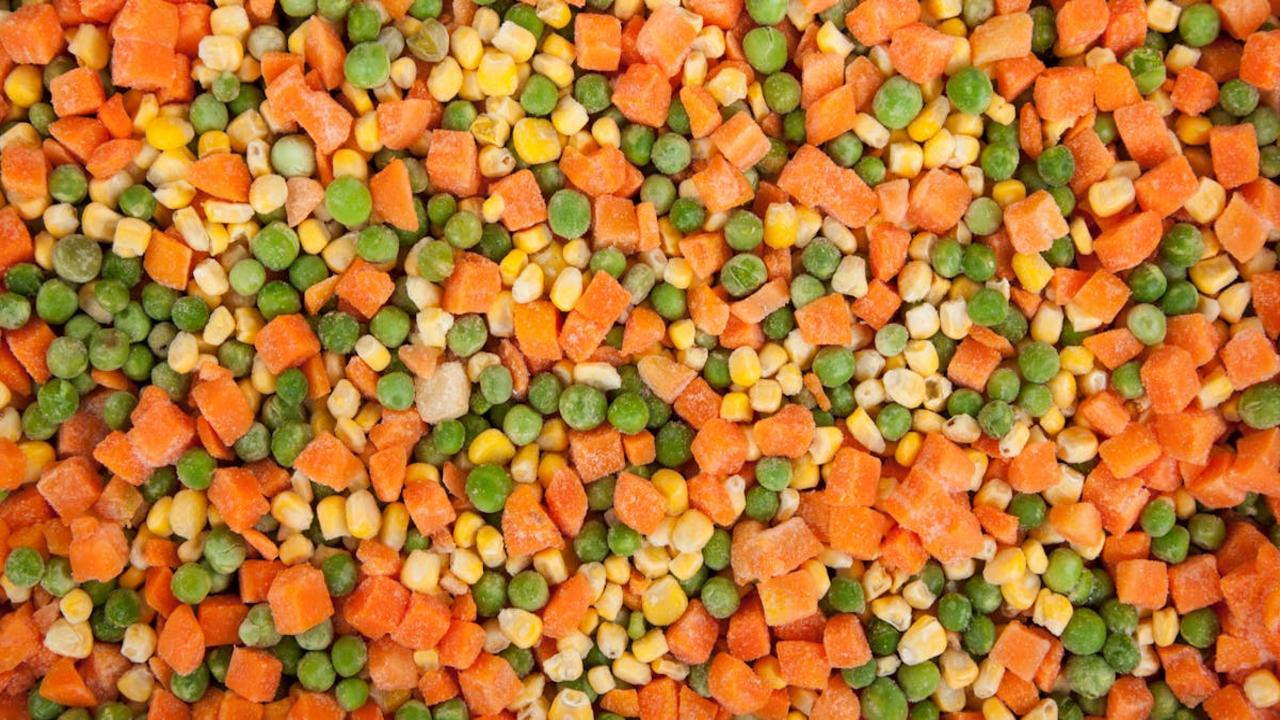
Forget everything you’ve heard about frozen vegetables being the sad, nutritionally bankrupt cousin of fresh produce. Those little bags of icy broccoli florets and peas aren’t just budget savers—they’re actually flash-frozen at peak ripeness, often containing more nutrients than “fresh” vegetables that spent a week traveling cross-country in a truck. A bag of frozen mixed vegetables costs roughly $1.50 and can stretch across multiple meals without the guilt of watching perfectly good produce turn into a science experiment in your crisper drawer. Plus, they’re pre-washed, pre-chopped, and ready to toss into literally anything. No peeling, no crying over onions, no discovering that your bell peppers have mysteriously liquefied overnight.
The versatility factor here is off the charts. Throw frozen veggies into soups, stir-fries, omelets, pasta dishes, or even blend them into smoothies (yes, really—frozen cauliflower in fruit smoothies is a thing now, and you can’t even taste it). I keep at least five bags in my freezer at all times because they’ve saved dinner more times than I can count. That moment when you realize you forgot to buy fresh vegetables but have a bag of frozen stir-fry mix? That’s the difference between ordering expensive takeout and whipping up a homemade meal in fifteen minutes. Smart shoppers know that frozen vegetables aren’t a compromise—they’re a strategic kitchen weapon that keeps your budget intact while ensuring you actually eat your greens before they go bad.
Nut Butters

Peanut butter isn’t just for elementary school sandwiches anymore—it’s the secret weapon of budget-conscious cooks who understand that protein doesn’t have to drain your wallet. A jar of nut butter sits on your shelf like a patient friend, ready to transform toast into breakfast, add richness to curry sauces, or save you from hangry meltdowns at 3 PM. The beauty of nut butters lies in their versatility and staying power. Unlike fresh protein sources that mock you from the back of the fridge after a week, properly stored nut butter maintains its quality for months. You can grab the classic peanut variety for roughly the same price as a fancy coffee, and suddenly you’ve got dozens of meals and snacks covered. Spread it on apple slices, stir it into oatmeal, blend it into smoothies, or just eat it straight from the jar while standing in front of the open refrigerator at midnight (we’ve all been there, no judgment).
The protein-per-dollar ratio makes nut butters particularly appealing for anyone trying to eat well without spending a fortune. Two tablespoons pack about 8 grams of protein along with healthy fats that actually keep you satisfied—unlike those sad rice cakes that leave you ravenous twenty minutes later. Store brands offer excellent quality at a fraction of the name-brand price, so don’t be shy about grabbing the generic option. If you’re feeling adventurous and have a food processor, making your own nut butter costs even less and gives you complete control over ingredients. Just roast your nuts, blend until creamy, and add salt to taste. Almond butter, cashew butter, and sunflower seed butter (for the nut-allergic folks) all work beautifully in this method. Your morning routine deserves this affordable upgrade, and your bank account will thank you for choosing shelf-stable protein over expensive, short-lived alternatives.
Greek Yogurt
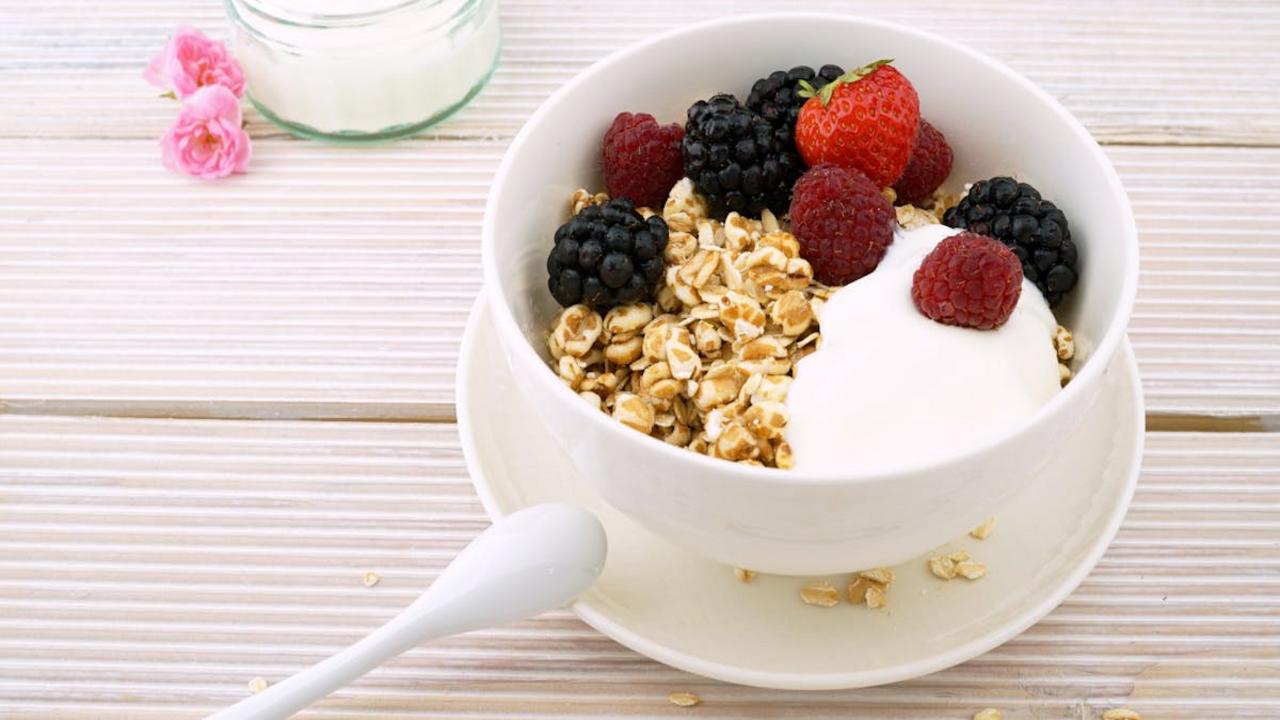
Greek yogurt isn’t just another dairy product sitting on the shelf—it’s basically the superhero of the refrigerated section, flexing its protein-packed muscles while keeping your wallet surprisingly happy. At around $5 for a large container, you’re getting something that does double duty as breakfast, snack, dessert base, or even a sneaky substitute for sour cream on your taco Tuesday. The secret? It’s strained to remove the whey, which concentrates the protein and gives it that thick, creamy texture that makes regular yogurt look like it barely tried. You’re looking at about 15-20 grams of protein per serving, which means it’ll actually keep you full instead of leaving you raiding the pantry thirty minutes later. Plus, those probiotics are throwing a party in there, keeping your gut happy without charging admission.
Here’s where it gets really fun: Greek yogurt is the ultimate kitchen shapeshifter. Mix it with honey and granola for breakfast, blend it into smoothies for extra creaminess, use it as a base for dips by adding herbs and garlic, or swap it into baking recipes to make muffins and cakes ridiculously moist. I once used it instead of mayo in chicken salad and honestly couldn’t tell the difference—except my arteries probably sent me a thank-you card. The plain variety gives you maximum flexibility since you control the sweetness level, and buying the big tubs instead of individual cups saves you serious cash. Store it properly (always sealed tight, always cold), and it’ll last a solid two weeks, giving you plenty of time to experiment with everything from parfaits to marinades to late-night snack attacks that don’t derail your budget or your goals.
Whole Oats
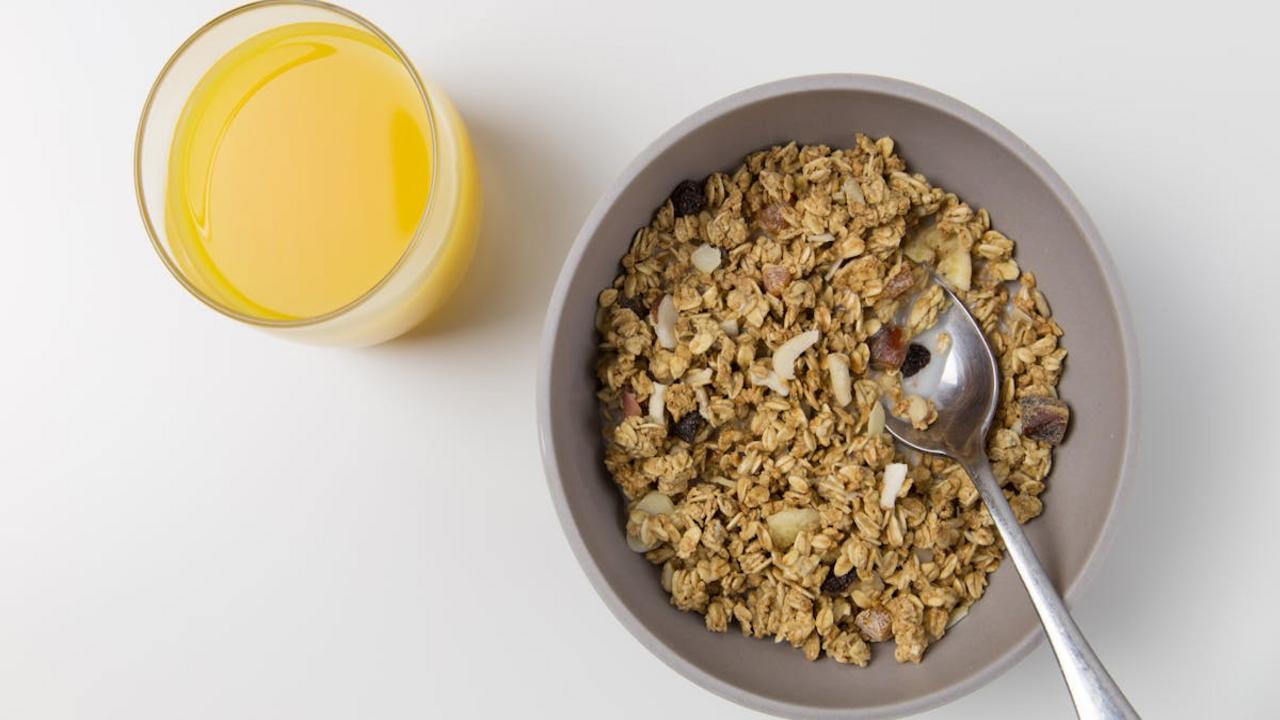
Listen, I know instant oatmeal packets seem convenient, but whole oats are where the real magic happens—and they cost about a third of the price. A massive container of old-fashioned rolled oats or steel-cut oats will set you back maybe three bucks and last you weeks, maybe even months if you’re not going wild with your breakfast game. They’re incredibly versatile too: overnight oats for those mornings when you can’t even, warm porridge topped with whatever fruit is threatening to go bad in your fridge, or even blended into smoothies for extra fiber. I’ve even ground them into flour for baking projects when I’m feeling ambitious. The beauty of whole oats is they’re a blank canvas—sweet, savory, whatever mood strikes you.
What really sealed the deal for me was discovering that whole oats don’t just do breakfast. You can make granola bars, use them as a binder in veggie burgers, or throw them into meatloaf for some sneaky nutrition (your picky eater will never know). They’ve got this nutty, comforting flavor that works with cinnamon and brown sugar just as well as it does with cheese and herbs. Plus, they’re packed with fiber and protein, so you actually stay full instead of raiding the snack drawer an hour later. Store them in an airtight container, and they’ll stay fresh forever—or at least until you remember that jar lurking in the back of your pantry. For pennies per serving, whole oats deliver serious staying power both in your stomach and your wallet.
Canned Beans
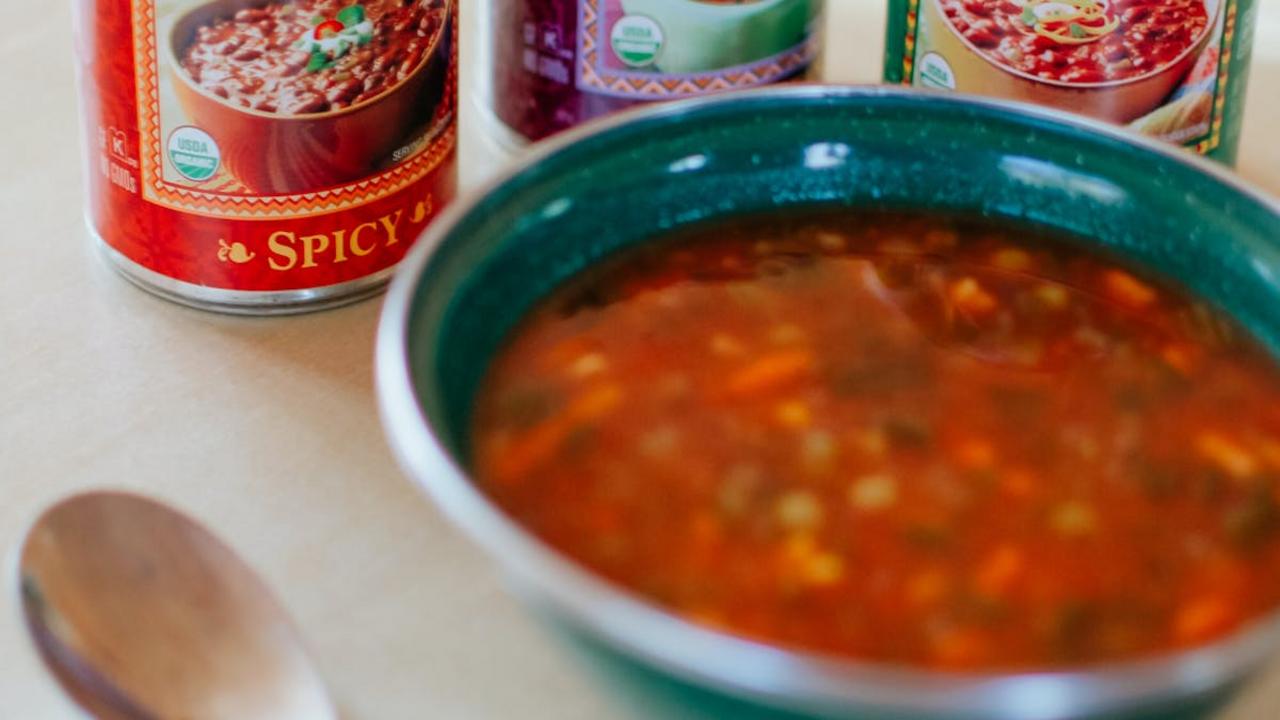
Canned beans are the unsung heroes of the pantry, sitting quietly on their shelves while flashier ingredients get all the glory. But here’s the thing: these humble legumes are absolute powerhouses. For less than two bucks a can, you’re getting protein, fiber, and enough versatility to carry you through breakfast burritos, midnight chili cravings, and that fancy hummus you pretend to make from scratch. Black beans, chickpeas, kidney beans, cannellini—each variety brings its own personality to the table. They’re already cooked, which means you skip the overnight soaking ritual and the “Did I remember to start the beans?” panic. Just crack open a can, rinse if you’re feeling fancy, and boom—you’ve got yourself a meal foundation.
The real magic happens when you realize how much money these little guys save you compared to their dried counterparts, especially when you factor in the time and energy costs. A single can transforms boring rice into a protein-packed side dish, bulks up soups without breaking the bank, and even mashes into surprisingly decent burger patties when you’re trying to stretch your grocery dollars. Keep a few different varieties in your pantry, and you’ll never be caught without dinner options. Plus, they last for years on the shelf, which means you can stock up during sales without worrying about them going bad. Pro tip: save that bean liquid (aquafaba) for vegan baking adventures—it whips up like egg whites and costs you exactly zero extra dollars.
Quinoa
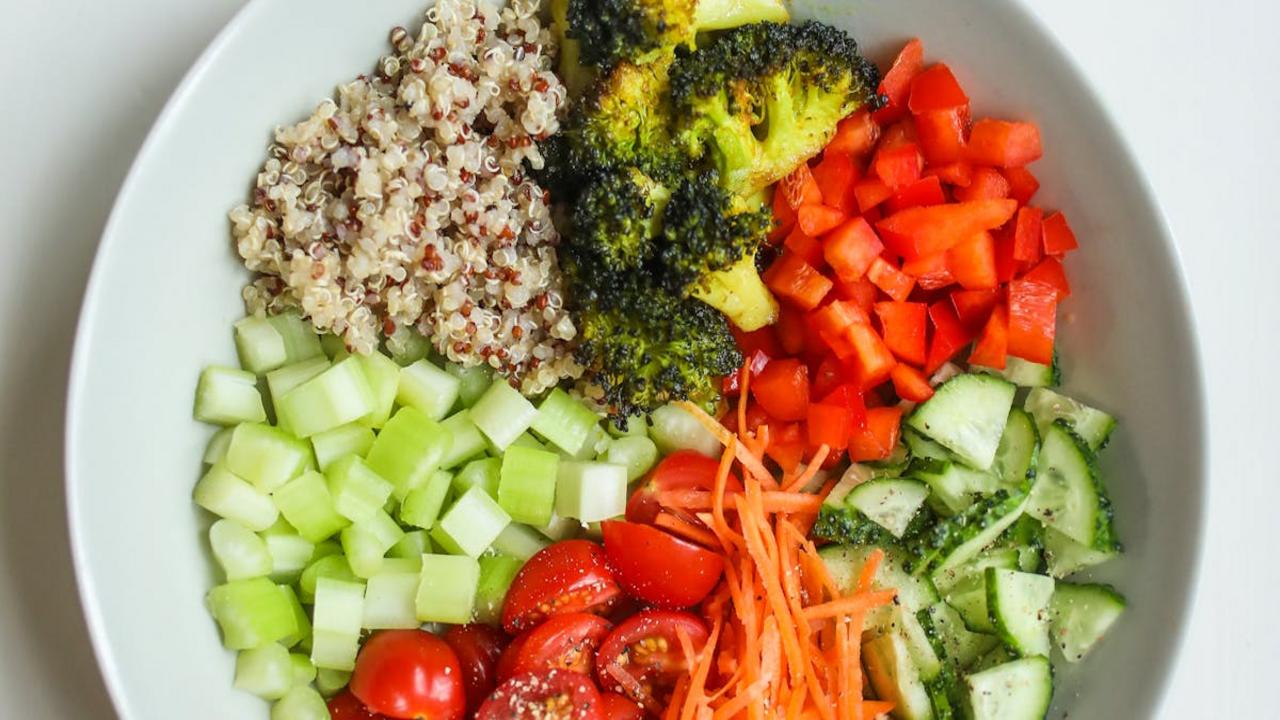
Quinoa gets all the hype as the superfood of the decade, but here’s the truth: it’s actually a budget-friendly little powerhouse that belongs in your pantry rotation. This ancient grain—well, technically a seed, but who’s counting?—cooks up fluffy and nutty in just 15 minutes, making it perfect for those nights when you’re too exhausted to think. The best part? A bag of quinoa goes surprisingly far. One cup of dry quinoa yields three cups cooked, so you’re stretching your dollar while loading up on complete protein. That’s right: quinoa contains all nine essential amino acids, making it a vegetarian’s dream and a meat-eater’s versatile sidekick.
Frugal shoppers grab quinoa because it’s the ultimate blank canvas. Toss it with roasted vegetables and a squeeze of lemon for a Mediterranean vibe, or stir in black beans, corn, and salsa for a Tex-Mex bowl that costs pennies per serving. You can even turn leftover quinoa into breakfast by reheating it with milk, cinnamon, and a drizzle of honey—instant oatmeal upgrade! Store it in an airtight container in your pantry, and it’ll last for months without going stale. Fun fact: quinoa was so revered by the Incas that they called it “the mother grain,” and honestly, once you see how many meals you can spin from one bag, you’ll understand why. Stock up when it goes on sale, and watch your grocery budget breathe a sigh of relief.
Leafy Greens
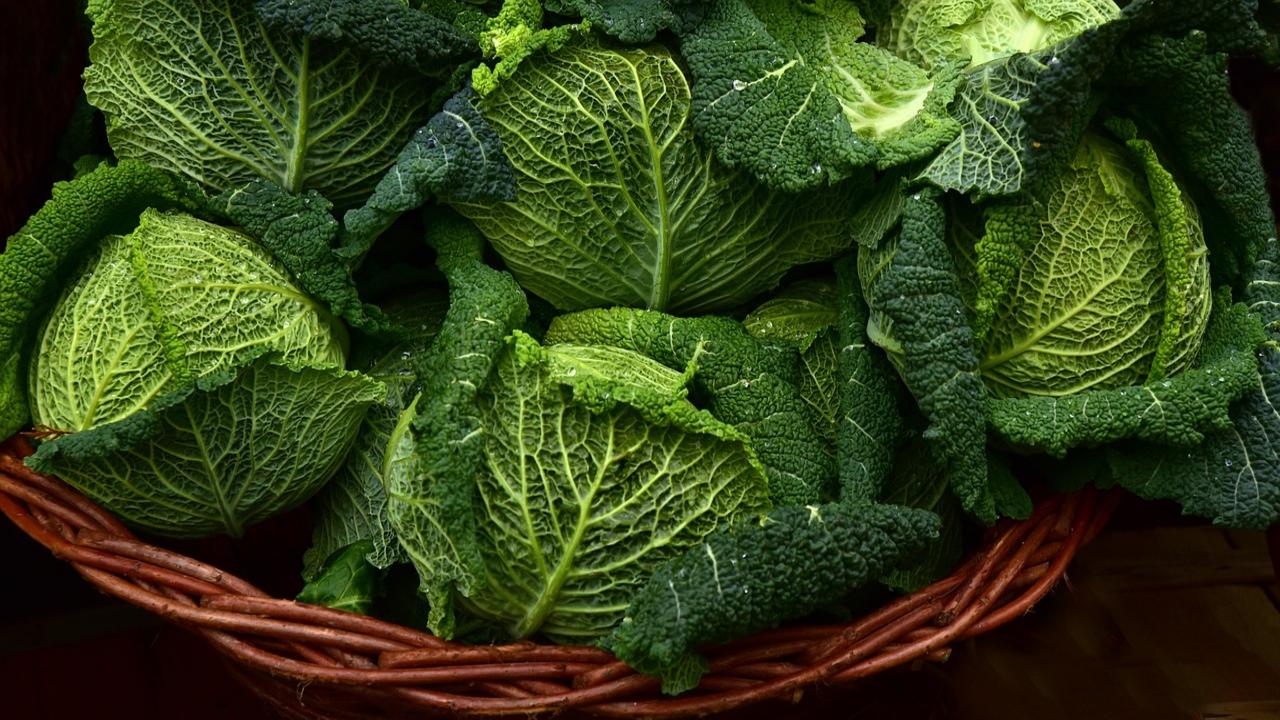
Spinach, kale, collard greens—these verdant powerhouses deserve a permanent spot in your cart, and not just because they make you feel virtuous. A bag of fresh greens costs less than a fancy coffee drink but packs way more punch in the nutrition department. Plus, they’re ridiculously versatile. Toss them into smoothies where they hide like sneaky nutrition ninjas, wilt them into pasta for an instant upgrade, or crisp them up with garlic for a side dish that actually tastes good. The best part? They bulk up any meal without bulking up your grocery bill. And here’s a fun fact that’ll blow your mind: ounce for ounce, kale contains more calcium than milk and more iron than beef. Who knew these leafy rebels were secretly overachievers?
The trick to making leafy greens work for your budget is buying them smart and storing them right. Skip the pre-washed containers that charge you triple for convenience—grab the bunches instead and give them a good rinse yourself. Keep them fresh by wrapping them in paper towels before tucking them into a plastic bag, or stand them upright in a jar of water like a bouquet (because they deserve that respect). Frozen greens are another budget hack that nobody talks about enough. They’re pre-washed, pre-chopped, and often cheaper than fresh, making them perfect for those nights when you need vegetables but your brain is too fried to think about washing anything. Whether you’re team fresh or team frozen, these greens are the affordable MVPs that transform boring meals into something you’ll actually want to eat.