14 Beloved Mexican Dishes You Had No Idea Weren’t Authentic
Mexican food in America has taken on a life of its own, creating unique flavors that many people mistakenly believe come straight from Mexico. From crispy hard shell tacos to gooey cheese-covered nachos, these popular dishes actually originated north of the border, shaped by American tastes and ingredients.
The transformation of traditional Mexican recipes into Americanized versions started in the early 1900s, when Mexican immigrants adapted their cooking to local ingredients and preferences. This fusion created entirely new categories of “Mexican-inspired” foods that you won’t find in Mexico City’s street food stands or family kitchens.
I’m excited to share 14 beloved dishes that showcase how Mexican cuisine has evolved in America. While these foods may not be authentically Mexican, they’ve become their own valid and delicious category of Tex-Mex and Mexican-American cooking that deserves celebration.
Loaded Queso Dip
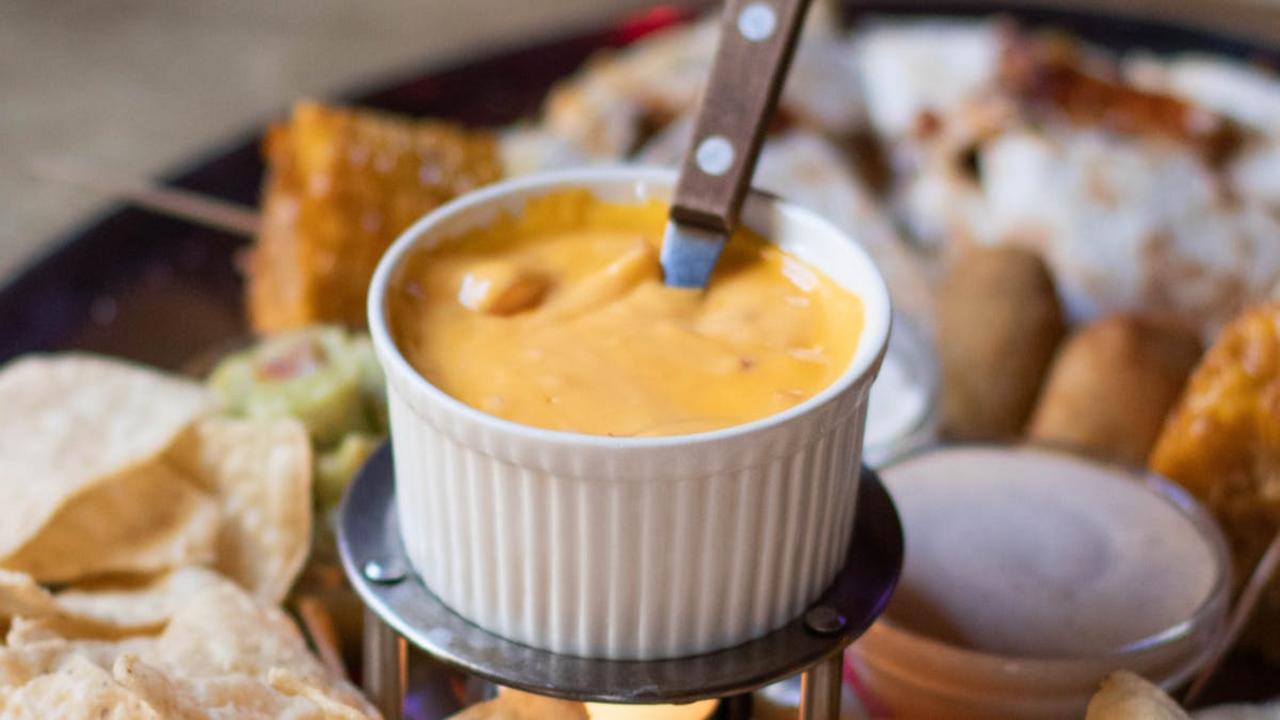
You won’t find loaded queso dip on any authentic Mexican restaurant menu! This creation is a thoroughly American invention that gained popularity in Tex-Mex establishments across the United States. While Mexican cuisine does feature melted cheese in dishes like queso fundido, the processed cheese-based dip loaded with extras like ground beef, tomatoes, and jalapeños is purely a North American adaptation. The original queso fundido consists of natural melted cheese like Oaxaca or Chihuahua, often served with chorizo and roasted peppers.
The modern loaded queso dip you know today emerged from the American love for convenient, shareable appetizers. Most versions use processed cheese products like Velveeta as the base – an ingredient that doesn’t exist in traditional Mexican cooking. This dip became a staple at casual dining chains and sports bars in the 1970s, where it continues to be a crowd favorite for its creamy texture and bold flavors. While undeniably delicious, this dish represents how American tastes have transformed and reimagined authentic Mexican ingredients into new comfort food classics.
Mexican Lasagna
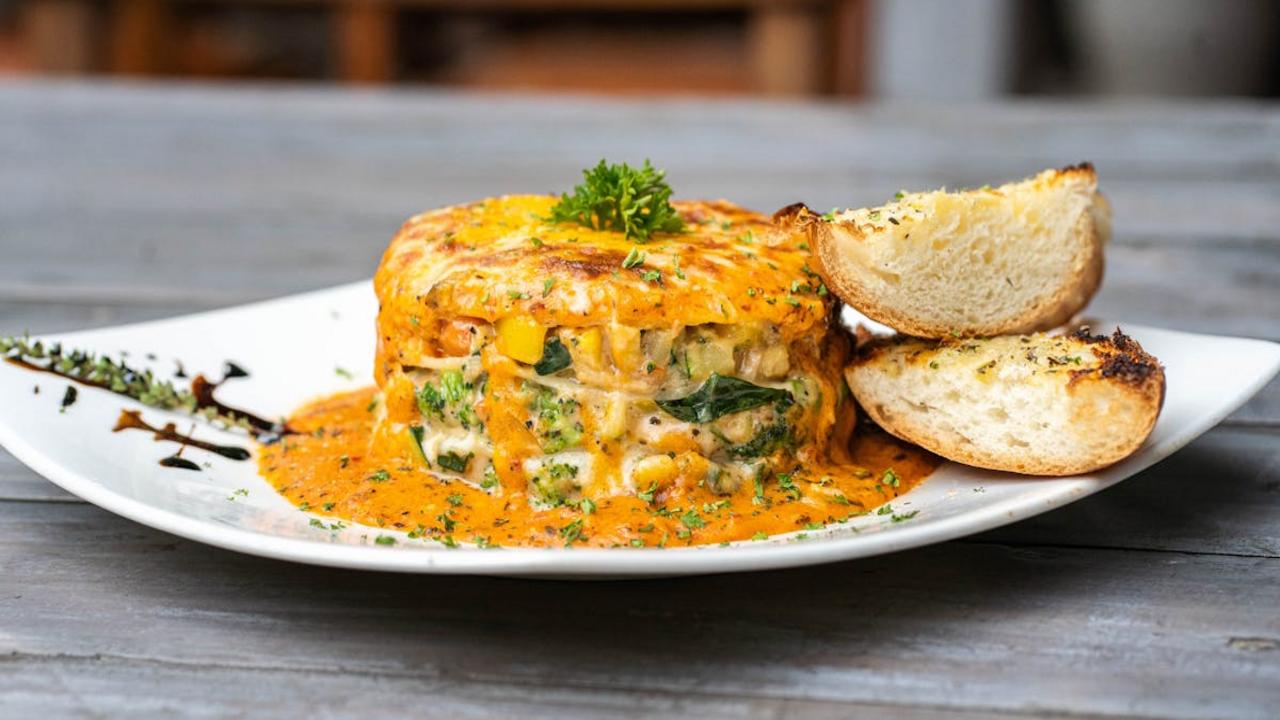
I need to break some news to you – Mexican lasagna isn’t a traditional Mexican dish at all! This creative fusion recipe combines Italian-style pasta layering with Mexican-inspired ingredients like tortillas, beans, and spicy ground beef. The dish gained popularity in American home kitchens during the 1970s as families looked for exciting ways to mix up their weeknight dinner routines. You’ll find this comfort food mashup packed with cheese, salsa, and classic Mexican seasonings, creating a crowd-pleasing meal that draws from both cuisines.
While authentic Mexican cuisine offers plenty of layered dishes like chilaquiles and enchiladas, the Mexican lasagna represents pure American ingenuity. The recipe typically features corn or flour tortillas standing in for pasta sheets, with layers of seasoned meat, refried beans, Mexican-blend cheese, and various toppings like sour cream and guacamole. Though not traditional, this family-friendly dish brings together the best elements of Mexican and Italian cooking styles in an accessible format that’s perfect for potlucks and large gatherings. The next time you spot “Mexican lasagna” on a menu, remember it’s a delicious example of American fusion cooking!
Mexican Rice
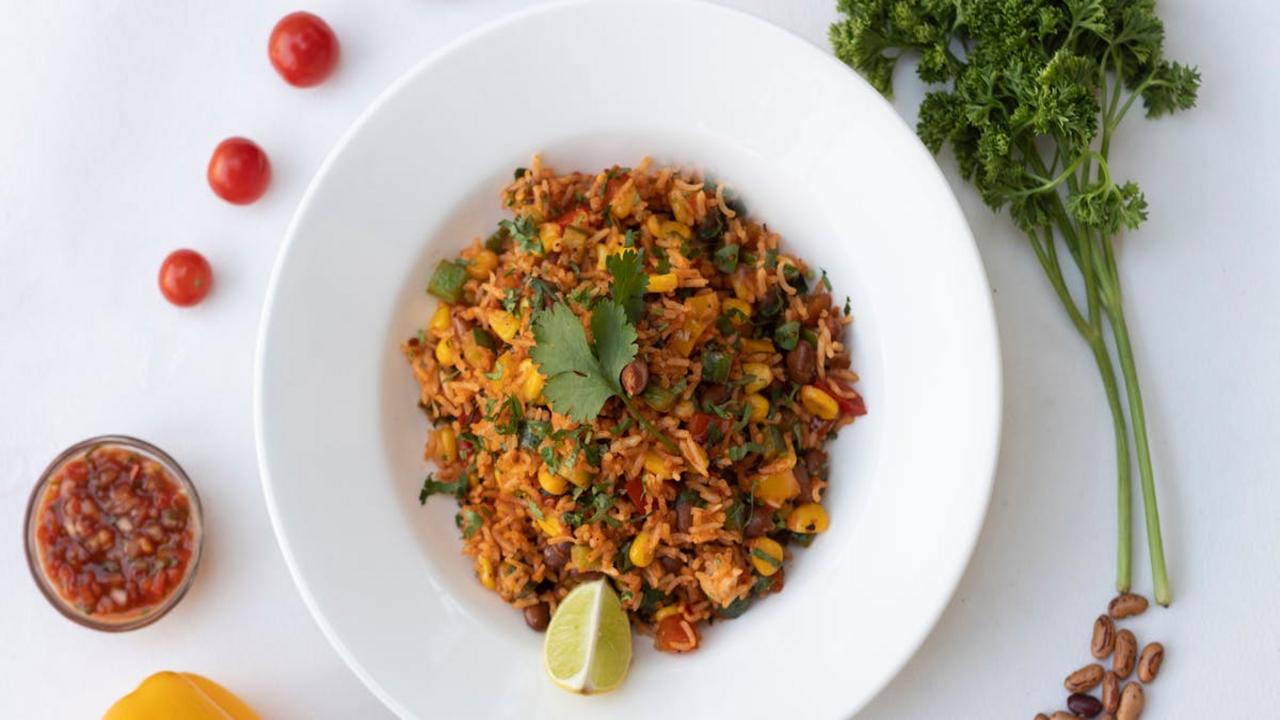
You might think that vibrant orange-red rice served at your favorite Mexican restaurant is an authentic Mexican creation, but I have news for you! The rice you know actually originated from Spanish colonizers who brought rice cultivation to Mexico in the 1500s. The traditional preparation method we see today, with tomatoes and onions, developed much later as a fusion between Spanish and Mexican cooking techniques. The original Mexican grain of choice was corn, which remains deeply rooted in true Mexican cuisine.
The modern version of “Mexican” rice you’ll find in restaurants across the United States differs significantly from what you’d find in Mexico. In Mexico, cooks prepare “arroz rojo” (red rice) or “arroz a la mexicana” with minimal ingredients – mainly tomatoes, onions, and garlic. American versions often include additional vegetables like peas and carrots, and sometimes even corn, which you won’t typically find in authentic Mexican preparations. If you want to make it more authentic at home, stick to the basics: rice, tomatoes, onions, garlic, and broth – that’s all you need!
Mexican Pizza
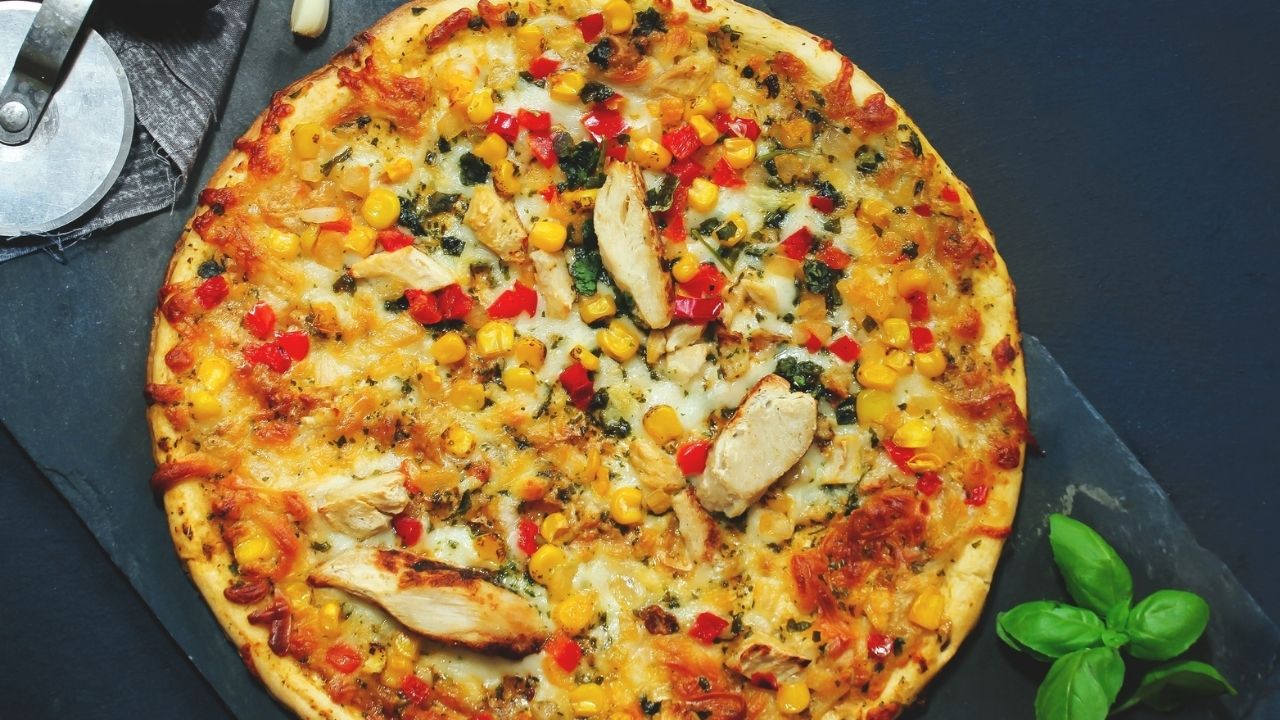
You might be disappointed to learn that Mexican Pizza isn’t a traditional Mexican dish at all! This fast-food creation gained popularity through Taco Bell’s menu in the 1980s and bears little resemblance to anything you’d find in authentic Mexican cuisine. The concept combines two flour tortillas with seasoned ground beef, refried beans, diced tomatoes, and melted cheese – a fusion that reflects American fast-food innovation rather than Mexican cooking traditions.
While many people love this tasty combination, you won’t find Mexican Pizza on menus in Mexico City or Oaxaca. The dish represents how American restaurants have adapted and reimagined Mexican ingredients to create new foods that appeal to American palates. The closest authentic Mexican dish would be tlayudas – large, crispy tortillas topped with refried beans, meat, and other ingredients. However, tlayudas use corn tortillas and feature regional Oaxacan ingredients that differ significantly from the Americanized Mexican Pizza version.
Chicken Fajita Bowl
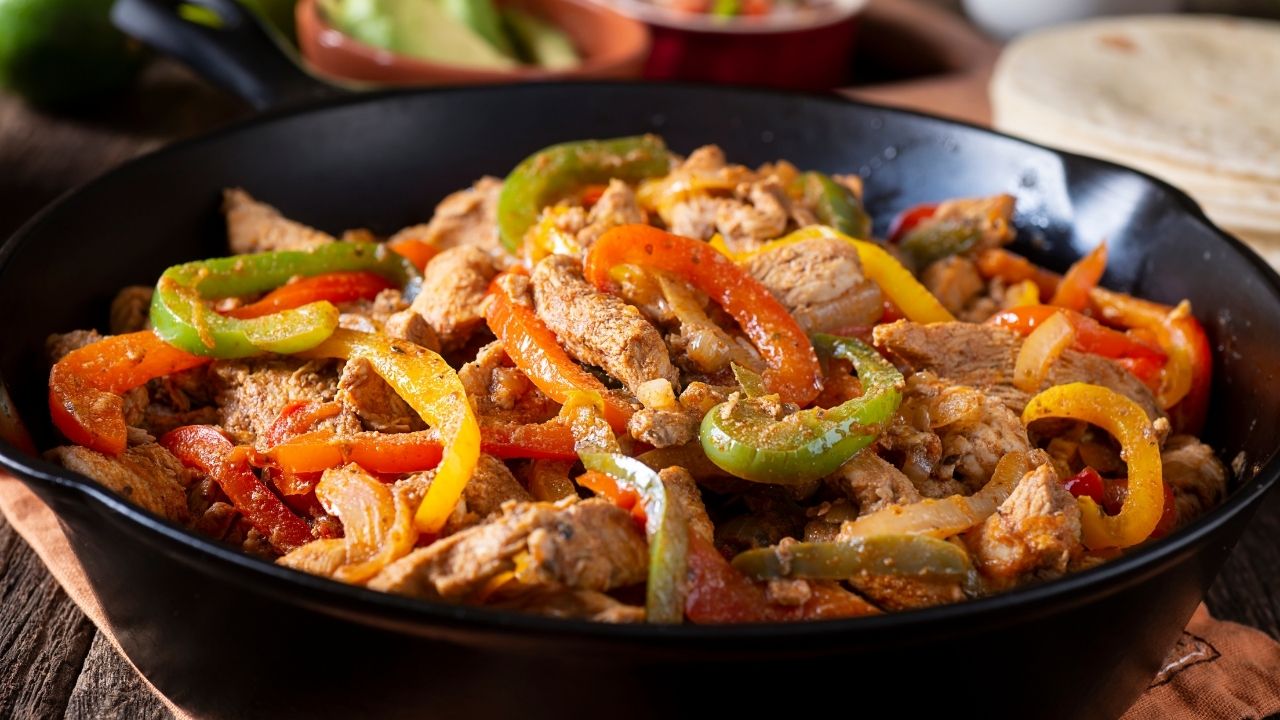
If you’ve been ordering Chicken Fajita Bowls thinking they’re an authentic Mexican dish, I need to share some news with you! This popular menu item actually traces its roots to Tex-Mex cuisine and American fast-casual restaurants. While traditional Mexican cooking includes many bowl-based dishes like pozole and menudo, the fajita bowl concept emerged in the 1990s as restaurants adapted to American preferences for convenient, customizable meals. The combination of grilled chicken strips, rice, beans, and toppings in a bowl format was created to offer a utensil-friendly alternative to traditional fajitas.
The original Mexican fajitas were made with skirt steak, not chicken, and were always served with tortillas – never in a bowl! The modern fajita bowl takes inspiration from Mexican flavors but transforms them into something entirely new. Many Mexican food experts point out that authentic fajitas should be enjoyed with warm tortillas, allowing you to create your own tacos at the table. The bowl format, while practical and delicious, represents American innovation rather than Mexican tradition. Still, this adaptation has won hearts nationwide by making Mexican-inspired flavors more accessible for everyday meals.
Taco Salad Bowl
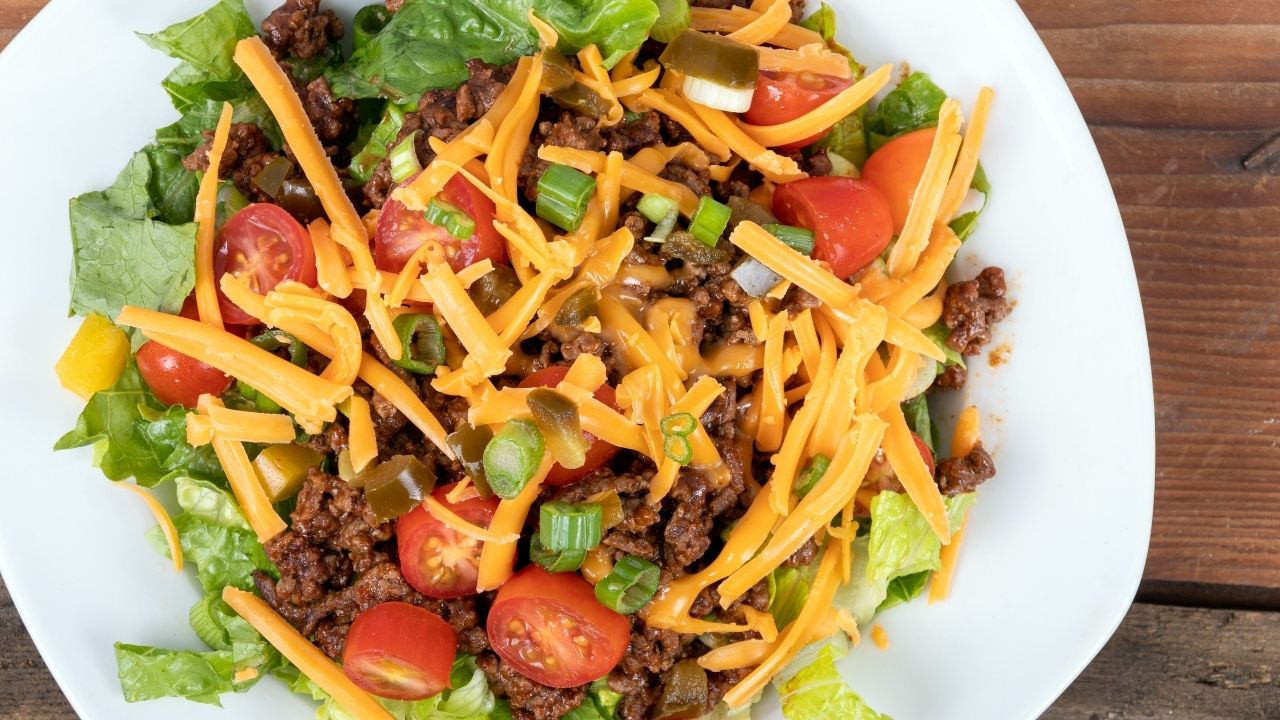
That crispy, edible tortilla bowl holding your favorite Mexican-style salad? It’s actually a pure American invention! The taco salad bowl concept took shape in the 1960s when Tex-Mex restaurants wanted to make their salads more appealing and interactive. The genius behind transforming a regular tortilla into a crunchy, bowl-shaped vessel came from American restaurant owners who noticed customers loved breaking off pieces of the bowl to eat with their salads. This fun dining trend quickly caught on across the United States, becoming a staple in Mexican-American restaurants.
While you won’t find these tortilla bowls in traditional Mexican kitchens, they represent a brilliant fusion of Mexican ingredients with American innovation. The combination of fresh lettuce, tomatoes, seasoned ground beef, cheese, and sour cream served in a crispy tortilla shell creates a satisfying meal that appeals to American preferences for interactive dining experiences. Many home cooks now make their own versions by draping tortillas over oven-safe bowls or using special metal molds – proving how this American creation has found its way into countless kitchens across the country.
Chimichangas
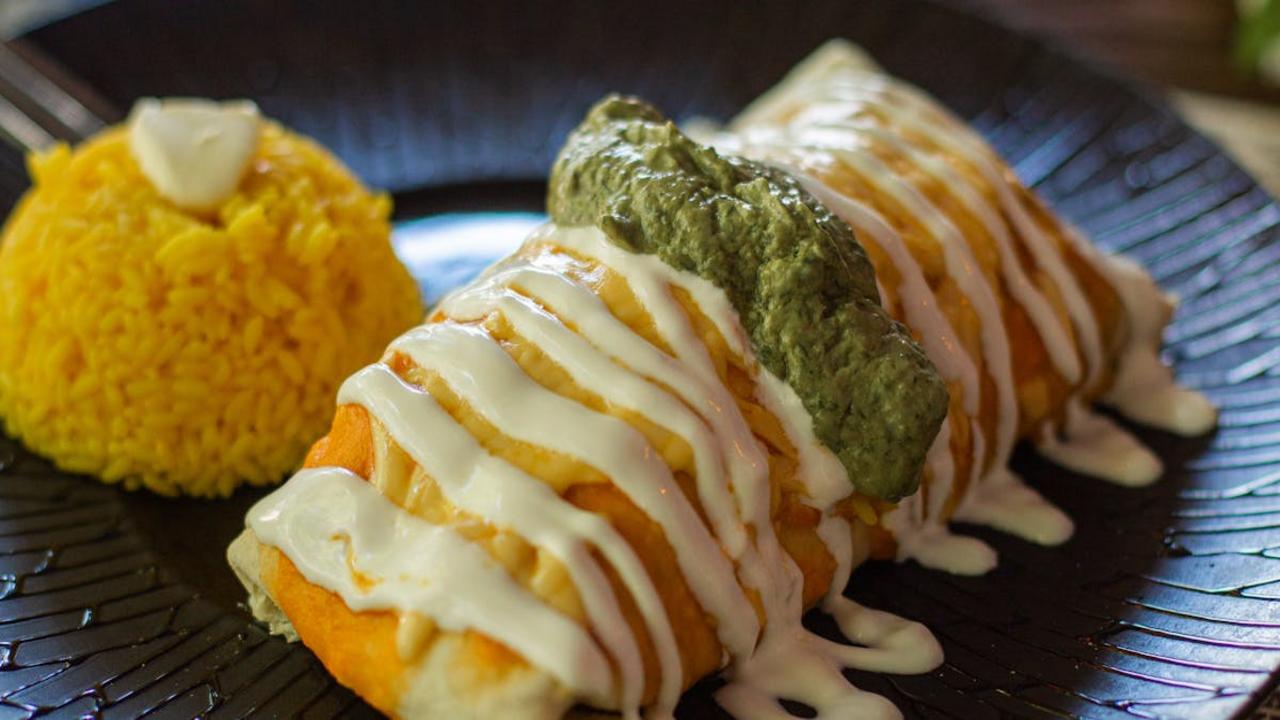
You might think chimichangas are an authentic Mexican creation, but these crispy, deep-fried burritos actually originated in Arizona! The story goes that in the 1920s, Monica Flin, the owner of El Charro Café in Tucson, accidentally dropped a burrito into hot oil. She started to say a Spanish curse word but caught herself mid-sentence since children were present, changing it to “chimichanga” – a made-up word that stuck. This happy accident became a Tex-Mex favorite that spread across the Southwest United States.
While Mexican cuisine does feature many fried foods, the chimichanga’s preparation method and ingredients set it apart from traditional dishes. The oversized flour tortilla stuffed with meat, cheese, and beans before being deep-fried is more characteristic of American border food adaptations. The generous toppings of sour cream, guacamole, and yellow cheese further highlight its Southwestern U.S. roots. Still, this crunchy creation has won hearts worldwide and remains a popular menu item in Mexican-American restaurants.
Ground Beef Burritos
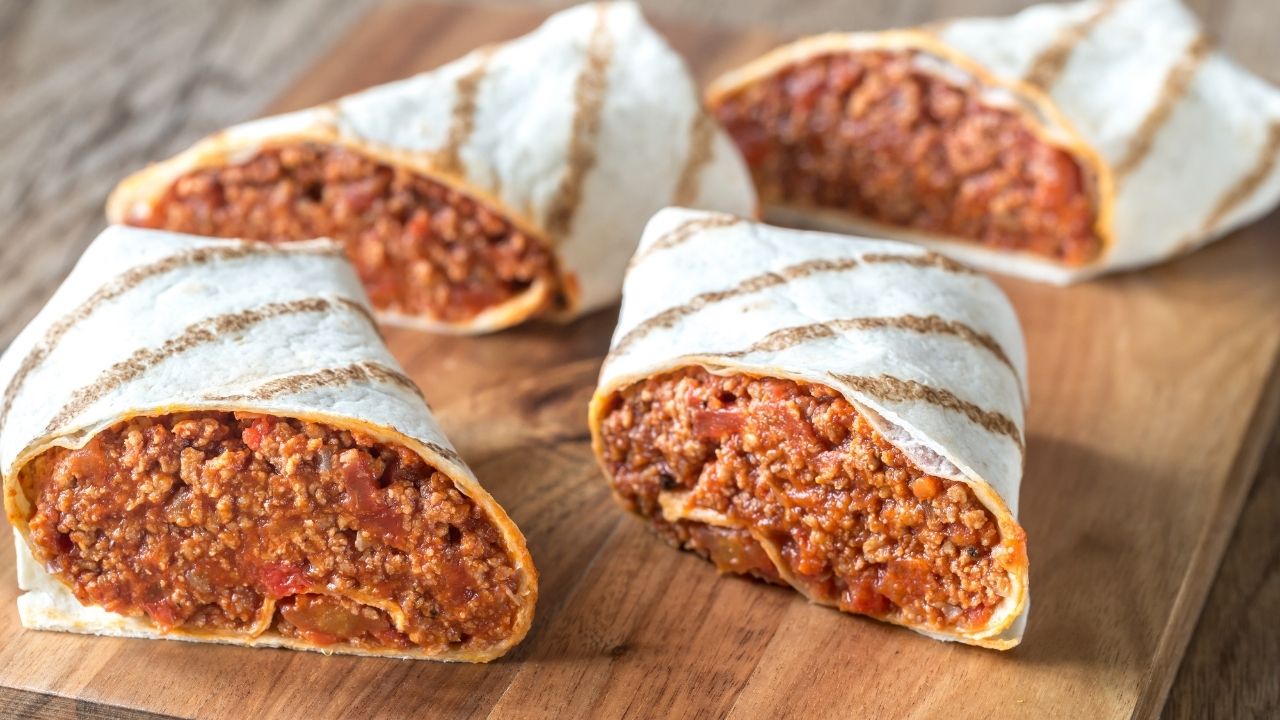
You might think those hefty ground beef burritos wrapped in flour tortillas are straight from Mexico, but I’ll let you in on a little secret – they’re actually an American creation! The authentic Mexican burrito looks quite different from what you’ll find at most Tex-Mex restaurants. Traditional burritos from northern Mexico contain just a few simple ingredients, usually some meat or beans, and they’re much smaller than their American counterparts. The addition of ground beef, shredded cheese, sour cream, and lettuce is purely a U.S. invention.
The transformation of the burrito happened gradually as Mexican food made its way north of the border. American tastes and ingredients shaped this now-iconic dish into something new entirely. While many Mexican-Americans created these adaptations to appeal to local preferences, the ground beef filling became particularly popular during the 1950s and 60s. Today, these beefy burritos have become such a staple of Mexican-American cuisine that many people don’t realize their true origins. Though not authentic, they still offer a delicious fusion of flavors that represents the beautiful blend of two food cultures.
Sour Cream Enchiladas
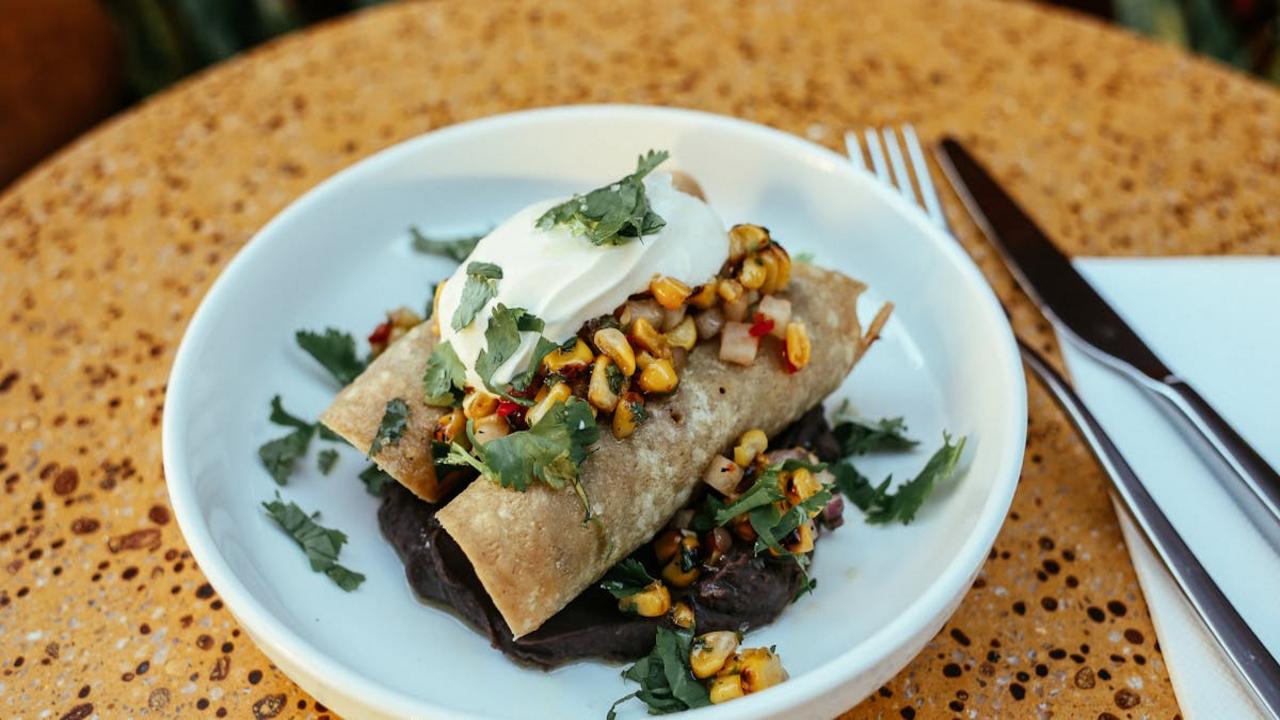
I bet you’ve enjoyed those creamy, rich enchiladas smothered in tangy sour cream sauce at your local Mexican restaurant. Here’s a fun fact that might surprise you – traditional Mexican enchiladas don’t actually include sour cream at all! This Tex-Mex creation started popping up in American restaurants during the 1970s when cooks wanted to add a cooling element to spicy dishes. The original Mexican enchiladas feature simple corn tortillas dipped in chile sauce and filled with meat, cheese, or vegetables.
The sour cream enchilada version you know and love today really took off in Texas, where Mexican and American flavors blend beautifully. Restaurant owners noticed their customers enjoyed the creamy addition, and soon it became a menu staple. While not authentic Mexican, these enchiladas showcase how food evolves and adapts across borders. Next time you order them, you can appreciate them for what they are – a delicious Mexican-American fusion that brings comfort and satisfaction to countless diners.
Yellow Cheese Quesadillas
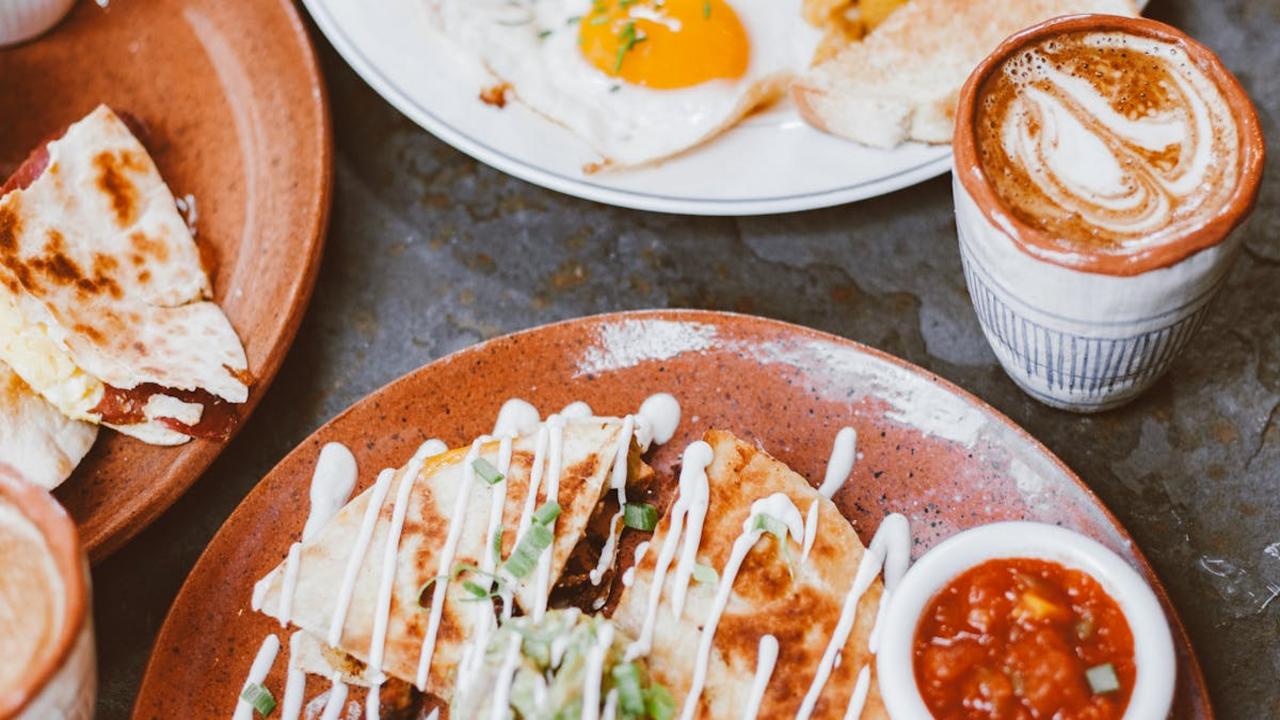
I hate to break it to you, but that bright yellow cheese melting out of your quesadilla isn’t traditionally Mexican at all! Authentic Mexican quesadillas actually use white Mexican cheeses like Oaxaca, Chihuahua, or Queso Fresco. The yellow cheese version you’ll find at many American restaurants comes from the widespread use of Cheddar and American cheese that became popular as Mexican food spread throughout the United States. While still tasty, this adaptation strays far from its Mexican roots.
The real Mexican quesadilla experience centers around fresh, locally-made tortillas filled with stretchy Oaxaca cheese that pulls into long, white strands as you bite into it. Mexican cooks often add other ingredients like epazote (an aromatic herb), mushrooms, or squash blossoms to create complex flavors. The yellow cheese version became a hit in the US because these ingredients were harder to find, and Americans already loved their Cheddar. So next time you want an authentic quesadilla, skip the yellow stuff and look for those traditional white Mexican cheeses instead!
Nachos Supreme
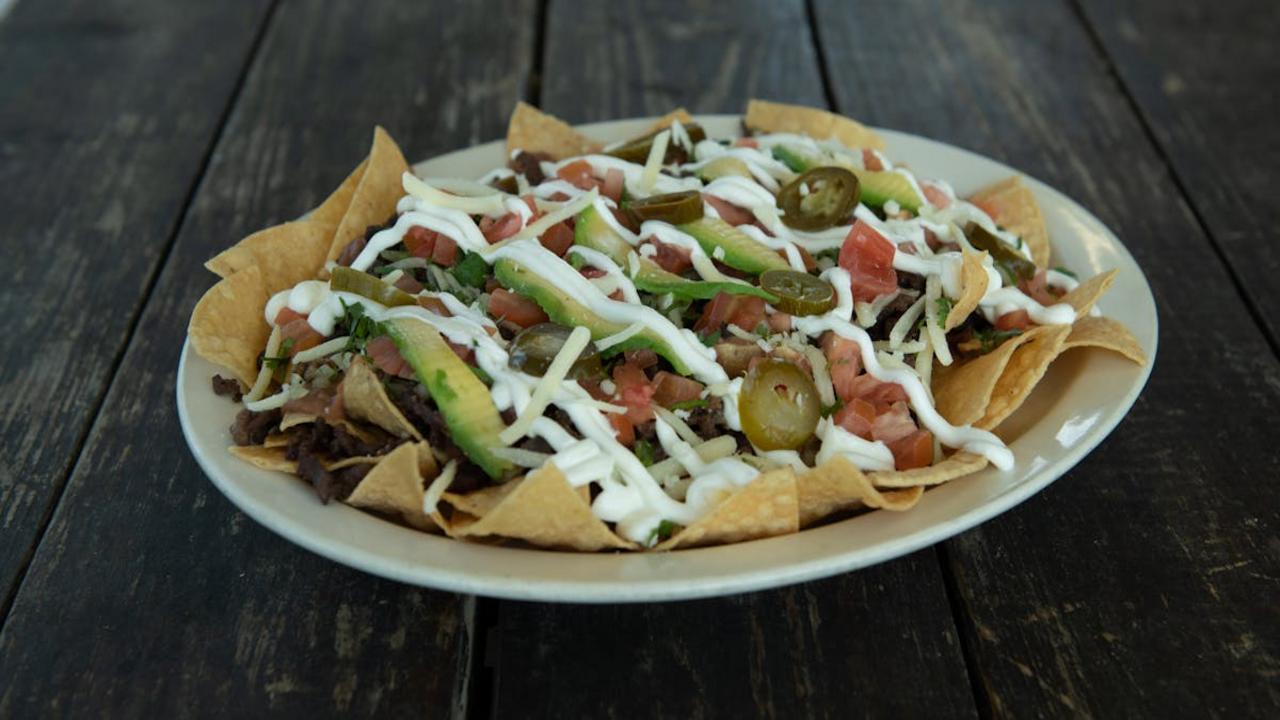
While you might think of Nachos Supreme as a Mexican staple, this loaded dish actually originated in the United States during the 1970s. The original nachos were created by Ignacio “Nacho” Anaya in 1943 when he served American military wives tortilla chips topped with melted cheese and jalapeños. But the fully-loaded version with ground beef, sour cream, guacamole, and tomatoes? That’s pure American innovation, designed to appeal to American preferences for heartier portions and richer toppings.
The transformation from simple nachos to “supreme” happened in American restaurants and sports venues, where they became a crowd favorite. Many Mexican food experts point out that authentic Mexican cuisine focuses on fresh, simple ingredients rather than piling multiple components onto a single dish. The Nachos Supreme you find at chain restaurants and ballparks today bears little resemblance to its modest Mexican ancestor – it’s a prime example of how Mexican dishes have been adapted and supersized for American tastes. Next time you order this cheesy mountain of goodness, remember you’re enjoying a US creation inspired by Mexican flavors!
Chili Con Carne
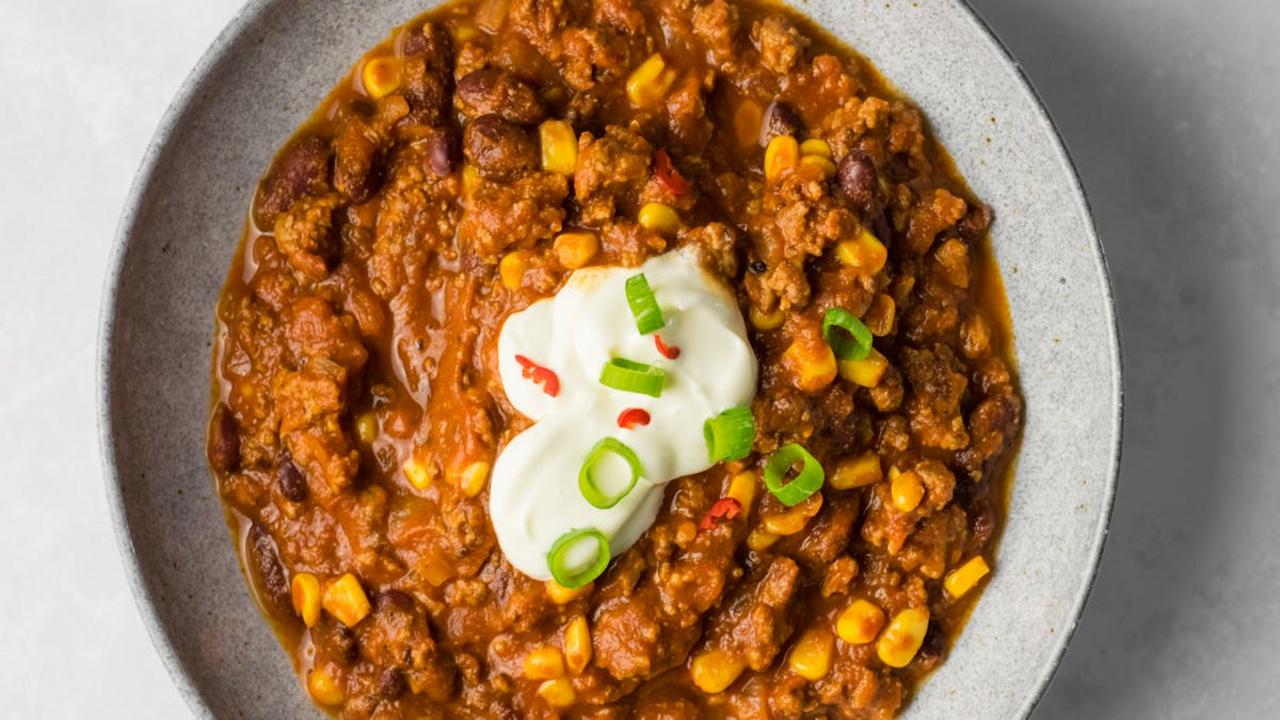
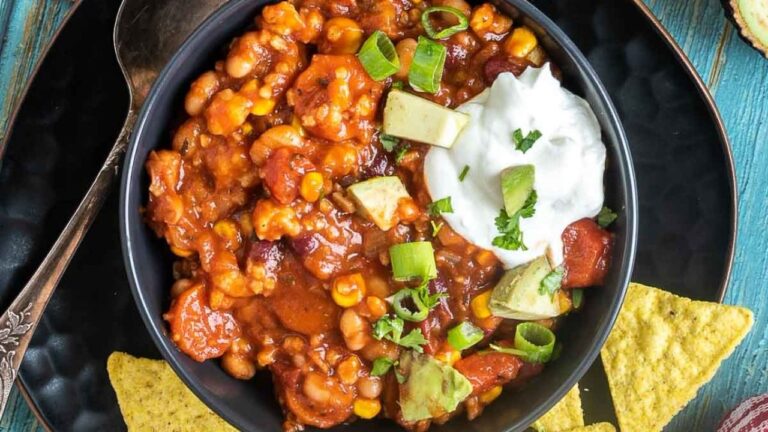
I bet you’ve enjoyed this hearty bowl of meat and beans countless times, thinking it’s straight from Mexico’s traditional cookbook. But here’s the scoop – Chili Con Carne actually originated in Texas during the 1800s! While “chile con carne” translates to “chili with meat” in Spanish, this dish was created by Tejano working-class women in San Antonio, who would cook large pots of this filling stew and sell it in the city’s streets through their windows, earning them the nickname “chili queens.”
The original Texas version differs significantly from what you might find in your local restaurant today. Traditional Mexican cuisine rarely combines meat with beans in the same dish, and the thick, tomato-based sauce we know isn’t part of Mexico’s cooking heritage. The dish gained nationwide popularity after it was featured at the 1893 Chicago World’s Fair, and since then, Americans have added their own twists – like kidney beans, cheese toppings, and various spice blends. So next time you order this comfort food favorite, remember you’re actually enjoying a Tex-Mex creation that showcases the beautiful blend of border cultures!
Fajitas
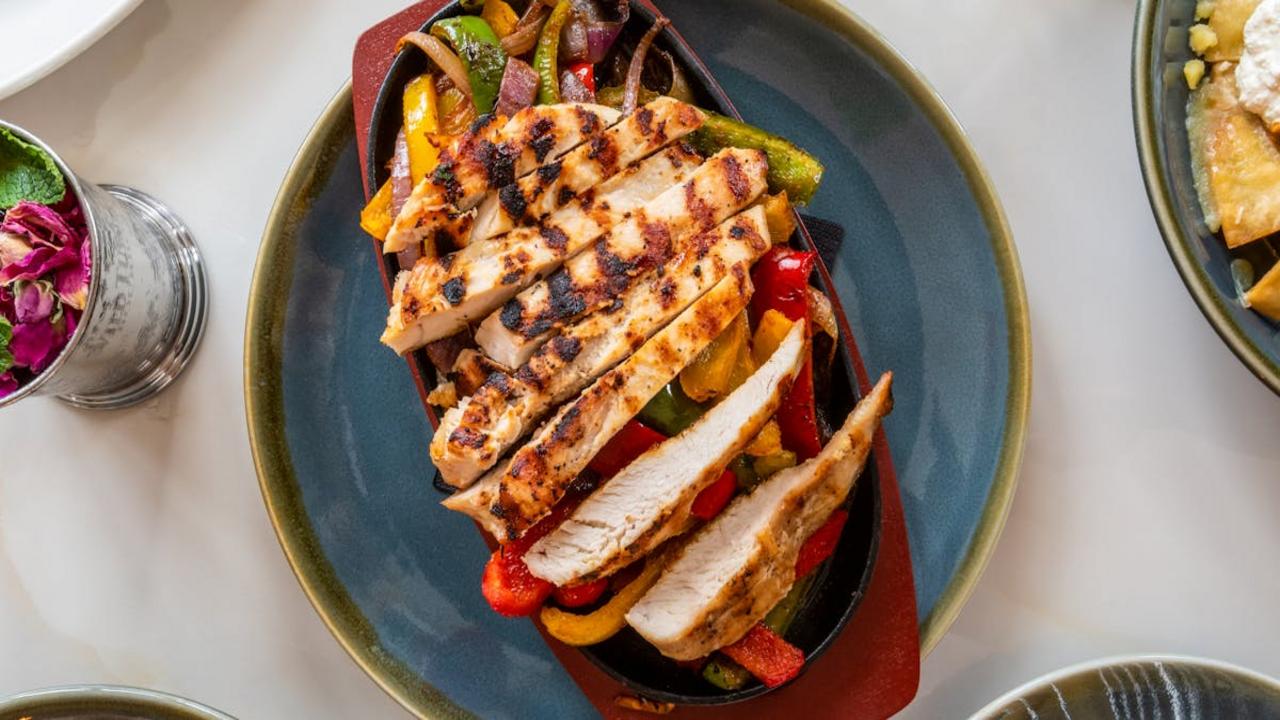
You might think fajitas are a time-honored Mexican dish, but they actually started in Texas during the 1930s! Mexican vaqueros (cowboys) working on ranches would receive less desirable cuts of beef as part of their pay, including skirt steak. These workers created what we now know as fajitas by grilling this meat over open flames and wrapping it in tortillas. The name “fajita” comes from “faja,” meaning belt or strip in Spanish, referring to the cut of beef they used.
The fajitas you know today – with their sizzling platters, grilled peppers and onions, and array of toppings – gained popularity in the 1970s when Ninfa Rodriguez Laurenzo started serving them at her Houston restaurant. She called them “tacos al carbon,” but the term “fajitas” stuck as the dish spread across Texas and then nationwide. While Mexican cuisine includes many grilled meat dishes wrapped in tortillas, the specific combination and presentation style of fajitas is purely Tex-Mex, born from Mexican-American innovation.
Hard Shell Tacos
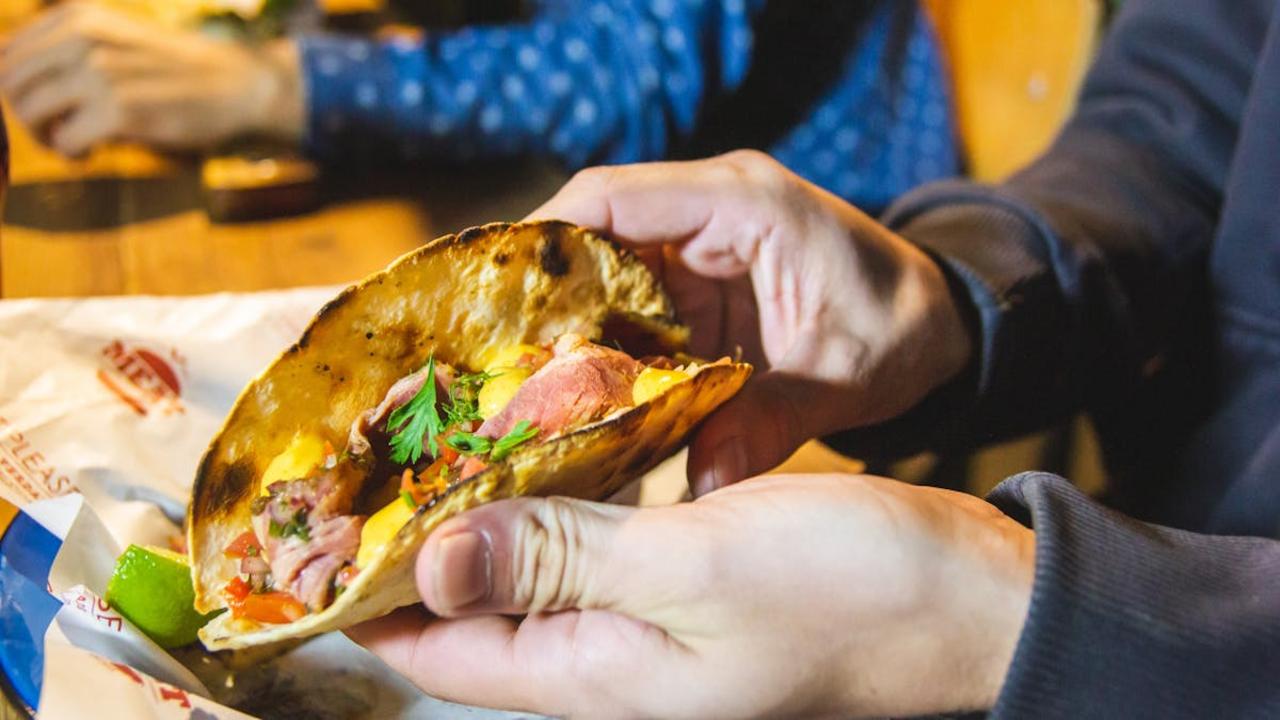
You might be shocked to learn that those crunchy, U-shaped taco shells you find at your local grocery store or Tex-Mex restaurant don’t actually have Mexican roots! The hard shell taco is purely an American creation, first popularized by Taco Bell founder Glen Bell in the 1950s. Traditional Mexican tacos always feature soft corn tortillas that are quickly warmed on a comal (flat griddle) to bring out their natural corn flavor and make them pliable enough to fold without breaking.
In Mexico, you’ll never spot those bright yellow, pre-formed shells in any authentic taqueria or home kitchen. Mexican families make their tacos fresh to order, often double-layering soft corn tortillas to hold generous portions of meat, fish, or vegetables. If you want a bit of crunch in your authentic Mexican taco, you’ll find it through fresh toppings like diced onions, radishes, or crisp lettuce – not from the shell itself. The hard shell taco represents a perfect example of how Mexican food adapted to American tastes and manufacturing processes.