13 Surprising Foods You Didn’t Know You Could Freeze
Your freezer holds more potential than you think! Beyond the usual frozen peas and ice cream, this cold storage superhero can preserve foods you never imagined. From ripe avocados to fresh herbs, and even wine (yes, wine!), your freezer can rescue ingredients from spoiling and save you money.
Think about those times you’ve watched perfectly good food go bad – the half-used block of tofu, the browning bananas, or that bunch of herbs wilting in your fridge. The solution was right there in your kitchen all along. Your freezer can pause time on these ingredients, keeping them fresh for months.
I’ve tested dozens of foods in my freezer over the years, and these 13 items have proven to be real game-changers in my kitchen. Not only will these freezing tricks help reduce food waste, but they’ll also make your cooking more convenient and budget-friendly. Ready to revolutionize your food storage?
Avocados
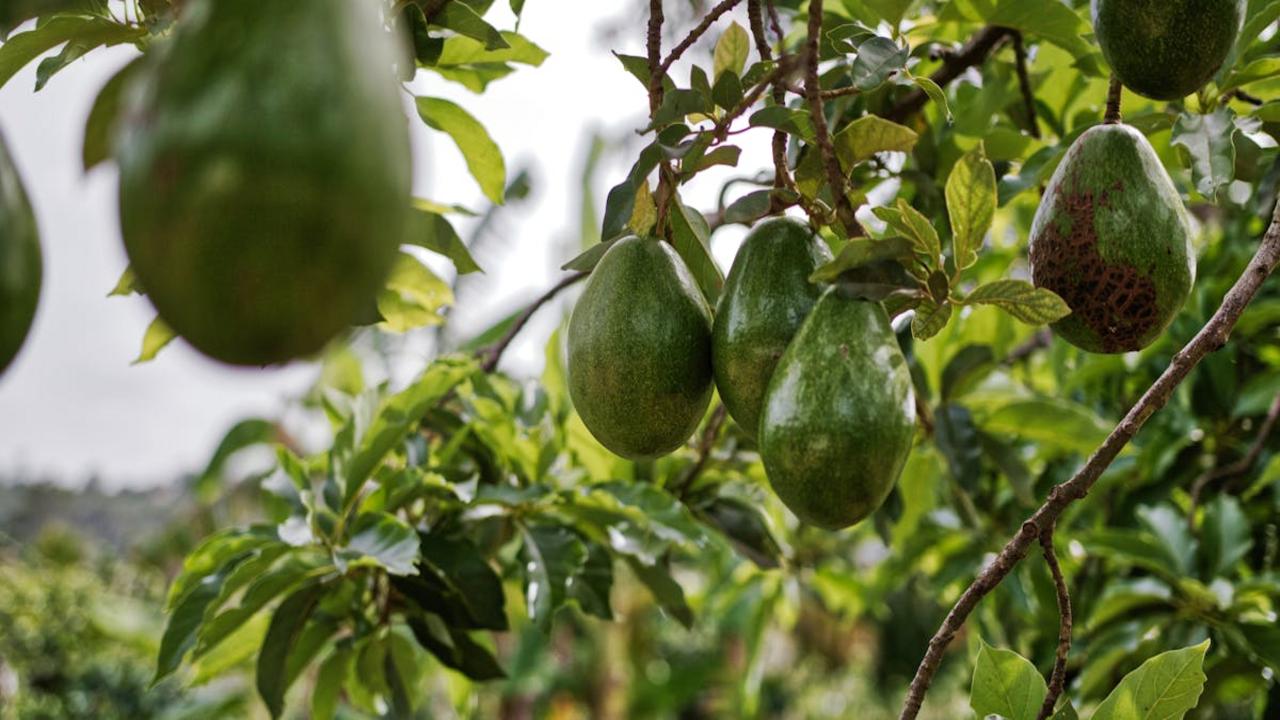
You know that moment when you spot perfectly ripe avocados on sale, but you live alone and can’t possibly eat six before they turn into brown mush? I’ve got news that’ll make your day: you can freeze avocados! I discovered this life-changing hack during a massive avocado sale at my local store. Just cut them in half, remove the pit, scoop out the flesh, and give them a quick brush with lemon juice to prevent browning. Pop them into freezer bags, squeeze out the air, and voilà – you’ve got ready-to-use avocado chunks that’ll keep for up to six months.
While frozen avocados won’t work for your Instagram-worthy avocado toast (they get a bit mushy after thawing), they’re perfect for smoothies, dips, and spreads. I throw frozen avocado chunks straight into my morning smoothie for extra creaminess, or thaw them for quick guacamole when friends drop by unexpectedly. Pro tip: freeze them in portion-sized containers or ice cube trays for easy measuring. My favorite method? Mash them with lime juice and seasonings before freezing – instant guacamole base that just needs a few fresh ingredients mixed in after thawing.
Fresh Herbs
Ever found yourself with a mountain of fresh herbs that you know will wilt before you can use them all? I’ve been there, frantically trying to use up that giant bunch of cilantro before it turns into a sad, mushy mess in my fridge. Here’s the game-changing solution: freeze them! You can chop your fresh herbs, pack them into ice cube trays with a bit of olive oil or water, and pop them into the freezer. Once frozen, transfer the cubes to a freezer bag, and voilà – you’ve got perfectly portioned herbs ready to drop into soups, stews, or sauces.
The freezing method works beautifully with robust herbs like rosemary, thyme, sage, and oregano. But here’s a fun tip I learned from my grandmother: for soft-leaved herbs like basil, mint, or parsley, blanch them quickly in boiling water before freezing to maintain their bright green color. Just dunk them for 15 seconds in boiling water, then immediately transfer to an ice bath. Pat them dry, chop, and freeze as usual. These frozen herb cubes will keep their flavor for up to 6 months, saving you money and reducing food waste. Your future self will thank you when you’re making that cozy winter soup and can add a pop of fresh herb flavor without running to the store!
Ginger Root
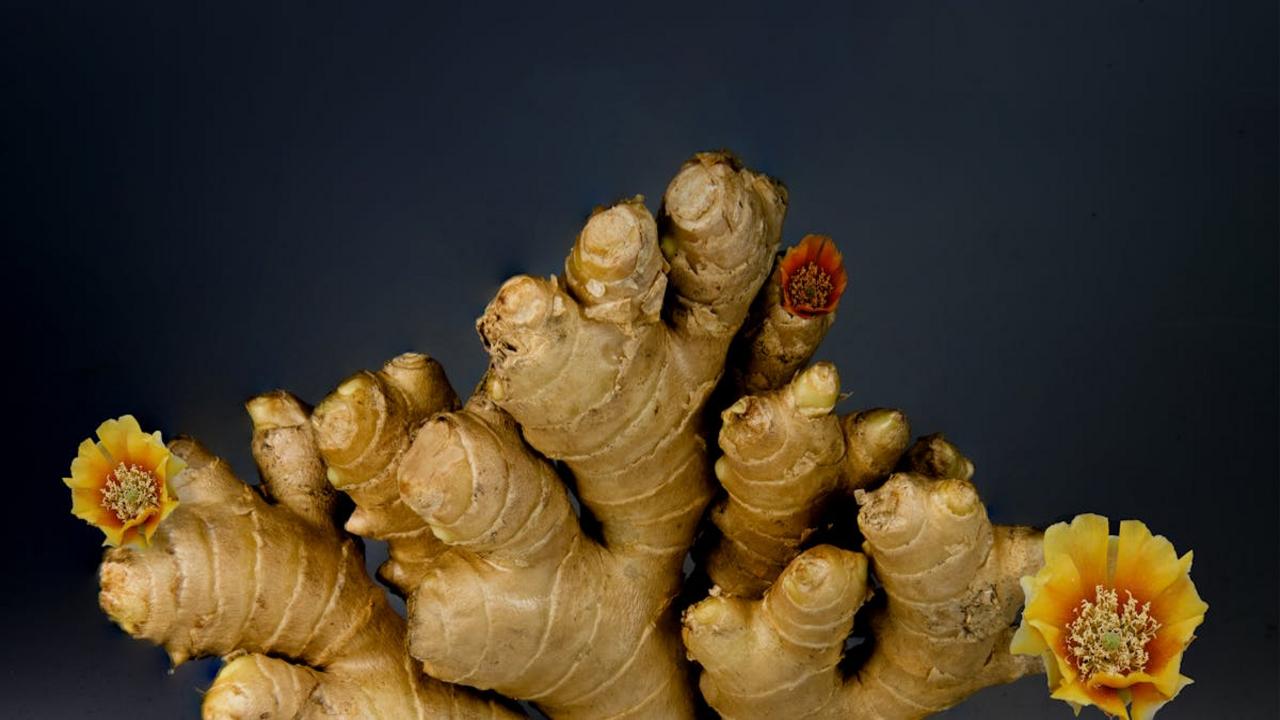
Listen up, ginger lovers! You might be buying fresh ginger root only to watch it slowly shrivel up in your fridge drawer (I’ve been there too many times). But here’s a genius kitchen hack that’ll make your future stir-fries way easier – you can totally freeze ginger! Just peel the root, cut it into thumb-sized pieces, pop them in a freezer bag, and boom – you’ve got fresh ginger ready to go for months. The best part? Frozen ginger actually grates more smoothly than fresh, creating this perfect snow-like consistency that melts right into your dishes.
My favorite trick is to grate the frozen ginger directly into soups or marinades without even thawing it first. The cold actually helps break down the fibers, making it extra easy to work with. Plus, you’ll save money by not having to toss out that forgotten knob of ginger that turned into a science experiment in your produce drawer. And here’s a fun fact: frozen ginger keeps its zingy kick for up to six months, so you can stock up when it’s on sale. Just remember to label your freezer bag with the date – future you will appreciate the heads-up!
Wine

Yes, you read that right – you can freeze wine! While wine snobs might gasp in horror, freezing leftover wine makes perfect sense if you cook regularly. Pour your Merlot or Chardonnay into ice cube trays and pop them in the freezer. Each cube equals about 2 tablespoons of wine – perfect for deglazing pans or adding rich flavor to sauces and stews. Just remember that frozen wine won’t taste quite the same after thawing, so save this trick for your cooking adventures rather than drinking.
Here’s a pro tip from my kitchen mishaps: don’t fill those ice cube trays to the brim! Wine expands when frozen, and I learned this the hard way after finding purple icicles coating my freezer shelves. Now I leave about 1/4 inch of space at the top of each cube. Once frozen, pop the cubes into a freezer bag, label them by variety, and you’ll always have wine ready for your next coq au vin or beef bourguignon. Your future self will thank you when that recipe calls for “1/4 cup of dry white wine” and you don’t need to crack open a fresh bottle.
Eggs
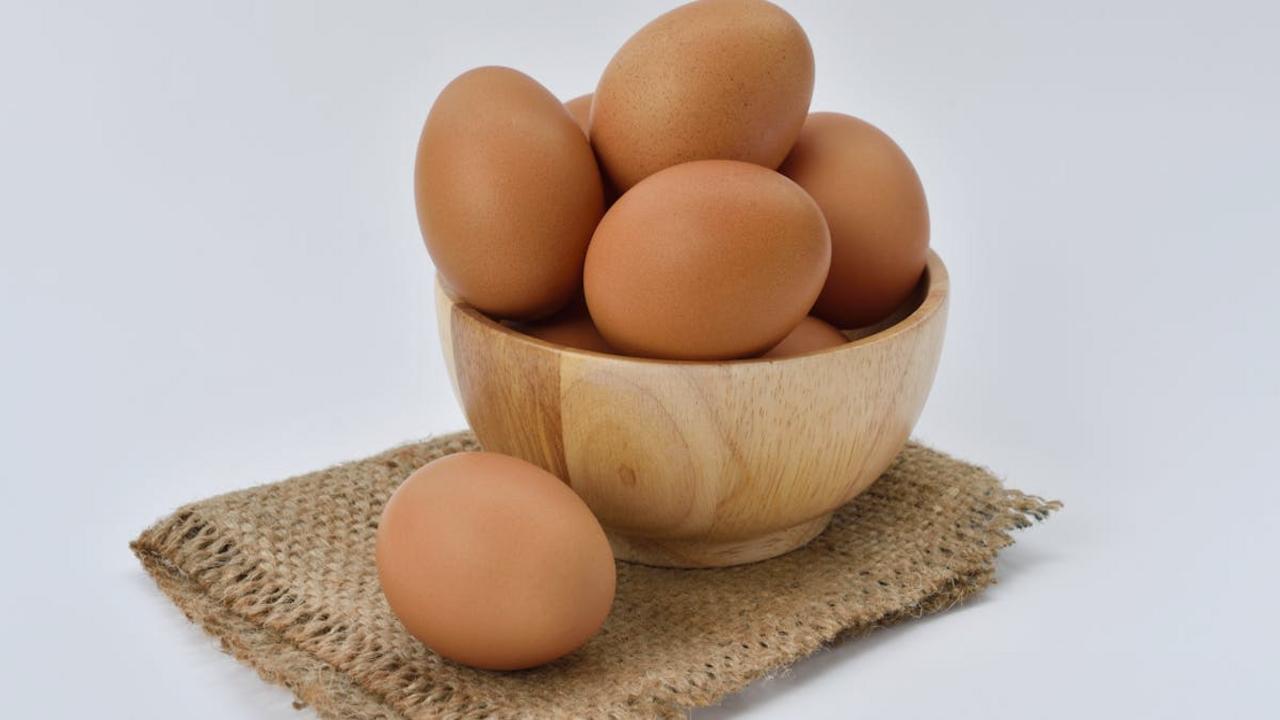
I bet you’re giving me the side-eye right now at the thought of freezing eggs. But trust me – you can totally freeze those precious orbs of protein! Your future self will thank you for stocking up when they’re on sale. Just crack each egg into a muffin tin, give them a gentle stir (yolk and white need to mingle), and pop the tin in the freezer. Once frozen, transfer your egg “pucks” to a freezer bag, and boom – you’ve got eggs ready for the next three months. I learned this trick during a power outage panic-buy situation, and now it’s my go-to money-saving hack.
Here’s the cool part – you can freeze whites and yolks separately too! The whites freeze like champs, but yolks need a little extra love. Add a pinch of salt or sugar (salt for savory dishes, sugar for baking) to prevent them from getting gummy. Once you’re ready to use them, thaw your frozen eggs overnight in the fridge, and cook them within 24 hours. Just remember – frozen eggs work best in baking or scrambled – you won’t get that perfect sunny-side-up with these babies. And always mark the date on your freezer bags because even frozen eggs have their limits – about three months before they start throwing a quality fit.
Cheese
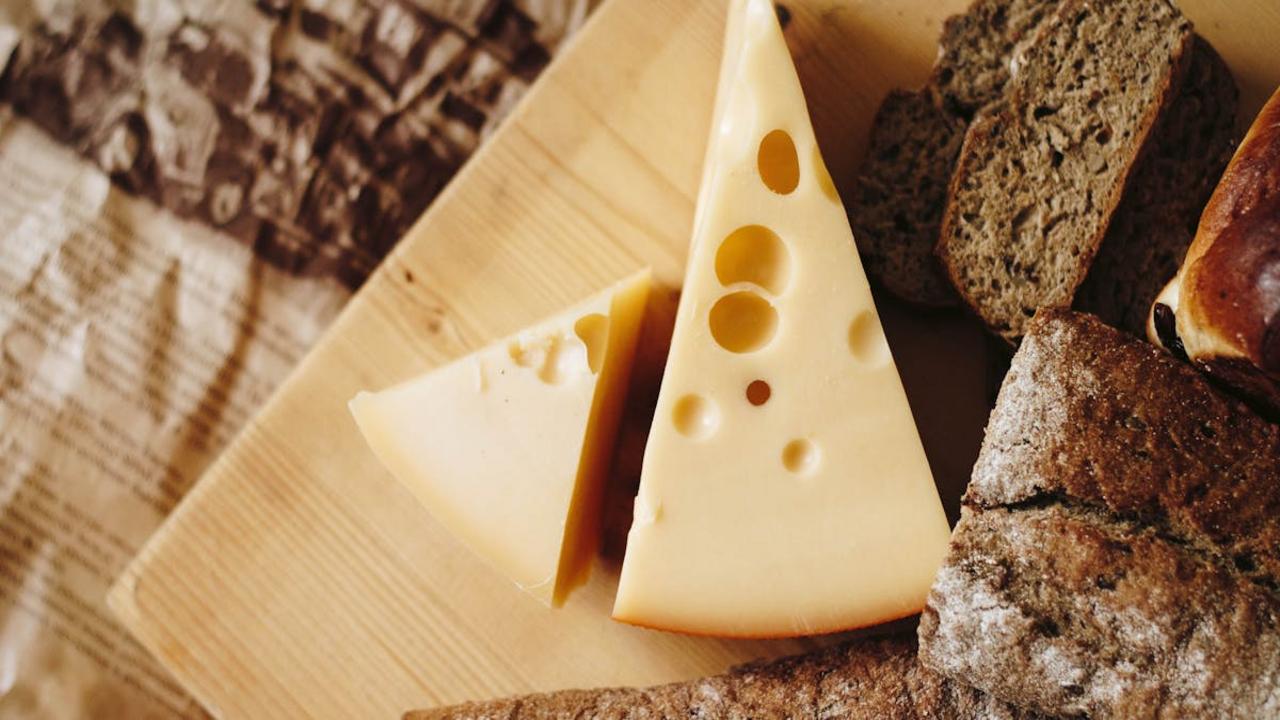
I bet you’ve thrown away moldy cheese more times than you’d care to admit – I know I have! But here’s a game-changing trick: you can freeze cheese to make it last way longer. Hard and semi-hard cheeses like cheddar, Swiss, and Gouda freeze beautifully for up to 6 months. Just grate or slice them before freezing, and pack them in airtight containers or freezer bags with parchment paper between layers to prevent clumping. This method works especially well if you buy cheese in bulk during sales or want to preserve that fancy artisanal block you splurged on.
Now, here’s what you need to know: soft cheeses like cream cheese, goat cheese, and mascarpone also freeze well, though their texture might change slightly after thawing. I learned this trick after panic-buying too many bricks of cream cheese for a cheesecake marathon that never happened. The secret? Thaw frozen cheese in the fridge overnight and use it in cooked dishes rather than on crackers or cheese boards. If you notice the cheese becoming crumbly after freezing, add a splash of milk while heating it up – this brings back its creamy consistency. Your future self will thank you for saving all that cheese from an untimely trash can fate!
Bananas

Ever stared at those spotty bananas on your counter and thought “I should’ve eaten those sooner”? Stop throwing them away! Your freezer can transform those overripe bananas into frozen gold. I keep a “banana bank” in my freezer – a plastic container where I stash peeled, chopped bananas whenever they get too ripe. You wouldn’t believe how perfectly they freeze! Just peel them, chop them into chunks, and pop them into a freezer bag or container. No more banana guilt, and you’ll always have them ready for smoothies, banana bread, or nice cream.
Here’s a pro tip that’ll change your banana game forever: freeze them with the peel on if you’re planning to bake with them later. The peel turns black (don’t freak out, it’s normal!), but the fruit inside stays perfect for baking. Want to use them? Just thaw them for about an hour, snip off the end, and squeeze – the banana will slide right out like toothpaste from a tube! These frozen bananas actually get sweeter over time because their starches convert to sugar during freezing. I’ve kept mine frozen for up to six months with no loss in quality – though they rarely last that long in my house!
Butter
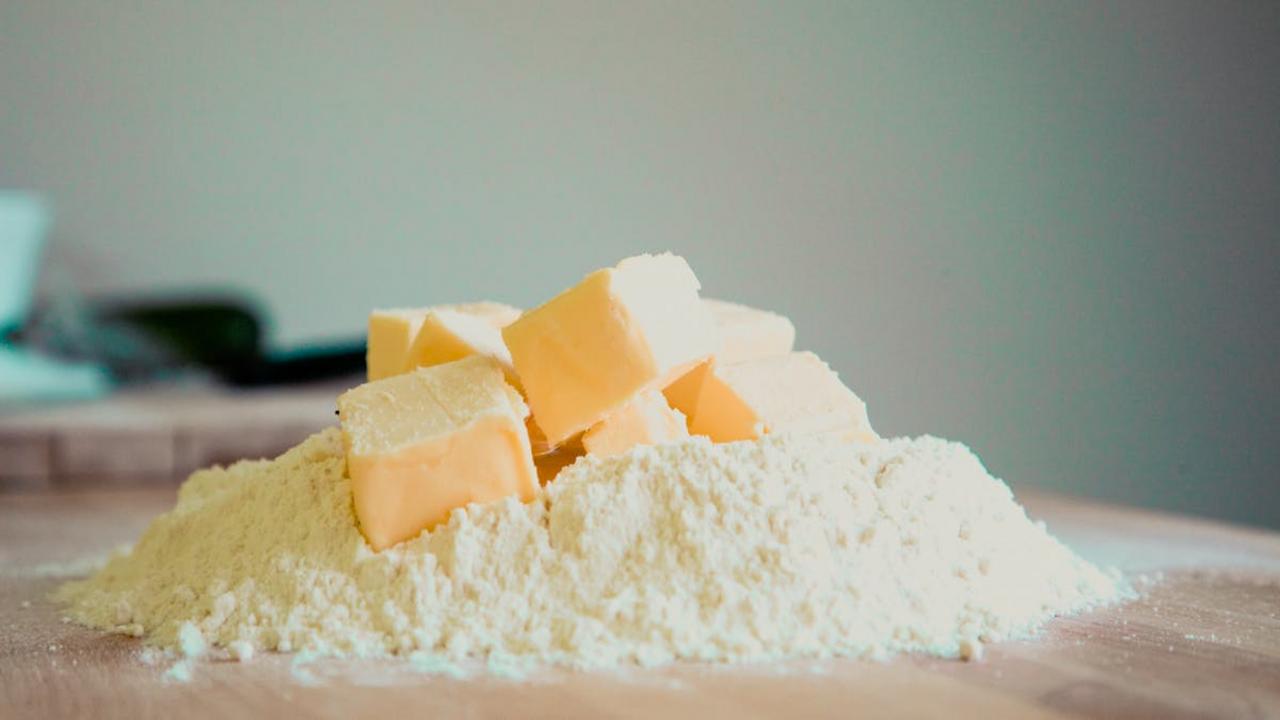
You might think butter belongs solely in your fridge, but I’ve got news for you – your freezer can be butter’s best friend! I keep blocks of butter in my freezer whenever I spot a great sale, and they stay fresh for up to 6 months. Just wrap your butter tightly in foil or pop it in a freezer bag, and you’ll always have some ready for your next baking spree. The trick is to freeze it in smaller portions – I cut mine into 1/4 pound blocks, which makes it super convenient when I need just a stick for my midnight cookie-making adventures.
Here’s a pro tip that changed my baking game forever: grate frozen butter directly into your pastry dough for the flakiest pie crusts and biscuits you’ve ever tasted. The tiny frozen pieces create perfect little pockets of air as they melt in the oven. And if you’re worried about texture changes, don’t be! Once thawed in the fridge overnight, your butter will return to its original creamy glory. Just remember to mark the date on your packages – while frozen butter can last up to a year, the flavor stays best within those first six months.
Bread Dough

Who knew your freezer could double as a mini bakery? I discovered this genius hack during a particularly ambitious weekend when I made enough bread dough to feed a small army. Instead of watching it go to waste, I portioned the dough into individual loaf sizes, popped them into freezer bags, and stashed them away. The magic? Raw bread dough keeps its yeasty charm for up to three months in the freezer, and you can thaw it overnight in the fridge whenever you want fresh-baked bread without the mixing mess.
Here’s the trick to freezing bread dough like a pro: Let your dough complete its first rise, then punch it down and shape it. Wrap it tightly in plastic wrap, followed by a freezer bag with all the air squeezed out. When you’re ready to bake, just move your frozen dough to a greased loaf pan, cover it, and let it thaw and rise in the fridge overnight. The next morning, you’ll have perfectly risen dough ready to bake. Your kitchen will smell like a French bakery, and your friends will think you woke up at dawn to make bread from scratch. I won’t tell if you don’t!
Rice
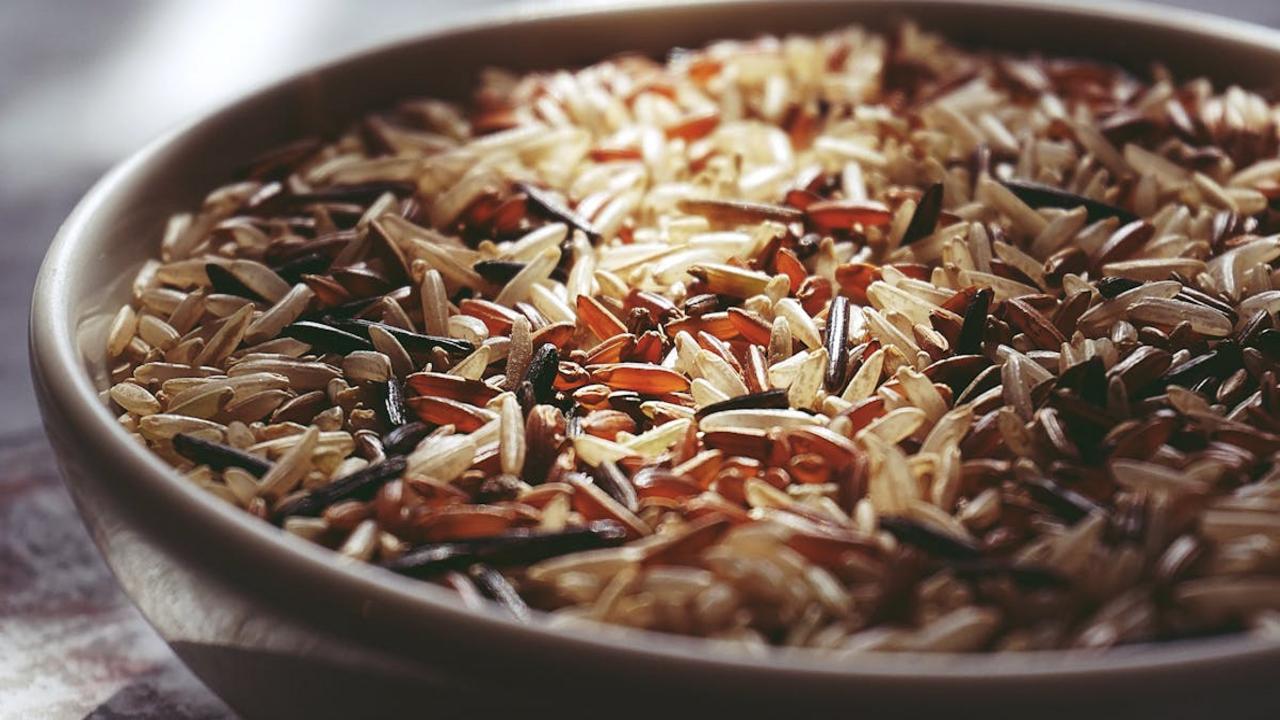
Hey, did you know your leftover rice doesn’t have to become a science experiment in the back of your fridge? I learned this trick from my grandmother – you can freeze cooked rice and keep it fresh for up to six months! The secret lies in cooling it quickly after cooking and storing it in airtight containers or freezer bags. Here’s my favorite method: spread the rice on a baking sheet to cool it fast, then portion it into serving sizes before popping it in the freezer. This way, you’ll always have ready-to-go rice for those busy weeknight dinners.
The best part? Frozen rice actually reheats beautifully – sometimes even better than fresh rice that’s been sitting in your fridge for a few days. Just add a splash of water before microwaving, and it’ll come back to life in minutes. I’ve tried this with all types of rice – jasmine, basmati, brown, and wild rice – they all freeze perfectly. My mom used to cook massive batches of rice on Sundays, freeze them in individual portions, and we’d have perfect rice all week long. No more waiting 20 minutes for fresh rice to cook when you’re starving after work!
Tofu
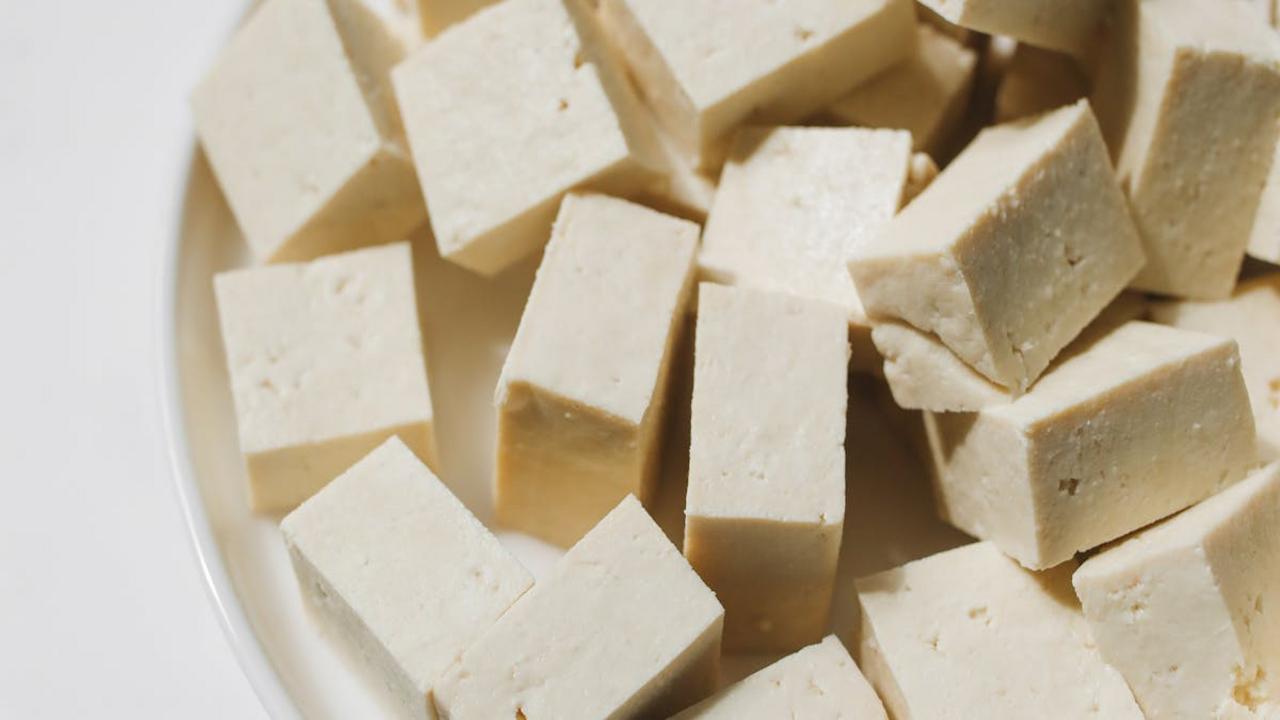
Hey, did you know your favorite protein-packed soybean block can take a trip to the freezer? I learned this trick during my vegetarian phase, and it completely changed my tofu game! When you freeze tofu, something magical happens – the water inside forms ice crystals that create tiny pockets throughout the block. After thawing, you’ll get a spongier, more meat-like texture that soaks up marinades and sauces like nobody’s business. Plus, frozen tofu crumbles beautifully for recipes like vegan chili or plant-based ground “meat.”
To freeze tofu properly, drain the liquid from the package and cut the block into your preferred sizes – cubes, slices, or leave it whole. Pat it dry with paper towels, then pop it into a freezer bag or container. Your tofu will keep frozen for up to 3 months. When you’re ready to use it, thaw it in the fridge overnight or give it a quick defrost in the microwave. Once thawed, squeeze out the excess water (there will be a lot!), and your tofu will be ready to soak up any flavors you throw at it. My personal favorite? Marinating the thawed, squeezed tofu in a spicy garlic-ginger sauce before pan-frying it to crispy perfection.
Yogurt

Who knew that creamy, tangy yogurt could survive the freezer and come out ready to party? While you might think freezing would turn your favorite breakfast buddy into an icy disaster, I’ve got news for you – yogurt handles the big chill like a champ! You can freeze individual portions in ice cube trays for smoothies, or store larger amounts in airtight containers for up to 3 months. The texture might change slightly once thawed, but the probiotics and nutritional benefits stay intact. Just give it a good stir after thawing, and you’re back in business.
Here’s a fun trick I learned from my penny-pinching aunt: stock up on yogurt when it’s on sale and freeze it in measured portions for baking. Those little cubes work magic in muffins, cakes, and even marinades. If you’re freezing Greek yogurt, expect it to become a bit more grainy upon thawing – but don’t let that stop you! Mix it with fresh fruits or honey, and nobody will notice the difference. Pro tip: leave about an inch of space at the top of your container since yogurt expands when frozen, unless you want to find a yogurt explosion next time you open your freezer door (trust me, been there, done that!).
Nuts
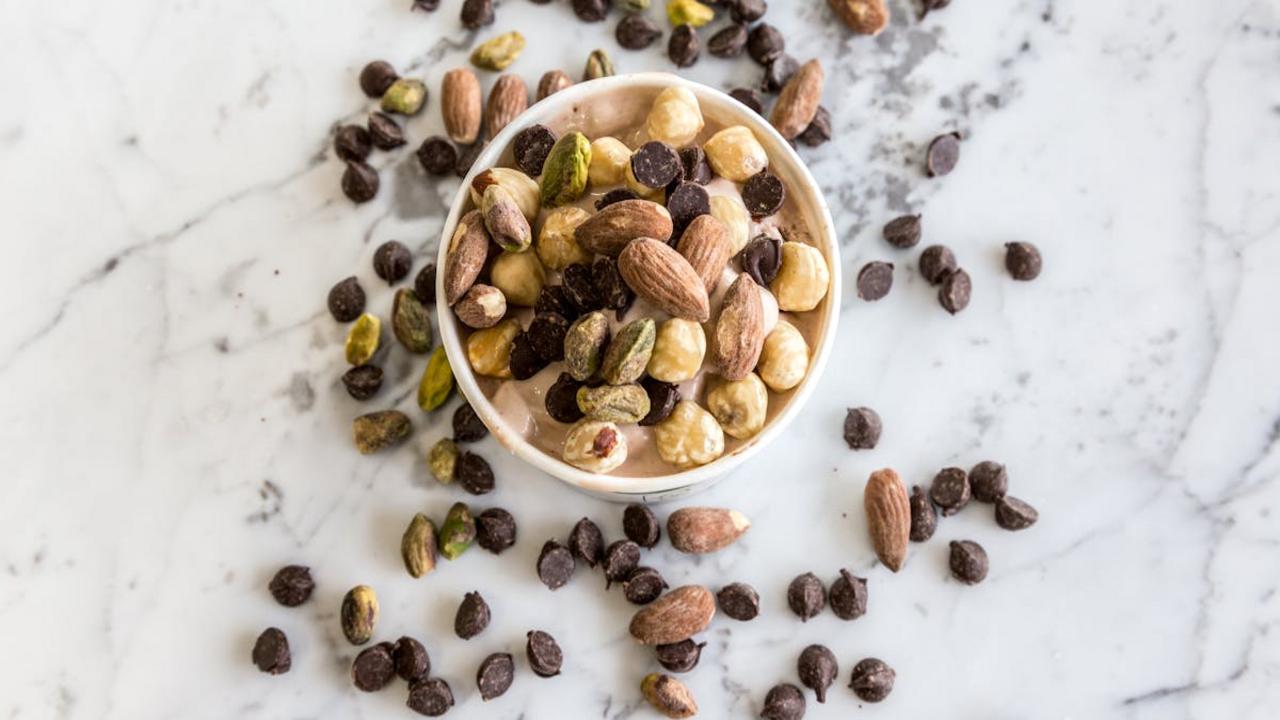
You probably have a stash of nuts hiding in your pantry right now, but did you know your freezer could be their perfect vacation home? Those precious pecans, almonds, and walnuts contain natural oils that can turn rancid at room temperature within a few months. But pop them in the freezer, and you’ll extend their life by up to two years! I learned this trick after finding a forgotten $20 bag of pine nuts that had gone bad in my cabinet – a mistake I won’t make twice. Now I keep my nuts in airtight containers or heavy-duty freezer bags, and they stay fresh and flavorful for my midnight snacking needs.
The best part? You don’t need to thaw frozen nuts before using them in recipes. Just grab what you need and toss them straight into your cookie dough, salads, or morning oatmeal. The freezer actually helps preserve their natural oils and keeps them from going stale or developing that awful bitter taste. My favorite morning hack is keeping sliced almonds in the freezer – they go straight onto my yogurt while frozen and create this amazing crunchy texture that makes breakfast feel fancy. Plus, buying nuts in bulk and freezing them saves serious cash, especially if you catch them on sale. Just remember to push out all the air from your storage bags to prevent freezer burn!