13 Irresistible Reasons We Crave Junk Food Again and Again
You know that moment when you promise yourself you’ll eat better, then find yourself reaching for chips at 3 PM? You’re not alone in this struggle. Our brains are wired to seek out those salty, sweet, and fatty foods that make us feel good in the moment, even when we know they don’t serve our long-term health goals.
Understanding why we crave junk food helps us make peace with these impulses instead of fighting against them. From the dopamine hits that make us feel temporarily happy to the convenience factor that fits our busy lives, these cravings have real science behind them. Your body isn’t betraying you—it’s responding to powerful signals.
By recognizing these thirteen triggers, you can start building healthier habits that satisfy those same needs. Think of it as getting curious about your patterns rather than judging them. When you understand what drives these cravings, you can create nourishing alternatives that truly satisfy you.
Habit Formation
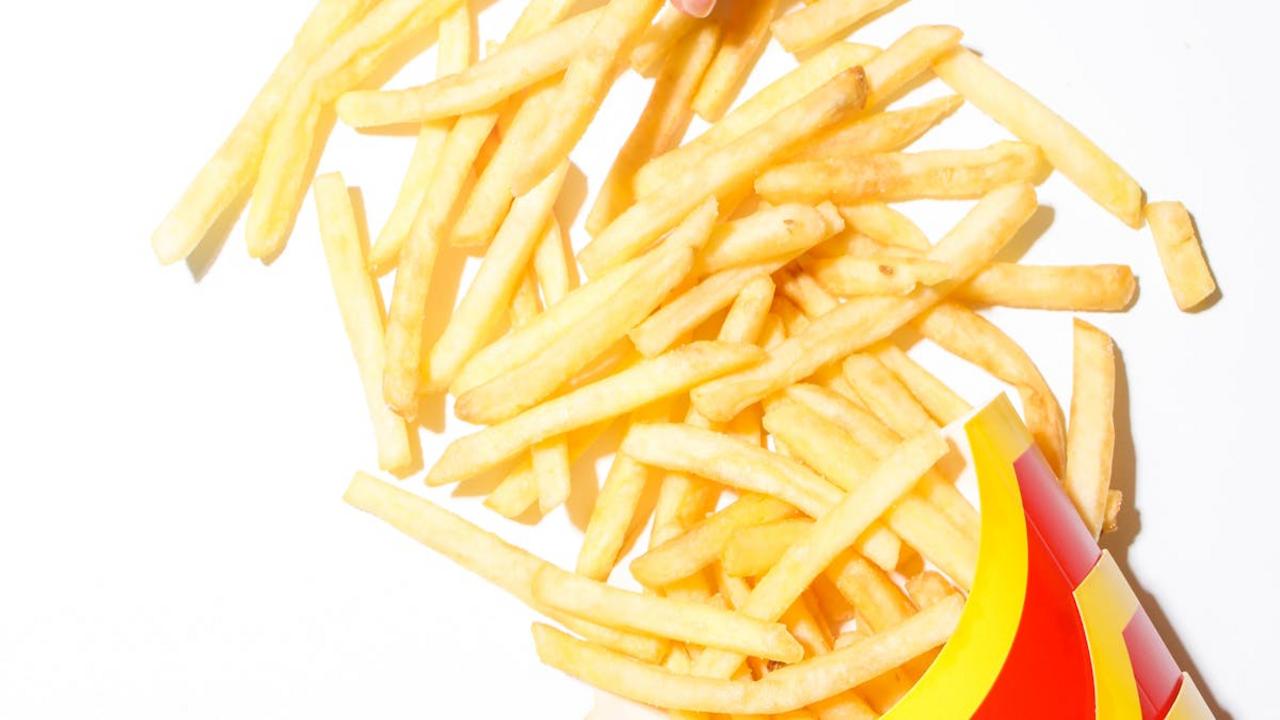
Your brain loves patterns, and junk food companies know this secret all too well! Every time you reach for that bag of chips or grab a candy bar, your brain releases dopamine and creates neural pathways that make you want to repeat the same action. Think about it – you probably eat certain snacks at specific times without even thinking about it. Maybe you always grab chocolate after lunch or munch on cookies while watching TV. These aren’t random cravings; they’re deeply ingrained habits your brain has learned to crave automatically.
Breaking these food habits feels incredibly difficult because your brain treats them like any other routine – brushing your teeth, checking your phone, or taking the same route to work. The good news? You can redirect this powerful habit-forming system toward healthier choices! Start small by replacing one junk food habit with something nourishing. Instead of afternoon vending machine visits, try keeping fresh fruit or nuts at your desk. Your brain will gradually form new, healthier patterns, and before you know it, reaching for an apple will feel just as automatic as that old candy bar habit used to feel.
Fast Energy Fix
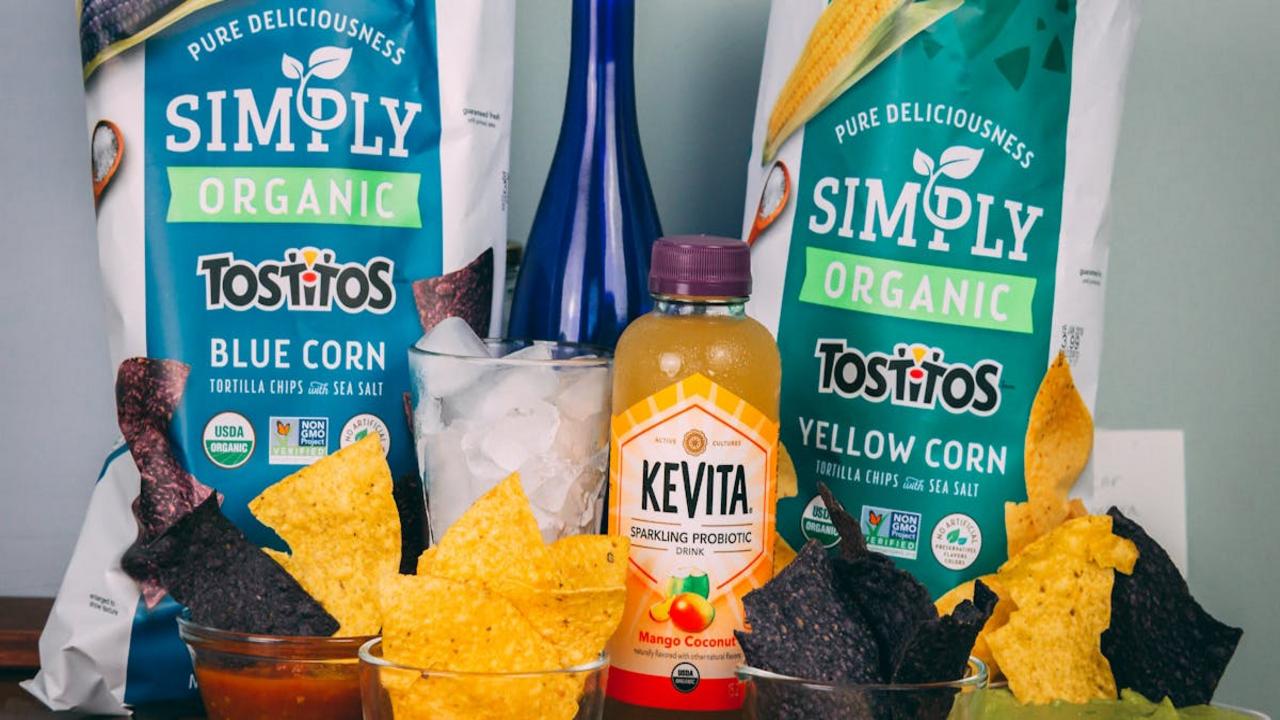
Your body craves that instant energy boost junk food provides because it recognizes these processed treats as quick fuel sources. When you reach for chips, cookies, or candy, you’re giving your system simple carbohydrates and sugars that rush directly into your bloodstream. This rapid glucose spike signals your brain that energy is available NOW, which feels incredibly satisfying in the moment. Your metabolism doesn’t have to work hard to break down these refined ingredients – they’re already processed for maximum absorption speed.
Think about those afternoon energy crashes when you feel like you could fall asleep at your desk. Your brain immediately starts sending signals for the fastest fix possible, and junk food answers that call perfectly. The problem is that this quick energy boost comes with an equally fast crash, leaving you more tired than before and craving another fix. Your body becomes stuck in this cycle because it remembers how quickly junk food solved the energy problem, even though it’s only temporary. Breaking free means choosing whole foods that provide steady, sustained energy instead of these roller-coaster highs and lows that keep you reaching for more processed snacks.
Artificial Flavoring
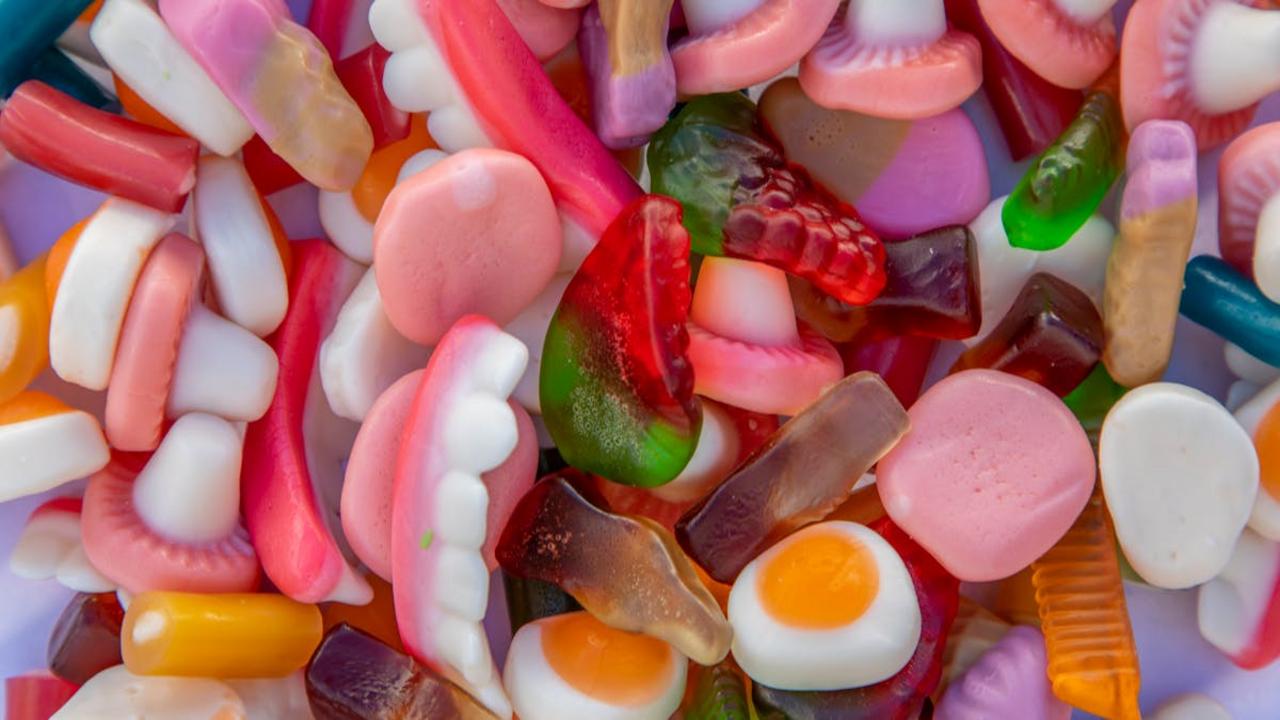
You know that intense burst of “cheese” flavor in your favorite chips or that impossibly perfect strawberry taste in candy? That’s artificial flavoring working its magic on your brain. These lab-created compounds don’t just mimic natural flavors – they often amplify them way beyond what nature intended. Food scientists design these synthetic flavor enhancers to hit specific receptors in your mouth and nose, creating an almost addictive response that keeps you reaching for more. Your brain gets so accustomed to these super-concentrated flavors that real food can start to taste bland in comparison.
What makes artificial flavoring so sneaky is how it tricks your satisfaction signals. When you bite into that artificially flavored snack, your brain expects the nutrients that should come with such intense flavor, but they’re not there. This creates a disconnect that leaves you unsatisfied and craving more, even after you’ve consumed plenty of calories. The result? You keep eating, searching for that nutritional payoff your body never receives. Breaking free from this cycle means gradually retraining your palate to appreciate the subtle, complex flavors found in whole foods – and trust me, once you do, you’ll discover a whole new world of natural deliciousness that actually nourishes your body.
Marketing Tactics
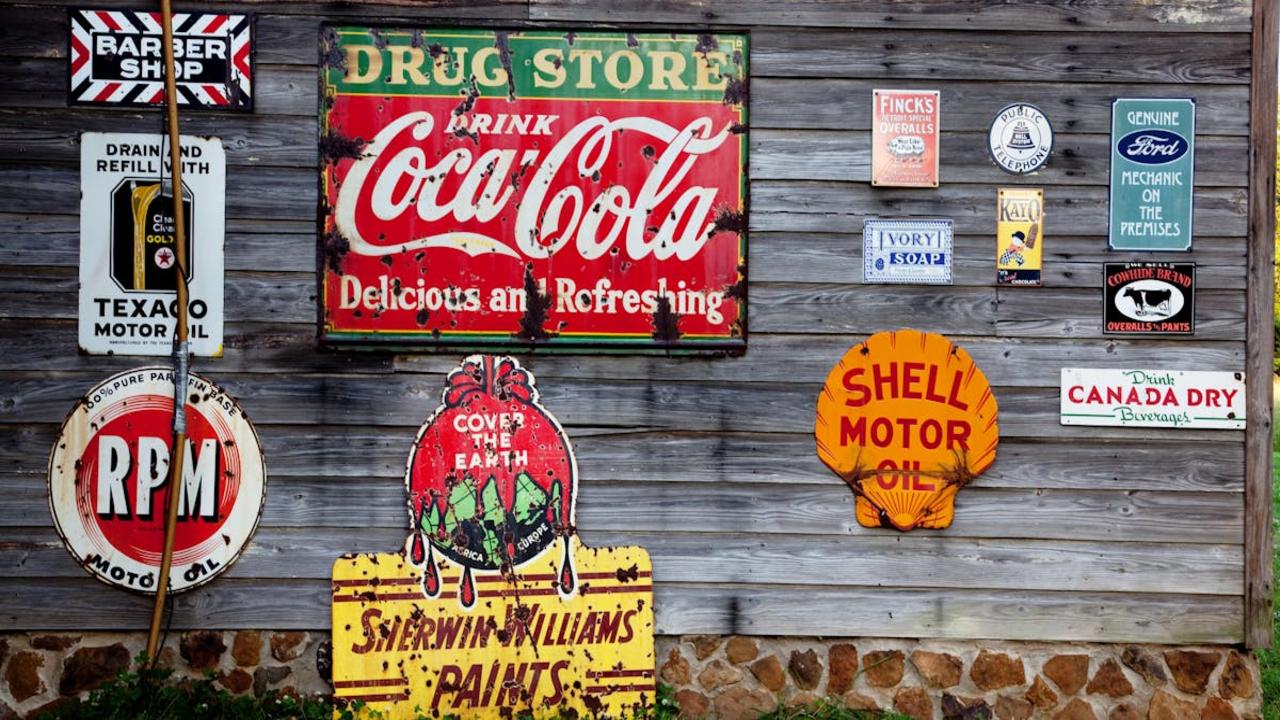
Food companies spend billions of dollars perfecting their marketing strategies, and trust me, they know exactly how to push your buttons! Those bright, colorful packages aren’t accidents – they’re carefully designed to catch your eye and trigger instant cravings. You’ve probably noticed how chips and candy bars sit right at eye level in grocery stores, or how fast-food commercials always seem to pop up right when you’re getting hungry. These companies study your shopping habits, your emotional triggers, and even the colors that make you feel most tempted. They place their products strategically, use specific fonts and imagery, and time their advertisements to hit you when you’re most vulnerable to making impulsive food choices.
The psychology behind these marketing tactics runs incredibly deep, targeting everything from nostalgia to social connection. Remember those commercials showing families bonding over pizza or friends sharing a bag of chips during movie night? These brands aren’t just selling food – they’re selling experiences, memories, and emotions. They create associations between their products and happiness, celebration, or comfort during tough times. Social media has made this even more powerful, with targeted ads that know your exact preferences and shopping patterns. You see your favorite influencer enjoying that new donut flavor, and suddenly you’re craving it too. These marketing teams understand that when they can connect their junk food to positive emotions and social experiences, you’ll keep coming back for more, creating a cycle that’s incredibly hard to break.
Social Pressure

You know that feeling when everyone around you is munching on pizza at the office party, and suddenly your healthy salad feels completely inadequate? Social situations create powerful food cravings that go way beyond simple hunger. When friends gather for movie nights with bowls of chips and candy, or when colleagues suggest grabbing burgers for lunch, saying no becomes surprisingly difficult. Your brain interprets these moments as opportunities for bonding and belonging, making those french fries seem like the key to fitting in with your group.
Food becomes a social currency in many relationships, and junk food often takes center stage during celebrations, gatherings, and casual hangouts. Think about birthday parties with cake, game nights with nachos, or those late-night fast food runs with friends. These experiences create strong emotional connections between certain foods and positive memories. Your mind starts associating processed snacks with fun times and social acceptance, making it harder to choose healthier options when you’re with others. Breaking free from this cycle means recognizing that you can participate fully in social activities without compromising your health goals, and often your friends will respect your choices more than you expect.
Stress Eating

When life throws you curveballs, your brain automatically reaches for that bag of chips or pint of ice cream. This isn’t weakness – it’s biology working overtime! Stress triggers your body to release cortisol, a hormone that cranks up your appetite and specifically makes you crave high-calorie, high-fat foods. Your clever brain remembers that these foods provided quick energy during tough times throughout human evolution, so it sends urgent signals demanding immediate comfort through food.
You’ve probably noticed how a rough day at work suddenly makes that leftover pizza irresistible, or how relationship drama sends you straight to the cookie jar. Stress eating creates a temporary feel-good cycle because these foods actually do boost serotonin levels in your brain, giving you genuine (though fleeting) relief. The problem? This biological response was designed for short-term physical threats, not the chronic mental stress we face today. Your body can’t tell the difference between running from a predator and dealing with a demanding boss, so it keeps demanding those quick-fix foods that once helped our ancestors survive.
Convenience Factor

Picture this: you’re racing home after a long day, exhausted and hungry, and there’s that familiar golden glow of a drive-through beckoning you. Junk food wins the dinner battle because it’s ready in seconds, requires zero prep work, and demands absolutely nothing from your already drained energy reserves. While your kitchen sits there with fresh vegetables that need washing, chopping, and actual cooking time, that bag of chips or frozen pizza becomes your knight in shining armor. The convenience factor isn’t just about being lazy – it’s about survival mode kicking in when life gets overwhelming.
Fast food companies have mastered the science of making their products ridiculously accessible. You can grab a burger without leaving your car, order pizza with a single tap on your phone, or find processed snacks in every corner store, gas station, and vending machine. Compare that to preparing a wholesome meal: you need to plan ahead, shop for ingredients, spend time cooking, and then face the dreaded cleanup afterward. When you’re juggling work deadlines, family responsibilities, and a social life, that extra hour of meal prep feels like a luxury you simply can’t afford. The convenience gap between junk food and home cooking creates a powerful pull that’s hard to resist.
Affordable Prices
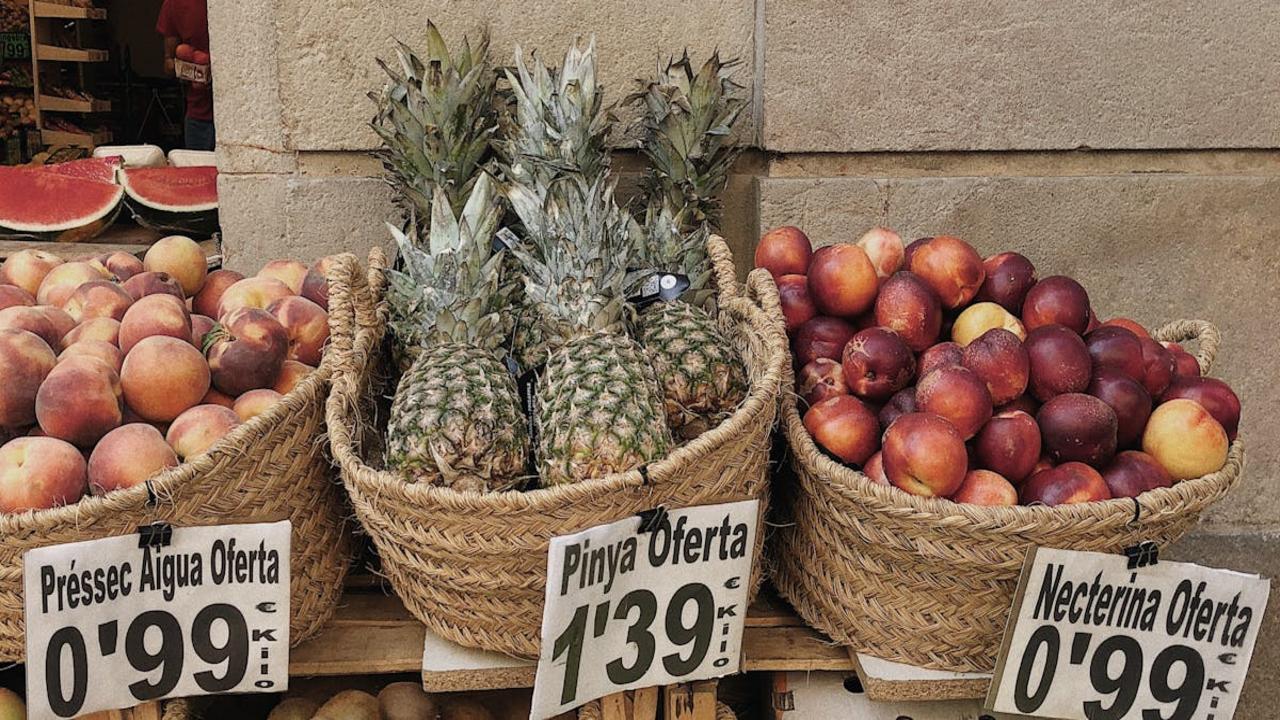
Let’s be honest – junk food wins the budget battle almost every time! When you’re standing in the grocery store comparing prices, that bag of chips at $2 versus fresh berries at $6 makes the decision feel pretty straightforward. Fast food chains have mastered the art of stretching your dollar, offering combo meals and value menus that seem like incredible deals. You can feed yourself (and maybe even a friend) for less than what you’d spend on ingredients for a homemade salad.
Here’s what really gets me though – this affordability creates a cycle that’s hard to break. When money’s tight, which happens to all of us, grabbing that inexpensive processed meal feels like the smart choice. The food industry knows this and designs pricing strategies specifically to make healthier options seem expensive by comparison. But here’s a little secret I’ve learned: bulk cooking grains, beans, and seasonal vegetables can actually beat junk food prices while nourishing your body. It takes planning, sure, but once you start batch cooking and freezing portions, you’ll discover that wholesome food doesn’t have to break the bank!
Easy Accessibility

You know that feeling when you’re rushing between meetings, and suddenly there’s a vending machine staring you down with bags of chips and candy bars? Junk food lives everywhere we go – convenience stores on every corner, drive-throughs that never close, and those tempting snack aisles that somehow multiply in grocery stores. This constant availability makes it incredibly simple to grab something quick without thinking twice. While fresh produce requires trips to specific sections or farmers markets, processed snacks literally surround us at gas stations, office buildings, and even hospital cafeterias.
The brilliant marketing minds behind these companies have made sure their products are within arm’s reach 24/7. Fast food restaurants stay open late, vending machines accept credit cards now, and delivery apps bring greasy comfort food right to your doorstep in minutes. Compare this to preparing a wholesome meal from scratch – you need to plan ahead, shop for ingredients, and actually spend time cooking. When you’re tired after a long day, that bag of cookies at the checkout counter feels like the obvious choice. This convenience factor creates a habit loop that’s tough to break, especially when healthier options require more effort and forethought to obtain.
Childhood Memories

Remember the pure joy of biting into your favorite candy bar after school, or the excitement of sharing a bag of chips with friends during recess? These powerful childhood memories create deep emotional connections to certain foods that follow us well into adulthood. Your brain literally wires these experiences together – the taste of that birthday cake, the smell of fresh cookies at grandma’s house, the satisfying crunch of your go-to cereal on Saturday mornings. These aren’t just random food preferences; they’re emotional anchors that transport you back to simpler, happier times.
When you reach for that familiar snack today, you’re not just satisfying hunger – you’re seeking comfort and nostalgia. Food manufacturers know this psychological trigger well, which is why many popular junk foods maintain consistent flavors and packaging designs across decades. That bright orange cheese dust on your fingers or the distinctive fizz of your favorite soda instantly reconnects you with those carefree childhood moments. Understanding this connection helps explain why breaking free from certain food habits feels so challenging – you’re not just changing what you eat, you’re potentially letting go of cherished memories that shaped who you are.
Salt Cravings

Your body sends powerful signals when it needs sodium, and junk food companies know exactly how to answer that call. When you reach for those perfectly salted chips or fries, you’re responding to a biological need that goes back thousands of years. Our ancestors needed salt to survive, and that primal drive still lives in every cell of your body today. The moment those salty crystals hit your tongue, your brain releases feel-good chemicals that make you want more. Food manufacturers have mastered this response, creating snacks with just the right amount of salt to trigger maximum satisfaction.
What makes salt cravings so intense is how quickly they can develop and how hard they are to ignore. Your body loses sodium through sweat, and modern processed foods have trained your palate to expect higher salt levels than natural foods provide. This creates a cycle where you crave more salt than you actually need for health. The good news? You can retrain your palate by gradually reducing sodium and adding herbs and spices to your meals. Fresh garlic, lemon juice, and aromatic herbs can satisfy that craving for bold flavors without sending you straight to the vending machine.
Sugar High
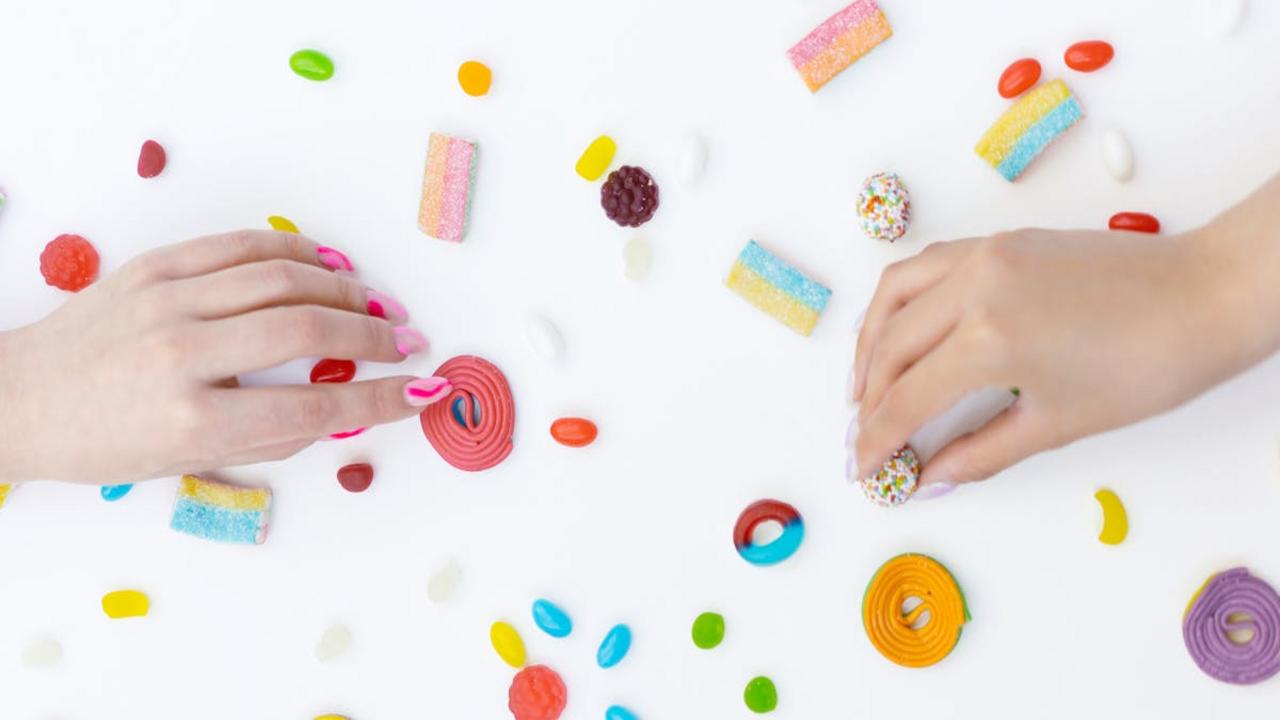
When you bite into that chocolate chip cookie or sip on your favorite soda, your brain lights up like a Christmas tree. Sugar triggers an immediate release of dopamine in your brain’s reward center, creating that euphoric “sugar high” feeling we all know and love. This rush happens so quickly that your body starts associating sweet treats with instant pleasure and comfort. The more sugar you consume, the more your brain craves that same dopamine hit, creating a cycle that keeps you reaching for another cookie, another slice of cake, or another sugary snack.
Here’s what makes this even trickier: your body processes refined sugar incredibly fast, causing your blood glucose levels to spike dramatically before crashing down just as quickly. This rollercoaster effect leaves you feeling tired, irritable, and guess what? Craving more sugar to get back to that high. I’ve noticed this pattern in my own kitchen experiments – after testing particularly sweet recipes, I find myself wanting something sugary again within hours. Your brain remembers that sugar equals instant energy and mood boost, so it sends out those craving signals loud and clear, making it nearly impossible to resist that next sweet temptation.
Dopamine Rush

Your brain lights up like a Christmas tree every time you bite into that crispy french fry or creamy chocolate bar. Junk foods trigger massive dopamine releases in your reward center, creating an instant feel-good sensation that’s almost impossible to resist. This neurotransmitter acts like your brain’s personal cheerleader, shouting “More, more, more!” and making you crave that same pleasurable experience over and over again. The combination of sugar, salt, and fat in processed foods creates a perfect storm for dopamine production, far exceeding what you’d get from natural foods like apples or carrots.
What makes this particularly tricky is that your brain starts expecting these dopamine hits, creating a cycle where regular foods just don’t cut it anymore. You find yourself reaching for increasingly intense flavors and combinations to achieve that same satisfying rush. Food manufacturers know this secret too well, designing products specifically to trigger maximum dopamine release with every bite. The good news? You can retrain your brain by gradually introducing more whole foods and reducing processed options, allowing your dopamine receptors to reset and find joy in simpler, more nutritious choices again.