13 Genius Kitchen Hacks to Level Up Your Home Cooking Tonight
Cooking isn’t just about following recipes—it’s about understanding techniques that transform ordinary dishes into memorable meals. After years in my kitchen testing countless methods, I’ve gathered these 13 genius hacks that will immediately improve your cooking. From organizing ingredients to perfecting your plating, these tips work in real kitchens for real people.
You don’t need fancy equipment or professional training to cook amazing food. Simple adjustments like proper salt timing and meat resting make the biggest difference in flavor development. I’ve learned that quality ingredients treated with respect create dishes that nourish both body and soul.
These kitchen hacks reflect my cooking philosophy—blending global influences while keeping meals wholesome and made from scratch. I’ve tested each technique countless times and seen how they transform everyday cooking. Tonight, you’ll cook with more confidence and creativity using these practical, game-changing tips.
Food Plating Techniques
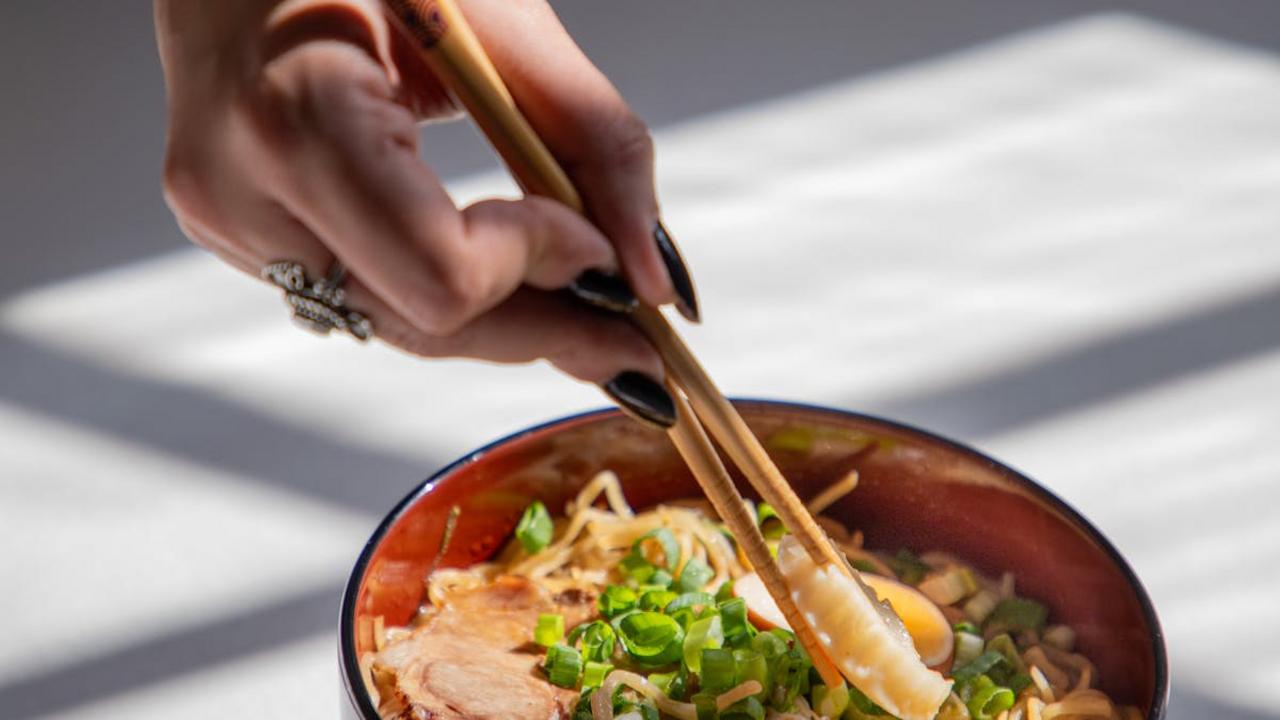
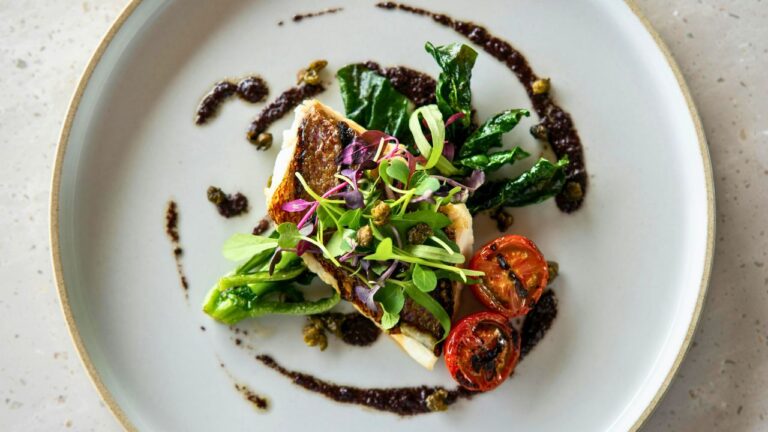
You know that moment when your food tastes incredible but looks like it went through a blender? I’ve been there countless times! Food plating doesn’t require fancy chef training—it’s about understanding a few simple principles that transform your home-cooked meals into restaurant-worthy presentations. The rule of thirds works magic here: imagine your plate divided into three sections, then place your protein, starch, and vegetables in different areas rather than piling everything in the center. I love using contrasting colors and textures—think golden turmeric rice against vibrant green herbs, or crispy roasted chickpeas scattered over smooth hummus.
Height creates visual drama without extra work. Stack your grilled vegetables or lean your protein against a mound of grains instead of laying everything flat. White plates remain your best friend because they make colors pop, but don’t overthink it—even a simple garnish of fresh herbs or a drizzle of tahini can elevate your everyday dinner. I keep microgreens and edible flowers in my fridge specifically for this purpose. Remember, you eat with your eyes first, and these small touches make your family feel special while encouraging you to slow down and appreciate the wholesome meal you’ve created from scratch.
Ingredient Quality Selection
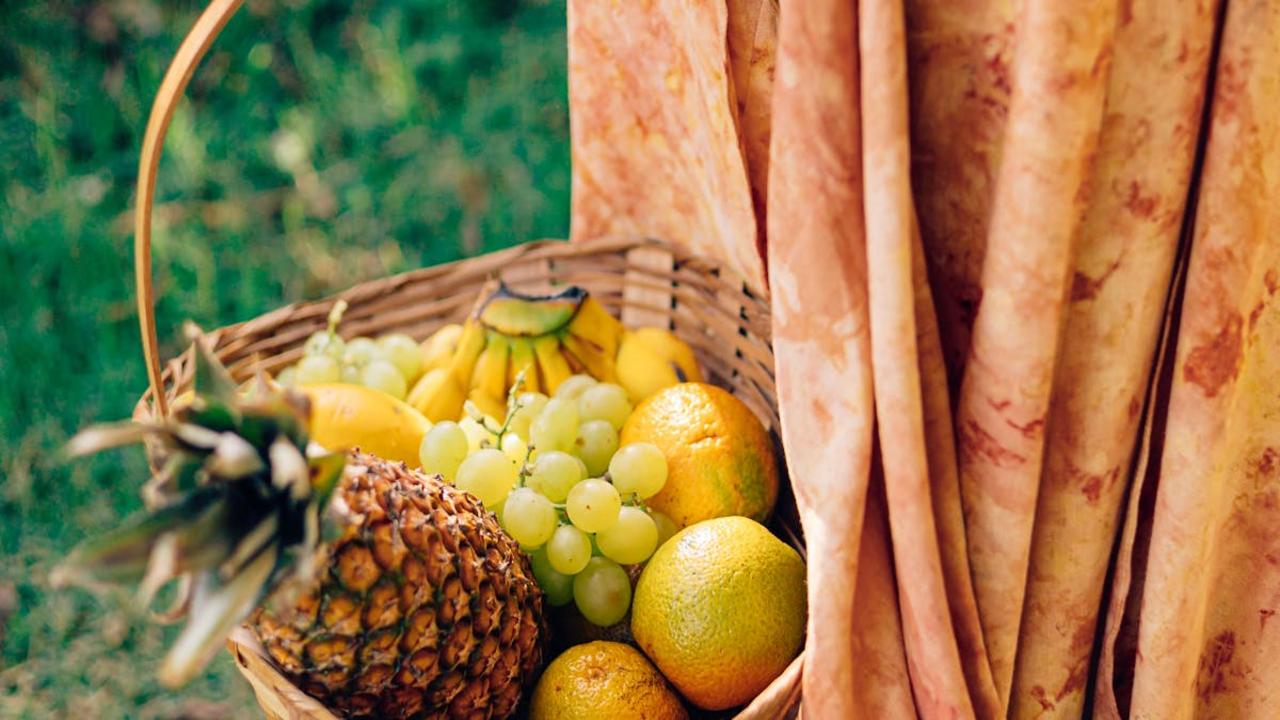
You know what transforms an ordinary dish into something magical? Starting with ingredients that actually deserve a spot in your kitchen. I’ve learned that buying the best you can afford—whether it’s vibrant tomatoes from your local farmer’s market or that extra-virgin olive oil that makes you close your eyes when you taste it—changes everything about how you cook. Fresh herbs should smell like they’re still growing in soil, your garlic should feel firm and heavy, and those onions shouldn’t have any soft spots hiding under papery skin. When you shop with intention and really look at what you’re buying, you start building dishes from a foundation of flavor.
Here’s my approach: I always smell, touch, and really examine my ingredients before they make it home. That slightly wrinkled bell pepper might look sad, but if it’s still firm and smells sweet, it could be perfect for roasting. I’ve discovered that seasonal shopping naturally leads you to the best quality—those December citrus fruits bursting with juice, spring’s tender asparagus, or summer’s sun-warmed stone fruits. Don’t get caught up in perfect appearances either; sometimes the most flavorful tomato is the one with character marks and irregular shape. Quality ingredients do most of the work for you, which means you can keep your preparations simple and let those natural flavors shine through every single bite.
Kitchen Tool Maintenance
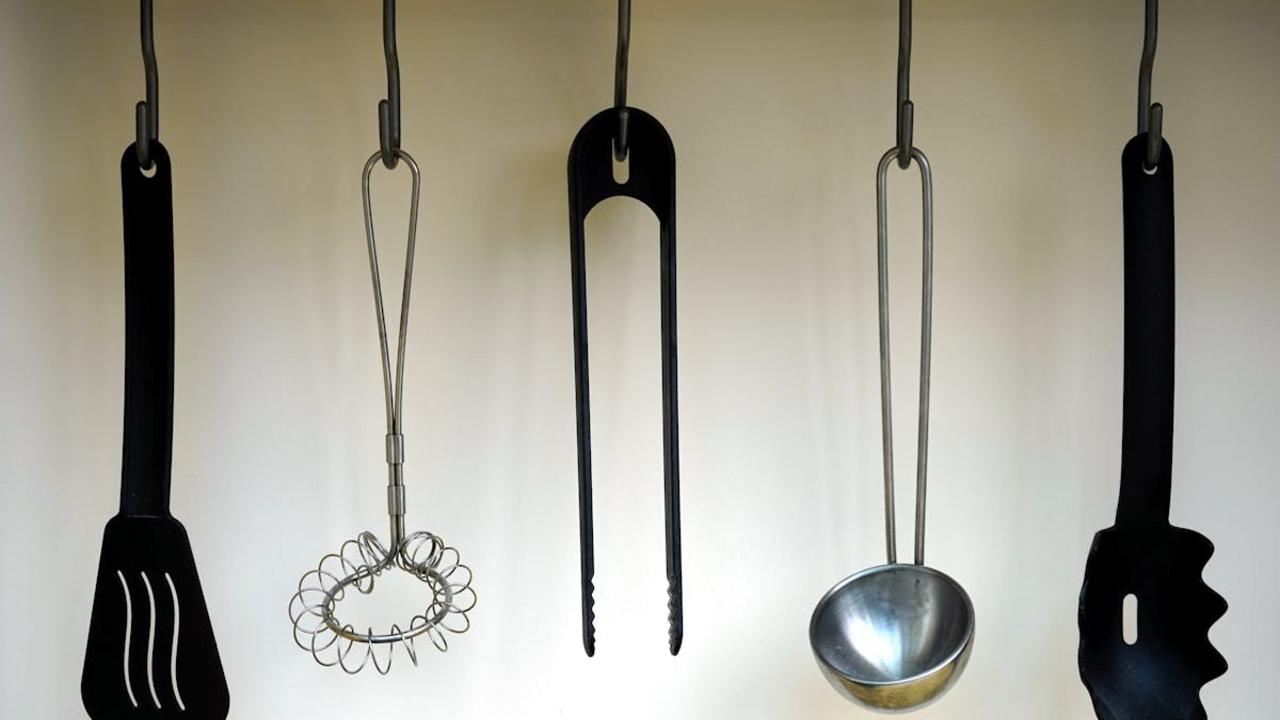
Your knives deserve better than that sad, dull existence they’ve been living in your knife block. I keep my blades sharp with a simple honing steel every few uses – just a few quick swipes at a 20-degree angle, and you’ll feel the difference immediately. Sharp knives don’t just make prep work faster; they make it safer too. A dull blade requires more pressure and can slip unexpectedly, while a properly maintained edge glides through tomatoes without crushing them and makes paper-thin onion slices effortless. Beyond knives, I oil my wooden cutting boards monthly with food-grade mineral oil, and I never put my cast iron in the dishwasher – a quick scrub with coarse salt and a light coating of oil keeps it seasoned perfectly.
Your blender and food processor work harder than any other tools in your kitchen, especially if you’re making fresh salsas, nut butters, and smoothie bowls like I do. I disassemble them completely after each use and soak the blades separately – trapped food particles can dull the edges and create funky odors. For stubborn residue, I blend warm soapy water for 30 seconds, which loosens everything without the scrubbing. Don’t forget your spice grinder either – I pulse uncooked rice through mine monthly to absorb oils and refresh the grinding chamber. These small maintenance habits transform your cooking experience because properly cared-for tools respond better, last longer, and help you create those restaurant-quality results at home.
Seasoning Adjustments
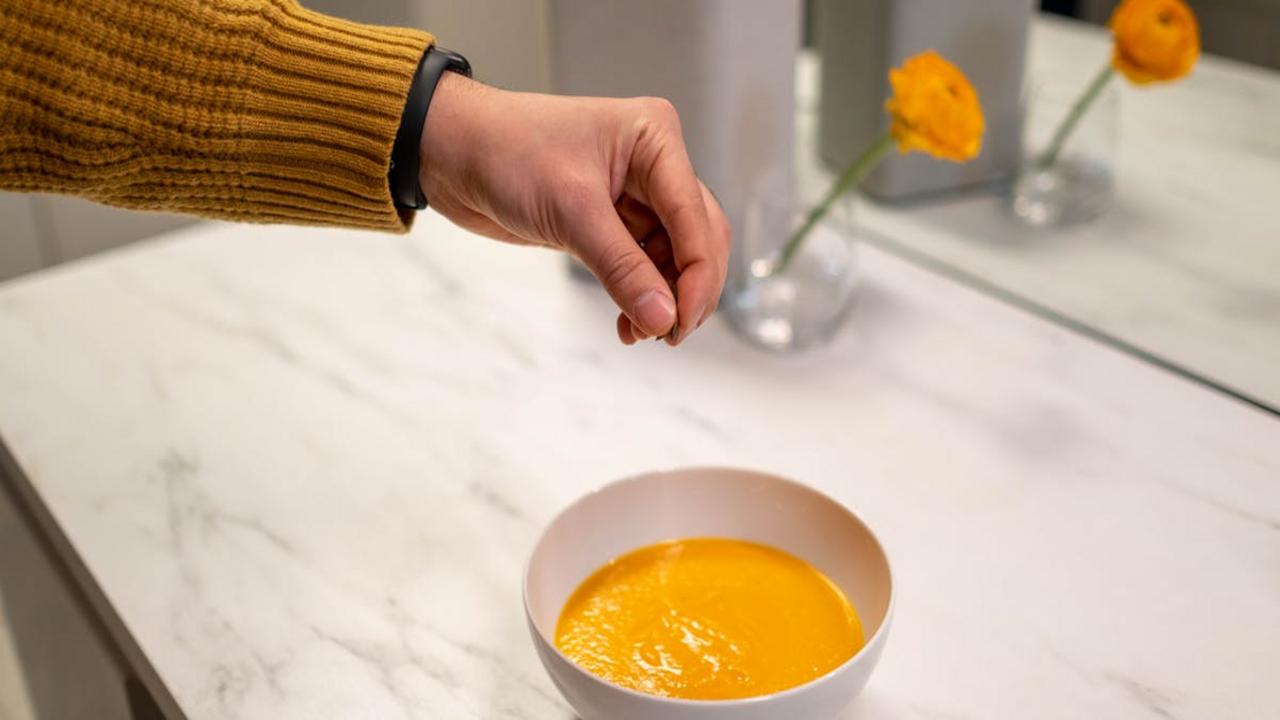
You know that sinking feeling when you taste your dish and realize something’s just… off? Maybe it’s too salty, too bland, or missing that perfect balance that makes your mouth water. Here’s what I do instead of panicking: I keep a few secret weapons on hand that can rescue almost any seasoning disaster. For oversalted dishes, add a splash of acid like lemon juice or vinegar – it doesn’t just mask the salt, it creates new flavor layers that make your dish sing. If something tastes flat, don’t automatically reach for more salt. Try a pinch of smoked paprika, a dash of tamari, or even a small spoonful of tomato paste to add depth and umami richness.
The real magic happens when you learn to taste with intention and adjust in small increments. I always keep a small spoon nearby while cooking so I can taste frequently and catch issues early. Sweet ingredients like honey or maple syrup can balance excessive heat or acidity, while a tiny amount of coffee or dark chocolate can deepen savory flavors in ways that surprise people. My grandmother taught me that cooking is like having a conversation – you listen, respond, and adjust until everything feels just right. Trust your instincts and remember that most seasoning mistakes are completely fixable with the right approach and a little creativity.
Flavor Layering
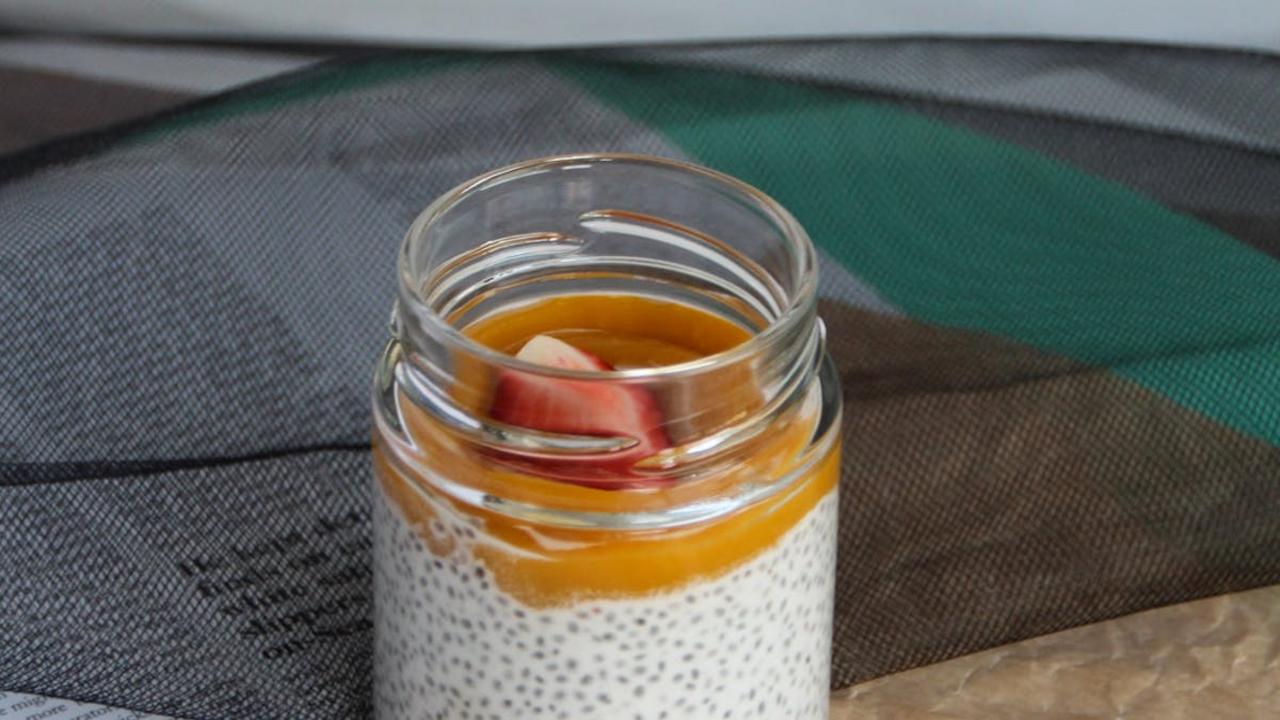
Think of flavor layering like building a beautiful song – each ingredient adds its own note, creating something far richer than any single component could achieve alone. I start with my aromatics – onions, garlic, ginger – letting them bloom in oil until they release their fragrance. Then I add spices at different stages: whole cumin seeds might go in early to infuse the oil, while ground coriander joins later to maintain its brightness. Fresh herbs come at the very end, preserving their delicate essence. This technique transforms a simple dish into something complex and satisfying.
Your salt strategy matters tremendously here too. I season proteins before cooking, add a pinch during the cooking process, and finish with a different type of salt – maybe flaky sea salt or smoked salt – right before serving. Each layer builds depth without overwhelming any single flavor. Try this with a basic tomato sauce: start with garlic and onion, add dried oregano early, fresh basil at the end, and finish with good olive oil and freshly cracked pepper. You’ll taste how each element contributes to a symphony of flavors that keeps you coming back for more.
Meat Resting Techniques
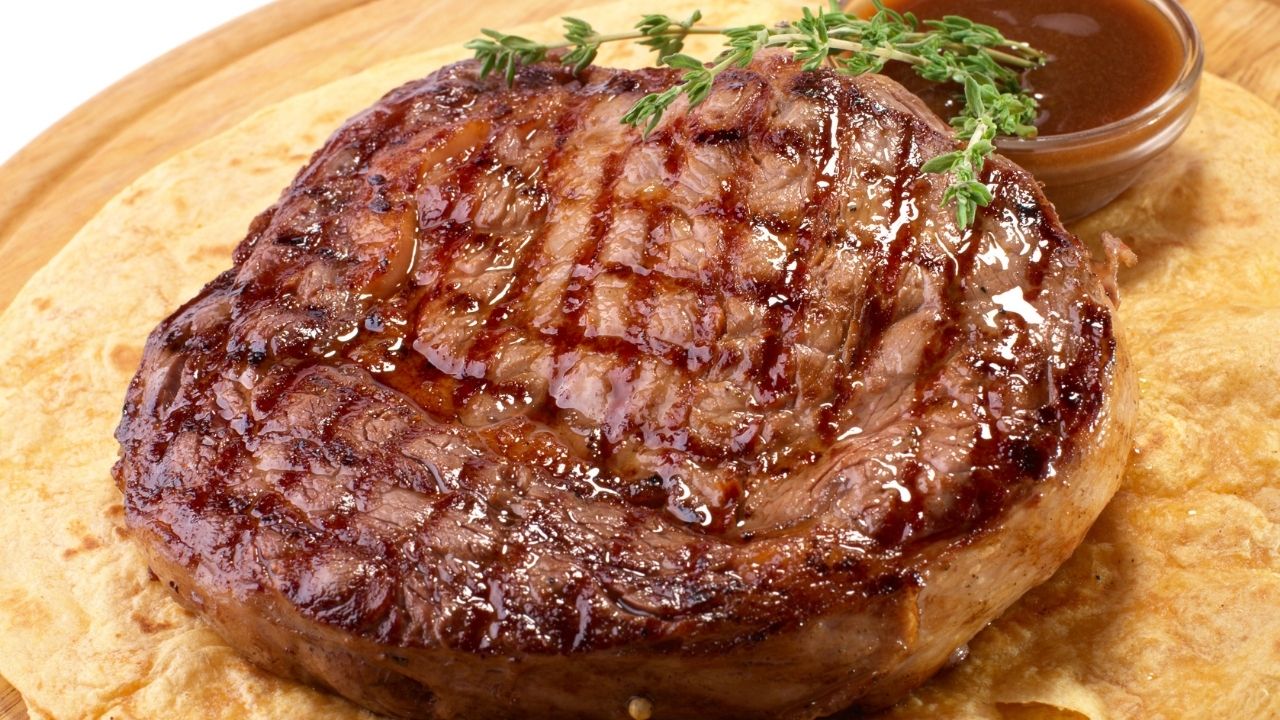
You know that moment when you pull a perfect steak off the grill, and every instinct screams “eat it now”? I get it completely, but here’s where patience becomes your secret weapon. Resting meat isn’t just fancy chef talk—it’s the difference between juicy perfection and a sad, dry disappointment on your plate. When meat cooks, those muscle fibers contract and push all the gorgeous juices toward the center. If you slice immediately, all that flavor runs right onto your cutting board instead of staying where it belongs.
Here’s my foolproof approach: tent your meat loosely with foil and let it rest for about 5-10 minutes for smaller cuts, or up to 20 minutes for larger roasts. I learned this technique from my grandmother, who would wrap her Sunday roasts in clean kitchen towels after covering with foil—the extra insulation keeps everything warm while those fibers relax and reabsorb their juices. The result? Every bite becomes incredibly tender and flavorful. Trust me, this simple step transforms even budget cuts into restaurant-quality meals that will have your family asking for seconds every single time.
Knife Skills Mastery
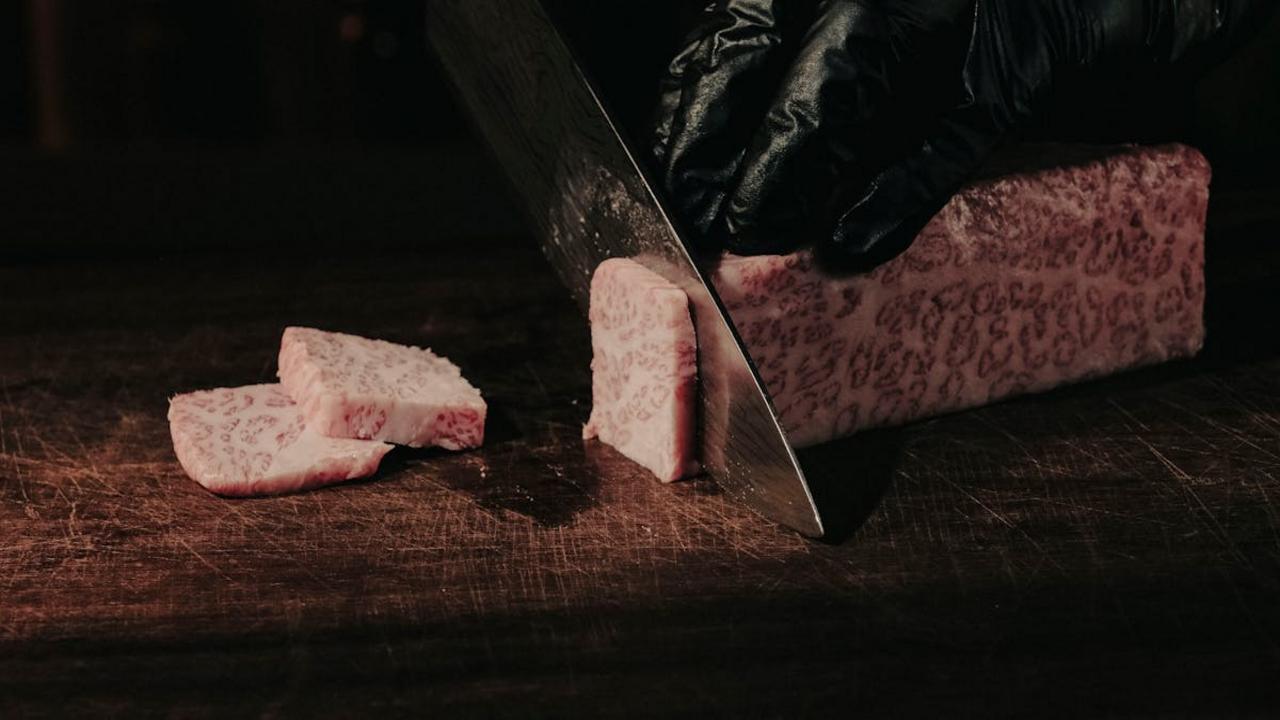
Your knife becomes an extension of your hand when you master proper technique, and I promise this single skill will transform how you approach every recipe. Start with the basic grip: pinch the blade between your thumb and index finger, wrapping your remaining fingers around the handle. This gives you complete control and prevents that awkward chopping motion most home cooks struggle with. Practice the rock-chop method—keep your knife tip on the cutting board and rock the blade down through ingredients while your other hand guides with curved fingers, knuckles forward as a protective barrier.
Sharp knives aren’t just safer—they make cooking genuinely enjoyable and help you create dishes that look restaurant-quality. I keep my knives razor-sharp because dull blades crush delicate herbs instead of cleanly slicing them, bruise tomatoes instead of creating perfect wedges, and turn onion dicing into a teary disaster. Invest time learning to properly dice an onion, julienne carrots, and chiffonade basil. These fundamental cuts create even cooking, beautiful presentation, and consistent flavors throughout your dishes. Once you develop muscle memory for these techniques, prep work becomes meditative rather than tedious, and you’ll find yourself looking forward to that satisfying rhythm of efficient knife work.
Sauce Making Basics
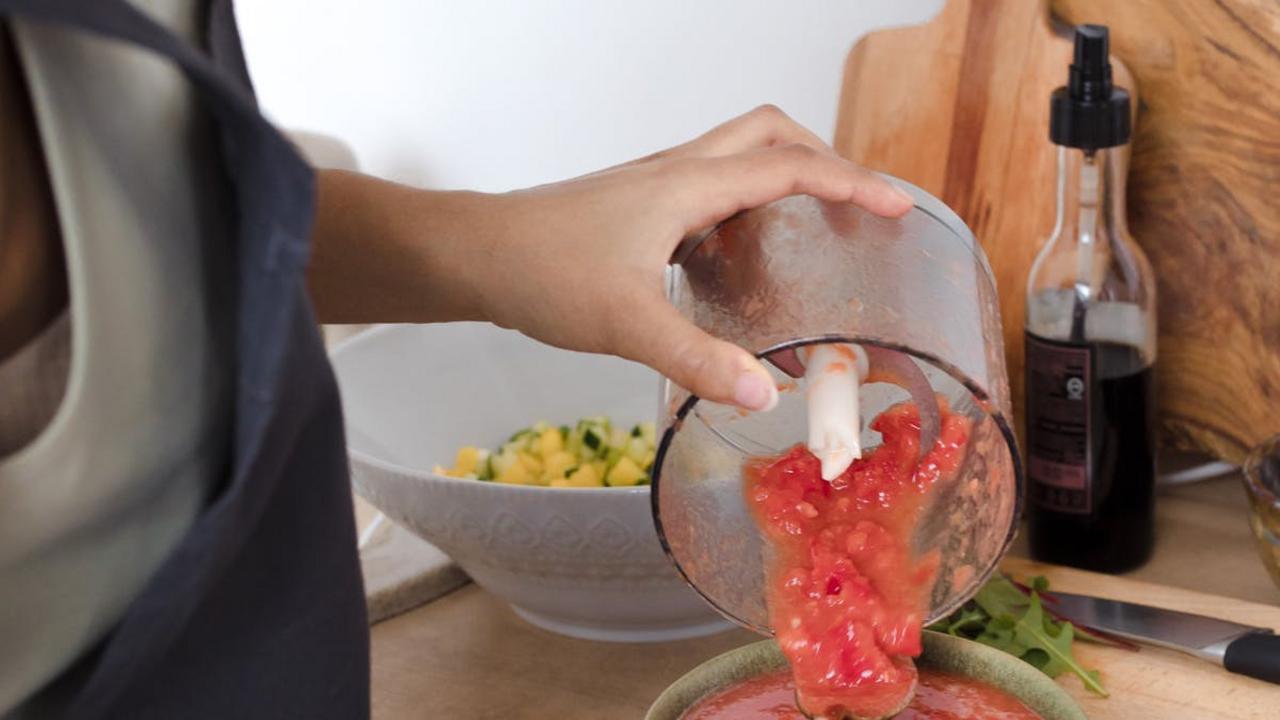
You know what separates good home cooks from great ones? They understand that a brilliant sauce can transform the most ordinary ingredients into something magical. I’ve spent years learning this simple truth: mastering just a few fundamental sauce techniques opens up endless possibilities in your kitchen. Whether you’re whisking together a silky pan sauce from the drippings of your roasted chicken or building layers of flavor in a slow-simmered tomato base, these foundational skills become your secret weapons. The beauty lies in how adaptable these techniques are—once you grasp the science behind emulsification or the balance of acid and fat, you can create countless variations that reflect your own taste preferences and whatever ingredients you have on hand.
Start with the mother sauces if you want to build real confidence, but don’t get intimidated by fancy French names. A basic roux, which is just equal parts fat and flour cooked together, becomes the backbone for creamy gravies, cheese sauces, and hearty stews. Meanwhile, a simple vinaigrette teaches you about balancing oil and acid—knowledge you’ll apply whether you’re making a quick marinade for grilled vegetables or deglazing a pan with wine and stock. I always keep good olive oil, quality vinegar, fresh herbs, and aromatics like garlic and ginger stocked because these form the foundation of so many sauces across different cuisines. Remember, seasoning gradually and tasting as you go prevents any disasters and helps you develop that intuitive sense for flavor balance.
Fresh Herbs Usage
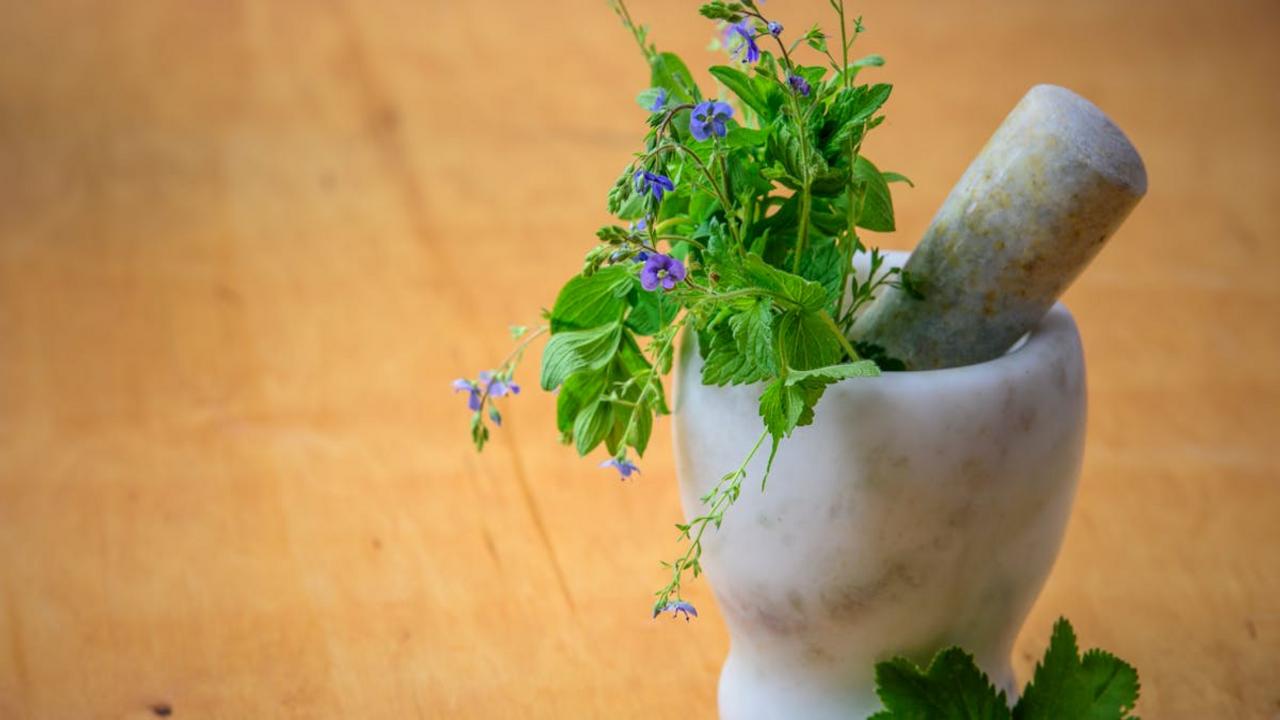
You know that moment when you buy a bundle of fresh herbs for one recipe, then watch the rest wilt away in your fridge? I’ve been there countless times, and it drove me crazy until I discovered this simple trick. Instead of treating herbs like delicate flowers, start thinking of them as flavor powerhouses that can transform any dish. I now buy herbs in bulk and immediately prep them for maximum longevity and impact. The secret lies in proper storage and creative usage that goes beyond the typical garnish mentality.
Here’s what changed everything for me: wash your herbs immediately, dry them thoroughly with paper towels, then store hardy herbs like rosemary and thyme wrapped in slightly damp paper towels in the fridge. For tender herbs like basil and cilantro, treat them like fresh flowers – trim the stems and place them in a glass of water, covering the leaves loosely with a plastic bag. But here’s where the magic happens – don’t just use herbs at the end of cooking. Add woody herbs like rosemary early in the cooking process to infuse oils and build flavor foundations. Save delicate herbs like basil for the final moments, stirring them into hot dishes just before serving to preserve their bright, fresh notes that make every bite sing with life.
Proper Pan Selection

Your pan choice can make or break a dish, and I learned this the hard way after years of wondering why my stir-fries turned out soggy or my proteins stuck like glue. The material, size, and weight of your pan directly impact how heat distributes and how your food cooks. Cast iron holds and radiates heat beautifully for searing steaks or making perfect cornbread, while stainless steel gives you control for delicate sauces without any metallic flavors creeping in. Carbon steel works magic for high-heat cooking like my favorite Korean-style vegetables, and non-stick saves the day when you’re making eggs or fish that would otherwise turn into a mess.
Size matters just as much as material – overcrowd a small pan and you’ll steam instead of sear, leaving you with gray meat and limp vegetables. I keep three sizes handy: a large 12-inch for family meals, a medium 8-inch for everyday cooking, and a small 6-inch for single portions or toasting spices. Match your pan to your cooking method too – shallow sides for stir-frying and sautéing, higher sides for braising and making sauces. Once you start paying attention to which pan you reach for, your cooking will transform overnight, and you’ll wonder how you ever managed with just one beat-up skillet.
Salt Timing
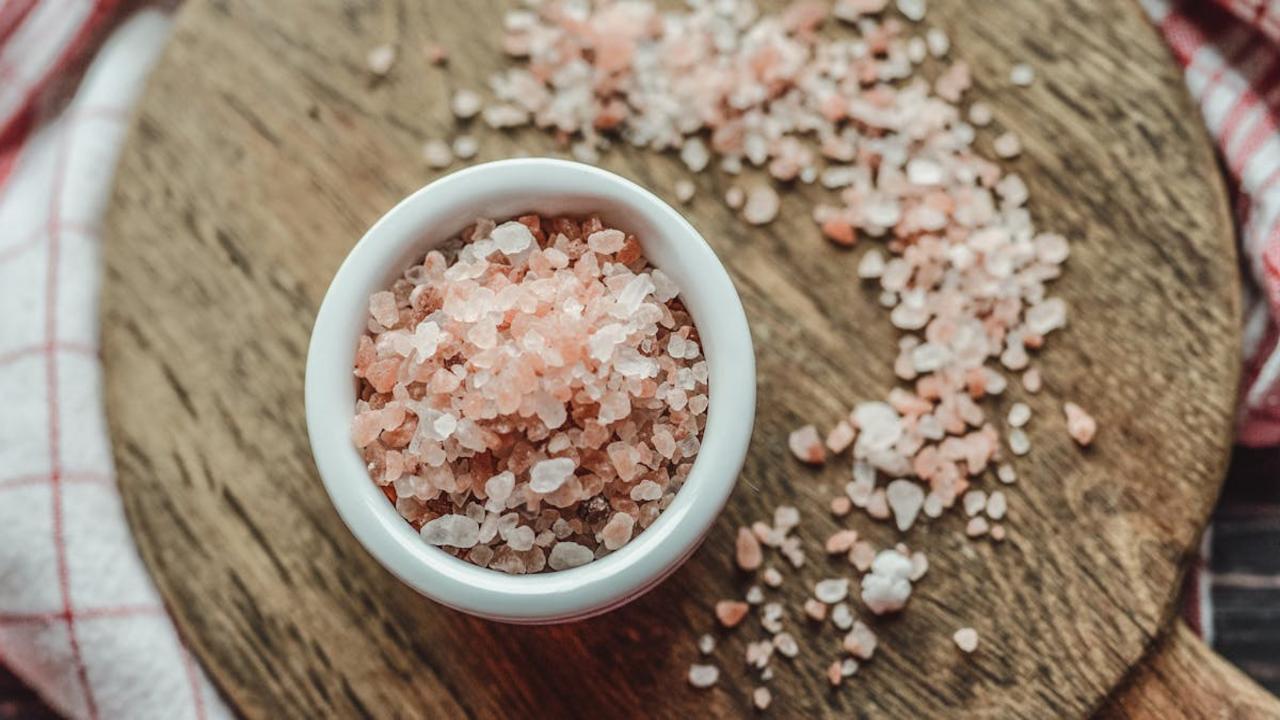
Salt isn’t just a seasoning—it’s your secret weapon for transforming ordinary dishes into extraordinary ones, and timing makes all the difference. I learned this from my grandmother’s kitchen in Mumbai, where she’d salt her vegetables at precisely the right moment to draw out moisture before cooking. When you salt meat 40 minutes before cooking, something magical happens: the salt draws out initial moisture, then that salty liquid gets reabsorbed, carrying flavor deep into the protein fibers. This technique works beautifully with chicken thighs for my weeknight curries or when I’m preparing fish for my favorite coconut-lime marinade.
For vegetables, timing your salt application can make or break your dish. Salt your eggplant slices 30 minutes before cooking to remove bitterness and create that perfect creamy texture I love in my Mediterranean-inspired dishes. With leafy greens like kale or collards, a pinch of salt massaged in just before serving breaks down the tough fibers without making them soggy. But here’s what really changed my cooking: finishing salt applied right before serving creates those bright flavor pops that make people wonder what your secret ingredient is. Try flaky sea salt on roasted vegetables or a pinch of smoked salt on your morning eggs—these small timing adjustments will make your home cooking sing with professional-level flavor depth.
Temperature Control
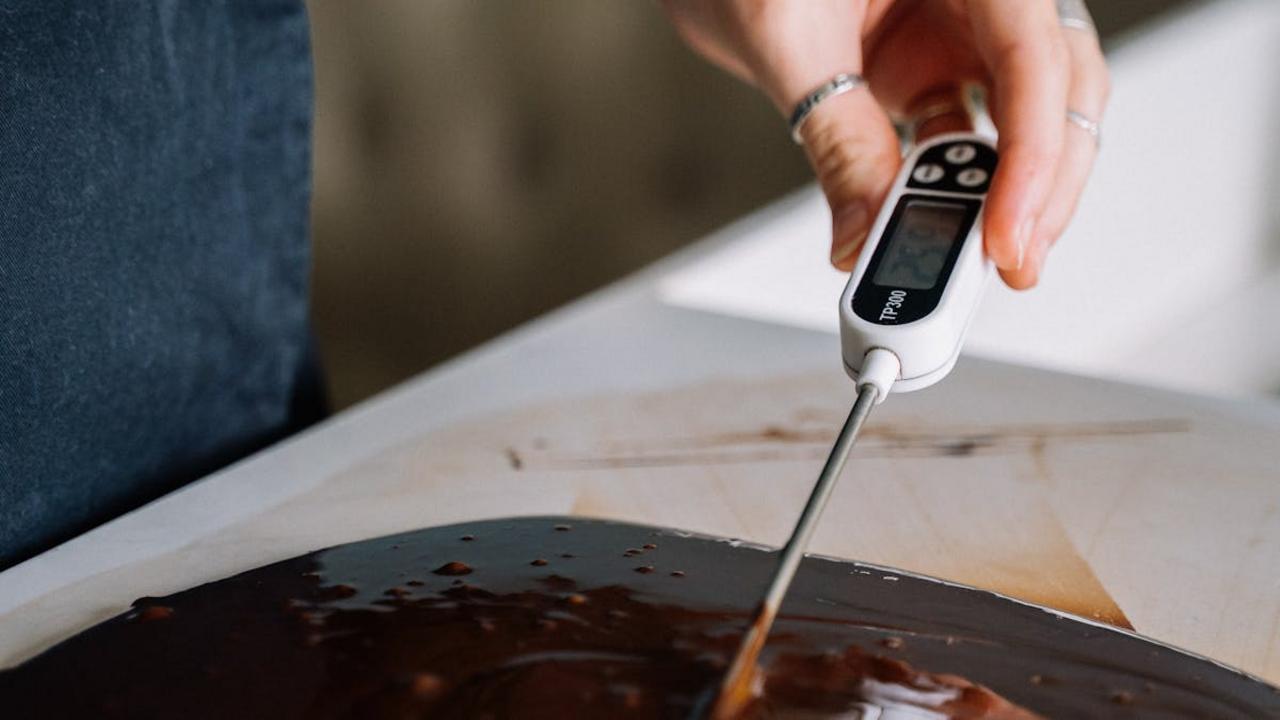
Your thermometer becomes your best friend when you master temperature control in the kitchen. I’ve learned that checking oil temperature prevents soggy fried foods and ensures that perfect golden crust every time. For deep frying, aim for 350-375°F – too cool and your food absorbs oil, too hot and you’ll burn the outside while leaving the inside raw. When roasting vegetables, I crank my oven to 425°F for that beautiful caramelization that transforms simple carrots or Brussels sprouts into something magical.
Meat cookery changes completely once you understand internal temperatures. I always pull chicken thighs at 165°F and let them rest – the carryover cooking finishes the job while keeping them juicy. For steaks, I remove them 5 degrees before my target temperature because that residual heat works wonders. Room temperature ingredients also make a huge difference in baking – cold eggs won’t emulsify properly, and cold butter creates dense, heavy cakes. I set everything out 30 minutes before baking, and my cookies spread evenly while my bread rises beautifully. These small temperature adjustments turn good home cooking into restaurant-quality meals.
Mise en Place Organization
You know what transforms my cooking from chaotic scrambling to smooth sailing? Having everything prepped and organized before I even turn on the stove. This French technique called mise en place literally means “everything in its place,” and trust me, once you start doing this, you’ll never go back to hunting for ingredients mid-recipe. I grab all my spices, chop my vegetables, measure my liquids, and arrange everything in small bowls around my workspace. It feels like setting up my own personal cooking show, and honestly, it makes me feel like a total pro in my own kitchen.
The magic happens when you’re making something complex like my grandmother’s Moroccan tagine or a quick weeknight stir-fry with whatever vegetables are hanging out in your fridge. Instead of burning garlic because you’re still dicing onions, everything flows together beautifully. I use small glass bowls for spices and sauces, cutting boards for prepped vegetables, and even line up my cooking oils in order of use. This method saves me from overcooking proteins or forgetting to add that perfect finishing touch of fresh herbs. Your cooking becomes more intuitive and relaxed when you’re not juggling prep work with actual cooking – plus, cleanup becomes so much easier when everything has its designated spot.