13 Best Fiber and Fermented Foods Worth Adding to Your Plate
Your gut deserves better than processed snacks and sugary treats. The secret to feeling energized and maintaining digestive health lies in fiber-rich and fermented foods that work together to support your body’s natural processes. These powerhouse ingredients don’t just taste amazing—they transform how you feel from the inside out.
Fermented foods bring beneficial bacteria to your digestive system, while fiber feeds these good microbes and keeps everything running smoothly. Think of them as the dynamic duo your body craves. From tangy sauerkraut to creamy yogurt, these foods pack serious nutritional punch without requiring complicated cooking techniques.
Ready to give your meals a healthy upgrade? These thirteen favorites will revolutionize your plate and boost your wellness game. Each one brings unique flavors and incredible health benefits that make eating well feel like a delicious adventure rather than a chore.
Green Tea

Green tea deserves a spot on your plate—or should I say, in your cup—because it’s packed with beneficial compounds that support your gut health in amazing ways. While you might not think of green tea as a fermented food, it actually undergoes a light fermentation process that creates polyphenols, those powerful antioxidants that feed your good gut bacteria. I love sipping on a warm cup of green tea after meals because it helps create the perfect environment for beneficial microbes to thrive in your digestive system.
The magic happens when green tea’s catechins, particularly EGCG, work like prebiotics in your body, encouraging the growth of healthy bacteria like Lactobacillus and Bifidobacterium. You can easily incorporate more green tea into your daily routine by brewing a fresh pot in the morning, adding cooled green tea to smoothies, or even using it as a base for homemade popsicles. Try different varieties like sencha, matcha, or jasmine green tea to keep things interesting—each offers its own unique flavor profile while delivering those gut-loving benefits that make your digestive system sing with joy.
Kombucha

Kombucha brings that perfect fizzy kick to your daily routine while delivering a powerhouse of probiotics straight to your gut. This fermented tea drink starts with simple black or green tea, gets sweetened, then transforms through the magic of a SCOBY (symbiotic culture of bacteria and yeast) into something truly special. You’ll find kombucha packed with beneficial bacteria strains like Lactobacillus and Bifidobacterium, which work wonders for your digestive health and can help strengthen your immune system. The fermentation process also creates B vitamins and vitamin C, making each sip a nutritious choice.
Making kombucha at home becomes an exciting weekly ritual once you get the hang of it, though store-bought versions offer incredible variety and convenience. You can experiment with second fermentation by adding fresh fruits, herbs, or spices to create your own signature flavors – think ginger-turmeric, berry-mint, or even tropical pineapple combinations. Start with small servings if you’re new to fermented foods, as your digestive system needs time to adjust to all those beneficial microorganisms. Keep your kombucha refrigerated and consume it within a few days of opening to maintain its probiotic potency and that delightful effervescence you love.
Asparagus
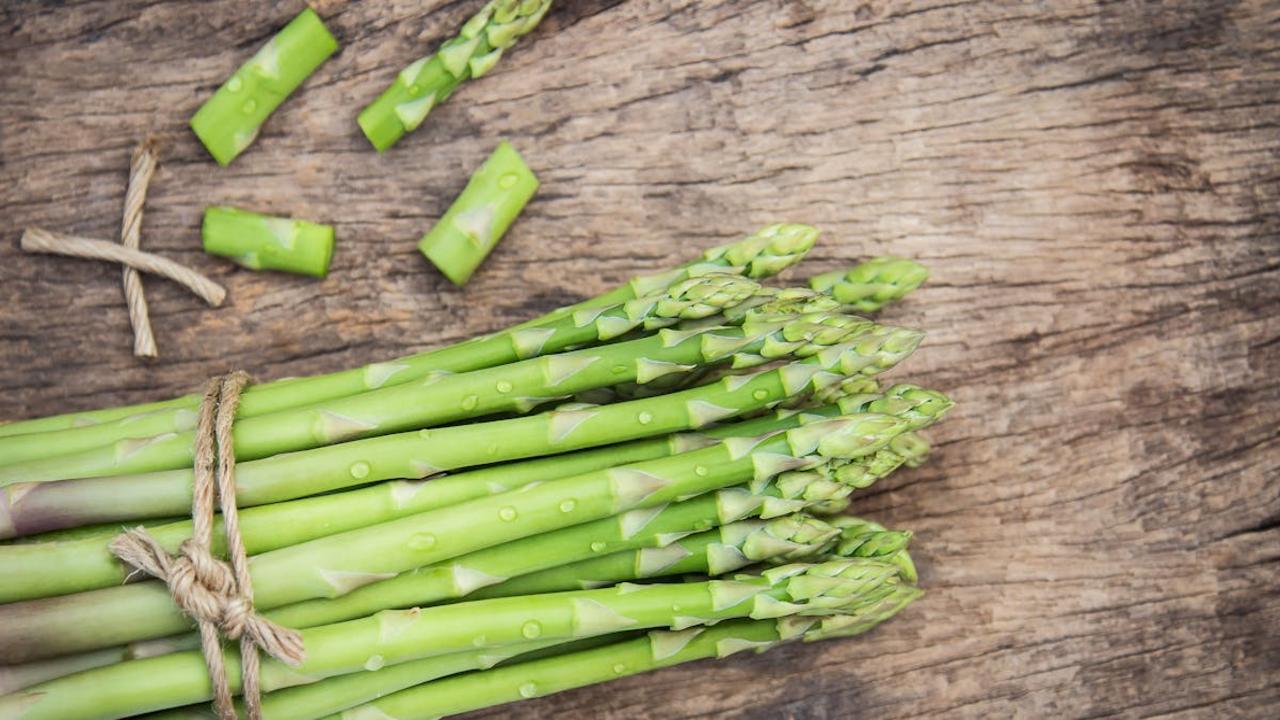
Asparagus deserves a spot on your plate for so many reasons beyond its bright green color and satisfying crunch. This spring vegetable packs impressive fiber content – about 3 grams per cup – while also serving up prebiotics that feed the beneficial bacteria in your gut. The inulin found in asparagus acts like fertilizer for your digestive system, helping good bacteria flourish and supporting overall gut health. Plus, you get a bonus dose of folate, vitamin K, and antioxidants that work together to keep your body running smoothly.
I love how versatile asparagus can be in the kitchen – you can roast it with garlic and lemon, toss it into pasta dishes, or simply steam it for a quick side. The key to perfect asparagus lies in not overcooking it; you want that tender-crisp texture that makes each bite satisfying. Try snapping off the tough ends naturally – they’ll break exactly where the tender part begins. Whether you choose thick or thin spears, asparagus brings both nutrition and flavor to your meals while supporting your digestive health in the most delicious way possible.
Onions
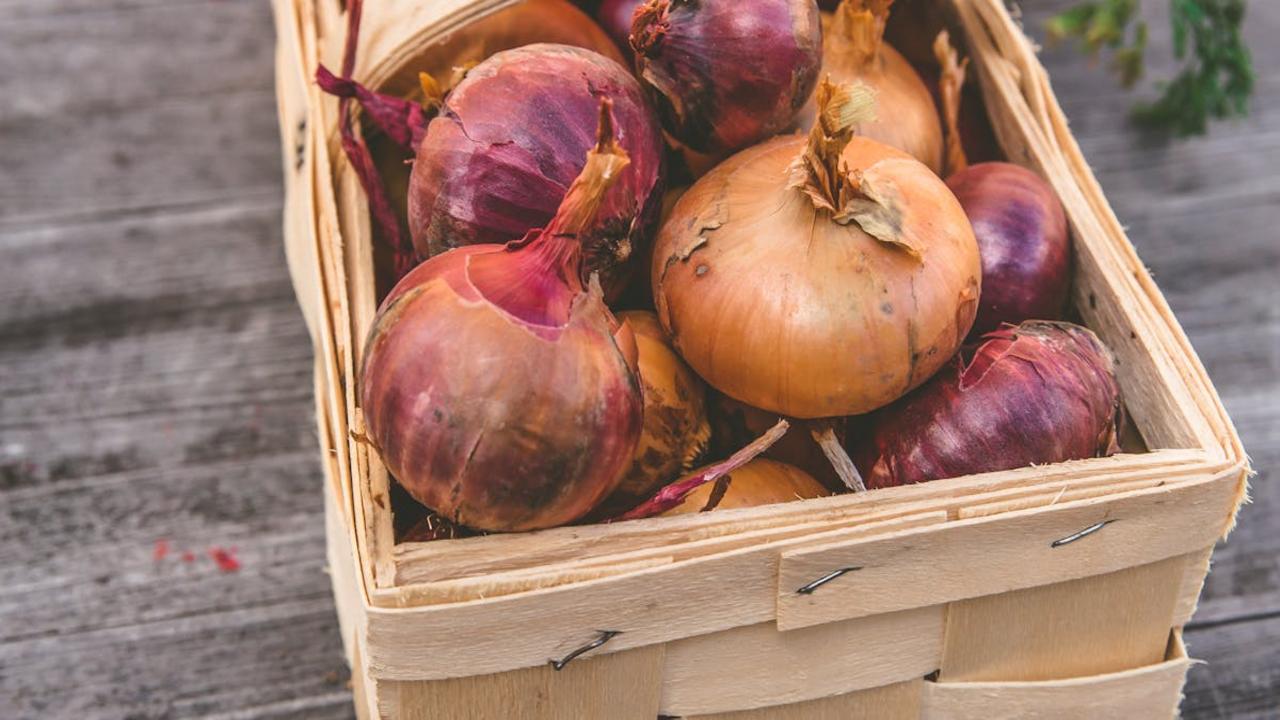
Onions deserve way more credit than they get! These humble kitchen staples pack an incredible fiber punch with about 2.7 grams per medium onion, plus they’re loaded with prebiotics that feed your beneficial gut bacteria. The sulfur compounds that make you cry while chopping? They’re actually powerful antioxidants working hard to support your immune system. Red onions bring extra anthocyanins to the party, while yellow onions offer the most quercetin – both fantastic for reducing inflammation throughout your body.
Here’s what I love most about cooking with onions: they transform completely depending on how you treat them. Sauté them low and slow until golden and jammy for the sweetest flavor that makes everything taste better. Throw raw red onion slices on your salad for a sharp bite and maximum prebiotic benefits. I always keep yellow, red, and sweet onions in my pantry because they each bring something different to the table. Try caramelizing a big batch on Sunday – they’ll keep in your fridge for a week and instantly upgrade everything from scrambled eggs to grain bowls to homemade pizza.
Bone Broth
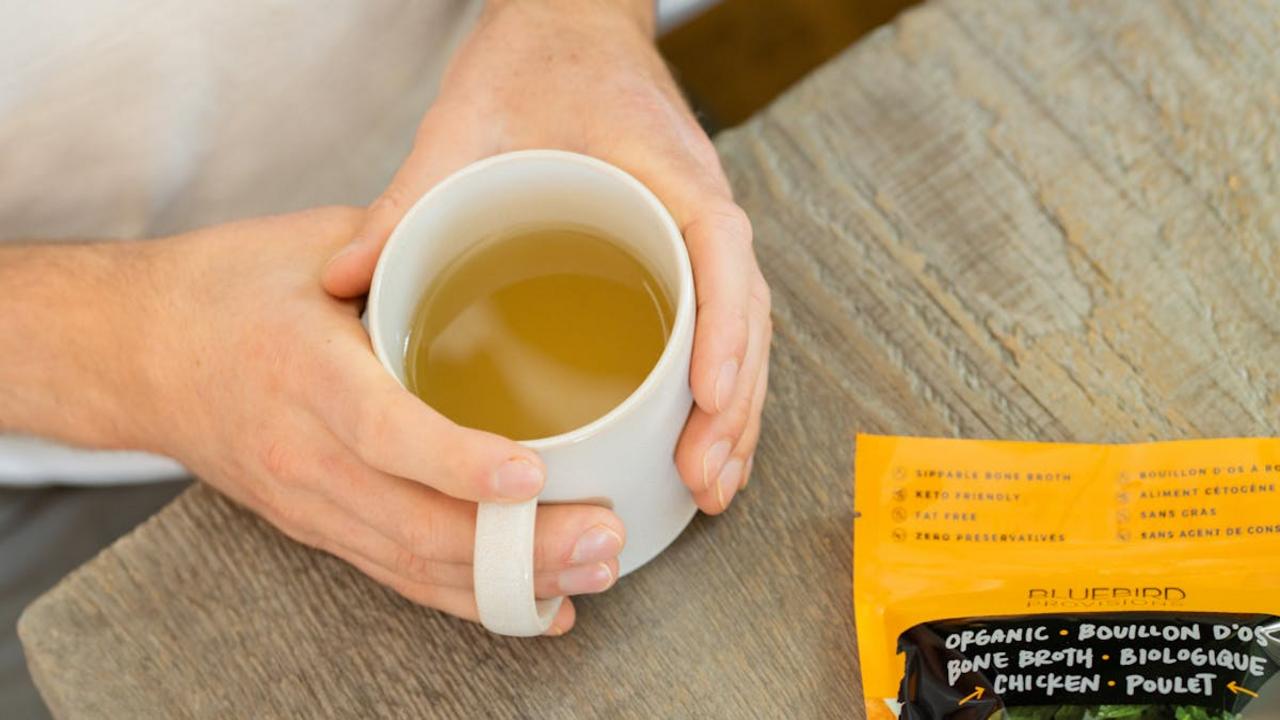
Now here’s something that might surprise you – bone broth isn’t just a trendy wellness drink, it’s actually a fantastic source of gut-supporting goodness! While it doesn’t contain fiber like vegetables do, bone broth works magic for your digestive system in different ways. The slow simmering process breaks down collagen from bones into gelatin, which helps heal and seal your gut lining. Think of it as giving your intestinal walls a cozy, protective hug. Plus, bone broth contains glycine, an amino acid that supports healthy digestion and can help calm inflammation in your digestive tract.
Making your own bone broth at home fills your kitchen with the most incredible, comforting aroma – and it’s surprisingly simple! Just toss some high-quality bones (grass-fed beef or pasture-raised chicken work beautifully) into your slow cooker with water, a splash of apple cider vinegar, and whatever vegetables you have on hand. Let it bubble away for 12-24 hours, and you’ll have liquid gold ready to sip warm from a mug or use as a base for soups and stews. I love keeping mason jars of bone broth in my fridge – it’s like having a secret weapon for both flavor and gut health. Your digestive system will thank you for this nourishing, mineral-rich addition to your routine!
Ginger
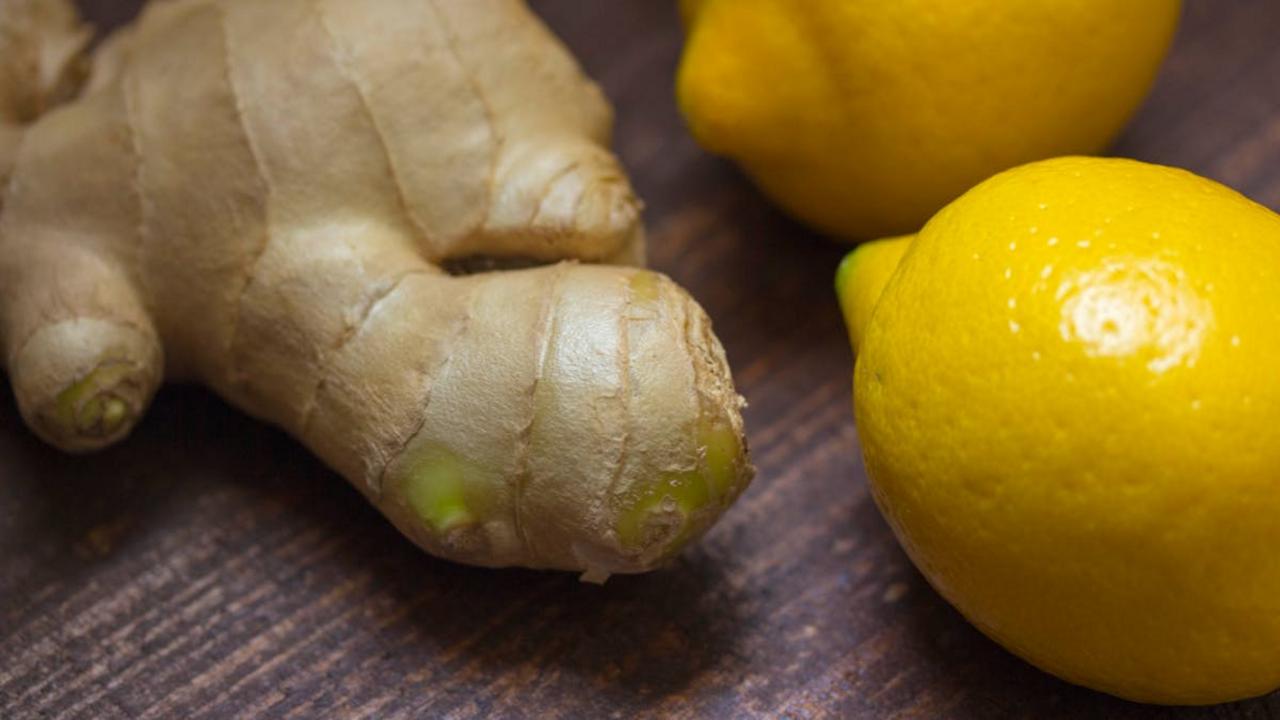
I absolutely adore the spicy warmth that ginger brings to both sweet and savory dishes! This knobby root packs a serious punch when it comes to supporting your digestive health. Ginger acts as a natural prebiotic, feeding the beneficial bacteria in your gut and helping maintain that delicate microbial balance we all need. Fresh ginger contains compounds called gingerols that stimulate digestive enzymes and promote healthy gut movement. You can grate it into stir-fries, steep it for tea, or blend it into smoothies for an instant zing that your stomach will thank you for.
What makes ginger truly special is how versatile it becomes in your kitchen once you start experimenting with it. I love adding thin slices to my morning lemon water or mixing freshly grated ginger into homemade salad dressings for that unexpected kick. Try pickling young ginger shoots for a tangy condiment that pairs beautifully with grilled fish or roasted vegetables. Ground ginger works wonderfully in baked goods like muffins and cookies, while fresh ginger root transforms simple soups into warming, gut-friendly meals. Keep a piece of fresh ginger in your refrigerator – it stays fresh for weeks and gives you endless opportunities to boost both flavor and digestive wellness in your daily cooking.
Garlic
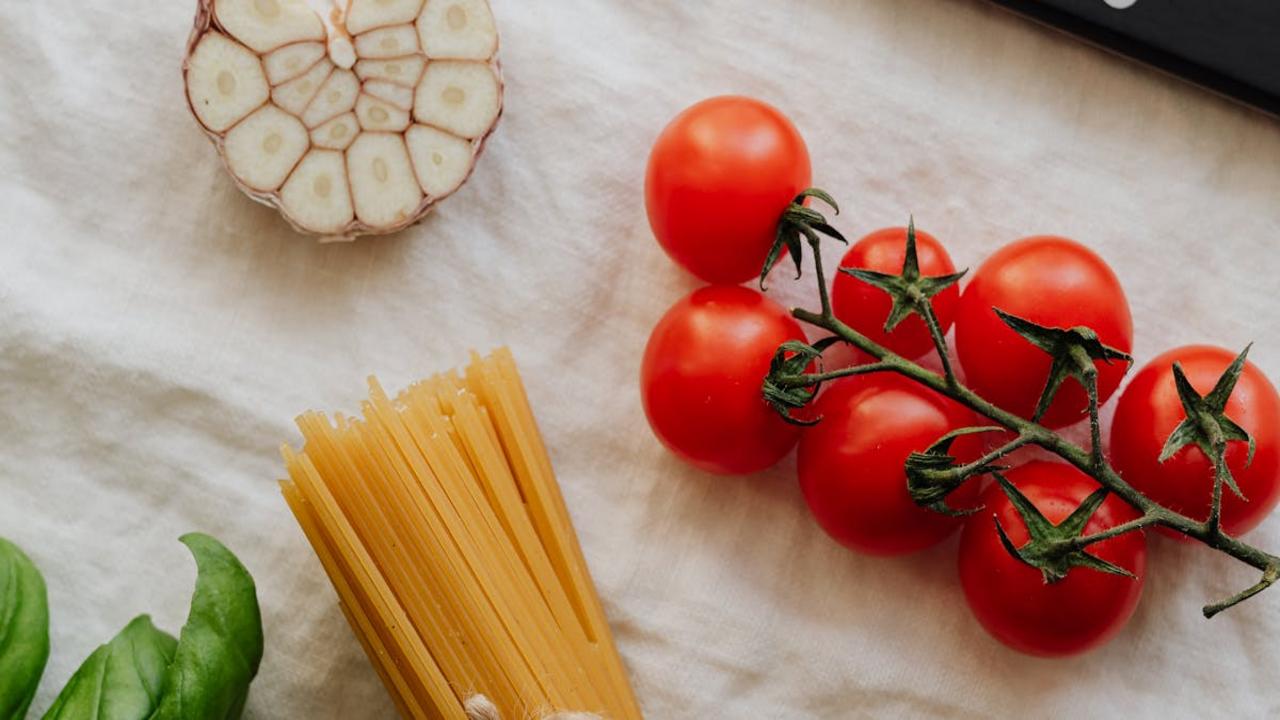
This humble bulb packs a serious punch when it comes to fiber and prebiotic power! Garlic contains inulin, a special type of fiber that feeds your beneficial gut bacteria and helps them flourish. Just one clove gives you a nice dose of prebiotics, plus it adds incredible flavor to practically any dish you’re making. I love how garlic transforms from sharp and pungent when raw to sweet and mellow when roasted – it’s like having two completely different ingredients in your kitchen arsenal.
You can easily sneak more garlic into your meals by roasting whole bulbs until they’re golden and spreadable, then smashing the soft cloves into soups, pasta dishes, or even spreading them on crusty bread. Fresh minced garlic works beautifully in stir-fries, marinades, and salad dressings too. The best part? Your gut bacteria will thank you for the prebiotic boost, which supports better digestion and overall gut health. Start with smaller amounts if you’re sensitive to garlic’s intensity, then gradually increase as your palate adjusts to this fiber-rich powerhouse.
Bananas

Bananas bring so much more to your plate than just natural sweetness! These yellow powerhouses pack a serious fiber punch with about 3 grams per medium fruit, plus they contain prebiotics that feed the good bacteria in your gut. What makes bananas particularly special is their resistant starch content – especially when they’re still slightly green. This type of starch acts like fiber in your digestive system, helping you feel satisfied longer while supporting healthy digestion. I love how versatile they are too – you can slice them into your morning oatmeal, blend them into smoothies, or even freeze them for a creamy ice cream alternative.
The best part about adding bananas to your daily routine is how they work behind the scenes to support your overall health. They’re loaded with potassium, which helps regulate blood pressure, and vitamin B6, which supports brain function and mood regulation. You can easily turn them into fermented treats by making banana water kefir or adding them to homemade yogurt for extra probiotics. Try mashing overripe bananas into pancake batter or baking them into muffins – the natural sugars caramelize beautifully while still providing all those beneficial nutrients. Trust me, your gut bacteria will thank you for this simple addition to your fiber-rich eating plan!
Sourdough Bread

You know that tangy, chewy bread that makes your kitchen smell like heaven? That’s sourdough working its magic! This isn’t just any ordinary bread – it’s a living, breathing creation that starts with wild yeast and lactobacilli bacteria captured from the air around us. The fermentation process takes days, not hours, which gives sourdough its signature sour flavor and creates beneficial compounds that your gut absolutely loves. The slow fermentation breaks down proteins and starches, making nutrients more available for your body to absorb.
What makes sourdough extra special for your digestive system is how the fermentation process pre-digests some of the gluten and phytic acid, making it gentler on sensitive stomachs than regular bread. Plus, those good bacteria from fermentation act like tiny nutritional powerhouses, supporting your microbiome with every slice. I love making my own starter – it becomes like a pet that needs daily feeding! But if you’re not ready for that commitment, look for real sourdough at your local bakery (check that the ingredients only list flour, water, salt, and starter). Toast it up with avocado or use it for the most incredible grilled cheese you’ve ever tasted.
Apple Cider Vinegar

Apple cider vinegar deserves a permanent spot in your pantry, and I’m here to tell you why this tangy powerhouse will transform your meals and your gut health. Made through a two-step fermentation process, ACV contains beneficial probiotics and acetic acid that support digestive wellness while adding incredible depth to your cooking. I love drizzling it over roasted vegetables, whisking it into homemade salad dressings, or adding a splash to marinades for an extra punch of flavor. The mother – those cloudy strands you see floating in unfiltered versions – contains the most beneficial bacteria, so don’t strain it out!
Beyond its probiotic benefits, apple cider vinegar acts as a natural preservative and can help balance blood sugar levels when consumed with meals. Start small with just a teaspoon mixed into water or tea, then gradually work up to a tablespoon as your taste buds adjust. I particularly enjoy mixing ACV with honey and warm water for a morning tonic, or incorporating it into my favorite coleslaw recipe where it adds both tang and gut-friendly bacteria. Remember to choose raw, unfiltered versions for maximum health benefits, and always dilute it before drinking to protect your tooth enamel.
Kimchi

If you’re ready to add some serious flavor and gut-friendly benefits to your meals, kimchi deserves a spot in your refrigerator! This spicy Korean fermented cabbage dish packs an incredible punch of probiotics that your digestive system will thank you for. The fermentation process creates beneficial bacteria that support healthy digestion while delivering a satisfying crunch and tangy heat that transforms any ordinary meal into something special. You can find kimchi at most grocery stores now, or if you’re feeling adventurous, making your own at home gives you complete control over the spice level and ingredients.
Beyond its probiotic superpowers, kimchi brings impressive fiber content to your plate – typically around 2-3 grams per half-cup serving. I love adding it to scrambled eggs for breakfast, mixing it into fried rice, or simply enjoying it as a side dish with grilled meats. The combination of cabbage, garlic, ginger, and chili peppers creates a complex flavor profile that’s both refreshing and warming. Don’t worry if the smell seems intense at first – that’s just the sign of active fermentation working its magic. Start with small amounts and gradually increase as your palate adjusts to this Korean treasure.
Sauerkraut

You know that tangy, crunchy cabbage sitting in your fridge? Sauerkraut brings so much more to your plate than just a hot dog topping! This fermented powerhouse delivers an impressive dose of probiotics that support your digestive system while packing in vitamin C, vitamin K, and fiber. The fermentation process breaks down the cabbage in a way that makes nutrients more bioavailable, meaning your body can actually use them more effectively. Plus, the natural fermentation creates beneficial bacteria that help maintain a healthy gut microbiome.
Making sauerkraut at home is surprisingly simple – you just need cabbage, salt, and patience. The salt draws out moisture from the cabbage, creating the perfect environment for good bacteria to thrive and transform ordinary cabbage into this probiotic-rich food. You can find quality sauerkraut in the refrigerated section of most grocery stores, but avoid the shelf-stable versions since pasteurization kills those beneficial live cultures. Try adding a forkful to your scrambled eggs, mixing it into grain bowls, or enjoying it straight from the jar for a quick probiotic boost that your gut will thank you for.
Plain Yogurt
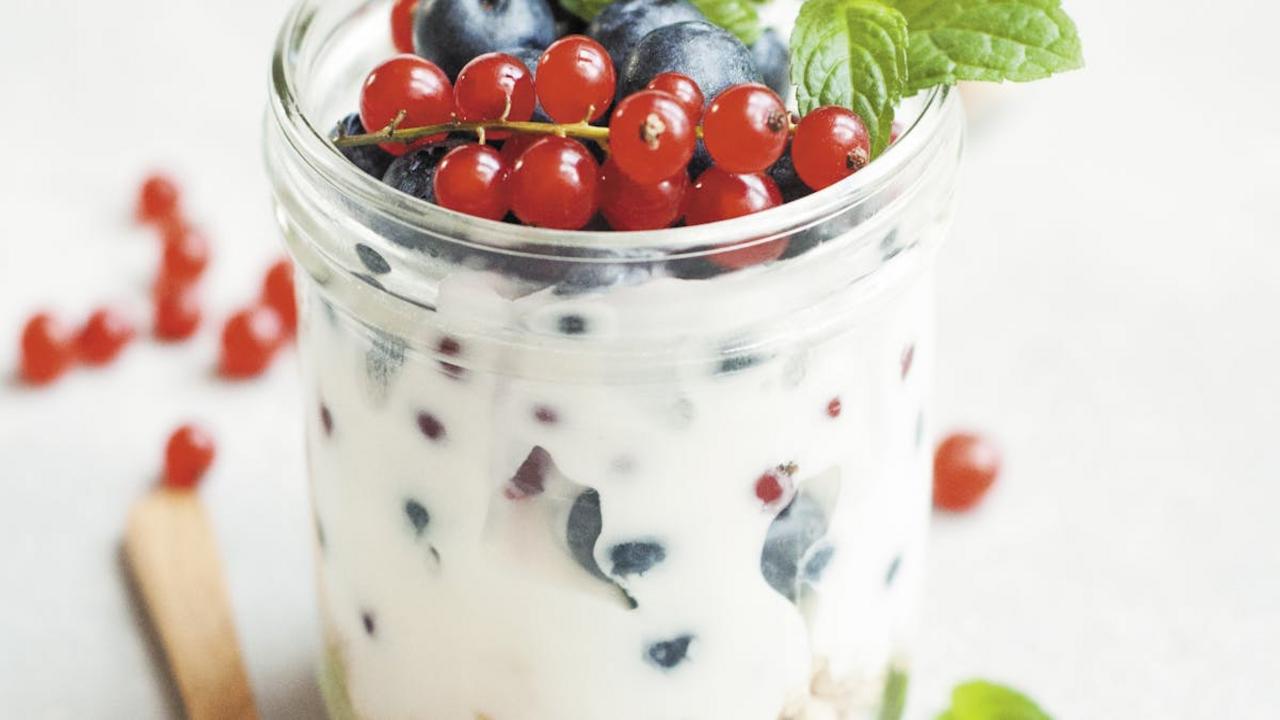
You can’t go wrong with plain yogurt when you want to give your gut health a serious boost! This creamy powerhouse delivers billions of live probiotics that work overtime to keep your digestive system happy and balanced. Unlike flavored varieties packed with added sugars, plain yogurt gives you all the benefits without the unnecessary extras. The active cultures in quality plain yogurt include strains like Lactobacillus bulgaricus and Streptococcus thermophilus, which help maintain a healthy microbiome and support your immune system.
What I love most about plain yogurt is how incredibly versatile it becomes in your kitchen routine. You can transform it into anything from a tangy breakfast parfait with fresh berries to a creamy base for smoothies or even a substitute for sour cream in savory dishes. Greek yogurt varieties pack an extra protein punch, making them perfect for keeping you satisfied longer. Start your morning with a bowl topped with nuts and honey, or use it as a marinade for chicken to create tender, flavorful meals that your whole family will request again and again.