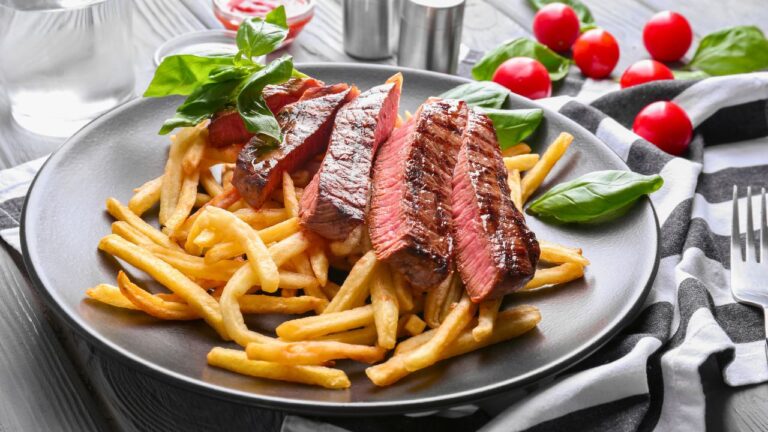
12 Unexpected Ways Your Plate Keeps You Close to Nature
Your dining table connects you to nature more than you might think! Each bite creates invisible links to our planet’s rhythms and cycles. From the soil microbes that build your immune system to the seasonal foods that match Earth’s calendar, your meals tell a story about your place in the natural world.
I’ve found that cooking brings me closest to nature when I pay attention to these hidden connections. Looking at wild yeasts that carry the signature of your local environment or understanding how plant defense chemicals create the flavors we crave opens up a whole new appreciation for what’s on your fork.
The food web truly amazes me—bees pollinate our fruits, animals spread seeds through what they eat, and we complete the cycle through composting. Your plate doesn’t just feed you; it keeps you in conversation with the living systems that sustain us all. These connections happen whether you notice them or not!
Bees and food web interdependence
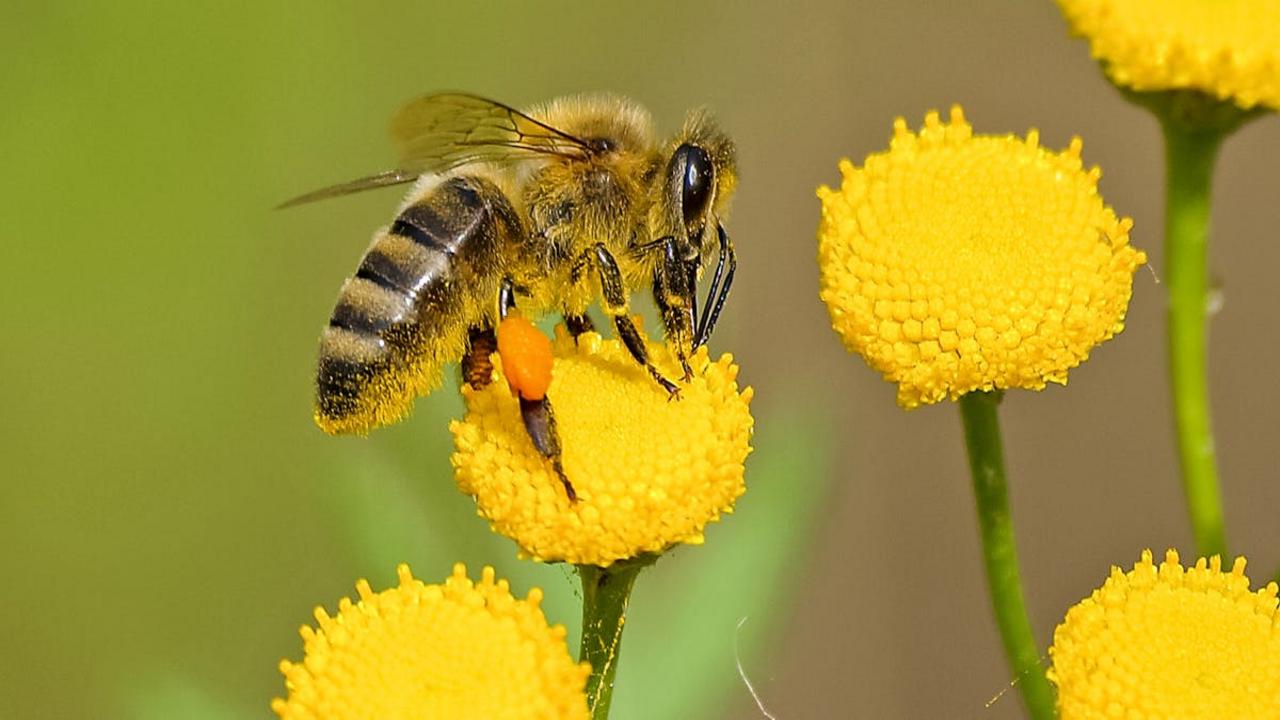
You know that honey drizzled over your morning yogurt? Those bees creating that golden sweetness work harder than any chef I know. Every third bite of food on your plate exists because bees pollinate the plants that produce it. From the almonds in your granola to the apples in your afternoon snack, these tiny workers connect your kitchen directly to nature’s most intricate dance. When I watch bees visit my herb garden, I see the invisible threads linking my basil plants to the pasta sauce I’ll make tonight.
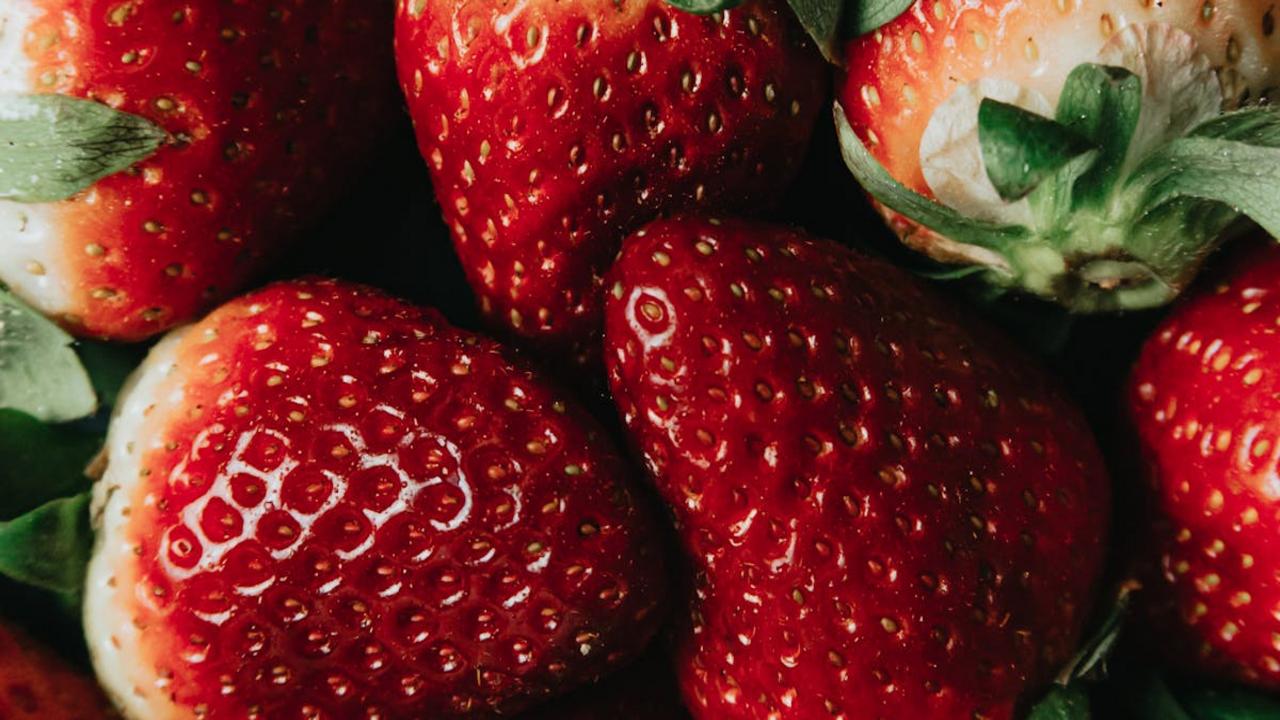
This interdependence runs deeper than most home cooks realize. The strawberries I fold into my weekend pancakes, the cucumbers I slice for fresh salads, the squash I roast with olive oil—all depend on pollinator networks that stretch far beyond my backyard. When bee populations thrive, our food web strengthens, giving us more diverse, flavorful ingredients to work with. I’ve started planting bee-friendly flowers around my vegetable garden not just for their beauty, but because I understand that supporting these pollinators means protecting the very foundation of the meals I create for my family.
Wild yeast captures local environment

Guacamole on hot dogs transforms your backyard barbecue into something magical. I started doing this after watching my Mexican neighbor slather fresh guacamole on everything from chips to grilled meats, and honestly, it changed how I think about hot dog toppings forever. The creamy avocado creates this beautiful contrast against the smoky, salty frank while adding healthy fats and fiber to what’s typically a processed food indulgence. You get this incredible cooling effect that balances the heat if you’re using spicy mustard or jalapeños, plus all those good-for-you nutrients from the avocados, lime, and fresh herbs.
Making your own guacamole takes just five minutes, and trust me, it’s worth skipping the store-bought versions loaded with preservatives. I mash ripe avocados with fresh lime juice, minced garlic, diced tomatoes, and a pinch of sea salt – sometimes I throw in some chopped cilantro or a tiny bit of cumin for depth. The key is getting that perfect creamy-chunky texture that holds up well on the dog without sliding off. This topping works especially well with beef or turkey franks, and I love pairing it with some crispy red onions and a sprinkle of hot sauce for a complete flavor explosion that feels both indulgent and nourishing.
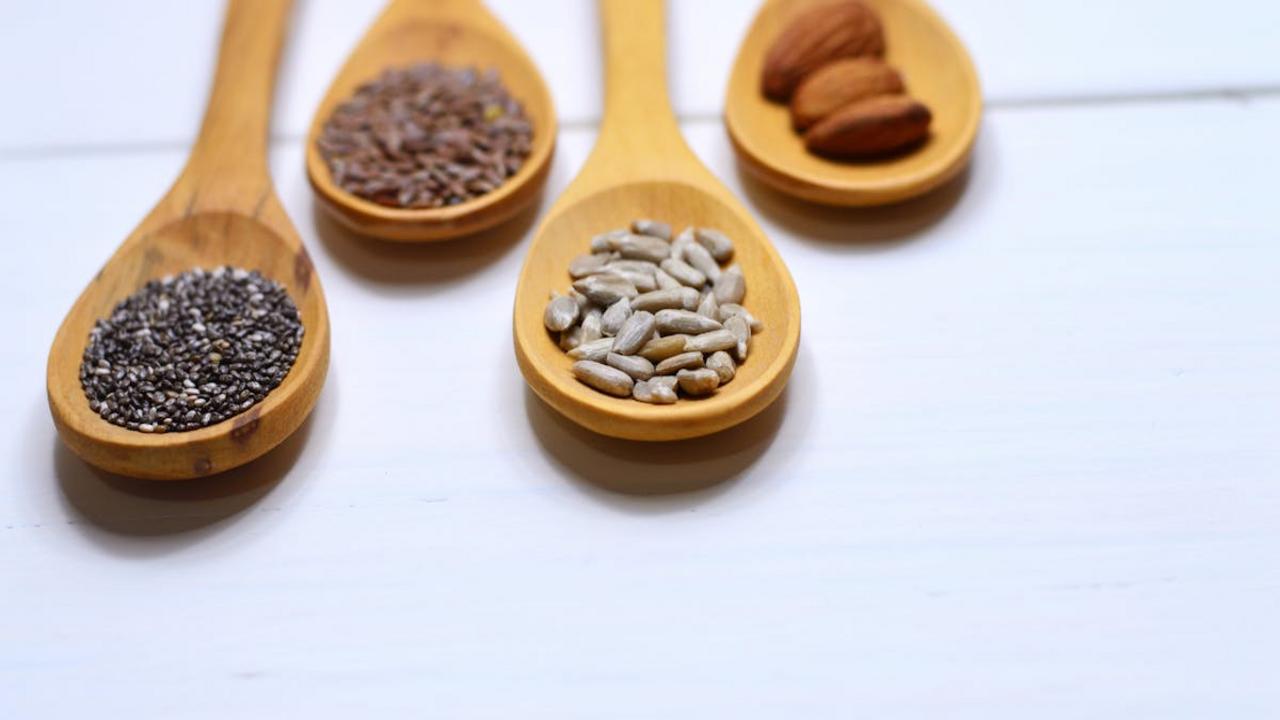
Seed dispersal through animal consumption
Buffalo sauce on hot dogs brings that perfect tangy heat that makes your mouth water instantly. I discovered this combination during a late-night cooking session when I had leftover buffalo sauce from making cauliflower wings. The acidic kick from the hot sauce cuts through the richness of the hot dog beautifully, while the blue cheese crumbles add that creamy, sharp contrast that buffalo wings are famous for. You can make your own buffalo sauce by whisking together hot sauce, melted butter, and a splash of white vinegar – skip the processed bottles and create something fresh that you control completely.
The beauty of this topping lies in how it transforms your hot dog into something that feels familiar yet exciting. I love drizzling the buffalo sauce generously over the hot dog, then crumbling fresh blue cheese on top and finishing with finely chopped celery for that classic buffalo wing experience. The celery adds a satisfying crunch and fresh note that balances all that bold flavor. If blue cheese feels too intense for your family, try mixing it with some plain Greek yogurt to mellow the sharpness while keeping that creamy texture. This combination works especially well with beef hot dogs that can stand up to those bold flavors.
Moon phases affect plant growth and harvest

You know that leftover pulled pork from Sunday’s barbecue? Don’t just reheat it the same old way—pile it high on your hot dog! I discovered this combination during one of those “what’s in the fridge” moments, and now it’s become my go-to for transforming ordinary hot dogs into something spectacular. The smoky, tender pork creates this incredible contrast with the snappy hot dog casing, while the barbecue sauce adds that perfect sweet-tangy element that ties everything together beautifully.
What makes this topping work so well is how the textures play together—you get that satisfying bite from the hot dog, then the soft, succulent pork practically melts in your mouth. I like to add a quick slaw on top made with shredded cabbage, a splash of apple cider vinegar, and a pinch of celery seed for crunch and brightness. The acidity cuts through the richness of both meats perfectly. Try using your homemade pulled pork if you have it, or even store-bought works wonderfully. Just warm it gently with a splash of broth to keep it moist and flavorful.
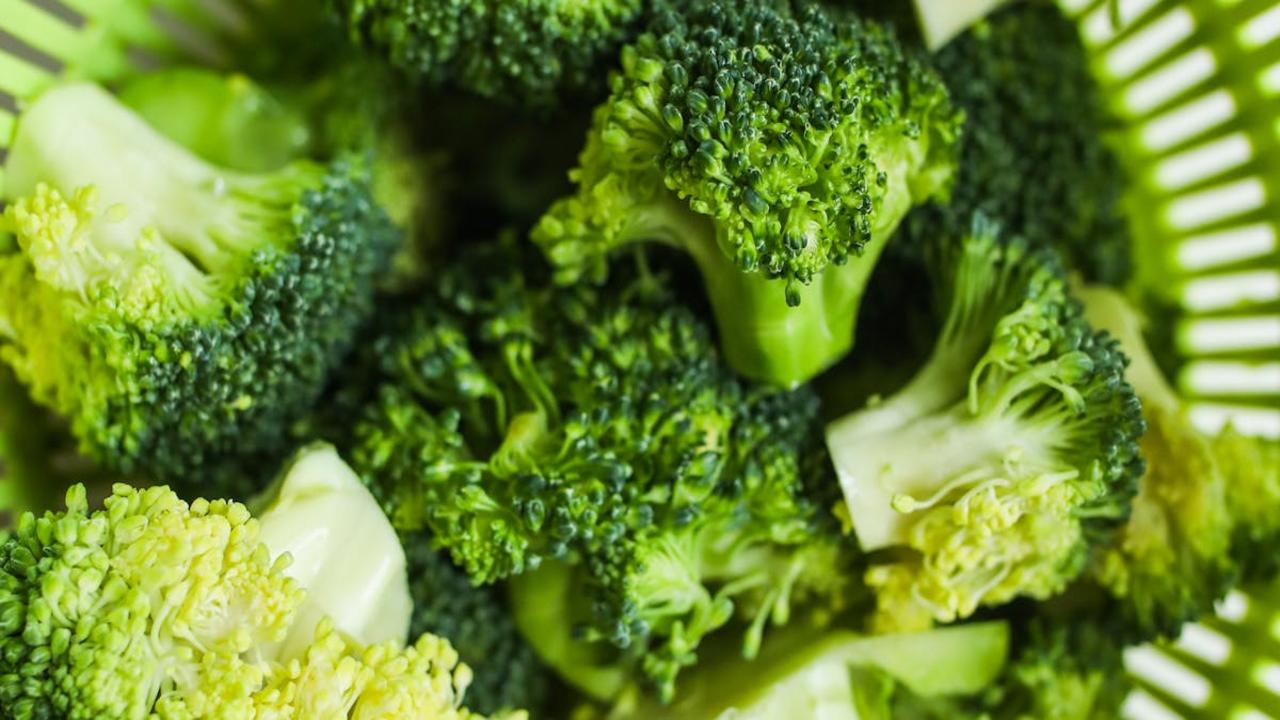
Plant defense mechanisms shape flavors
When I first tried cream cheese on a hot dog, my Korean friend had just introduced me to the magic of cream cheese corn dogs from Seoul street vendors. That creamy, tangy richness against the smoky sausage creates this incredible contrast that makes your mouth water for more. I spread a generous layer of room-temperature cream cheese directly on the bun, then add the hot dog and watch how it melts slightly from the heat. The beauty lies in how the cream cheese acts like a cooling agent against spicy mustard or jalapeños, balancing flavors in ways that traditional condiments simply cannot match.
You can elevate this simple addition by mixing herbs like chives, dill, or scallions into the cream cheese beforehand, creating your own compound spread that transforms an ordinary hot dog into something special. I sometimes add a pinch of garlic powder or smoked paprika to the cream cheese for extra depth. The key is using full-fat cream cheese rather than the reduced-fat versions – you want that rich, luxurious texture that coats your palate. This topping works particularly well with everything bagel seasoning sprinkled on top, giving you that New York deli experience in hot dog form.
Natural food dyes from flowers and insects
You know that moment when you crack an egg into a hot pan and watch the whites turn golden and crispy around the edges? That’s exactly the magic you want to bring to your hot dog. I started adding fried eggs to my dogs after a late-night craving led me to raid my fridge for anything that could make a simple frankfurter feel like a proper meal. The runny yolk creates this incredible sauce that coats every bite, while the crispy whites add texture that transforms your hot dog into something completely satisfying. It’s like having breakfast and lunch rolled into one perfect handheld creation.
The beauty of this combination lies in how the egg’s richness balances the saltiness of the hot dog perfectly. I always cook my egg with a touch of olive oil until the edges get those beautiful lacy patterns, keeping the yolk soft enough to break open with your first bite. You can season it simply with black pepper and a pinch of sea salt, or go bold with some smoked paprika or fresh herbs from your garden. This topping works especially well on a toasted whole grain bun, giving you extra nutrition while creating a more substantial meal that keeps you full for hours.
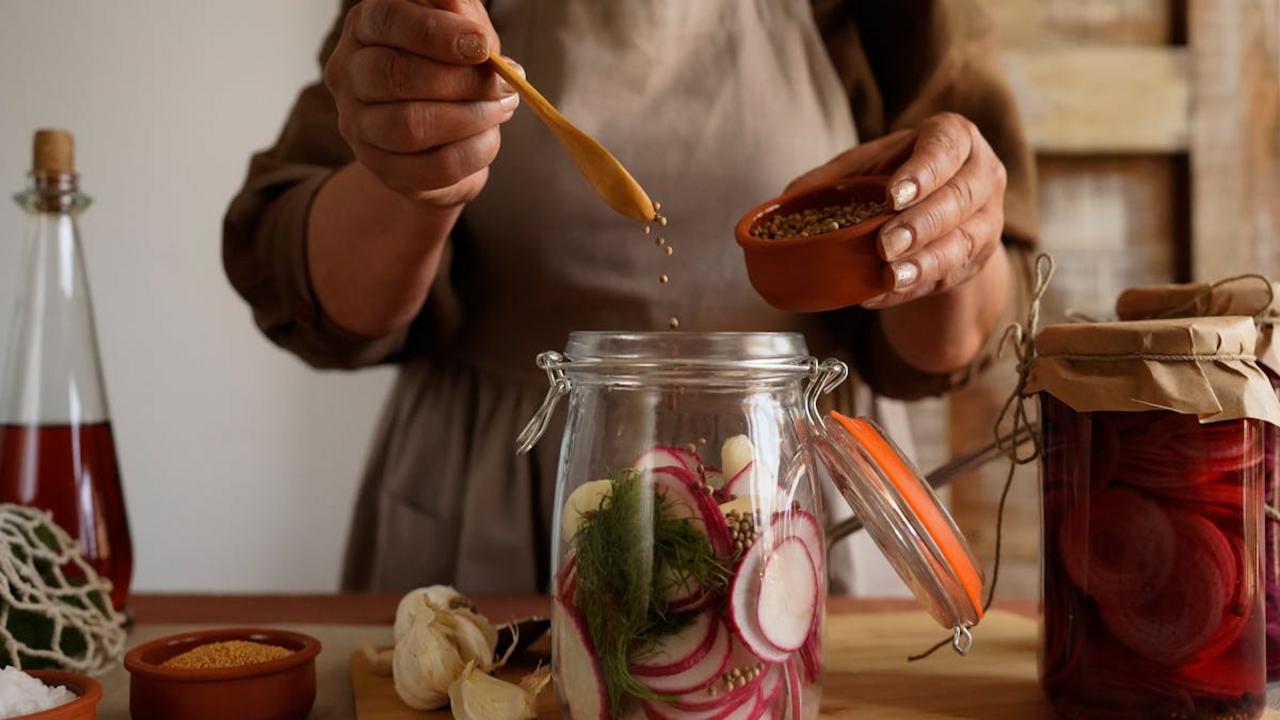
Fermentation connects microscopic ecosystems
I know what you’re thinking—peanut butter on a hot dog sounds absolutely wild. But hear me out! This combination actually makes perfect sense when you consider how beautifully nutty, creamy textures complement savory proteins. Think about Indonesian gado-gado or Thai satay with peanut sauce—those flavor profiles work because nuts and meat create this incredible harmony. When you spread smooth peanut butter directly onto your hot dog, you get that same magic happening. The richness balances the saltiness of the sausage while adding a protein boost that makes your meal more satisfying and nutritious.
Choose natural peanut butter without added sugars or oils—you want pure peanut flavor here, not processed sweetness competing with your hot dog. I recommend warming the peanut butter slightly so it spreads easily and melds with the warm sausage. Add some crunchy elements like chopped roasted peanuts or even a sprinkle of sesame seeds for texture contrast. If you want to take this global fusion further, try adding a thin slice of banana and a drizzle of honey—suddenly you have this incredible Southeast Asian-inspired creation that transforms your basic hot dog into something completely unexpected yet totally logical.
Root systems mirror human blood vessels
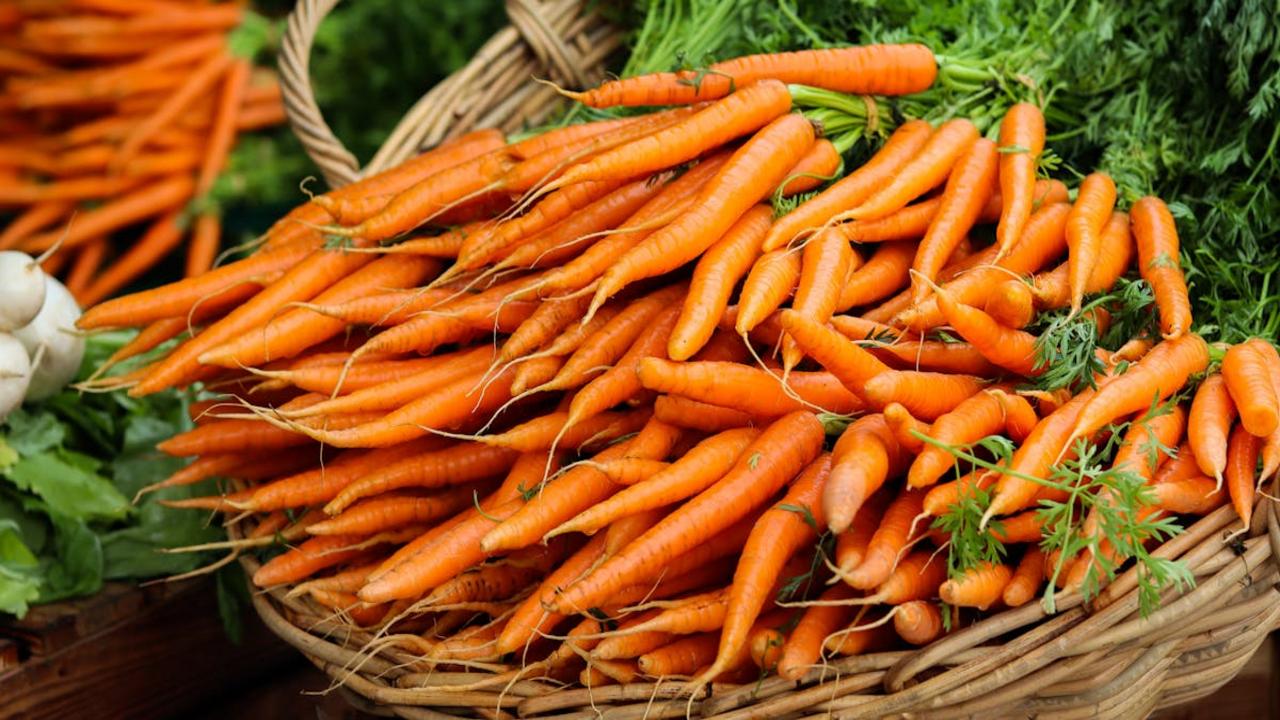
Every time I pull a fresh daikon radish from my garden or slice into a vibrant beetroot, I’m struck by how closely these underground networks resemble our own circulatory system. The intricate branching patterns of root vegetables follow the same mathematical principles that govern how blood vessels spread through our bodies—both systems maximize surface area while minimizing energy expenditure. When you hold a bunch of fresh carrots with their feathery tops still attached, you’re looking at nature’s perfect delivery system, one that mirrors the very vessels pumping life through your own body.
This biological symmetry becomes even more meaningful when you consider how root vegetables nourish us. Just as our blood vessels transport nutrients to every cell, these underground networks concentrate minerals and vitamins from the soil into dense, flavorful packages. I love roasting a medley of parsnips, turnips, and sweet potatoes—their earthy sweetness reminds me that we’re consuming nature’s own circulatory wisdom. Each bite connects us to the same fundamental patterns that keep us alive, creating a beautiful circle where the structures that feed plants ultimately feed us too.
Food scraps feeding garden compost cycle
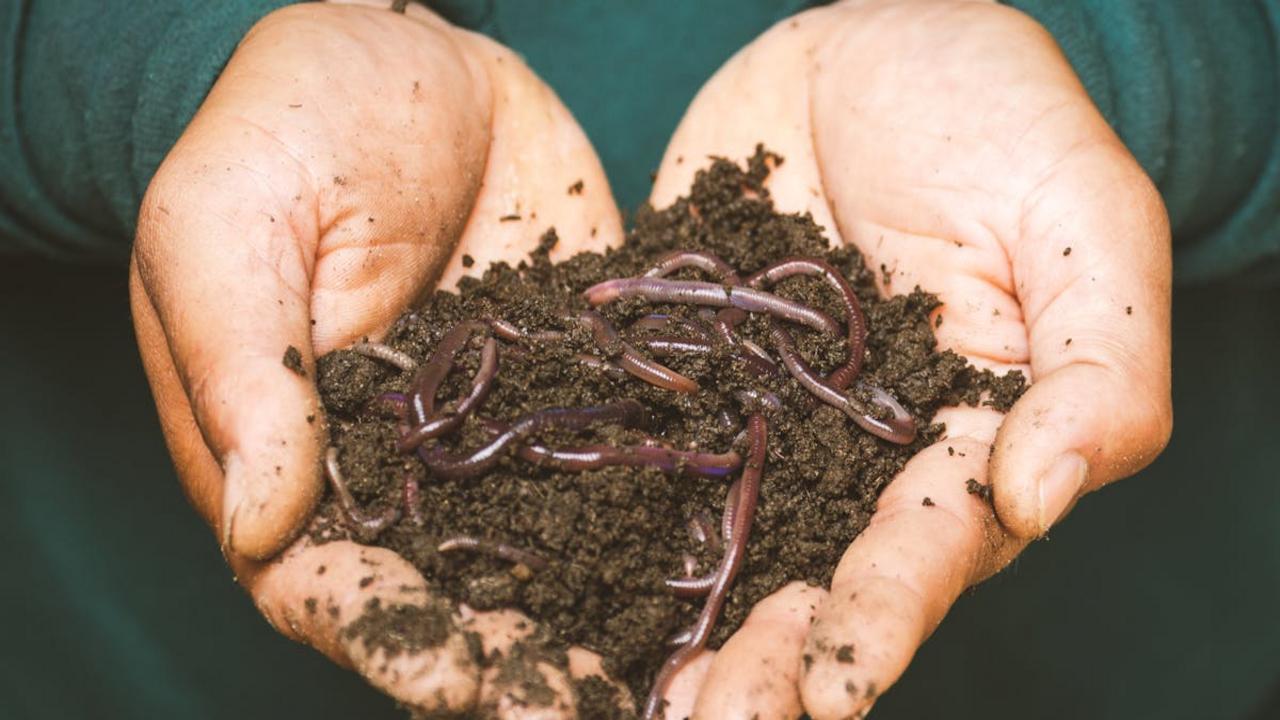
You know that feeling when you’re chopping onions and the peels pile up, or when you’re prepping fresh herbs and those stems seem too good to toss? I’ve discovered something magical happens when you save those scraps instead of sending them to the trash. Every carrot top, eggshell, and coffee ground becomes part of a beautiful cycle that connects your kitchen directly to the earth. I keep a small container on my counter now, and watching it fill with colorful vegetable trimmings feels like collecting treasures. These humble leftovers carry so much potential – they’re packed with nutrients that soil craves, and they represent the full circle of nourishment that starts in the garden and returns there again.
Creating compost from kitchen scraps transforms you into a participant in nature’s oldest recycling program. I love how my morning ritual of adding coffee grounds and banana peels to the compost bin makes me feel connected to something bigger than just cooking dinner. The decomposition process mirrors what happens naturally in forests, where fallen leaves and organic matter break down to feed new growth. Within months, those apple cores and herb stems become rich, dark soil that makes my tomatoes taste more vibrant and my basil leaves grow larger. This simple practice turns every meal preparation into an act of giving back, creating a tangible link between what nourishes us and what we can offer back to the earth.
Soil microbiome influences gut health
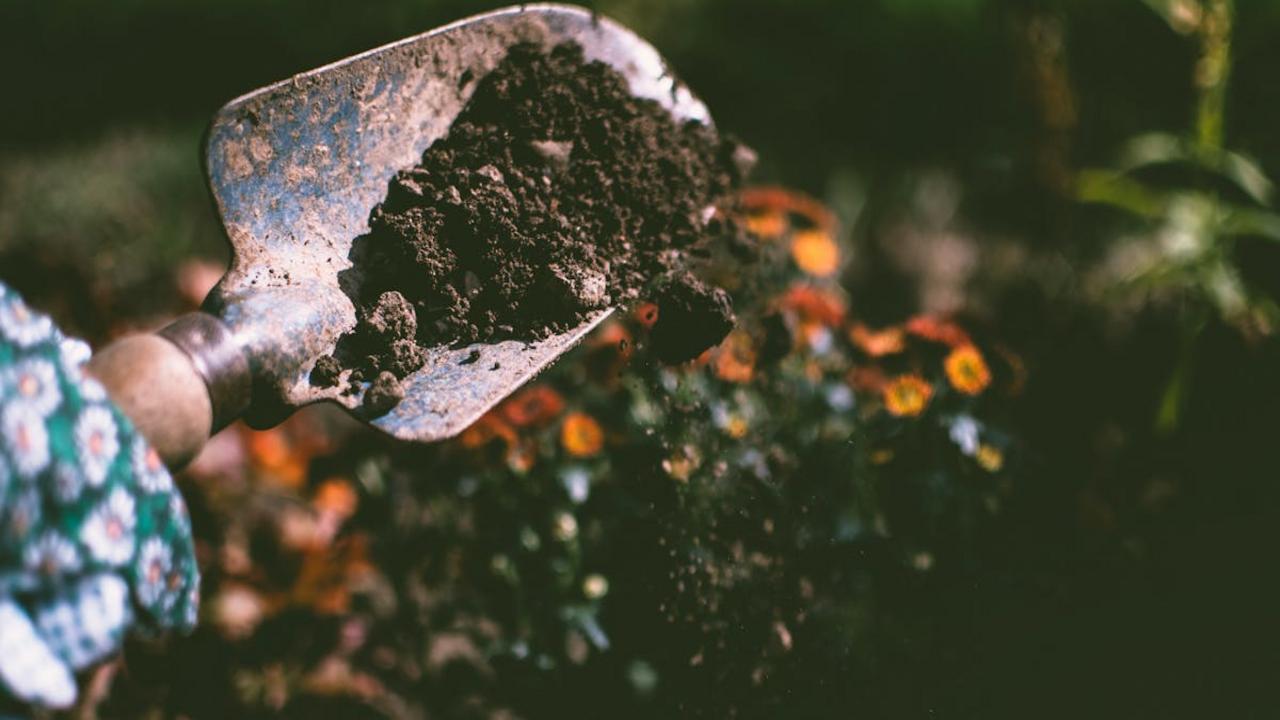
You know how I always talk about connecting with your ingredients? Well, here’s something that blew my mind: the tiny organisms living in healthy soil actually mirror the beneficial bacteria in your gut. When you choose vegetables grown in rich, biodiverse soil – especially from organic farms or your own garden – you’re getting a bonus dose of these helpful microbes that support your digestive system. It’s like the earth is literally feeding your body’s internal ecosystem.
This connection runs deeper than you might think. Every time you wash fresh carrots from the farmer’s market or pull herbs from your garden, trace amounts of soil bacteria naturally transfer to your food. These microorganisms help maintain the delicate balance in your intestines, supporting everything from nutrient absorption to immune function. That’s why I always encourage you to source your produce locally when possible – you’re not just getting fresher ingredients, you’re building a relationship between the soil community and your own internal garden. It’s nature’s way of keeping us connected to the earth that grows our food.
Seasonal eating aligns with Earth’s rhythms
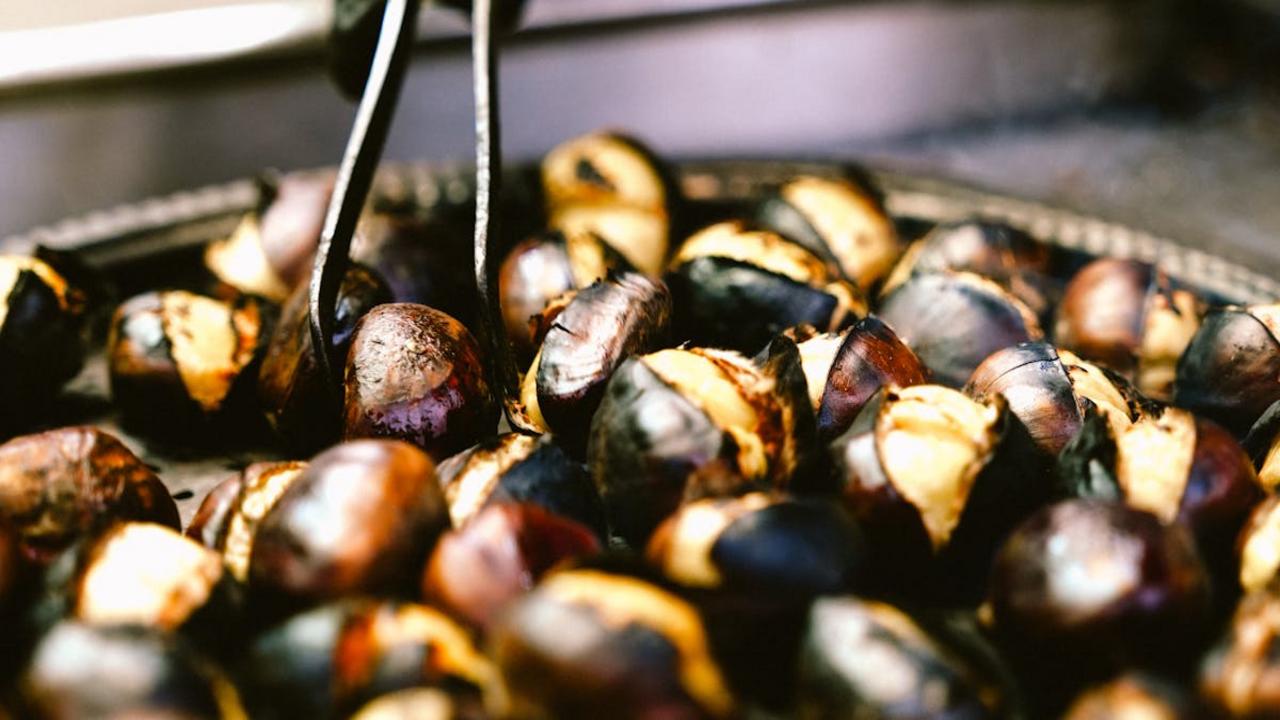
When I cook with what’s growing right outside my door, something magical happens in my kitchen. Spring asparagus tastes completely different from the imported stuff you find in winter—crisp, sweet, almost grassy in the best way. Summer tomatoes burst with sunshine, while autumn squash carries the deep, earthy sweetness that only comes from months of slow ripening. Your body actually craves different foods at different times of year, and when you listen to those signals, you’re syncing up with nature’s clock. I’ve noticed I naturally want lighter, cooling foods when it’s hot and heartier, warming dishes when the temperature drops.
This connection runs deeper than just flavor. When you eat seasonally, you’re participating in the same cycle that’s sustained humans for thousands of years. Your grandmother’s grandmother knew this rhythm instinctively—preserving summer’s bounty for winter, celebrating the first spring greens after months of stored root vegetables. Now, when I plan my weekly meals around what’s actually growing in my region, I feel grounded in a way that shopping from endless global options never provided. Plus, seasonal produce is usually more affordable, fresher, and packed with the nutrients your body needs for that particular time of year. It’s like nature’s perfectly designed meal plan.
Foraging awakens ancient instincts

3