12 Surprising Ways to Eat Greener Without Sacrificing Flavor
Think “eating green” means bland salads and sacrifice? Think again! I’ve discovered twelve mind-blowing ways to shrink your food footprint while actually ramping up flavor. From turning carrot tops into pesto to cooking with critters (yes, insects pack protein!), these methods transform “waste” into taste—and help our planet breathe easier.
Your kitchen already holds green-eating superpowers. Those onion ends? Regrow them! That bread going stale? Ferment it! Even “ugly” produce—those twisted carrots and bumpy apples rejected by supermarkets—taste identical to their prettier cousins. Plus, eating invasive species like lionfish becomes an eco-friendly excuse for an exotic dinner.
Ready to get weird with your food in the best possible way? Growing microgreens on your windowsill delivers fresh flavors year-round, while nose-to-tail cooking honors the whole animal. The craziest part? These planet-saving tricks actually expand your food horizons rather than limiting them. Green eating isn’t just good—it’s better!
Cultivate microgreens indoors
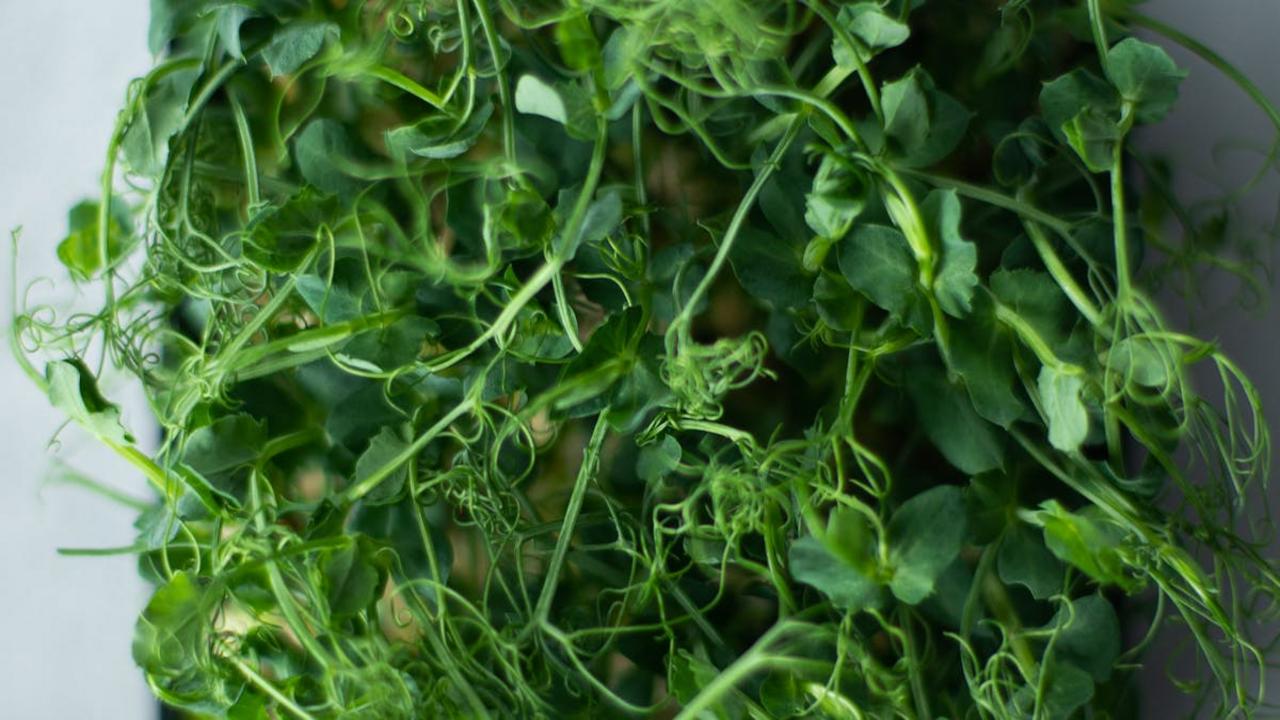
Picture this: you’re standing in your kitchen, looking at what appears to be a tiny forest growing on your windowsill. No, you haven’t shrunk to fairy size – you’ve just discovered the magical world of microgreens! These pint-sized powerhouses pack more nutritional punch per bite than their full-grown cousins, and growing them indoors is easier than convincing a toddler that vegetables are actually candy. I started my microgreen adventure with a simple plastic container, some potting soil, and radish seeds that cost less than a fancy coffee. Within a week, I had sprouts that tasted like they’d been kissed by spring itself – peppery, fresh, and so vibrant they practically glowed.
The beauty of microgreens lies in their speed and sass. While your neighbor’s tomatoes are still contemplating whether to bloom, your micro arugula is ready to party in just 7-14 days. You can grow everything from spicy mustard greens that’ll wake up your morning eggs to sweet pea shoots that transform boring salads into Instagram-worthy masterpieces. The best part? These little green gems contain up to 40 times more nutrients than their mature versions – it’s like nature’s version of a superfood concentrate. Plus, watching them grow becomes oddly addictive; I’ve caught myself checking on my trays multiple times a day like a proud parent at a school play.
Support regenerative agriculture products

Picture this: you’re shopping for your weekly groceries when you spot a label that says “regeneratively grown.” Your first thought? “Is this some fancy marketing term designed to make me spend three extra dollars on carrots?” But hold onto your shopping cart, because regenerative agriculture is actually the superhero of farming methods. These farmers don’t just avoid harmful chemicals—they actively heal the soil by rotating crops, covering fields with diverse plants, and letting livestock graze in patterns that mimic nature. The result? Soil that captures carbon from the atmosphere, creates wildlife habitats, and produces food that’s often more nutrient-dense than conventional options.
The best part about choosing regenerative products is that you’re basically eating your way to a healthier planet while your taste buds throw a party. Companies like White Oak Pastures, Patagonia Provisions, and Organic Valley offer regeneratively-raised beef, salmon, and dairy that taste incredible because happy soil creates happy plants, which create happy animals. You can find these products at many grocery stores now, or search online for “regenerative agriculture” plus your location. Your pasta sauce made with regeneratively-grown tomatoes doesn’t just taste better—it’s part of a farming revolution that’s turning degraded farmland into thriving ecosystems. Who knew being environmentally conscious could be this delicious?
Join a food waste rescue program

Picture this: you walk into your kitchen and discover a treasure trove of perfectly good produce that was destined for the dumpster just hours earlier. Food waste rescue programs connect you with surplus groceries from restaurants, bakeries, and supermarkets that would otherwise rot in landfills, producing methane gas that’s 25 times more potent than carbon dioxide. These programs have transformed my weekly grocery routine into an exciting scavenger hunt where I never know if I’ll score artisanal sourdough, exotic dragon fruit, or a case of organic yogurt that expires tomorrow but tastes divine today.
Apps like Too Good To Go, Flashfood, and local community programs make rescuing food ridiculously simple – you just order mystery bags or discounted items through your phone. Last month, I snagged a “surprise bakery box” for five dollars that contained enough croissants, Danish pastries, and focaccia bread to feed a small army (okay, just me for three very indulgent days). The beauty lies in the creativity this forces upon you: that slightly soft eggplant becomes a smoky baba ganoush, those browning bananas transform into the most magnificent banana bread, and suddenly you’re a kitchen wizard turning rescued ingredients into restaurant-quality meals while saving money and the planet simultaneously.
Use aquaponic systems at home
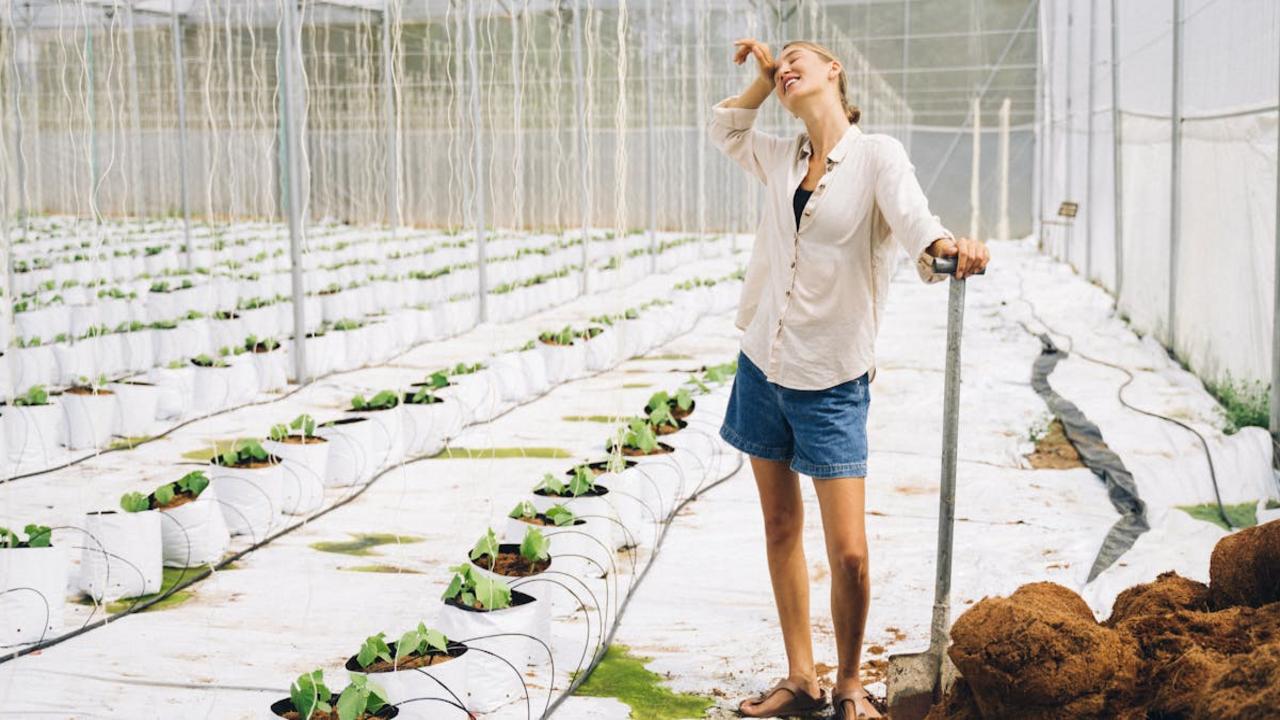
Picture this: your basement looking like something out of a sci-fi movie, complete with fish swimming happily while lettuce grows above their heads like some sort of agricultural fairy tale. That’s aquaponics for you – the brilliant marriage of fish farming and hydroponic gardening that’ll make your neighbors think you’ve completely lost it (until they taste your incredible homegrown produce). Your goldfish become tiny farmhands, producing nutrient-rich waste that feeds your plants, while the plants clean the water for your finned friends. It’s like having a miniature ecosystem right in your spare room, minus the mosquitoes and muddy boots.
The best part? Your tomatoes will taste like they’ve been blessed by Neptune himself, bursting with flavor that puts grocery store varieties to shame. You can grow everything from basil that’ll make your pasta sing opera to strawberries so sweet they’ll make you forget about dessert. Sure, explaining to dinner guests why you’re checking on your fish before serving salad might raise a few eyebrows, but once they bite into that crispy lettuce grown with zero soil and maximum fish love, they’ll be begging for your secrets. Plus, you’ll never run out of conversation starters – “Oh, this kale? My trout grew it personally.”
Practice nose to tail cooking
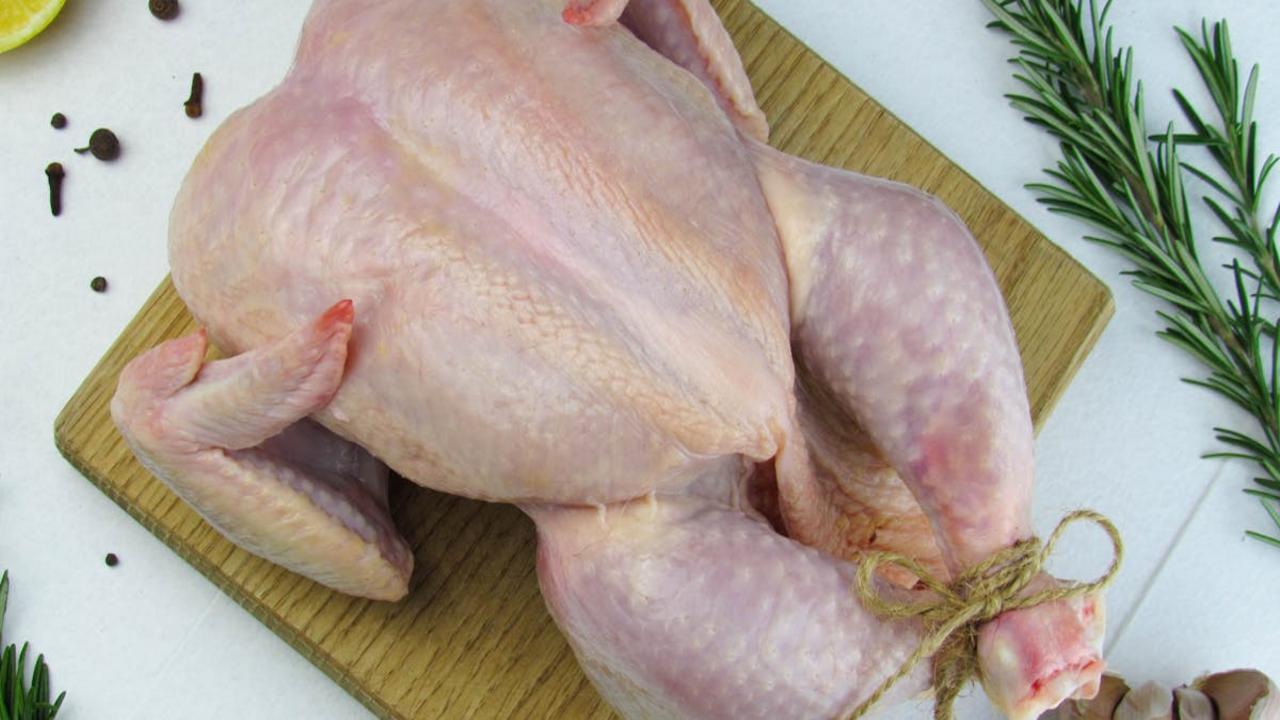
Listen, I get it—the phrase “nose to tail” sounds like something your squeamish cousin would run screaming from at Thanksgiving dinner. But before you click away faster than I devour a chocolate croissant, hear me out! This ancient practice means using every single part of an animal, from the obvious cuts to the bits that usually get tossed. Think beef heart tacos that’ll make your regular ground beef weep with envy, or chicken liver pâté so silky it practically purrs. My grandmother used to make the most incredible headcheese (don’t let the name fool you—zero cheese involved), and watching her transform scraps into gold taught me that waste is just flavor waiting for its moment to shine.
The environmental payoff here is absolutely bonkers—you’re basically giving Mother Earth a high-five while your wallet does a happy dance. Instead of one animal feeding four people, suddenly you’re feeding eight with the same environmental footprint. Start small if you’re feeling nervous: chicken thighs instead of breasts (they’re juicier anyway), or ask your butcher about marrow bones for the most luxurious soup base you’ve ever tasted. Oxtail stew will convert even the most stubborn carnivore, slowly braising into fork-tender perfection that tastes like a warm hug from your favorite chef. Trust me, once you discover how incredible these “forgotten” cuts taste, you’ll wonder why anyone ever settled for the boring stuff.
Eat invasive species

Picture this: you’re sitting at a fancy restaurant, and the waiter slides over a plate of Asian carp ceviche or some beautifully grilled lionfish. Your dinner isn’t just delicious—it’s practically a superhero saving the planet one bite at a time! Invasive species have crashed ecosystems worldwide like uninvited party guests who ate all the snacks and refused to leave. But here’s where your fork becomes a weapon of environmental justice. These ecological troublemakers often taste absolutely incredible because they’ve been living the good life, gorging themselves in their new homes without natural predators keeping them in check.
Take kudzu, that aggressive vine strangling the American South—you can turn those leaves into tempura that’ll make you forget regular vegetables exist. Or consider Asian carp, which have been terrorizing rivers across the Midwest. These fish are buttery, flaky, and perfect for fish tacos that would make any food truck jealous. Japanese knotweed shoots taste like lemony asparagus, while wild boar (yes, they’re invasive in many areas) creates bacon so rich it should come with its own warning label. The best part? Every meal becomes a conservation effort. You’re literally eating the problem away while discovering flavors that most people never experience. Who knew saving the environment could be this delicious?
Choose ugly produce
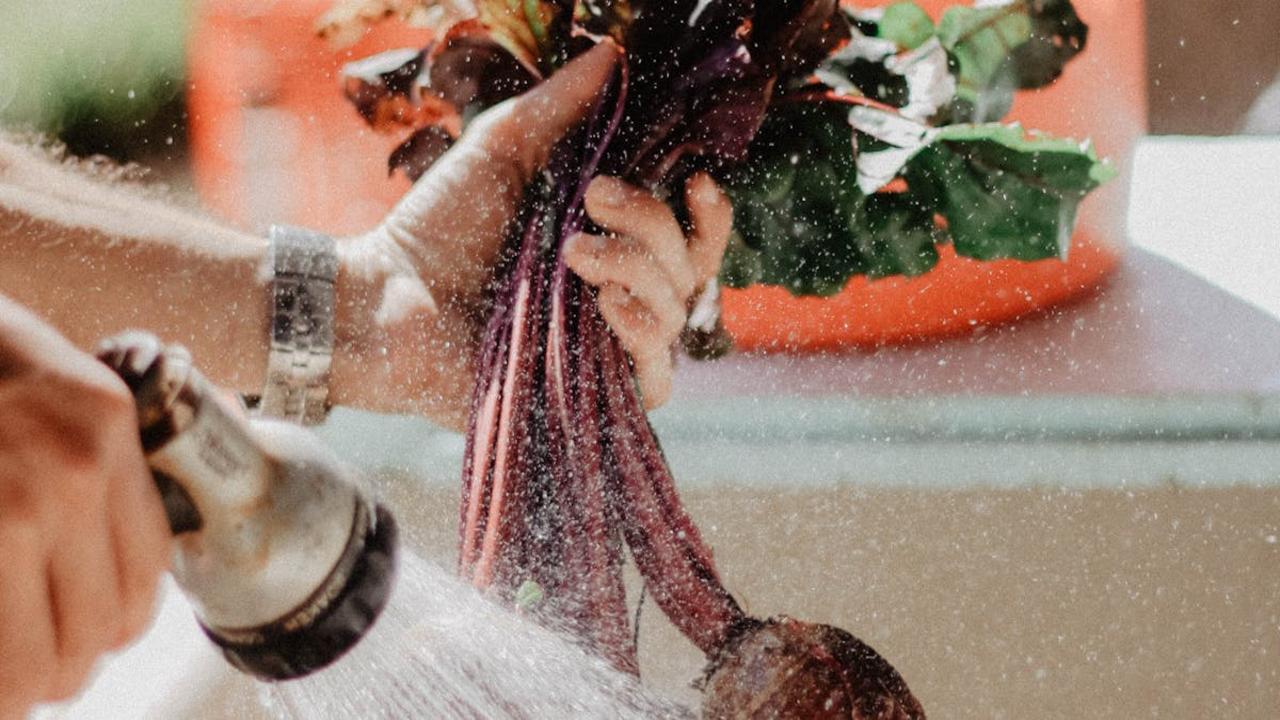
Here’s a secret that’ll make your wallet and the planet happy: those wonky carrots with three legs and apples that look like they’ve been through a boxing match taste exactly the same as their picture-perfect siblings. I buy ugly produce whenever I can find it, and honestly, some of my best meals have come from vegetables that wouldn’t win any beauty contests. That twisted bell pepper might look like it’s having an identity crisis, but it roasts up just as sweet and smoky as its symmetrical cousins.
The food industry tosses about 40% of perfectly good produce just because it doesn’t meet strict cosmetic standards – talk about judging a book by its cover! When you choose these misfit fruits and vegetables, you’re rescuing food that would otherwise rot in landfills while pumping out methane gas. Plus, ugly produce often costs 30-50% less than the pretty stuff, so you can stock up on more ingredients for your cooking adventures. I’ve turned lumpy tomatoes into incredible pasta sauces and transformed oddly-shaped potatoes into crispy roasted masterpieces that had everyone asking for seconds.
Forage local edible plants

Listen, I know what you’re thinking – foraging sounds like something only granola-eating wilderness enthusiasts do while wearing hemp sandals. But hear me out! Your neighborhood is probably hiding more edible treasures than a pirate’s chest, and most of them taste infinitely better than that sad iceberg lettuce wilting in your fridge. Dandelions aren’t just lawn invaders – their bitter leaves make incredible salads that’ll wake up your palate faster than a double espresso. Those purslane “weeds” sprouting through sidewalk cracks? They’re actually succulent little powerhouses packed with omega-3s and a delightfully tangy crunch that’ll make you question why you’ve been paying premium prices for fancy microgreens.
Before you start munching on random greenery like an overeager rabbit, download a reliable plant identification app and maybe join a local foraging group – because mistaking poison ivy for something edible would definitely ruin your whole “eating green” vibe. Wild garlic tastes like its cultivated cousin had a rebellious teenage phase, while lamb’s quarters (also called wild spinach) will make you wonder why anyone bothers with the store-bought stuff. The best part? Foraging turns your regular walk into a treasure hunt where the prize is dinner. Just remember to forage responsibly – take only what you need, leave the roots intact, and avoid areas that might be contaminated. Your wallet will thank you, your taste buds will do a happy dance, and you’ll have the ultimate conversation starter at dinner parties.
Ferment and preserve surplus produce
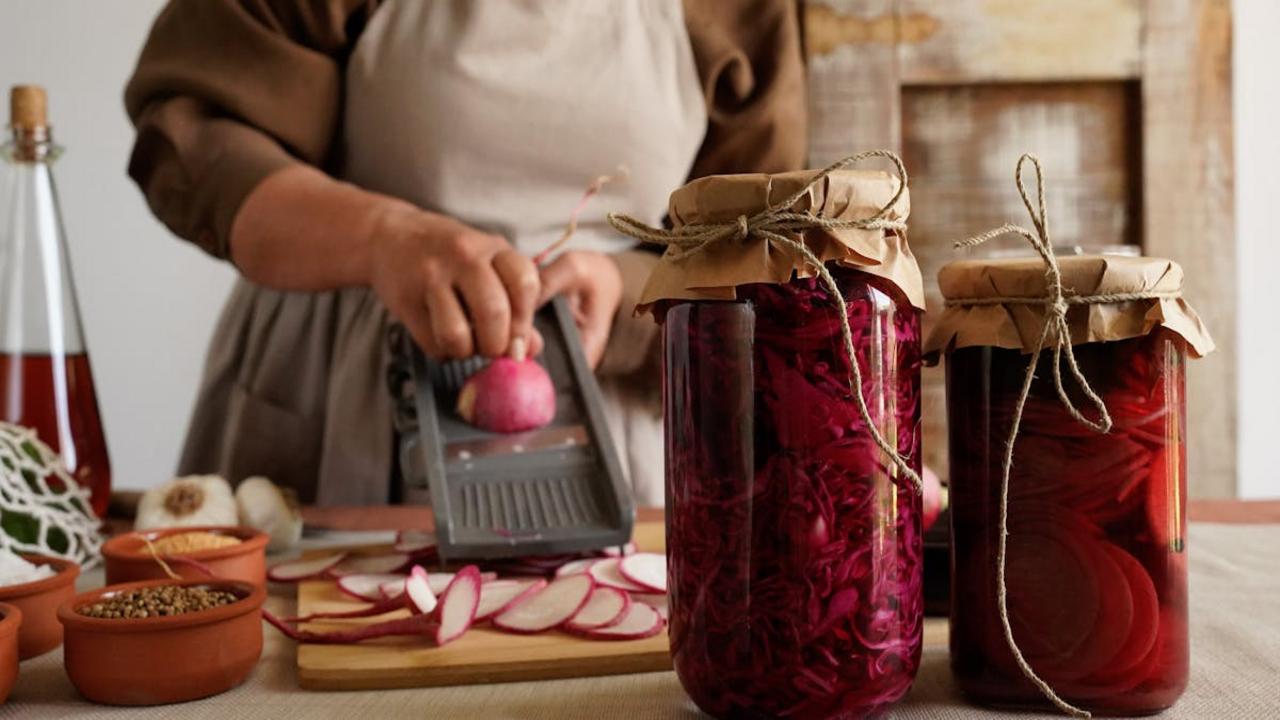
Your grandmother knew something we’ve forgotten in our rush toward convenience culture: that bumper crop of cucumbers doesn’t have to become compost fodder. Fermentation transforms surplus vegetables into tangy treasures that pack more flavor punch than their fresh counterparts. Think about it—sauerkraut, kimchi, and pickles all started as someone’s “what do I do with all these vegetables?” moment. The magic happens when beneficial bacteria throw their own little party in your mason jars, creating complex flavors while extending shelf life for months. Plus, fermented foods boost your gut health, so you’re basically turning vegetable overflow into edible medicine.
Start simple with quick pickles—slice those excess radishes, carrots, or green beans, pack them in jars with vinegar, salt, and spices, then wait 24 hours for the transformation. For true fermentation, try making sauerkraut with just cabbage and salt, or experiment with curtido, the spicy Salvadoran cabbage relish that makes everything taste better. The best part? Fermentation doesn’t discriminate—from watermelon rinds to beet greens, almost any vegetable can join the fermentation party. Your future self will thank you when winter arrives and you’re pulling jars of summer sunshine from your pantry, each bite bursting with concentrated flavor that makes store-bought versions taste like sad, watery shadows.
Grow food from kitchen leftovers
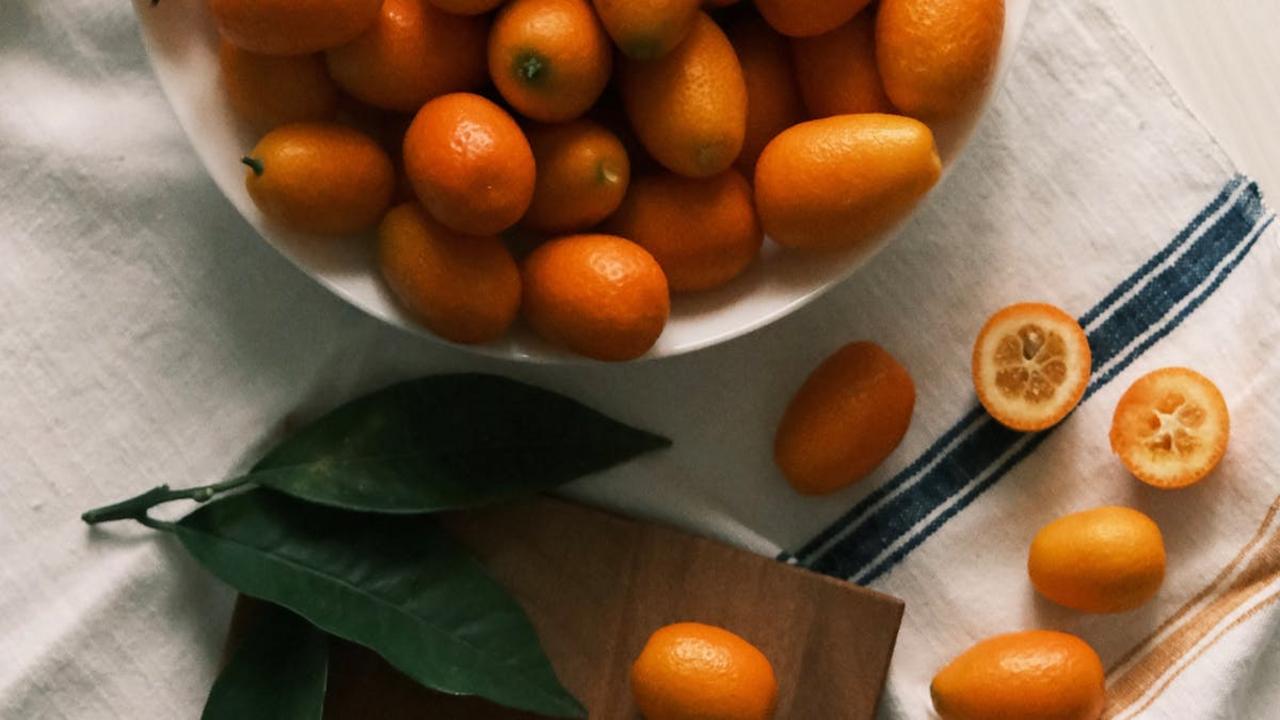
You know that sad pile of vegetable scraps you toss in the compost? Time to give those forgotten heroes a second act! Your kitchen counter can become a mini greenhouse with nothing more than some water, patience, and the kind of determination usually reserved for assembling IKEA furniture. Green onions regrow from their white roots in just days—plop them in a glass of water and watch them shoot up like caffeinated teenagers. Celery hearts, lettuce stumps, and even pineapple tops will sprout new growth when given the right conditions. I once accidentally grew a potato forest on my windowsill after forgetting about some spuds in a dark cabinet for three weeks.
The magic happens with minimal effort and maximum reward. Garlic cloves planted in soil transform into full bulbs within months, while herb stems root beautifully in water before transplanting. Avocado pits, though notoriously finicky, will eventually crack open and send out roots that look like something from a science fiction movie. Even carrot tops make excellent microgreens that pack a peppery punch in salads. This practice saves money, reduces waste, and gives you bragging rights at dinner parties when guests ask about your “impressive” gardening skills. Plus, there’s something deeply satisfying about eating food you’ve literally rescued from the trash can.
Consider insects as protein

Okay, before you slam your laptop shut and declare me certifiably insane, hear me out! Crickets contain more protein per ounce than beef, and they’re packed with all nine essential amino acids your body craves. Plus, they taste surprisingly nutty – kind of like roasted sunflower seeds had a baby with popcorn. I tried cricket flour brownies at a food festival last year, and honestly, they were so fudgy and delicious that I forgot I was eating tiny legs and wings. The best part? You can’t even see the bugs once they’re ground into flour!
Two billion people worldwide already munch on insects regularly, so we’re actually the weird ones for turning our noses up at this crunchy goodness. Raising crickets requires 2,000 times less water than beef and produces virtually no greenhouse gases – making them the superhero of sustainable proteins. Start small with cricket protein bars or add a spoonful of cricket flour to your next batch of cookies. Trust me, your guests will never know they’re eating bugs, and you’ll feel like you’re single-handedly saving the planet one chocolate chip cookie at a time.
Cook with scraps and peels
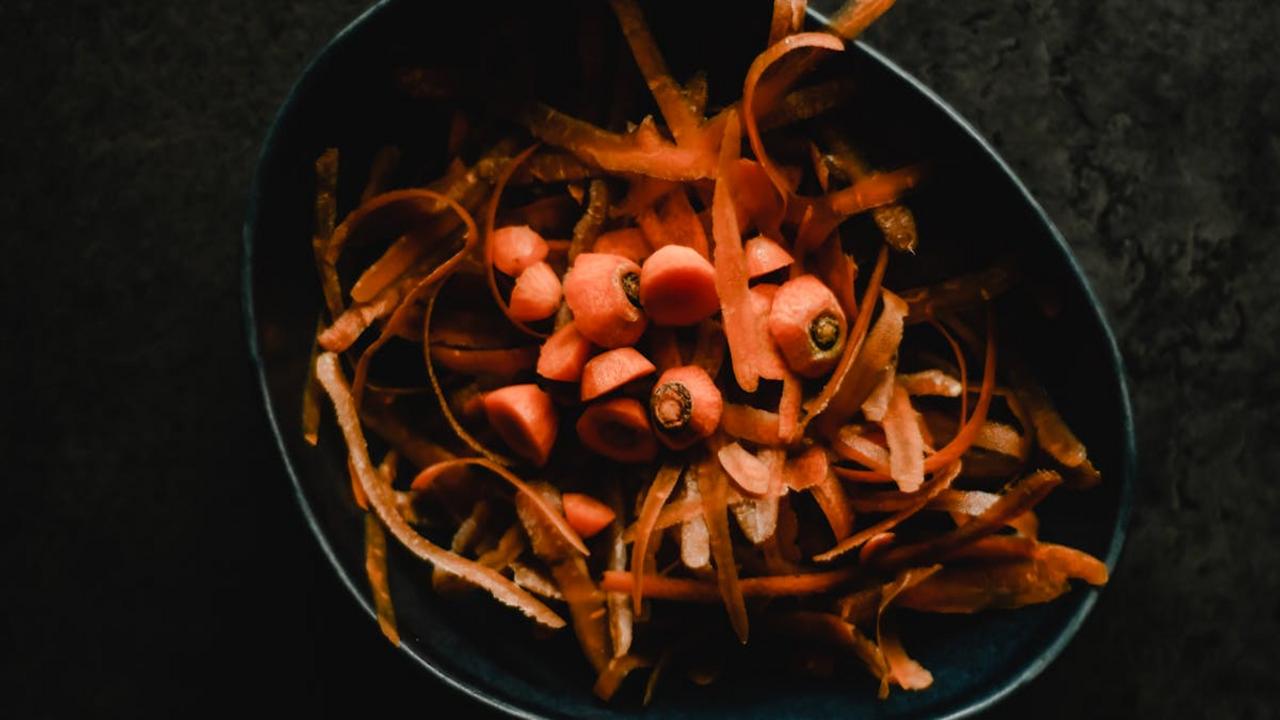
Your kitchen scraps aren’t trash—they’re culinary gold hiding in plain sight! That pile of potato peels you’re about to toss? They crisp up into the most addictive chips you’ve ever crunched. Those sad-looking broccoli stems? They’re basically nature’s version of mild radishes, perfect for slicing thin and adding crunch to stir-fries. I once watched my grandmother turn carrot tops into a pesto so vibrant and peppery that it made store-bought versions look like green paste. She’d cackle with glee every time someone asked for the recipe, knowing she’d just saved money while creating something spectacular from what most people consider garbage.
The secret lies in understanding which scraps deserve a second chance on your dinner plate. Watermelon rinds pickle beautifully into tangy, crisp treats that’ll make your summer salads sing. Corn cobs simmer into liquid gold—the sweetest broth you can imagine for risottos and soups. Even those papery onion skins contain more flavor than you’d expect; they turn homemade stock into liquid amber with notes so deep and complex, you’ll wonder why you ever threw them away. Start small with one scrap at a time, and soon you’ll be looking at your compost bin like it’s been holding your ingredients hostage all these years.