12 Mouthwatering Reasons to Make Weekly Family Meals a Tradition
Family meals bring more than just food to the table – they create an irreplaceable space for connection in our busy lives. I’ve noticed how sharing dishes weekly transforms ordinary evenings into meaningful moments that strengthen family bonds. Your kitchen table becomes the heart of your home where stories flow as freely as the food you share.
Weekly family dinners offer a simple yet powerful way to teach children about their cultural heritage through recipes passed down through generations. These gatherings create natural opportunities for everyone to practice listening and expressing themselves while building memories that last longer than any meal.
Making family meals a consistent tradition provides a welcome break from hectic schedules while encouraging creativity in the kitchen. You’ll discover how these regular gatherings naturally promote better food choices, mindful eating habits, and appreciation for seasonal ingredients – all while teaching children the value of sharing responsibilities.
Encouraging Sharing of Responsibilities

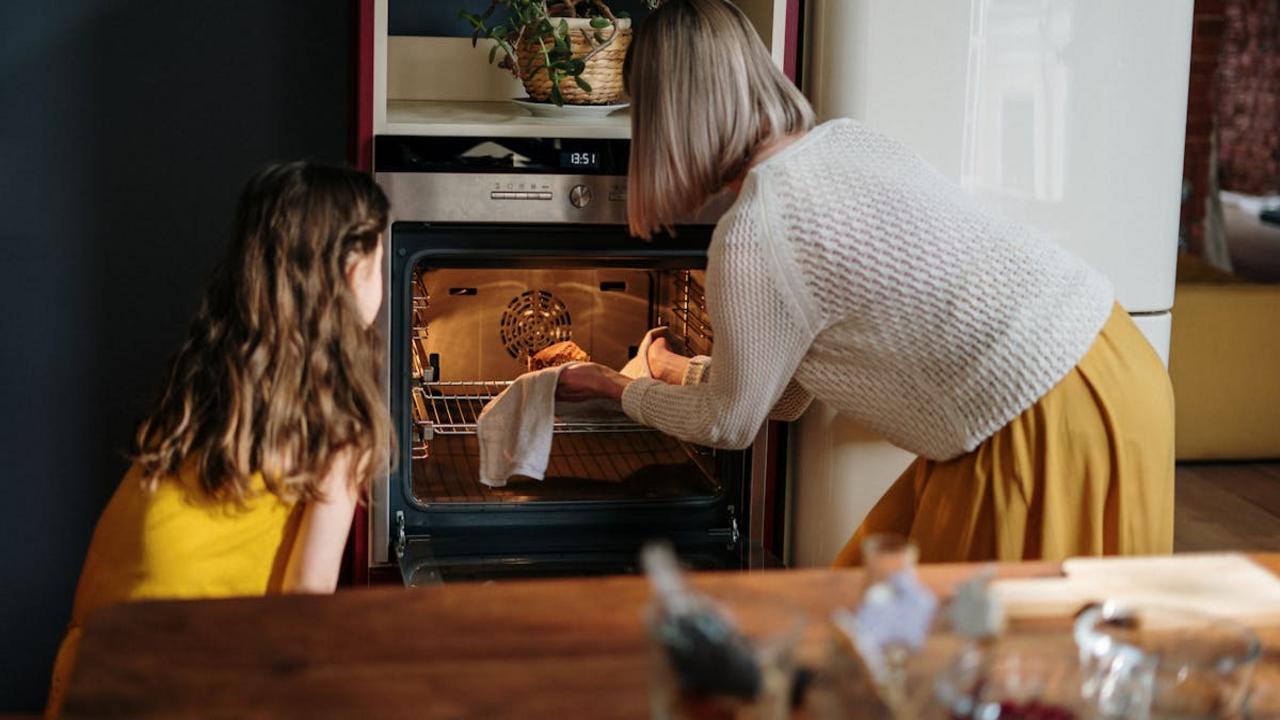
When you gather your family around the kitchen for weekly meal prep, something magical happens—everyone naturally finds their role in the process. Your youngest might become the official vegetable washer, while your teenager discovers they have a knack for seasoning proteins just right. I’ve watched my own family transform from passive observers to active participants, each person claiming their territory in our shared cooking space. This organic division of labor teaches children that meals don’t just appear—they require effort, planning, and cooperation from everyone involved.
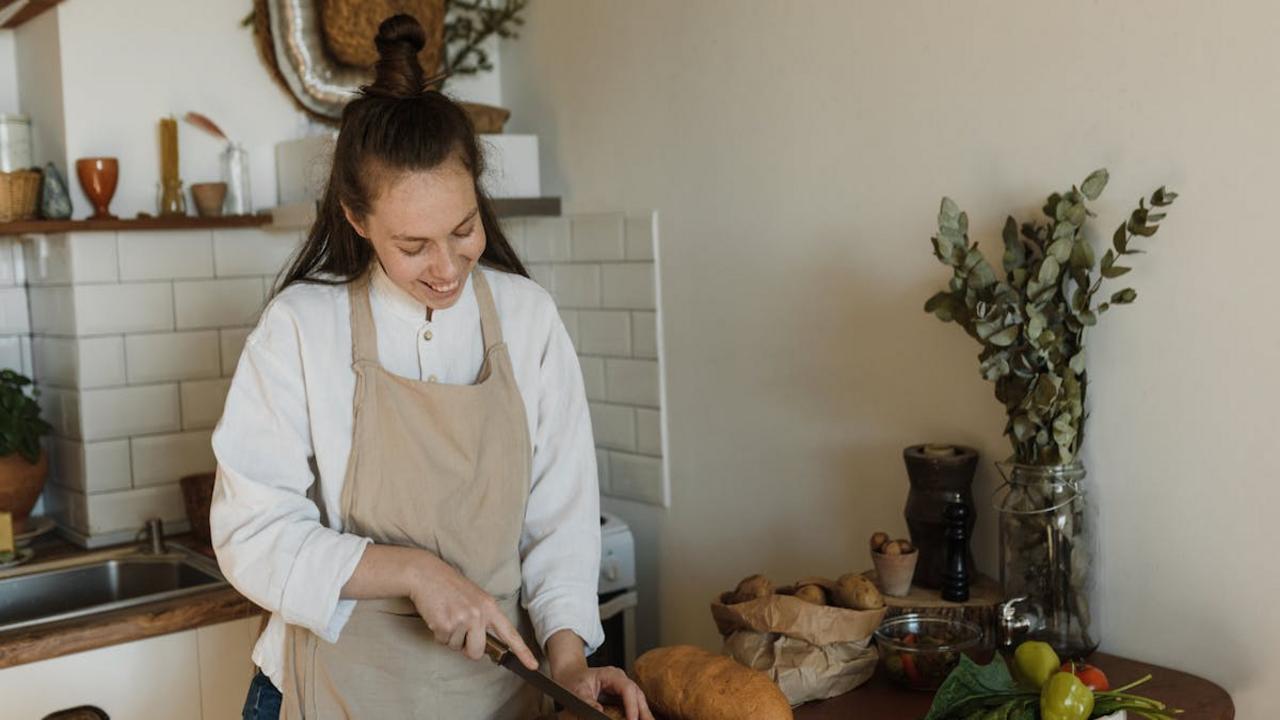
The beauty of shared cooking responsibilities extends far beyond the kitchen walls. Children who regularly help prepare family meals develop a deeper appreciation for food and understand the value of contribution. They learn practical skills like knife safety, flavor balancing, and timing multiple dishes—knowledge that will serve them throughout their lives. More importantly, they absorb the understanding that maintaining a household requires teamwork. When your daughter takes pride in perfectly julienned carrots or your son masters the timing on rice, they’re not just cooking—they’re building confidence and learning that their contributions matter to the family unit.
Facilitating Family Meetings
I know what you’re thinking – cheese in a smoothie sounds absolutely wild, right? But hear me out because this trick has saved so many breakfast battles in my house. Start with mild, creamy cheeses like ricotta or even a small piece of cream cheese blended into fruit smoothies. The ricotta adds incredible protein and makes the texture luxuriously thick, while the mild flavor gets completely masked by berries, banana, and a touch of honey. Your picky eater gets that familiar creamy mouthfeel they crave from dairy, plus you’re sneaking in extra calcium and protein without them even knowing.
The magic happens when you pair these cheesy smoothies with familiar flavors they already love. Try blending ricotta with strawberries and vanilla for something that tastes like a strawberry cheesecake milkshake, or go tropical with cream cheese, pineapple, and coconut milk for a piña colada vibe. I’ve found that frozen fruits work best because they create that thick, shake-like consistency kids expect. The key is starting with tiny amounts of cheese – maybe a tablespoon – and gradually increasing as they get used to the flavor. Before you know it, they’re drinking what’s basically a nutrition-packed breakfast disguised as dessert, and everybody wins.
Strengthening Family Rituals

When my little one started turning his nose up at traditional cookies, I discovered something magical in my kitchen pantry. Those crispy cheese wafers I usually save for wine nights? They became my secret weapon for satisfying his sweet tooth cravings. I started offering them as “special cookies” during snack time, and suddenly my picky eater was asking for seconds. The salty-savory combination hits differently than sugary treats, and I love that he’s getting protein and calcium instead of empty calories from processed sweets.
Now I make homemade cheese wafers specifically for this purpose, mixing sharp cheddar with a touch of whole wheat flour and a hint of paprika for color. I roll the dough thin, cut them into fun shapes with cookie cutters, and bake until golden and crispy. The beauty lies in how these “cookies” satisfy his desire for something crunchy and special while sneaking in real nutrition. He gets excited about his cheese cookies, and I get peace of mind knowing he’s eating wholesome ingredients. Sometimes the best solutions hide in plain sight – right there in your regular rotation of adult snacks.
Celebrating Seasonal Ingredients
You know what transforms ordinary popcorn into pure magic for picky eaters? A generous dusting of cheese powder! I discovered this trick completely by accident when my little one rejected yet another snack attempt. I had some nutritional yeast sitting in my pantry—that golden, flaky powder that vegans swear by for its cheesy flavor—and decided to sprinkle it over freshly popped kernels. The transformation was instant. Suddenly, my child was munching away happily, and I realized I’d found something special.
Now I keep both nutritional yeast and real cheese powder on hand for snack emergencies. The beauty lies in how simple this method is—just pop your corn (I prefer using a stovetop method with a little coconut oil), then immediately toss with your chosen cheese powder while the kernels are still warm. The heat helps the powder stick perfectly to each piece. What makes this approach so successful with finicky eaters is the familiar, comforting taste of cheese combined with the satisfying crunch of popcorn. Plus, nutritional yeast adds B vitamins and protein, making this snack surprisingly nutritious while still feeling like a treat.
Opportunity for Mindful Eating

Sometimes the most brilliant ideas come from those moments when you’re staring into your fridge, wondering how to make your stubborn little one actually excited about eating something nutritious. I discovered this magical combination when I had some overripe mangoes and a block of mild goat cheese that needed using up. Instead of letting them go to waste, I decided to blend them together with a touch of honey and roll them into thin sheets using my dehydrator. The result? These incredible fruit leather rolls that pack protein, probiotics, and natural sweetness into one irresistible package.
What makes these rolls so special is how the tangy cheese balances the fruit’s sweetness while adding that creamy richness kids crave. I’ve experimented with different combinations – strawberry with cream cheese, peach with ricotta, even apple with a hint of sharp cheddar for my more adventurous eaters. The texture transforms from something that might seem strange on paper into these chewy, satisfying strips that remind me of the fruit roll-ups from my childhood, but infinitely better for growing bodies. My daughter now requests these as her go-to snack, and I love knowing she’s getting calcium and real fruit without any artificial colors or preservatives.
Promoting Nutritional Awareness
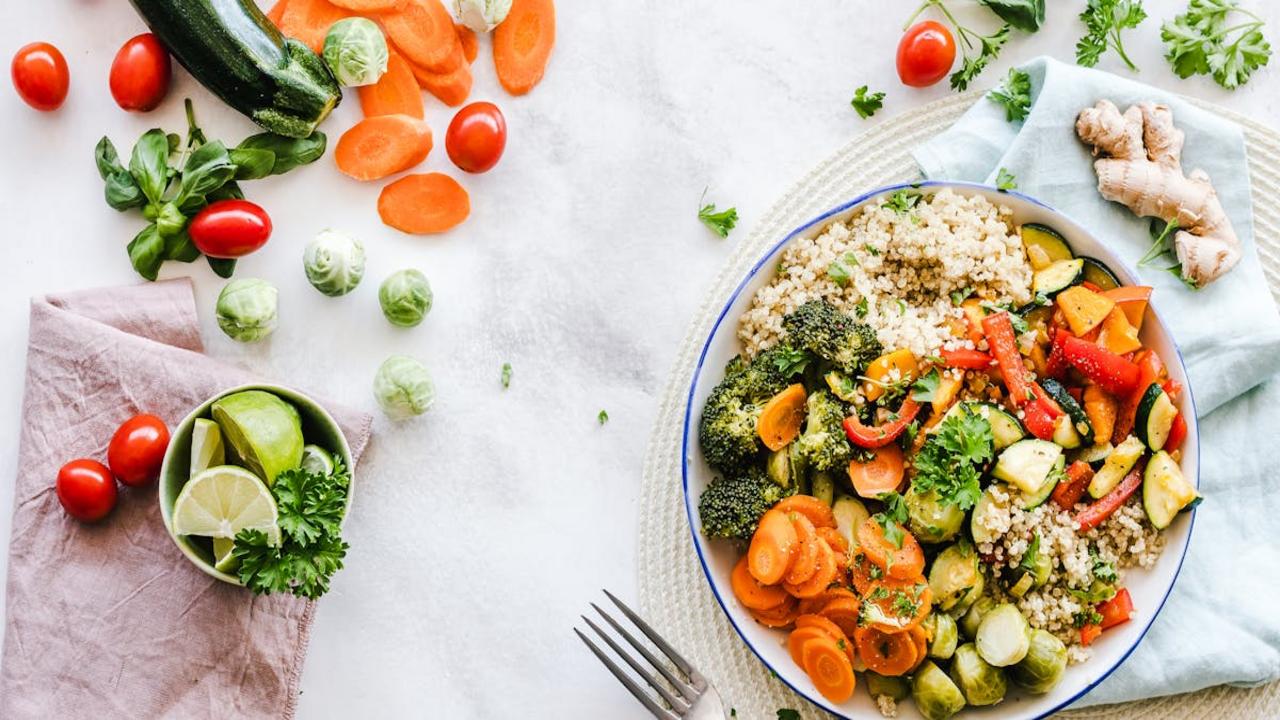
When my youngest declared war on every green thing on their plate, I knew I needed backup—and cheese became my secret weapon. I started pressing grated Parmesan directly onto roasted broccoli florets during the last five minutes of cooking, creating these incredible golden, crispy crowns that made vegetables irresistible. The magic happens when the cheese meets high heat, forming a crunchy shell that transforms boring vegetables into something that feels like a special treat rather than a healthy obligation.
Now I coat everything from cauliflower to Brussels sprouts with a mixture of sharp cheddar and a touch of garlic powder before roasting. The cheese creates this beautiful caramelized crust while the vegetables steam inside, staying tender and sweet. What started as desperate parenting has become one of our family’s favorite side dishes—my kids actually request “the cheesy vegetables” now. I love that I’m getting nutrient-dense food into them while they think they’re getting away with something indulgent. It’s pure genius disguised as comfort food.
Encouragement for Culinary Creativity
When my little one started turning their nose up at regular grilled cheese, I knew I needed to get creative. That’s when rainbow grilled cheese sandwiches became my secret weapon! I mix natural food coloring into cream cheese and spread thin layers of vibrant colors between slices of good sourdough bread with their favorite cheese. The result? A sandwich that looks like magic when you cut it open, revealing beautiful rainbow stripes that make even the pickiest eater gasp with delight.
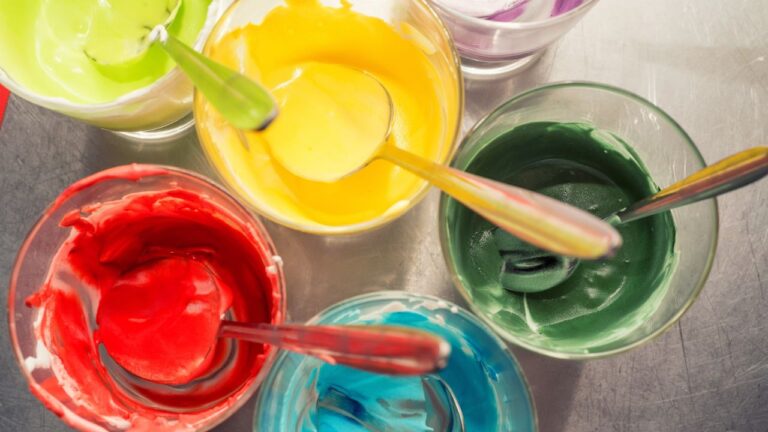
What I love most about this trick is how simple it actually is behind all that visual wow factor. I use beetroot powder for red, turmeric for yellow, spirulina for green, and butterfly pea flower powder for blue – keeping everything natural while creating something that feels like pure fun. The cream cheese adds extra creaminess without overwhelming the familiar comfort of melted cheese, and I can sneak in some extra nutrition with those natural colorings. My kid now asks for “rainbow sandwiches” regularly, and I secretly smile knowing I’ve turned lunch into an adventure without any artificial additives.
Stress Relief for Busy Parents

You know that feeling when your shoulders finally drop after a long day? That’s exactly what happens when you gather your family around the dinner table for a home-cooked meal. I’ve watched countless parents transform from frazzled multitaskers into calm, present humans the moment they sit down with their loved ones. There’s something magical about sharing food you’ve prepared with your own hands – it grounds you in the moment and reminds you what truly matters. Instead of juggling work emails and carpools in your head, you’re focused on passing the rice, asking about homework, and actually tasting your food.
Weekly family meals create a natural pause button in your chaotic schedule. When you commit to cooking together or simply eating together regularly, you’re giving yourself permission to slow down. I love how preparing a simple stir-fry or roasted chicken becomes meditative – the chopping, seasoning, and stirring pulls you away from mental overwhelm. Your kids feel this energy shift too, and suddenly everyone’s breathing a little deeper. The dinner table becomes your sanctuary, a place where phones stay face-down and real conversations happen. Trust me, this weekly ritual will become your favorite form of stress relief.
Creating Family Memories

Every Sunday in my kitchen, something magical happens. The gentle sizzle of onions hitting warm olive oil signals the start of our weekly family gathering. I watch my children’s faces light up as they smell the familiar aroma of my grandmother’s Moroccan tagine simmering on the stove, the same recipe she taught me with hand gestures and love rather than precise measurements. These moments become the golden threads that weave our family story together. Years from now, when my kids are adults living their own lives, they’ll remember how we gathered around our worn wooden table, sharing stories between bites of perfectly spiced lamb and fluffy couscous.
Food has this incredible power to anchor our most precious memories. The weekly ritual of cooking together creates shared experiences that transcend the ordinary. My daughter still talks about the time she accidentally added salt instead of sugar to our homemade naan bread, and how we all laughed until our stomachs hurt while eating the salty disaster anyway. These imperfect moments become perfect memories. When you commit to regular family meals, you’re not just feeding bodies – you’re nourishing relationships and building a treasure chest of stories that your family will carry forward for generations. The kitchen becomes your family’s heartbeat, where traditions are born and love is served on every plate.
Enhancing Communication Skills

You know what happens when you gather everyone around the dinner table with no phones in sight? Magic, pure and simple. I’ve watched countless families transform their communication dynamics just by sharing a weekly meal together. There’s something about passing bowls of my coconut curry lentils or fresh herb-crusted fish that naturally opens up conversations. Kids who barely grunt responses during car rides suddenly share stories about their day. Parents find themselves really listening instead of multitasking. The act of eating together creates this beautiful rhythm where everyone takes turns speaking and engaging.
Think about it – when you’re focused on savoring that perfectly seasoned roasted vegetable medley or debating whether my experimental miso-honey glazed carrots need more ginger, you’re practicing active listening and thoughtful response. These dinner conversations teach children how to express their thoughts clearly, how to ask questions, and most importantly, how to respect different viewpoints. I’ve seen shy teenagers become confident speakers and busy adults rediscover the joy of meaningful dialogue. Weekly family meals become your practice ground for better communication skills that extend far beyond the dining room into school, work, and future relationships.
Opportunity for Cultural Education

Your weekly family meals become windows into different cultures when you rotate through global cuisines together. I love how my kitchen transforms into a mini United Nations every few weeks – one night we’re rolling fresh pasta while sharing stories about Italian nonna traditions, the next we’re grinding spices for a fragrant Moroccan tagine while learning about North African history. You create these beautiful teaching moments without even trying, where geography lessons happen naturally as you explain why certain ingredients grow in specific regions, or how trade routes shaped the way we eat today.
What makes this approach so powerful is how food connects abstract concepts to real experiences your family can taste and touch. When you prepare Korean bibimbap, you’re not just mixing rice and vegetables – you’re discussing the philosophy of balanced eating and how different colors represent various nutrients. Making fresh tortillas from scratch opens conversations about indigenous farming techniques and the significance of corn in Mesoamerican civilizations. Your children absorb these cultural lessons organically because they’re actively participating in the cooking process, using their hands to knead, chop, and season while their minds soak up the stories behind each dish.
Gathering and Bonding Time
3