12 Hot Fast-Food Trends Redefining Your Favorite Chains
Your fast-food experience transforms before your eyes! The classic burger joint down the street now offers Impossible Whoppers, mobile ordering, and eco-friendly packaging. These changes aren’t random—they represent a massive shift in how chains compete for your loyalty in 2023.
I’ve watched McDonald’s, Taco Bell, and others scramble to adapt to our changing food preferences and tech habits. The pandemic accelerated many trends that were already bubbling under the surface, pushing chains to rethink everything from their kitchen operations to how they connect with customers.
The 12 trends I’m spotlighting show how fast food isn’t just getting faster—it’s getting smarter, healthier, and more personalized. From plant-based options that actually taste good to robots making your fries, these innovations are creating a totally different drive-thru experience than what we grew up with.
Restaurant Automation
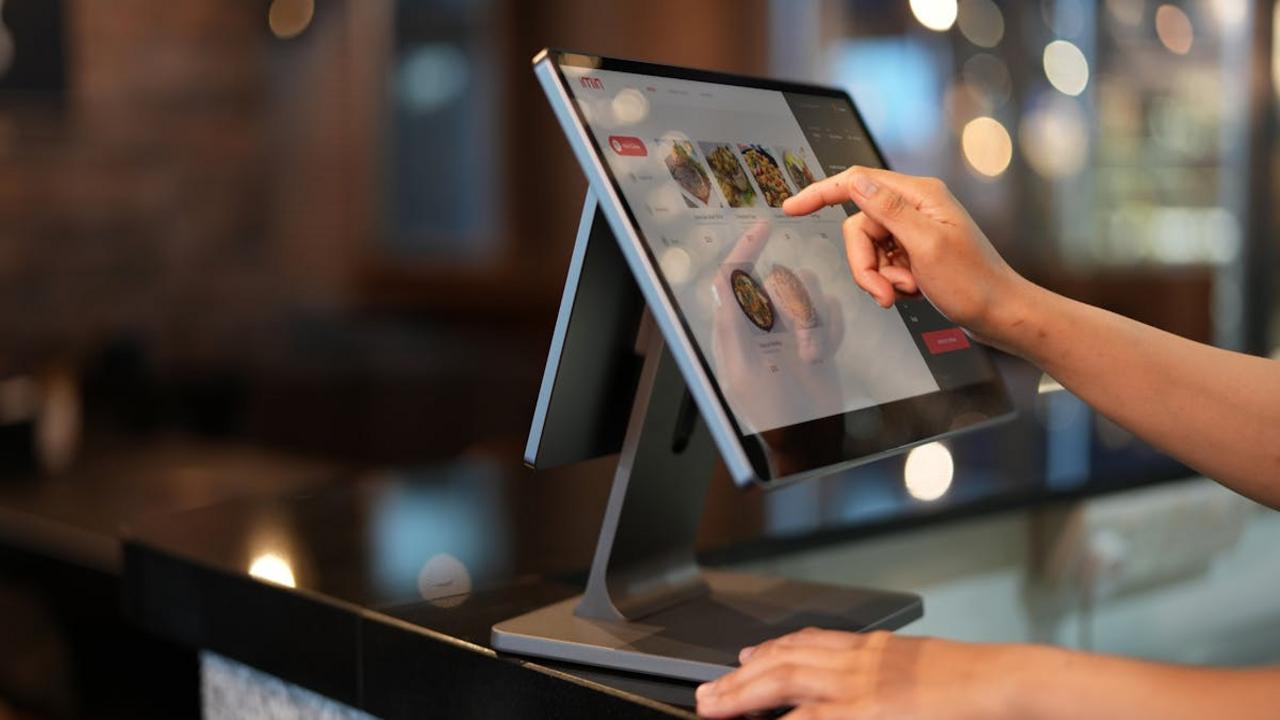
You know what fascinates me about watching fast-food chains transform? The way they’re bringing robots and AI into their kitchens feels like watching science fiction become reality in the most practical way possible. These automated systems now flip burgers with precise timing, assemble salads with mathematical accuracy, and even take your order through voice recognition that actually understands when you say “extra pickles, hold the onions.” I find myself both amazed and slightly nostalgic – there’s something beautiful about human hands crafting food, but I can’t deny the consistency these machines deliver.
What strikes me most is how this automation mirrors what I do in my own kitchen with tools and techniques that make cooking more efficient. Just like I use a food processor to achieve perfect consistency in my homemade hummus or rely on my stand mixer for flawless bread dough, these restaurants use technology to maintain quality across thousands of locations. The difference? They’re scaling up what we home cooks do instinctively – creating systems that work every single time. While I’ll always champion the irreplaceable value of cooking from scratch with fresh ingredients, I respect how automation helps these chains reduce food waste and maintain standards that would be impossible with purely manual operations.
Smart Kitchen Technology

Healthier Kids Menus

Delivery Partnerships
Personalized Loyalty Programs

Sustainable Packaging
Breakfast All Day
Subscription Services

You know what I find fascinating about fast-food subscription services? They’re actually pushing these chains to think more like meal planners—something I’ve been doing in my kitchen for years! McDonald’s, Panera, and Taco Bell now offer monthly passes that let you grab specific items daily or weekly, and honestly, it’s changing how people approach their food routines. I see families using these subscriptions to budget better while still getting their favorite treats, which reminds me of how I batch-cook and portion meals at home. The beauty lies in the predictability—you know exactly what you’re spending and what you’re getting, just like when I prep ingredients for the week ahead.
What really excites me about this trend is how it’s encouraging people to be more intentional with their food choices. Instead of impulse ordering, subscribers plan their visits and often discover healthier menu options they might have overlooked. Panera’s coffee subscription, for instance, gets people in the door daily, but I’ve noticed friends using those visits to try their broth bowls and grain salads instead of just pastries. It’s like having a gentle nudge toward variety, similar to how I rotate through different global spices and ingredients in my weekly meal planning. These services create a rhythm that transforms fast food from an occasional indulgence into a more conscious part of someone’s routine.
Digital Drive Thru Lanes
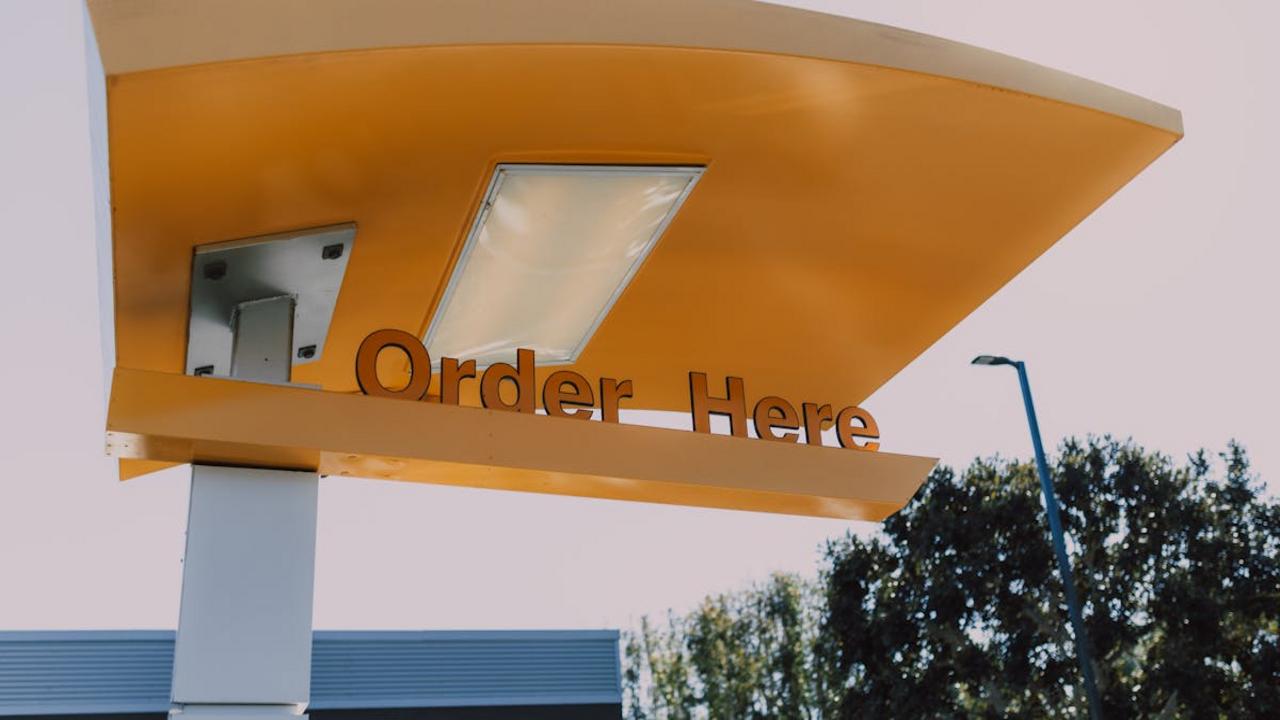
Your favorite fast-food chains are transforming their drive-thru experience with smart technology that makes ordering feel less like a rushed transaction and more like a personalized conversation. These digital lanes use AI-powered menu boards that adapt to weather, time of day, and even your previous orders if you’re a loyalty member. Picture this: on a rainy Tuesday morning, the system might highlight hot coffee and breakfast sandwiches, while sunny afternoons bring forward refreshing drinks and lighter options. The technology learns from real-time data, much like how I adjust my cooking based on seasonal ingredients available at the market.
What excites me most about this trend is how it mirrors the intuitive cooking process I love so much in my kitchen. Just as I read the room and adjust flavors based on who I’m cooking for, these smart systems read customer patterns and preferences to create a more thoughtful experience. The streamlined ordering process reduces wait times and minimizes miscommunication—no more shouting your complex customizations into a crackling speaker. Some chains even remember your dietary restrictions and suggest modifications automatically, which feels like having a thoughtful friend who knows you avoid dairy or prefer extra vegetables. This technology brings the personal touch back to fast food, even in our increasingly busy world.
Mobile Ordering Apps
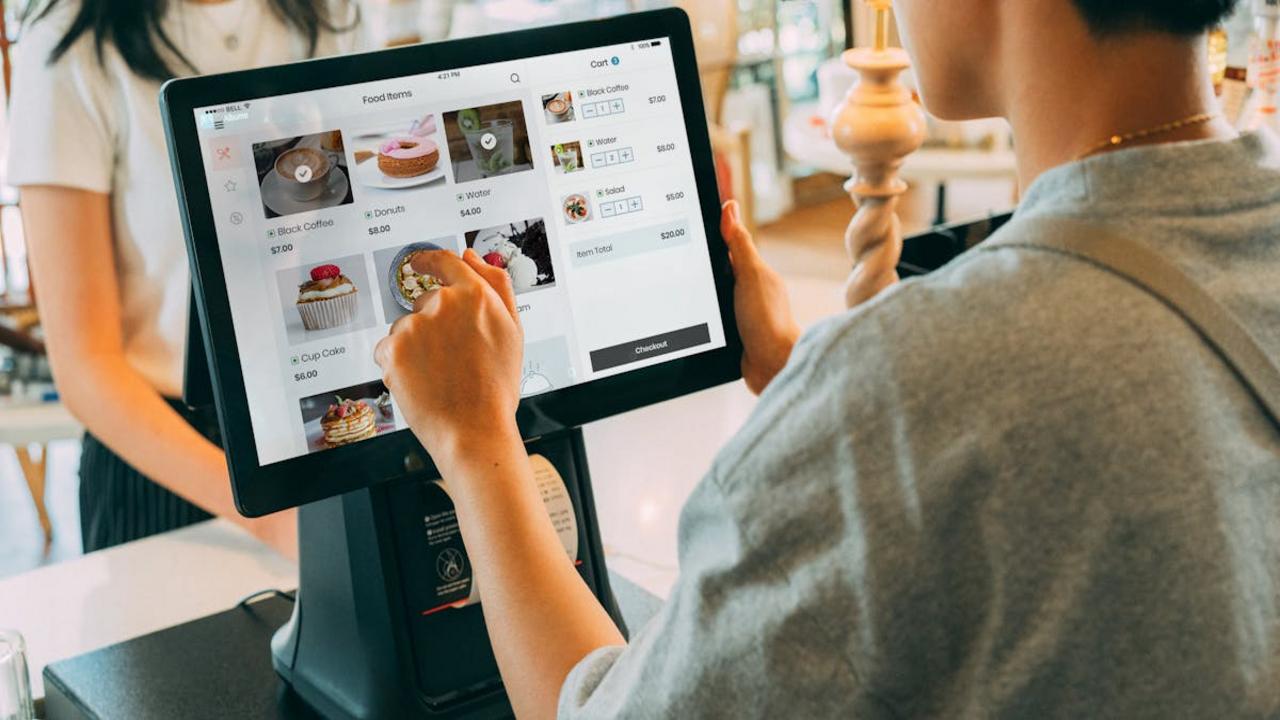
You know what changed everything for me as someone who spends most days experimenting in the kitchen? Those mobile ordering apps that fast-food chains now offer. I used to avoid quick-service restaurants because standing in line felt like wasting precious cooking time, but these apps transformed my relationship with convenient food. Now I can customize orders exactly how I want them – extra vegetables, no processed sauces, grilled instead of fried – all while I’m prepping dinner ingredients at home. The apps give me control over my choices, which aligns with my philosophy of being intentional about what we eat, even when we’re grabbing something quick.
What excites me most about these mobile platforms is how they’re pushing chains to offer more transparency about ingredients and preparation methods. Many apps now display nutritional information upfront, and some even highlight fresher options or seasonal ingredients. This shift means I can make informed decisions that complement my home-cooked meals rather than derail them. Plus, the convenience factor helps busy families like mine maintain better eating patterns – when you can order ahead and skip the impulse purchases at the counter, you’re more likely to stick to healthier choices that support your overall wellness goals.
Ghost Kitchens
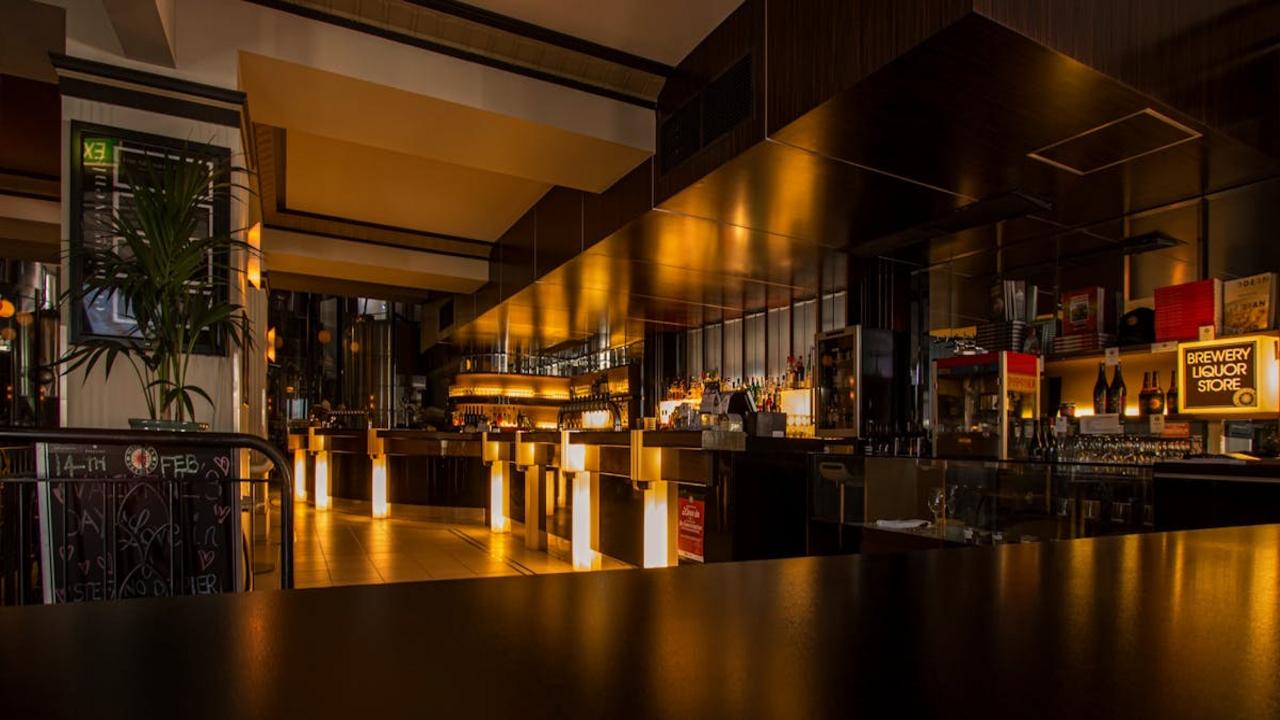
You know how I’m always talking about cooking from scratch and creating meals with intention? Well, ghost kitchens are flipping that script in the most fascinating way. These delivery-only operations run without traditional storefronts—just professional kitchens cranking out food exclusively for apps like DoorDash and Uber Eats. Your favorite chain might be operating three different “restaurants” from the same kitchen, each with its own brand and menu. I’ve been watching this trend closely because it’s completely changing how we think about restaurant accessibility and food variety in our neighborhoods.
What really gets me excited about ghost kitchens is how they’re opening doors for smaller, authentic food concepts that couldn’t afford traditional restaurant rent. I’m seeing more home cooks and specialty chefs launch their dream menus without the overhead of a dining room. Sure, you lose that human connection of eating in a real space, but you gain access to incredible diversity—from Korean-Mexican fusion to plant-based comfort food that might never have found a brick-and-mortar home. The trade-off means you’re getting restaurant-quality food delivered to your door, often from chefs who are putting their whole hearts into perfecting just one type of cuisine.
Plant Based Menu Items
3