12 Bulk-Buy Items That Last Forever (and Save You a Fortune)
Want to slash your grocery bills while stocking up smart? Buying certain foods in bulk can save you hundreds each year – but only if you pick items that won’t spoil. I’ve learned through years of cooking that some ingredients maintain their quality almost indefinitely when stored properly.
From kitchen staples like white rice and dried beans to pantry essentials like honey and salt, these 12 long-lasting ingredients will help you build an efficient and budget-friendly kitchen. The best part? You’ll always have these versatile basics on hand to whip up nourishing meals.
After testing countless ingredients in my own kitchen, I’ve narrowed down the absolute best bulk buys that give you the most value for your money. These items stay fresh for years, take up minimal space, and form the foundation of countless healthy recipes. Ready to stock up smart? Here are my top picks.
White Rice
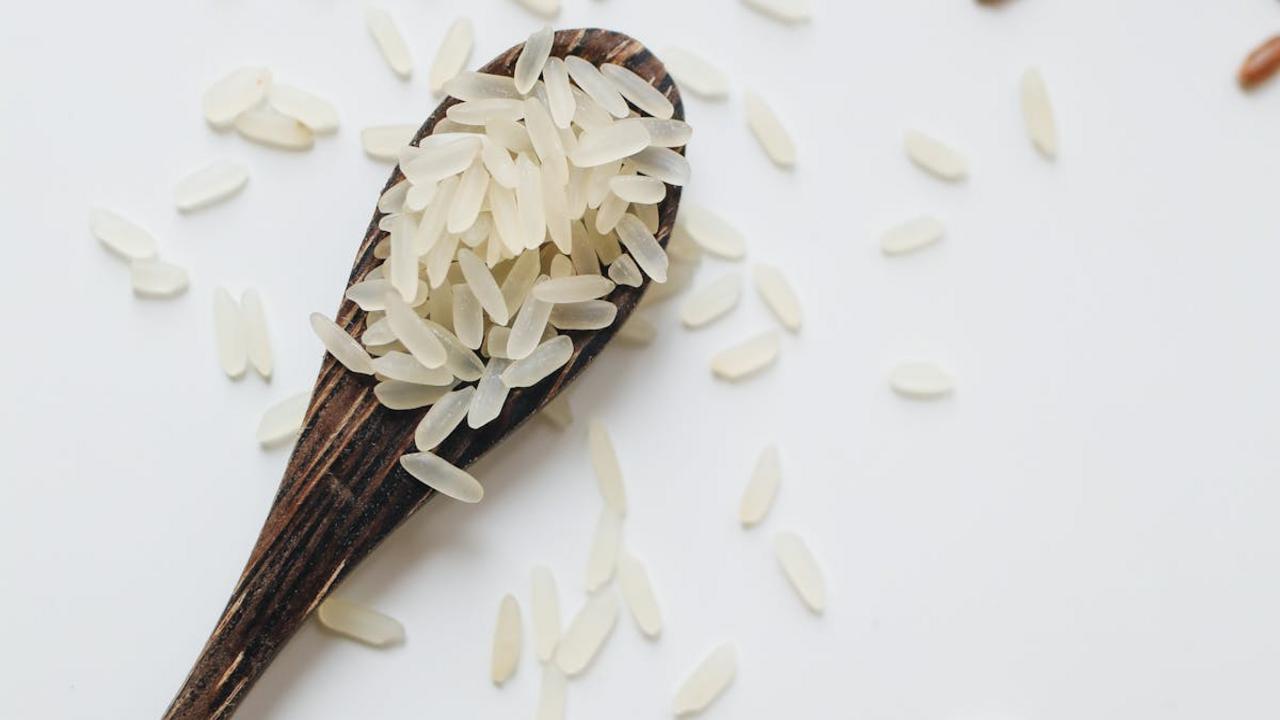
I keep at least 20 pounds of white rice in my pantry at all times because it’s one of the most cost-effective and long-lasting staples you can buy. When stored properly in an airtight container away from moisture and light, white rice can last up to 30 years! I buy mine in bulk from Asian grocery stores or warehouse clubs where the price per pound drops significantly compared to smaller packages at regular supermarkets. The money you save by buying in bulk adds up quickly, especially if you cook rice frequently like I do.
Unlike brown rice which contains oils that can go rancid, white rice maintains its quality almost indefinitely because the bran and germ layers have been removed. You’ll want to transfer your bulk rice to food-grade storage containers or mylar bags with oxygen absorbers to maximize its shelf life. I divide mine into smaller portions – keeping some in the kitchen for daily use and storing the rest in the basement. A 20-pound bag costs me around $15-20 and provides about 200 servings of cooked rice. That’s just pennies per serving for a filling carbohydrate that works in countless dishes from stir-fries to rice pudding.
Dried Beans
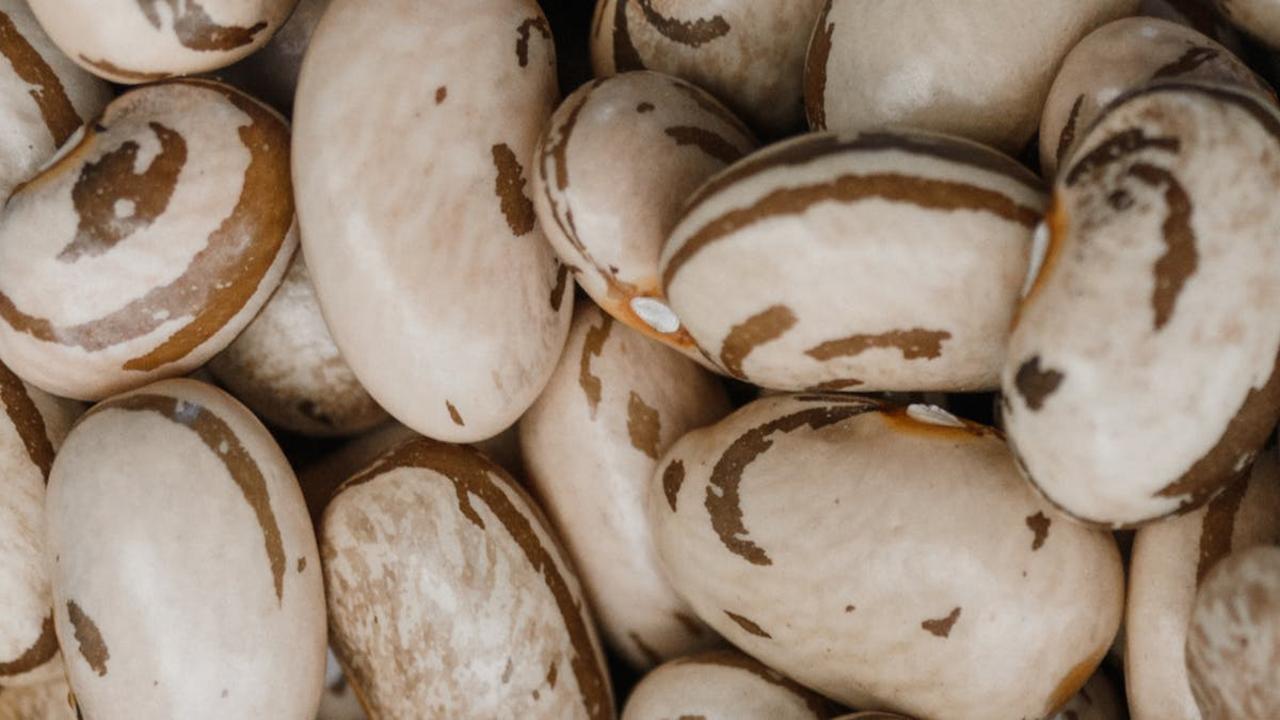
I keep my pantry stocked with dried beans year-round because they’re one of the most practical and budget-friendly foods you can buy in bulk. A single pound of dried beans costs around $1-2 and makes 6-7 cups cooked – that’s enough protein-rich servings to feed a family for multiple meals. The best part? Dried beans stay fresh for years when stored properly in airtight containers away from heat and moisture. You’ll get the same nutrition and flavor from 2-year-old beans as you would from ones bought yesterday.
Your cooking options with dried beans go far beyond basic rice and beans. I regularly transform them into creamy hummus, hearty soups, veggie burgers, and even brownies (black beans make them incredibly fudgy!). While canned beans work in a pinch, dried beans give you better texture control and way more bang for your buck. Plus, you can cook them with aromatics like garlic, herbs, and bay leaves to infuse extra flavor. Just remember to sort through them before soaking to remove any small stones – a quick step that makes a big difference in your final dish.
Honey

I always stock up on raw honey when I spot a good deal at my local market. This natural sweetener will sit happily in your pantry for decades without going bad – archaeologists have even found 3,000-year-old honey in ancient Egyptian tombs that remained perfectly good! The antimicrobial properties in honey prevent bacteria growth, while its low moisture content means it won’t spoil. Just keep it sealed tight in a cool, dark place and you’ll have liquid gold ready whenever you need it.
Beyond its infinite shelf life, honey brings so much value to your kitchen. I add it to everything from marinades and salad dressings to baked goods and morning smoothies. If your honey crystallizes over time (which is totally normal and doesn’t mean it’s gone bad), simply place the jar in warm water for a few minutes to restore its liquid form. Buy raw, local honey in bulk when possible – you’ll save money and support local beekeepers while ensuring you always have this versatile sweetener on hand.
Salt
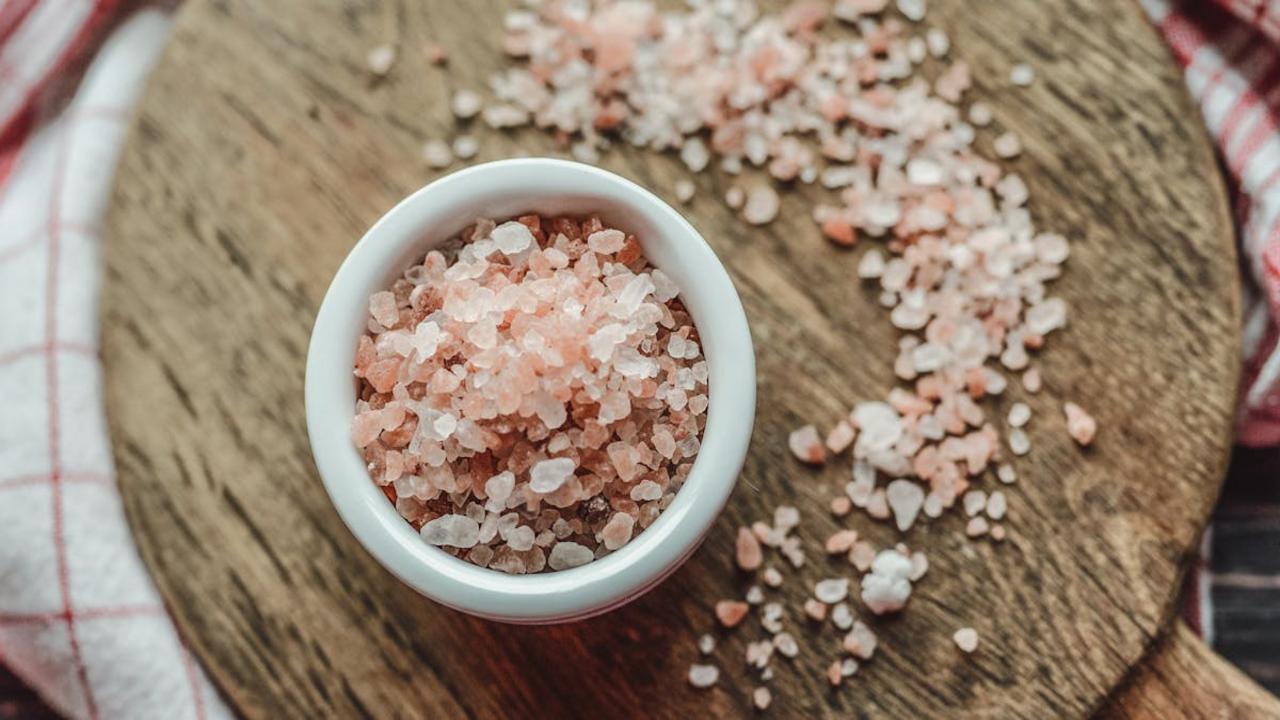
Salt stands as one of your smartest bulk purchases, and I keep at least 10 pounds stored in my pantry at all times. Plain table salt will last indefinitely when you store it in an airtight container away from moisture. You’ll save big by buying large bags instead of small shakers, often paying just pennies per pound. Beyond basic table salt, I recommend stocking up on kosher salt for cooking and sea salt for finishing dishes – they’ll transform your home cooking with better flavor and texture control.
Your salt stockpile goes far beyond seasoning food. I use it to preserve vegetables through fermentation, create natural cleaning scrubs, de-ice walkways in winter, and even make homemade bath salts. The antimicrobial properties make it perfect for gargling with warm water when you feel a sore throat coming on. Keep in mind that iodized salt may darken over time but remains safe to use – this is just a reaction between the iodine and air. Store your salt in a cool, dry place, and it will remain a kitchen MVP for years to come.
Dried Pasta
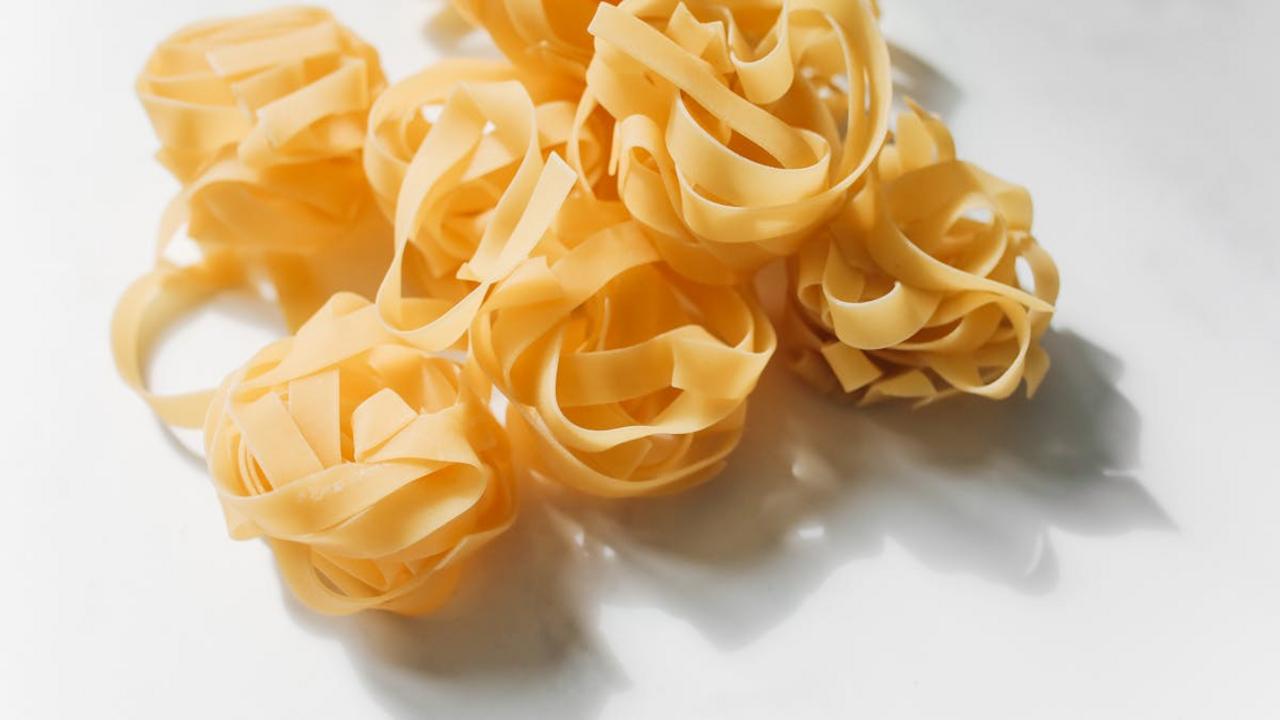
You’ll never go wrong stocking up on dried pasta when you spot those buy-one-get-one deals at the store. With a practically infinite shelf life when stored properly in airtight containers, dried pasta stands ready in your pantry for countless quick meals. I keep at least 10-12 pounds of various shapes on hand – from linguine and penne to orzo and farfalle. The versatility makes dried pasta a no-brainer for bulk buying, since you can transform it into everything from classic marinara dishes to cold pasta salads to Asian-inspired noodle bowls.
Beyond its incredible longevity, dried pasta gives you amazing value for your money compared to fresh pasta or pre-made meals. A one-pound box costs around $1-2 on sale and feeds 4-6 people generously. I recommend dedicating a section of your pantry specifically for pasta storage – keep it cool, dry and away from direct sunlight in airtight containers. This prevents any moisture or pests from getting in while maintaining that perfect al dente texture we all want. Stock up during sales and you’ll always have the foundation for countless budget-friendly meals ready to go.
Canned Goods
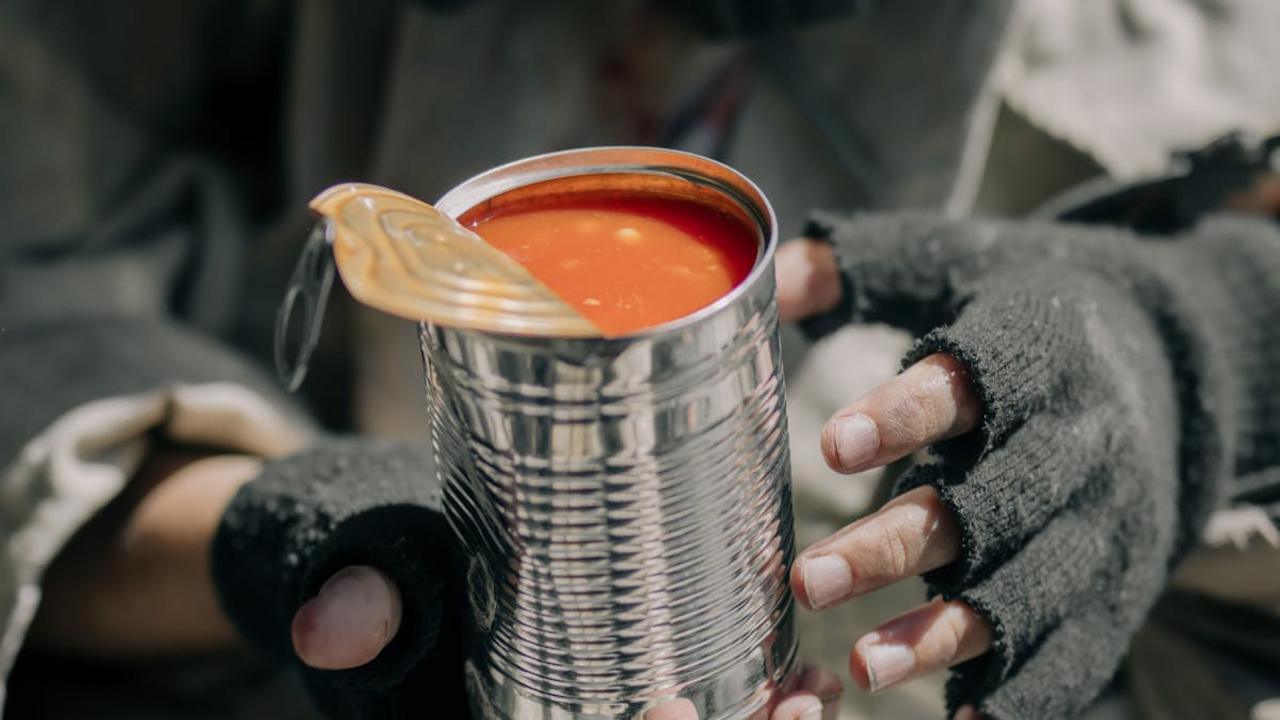
Your pantry needs a good stash of canned goods! I buy these staples in bulk because they’ll keep for years without going bad, making them perfect for emergency supplies and last-minute meals. From tomatoes and beans to tuna and corn, canned foods give you incredible value, especially when you catch them on sale. I stock up on low-sodium options and BPA-free cans whenever possible to keep things healthy. The best part? You’ll always have ingredients ready for quick soups, stews, and casseroles.
Think beyond basic beans and vegetables – canned goods open up a world of quick meal possibilities. I love mixing canned chipotles with mayo for an instant spicy spread, or blending canned pumpkin into morning smoothies. Canned coconut milk transforms ordinary curries, while canned artichokes make throw-together pasta dishes feel fancy. By buying in bulk during sales, you’ll save 30-50% compared to regular prices. Just check those expiration dates and rotate your stock by using older cans first. With proper storage in a cool, dry place, most canned goods stay fresh for 2-5 years.
Baking Soda
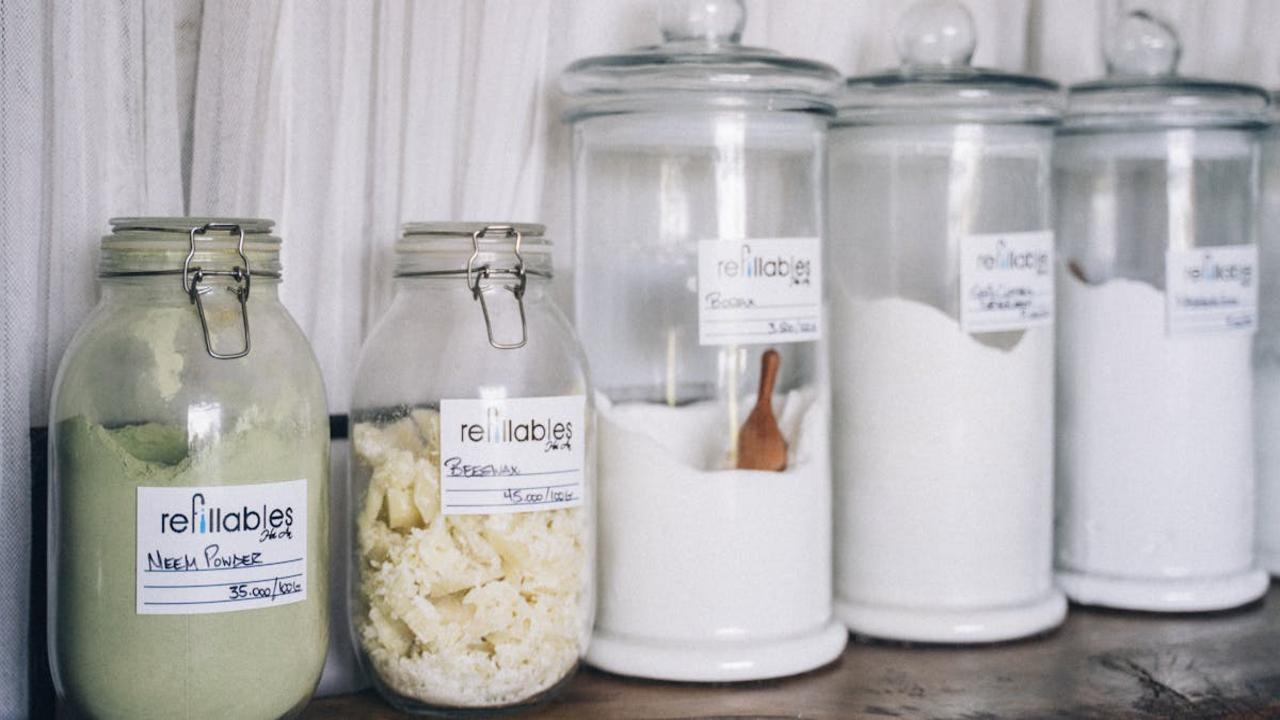
I keep at least five boxes of baking soda in my pantry at all times – this miracle powder has an indefinite shelf life when stored properly in a cool, dry place. Beyond its role as a leavening agent in baked goods, baking soda works magic throughout your home. You’ll save money by buying it in bulk since you can use it to clean kitchen surfaces, deodorize your fridge, unclog drains, and even brush your teeth. The versatility makes it worth stocking up whenever you spot a good deal.
In my kitchen, I mix baking soda with vinegar to create a powerful natural cleaner that cuts through grease and grime without harsh chemicals. For baking, I recommend storing it in an airtight container away from strong odors to maintain its effectiveness. A large box costs just a few dollars but replaces countless expensive specialty products. My favorite money-saving tip: Sprinkle it on carpets before vacuuming to remove odors naturally or use it to scrub pots and pans back to their original shine. The cleaning and cooking applications make baking soda a true bargain when bought in bulk.
Alcohol

You’ll save big money by stocking up on liquor during sales, since most alcoholic beverages stay good indefinitely when stored properly. The high alcohol content acts as a natural preservative, meaning your favorite gin, vodka, whiskey, rum, and other spirits will maintain their quality for years or even decades. Keep your bottles in a cool, dark place away from direct sunlight and extreme temperature changes to maintain optimal flavor. I recommend buying premium brands in bulk when you spot great deals, especially around major holidays when prices often drop significantly.
Beyond drinking, alcohol serves many practical purposes in your kitchen. You can use vodka to make homemade vanilla extract, add depth to sauces with wine, or create infusions with fresh fruits and herbs. The long shelf life means you’ll always have alcohol ready for cooking, entertaining, or making cocktails without worrying about spoilage. Just remember that cream-based liqueurs and some wines have shorter shelf lives, so stick to spirits when buying in bulk. Your home bar will thank you, and your wallet will too!
Vinegar

You’ll never regret buying vinegar in bulk – this pantry powerhouse will keep forever and save you money in countless ways. From cleaning to cooking, vinegar brings both function and flavor to your home. I stock up on white vinegar, apple cider vinegar, and rice vinegar whenever I spot a great deal. The acidic nature means bacteria can’t grow, so your vinegar stays perfect indefinitely. Beyond seasoning dishes, I use it to pickle vegetables, make quick marinades, and create zingy salad dressings that bring life to simple greens.
My grandmother taught me vinegar’s money-saving cleaning powers – mix it with water to wash windows streak-free, descale coffee makers, and remove stubborn stains. The natural acidity breaks down mineral deposits and cuts through grease without harsh chemicals. For food preservation, I make quick pickled onions, carrots, and cucumbers that last months in the fridge. One gallon of white vinegar costs around $3-4 but replaces dozens of expensive cleaning products and food items. Keep it in a cool, dark spot and this versatile liquid will serve you for years.
Sugar

You won’t believe how much money you’ll save by buying sugar in bulk! I keep multiple bags of white, brown, and powdered sugar in my pantry year-round because they never go bad when stored properly. Just transfer your sugar into airtight containers away from moisture, and you’ll have this kitchen staple ready whenever you need it. I recommend getting 10-pound bags or larger from wholesale clubs – you’ll cut your per-pound cost significantly compared to smaller grocery store packages.
Beyond baking cookies and cakes, I constantly reach for sugar in my everyday cooking. A pinch brings out the natural sweetness in tomato sauces, balances spicy dishes, and helps caramelize roasted vegetables. Your morning coffee, weekend preserving projects, and holiday baking marathons will thank you for having plenty on hand. Pro tip: Keep a small container in your kitchen for daily use and store the rest in a cool, dry spot. With proper storage in airtight containers, sugar maintains its quality indefinitely – making it one of the smartest bulk purchases for your pantry.
Coffee Beans
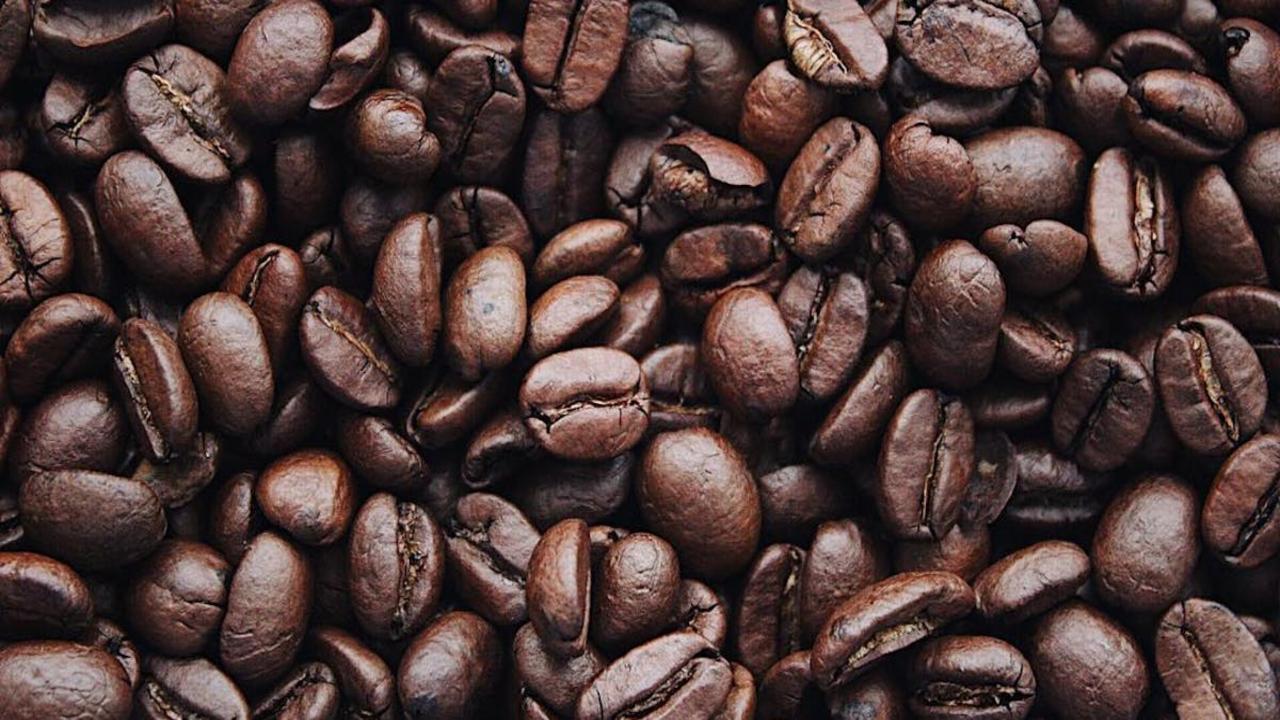
I buy coffee beans in bulk whenever I spot a good deal at my local warehouse store – it’s one of the smartest money-saving moves you can make if you drink coffee daily. Raw, unroasted coffee beans stay fresh for up to 12 months when stored properly in an airtight container away from light, heat, and moisture. Even after roasting, your beans will maintain their rich flavors and oils for 6-9 months if you keep them in a dark, cool pantry space. Just remember to transfer them from their original packaging into vacuum-sealed containers to prevent oxidation.
The cost savings from buying coffee beans in bulk are significant – you’ll typically save 30-40% compared to smaller retail packages. I recommend splitting large bags with friends or family if you won’t use them within 6 months. You can also portion out your beans into smaller sealed containers and freeze them for up to 2 years without losing quality. The key is minimizing exposure to air and moisture during storage. Pro tip: Write the purchase date on your storage containers so you can track freshness and rotate your supply effectively.
Nuts
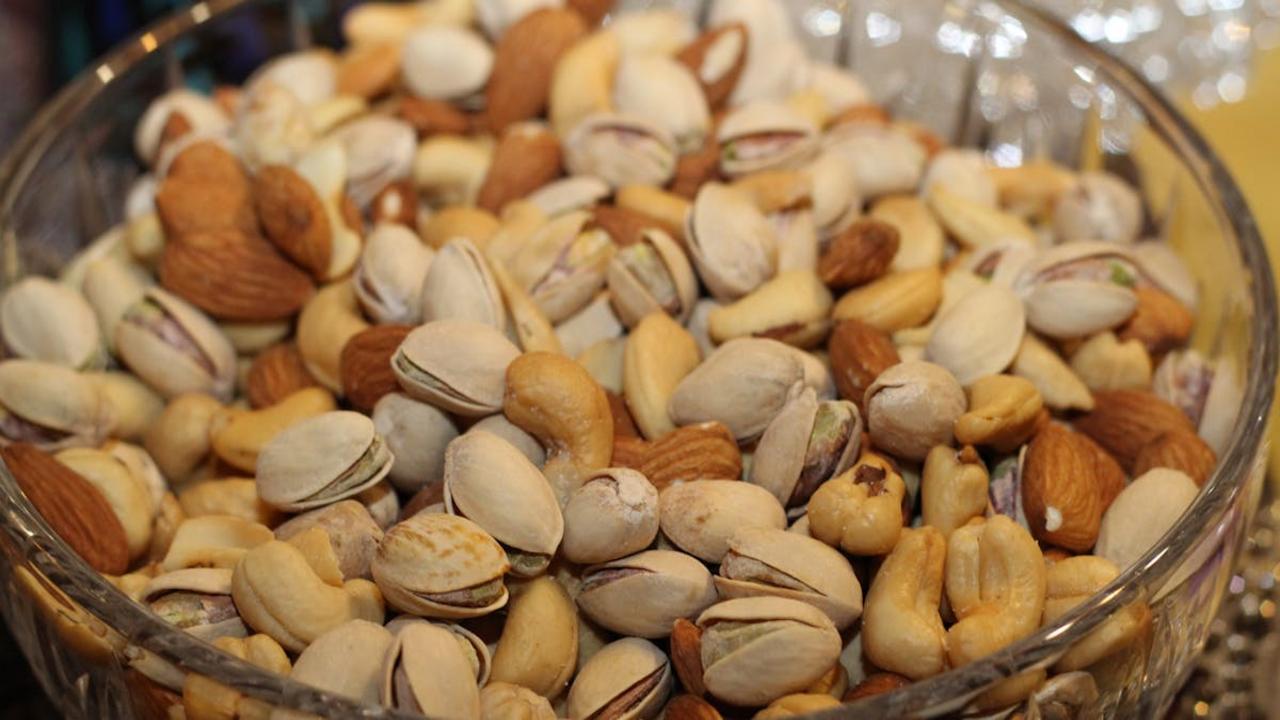
I love buying nuts in bulk because they make fantastic pantry staples that keep fresh for months when you store them properly. Raw nuts will stay good in your pantry for 3-4 months, but if you move them to your freezer, they’ll maintain their quality and flavor for up to 2 years! This makes bulk purchasing a smart money-saving strategy, especially since nuts can be expensive when bought in small quantities. My favorites to stock up on include almonds, walnuts, and pecans – I use them daily in everything from morning oatmeal to homemade trail mix.
To keep your bulk nuts fresh longer, store them in airtight containers away from heat, light, and moisture. The natural oils in nuts can go rancid if exposed to these elements, so proper storage is key. I recommend getting clear glass containers with tight-fitting lids so you can easily see what you have on hand. Before sealing them up, make sure the nuts are completely dry to prevent any moisture from causing mold. If you notice your nuts developing an off smell or bitter taste, that’s a sign they’ve gone bad and should be discarded. By buying nuts in bulk and storing them correctly, you’ll always have this healthy, versatile ingredient ready for snacking, baking, or cooking.