12 American Dining Habits That Shock People Abroad
Food connects us across cultures, yet some of our most natural dining behaviors can raise eyebrows when we travel. What feels perfectly normal at your kitchen table might surprise hosts in Tokyo or Paris.
From the way we hold our forks to when we start eating, American dining customs often differ dramatically from global traditions. These differences reveal how deeply culture shapes our relationship with food and social interaction.
Understanding these contrasts helps us appreciate both our own traditions and those of others. While there’s no right or wrong way to enjoy a meal, knowing what might seem unusual abroad can make your travels smoother and dining experiences richer.
Drinking coffee during meal (Italy)

You know how we Americans love sipping our morning coffee alongside pancakes or grabbing an afternoon latte with a sandwich? Well, in Italy, this habit makes locals wince! Italians follow strict coffee rituals—espresso comes after meals, never during. They believe coffee interferes with digestion and masks the beautiful flavors they’ve carefully crafted in their dishes. I learned this the hard way during my first trip to Rome when I ordered a cappuccino with my pasta dinner and received some seriously puzzled looks from the waiter.
What fascinates me most about this cultural difference is how it reflects our relationship with food. In Italy, meals are sacred moments where every flavor deserves your full attention. Coffee serves as the perfect punctuation mark—a small, intense finish that cleanses the palate after you’ve savored every bite. When I cook Italian-inspired meals at home now, I try to honor this tradition. I’ll brew a strong espresso after dinner and take those few minutes to really appreciate what I just created in the kitchen. It transforms the entire dining experience from rushed multitasking into something more mindful and satisfying.
Adding extra sauces (France)
Root cellaring brings me back to my grandmother’s house, where she stored potatoes, carrots, and onions in a cool corner of her basement that stayed naturally cold throughout winter. This traditional storage method works because certain vegetables continue breathing after harvest—they need specific temperature and humidity conditions to stay fresh for months without refrigeration. I’ve adapted this technique in my own kitchen by designating a cool, dark cabinet for storing root vegetables, winter squash, and even apples. The key lies in understanding that different vegetables need different conditions: potatoes prefer darkness and cool temperatures around 45-50°F, while onions need good air circulation and slightly warmer spots.
What excites me most about root cellaring is how it connects you to seasonal eating patterns that our ancestors understood instinctively. When you properly store a butternut squash in October, you’re creating your own fresh ingredient supply that lasts until spring—no preservatives, no plastic packaging, just nature’s own preservation system at work. I encourage you to start small with a few potatoes or carrots in a cool pantry space. Check on them weekly, removing any that show soft spots to prevent spoilage from spreading. This method not only saves money but also reduces food waste while keeping you connected to the natural rhythms of seasonal cooking throughout the year.
Starting meal before everyone is served (India)

You know what brings me pure joy? Standing in my kitchen, heavy cream swirling in a jar, watching that magical transformation happen right before my eyes. Making butter at home connects you to something deeply satisfying—the simple act of creating something pure and nourishing from just one ingredient. I started doing this when I realized how many additives commercial butter contains, and honestly, once you taste homemade butter, store-bought versions feel like distant cousins. The process is ridiculously simple: pour heavy cream into a jar, add a pinch of sea salt if you want, and shake until your arms burn. That moment when the cream suddenly separates into golden butter and fresh buttermilk? Magic every single time.
What I love most about homemade butter is how you control every aspect of the flavor. I’ve experimented with adding herbs from my garden, a touch of honey, or even incorporating spices like cardamom for a beautiful aromatic twist. The buttermilk byproduct becomes liquid gold in my kitchen—I use it for fluffy pancakes, tangy marinades, or even drink it straight because it’s packed with probiotics. This technique puts you back in touch with real food creation, and the butter stays fresh longer than anything from the store. Your morning toast will never be the same once you spread that creamy, rich homemade butter across it.
Eating pizza with hands (Italy)

Your grandmother’s cast iron skillet wasn’t just cookware—it was a workhorse that could handle everything from cornbread to curry, and I’m here to remind you why these heavy-duty pans deserve a permanent spot on your stovetop. Cast iron cooking transforms ordinary ingredients into extraordinary meals through superior heat retention and distribution that modern non-stick pans simply can’t match. When you sear vegetables in a properly seasoned cast iron pan, you create those beautiful caramelized edges that add depth to simple weeknight dinners, whether you’re making shakshuka with tomatoes and spices or a hearty stir-fry with whatever’s lurking in your refrigerator.
The beauty of cast iron lies in its versatility—you can start a dish on the stovetop and finish it in the oven without missing a beat. I love using my cast iron for one-pan meals that celebrate whole ingredients: think roasted chicken thighs with root vegetables, or a skillet full of seasoned potatoes that become crispy on the outside while staying fluffy inside. The natural non-stick surface that develops with proper seasoning means you can cook with minimal oil, creating healthier versions of your favorite comfort foods. Plus, that slight iron boost doesn’t hurt when you’re building nourishing meals from scratch, turning simple ingredients into satisfying dishes that connect you to generations of home cooks who understood real flavor.
Adding ice to drinks (France)
You know that store-bought spice powder sitting in your pantry? It’s nothing compared to what happens when you grind your own spices on stone. I started using my grandmother’s old grinding stone a few years back, and honestly, the difference is night and day. The slow, circular motion of stone against stone releases oils that electric grinders just can’t match. Your cumin becomes fragrant, your coriander transforms into something almost floral, and don’t get me started on what happens to whole peppercorns – they become these little flavor bombs that make everything taste more alive.
Stone grinding isn’t just about spices though. I use mine for making fresh coconut milk, grinding rice for dosas, and creating the smoothest tahini you’ve ever tasted. The process takes patience, sure, but there’s something meditative about the rhythm. Plus, you’re getting nutrients that high-speed grinding destroys through heat. I keep my stone seasoned with a light coating of oil, and after each use, I clean it with just water and a stiff brush. This ancient technique connects you to generations of cooks who understood that good food starts with proper preparation, and your taste buds will thank you for taking the slower path.
Asking for takeout boxes (Spain)
Your grandmother’s pickle jar wasn’t just a condiment holder—it was a preservation powerhouse that kept vegetables crisp and flavorful for months. Pickling transforms ordinary cucumbers, radishes, onions, and even fruits into tangy treasures that brighten every meal. I make quick pickles with rice vinegar, a touch of maple syrup, and whatever spices call to me that day—sometimes Korean gochugaru for heat, other times Indian mustard seeds for earthiness. The beauty lies in how this ancient technique turns surplus garden vegetables into something completely new and exciting.
What I love most about pickling is how it connects you to seasons year-round. Those summer cucumbers become winter’s crunchy companions, while fall turnips pickle into spring’s sharp, refreshing bites. You don’t need fancy equipment or complicated recipes—just clean jars, good vinegar, and your intuition about which flavors work together. Try pickling watermelon rinds with cardamom, or create Vietnamese-inspired pickled vegetables with fish sauce and lime. Each jar becomes a time capsule of flavors, ready to transform boring salads, sandwiches, and grain bowls into something memorable and alive.
Splitting the bill (Italy)

You know that satisfying crunch when you bite into homemade banana chips? That’s the magic of food drying, an ancient preservation method that concentrates flavors while creating incredible textures. I’ve been experimenting with my dehydrator lately, and honestly, it’s become one of my favorite kitchen tools. From turning overripe mangoes into chewy fruit leather to creating my own spice blends with dried herbs from the garden, this technique transforms ordinary ingredients into concentrated bursts of flavor. The process removes moisture while keeping nutrients intact, giving you snacks and cooking ingredients that last months without any artificial preservatives.
What I love most about food drying is how it connects you to ingredients on a deeper level. When you dry your own tomatoes, you’re not just making sun-dried tomatoes – you’re creating umami-packed gems that will transform your pasta sauces and grain bowls. I’ve started drying everything from zucchini chips seasoned with za’atar to apple rings dusted with cinnamon. The beauty lies in its simplicity: slice, season if desired, and let time do the work. Whether you use a dedicated dehydrator, your oven on low heat, or even air-dry herbs naturally, this method gives you complete control over what goes into your body while reducing food waste significantly.
Using fork as primary utensil (Korea)
You know how we Americans reach for our forks first thing when we sit down to eat? Well, that habit raises eyebrows in Korea, where chopsticks and spoons rule the dining table. I learned this firsthand when I shared a meal with my Korean friend’s family – they watched me navigate their beautifully prepared banchan with my trusty fork, and I could see the gentle confusion in their eyes. In Korean culture, the fork feels foreign and unnecessary when you have chopsticks for picking up food and a spoon for rice and soup.
What really opened my mind was discovering how much more intentional eating becomes when you use chopsticks. You slow down, you savor each bite, and there’s this beautiful rhythm to the meal that my fork-first approach often misses. Now when I cook Korean-inspired dishes at home – like my weekend kimchi fried rice or those addictive scallion pancakes – I always set out chopsticks and spoons. It transforms the entire experience from rushed consumption to mindful appreciation. Plus, you’ll notice how much better you portion your food when you’re not shoveling it with a fork!
Holding fork in right hand (Europe)
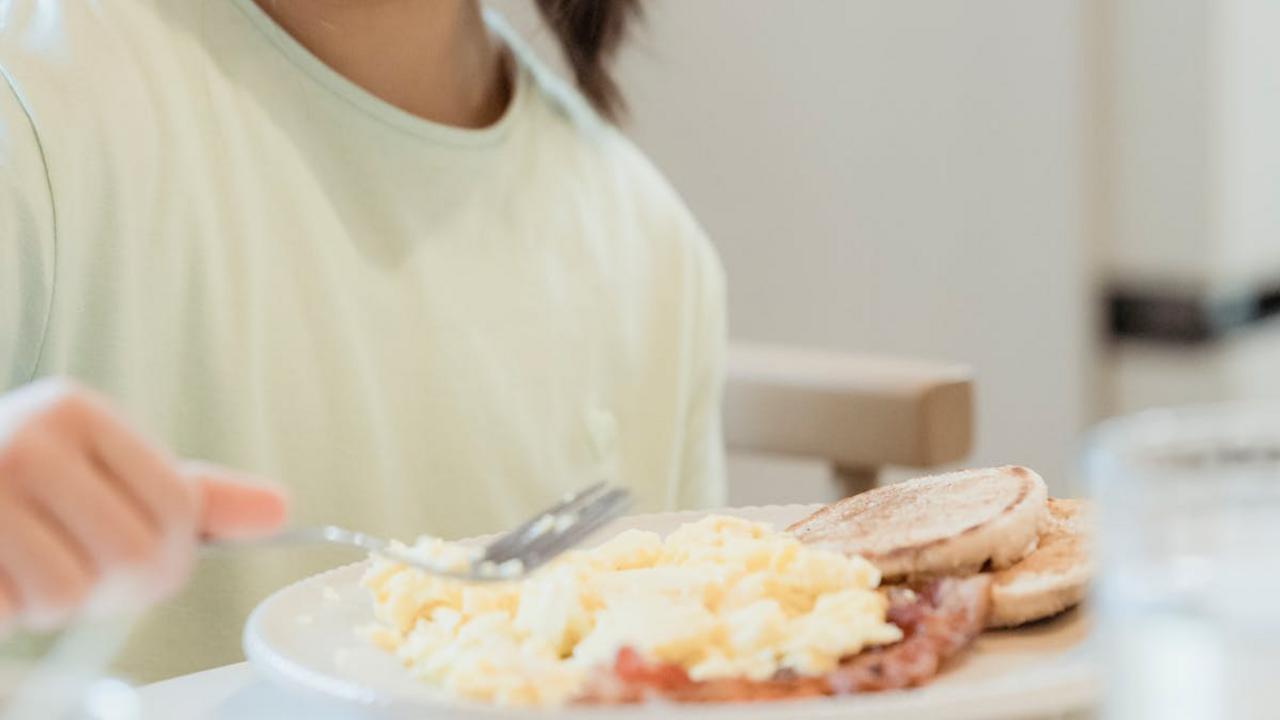
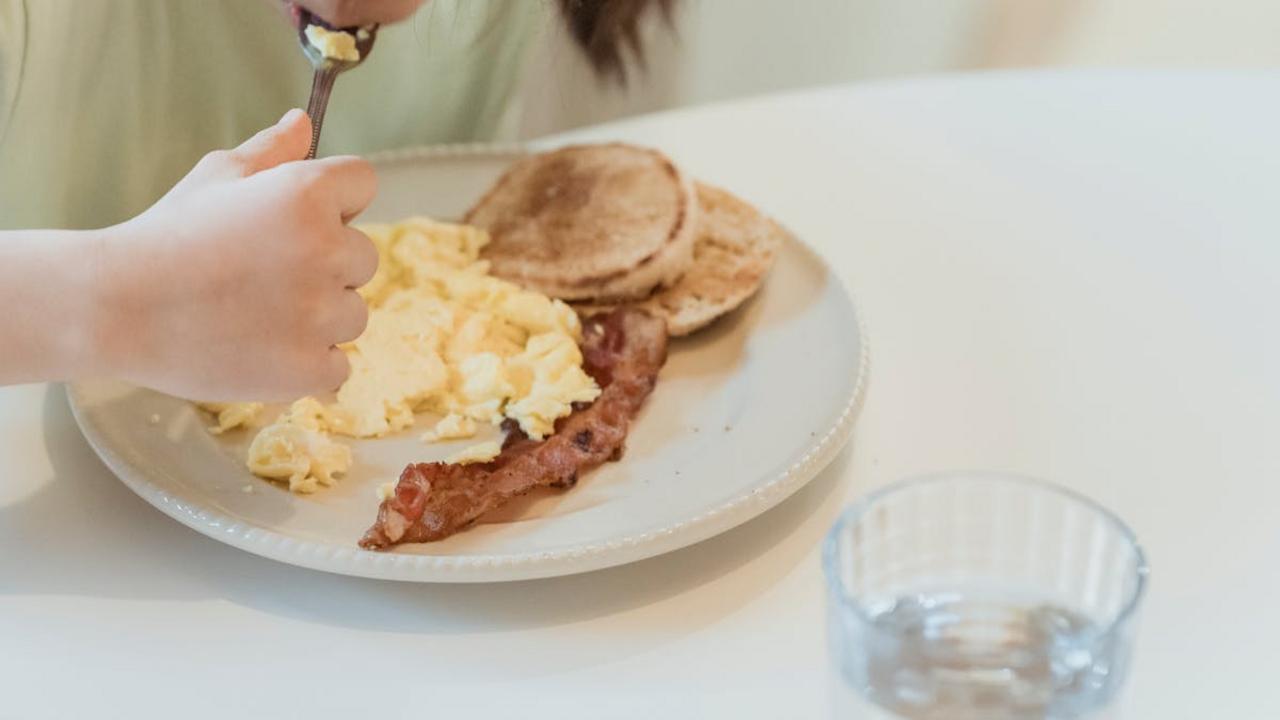
You know what always catches me off guard when I’m cooking with friends from Europe? The way they hold their fork! While we Americans learned to switch our fork from left to right hand after cutting, Europeans keep that fork firmly planted in their left hand throughout the entire meal. I remember filming a recipe video with my Italian friend Marco, and watching him eat the pasta we’d just made was like witnessing a completely different dining choreography. His fork stayed put in his left hand while his knife remained in his right, creating this fluid, continuous eating motion that looked almost elegant compared to our American fork-shuffling routine.
This difference goes way beyond just table manners – it reflects how we approach food itself. Europeans tend to eat more deliberately, taking smaller bites and really savoring each mouthful. When I started paying attention to this during my own meals, I noticed I slowed down naturally and actually tasted my food more deeply. Now when I’m testing new recipes, especially those wholesome, from-scratch dishes I love creating, I sometimes adopt the European style. It forces me to be more mindful about each bite, which helps me better understand how flavors develop and blend together. Plus, there’s something beautifully efficient about keeping both utensils engaged – no awkward pausing to switch hands between cutting and eating.
Finishing entire meal (Russia)
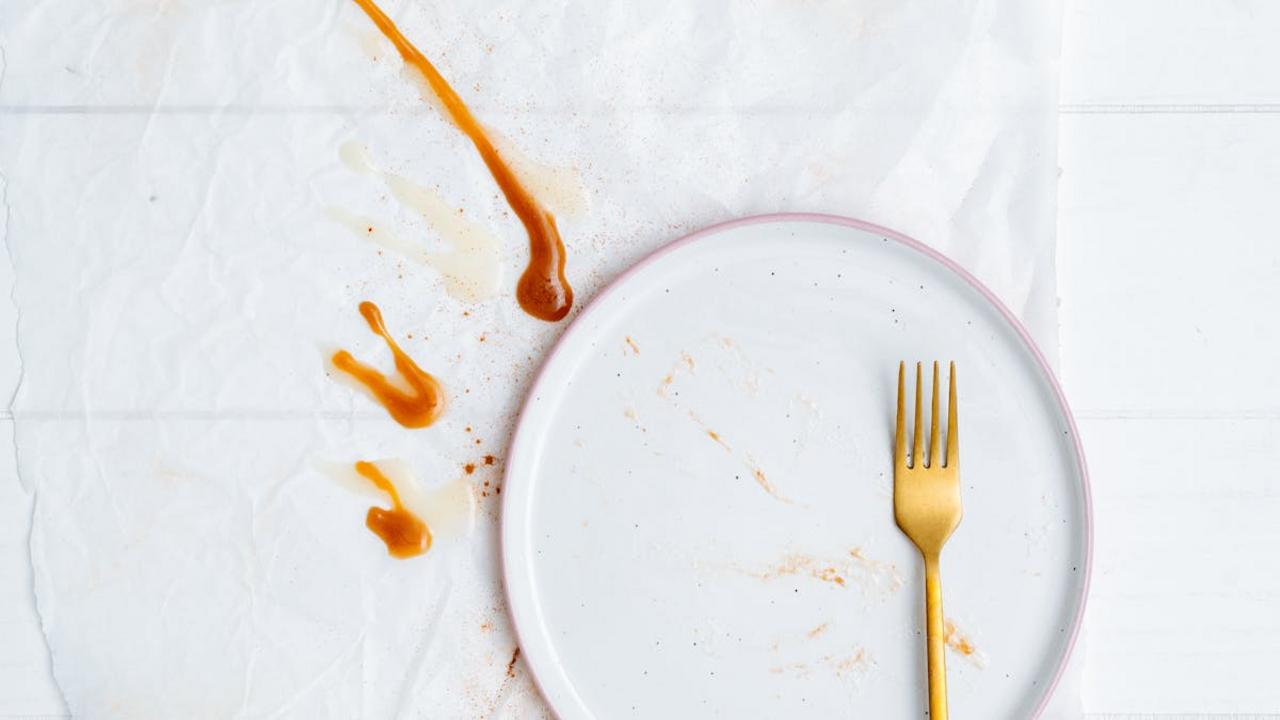
You know what always gets me thinking about cultural differences? How we Americans approach our plates compared to friends I’ve met from Russia. Here in the States, we’re taught from childhood to clean our plates – “finish your vegetables,” Mom would say, and leaving food behind feels almost wasteful. We see an empty plate as politeness, showing appreciation for whoever cooked the meal. I remember visiting my Russian neighbor Elena, bringing over a homemade borscht recipe I’d been perfecting with fresh beets and cabbage from my garden. She served generous portions, and I naturally finished everything, thinking I was being respectful.
Elena gently explained later that in Russian culture, finishing your entire plate actually sends the opposite message – it suggests your host didn’t provide enough food! Russians traditionally leave a small amount to show the meal was abundant and satisfying. This completely flipped my understanding of mealtime etiquette. Now when I cook for international friends, I pay attention to these nuances. It’s fascinating how the same action – whether you clean your plate or leave a bite – can communicate completely different things depending on where you grew up. Food really is a universal language, but sometimes we need to learn the local dialect!
Tipping waitstaff (China)

When I first learned about tipping culture in China, it completely shifted my perspective on dining experiences. In most Chinese restaurants, tipping waitstaff isn’t just unnecessary—it can actually offend your server or create awkward situations. The concept feels foreign because excellent service comes standard, built into the dining experience rather than something you pay extra for. I remember watching American tourists frantically calculating 20% tips while Chinese diners simply paid their bill and walked out with genuine smiles from the staff.
This cultural difference mirrors how I approach cooking—sometimes the most generous act doesn’t require adding more ingredients or complexity. Chinese dining culture operates on mutual respect and fair wages rather than tip-dependent income, creating a more straightforward relationship between diners and servers. The focus stays purely on enjoying your meal and the company around you. Just like when I’m preparing a simple stir-fry with fresh vegetables and minimal seasoning, the beauty lies in keeping things clean and honest. Understanding these cultural nuances helps me appreciate how food traditions shape entire social frameworks, reminding me that authentic hospitality transcends monetary gestures.
Eating while walking (Japan)

3