10 Sneaky Food Packaging Tricks That Make You Grab More Than You Need
Food companies spend millions studying exactly how to make you buy more than you planned. As someone who’s walked countless grocery aisles and learned to cook from scratch, I’ve watched these psychological tricks play out firsthand. The marketing teams behind your favorite brands know precisely which colors trigger hunger, how to make portions seem reasonable, and why that “limited edition” label makes you panic-buy.
These sneaky tactics go way beyond flashy advertisements. They’re built right into the package design, from misleading serving sizes to scientific-sounding health claims that mean absolutely nothing. Once you understand these manipulative strategies, you’ll shop with completely different eyes.
I’m sharing these ten packaging tricks because knowledge gives you power at the grocery store. You’ll save money, reduce food waste, and make choices that actually align with your health goals rather than a company’s profit margins.
Packaging Shape that Implies Innovation

You know that moment when you’re walking down the grocery aisle and suddenly stop because a product just looks so… futuristic? Those angular bottles, hexagonal containers, and sleek metallic pouches aren’t accidents – they’re carefully designed to make your brain think “wow, this must be the latest breakthrough!” Food companies spend millions studying which shapes trigger our “innovation response,” and they’ve discovered that anything breaking away from traditional round or square packaging makes us assume the contents inside must be equally revolutionary.
I see this all the time with energy drinks in those weird triangular bottles, protein powders in space-age containers, and snacks in pouches that look like they belong on a space station. The truth is, the product inside is often identical to what you’d find in boring old rectangular packaging – but our minds can’t help making the connection between unusual shape and advanced formula. As someone who cooks from scratch most days, I’ve learned to look past the flashy exterior and focus on actual ingredients. That oddly-shaped “superfood” smoothie mix? Check the label – it might just be regular fruit powder with fancy marketing. Your wallet and your health will thank you for seeing through these shape-shifting tricks.
Use of Emotive Colors to Stimulate Appetite

You know that rush you feel walking down the snack aisle? Those vibrant reds, sunny yellows, and warm oranges aren’t random choices—they’re carefully calculated moves designed to make your stomach growl and your hand reach for that package. Food companies spend millions studying how colors affect our brains, and they’ve discovered that warm tones literally trigger hunger signals. Red increases your heart rate and creates urgency, while yellow stimulates mental activity and grabs attention faster than any other color. Orange combines both effects, creating that perfect storm of “I need this now” that makes you toss items into your cart without thinking twice.
I’ve seen this manipulation firsthand while developing my own recipes and photographing food. The difference between a dish shot under cool lighting versus warm, golden tones is astounding—the warm version always looks more appetizing, even if it’s the exact same meal. Food manufacturers know this psychology inside and out, which is why processed snacks come wrapped in those eye-catching, appetite-stimulating packages. Next time you’re shopping, notice how fresh produce sections often use green and natural tones to suggest health, while the processed food aisles explode with reds and yellows. My advice? Shop the perimeter first where whole foods live, then approach those colorfully packaged center aisles with awareness of what those colors are trying to do to your decision-making process.
Perceived Value through Price Anchoring
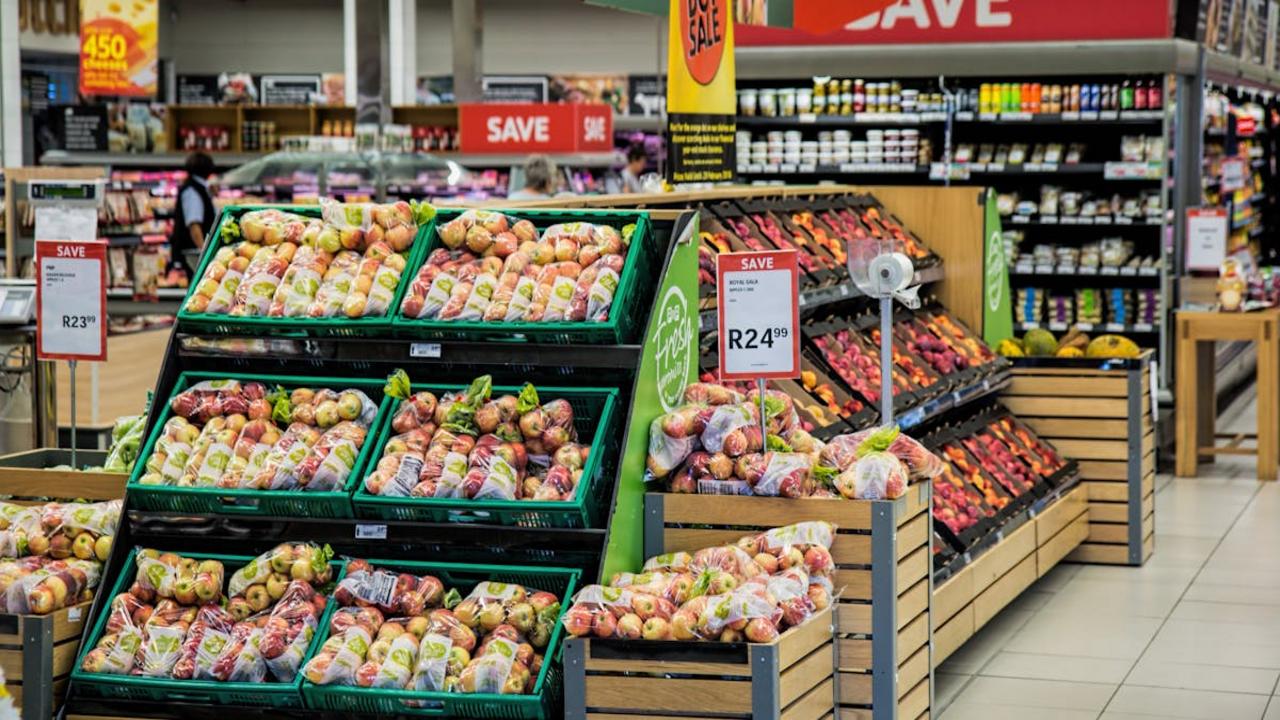
You know that moment when you walk down the grocery aisle and spot a “premium” jar of pasta sauce priced at $8, sitting right next to the $4 option? That expensive bottle isn’t just there to collect dust—it’s working harder than my grandmother’s mortar and pestle to make you feel smart about grabbing the middle-priced option. Food companies master this psychological trick by placing an outrageously expensive product next to their real target, making you think you’re getting an incredible deal on the “reasonably priced” alternative.
This price anchoring strategy hits differently when you’re trying to feed your family wholesome meals without breaking the bank. I’ve learned to spot these tricks by focusing on what actually matters: ingredient lists and nutritional value per dollar spent. Instead of falling for the anchoring trap, I compare prices per ounce and read labels like I’m studying my favorite cookbook. That $4 sauce might contain high fructose corn syrup and artificial flavors, while spending just two more dollars gets you organic tomatoes, fresh basil, and real olive oil—ingredients I’d use anyway if I were making sauce from scratch on a busy Tuesday night.
Employing Limited Edition Branding

You know that feeling when you spot a “limited edition” label on your favorite snack? Your brain immediately switches into scarcity mode, convincing you this might be your only chance to try that new flavor combination. Food companies understand this psychology perfectly and create artificial urgency around products that are often just seasonal rebranding of existing items. I’ve watched shoppers grab multiple bags of “limited time” tortilla chips, even when they already have three bags at home, simply because the packaging screams exclusivity.
What really gets me is how these limited edition products rarely offer anything groundbreaking – maybe a slight twist on an existing flavor or a different colored package. Instead of falling for these marketing tricks, I encourage you to create your own “limited edition” meals at home using seasonal ingredients that are actually limited by nature. When pomegranates are in season, I make my special pomegranate-walnut rice that feels more exclusive than any packaged product. Real limited editions come from nature’s calendar, not from corporate boardrooms trying to create false scarcity to boost sales.
Clever Use of Recyclable and Eco-Friendly Claims

You know that warm feeling you get when you spot “100% recyclable” or “made from recycled materials” splashed across packaging? I get it too – we want to make choices that align with our values. But here’s what I’ve learned from years of shopping for my own kitchen: these green badges often work like magnets, pulling us toward products we might not have chosen otherwise. Food companies know we care about the planet, so they strategically place these claims front and center to create an instant connection with conscious consumers like us.
The sneaky part? These eco-friendly labels can distract us from checking what’s actually inside the package or comparing prices with similar products. I’ve caught myself grabbing the “earth-friendly” cereal without realizing it costs twice as much as my usual brand – and sometimes contains more sugar too! Now I make it a habit to flip packages over and read ingredient lists first, then consider the environmental benefits. Real sustainability starts with buying only what you need and choosing whole foods over processed ones whenever possible, regardless of how green the packaging looks.
Visually Deceptive Font and Imagery
You know how I always tell you to read labels carefully when we’re shopping together? Well, food companies have gotten incredibly clever with their visual tricks, and I see people falling for them every single time I’m at the market. They’ll use bold, oversized fonts to highlight words like “NATURAL” or “ORGANIC” while burying the actual ingredient list in tiny, barely readable text. I’ve watched friends grab products thinking they’re getting something wholesome, only to discover later that the packaging emphasized one or two good ingredients while hiding a dozen preservatives and artificial additives in microscopic print.
The imagery game is even more sneaky – companies will plaster their packages with pictures of fresh fruits, vegetables, or whole grains, even when these ingredients make up less than 2% of the actual product. I’ve seen cereal boxes covered in berry images when the “berry flavor” comes entirely from artificial sources, and crackers decorated with farm scenes when they contain zero whole grains. This visual manipulation works because our brains process images faster than text, so we make split-second decisions based on what we see rather than what we read. Next time you’re shopping, cover up the pretty pictures with your hand and focus solely on the ingredient list – you’ll be amazed how different your perception becomes.
Using Scientific Language for Health Halo
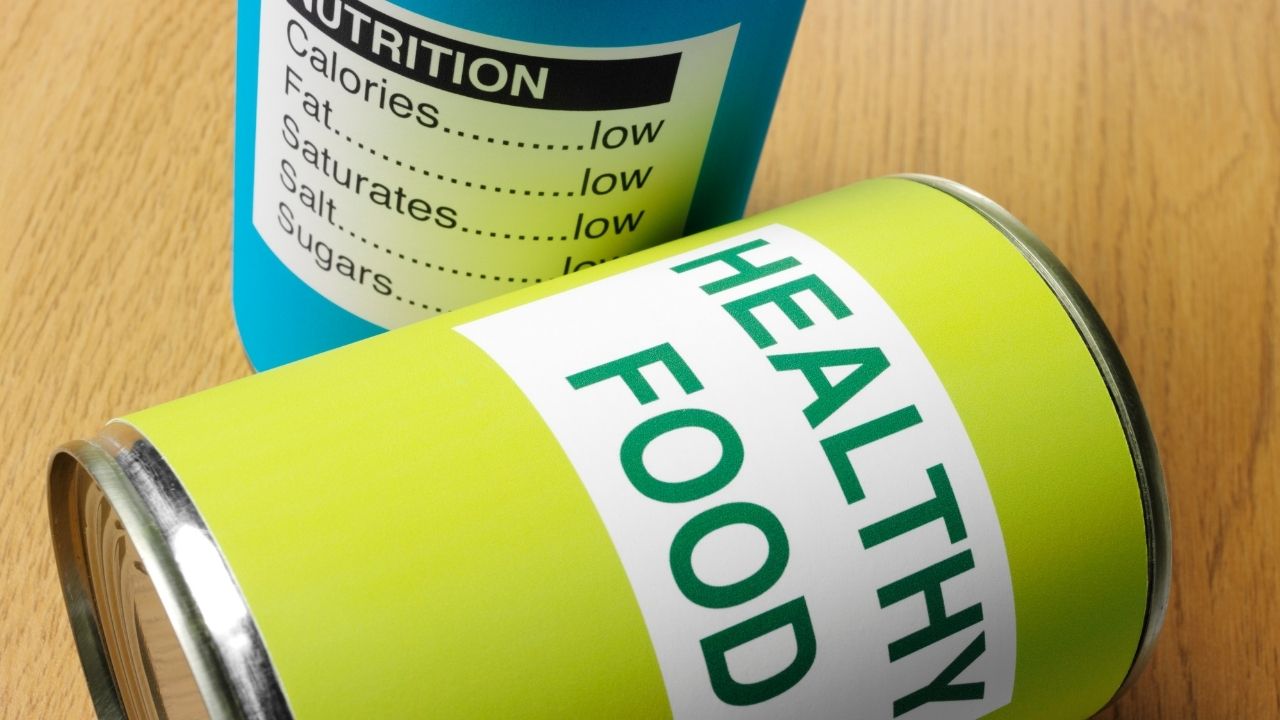
You know that moment when you’re scanning cereal boxes and suddenly feel like you need a chemistry degree? Food companies love throwing around terms like “antioxidants,” “prebiotics,” and “superfoods” because they know these words make us feel smart about our choices. I see this all the time when I’m shopping for ingredients – a simple oat product suddenly becomes “beta-glucan enriched” or regular tomatoes transform into “lycopene powerhouses.” The truth is, many whole foods naturally contain these compounds without needing fancy labels to tell us about it.
What really gets me is how this scientific jargon can make highly processed foods seem healthier than they actually are. I’ve watched people choose sugary cereals loaded with artificial vitamins over plain oatmeal simply because the cereal box screams about “fortified nutrients” and “clinically proven benefits.” Real nourishment comes from cooking with fresh, whole ingredients where you control what goes into your meals. When I make my morning granola with rolled oats, nuts, and dried fruit, I’m getting those same beneficial compounds naturally – no marketing department required to convince me it’s good for me.
Strategic Placement of Multi-Packs
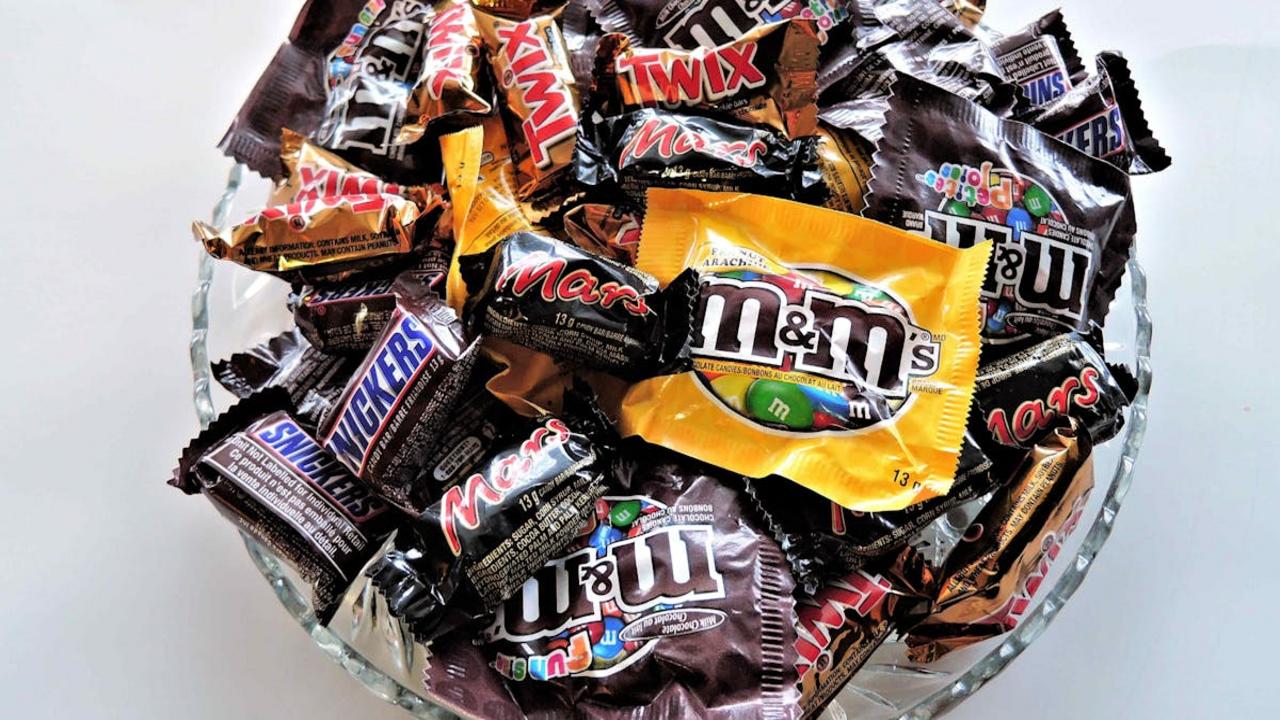
You know that moment when you walk into the grocery store planning to buy one bag of chips, but suddenly find yourself face-to-face with those tempting multi-pack displays at eye level? Food manufacturers place these bundled packages right where your eyes naturally fall – not by accident, but through calculated design. They position family-size portions and bulk packages in the most visible spots because they understand our psychology: we see “value” and our brains immediately think we’re getting a better deal. I’ve caught myself doing this countless times, especially when I’m cooking for friends and family.
What really gets me about this tactic is how it conflicts with my philosophy of mindful, from-scratch cooking. These multi-packs often contain processed snacks or convenience foods that pull us away from creating wholesome meals with fresh ingredients. Instead of grabbing that three-pack of instant noodles because it seems economical, I’ve learned to ask myself: could I make something more nourishing for the same price? Often, buying individual items gives you more control over portions and prevents that “well, I already have six bags, so why not open another?” mentality that sabotages our health goals.
Misleading Serving Size Suggestions
You know what drives me crazy when I’m shopping for my family? Those tiny serving sizes printed on packages that bear no resemblance to how real people actually eat. I’ve seen crackers labeled as “14 pieces per serving” when most of us easily munch through half the box while prepping dinner. Ice cream containers boldly display nutritional info for a measly half-cup serving – seriously, who stops at half a cup? Food manufacturers deliberately shrink these portions to make their products appear healthier and lower in calories than they actually are when consumed in realistic amounts.
This sneaky trick becomes especially problematic when you’re trying to maintain a balanced diet or manage specific health conditions. I always teach my cooking students to flip that package over and calculate the real numbers based on how much they’ll actually eat. If you typically pour a full cup of granola into your bowl, multiply those sugar and calorie counts by four, not the suggested quarter-cup serving. Once you start doing this math, you’ll quickly realize why I’m such a big advocate for making your own snacks and meals from scratch – you control every ingredient and portion without any corporate trickery involved.
Illusion of Bulk through Size Variation

You know that moment when you’re comparing two packages at the store, and one looks significantly larger than the other? I see this trick play out constantly in my grocery runs, especially in the cereal and snack aisles. Food manufacturers create packaging that appears more substantial by using taller, wider boxes or bags, even when the actual product weight remains identical or sometimes even less than the smaller-looking competitor. This visual manipulation works because our brains naturally associate bigger packages with better value, making us reach for what seems like the obvious choice without checking the fine print.
I’ve learned to become a detective in grocery aisles, always flipping packages to compare weight and price per unit rather than trusting my eyes. Just last week, I caught myself almost grabbing a towering box of quinoa that looked like a fantastic deal until I noticed it contained 12 ounces compared to a compact box holding 16 ounces at nearly the same price. The manufacturers use clever design tricks like creating false bottoms, adding extra air space, or using thicker cardboard to create this illusion. Now I teach my cooking students to focus on the actual measurements printed on packages – those small numbers tell the real story about what you’re bringing home to your kitchen.