10 Quirky Pasta Shapes Italians Obsess Over and the Delicious Traditions Behind Them
Beyond spaghetti and penne lies a world of pasta shapes that Italians hold dear to their hearts. From the twisted “priest-stranglers” of Emilia-Romagna to the ear-shaped gems of Puglia, these unique creations carry centuries of regional pride and family stories kneaded into their dough.
Each quirky pasta shape serves a specific purpose—some trap hearty ragùs in their nooks, others hold delicate seafood sauces in their curves. Italian nonnas will argue passionately about which shape pairs best with what sauce, and woe betide anyone who dares combine the wrong match at the dinner table!
These ten distinctive pastas showcase Italy’s incredible regional diversity. What looks like a simple flour-and-water creation transforms into a canvas for local flavors, techniques, and traditions passed through generations. Your pasta education starts now—and it goes way beyond twirling noodles around your fork.
Orecchiette
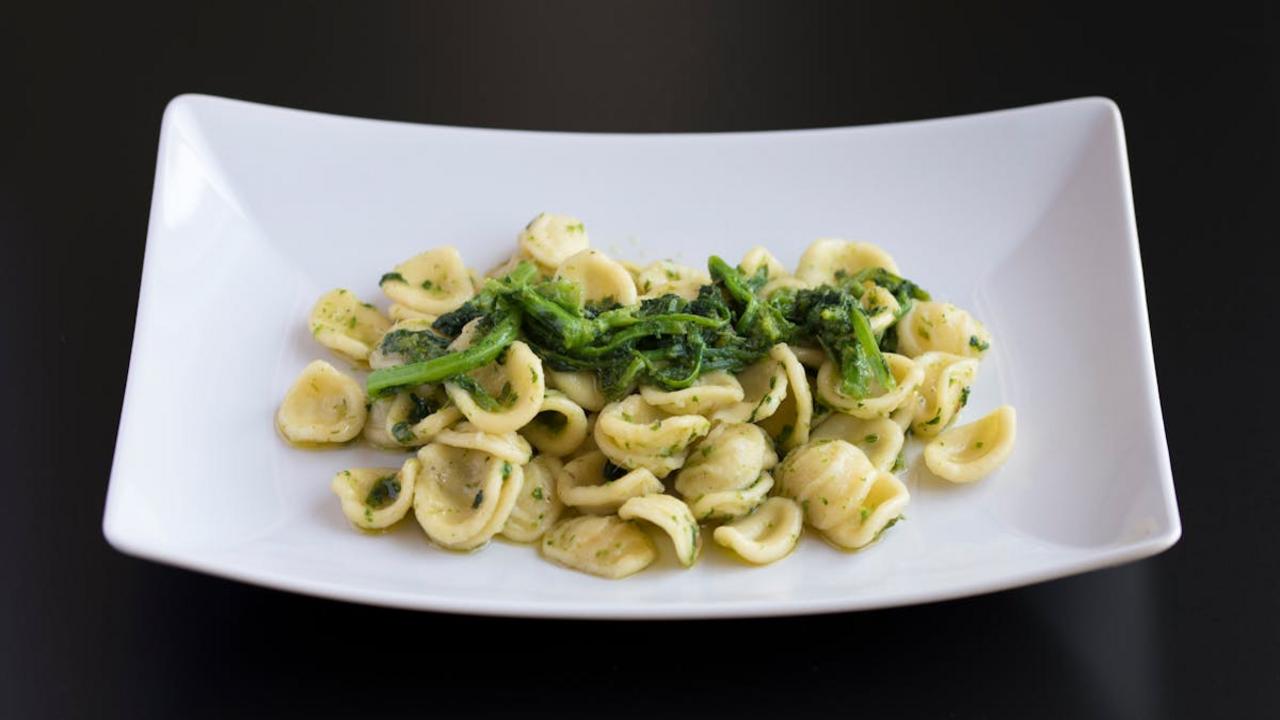
Picture tiny ears scattered across your plate—that’s orecchiette for you, and honestly, whoever decided to name pasta after body parts was either a genius or had way too much time on their hands. These little cup-shaped beauties hail from Puglia, where nonnas still roll them by hand using nothing but a butter knife and decades of muscle memory. The technique looks deceptively simple: roll a small piece of dough, drag it with the knife, then flip it inside out with your thumb. Try it yourself and you’ll quickly discover why machine-made versions exist—your thumbs will thank you, even if purists won’t.
What makes orecchiette absolutely brilliant is how those little cups cradle sauce like tiny pasta bowls. They’re practically designed for chunky ingredients—broccoli rabe, sausage, cherry tomatoes—anything that needs a cozy pocket to snuggle into. In Puglia, you’ll find them swimming in a simple yet divine combination of olive oil, garlic, anchovies, and whatever vegetables happen to be in season. The pasta’s rough, slightly irregular texture grabs onto every drop of sauce, creating perfect little flavor bombs in each bite. Pro tip: slightly undercook them because they’ll continue softening in the hot sauce, and nobody wants mushy ears on their plate.
Lorighittas
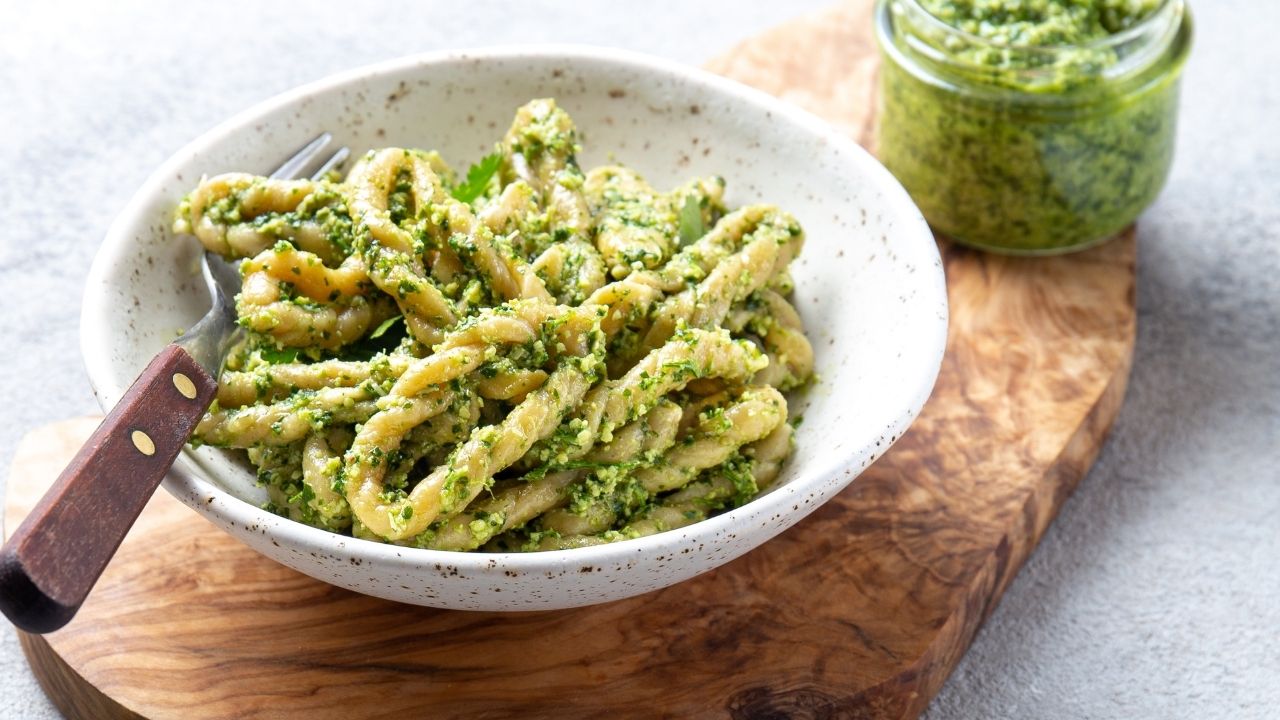
Picture this: you’re watching a Sardinian grandmother’s hands move like magic, braiding what looks like golden hair but is actually pasta dough. That’s lorighittas for you – the most labor-intensive pasta shape you’ve probably never heard of. These intricate rings require such skill that only a handful of people on the island can make them properly. Each piece gets braided into a perfect circle, creating what locals call “God’s earrings.” The process is so complex that UNESCO has considered protecting the technique as cultural heritage. You can’t just whip these up on a Tuesday night after work – making lorighittas is basically a meditation in carbohydrate form.
What makes these pasta rings truly special isn’t just their Instagram-worthy appearance (though they’re definitely that). The braided structure creates perfect little pockets that grab onto sauce like they’re giving it a warm hug. Traditionally, you’ll find lorighittas swimming in a rich tomato sauce with fresh basil, or paired with bottarga – Sardinia’s “poor man’s caviar” made from dried fish roe. The irony? This “poor man’s” dish now costs more than your monthly Netflix subscription at fancy restaurants. But hey, when you’re eating something that takes three hours to make and looks like edible jewelry, you’re not just having dinner – you’re participating in an ancient Sardinian ritual that connects you to generations of patient, incredibly talented cooks.
Garganelli
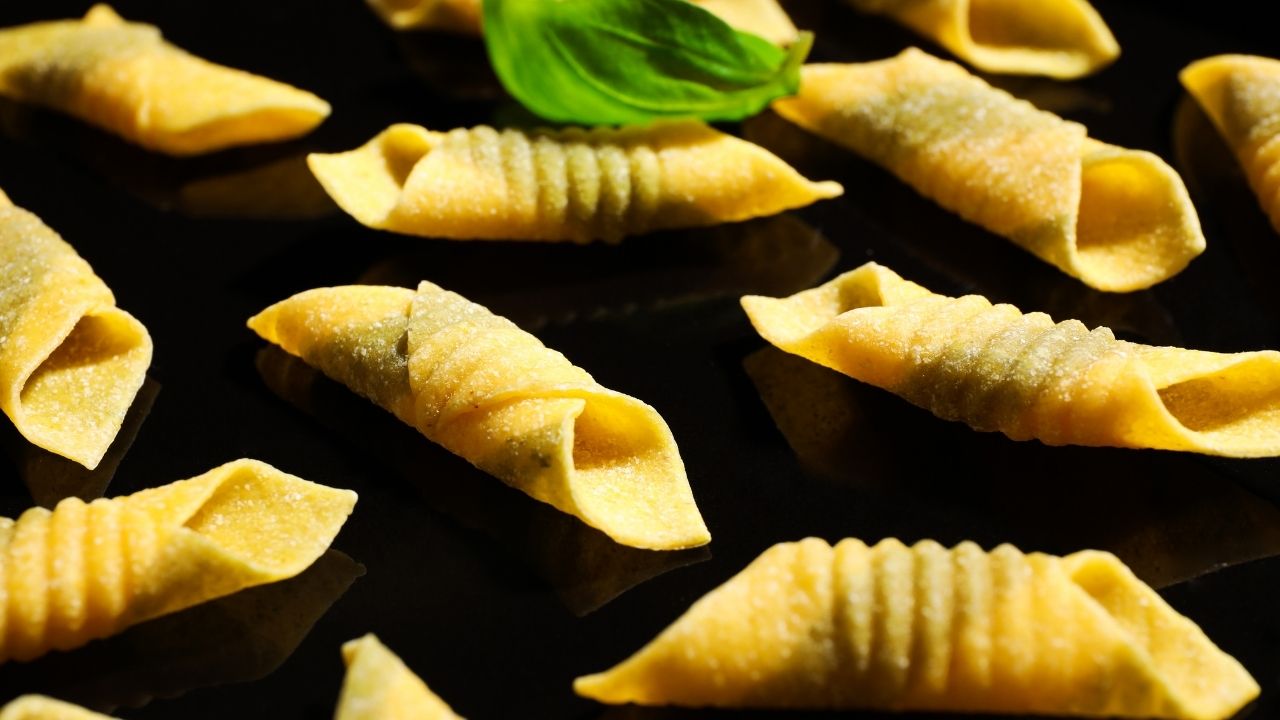
Picture this: you’re in Emilia-Romagna, watching an Italian nonna roll pasta dough over a ridged wooden board called a pettine, then wrapping each square around a thin dowel to create perfect little tubes with diagonal ridges. That’s garganelli for you – pasta that looks like tiny quilted pillows had a baby with penne! These hand-rolled beauties get their name from “garganel,” which means “gullet” in the local dialect, probably because they look like little chicken throats. Don’t worry, they taste infinitely better than that sounds.
What makes garganelli absolutely brilliant is how those diagonal ridges grab onto sauce like they’re giving it a warm hug. Traditionally paired with ragù or a simple butter and Parmigiano-Reggiano sauce, these pasta tubes know how to make every drop count. The texture is where garganelli really shines – slightly thicker than machine-made pasta, with a satisfying chew that reminds you someone actually cared enough to roll each piece by hand. Making them requires patience and a special comb-like tool, but watching an expert create dozens in minutes feels like witnessing edible magic. Pro tip: if you can’t find the traditional pettine, a clean fine-tooth comb works surprisingly well for creating those signature ridges!
Fregola
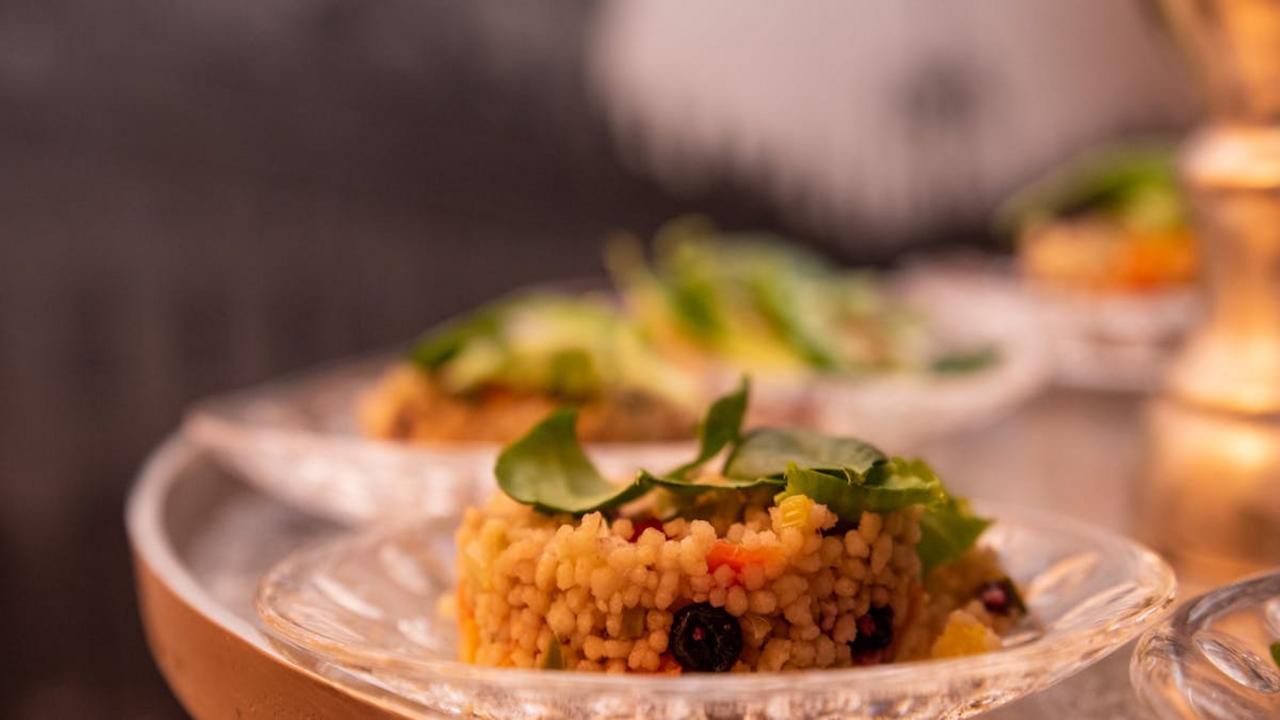
Picture tiny, toasted pearls of pasta rolling around your plate like golden caviar that actually tastes good – that’s fregola for you! This Sardinian specialty gets hand-rolled by Italian nonnas who’ve been perfecting the technique since medieval times, creating irregular little spheres that look more like couscous’s rebellious cousin than traditional pasta. The magic happens when these wheat semolina balls get toasted in the oven until they develop a nutty, almost smoky flavor that makes your regular spaghetti seem downright boring. Sardinians take this stuff so seriously that different regions argue over the proper size – some prefer pea-sized pellets while others go for rice-grain dimensions.
You’ll find fregola starring in seafood extravaganzas with clams, mussels, and whatever the Mediterranean coughed up that morning, but my personal favorite involves tossing it with saffron, tomatoes, and enough garlic to ward off vampires for a week. The pasta’s porous surface grabs onto sauces like a tiny sponge, and that toasted flavor adds depth that’ll make you wonder why anyone bothers with boring old macaroni. Pro tip: don’t overcook this little beauty – fregola should have a slight bite that reminds you it’s pasta, not mush. Sardinian families often make massive batches during summer, spreading the toasted pearls on clean bedsheets to dry, turning pasta-making into a community event that’s part cooking, part gossip session.
Pici
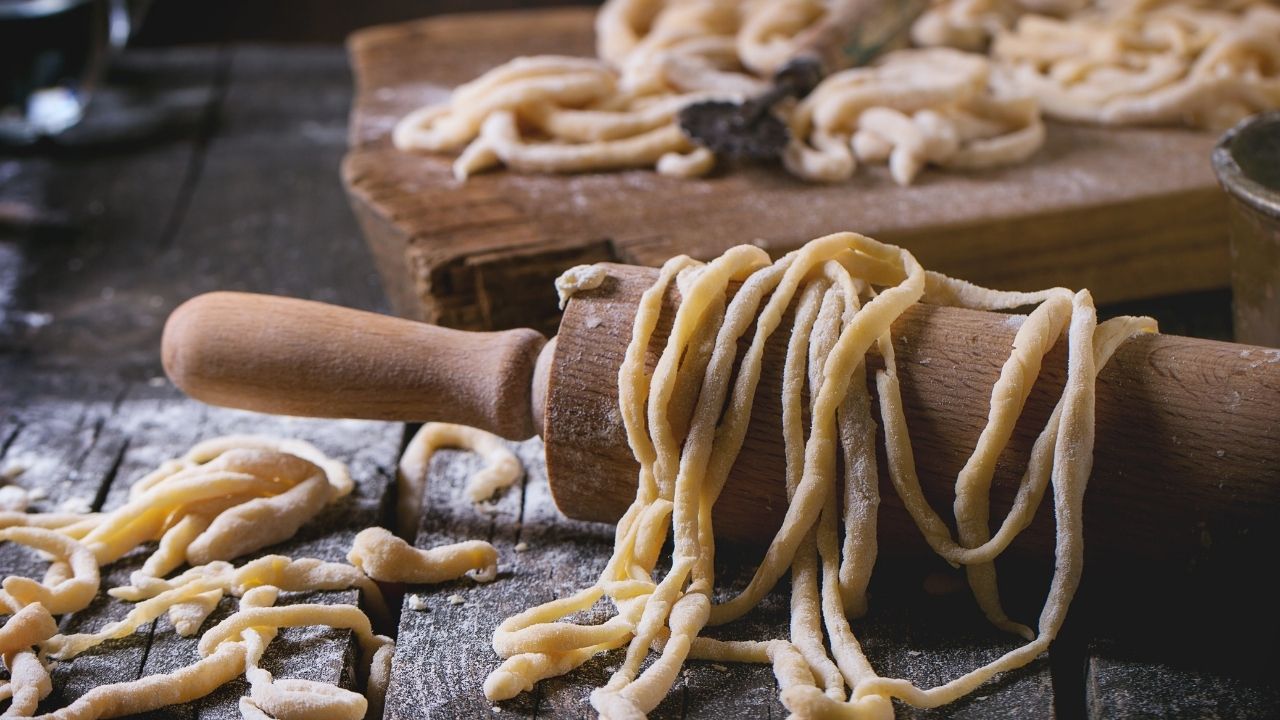
Picture this: you’re in a Tuscan kitchen, and someone hands you a ball of pasta dough with the cheerful instruction to “roll it like spaghetti, but thicker and wonkier.” That’s pici for you – the beautifully imperfect hand-rolled pasta that looks like it was made by someone who never quite mastered the art of consistency, and that’s exactly the point! These irregular, thick strands originated in the Siena province, where resourceful cooks created magic using just flour, water, and a generous helping of elbow grease. No eggs needed here, which made pici the perfect peasant food when times were tough and chicken coops were running low.
What makes pici truly special isn’t just its rustic charm – it’s the way those uneven surfaces grab onto sauce like they’re giving it a warm hug. Traditionally paired with a simple garlic and tomato sauce called “all’aglione,” or tossed with wild boar ragu, pici has this amazing ability to make even the most basic ingredients sing opera. The rolling technique involves a peculiar palm-rolling motion that creates those signature bumps and valleys, and honestly, watching an Italian nonna make pici is like witnessing performance art. Each strand tells its own story, and no two pieces ever look exactly alike – which is precisely why this wonderfully wonky pasta has stolen hearts across Tuscany for centuries.
Campanelle
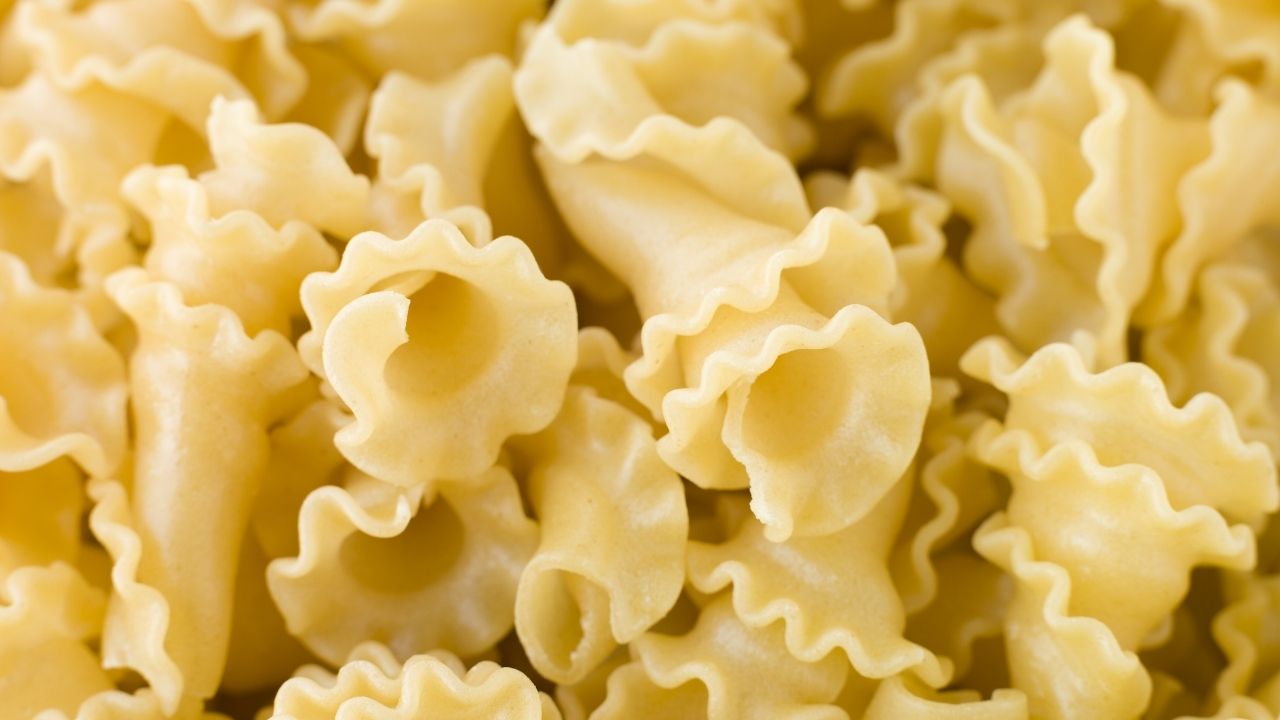
Picture tiny ice cream cones made of pasta, and you’ve got campanelle – literally “little bells” in Italian. These adorable cone-shaped spirals look like they should be jingling Christmas carols instead of swimming in your sauce, but don’t let their whimsical appearance fool you. Campanelle originated in the pasta-obsessed region of Campania, where someone clearly had both a sense of humor and an engineering degree. The hollow cone shape with its ruffled edges isn’t just for show – it’s a sauce-catching masterpiece that would make any Italian nonna weep with pride.
What makes campanelle absolutely brilliant is how those fluted edges grab onto chunky sauces like they’re holding on for dear life. Try them with a robust puttanesca or a creamy mushroom sauce, and watch how every single ridge becomes a flavor delivery system. The Italians traditionally pair these little bells with heartier sauces because lightweight dressings just slide right off – it’s like trying to put a tuxedo on a toddler. You can find campanelle doing its magic in southern Italian kitchens, where cooks know that sometimes the quirkiest shapes make the most memorable meals. Trust me, once you see these pasta bells dancing in your bowl, regular penne will seem boring forever.
Busiate
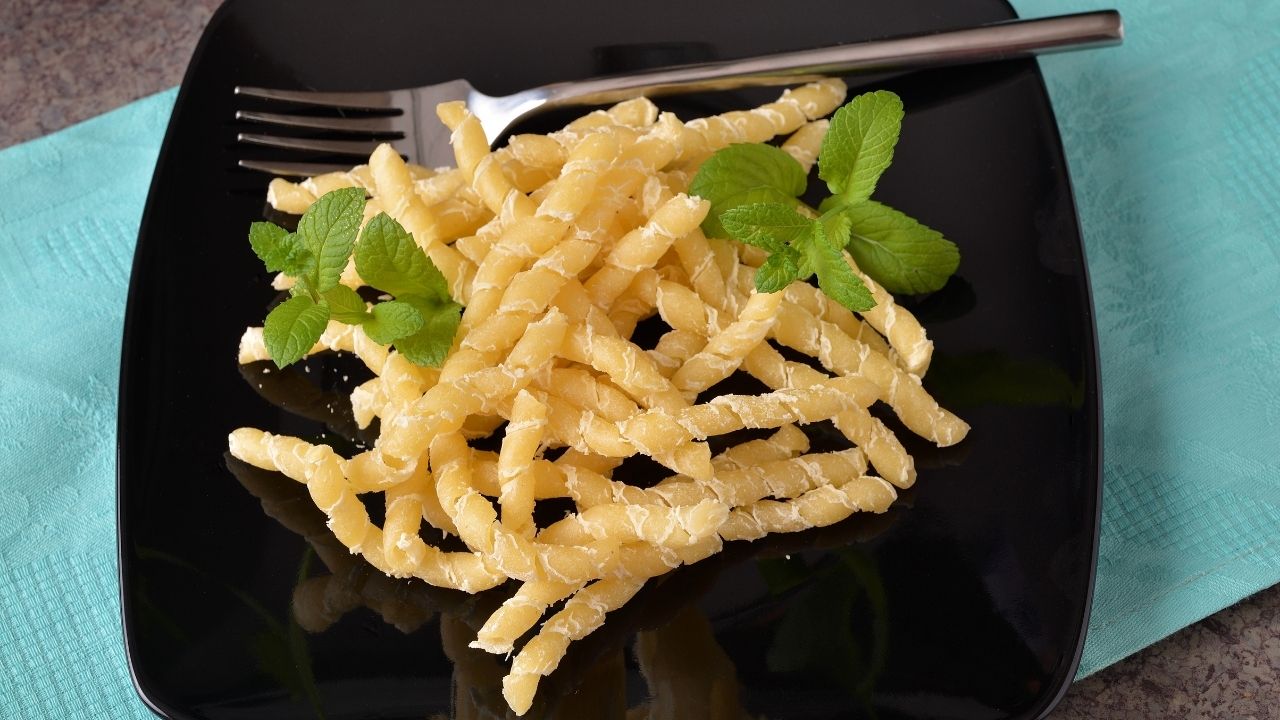
Picture a corkscrew that decided to become pasta, and you’ve got busiate – Sicily’s twisted little masterpiece that looks like it just stepped out of a hardware store and into your kitchen. These spiraled beauties hail from the ancient town of Trapani, where local pasta makers traditionally wind fresh dough around thin knitting needles or wooden skewers called “busi” (hence the name). The result? A pasta shape so perfectly engineered for sauce-catching that it makes regular spaghetti look lazy by comparison.
Sicilians pair busiate with pesto trapanese, a gorgeous green sauce made with almonds, basil, tomatoes, and garlic that gets trapped in every twist and turn of the pasta’s spiral grooves. Making busiate by hand requires the patience of a saint and the dexterity of a jeweler – you roll small pieces of dough into ropes, then twist them around that knitting needle with a flick of the wrist that takes years to master. Modern versions sometimes cheat with machine extrusion, but purists insist the hand-rolled texture creates better sauce adhesion. Pro tip: if you can’t find busiate at your local Italian market, fusilli makes a decent understudy, though it lacks the rustic charm of its Sicilian cousin.
Trofie
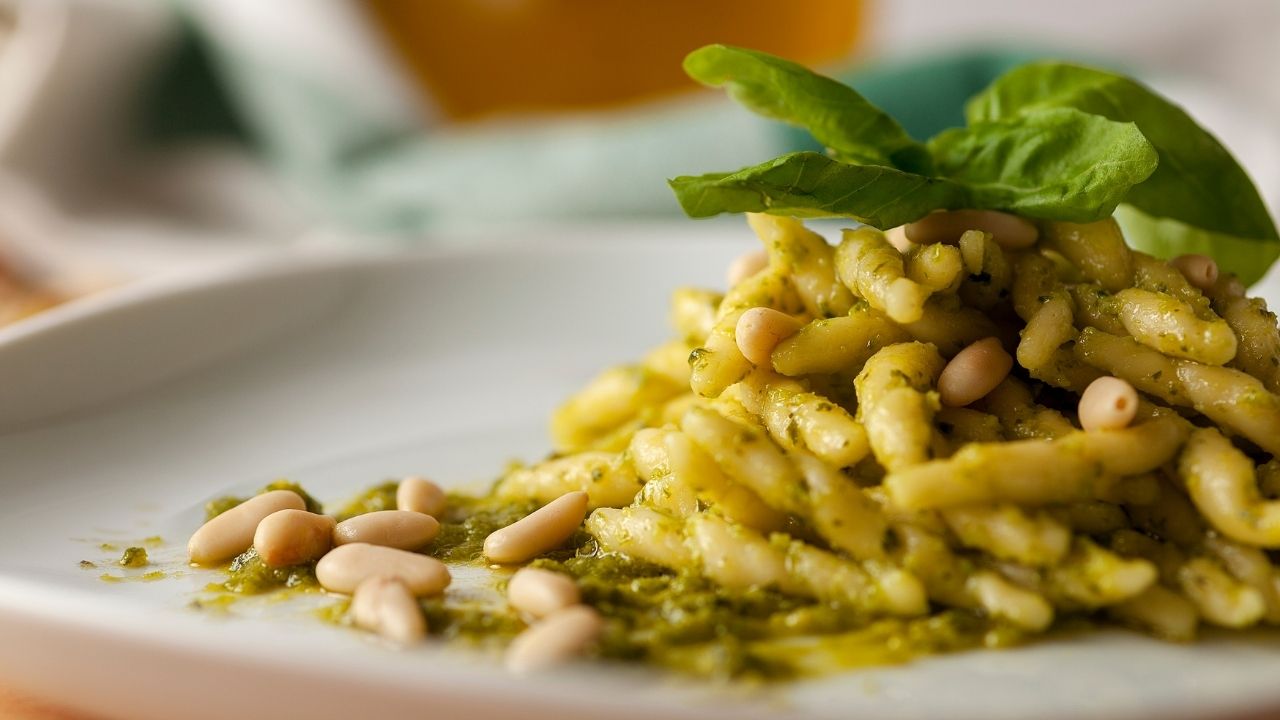
Picture tiny green spirals that look like they’ve been twisted by fairy fingers – that’s trofie for you! These adorable Ligurian pasta gems hail from the sun-soaked region that gave us pesto, and honestly, they’re a match made in heaven. Traditional pasta makers roll each piece by hand against a wooden board, creating these perfect little corkscrews that grab onto sauce like they’re giving it a big hug. The name comes from the Ligurian verb “strufuggiâ,” which means “to rub,” and watching someone make trofie is like witnessing a meditative dance between flour, water, and pure Italian determination.
Now here’s where things get interesting – trofie with pesto isn’t just a dish, it’s practically a religious experience in Liguria. The locals throw in green beans and potatoes because apparently they discovered the secret to carb-loading perfection centuries ago. You can spot authentic trofie by their slightly irregular, handmade appearance – if they look too perfect, some machine probably made them, and that’s just not the same. The pasta’s twisted shape creates little pockets that capture every drop of that bright green pesto, making each bite a perfect balance of basil, garlic, pine nuts, and pure Mediterranean magic.
Cavatelli
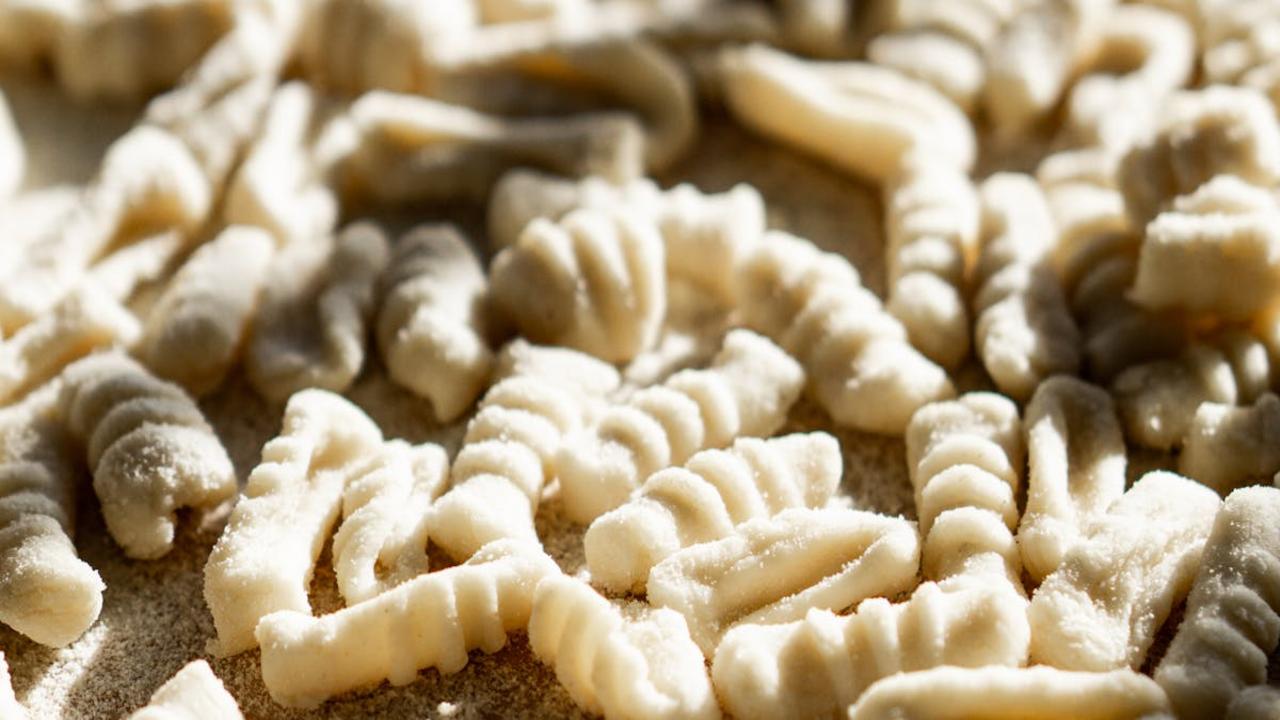
Picture this: you’re sitting in a sun-drenched trattoria in Puglia, and your nonna places a steaming bowl of cavatelli in front of you. These little pasta gems look like tiny hotdog buns that got caught in a pasta machine – and honestly, that’s not far from the truth! Cavatelli literally means “little hollows,” and boy, do they live up to their name. Made from just semolina flour, water, and a whole lot of elbow grease, these hand-rolled beauties have been gracing Southern Italian tables since the 12th century. The secret lies in the rolling technique: you drag each piece across a ridged board with three fingers, creating those perfect little pockets that grab onto sauce like they’re giving it a warm hug.
What makes cavatelli absolutely brilliant is their sauce-catching superpowers. Those cute little cavities aren’t just for show – they’re engineered to trap every drop of your favorite ragù, pesto, or simple olive oil and garlic combo. In Puglia, locals pair them with broccoli rabe and sausage, creating a match so perfect it should be illegal. The pasta’s chewy texture gives your jaw a proper workout (in the best possible way), and making them by hand becomes almost meditative once you get the rhythm down. Pro tip: if you’re feeling ambitious enough to make these at home, recruit friends for a cavatelli-rolling party – your fingers will thank you, and you’ll have enough pasta to feed a small Italian village!
Strozzapreti
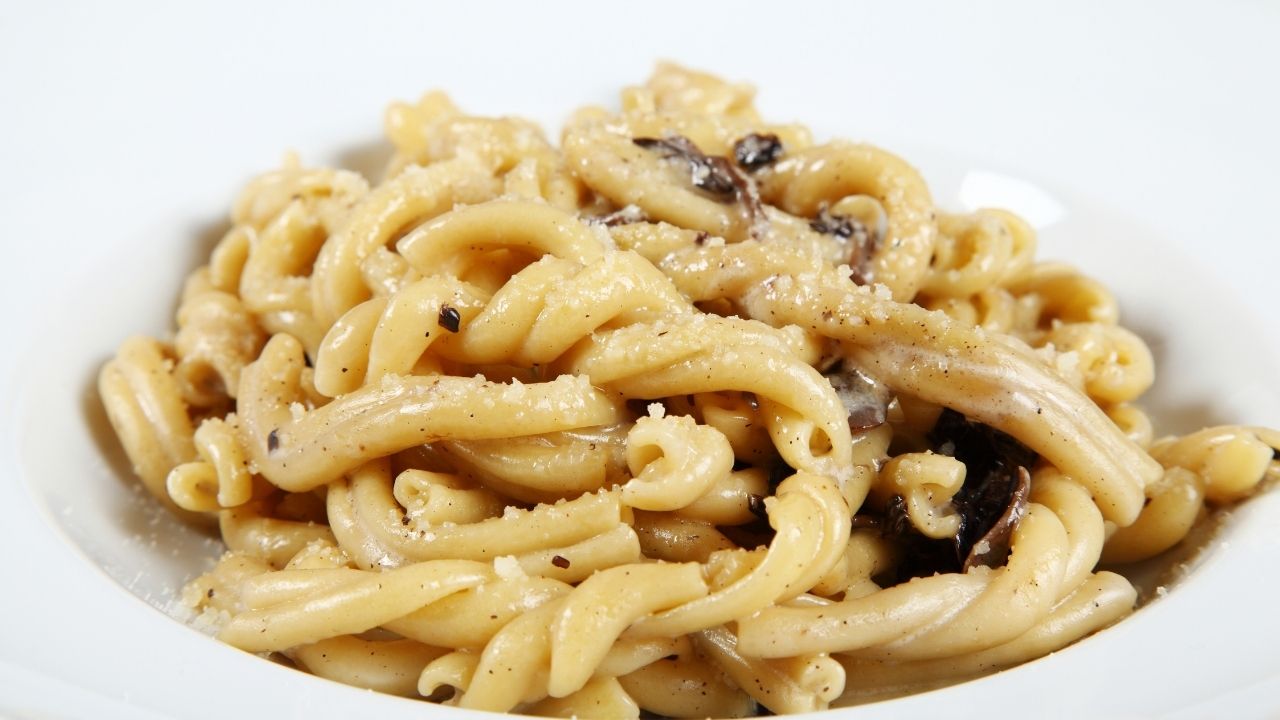
Picture this: you’re twirling pasta that literally translates to “priest stranglers,” and suddenly dinner becomes way more interesting! Strozzapreti gets its wonderfully dark name from medieval times when greedy priests would supposedly gobble down this twisted pasta so eagerly that they’d choke on it. The irony? This hand-rolled beauty from Emilia-Romagna was often made by the very women whose husbands were taxed heavily by the church. Talk about passive-aggressive cooking! The pasta itself looks like little twisted ropes or corkscrews, with ridges that grab onto sauce like they’re holding on for dear life.
What makes strozzapreti absolutely brilliant is its rustic, imperfect shape that screams “made with love and possibly a little spite.” Traditional recipes call for just flour, water, and a pinch of salt, rolled by hand into irregular spirals that would make any perfectionist pasta machine weep. You’ll find this chunky treasure paired with rich ragù, creamy mushroom sauces, or simple butter and sage combinations that let the pasta’s unique texture shine. The best part? Every piece looks slightly different, giving your plate that authentic, “my nonna’s been making this since before you were born” vibe that no factory pasta can replicate.