10 Old-School Cooking Techniques Making a Flavorful Comeback
Your grandmother’s kitchen secrets are staging the most delicious rebellion against modern convenience culture. While we’ve been obsessing over air fryers and sous vide gadgets, smart cooks have quietly rediscovered the magic hiding in ancient techniques that our ancestors perfected over millennia.
These time-tested methods aren’t just trendy throwbacks—they’re flavor powerhouses that transform ordinary ingredients into extraordinary experiences. From bubbling fermentation crocks to smoky wood fires, these old-school approaches deliver complexity that no fancy appliance can replicate.
Ready to ditch the microwave mentality? These ten forgotten techniques will revolutionize how you think about cooking, proving that sometimes the best innovations happened long before electricity existed. Your kitchen is about to become infinitely more interesting.
Dehydrating
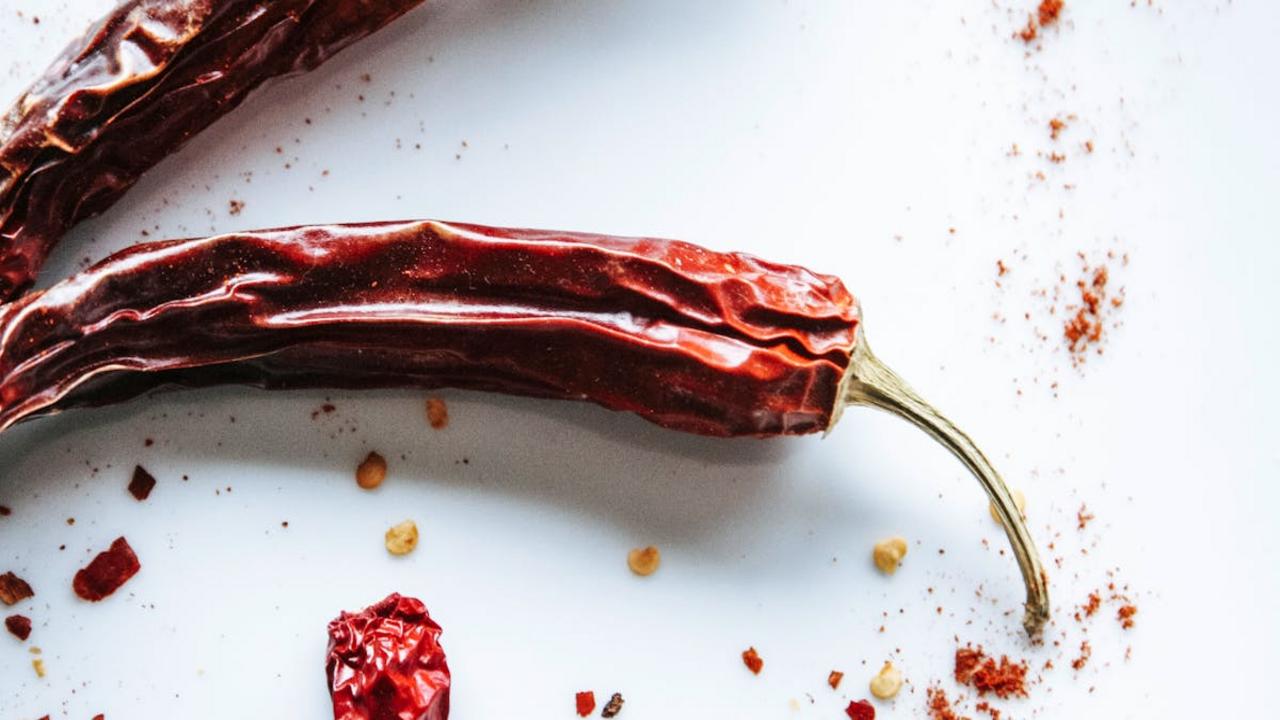
Remember when your grandmother used to string apple slices on thread and hang them by the kitchen window? Well, she was basically running a prehistoric food lab, and now everyone’s catching on to her genius. Dehydrating food removes moisture while concentrating flavors into these intensely satisfying chewy nuggets that make your regular snacks look like cardboard imposters. I discovered this magic when I accidentally left some tomatoes in my oven overnight (don’t ask), and instead of finding charcoal, I found these ruby-red flavor bombs that tasted like summer concentrated into tiny gems.
Modern dehydrators have made this ancient technique foolproof, but you can still rock the old-school method with just your oven set to its lowest temperature. Try dehydrating strawberries until they become nature’s candy, or turn kale into crispy chips that actually make you forget about potato chips (okay, maybe not forget, but definitely pause for consideration). The best part? You’re preserving food without any weird chemicals, just pure concentration of whatever deliciousness you started with. Your future self will thank you when you pull out a bag of homemade banana chips during your next Netflix binge instead of reaching for that stale bag of store-bought sadness.
Root cellaring
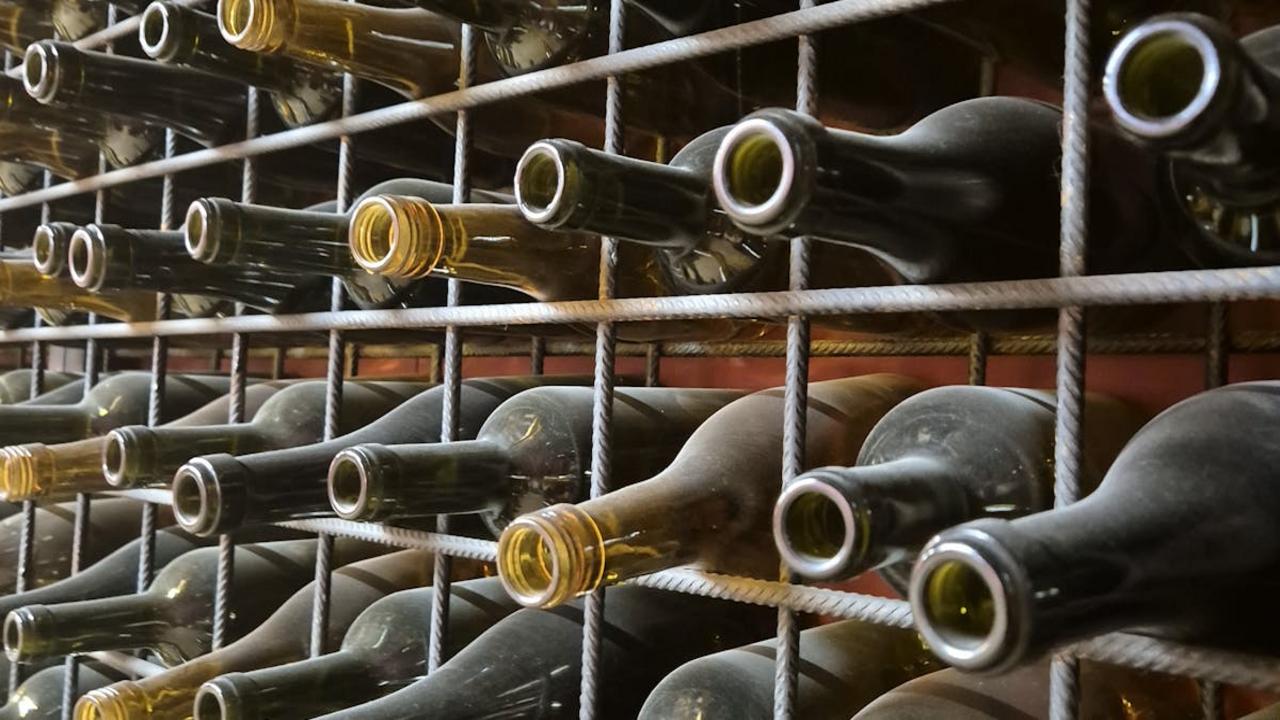
Picture this: your great-grandmother storing carrots and potatoes in a cold, dark basement corner, and those vegetables lasting months without a single gadget plugged into the wall. Root cellaring might sound like something from Little House on the Prairie, but this ancient preservation method is making serious waves in modern kitchens. You basically create a cool, humid environment (think 32-40°F with 85-95% humidity) where root vegetables, apples, and even some greens can chill out for months. The best part? Your turnips won’t judge you for forgetting about them for three weeks straight, unlike that bag of spinach currently decomposing in your fridge.
Modern root cellaring doesn’t require you to dig a hole in your backyard (though you absolutely can if that’s your thing). Basements, garages, even old refrigerators with the power cord cut can work magic. Apples release ethylene gas that makes other produce ripen faster, so store them separately unless you want your potatoes sprouting like they’re auditioning for a nature documentary. The secret lies in understanding that different vegetables have different storage personalities—cabbage likes it cold and moist, while onions prefer cool and dry. Master this technique, and you’ll have fresh vegetables all winter while your neighbors are paying premium prices for sad, shipped-from-halfway-across-the-world produce.
Dutch oven cooking
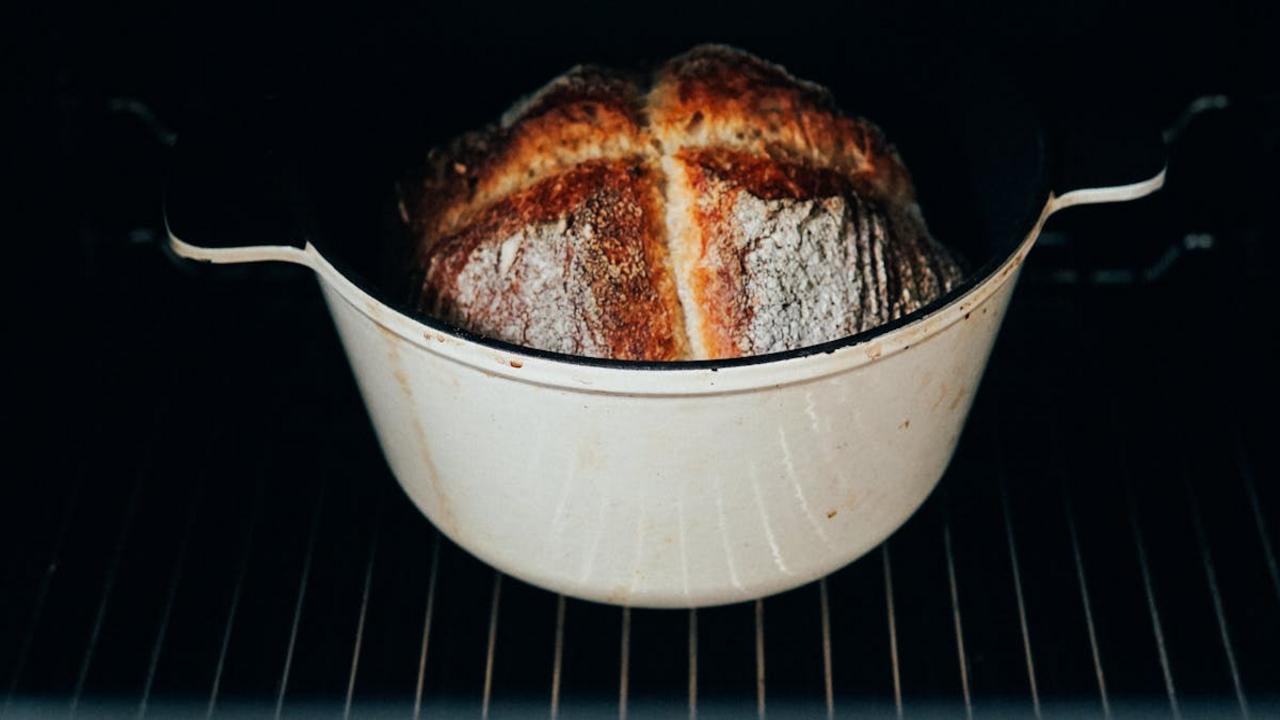
Your grandmother’s heavy cast-iron pot isn’t just gathering dust in the garage—it’s about to become your kitchen’s MVP again! Dutch ovens are staging the most dramatic comeback since vinyl records, and honestly, it’s about time. These hefty workhorses can braise, bake, fry, and even make bread that’ll make your neighbors weep with envy. I watched my friend Sarah transform a tough chunk of beef chuck into fall-apart perfection using nothing but her great-aunt’s 1950s Lodge Dutch oven, some wine (mostly for drinking, let’s be real), and four hours of patience. The magic happens because that thick cast iron holds heat like a champion and distributes it evenly, creating the perfect environment for slow, gentle cooking that modern appliances just can’t replicate.
Here’s the kicker: Dutch ovens work just as brilliantly over a campfire as they do in your kitchen, making them the ultimate multitaskers. You can start a pot roast on the stovetop, then slide the whole thing into the oven without missing a beat. Pro tip: always preheat your Dutch oven before adding oil—this prevents sticking and gives you that gorgeous sear that makes food Instagram-worthy. My personal favorite trick? Baking sourdough bread in a preheated Dutch oven creates steam that gives you a crust so crispy it sounds like bubble wrap when you tap it. Clean-up is surprisingly easy too, despite what your dishwasher-spoiled brain might think—just hot water, coarse salt, and a good scrub brush will do the trick.
Curing and preserving
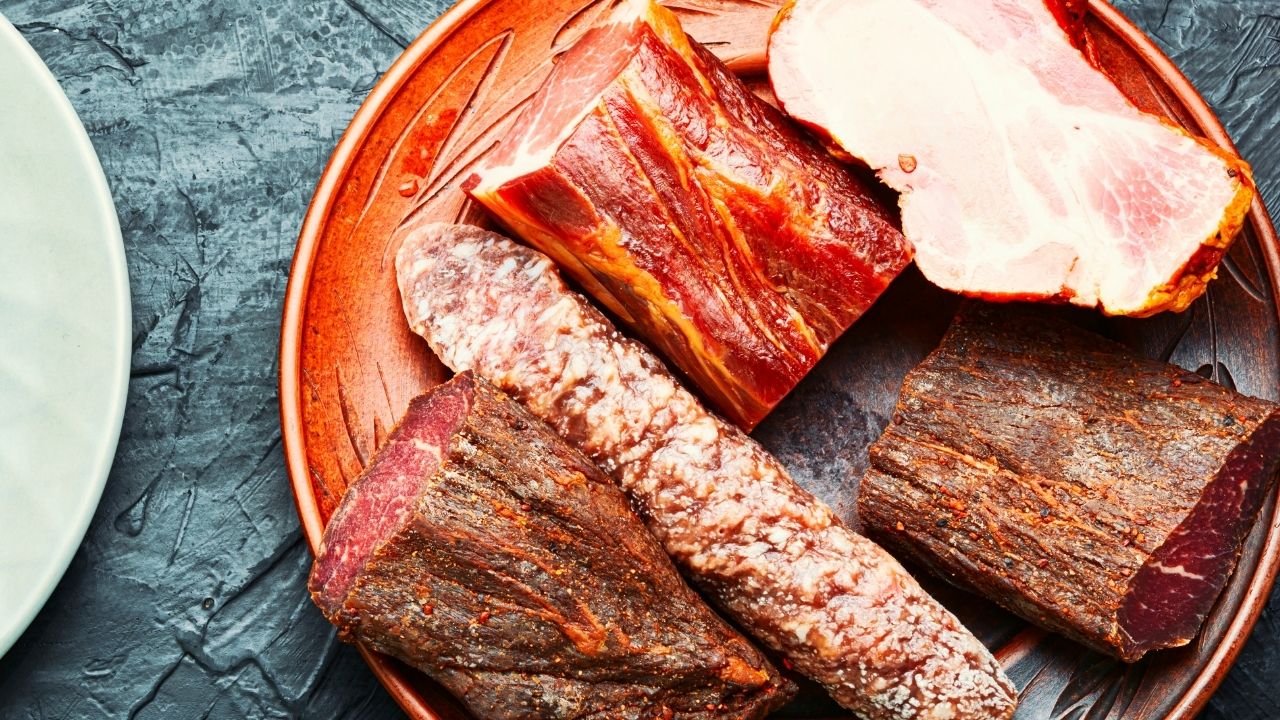
Your great-grandmother wasn’t just being dramatic when she buried those pork bellies in salt for weeks—she was creating liquid gold in the form of homemade bacon! Curing and preserving foods has bounced back from the brink of extinction, and honestly, it’s about time. Modern food lovers are rediscovering the magic of transforming ordinary ingredients into something extraordinary through the ancient alchemy of salt, time, and patience. Duck prosciutto hangs like edible art in trendy restaurants, while home cooks experiment with everything from cured egg yolks (they grate like parmesan!) to homemade gravlax that makes store-bought salmon weep with envy.
The beauty of curing lies in its simplicity—you’re basically paying ingredients to sit still and develop character, much like sending your teenager to boarding school. Salt draws out moisture while concentrating flavors, creating textures and tastes that fresh foods simply can’t match. Try curing your own lemon peels with coarse salt and sugar for two weeks, then watch guests’ faces light up when you grate that golden treasure over desserts. Or cure some cherry tomatoes in salt for a few days to create little flavor bombs that pack more punch than a double espresso. The waiting game might test your patience, but the payoff transforms your kitchen into a time machine where ancient wisdom meets modern taste.
Stone grinding
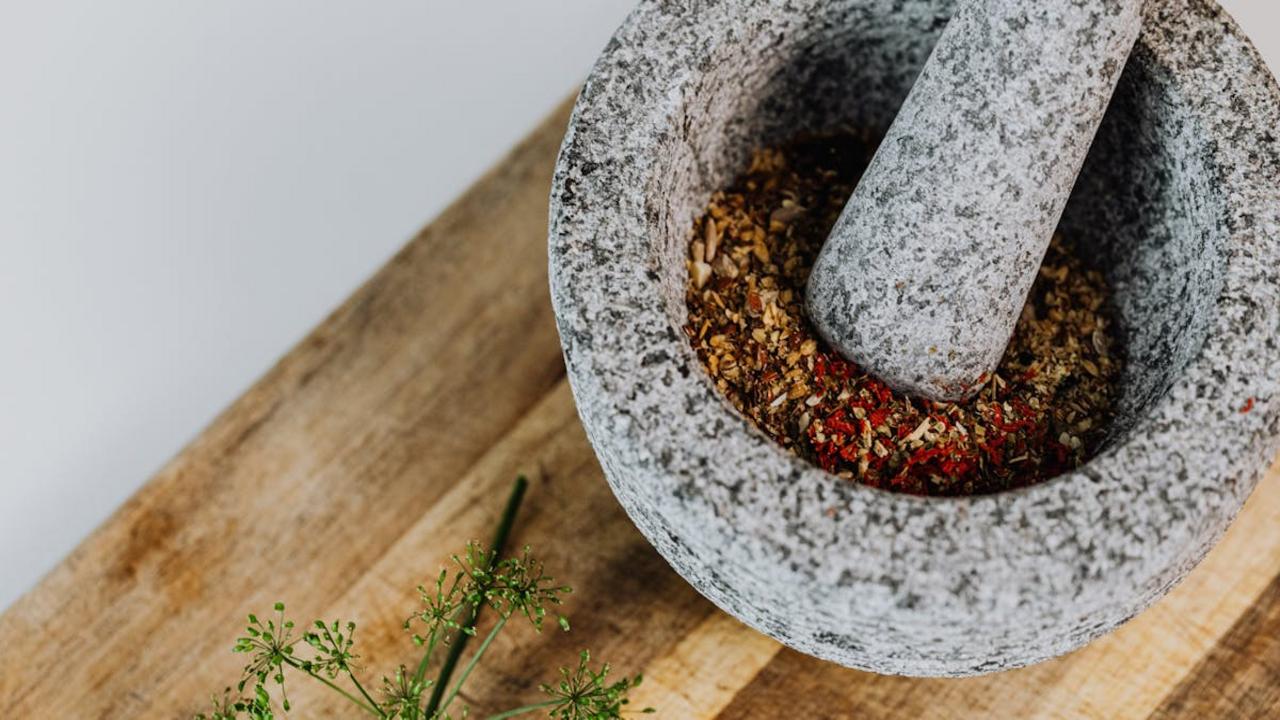
Picture this: you’re watching your grandmother work magic with an ancient granite slab, methodically crushing spices that release clouds of aromatic heaven right into your kitchen. Stone grinding isn’t just some hipster trend your neighbor picked up after binge-watching food documentaries – it’s been the secret weapon of flavor-obsessed cooks for literally thousands of years. The Aztecs knew what they were doing when they invented the molcajete, and Indian home cooks have been swearing by their grinding stones since before anyone even dreamed of electric gadgets. Here’s the wild part: those rough, porous surfaces don’t just crush your ingredients – they actually tear them apart at a cellular level, releasing oils and compounds that blade grinders simply can’t touch.
Your fancy electric spice grinder might seem convenient, but it’s basically giving your cumin seeds a high-speed haircut instead of the deep tissue massage they deserve. Stone grinding creates friction and heat that awakens dormant flavors, turning ordinary black peppercorns into aromatic powerhouses that’ll make you wonder why you ever settled for pre-ground dust from a shaker. Try grinding your own garam masala or making fresh pesto with a mortar and pestle – the difference will knock your socks clean off. Sure, it takes a bit more elbow grease than pressing a button, but your taste buds will thank you for the workout. Plus, there’s something deeply satisfying about the rhythmic grinding motion that no electric appliance can replicate.
Clay pot cooking

Your grandmother’s dusty clay pot sitting in the back of your cupboard isn’t just a relic—it’s a ticket to flavor town that modern chefs are rediscovering with wide-eyed wonder. Clay pot cooking dates back thousands of years, and here’s the kicker: those ancient cooks knew something we forgot in our rush toward shiny stainless steel. The porous nature of unglazed clay allows moisture to seep through and create steam, while the slow, even heat distribution turns tough cuts of meat into butter-soft perfection. Plus, clay actually adds minerals to your food—talk about getting your money’s worth from cookware!
The magic happens because clay heats up gradually and holds that heat like a cozy blanket around your ingredients. I watched my friend Maria make her famous clay pot chicken last week, and the aroma that wafted out when she lifted that lid could have made a vegetarian weep with longing. The chicken practically fell off the bone, and the vegetables had absorbed all those gorgeous, concentrated flavors. Before you dust off that family heirloom, remember to soak unglazed clay pots in water for at least 30 minutes before cooking—trust me, you don’t want your pot cracking mid-meal and turning dinner into a archaeological dig.
Smoking foods

Remember when your grandfather would disappear into the backyard for hours, tending to his makeshift smoker like some kind of meat wizard? Well, that ancient ritual of coaxing flavor from wood chips and patience has officially crashed back into our modern kitchens—and I’m absolutely here for it. Smoking isn’t just about barbecue anymore; adventurous home cooks now smoke everything from salt to cocktails to vegetables, proving that where there’s smoke, there’s pure deliciousness waiting to happen. The technique dates back thousands of years when our ancestors discovered that slow-cooking meat over smoldering wood not only preserved food but transformed it into something magical.
Today’s smoking enthusiasts have everything from tiny stovetop smokers to elaborate outdoor rigs that look like they could launch a rocket. The beauty lies in the chemistry: wood smoke contains over 100 flavor compounds that penetrate food at the molecular level, creating those deep, complex tastes that make your neighbors suddenly very friendly. Applewood gives a sweet, fruity note perfect for pork, while hickory delivers that bold, bacon-like punch that makes everything better. Even if you live in a tiny apartment, you can still join the smoke party with liquid smoke or indoor smoking guns—because life’s too short for bland food, and your kitchen deserves a little drama.
Earthen pit cooking
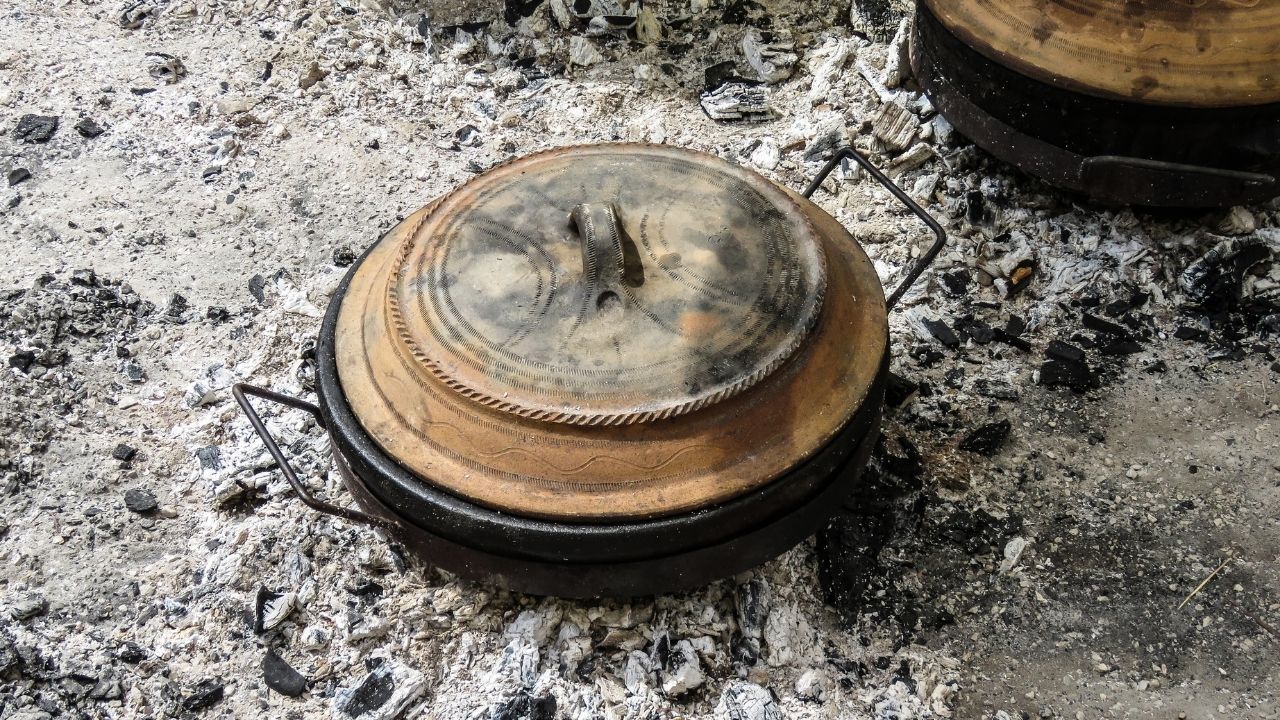
Picture this: you’re digging a hole in your backyard like some sort of culinary archaeologist, and your neighbors think you’ve finally lost it. But joke’s on them because earthen pit cooking is the ultimate slow-food flex that’s been around since humans first figured out fire could make mammoth taste better. This ancient technique involves burying your food in a pit lined with hot coals and stones, then covering it with earth and letting time work its magic. The Hawaiians perfected this with their imu ovens, the Mexicans gave us barbacoa, and basically every culture that ever got tired of burnt mammoth steaks figured out that underground equals incredible.
What makes pit cooking so spectacular is the gentle, even heat that transforms tough cuts into fork-tender masterpieces while infusing everything with that distinctive smoky-earthy flavor you simply cannot replicate in your fancy kitchen. Your brisket emerges after 12-24 hours so tender it practically falls apart when you look at it sideways, and whole pigs become legendary neighborhood events. The best part? Once you bury your dinner, you can literally forget about it and go binge-watch Netflix guilt-free. Modern pit enthusiasts are bringing this technique back with backyard adaptations using metal drums or custom-built fire pits, proving that sometimes the oldest tricks really are the best tricks.
Wood fire cooking

Remember when your great-grandmother cooked everything over an open flame? Well, guess what—she was onto something magnificent! Wood fire cooking is roaring back into modern kitchens faster than you can say “smoky char,” and chefs everywhere are rediscovering why our ancestors never bothered with gas ranges. The secret lies in those dancing flames and glowing coals that create temperature zones no fancy oven can replicate. You get searing heat for that perfect crust on your steak, gentle warmth for slow-roasting vegetables, and everything in between. Plus, different woods add their own personality to your food—oak brings bold earthiness, apple wood whispers sweet notes, and hickory practically shouts “barbecue!” from the rooftops.
Building a wood fire teaches you patience (something our microwave generation desperately needs) and turns cooking into a primal dance between chef and flame. You can’t just set a timer and walk away—oh no, you become one with the fire, adjusting logs, moving coals, and learning to read smoke signals like some culinary fortune teller. The results? Food that tastes like it has stories to tell, with layers of flavor that would make your gas grill weep with envy. Start simple with a cast-iron skillet over hot coals, throw in some peppers and onions, and watch them transform into something magical. Your neighbors will smell the wood smoke and suddenly remember they need to borrow sugar—trust me on this one!
Fermentation
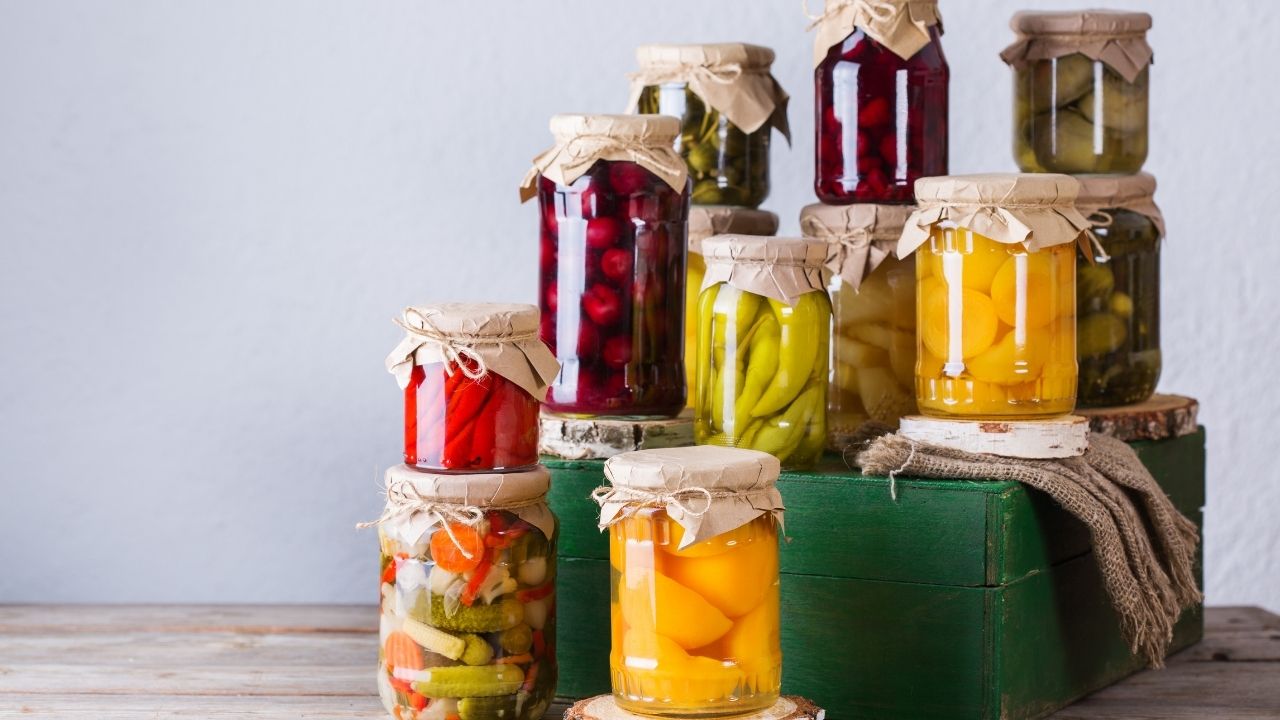
Remember when your grandmother kept that mysterious jar of bubbling something-or-other on her kitchen counter, and you were absolutely convinced it was some kind of science experiment gone wrong? Plot twist: she was actually a fermentation genius way ahead of her time! While we were all obsessing over pasteurized everything and sterile kitchens, grandma was quietly cultivating billions of beneficial bacteria that would make today’s gut health gurus weep with joy. Now that we’ve collectively realized our digestive systems need more friends than enemies, fermentation has strutted back into the spotlight like it never left.
From kimchi that packs more punch than a heavyweight boxer to sourdough starters with more personality quirks than your eccentric uncle, fermented foods are having their moment—and frankly, it’s about time. The magic happens when you basically tell vegetables and grains to “go wild” in a controlled environment, and somehow this organized chaos creates flavors so complex they make your regular grocery store pickles seem like they’re having an identity crisis. You can start simple with sauerkraut (literally just cabbage and salt playing the world’s longest game of hide-and-seek), or go full mad scientist with water kefir grains that multiply faster than rabbits and taste like nature’s own fizzy drink. The best part? These microscopic workers never call in sick and work 24/7 to transform boring ingredients into tangy, effervescent masterpieces.