10 Iconic Hawaiian Dishes You Need to Try on Your Next Island Getaway
Hawaii isn’t just about stunning beaches and lush landscapes – it’s a food lover’s paradise where cultures blend on your plate! From Japanese and Filipino influences to native Hawaiian cooking techniques, the islands offer incredibly diverse flavors you won’t find anywhere else.
I’ve spent countless hours in local kitchens learning these recipes, and trust me, Hawaiian cuisine goes way beyond the tourist spots. Each dish tells a story of immigration, adaptation, and island ingenuity using fresh ingredients straight from land and sea.
Pack your appetite for your next Hawaiian vacation because these ten iconic dishes showcase what makes island food so special. The combinations of sweet, salty, tangy and fresh ingredients create unforgettable meals that’ll have you planning your return trip before you even leave!
Coconut Cake
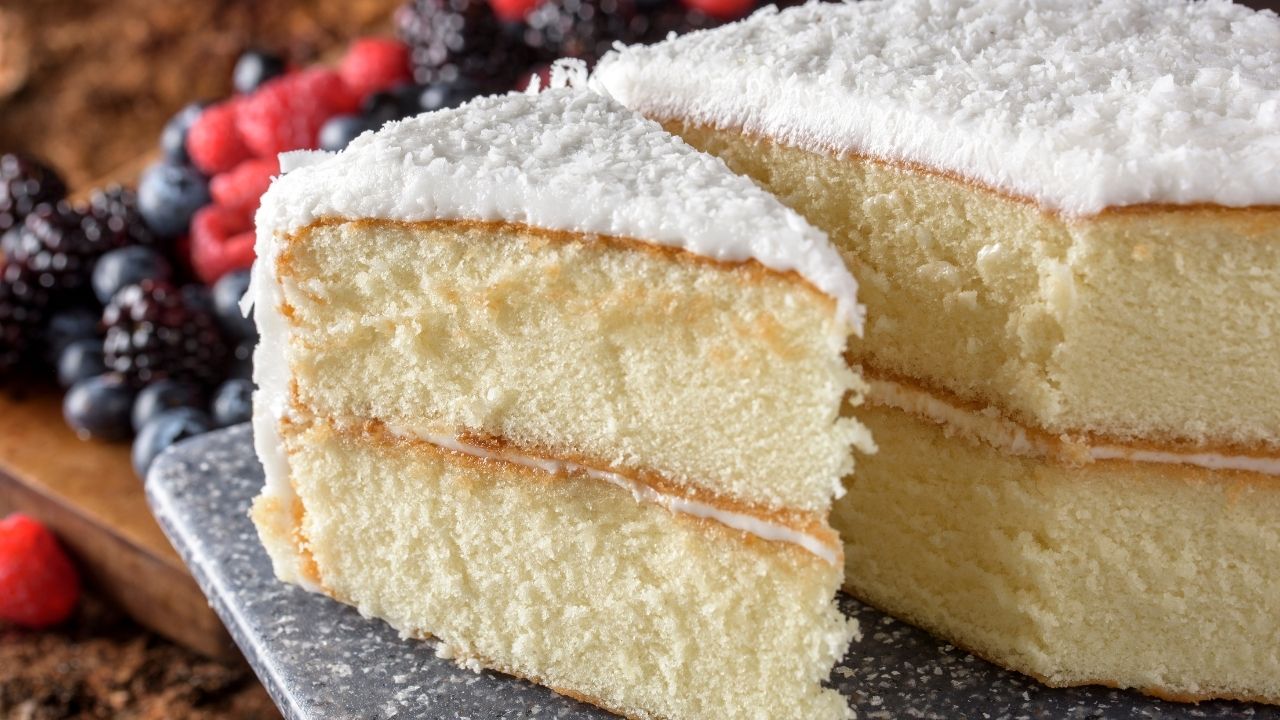
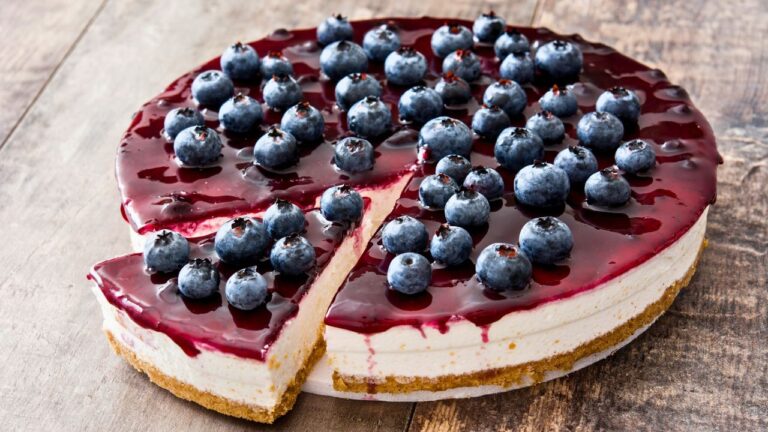
Picture this: you’re sitting on a lanai overlooking the Pacific, and someone places a slice of authentic Hawaiian coconut cake in front of you. This isn’t your typical mainland dessert – it’s a cloud-like creation that captures the essence of the islands in every bite. I love how Hawaiian bakers transform simple coconut into something magical, using fresh coconut milk and finely shredded coconut meat to create layers of tropical bliss. The cake itself stays incredibly moist thanks to the natural oils in fresh coconut, and when you add that signature cream cheese frosting dotted with toasted coconut flakes, you get a dessert that feels both indulgent and refreshingly light.
What makes Hawaiian coconut cake special goes beyond just ingredients – it’s about the technique passed down through generations of island bakers. The best versions I’ve encountered use coconut cream reduction, where fresh coconut milk gets slowly simmered until it concentrates into pure, intense flavor. You’ll often find macadamia nuts folded into the batter, adding that perfect Hawaiian touch with their buttery crunch. The frosting gets brushed with coconut rum or pineapple juice, creating layers of flavor that transport you straight to paradise. Trust me, once you taste an authentic Hawaiian coconut cake made with island-grown coconuts, you’ll understand why locals consider it the perfect ending to any meal.
Shaved Ice
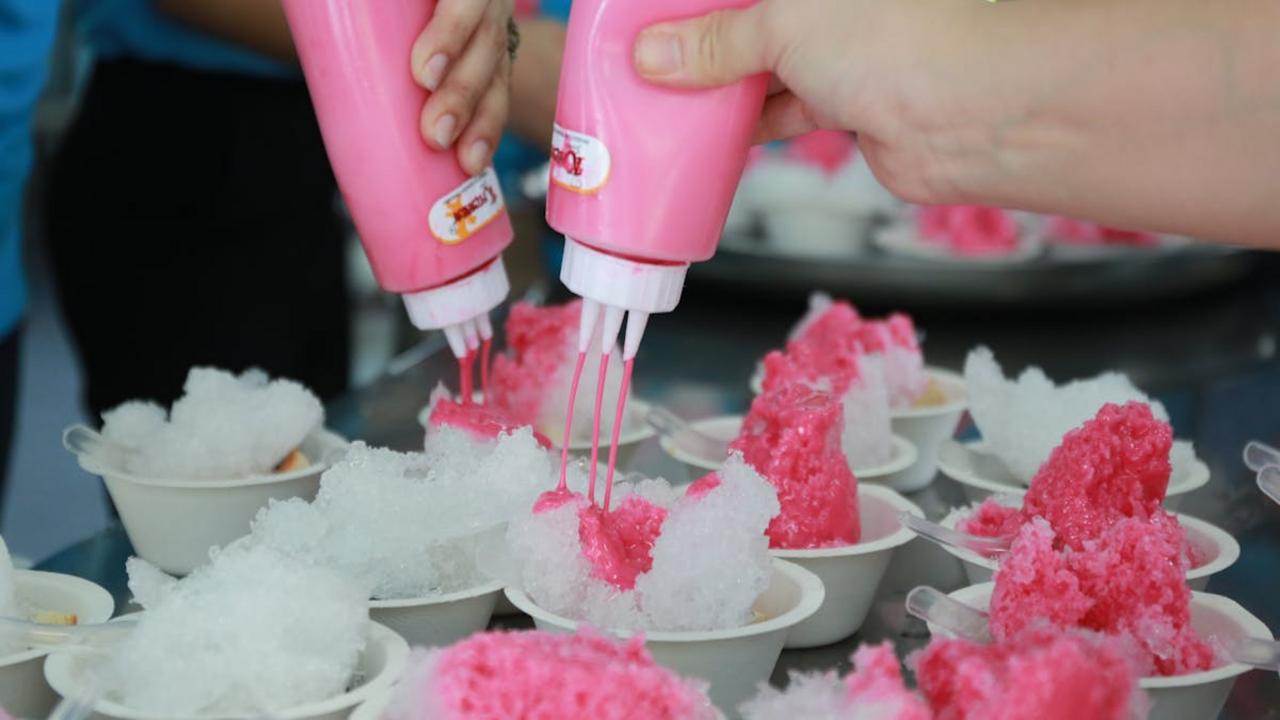
You know how some desserts just transport you straight to childhood bliss? That’s exactly what happens when you encounter authentic Hawaiian shaved ice. This isn’t your typical snow cone from the county fair – Hawaiian shaved ice transforms simple ice into silky, fine ribbons that practically melt on your tongue. The secret lies in the technique: traditional machines shave blocks of ice so thin they create a cloud-like texture that absorbs every drop of syrup. I love watching vendors work their magic, creating these colorful mountains that look almost too beautiful to eat.
What makes Hawaiian shaved ice truly special is the rainbow of natural syrups and the generous toppings that crown each serving. From classic flavors like blue Hawaiian and passion fruit to more adventurous combinations, each spoonful delivers pure tropical joy. Many shops add sweetened condensed milk, azuki beans, or fresh fruit, creating layers of flavor and texture that make every bite different. When the Hawaiian sun beats down, nothing beats finding shade with a towering cup of shaved ice, watching the colors blend together as you work your way through this refreshing masterpiece that costs just a few dollars but delivers memories worth so much more.
Fish Bowl
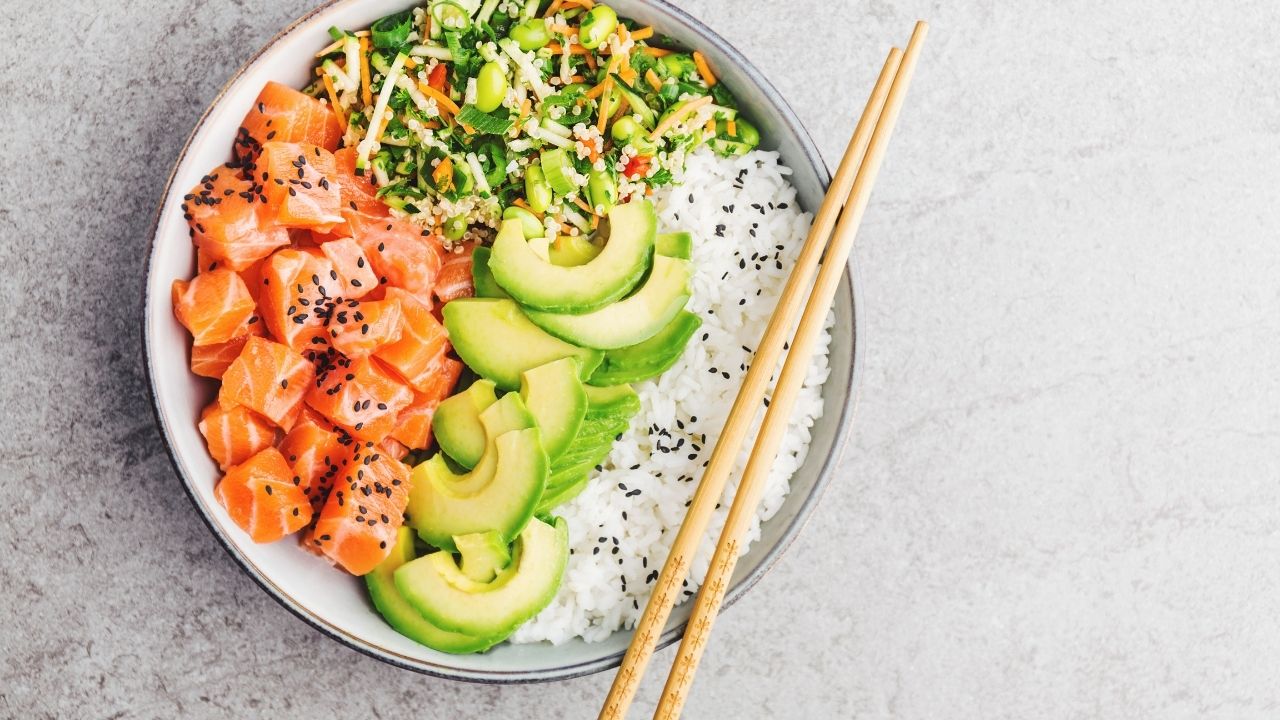
Picture this: you’re walking along a Hawaiian beach, and suddenly you spot a vibrant bowl that looks like it captured the entire ocean in one dish. That’s the Fish Bowl – a stunning creation that transforms fresh, sashimi-grade fish into an Instagram-worthy masterpiece. I love how this dish breaks all the traditional poke rules by going completely over the top with presentation. Instead of the usual simple bowl, you get layers of colorful ingredients that cascade like a tropical waterfall – think purple cabbage, bright mango chunks, creamy avocado, and jewel-toned fish all arranged in perfect harmony.
What makes me excited about the Fish Bowl is how it shows that healthy eating doesn’t mean boring eating. You’re getting pure, unprocessed protein from the fish, healthy fats from avocado, and a rainbow of vegetables that pack serious nutritional punch. The beauty lies in its simplicity – no heavy sauces or complicated cooking techniques, just fresh ingredients speaking for themselves. When you dig your fork into this colorful mountain, every bite gives you different textures and flavors that dance together. It’s like eating a piece of Hawaiian paradise, and honestly, once you try making something this visually stunning at home, you’ll never look at regular fish dishes the same way again.
Sweet Potato
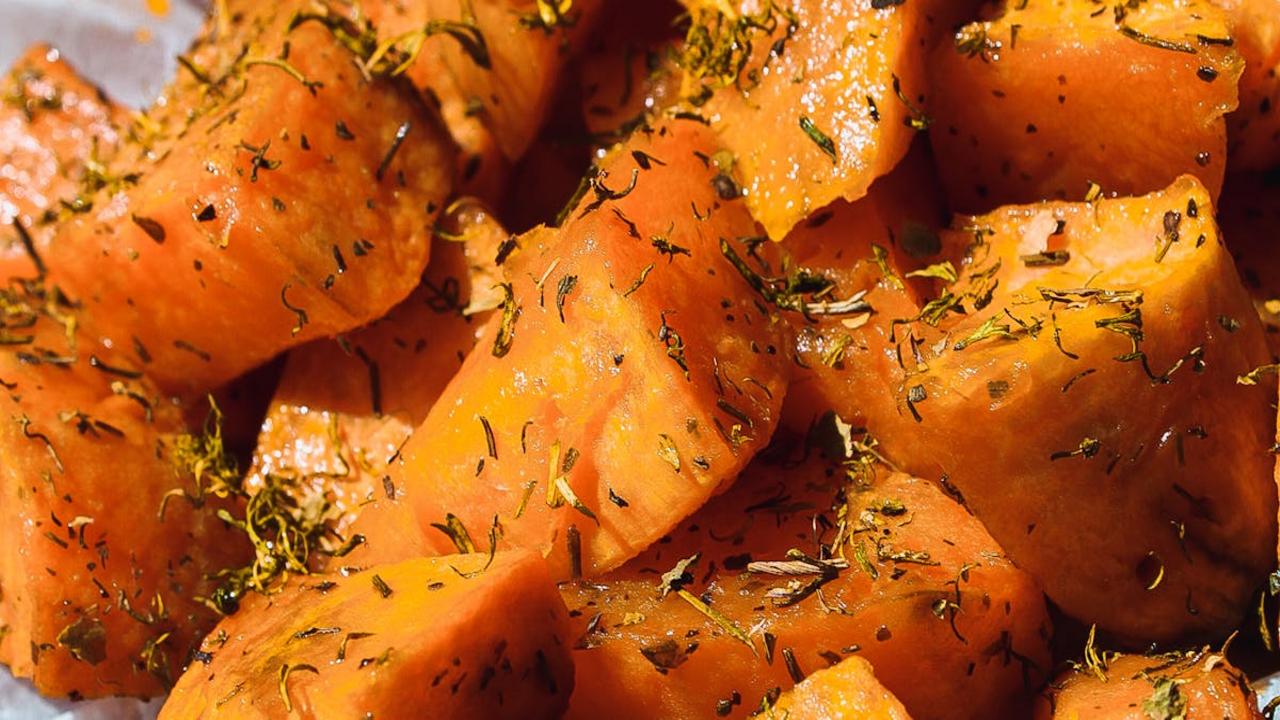
You know what really gets me excited about Hawaiian sweet potatoes? They’re not your typical orange grocery store variety – these purple-skinned beauties pack an earthy sweetness that transforms any meal. I remember the first time I roasted Hawaiian sweet potatoes with just a drizzle of coconut oil and a sprinkle of sea salt. The natural sugars caramelized into this incredible golden crust while the inside stayed creamy and rich. What I love most is how these tubers bridge the gap between comfort food and nutrition – they’re loaded with antioxidants, fiber, and vitamins that fuel your body properly.
In traditional Hawaiian cooking, sweet potatoes often get steamed in ti leaves or cooked in underground ovens called imu, which creates this smoky depth you simply can’t replicate on a stovetop. I’ve adapted this concept at home by wrapping whole sweet potatoes in parchment with fresh herbs before roasting them low and slow. The result is pure magic – tender flesh that practically melts in your mouth. Try mashing them with a touch of coconut milk and fresh ginger for a side dish that complements everything from grilled fish to roasted chicken. These versatile roots remind me why cooking from scratch with whole, unprocessed ingredients always wins.
Roasted Pork
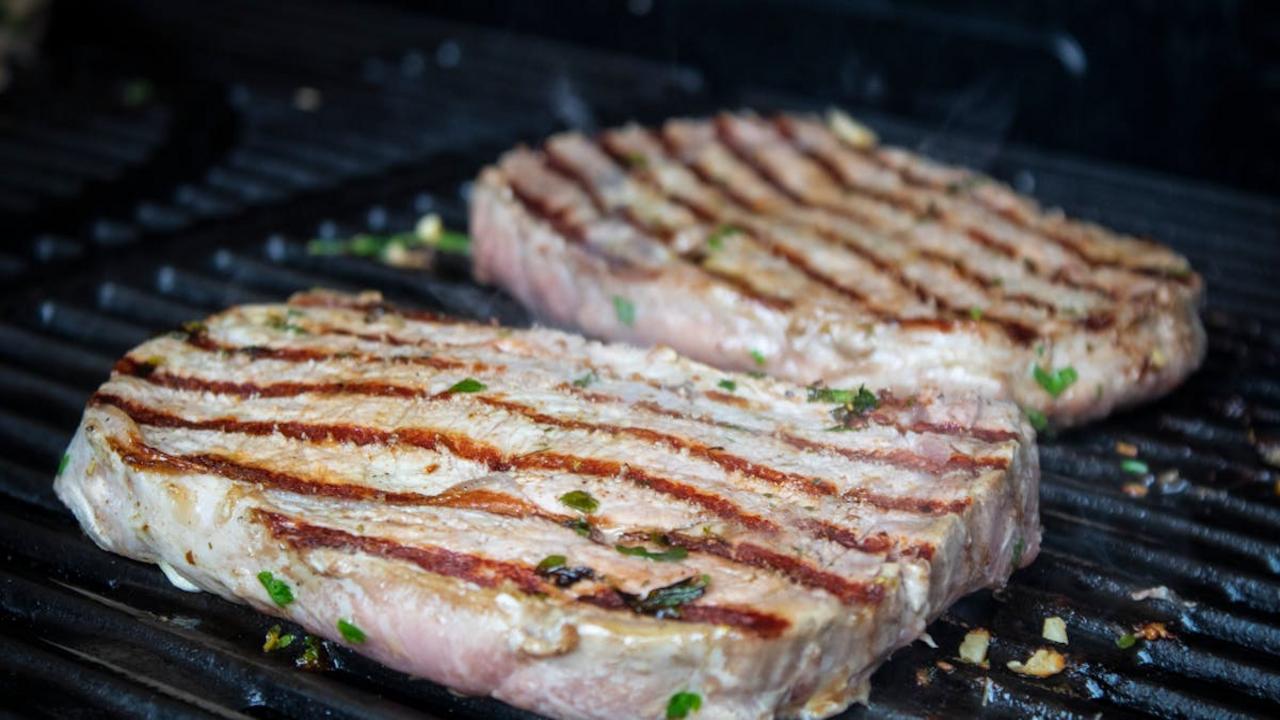
When I first experienced authentic Hawaiian roasted pork, everything changed about how I understood slow-cooked meat. This isn’t your typical Sunday roast – Hawaiian roasted pork carries generations of tradition in every tender, smoky bite. The traditional preparation involves wrapping seasoned pork in ti leaves and cooking it underground in an imu (earth oven) for hours, creating incredibly moist meat with a subtle earthy flavor that you simply can’t replicate any other way. The salt-cured pork develops this beautiful balance between the natural sweetness of the meat and the mineral-rich Hawaiian sea salt.
You can recreate a version of this magic at home by slow-roasting pork shoulder with coarse Hawaiian salt, liquid smoke, and wrapped in banana leaves if you can find them. I love how this cooking method breaks down the tough fibers naturally, requiring no processed tenderizers or artificial flavors. The result is fork-tender pork that pulls apart effortlessly, perfect for stuffing into fresh poi or eating alongside traditional sides like lau lau or rice. What makes Hawaiian roasted pork special is its simplicity – just good pork, salt, time, and patience create something absolutely extraordinary that connects you to Hawaii’s rich food heritage.
Pineapple Rice
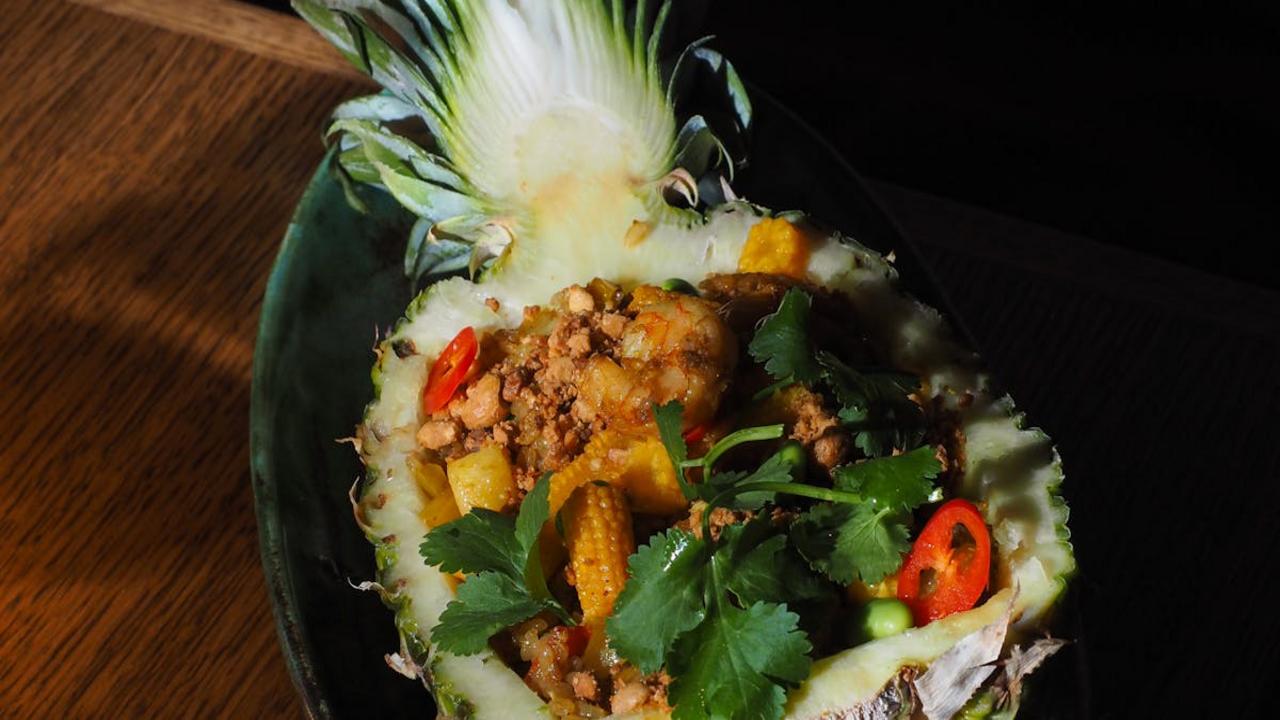
Picture this: you’re sitting beachside in Hawaii, and someone places a golden, carved-out pineapple before you, filled with fragrant jasmine rice studded with sweet pineapple chunks, toasted cashews, and tender shrimp. This Thai-influenced dish found its perfect home in the islands, where fresh pineapples grow abundantly and the multicultural food scene welcomes flavors from across the Pacific. I love how this dish represents everything beautiful about Hawaiian cuisine – it takes the best from different cultures and creates something entirely new and magical.
What makes pineapple rice so special is how the natural sugars from the fruit caramelize slightly with the rice, creating this incredible sweet-savory balance that dances on your palate. The presentation alone makes you smile – eating directly from the pineapple shell feels like pure island luxury. You can easily recreate this at home using a ripe pineapple, day-old rice (which works better than fresh), and whatever proteins or vegetables you have on hand. I often add curry powder, fish sauce, and a squeeze of lime to brighten everything up. Trust me, once you make this dish, you’ll understand why it’s become such a beloved staple in Hawaiian restaurants.
Coconut Shrimp
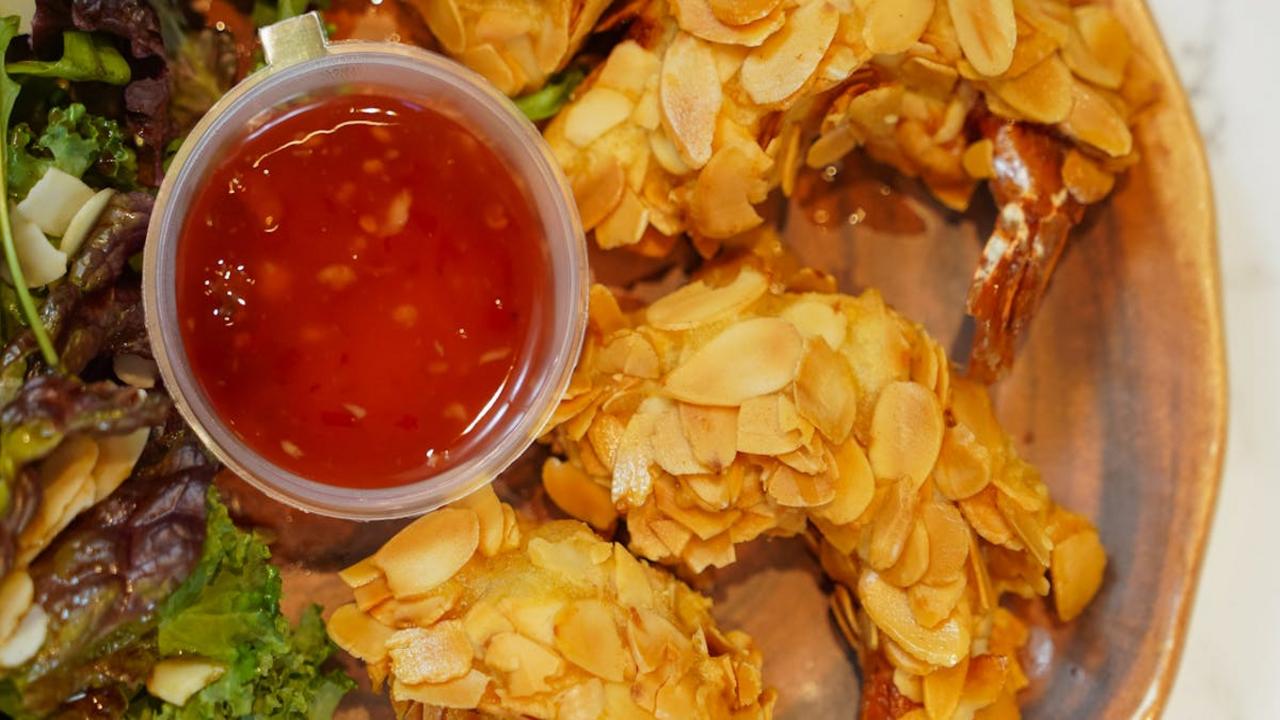
You know that moment when you bite into something so perfectly crispy and sweet that it transports you straight to paradise? That’s coconut shrimp for you! This Hawaiian favorite takes plump, juicy shrimp and coats them in a gorgeous blanket of shredded coconut that turns golden and crunchy when fried. I always tell people that making this at home beats any restaurant version because you control the quality of ingredients – fresh shrimp, unsweetened coconut flakes, and a light tempura-style batter that keeps things from getting too heavy.
What I love most about coconut shrimp is how it perfectly captures that Hawaiian spirit of combining tropical flavors with fresh seafood. The natural sweetness of coconut pairs beautifully with the briny ocean taste of good shrimp, creating this incredible balance that keeps you reaching for more. I like to serve mine with a tangy pineapple-chili dipping sauce that adds just the right kick. Skip the processed breadcrumb versions you see everywhere – real coconut flakes give you that authentic tropical crunch that makes each bite feel like a mini vacation. Trust me, once you make these from scratch, you’ll never want the frozen stuff again!
Sweet Bread
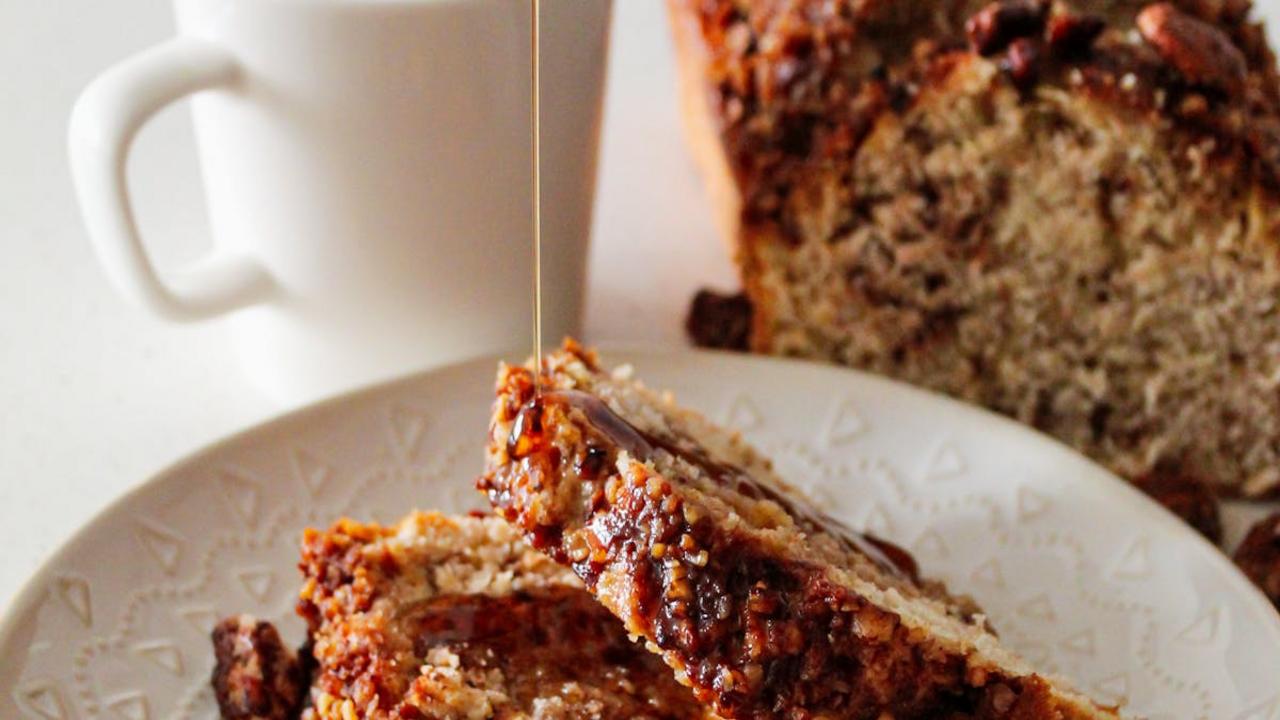
Picture this: you’re walking through a Hawaiian bakery, and the most incredible aroma hits you – it’s Portuguese malasada dough mixed with the sweetness of local ingredients. That’s Hawaiian sweet bread, or “pão doce” as the Portuguese immigrants who brought this treasure to the islands called it. I make my own version at home now, and honestly, there’s nothing quite like watching that golden, pillowy dough rise in your kitchen. The secret lies in the balance of eggs, butter, and just a touch of vanilla that creates this impossibly soft texture. You don’t need fancy equipment – just your hands, some patience, and quality ingredients that speak for themselves.
What makes Hawaiian sweet bread so special is how it perfectly represents the melting pot of island culture. The Portuguese technique meets local Hawaiian ingredients like coconut milk or even a hint of pineapple juice that some bakers add to their dough. I love how versatile this bread becomes – tear off a chunk for breakfast with some local honey, use it for the most amazing French toast you’ve ever tasted, or simply enjoy it warm from the oven with a pat of grass-fed butter. Making it from scratch connects you to generations of island bakers who understood that simple, wholesome ingredients create the most memorable flavors. Trust me, once you taste authentic Hawaiian sweet bread, you’ll never look at store-bought versions the same way again.
Grilled Chicken Plate
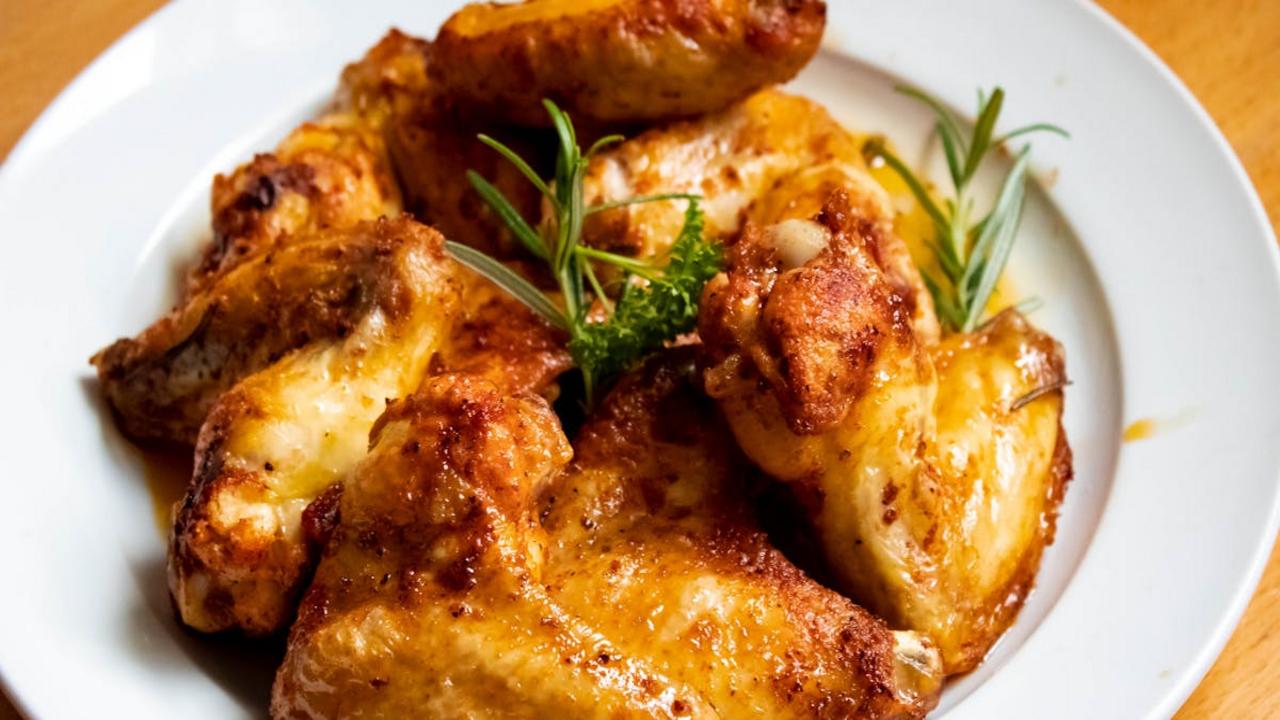
Picture this: tender, juicy chicken kissed by flames and paired with two scoops of fluffy white rice and a generous helping of creamy macaroni salad. The grilled chicken plate represents Hawaii’s beautiful fusion of local flavors with comfort food simplicity. I love how the smoky char on the chicken creates this incredible contrast with the cooling sides – it’s like having a perfectly balanced meal that satisfies every craving. The chicken gets marinated in a blend of soy sauce, garlic, and local spices that seep deep into the meat, creating layers of flavor that dance on your palate with each bite.
What makes this dish so special is how it brings people together around shared tables, whether at a local drive-in or family gathering. You can recreate this magic at home by marinating your chicken overnight in tamari, fresh ginger, and a touch of brown sugar, then grilling it over medium-high heat until those beautiful char marks appear. The key is not overthinking it – just good quality chicken, simple seasonings, and the patience to get that perfect grill. Serve it alongside some coconut rice and a fresh pineapple slaw instead of the traditional mac salad for a lighter twist that still honors the spirit of this beloved Hawaiian staple.
Spam Rice Roll
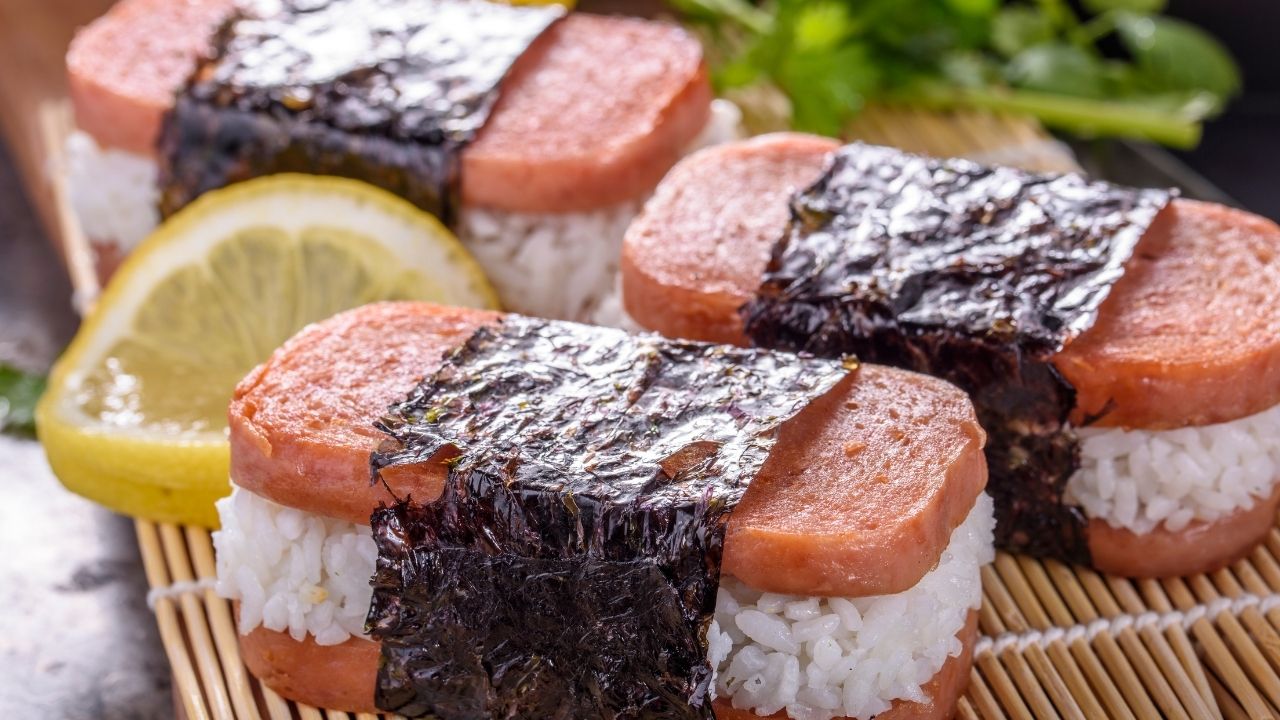
You know what completely changed my perspective on Hawaiian comfort food? The first time I watched a local auntie make spam rice rolls at a Honolulu farmer’s market. She moved with such confidence, layering seasoned sushi rice with perfectly grilled spam, then wrapping everything in crisp nori seaweed. What struck me most was how she treated this simple combination with the same respect I’d give to any cherished family recipe. The way she seasoned that spam—not just heating it straight from the can, but actually caramelizing it with a touch of soy sauce and mirin—transformed something I’d written off as processed into something genuinely delicious.
Making these at home opened my eyes to how Hawaiian cuisine takes ingredients from different cultures and creates something entirely new. I start by cooking short-grain rice with just a hint of rice vinegar and sugar, then I slice the spam thick and pan-fry it until the edges get golden and slightly crispy. Rolling them feels meditative—spreading the rice, placing that warm spam right in the center, then wrapping it all in nori that crackles as you bite through it. The beauty lies in the contrast: the soft, slightly sweet rice against the salty, umami-rich spam, all held together by that ocean-flavored seaweed. It’s portable, satisfying, and honestly addictive once you get the technique down.