10 Budget Friendly Secrets to Make Restaurant Worthy Dinners at Home
You know that moment when your wallet screams “ramen again!” but your stomach demands something that would make Gordon Ramsay weep tears of joy? I’ve cracked the code. After years of burning more money than garlic bread, I discovered that restaurant magic isn’t about exotic ingredients or fancy equipment—it’s about knowing which simple tricks transform ordinary groceries into extraordinary meals.
The secret lies in techniques that professional chefs guard like family recipes. Fresh herbs can turn bland chicken into a masterpiece for pennies. Homemade pasta costs less than a coffee but tastes like you hired an Italian grandmother. Wine-based sauces? They’re just fancy reductions that sound intimidating but require nothing more than patience and a splash of courage.
Ready to fool your dinner guests into thinking you’ve got a Michelin star hidden in your spice rack? These ten budget-friendly tricks will have you creating restaurant-quality meals without breaking the bank. Your kitchen is about to become the hottest reservation in town—and you’re both the chef and the VIP guest!
Chocolate Desserts
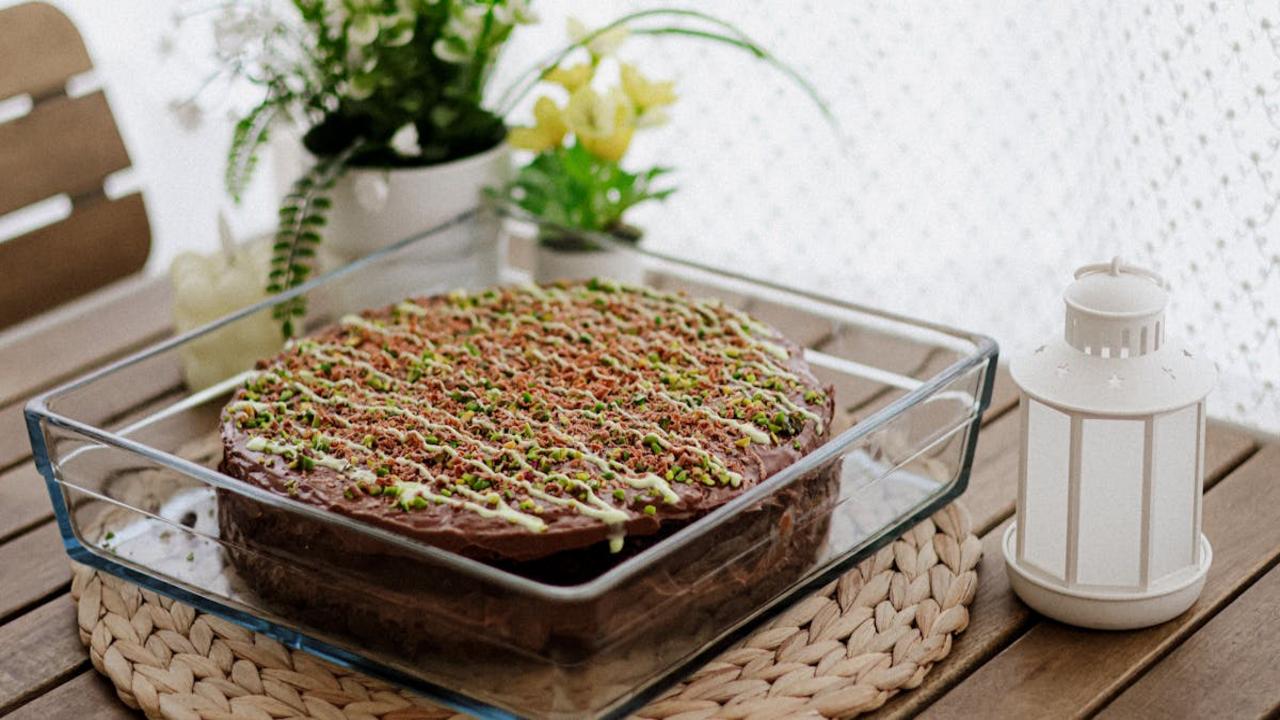
You know what separates amateur cooks from kitchen wizards? The ability to whip up restaurant-quality chocolate desserts without breaking the bank or your sanity. Here’s a secret that’ll make your wallet sing: the most decadent chocolate treats often require just basic pantry staples. Take chocolate lava cake – that molten masterpiece that restaurants charge fifteen bucks for? You can make four of them with ingredients costing less than five dollars total. The magic lies in understanding that chocolate intensity comes from technique, not expensive brands. A simple trick I learned from a pastry chef friend involves adding a pinch of espresso powder to any chocolate recipe – it doesn’t make things taste like coffee, but amplifies the chocolate flavor like turning up the volume on your favorite song.
Here’s something that’ll blow your mind: the silkiest chocolate mousse requires only three ingredients – chocolate, water, and some serious whisking action. No cream, no eggs, just pure chemistry magic that French chef Hervé This discovered by accident while trying to fix a broken ganache. The water creates steam that gets trapped in tiny chocolate bubbles, creating that cloud-like texture restaurants charge premium prices for. For an even simpler crowd-pleaser, try making chocolate bark with whatever nuts, dried fruits, or cookies you have lurking in your pantry – it looks fancy enough for dinner parties but costs pennies to make. The best part? Chocolate desserts actually improve with time, so you can make them ahead and watch your guests’ faces light up when they think you’ve been slaving away all day.
Slow Roasted Meats
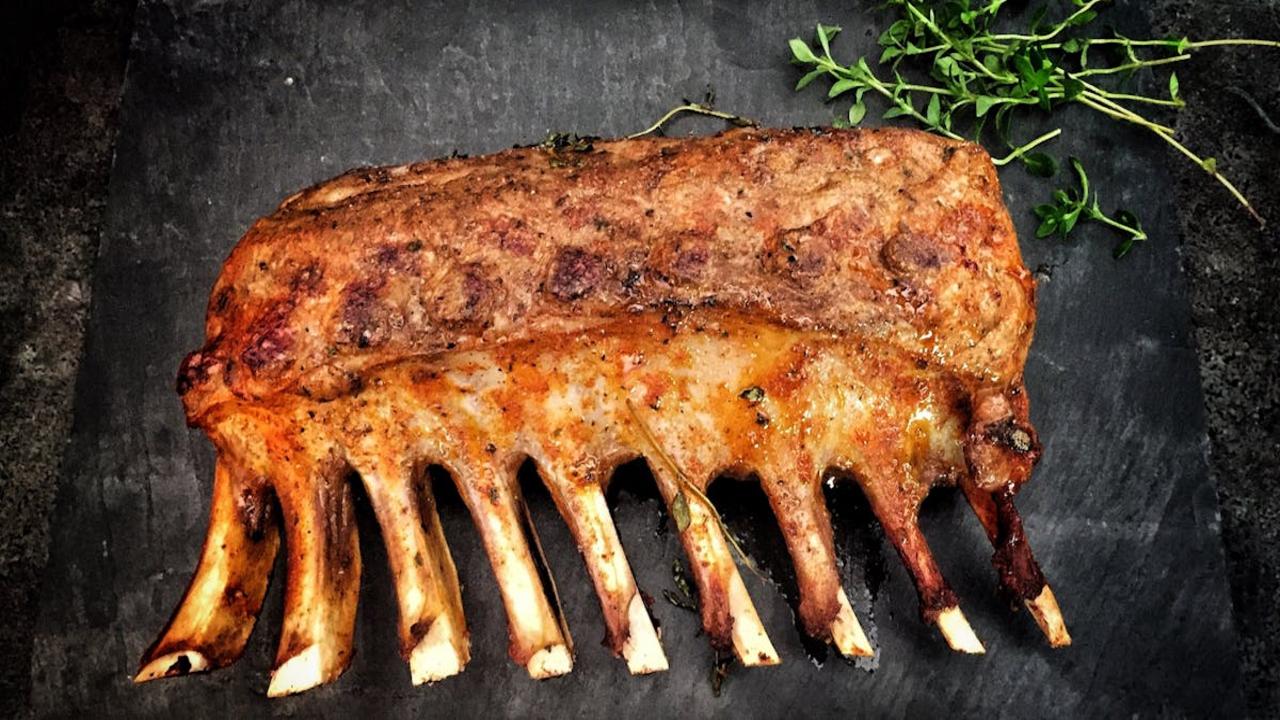
Your oven becomes your secret weapon when you master the ancient magic of slow roasting! Chuck roast transforms from tough-as-leather bargain bin meat into fork-tender perfection that rivals any steakhouse – and here’s the kicker: it costs about one-third the price of premium cuts. I discovered this budget miracle during my college years when I accidentally left a cheap shoulder roast in the oven for four hours instead of two. What emerged was pure gold: succulent, falling-apart meat that had my roommates literally fighting over the last bite. The secret lies in low temperatures (around 275°F) and patience – two things that cost absolutely nothing but deliver restaurant-quality results every single time.
Pork shoulder becomes your new best friend in this slow-roasted world, transforming into carnitas that would make your favorite Mexican restaurant weep with envy. Season that beauty with nothing more than salt, pepper, and whatever spices lurk in your cabinet – cumin, paprika, garlic powder – then let time work its magic for 6-8 hours. The connective tissues break down into natural gelatin, creating meat so tender it practically shreds itself with a gentle look. Pro tip: start your roast on Sunday morning, fill your house with incredible aromas all day, then feast like royalty while your neighbors wonder why their takeout never smells half as amazing as whatever’s happening in your kitchen!
Gourmet Soups
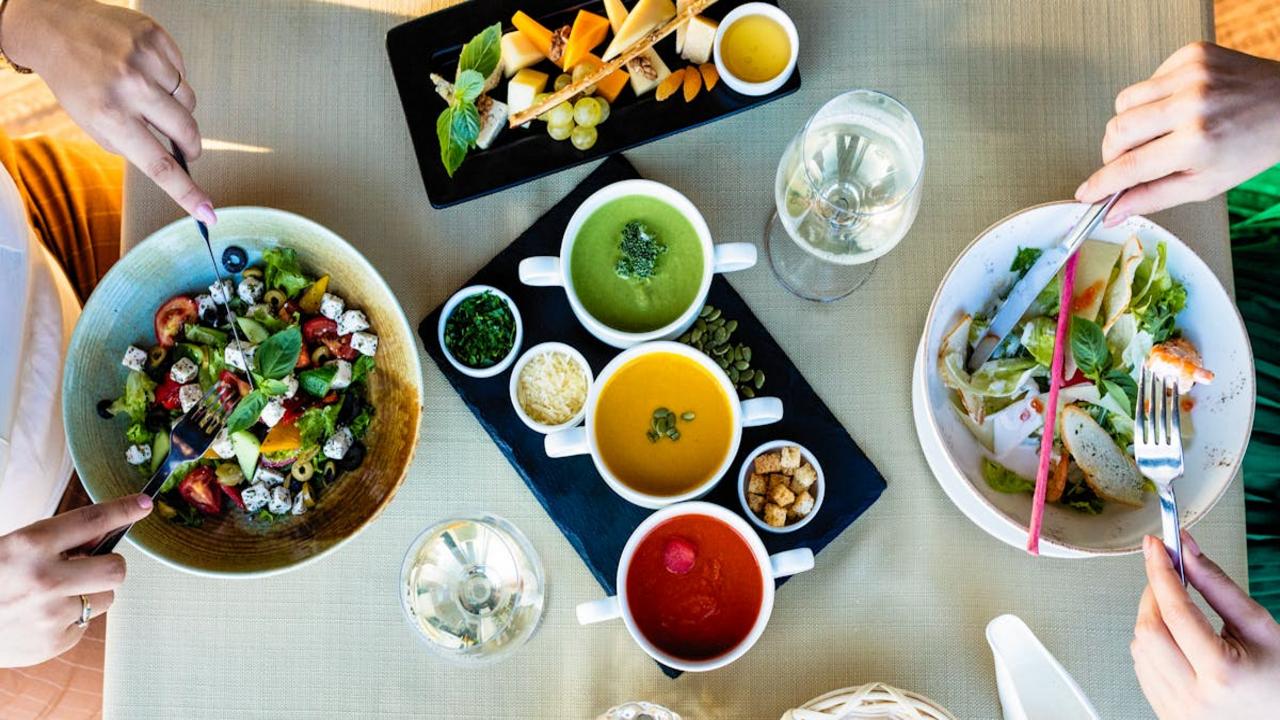
You know what separates restaurant soups from the sad, watery disasters most of us make at home? It’s not some magical chef wizardry—it’s understanding that soup is basically liquid gold when you know the tricks. Start with a proper base (and no, opening a can doesn’t count), whether that’s a rich bone broth you’ve simmered for hours or even just sautéing your aromatics until they smell like heaven. Here’s a fun fact: French onion soup was originally considered peasant food because it used cheap onions and stale bread. Now look at it, charging twenty bucks a bowl at fancy bistros!
The real secret? Layer those flavors like you’re building a edible skyscraper. Toast your spices, brown your proteins, and for the love of all things delicious, season at every step. I once watched my grandmother turn leftover chicken bones, wilted vegetables, and what looked like kitchen scraps into a soup so magnificent that my uncle literally licked the bowl. She’d throw in a parmesan rind during the last hour of cooking—that little trick adds an umami depth that’ll make people think you attended culinary school. Pro tip: freeze your herb stems and vegetable scraps in a bag, then toss them into your next soup for instant flavor complexity without spending an extra dime.
Handmade Pizza
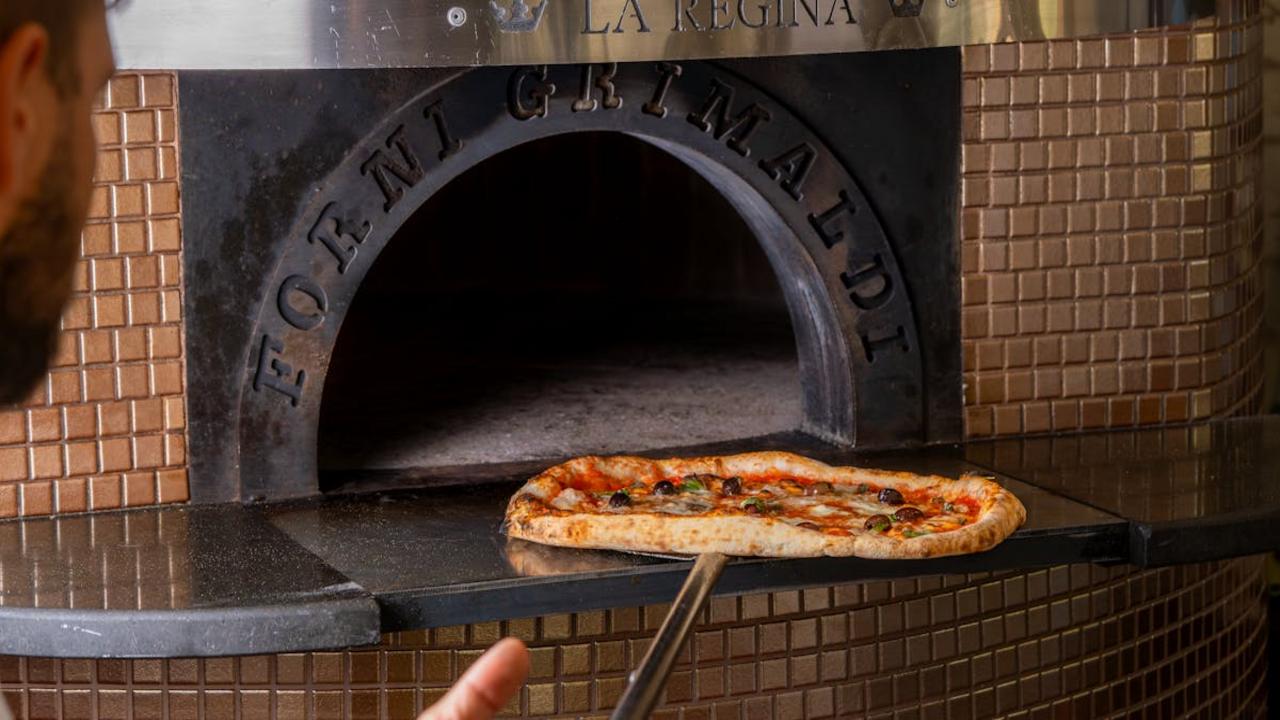
You know what’s absolutely ridiculous? Paying $25 for a pizza that tastes like cardboard topped with sadness when you can whip up restaurant-quality magic in your own kitchen for about $3. Making pizza from scratch isn’t rocket science—it’s flour, water, yeast, and a little bit of patience mixed with pure domestic rebellion. The dough recipe your Italian grandmother would approve of requires just five ingredients, and here’s the kicker: you probably already have them lurking in your pantry right now. Knead that baby for ten minutes while pretending you’re working out your frustrations with your boss, then let it rise while you binge-watch something mindless.
Here’s where things get fun—your toppings become a canvas for creative chaos. Skip the fancy truffle oil nonsense and raid your fridge like you’re on a scavenger hunt. That leftover roasted chicken? Pizza gold. Those slightly wilted bell peppers you’ve been ignoring? Perfect pizza material. Fun fact: the world’s most expensive pizza costs $12,000 and includes gold flakes, but I guarantee your $3 masterpiece will taste infinitely better because you made it with your own two hands and zero pretension. Crank your oven to its highest setting, slide that beauty onto a preheated baking sheet, and prepare for the most satisfying twelve minutes of your week.
Caramelized Vegetables
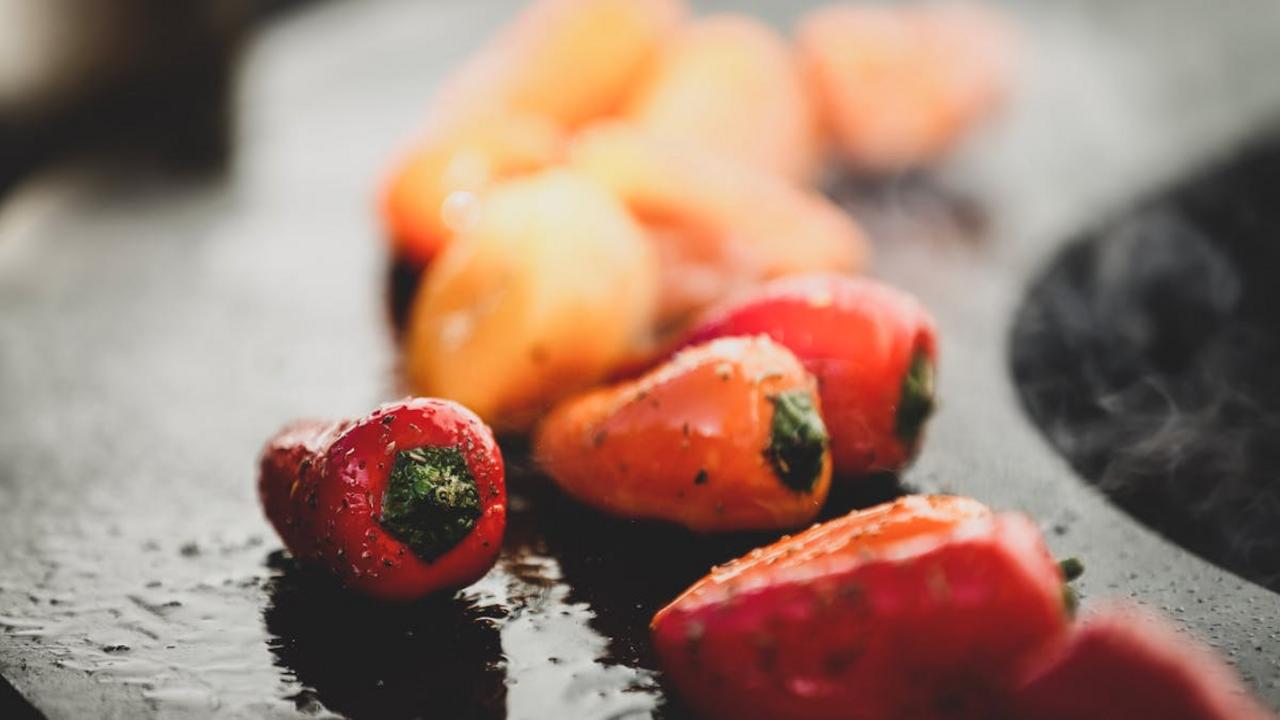
You know that moment when your onions start turning golden and your kitchen smells like heaven decided to throw a dinner party? That’s caramelization working its magic, and it’s about to become your secret weapon for making any vegetable taste like it graduated from culinary school with honors. The science behind this transformation is surprisingly simple – heat breaks down the natural sugars in vegetables, creating those rich, sweet, complex flavors that make your taste buds do a happy dance. Brussels sprouts, carrots, fennel, and even humble cabbage become restaurant-worthy stars when you give them the slow-and-low treatment.
Here’s the kicker: this technique costs you nothing extra but time, and honestly, most of that time is hands-off while the vegetables do their thing in the pan. Start by slicing your vegetables uniformly (nobody wants some pieces charred while others stay stubbornly raw), then heat a bit of oil or butter in your largest pan over medium heat. The key is patience – resist the urge to crank up the heat because you’ll end up with burnt edges and bitter disappointment instead of sweet, golden perfection. Toss in some fresh herbs, a splash of balsamic vinegar, or even a sprinkle of brown sugar if you’re feeling fancy. Fun fact: the Maillard reaction responsible for caramelization is the same process that gives bread its crust and coffee its deep flavor – so you’re basically turning your vegetables into edible gold.
Seafood Risotto
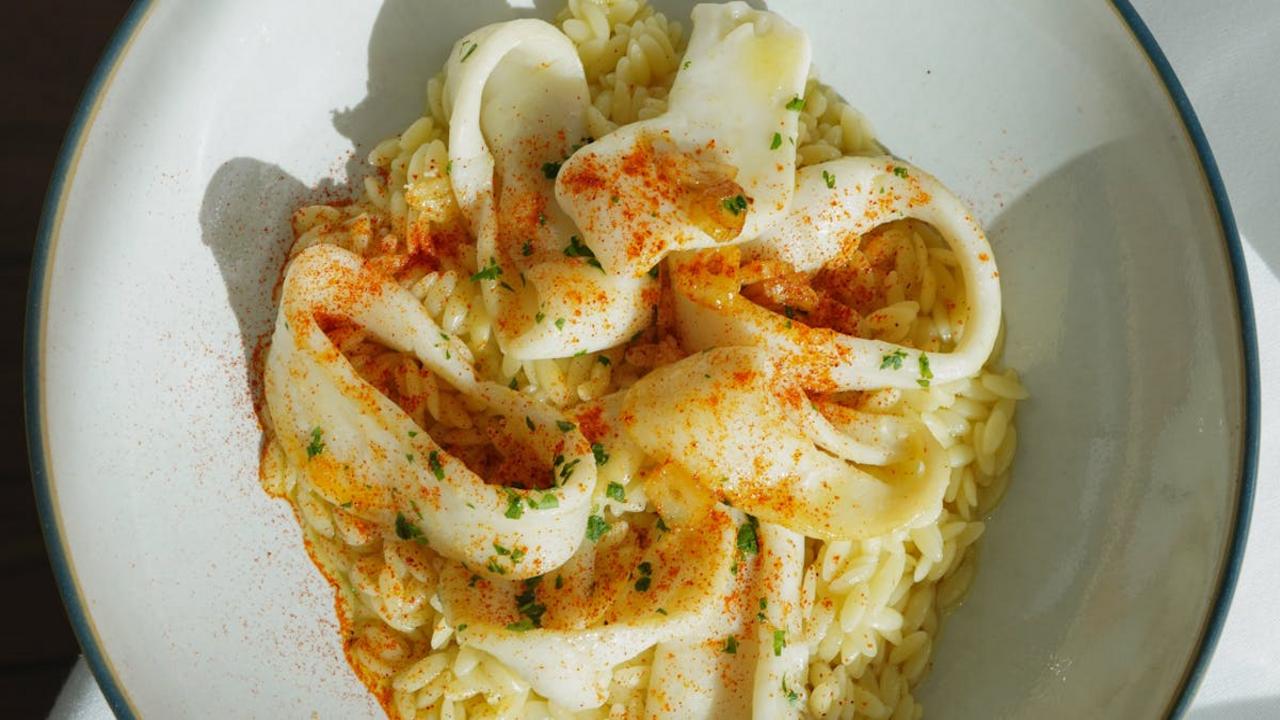
You know that fancy Italian restaurant where they charge $35 for seafood risotto and you wonder if they’re literally sprinkling gold dust on those Arborio rice grains? Well, I’ve got news for you – you can create that same creamy, oceanic masterpiece at home for about eight bucks. The secret weapon? Frozen seafood medley from your grocery store’s freezer section. Don’t turn your nose up at it! Those little shrimp, scallops, and calamari rings have been flash-frozen at peak freshness, which means they’re often better quality than the “fresh” stuff that’s been sitting on ice for who knows how long. Plus, here’s a fun fact: traditional Italian fishermen actually preferred day-old catch for risotto because the slightly firmer texture held up better during the slow stirring process.
The magic happens in your technique, not your wallet. Start with a good stock (homemade or store-bought, I won’t judge), keep it warm in a separate pot, and add it one ladle at a time while stirring like your life depends on it. This constant motion releases the starch from the rice, creating that signature creamy texture without any cream – it’s basically rice doing yoga until it becomes silky perfection. Throw in some white wine (drink the rest while cooking, naturally), sauté your defrosted seafood for just two minutes, and finish with a generous handful of Parmesan cheese. The whole process takes about 30 minutes, during which you’ll feel like a legitimate Italian nonna, even if you’re wearing pajama pants and have leftover pizza sauce under your fingernails.
Pan Seared Steaks
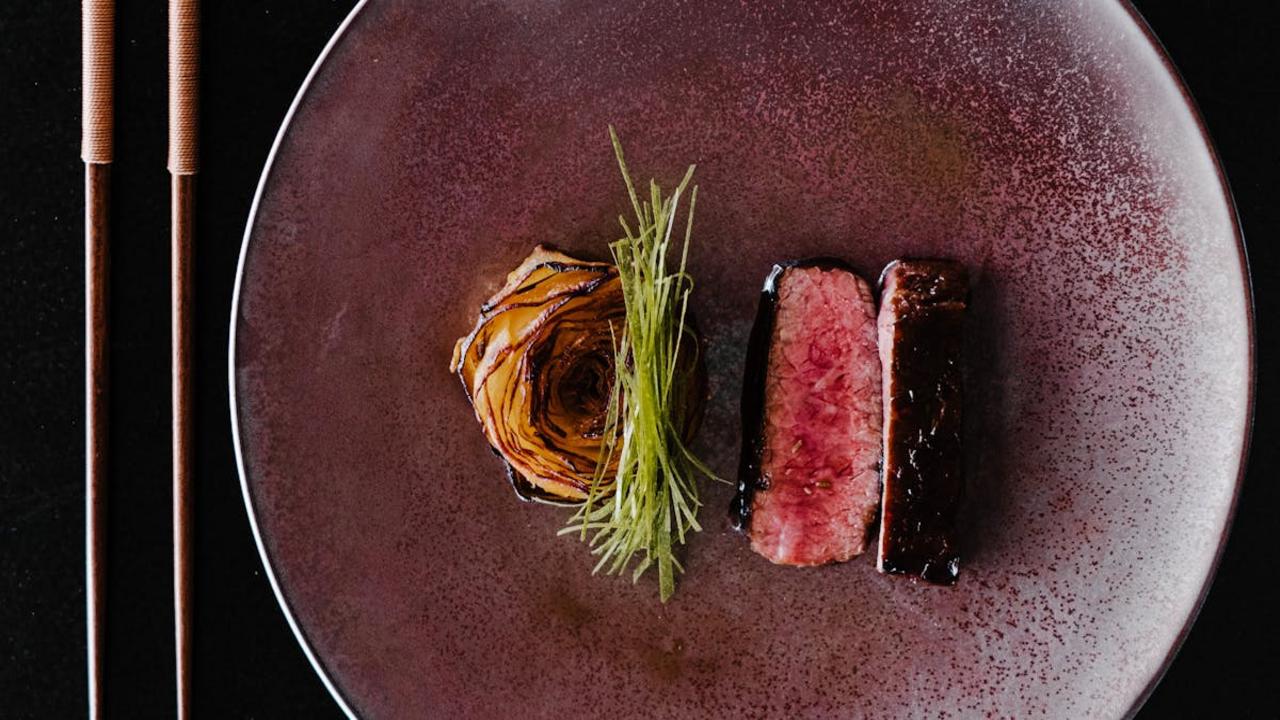
You know what separates amateur home cooks from kitchen wizards? The ability to create a perfect crust on a steak without setting off every smoke detector in a three-block radius. Here’s your secret weapon: a screaming hot cast iron pan and the patience of a saint. Start with room temperature steaks (yes, pull them out 30 minutes before cooking – this isn’t negotiable), pat them drier than your sense of humor after a bad day, and season generously with salt and pepper. The real magic happens when that beautiful piece of beef hits the pan with a satisfying sizzle that sounds like applause from your future self.
Now here’s where most people panic and start flipping like they’re making pancakes at a church breakfast. Don’t you dare touch that steak for at least 3-4 minutes! This is your meditation time – pour yourself a glass of wine, practice deep breathing, maybe question your life choices, but keep those hands off the meat. The Maillard reaction (fancy science talk for “browning equals flavor”) needs time to work its magic. Flip once, add a knob of butter, some crushed garlic, and fresh thyme, then baste like you’re anointing royalty. A $12 grocery store ribeye suddenly tastes like it came from a steakhouse that charges $50 for the privilege of eating there.
Wine Based Sauces
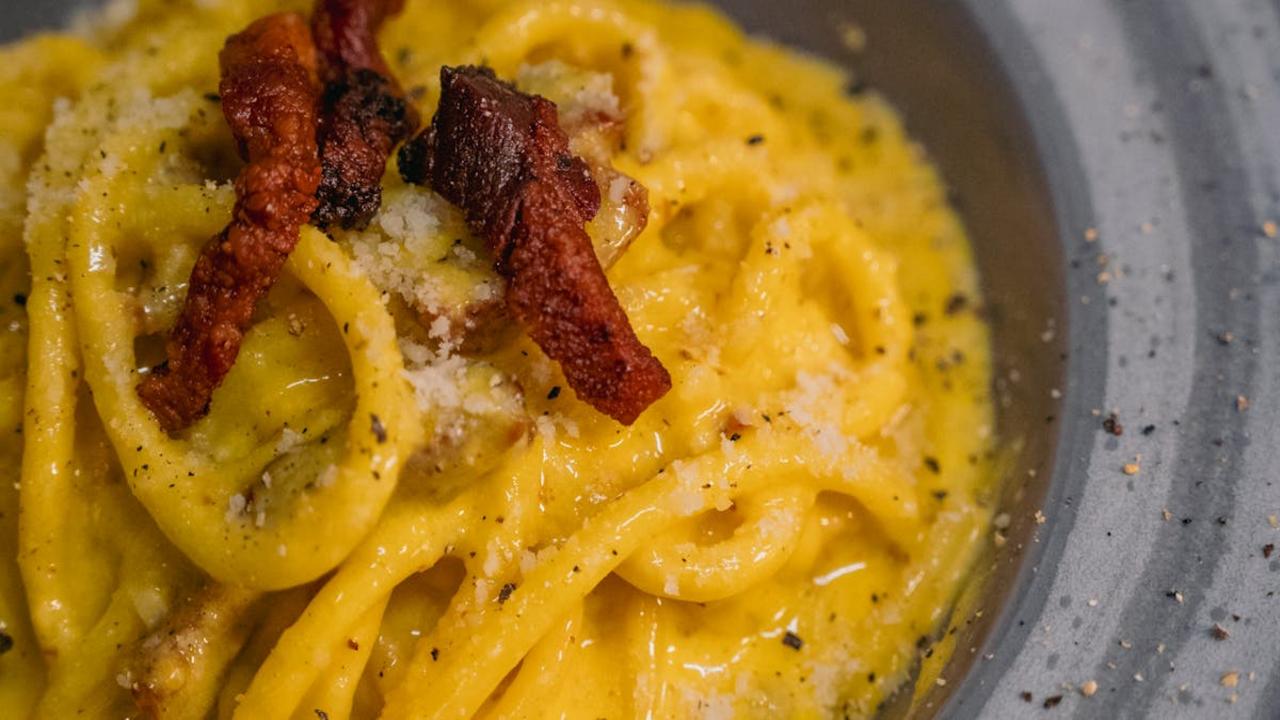
You know what separates fancy restaurant plates from your Tuesday night chicken breast? Wine sauces, my friend! These liquid gold creations transform boring proteins into something that makes you close your eyes and do that little food dance. Here’s the secret restaurants don’t want you to know: you don’t need expensive bottles to create magic. That $8 Pinot Grigio sitting in your fridge? Perfect for a white wine reduction that’ll make your salmon sing opera. The leftover red from last weekend’s Netflix binge? Hello, gorgeous beef au jus that costs pennies but tastes like you robbed a French bistro.
The beauty of wine sauces lies in their forgiving nature – they’re basically impossible to mess up completely. Start by deglazing your pan with wine after cooking meat, scrape up those beautiful brown bits (that’s where the flavor lives!), add some butter, maybe a splash of cream, and boom – you’re basically Julia Child. Pro tip: always keep a bottle of decent cooking wine in your pantry because nothing ruins dinner faster than realizing your only wine option is that mystery bottle that’s been open since the Obama administration. A simple white wine and herb pan sauce can elevate everything from chicken to fish to vegetables, and it costs about the same as a fancy coffee drink but delivers restaurant-level satisfaction.
Homemade Pasta
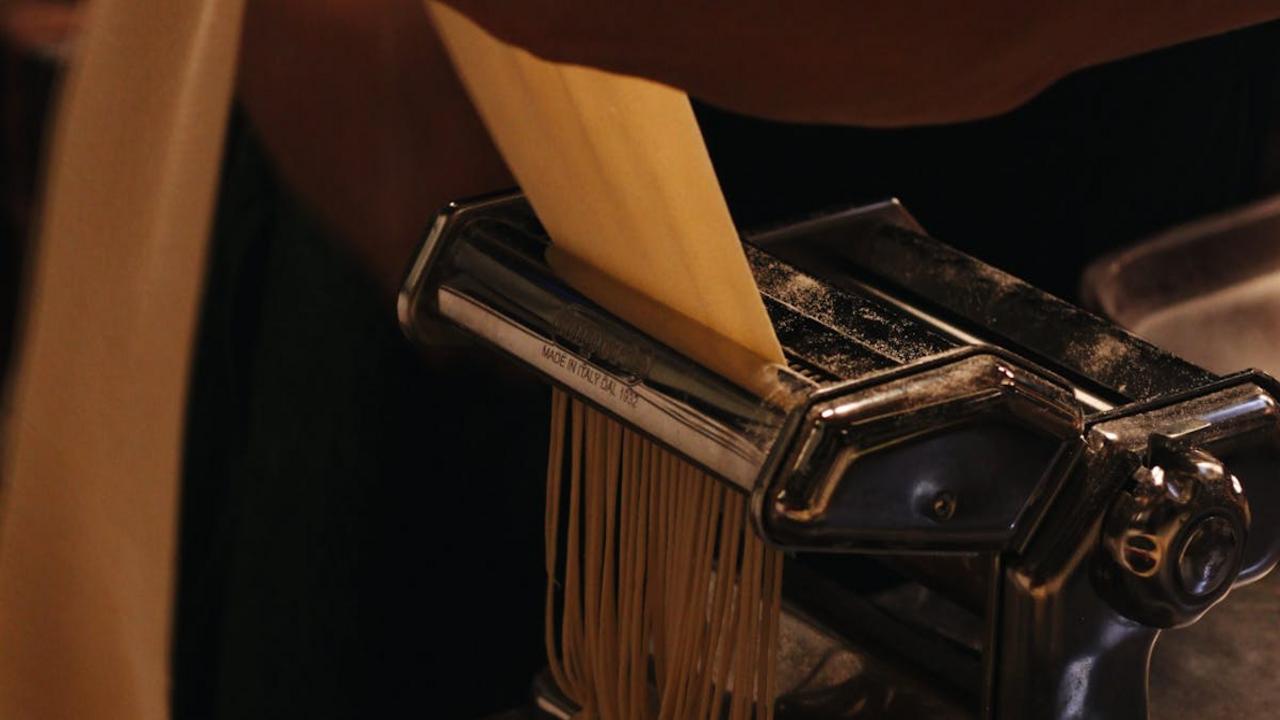
Making pasta from scratch transforms your kitchen into an Italian grandmother’s domain, and trust me, your wallet will thank you for ditching those overpriced restaurant portions. A single pound of flour costs less than two bucks and yields enough fresh pasta to feed a small army – or just you on a particularly ambitious carb-loading day. The magic happens when you create that perfect well of flour, crack eggs into the center like you’re performing some ancient ritual, and watch the dough come together under your hands. Fun fact: Italians consume about 51 pounds of pasta per person annually, which suddenly makes your Tuesday night spaghetti habit seem totally reasonable.
Fresh pasta cooks in just 2-3 minutes compared to dried pasta’s 8-12 minute commitment, making it perfect for those “I’m starving right now” moments we all experience around dinnertime. The texture difference between homemade and store-bought pasta rivals the gap between a luxury sports car and a shopping cart – both get you there, but one makes the ride infinitely more enjoyable. You don’t need fancy equipment either; a rolling pin works just fine if you channel your inner stress relief session while flattening the dough. Pro tip: make extra batches on Sunday and freeze portions in nest-like shapes – future you will practically weep with gratitude when Wednesday rolls around and dinner magically appears in under five minutes.
Fresh Herbs and Garnishes
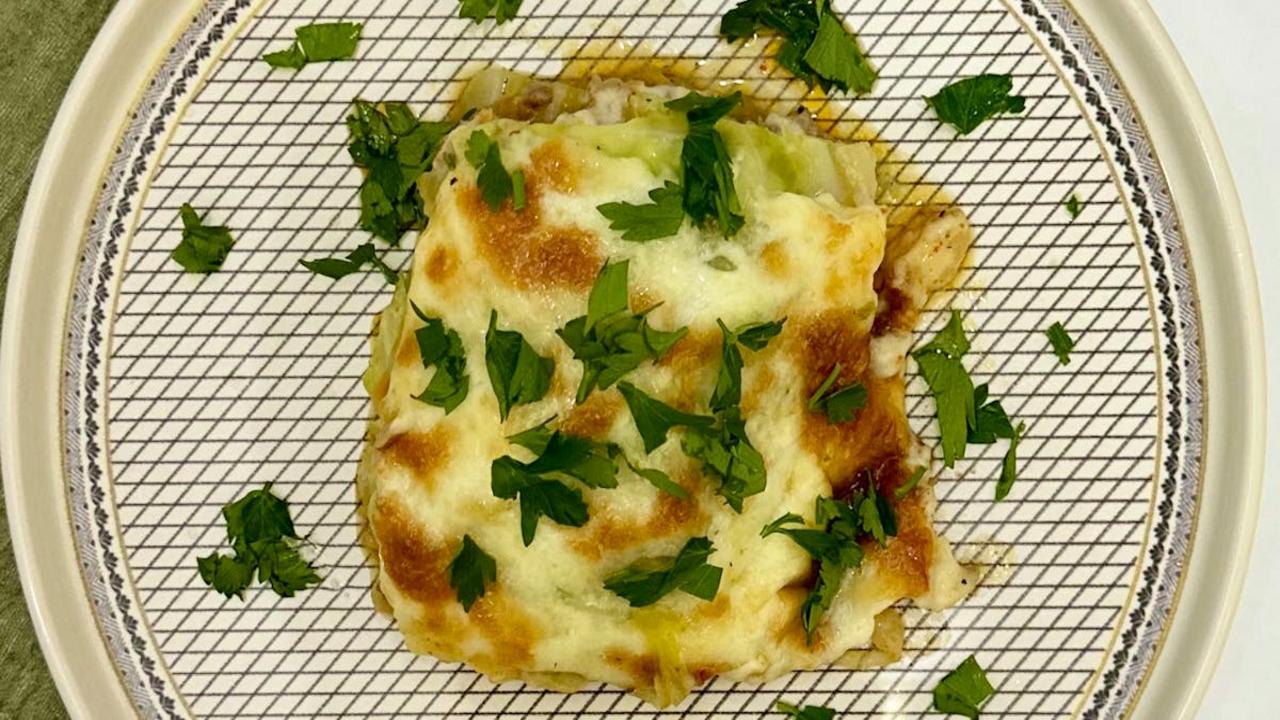
You know that moment when you watch Gordon Ramsay sprinkle microgreens on a dish and suddenly it looks like it belongs in a Michelin-starred restaurant? That magic happens because fresh herbs and garnishes are basically the jewelry of the food world – they transform your Tuesday night pasta from “meh” to “magnificent” faster than you can say “chiffonade.” Here’s a fun fact that’ll blow your mind: the ancient Romans were so obsessed with parsley that they crowned their athletes with it instead of laurel wreaths at some games. Talk about taking your greens seriously! Fresh herbs don’t just make your food look Instagram-worthy; they pack more flavor per square inch than a gossip session at book club.
The best part about this restaurant secret? You don’t need to break the bank buying those overpriced plastic containers of wilted herbs from the grocery store. Start a windowsill herb garden with basic varieties like basil, parsley, and chives – these little green warriors will keep producing for months and cost you less than one fancy restaurant appetizer. Even something as simple as chopping fresh chives over scrambled eggs or tearing basil leaves onto homemade pizza creates that “chef’s touch” that makes people think you’ve been secretly attending cooking school. Pro tip: save your herb stems! Parsley stems have more flavor than the leaves, and cilantro stems are perfect for marinades. Your dishes will sing with freshness, and your wallet will thank you for skipping those $4 herb packets.