Uncle Ordered One Large Platter for the Table. I Was Forced to Pay Extra for His Child’s Share.
It’s one of the unwritten rules of family life: parents are financially responsible for their own children. Whether it’s for school supplies, new shoes, or a meal at a restaurant, we all understand that this is a parent’s duty, not a burden to be shared by the extended family. It’s a simple matter of fairness and tradition.
However, one woman recently took to the internet to share a story that proves not everyone plays by these rules. Her frustrating family lunch shows what can happen when one person decides their responsibilities should be everyone else’s problem.
The Incident
A 28-year-old teacher went out for what was supposed to be a casual lunch with her mother, her uncle, and her 11-year-old cousin. The outing was already on shaky ground, as she had previously sworn off dining with her uncle due to his past behavior. She only agreed this time because the plan was for a cheap restaurant.
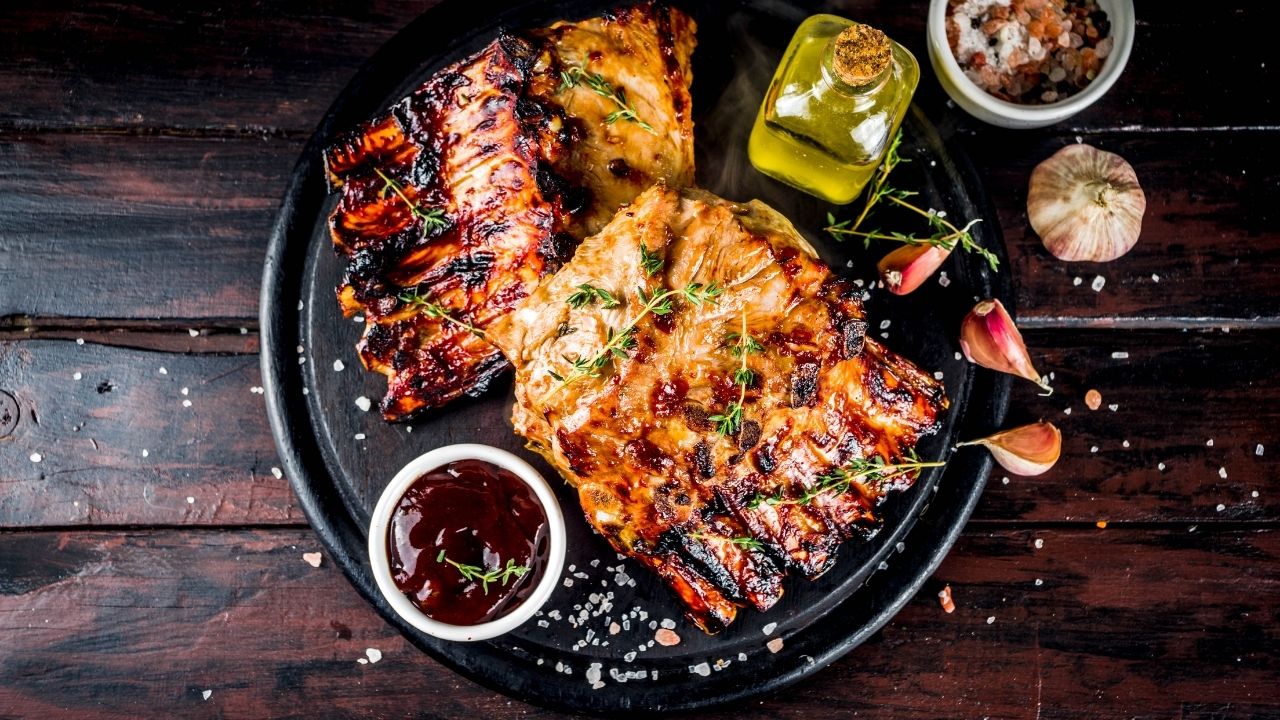
Of course, things went awry. At the last minute, her uncle changed the venue to a more expensive barbecue place. Once there, he insisted that everyone share one large meal, even though his niece and sister wanted to order something else. The real trouble began when the check arrived. The niece, trying to be fair, divided the bill by four people, assigning two shares to her uncle to cover himself and his son.
Her uncle was furious. He argued that “every adult should cover a third of the bill because my cousin obviously can’t contribute.” This wasn’t a new tactic; he had pulled this stunt before. His sister reminded him that she never expected anyone to help pay for her daughter’s meals, but he wouldn’t budge.
To avoid a scene, the niece paid the extra money, feeling angry that she was overpaying for a meal she didn’t even want.

Later, she told her mother she was done going out with him for good. The uncle overheard, and in a fit of anger, returned the money while calling them both “selfish.” All this, despite the fact that the niece is a teacher on a modest salary, while her uncle is more financially comfortable.
The Internet Reacts
Online, the reaction was swift and overwhelmingly in the niece’s favor. The court of public opinion was not kind to the uncle, with most people falling into a few distinct camps.
First, there was the “Absolutely Not” crowd, who were furious on the niece’s behalf. They saw the uncle’s behavior as a fundamental failure of parental responsibility. One commenter put it bluntly: “Parents are responsible for their children’s food and board.”
Another was even harsher, calling him a “deadbeat” and a “shoddy parent that expects others to pay for his kid’s food.” The consensus was that his actions were not just cheap, but deeply unfair.
Then there was the camp that focused on the uncle’s manipulative tactics. These readers pointed out that this wasn’t just a simple misunderstanding about splitting a check. One person noted, “If he changed the restaurant from a cheap one to an expensive one at the last minute, he should have been offering to cover the whole bill, not trying to foist more of it onto his relatives.”
Another agreed, saying, “He clearly had a plan and he’s miffed you stood up for yourselves.”
Finally, there was the “Practical Advice” crowd, who offered solutions to prevent this from happening again. Their suggestions were simple and direct, aimed at taking away the uncle’s power to control the situation. The most popular tip was to be proactive from the very beginning of the meal.
As one user advised, “In the future, if you go out with him, be sure and let your server know that you want separate tickets when you order. Then there’s no confusion whatsoever.”
The Etiquette Verdict
Let’s be perfectly clear: the uncle was completely and utterly in the wrong. A parent’s financial duty to their child does not get passed around the table like a basket of bread. Expecting your niece and sister to subsidize your son’s meal is a breathtaking breach of etiquette, especially when you are the one who chose the expensive restaurant and dictated the menu.
This goes beyond being merely cheap; it’s manipulative. Good manners dictate that when you dine with family, you are responsible for yourself and your minor children. To demand otherwise, and then to call those who object “selfish,” is frankly appalling.

Your Take
So, what do you think? Should the niece have simply paid up to keep the family peace, or was she right to call out her uncle’s cheap trick?
Ready for the next level of insight? Discover more in my latest article here.