Strangers Demanded I Leave a Restaurant While Eating a Salt Beef Sandwich, Then My Friend Labeled Me Culturally Insensitive
There are certain unspoken social contracts that govern how we behave in shared spaces. We respect the queue, we keep our volume appropriate in calm environments, and we make a general effort to be mindful of the people around us. It’s the fundamental glue that holds a civilized, well-mannered society together.
Yet, one man recently posted an experience online that perfectly illustrates what unfolds when these basic courtesies get completely disregarded—sparking a heated debate about where personal beliefs end and public entitlement begins.
The Incident
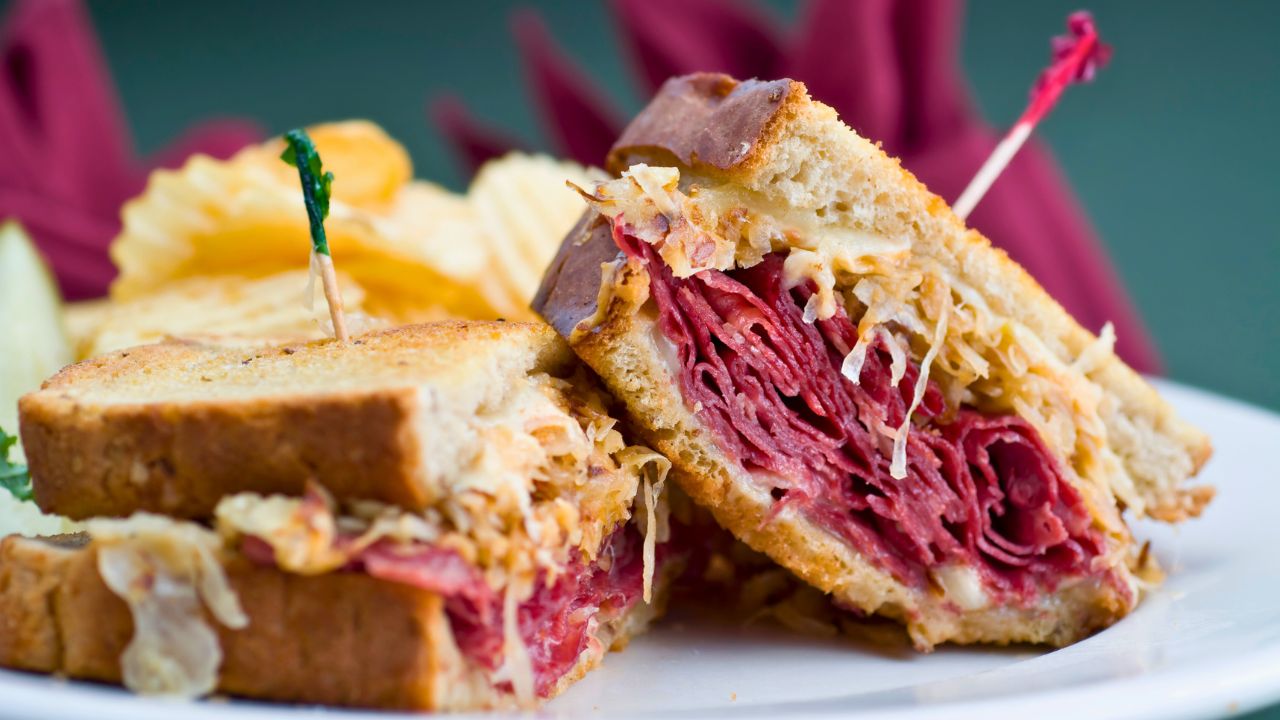
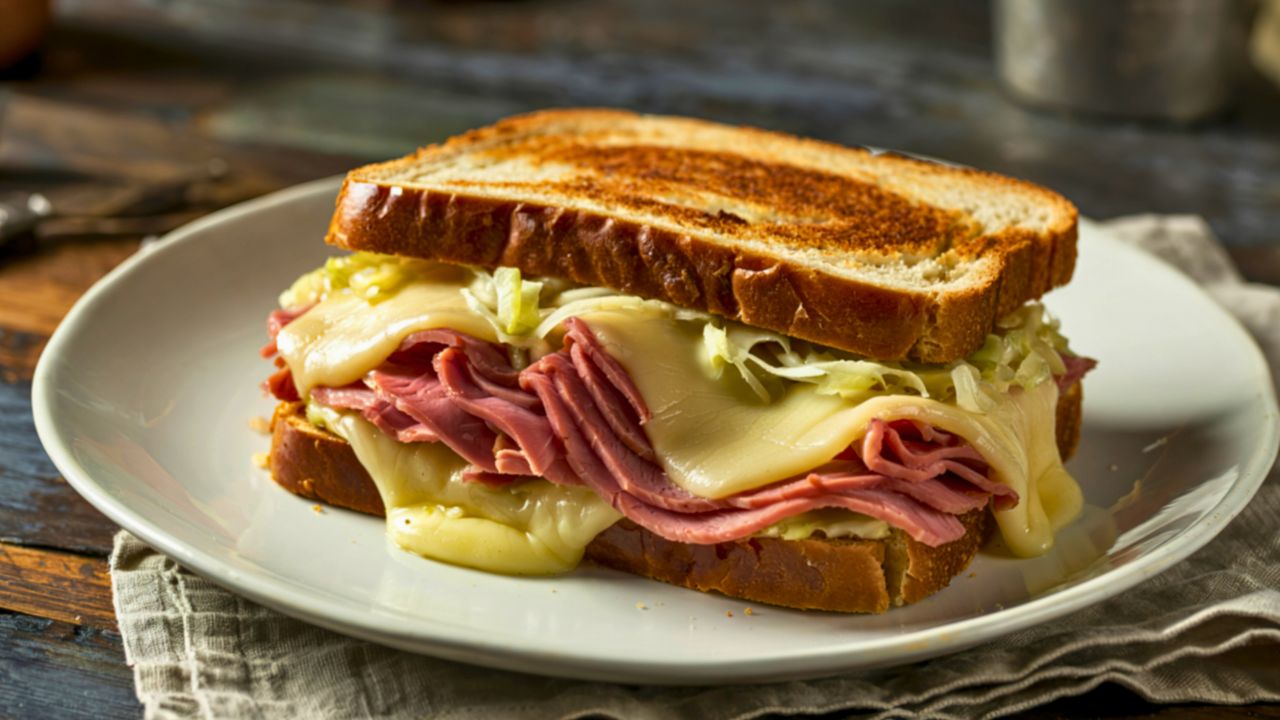
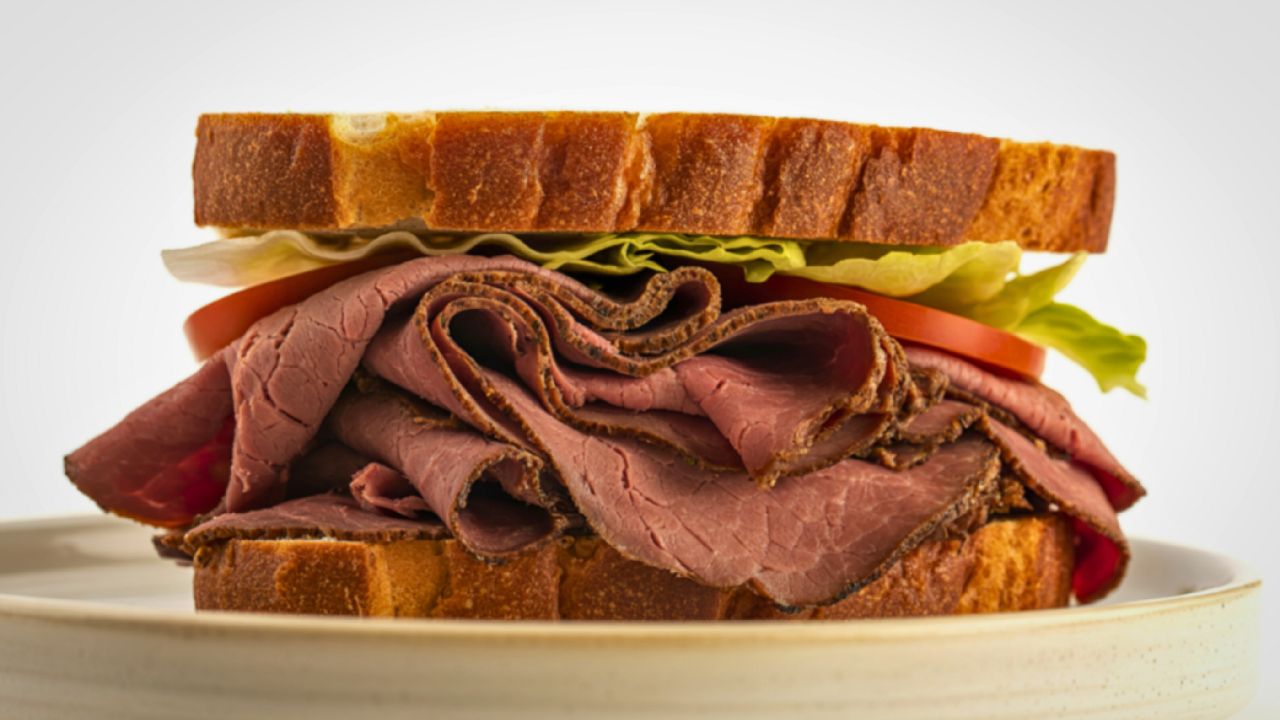
A man, traveling solo through London, decided to treat himself to one of his favorites: a salt beef sandwich from the iconic Selfridge’s department store. He stood in line properly, waiting his turn in the bustling, open-plan dining area. Directly behind him stood two women who, once his number was called, attempted to cut ahead and get seated before him. The server kindly stepped in and clarified that the man had been waiting first, then guided him to a small table.
Not long after, those same two women were given a table positioned right in front of his. He didn’t give it a second thought and settled in to savor his sandwich. Before long, though, he noticed they were growing visibly irritated. Things took a dramatic turn when one of the women started snapping her fingers in the air to summon a server—an incredibly disrespectful move in any dining establishment. They launched into loud complaints, repeatedly motioning in the man’s direction.
What he overheard left him stunned. They were “demanding I be made to leave so they could uncover their faces and drink their tea.” It turned out that his mere presence as a solo male diner was the problem. No staff member ever came to ask him to move, so he calmly continued eating while the women kept making loud, hostile remarks about him until they eventually stormed off.
Still rattled, he messaged a friend about the strange confrontation, fully expecting commiseration and maybe a shared laugh. What he got instead was a reprimand—his friend branded him “culturally insensitive” and “the reason people hate American tourists.” According to the friend, the right move would have been to box up his food and vacate the area so the women could dine in comfort. This left him questioning whether he had actually been in the wrong.
The Internet Reacts
Once he posted his account online, the responses came flooding in, and the overwhelming majority sided squarely with him. The reactions generally clustered into a few clear categories.
The first group was the “Absolutely Not” crowd. These readers were outraged on the man’s behalf, insisting that an individual’s religious observances don’t grant them authority over a shared public venue. One commenter captured this position perfectly: “Your religion says you can’t do something? Okay. Your religion says I can’t do something? LOL.”
Someone else highlighted how absurd the expectation was, asking, “What was the restaurant to do, bar all male customers until these people left?” Plenty of commenters also turned their fire on the friend, with one reader from the UK calling him a “b.ll.nd of the highest order” for implying the diner had done anything remotely wrong.
The second group was the “Devil’s Advocate” camp, though notably they didn’t excuse the women’s conduct. This contingent, largely echoing the friend’s position, centered their argument on the principle of cultural sensitivity. The friend’s messages were blunt: “you should leave don’t be a [expletive] tourist it why people hate us,” followed by a lengthy sermon about respecting different cultures.
Although almost nobody online endorsed this viewpoint, it does underscore a contemporary tension around accommodating others—even when their expectations veer into the unreasonable. The man himself later acknowledged that being directly in their “line of sight” was probably the specific trigger, a detail that hadn’t occurred to him in the moment.
The third group was the “Practical Advice” camp. These commenters bypassed the moral outrage entirely and zeroed in on what the logical course of action should have been. They maintained that the onus fell on the two women, not on the man. As one person put it, they should have either gotten their drinks to go or “found an establishment that caters specifically to their needs.”
Another commenter noted that since the man had been seated before them, the women could have simply asked for a different table farther away from him. This reasoning puts the responsibility for managing personal requirements firmly on the shoulders of the individual who holds them.
The Etiquette Verdict
Let’s make one thing crystal clear: this man was entirely in the right. He played by the rules, kept to himself, and was on the receiving end of rude, entitled behavior. While showing awareness of and sensitivity toward other people’s cultures and beliefs is always admirable, that goodwill should never extend to being intimidated out of a public eatery.
Genuine respect operates in both directions. The cardinal rule of public etiquette is that your personal practices must not trample on another person’s right to exist peacefully. Insisting that a stranger be ejected from a restaurant isn’t asking for respect—it’s an exercise in breathtaking entitlement.
Your Thoughts?
Most of us strive to be thoughtful and accommodating, but at what point does it become too much? Was the diner justified in standing firm and finishing his meal, or should he have stepped aside to appease the other patrons and avoid the conflict?
Ready for the next level of insight? Discover more in my latest article here.