My Mother-In-Law Pressured Me To Eat Her Sunday Dinner Even Though I Felt Sick
There are unspoken rules most of us accept as fundamental to polite behavior. A thoughtful host ensures their guests feel at ease, and a courteous guest graciously receives what’s offered. For a lot of people, preparing a meal from scratch is the deepest way to show someone you care, and appreciating that effort feels like an unwritten obligation.
But what do you do when that heartfelt gesture starts to feel like a demand? One young woman recently took to the internet to recount a family dinner that spiraled into disaster, illustrating how even the most well-meaning acts can sour when one individual’s emotions take precedence over everyone else’s well-being.
The Incident
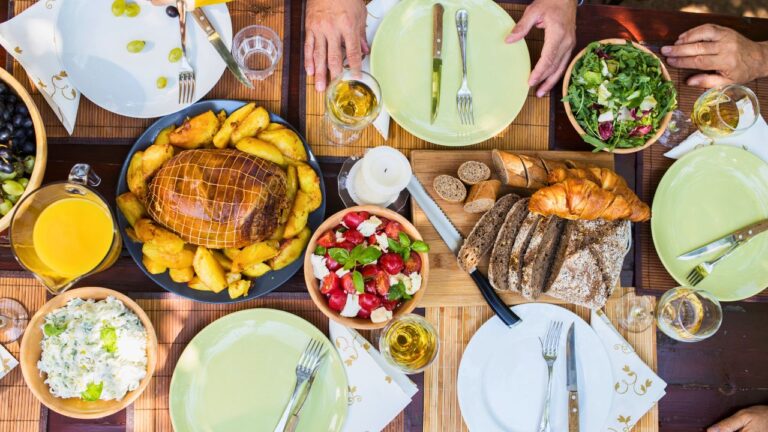
The woman, 25, shared that she genuinely enjoys a great bond with her husband’s family, particularly her mother-in-law, whose love language revolves around preparing mouthwatering home-cooked dishes. Nearly every Sunday, the extended family comes together for dinner—a tradition the young wife does her utmost to honor.
She discovered just how critical her presence was after a painful experience. When she skipped a single dinner the previous year to assist her sister, her mother-in-law “got really upset and was convinced I didn’t go because I was mad at her.” Repairing the relationship afterward was a lengthy process.
That’s why, when the next Sunday arrived, the young woman felt compelled to attend even though she was feeling truly miserable. Dealing with constipation and waves of nausea, the very idea of food was torturous. She assumed she could just sit at the table and appreciate everyone’s company without actually eating. That assumption proved very wrong.
After she politely turned down a serving, her mother-in-law pushed back, pointing out all the effort she’d invested in preparing the meal. The daughter-in-law relented, accepted a small helping, but barely managed three bites before her body revolted. Her mother-in-law noticed immediately. When questioned, she attempted a harmless fib, claiming she’d eaten a large lunch earlier. This backfired spectacularly, with her mother-in-law declaring she was being disrespectful.
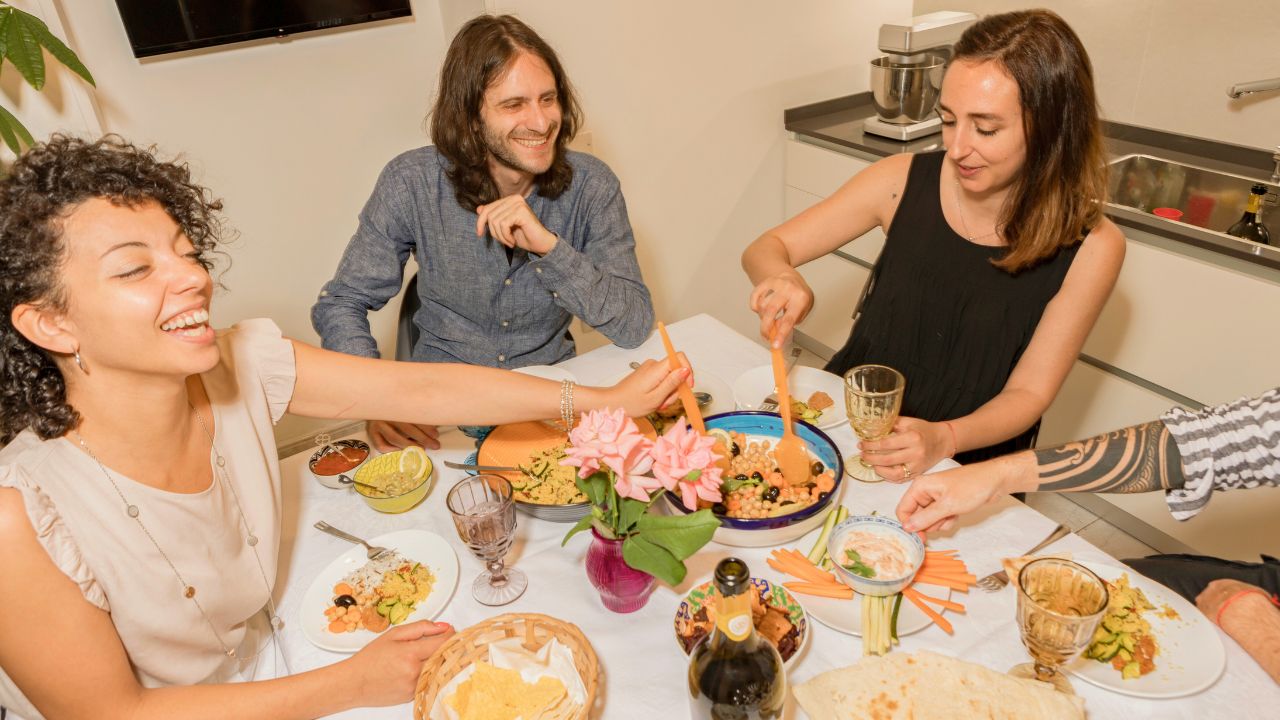
Despite her husband intervening and asking his mother to let it go, the older woman wouldn’t relent. Just minutes later, she circled back to the topic, insisting, “I must hate her cooking and she wished I would just tell her the truth.” That was the tipping point.
The daughter-in-law rose from her seat and blurted out the very personal explanation behind her inability to eat, telling her mother-in-law to quit interpreting everything as a personal attack before she and her husband walked out.
The Internet Reacts
The account ignited a heated discussion online, with commenters splitting into several clear factions. The overwhelming majority, though, stood squarely behind the daughter-in-law.
The first group, the “Absolutely Not” crowd, was horrified by the mother-in-law’s conduct. They interpreted her behavior not as affection but as dominance. One commenter said it plainly: “She is emotionally manipulating you to do what she wants. You’re allowed to say no to a dinner.”
Someone else chimed in, “Nobody should be forced to walk on eggshells around someone just because the other person is ‘sensitive’.” The prevailing opinion was that the mother-in-law’s insecurities were hers alone to address.
Next came the “Context is Key” camp. These commenters attempted to see things from the mother-in-law’s point of view, though they didn’t condone her behavior. One reader observed, “Having Sunday dinner and feed people as a way of love is actually quite normal.” They quickly followed up, though, with, “MIL’s reactions ARE NOT NORMAL. She can’t keep taking everything personally.”
This viewpoint gained additional nuance when the original poster mentioned that her in-laws are Moroccan, a culture where food and hospitality are profoundly linked. Even so, commenters unanimously felt that cultural tradition doesn’t justify emotional guilt-tripping.

Lastly, the “Been There, Done That” crowd weighed in with personal experiences and suggestions. Many deeply empathized with the sensation of being cornered until you snap. One user admitted, “As I was reading and your MIL was badgering you… I was thinking that ‘I would just blurt out why I wasn’t eating’… That’s what she gets for hounding you.”
Several people also proposed practical strategies for handling similar situations down the road, such as explaining you have a stomach bug while requesting a container to bring the food home—a way to express gratitude without being forced to eat on the spot.
The Etiquette Verdict
To put it plainly: although the daughter-in-law’s blowup wasn’t the most graceful moment, it was entirely provoked. A host’s primary obligation is ensuring their guests feel comfortable. Pressuring someone who has already said they’re not hungry to eat anyway is, at its core, poor etiquette. To then accuse that person of despising your cooking after they’ve declined is nothing short of emotional manipulation.
Expressing love through food is a wonderful tradition, but that love needs to be offered without strings attached—no expectations, no guilt. The instant a meal transforms into a loyalty test, it stops being an act of generosity. Genuine hospitality feeds the soul as much as the body, and that requires accepting “no, thank you” with poise and understanding.

Your Take
Where do you land on this? Should the daughter-in-law have simply powered through the meal to maintain harmony, or was her eruption completely warranted after being relentlessly pressured?