My Mom Couldn’t Explain Why She Was Eating Peanut Butter Around My Severely Allergic Child
There are certain unwritten rules of family etiquette we all try to follow. Chief among them is that you go the extra mile to protect the little ones. When a child has a severe allergy, it seems only natural that everyone would rally to keep them safe.
However, one mother recently took to the internet to share a baffling story about her own mother, who seems to have forgotten this most basic rule of care, leaving her—and thousands of others—wondering how a grandmother could be so careless.
The Incident
A young mother shared her distress over a situation involving her two-and-a-half-year-old daughter, who suffers from a severe allergy to peanuts, pistachios, and cashews. The allergy is so serious that it once landed the toddler in the emergency room after she became “almost unconscious” and started vomiting. It was a terrifying experience that the whole family agreed would never be repeated. Everyone, it seemed, except for Grandma.
Despite being incredibly close with her daughter and loving her granddaughter “like crazy,” the grandmother has repeatedly made questionable choices. She brings bags of nuts on family vacations. She once stayed at her daughter’s home and began shelling pistachios in the living room after the toddler was in bed.
On a plane ride, she brought peanut M&Ms. Each time, the mother would calmly ask her to stop, pointing out how unnecessary it was to have the one food that could harm her child.
The breaking point came during a recent visit to the grandmother’s house. The mother walked in to find her mom eating a sandwich. When her toddler asked for a bite, the grandmother replied, “Sorry sweetie, you can’t have this, it’s peanut butter.” That was the final straw. The mother said she “kind of completely lost it.”
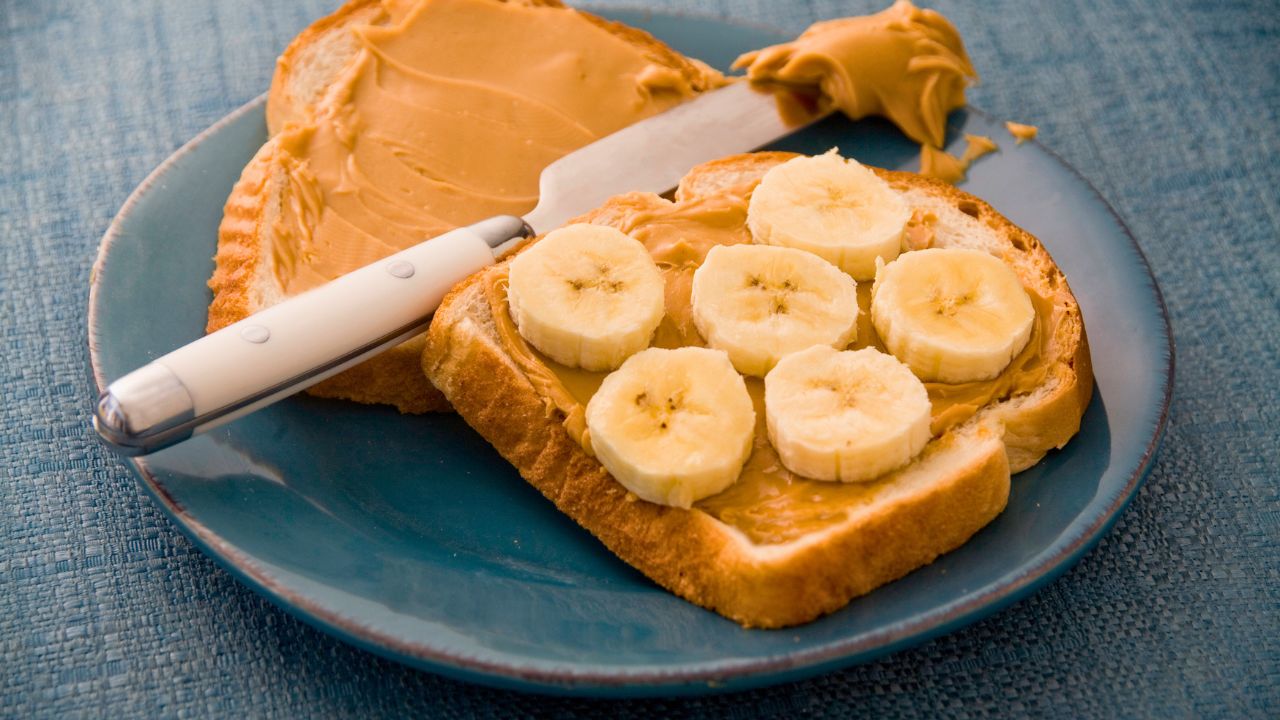
After her mother could only say “I don’t know” when asked why she was eating it, the daughter’s frustration boiled over. “I got very emotional and raised my voice,” she wrote, admitting she “chewed her out” for the pattern of dangerous behavior. She tearfully told her mother the one thing that would hurt the most: “I want to trust her so badly to watch my daughter without me there, but I just don’t. I can’t.”
The Internet Reacts
The online community was overwhelmingly supportive of the young mother, but their reactions were divided into a few distinct camps.
First was the “Absolutely Not” Crowd. These readers were furious on the mother’s behalf, viewing the grandmother’s actions as not just careless, but life-threatening. One commenter shared a truly tragic story about a grandmother who used coconut oil on her allergic granddaughter’s hair, leading to the child’s death.
The user’s point was stark: “She’s threatening your daughter’s life.” Another pointed out the terrifying risks of cross-contamination with a toddler. “What if grandma gives her a kiss on the cheek before brushing her teeth?” they asked. “Or picks her up before washing her hands?”
Next came the “Questioning Motives” Crowd. These individuals struggled to understand why a loving grandmother would behave this way. They wondered if it was simple forgetfulness or something more passive-aggressive. “Does she not believe in allergies or something?” one person asked. “This just seems deliberate, dangerous and mean spirited.”
Another suggested it might be a generational issue, where “the older generation refuses to take a food allergy seriously or has some weird idea that it’ll go away if the person with the allergy is just exposed to the allergen enough.”
Finally, there was the “Firm Boundaries” Crowd. This group focused less on the grandmother’s motives and more on the mother’s need to take immediate, protective action. They felt sympathy was secondary to safety. “If your mother cannot stay away from your daughter’s severe allergens in the presence of your daughter, then she does not deserve to be near your daughter,” one user stated plainly.
Another took it a step further, suggesting the mother was at fault for “continuing to bring your child around someone negligent with her health.” Their advice was clear: stop the visits until Grandma proves she understands the gravity of the situation.
The Etiquette Verdict
Let’s be perfectly clear: when a child’s health and safety are on the line, all other rules of etiquette become secondary. The argument that “it’s her house” is completely irrelevant. A host’s primary responsibility, especially when that host is a grandparent, is to ensure the well-being of their guests. A simple request to abstain from a few specific foods for the duration of a visit is not an infringement on her rights; it is a bare-minimum requirement of showing love and care.
This mother’s emotional outburst was not a breach of manners. It was the desperate cry of a parent who feels her child is not being protected by someone who should be her fiercest guardian. True respect is shown through actions, and in this case, the grandmother’s actions spoke louder than any words of affection ever could.
What do you think?
Was the grandmother simply being forgetful, or was her repeated behavior a sign of something more concerning?