My MIL Served ‘Sour’ Turkey and Burned the Store-Bought Rolls. Why I Refused to Risk Food Poisoning for Politeness.
It’s a time-honored rule of etiquette that when you are a guest in someone’s home, you graciously eat the meal that is served. We’ve all pushed a few peas around our plate or choked down a dry piece of chicken in the name of good manners. After all, someone has gone to the trouble of cooking for you, and hurting their feelings is the last thing any of us wants to do.
However, one woman recently shared a holiday story online that makes you wonder: where do we draw the line between politeness and self-preservation?
The Incident
A young woman found herself in a terrible predicament on Thanksgiving Day. She was at her mother-in-law’s home for the big feast, but she knew from past experience that it might not be a pleasant meal. As she explained, her mother-in-law is a “really terrible cook,” citing past disasters like raw meatloaf and burnt scrambled eggs.
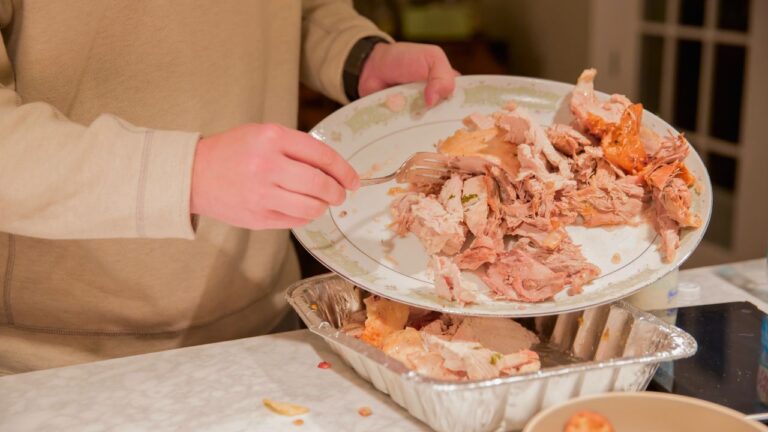
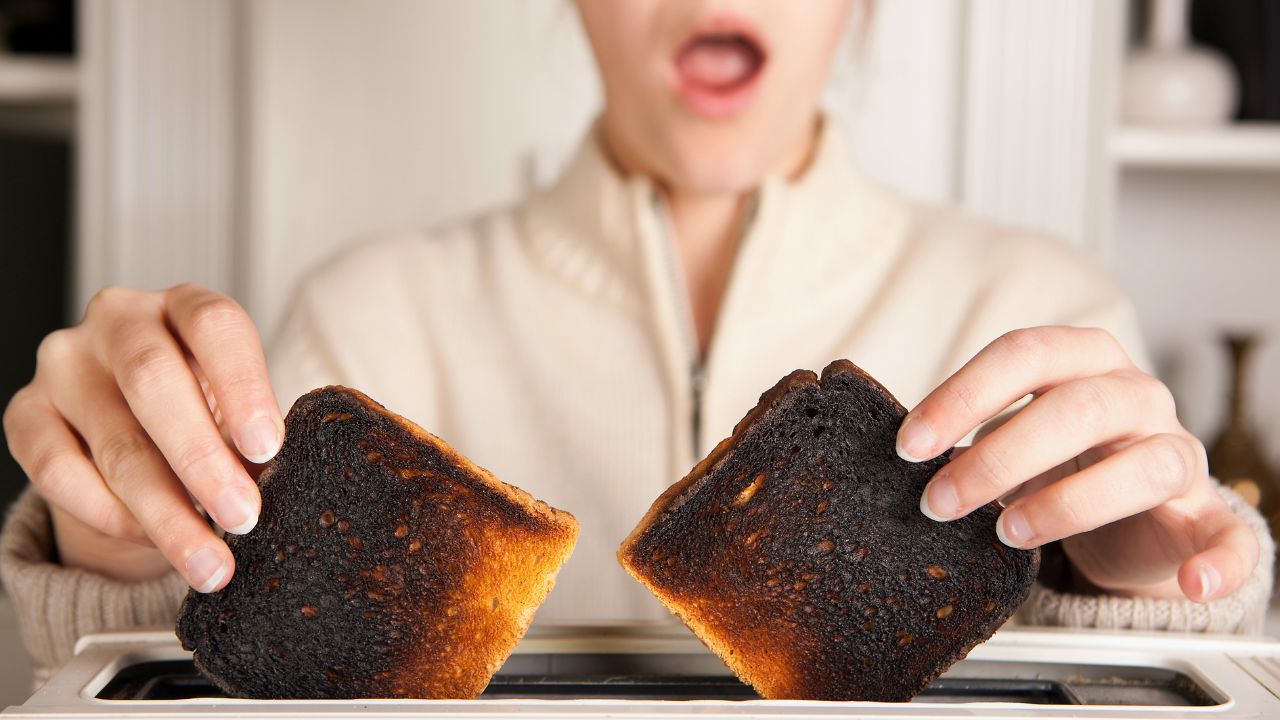
This Thanksgiving, however, was a new level of awful. The meal was, in her words, “inedible.” After trying a single bite of each dish, she simply couldn’t continue. She described a turkey that “tasted extremely sour, like it was on the verge of going bad, and so chewy.” The side dishes were no better, just unseasoned, mushy messes. Even the store-bought bread rolls were “burnt to a crisp.”
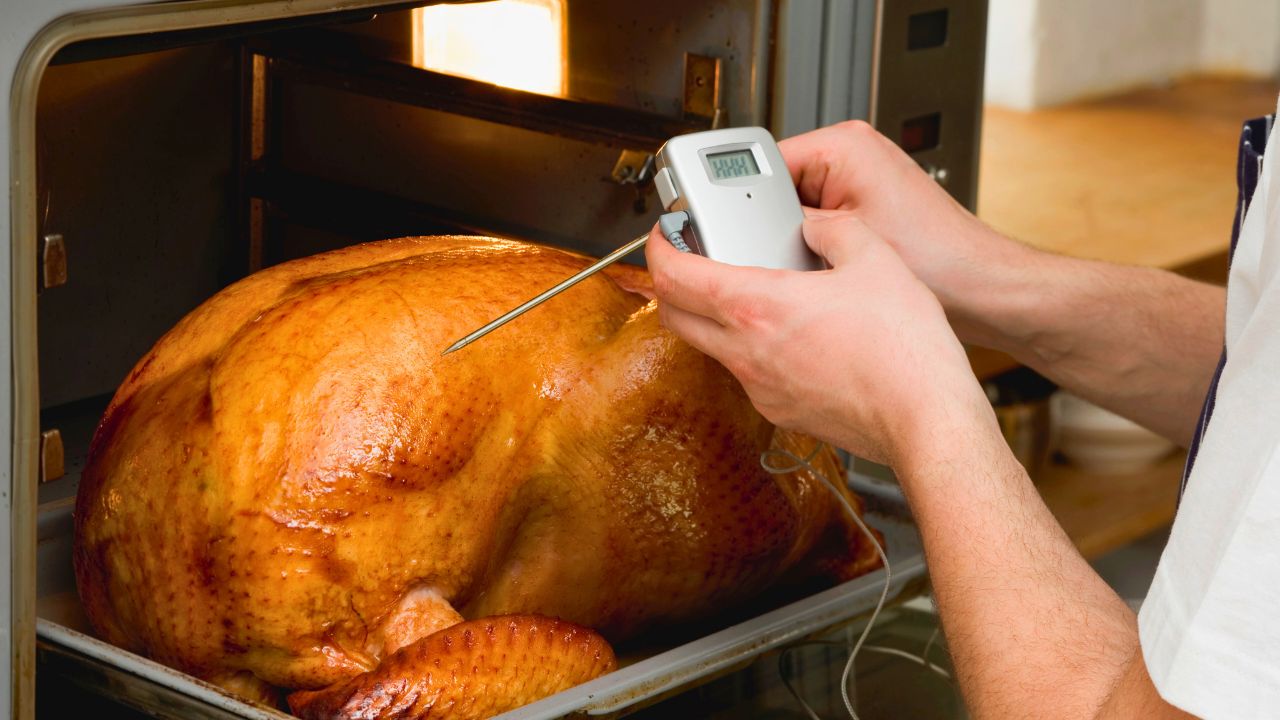
While her husband managed to eat some of the questionable turkey, she just couldn’t bring herself to do it. The mother-in-law quickly noticed and began making comments, clearly offended that her daughter-in-law wasn’t eating. The woman tried to smooth things over with a polite excuse about not feeling well, but the tension was palpable. She was left feeling rude but knew she couldn’t stomach another bite of the potentially dangerous food.
The Internet Reacts
When she asked for advice online, people were quick to chime in, and their opinions fell into a few distinct camps. It seems many of us have faced a similar dinner dilemma.
First, there was the “Absolutely Not” crowd, who were horrified on the woman’s behalf, insisting that health and safety come first. Many pointed out that sour turkey isn’t just unpleasant; it’s a serious health risk. One commenter put it perfectly: “This isn’t a situation where you don’t like certain flavors and can eat it to be nice. This is a situation where you can get sick and that’s unacceptable.”
Another was even more direct, warning, “Someone is going to get salmonella or worse. Don’t eat that. There’s no being polite where it’s not sanitary at all.”
Then came the “Proactive Solutions” group. These readers felt the daughter-in-law handled the awkward dinner correctly but offered gentle, forward-thinking advice to prevent a repeat performance. Their suggestions were all about taking control of the situation gracefully. One user advised, “Offer to host next time or bring dishes that you’ve made yourself that you can eat and share with others.”
Another offered a brilliant script: “You could phrase it as ‘you work so hard, and I would just like to make it so you have one less thing to worry about. I know hosting is a lot of work, and I’d just really like to help you’.” This approach saves feelings while also saving the meal.
Finally, there was the “Petty Revenge” crowd, who had some more mischievous ideas. These commenters were tired of politeness and ready for some drama. One person cheekily suggested, “Get her a cooking class for Christmas, lol.”
Another proposed a more theatrical escape plan: “I would have headed into the bathroom and pretend or do it for real and throw up quite loudly. Spritz my face and come out declaring I must be coming down with the flu and head home.” While not the most mature advice, you can certainly understand the sentiment!
The Etiquette Verdict
Let’s be very clear: good manners should never require you to risk your health. A host’s primary responsibility is the comfort and well-being of her guests. Serving food that is undercooked, spoiled, or otherwise inedible is a fundamental failure of that duty. While the daughter-in-law did the right thing by trying to spare her mother-in-law’s feelings with a white lie, she was under no obligation to eat that meal. The true breach of etiquette belongs to the host who served potentially unsafe food and then had the audacity to be offended when it wasn’t eaten.
Your Thoughts
What do you think? Should the woman have forced down a few bites to keep the peace, or was protecting her health the only correct choice?