My Greek Father-In-Law Made Spanakopita Without Warning, Then Got Furious When I Couldn’t Eat It
Most people understand that being a guest in someone’s home means graciously accepting what’s offered. It’s a basic expression of appreciation and respect for your host’s hospitality. Yet, one young woman recently turned to the internet to recount an experience that shows this long-standing social norm isn’t always black and white, particularly when a host won’t accept a polite decline.
Her account serves as a powerful reminder that sometimes, beneath a seemingly simple “no thank you,” lies a deeply personal and complex struggle that calls for empathy rather than anger.
The Incident
A 26-year-old woman, married just over a year, described an intensely awkward situation involving her estranged father-in-law. Her husband, Nikolas, has a difficult relationship with his Greek father, who had traveled from overseas to visit. The couple had been invited over for “a few drinks and a chat,” with absolutely no indication that food would be involved.
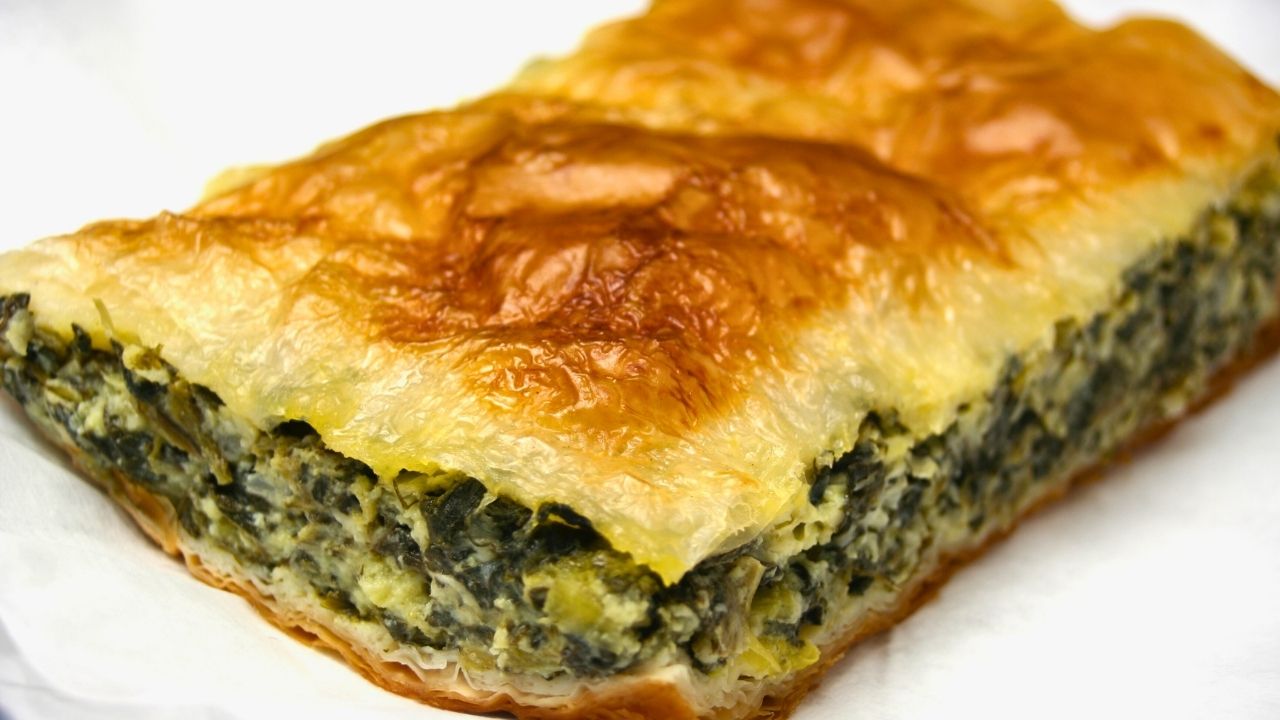
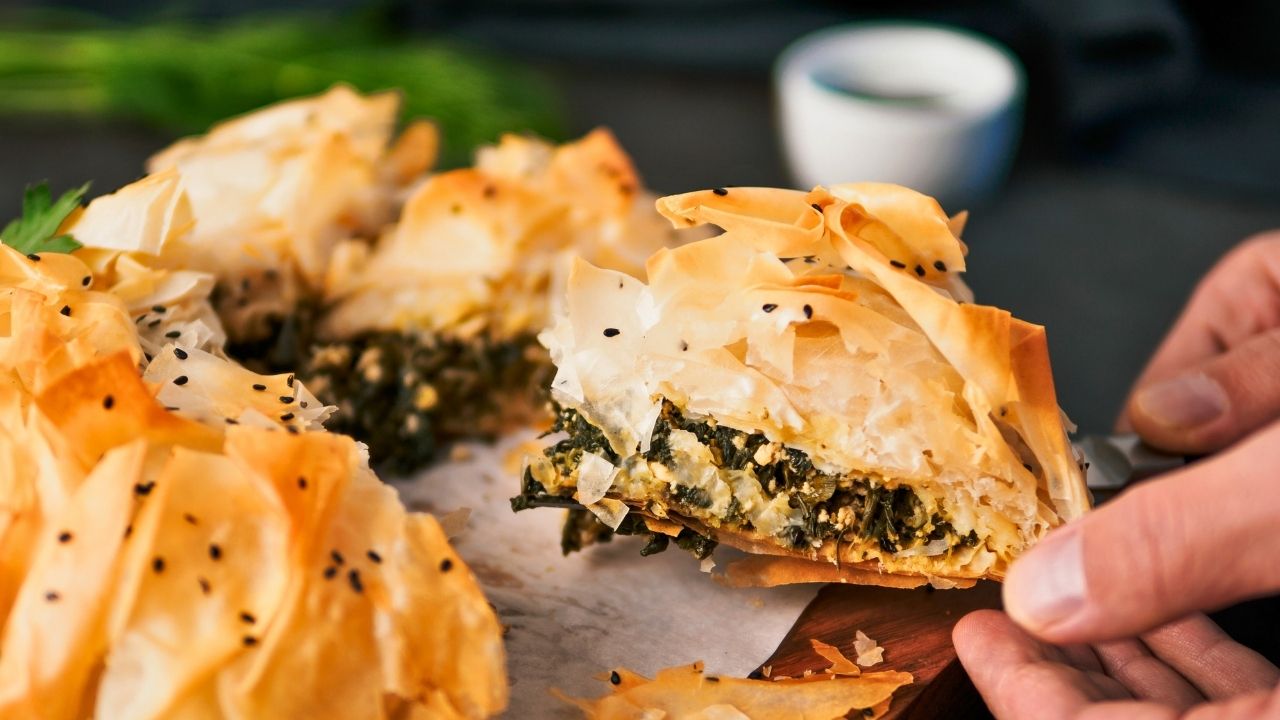
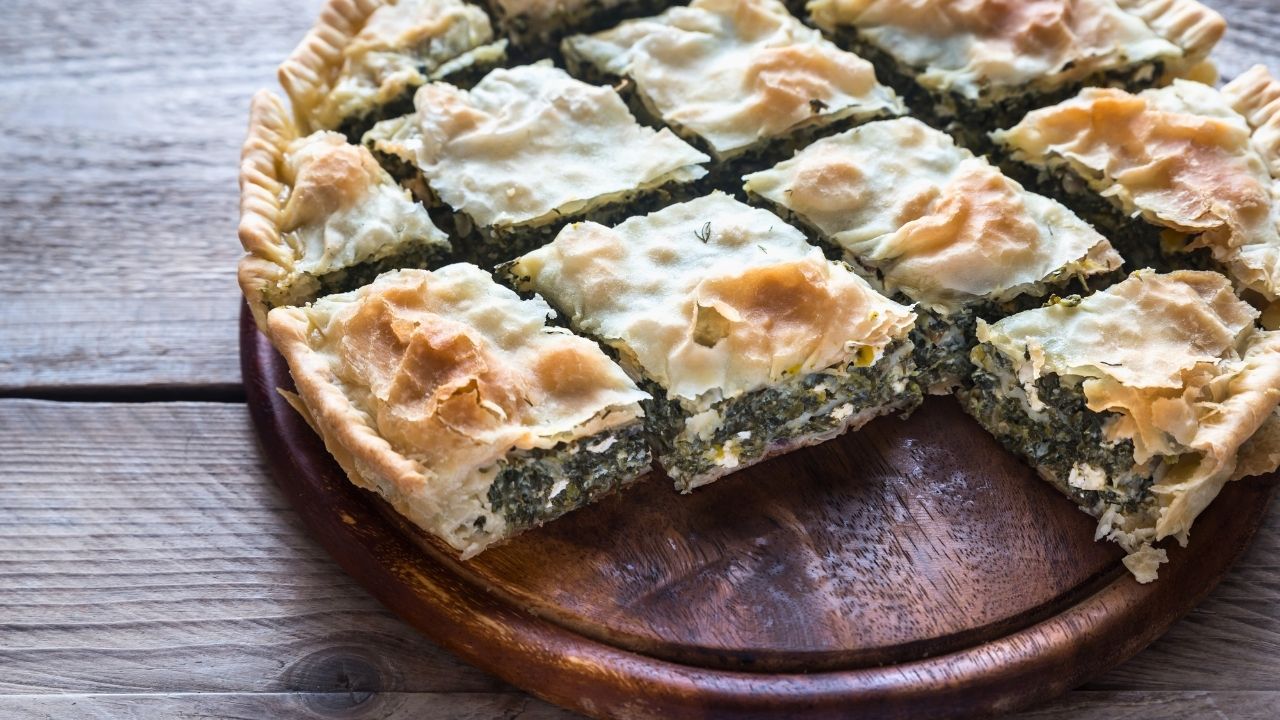
Upon arriving, though, they discovered that the father-in-law had made a homemade spanakopita — a classic Greek pie filled with spinach and feta. For this young woman, the surprise was a source of instant dread. As she put it, “I have a history of anorexia, and eating in front of people that I don’t really know is still an issue for me, and anything with pastry is something that I tend to avoid even now.”
She graciously turned down the dish. Her husband, picking up on her unease, jumped in right away and explained to his father that they had already eaten. But that’s the moment a casual visit spiraled into an argument. The father-in-law didn’t merely show disappointment — he became visibly furious.
He “got very up in arms about how he’d gone to the effort of making the food,” declaring it “shouldn’t be such an issue” for them to simply have a bite. The young woman was mortified as he charged them with being disrespectful. The night concluded with the couple offering apologies and heading out while the father stewed in anger, transforming what should have been a hospitable gesture into a moment of conflict and humiliation.
The Internet Reacts
The online world lit up with takes almost immediately, and commenters rapidly divided into distinct factions over who bore the real responsibility.
The “Absolutely Not” Crowd was outraged on the woman’s behalf. Their view was clear: a host’s foremost duty is to ensure guests feel at ease, not to coerce them into eating. Numerous people highlighted the staggering lack of sensitivity in the father-in-law’s reaction. One perceptive commenter drew attention to how people respond differently depending on the reason someone refuses food: “While most people will be generally understanding about ‘I can’t eat shrimp, I’ll die’, they usually take badly to ‘I have an eating disorder’. Especially with anorexia, people tend to be extra pushy because ‘you need to eat’.”
Someone else proposed a thoughtful phrase for navigating similar situations down the road: “I wish I could eat the food, but I have a medical issue that doesn’t allow me to. It’s something I don’t care to discuss.” In their eyes, this offered a respectful way to establish a boundary without revealing more than necessary.
Next came the “Devil’s Advocate” camp, which attempted to see things from the father-in-law’s point of view, even while not excusing his explosive reaction. These commenters zeroed in on the cultural dimension of the encounter. One person elaborated, “This is a cultural thing with Greeks, food is how we show our love, so this would be considered very rude, especially without a reason.”
Someone else reinforced this sentiment, writing, “In Mediterranean culture, Food is a love language and you showed your FIL disrespect by refusing the food.” From their perspective, the father-in-law wasn’t simply upset over uneaten pastry — he felt as though his affection had been thrown back in his face.
Lastly, the “Alternative Solutions” crowd weighed in with strategies they would have employed. These practically minded commenters believed the whole ordeal was avoidable with a harmless fib or a different approach. “You could have said you had a stomach bug, or that you’re on a restricted diet for medical reasons,” one reader proposed.
Yet another offered a creative workaround: “I’m really full but I would love to try it! Could I take some home for later?” A number of people also noted that the husband could have defused the tension by simply eating a piece himself as a gesture of respect toward his father’s efforts — a point that’s difficult to dispute.
The Etiquette Verdict
Let’s make one thing absolutely clear: although cultural food traditions are meaningful and worthy of respect, they never justify pressuring a guest. A host’s love and labor aren’t gauged by how much a visitor eats, but by the sense of warmth and safety they create.
The instant a guest politely declines, that should be the end of it. To push, shame, or label them as disrespectful is a serious breach of etiquette. The fundamental principle of hosting is making your guests feel welcomed and comfortable. This father-in-law, unfortunately, did precisely the opposite — putting his own wounded feelings above his daughter-in-law’s well-being.
What Do You Think?
This scenario undeniably sits at the intersection of cultural expectations, family tension, and personal battles. But from a purely etiquette standpoint, where do you fall?
Was the father-in-law’s outburst a forgivable cultural misunderstanding, or did his behavior cross a clear line?