My Dad Called Pakistani Food “Middle Eastern” and Refused to Eat It Even After My 9-Year-Old Helped Cook It for Him
Everyone understands the unspoken rule of being a guest: when somebody opens their home to you and takes the time to prepare a meal, you eat it. At the bare minimum, you make a gracious attempt. It’s a basic gesture of respect that acknowledges the host’s effort and generosity.
Yet one man recently turned to the internet with a story that shows just how easily those fundamental etiquette principles get tossed aside—particularly when family tension is simmering beneath the surface. His flat-out refusal to taste a dish prepared by his son and a young child has ignited a fierce online debate about courtesy, family bonds, and what genuine hospitality really looks like.
The Incident
It all started with a 56-year-old father whose 28-year-old son has always had a generous spirit. After spending several years abroad, the son discovered he had a 9-year-old child living in Pakistan. Without a moment’s pause, he stepped fully into fatherhood and ultimately brought the boy stateside to raise him permanently.
The boy’s grandfather, on the other hand, has been anything but warm. He openly admitted to questioning the child’s biological connection and has repeatedly pushed his son to get a DNA test—something the son firmly refuses to do. The simmering conflict finally erupted at a family dinner.
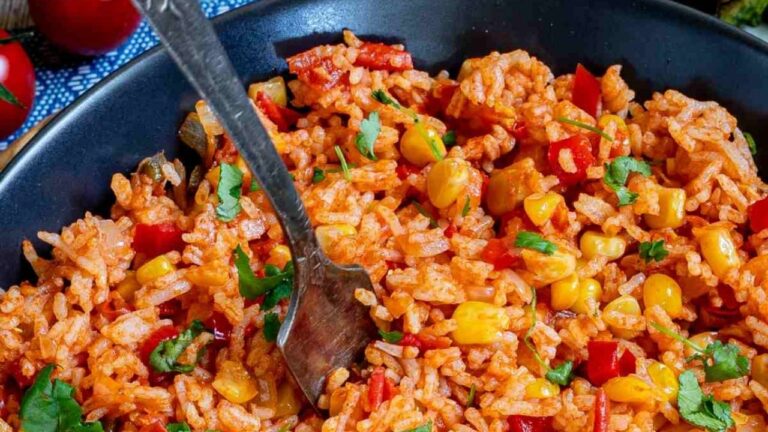
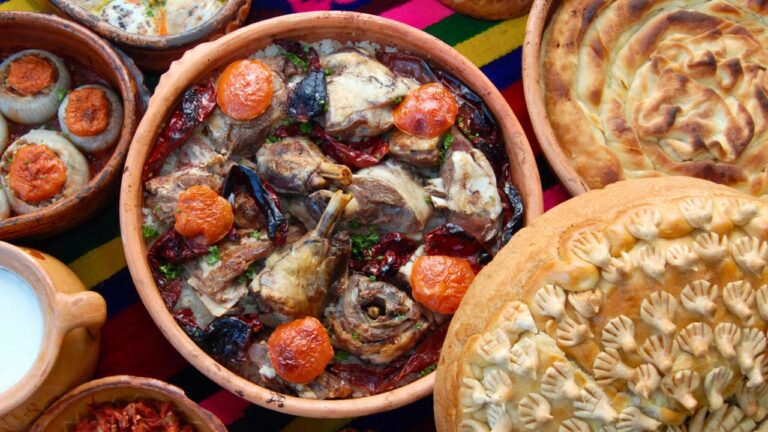
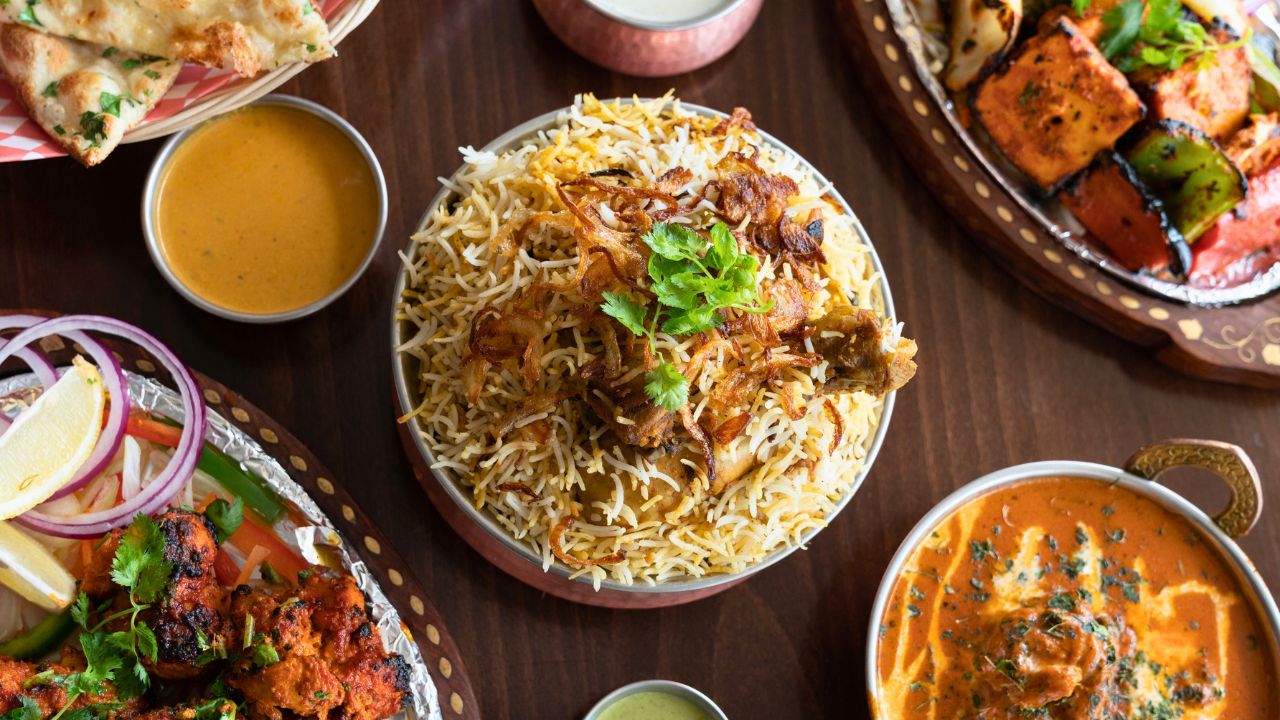
In an effort to help the young boy feel at ease in his new surroundings, he and his dad prepared a traditional Pakistani dinner for the entire family. The son explained that sharing this cuisine was meant to “make the boy feel like he and his culture were accepted by the whole family.” An incredibly thoughtful gesture, wouldn’t you say? His father didn’t see it that way.
The grandfather categorically refused to eat any of it. “I don’t like Middle Eastern food. I don’t like strong spices,” he announced. Even when his son implored him to sample just a piece of freshly baked bread, the man held firm, grumbling that it “had flecks of all kinds of weird spices on it.”
When his son pulled him aside and quietly begged him to eat something “to make your grandson happy,” the man only doubled down. “I told my son that I have no proof he is my grandson, and even if I did, I shouldn’t have to eat food I don’t like.” Predictably, his son called him selfish and told him to leave the house.
The Internet Reacts
When the grandfather sought the internet’s judgment, the verdict came swiftly and decisively. An overwhelming majority of commenters were stunned by his conduct, and their responses generally fell into a few clear categories.
First up was the “Absolutely Not” contingent, who were incredulous that a full-grown adult would act like a fussy child at the dinner table. They emphasized that his behavior was breathtakingly rude no matter how you sliced it. One person remarked, “My 7-year-old has been taught to take a ‘No thank you bite’ before rejecting something. I would think a grown man could do the same.” Another commenter delivered a devastating summary of his palate: “If OP was a seasoning, he’d be flour.”
Next came the “It’s Not About the Food” crowd. These commenters saw straight through the grandfather’s flimsy excuse about “weird spices.” They contended that his refusal was really a poorly disguised rejection of the child himself. “This isn’t about food,” one user wrote bluntly, “this is about you refusing to believe a kid is your grandson because of his race.”
Others flagged his frigid language, observing, “Notice how he keeps referring to his grandson as ‘the boy’.” Numerous commenters also corrected his geography, pointing out that Pakistani cuisine is South Asian rather than Middle Eastern—a mistake that hinted his objections stemmed from prejudice and ignorance, not genuine taste preferences.
Lastly, the “Family is Family” advocates weighed in. This group zeroed in on the son’s admirable embrace of fatherhood and the grandfather’s complete failure to back him up. They insisted that biology becomes irrelevant once a man has consciously chosen to be a parent. “Who cares if the child is biologically his son’s?” one commenter asked.
“His son fully accepts and wants him to be, so that should be all that matters.” Another person put it in the simplest terms: “He is your grandson because your son has accepted him as his child. That’s all it takes to make him family.”
The Etiquette Verdict
Let’s not mince words: this was never really about the meal. It was about love, belonging, and the basic decency we owe the people we call family. Breaking bread together is one of humanity’s most elemental ways of forging connection and demonstrating care. To turn down even a single bite of homemade bread—understanding full well it was offered as a way to comfort a homesick child—is a deep and intentional act of rejection.
Genuine etiquette has nothing to do with knowing which fork goes where; it’s about making the people around you feel seen and valued. In this situation, one tiny act of grace—tasting a piece of bread—could have communicated more than words ever would. Instead, this grandfather chose to deliver a message that was unmistakable, cutting, and profoundly hurtful.
Your Take
Where do you stand on this? Was the grandfather within his rights to decline food he claimed not to enjoy, or was his behavior an inexcusable affront to his son and the little boy his son has embraced as his own?