My Coworker Uses Dating Apps For Free Gourmet Dinners, So I Warned My Widowed Friend Before Their Date
There are unwritten codes of conduct that everyone instinctively understands about dating, right? At the top of that list is the expectation that both individuals show up with genuine intentions, truly wanting to learn about the other person. Showing someone basic respect and being truthful is really just the bare minimum of decent behavior.
Yet, a man recently posted a story online that demonstrates how some people treat a first date not as an opportunity for connection, but as a business arrangement—one that only benefits them.
The Incident
This tale originates from a man whose younger colleague, a woman by the name of Lydia, has a particularly repulsive “annoying habit.” She openly confesses to leveraging dating apps to scout for men willing to wine and dine her at upscale restaurants she’s been wanting to visit. Once she’s enjoyed a complimentary dinner at their expense, she vanishes without a trace, with zero intention of ever meeting them again. She boasts about this strategy around the office, referring to it as a “life hack” for sampling cuisine she couldn’t normally pay for.
Naturally, her coworker found this conduct disgusting, viewing it as “playing with people’s hearts.” Things reached a tipping point when his close friend, Daniel, ended up matching with Lydia on a dating app. Daniel is a man who recently lost his wife and is only just venturing back into the dating world, and his friend described him as a “very sweet guy.” Determined to shield him, the coworker gave Daniel a heads-up about Lydia’s game.
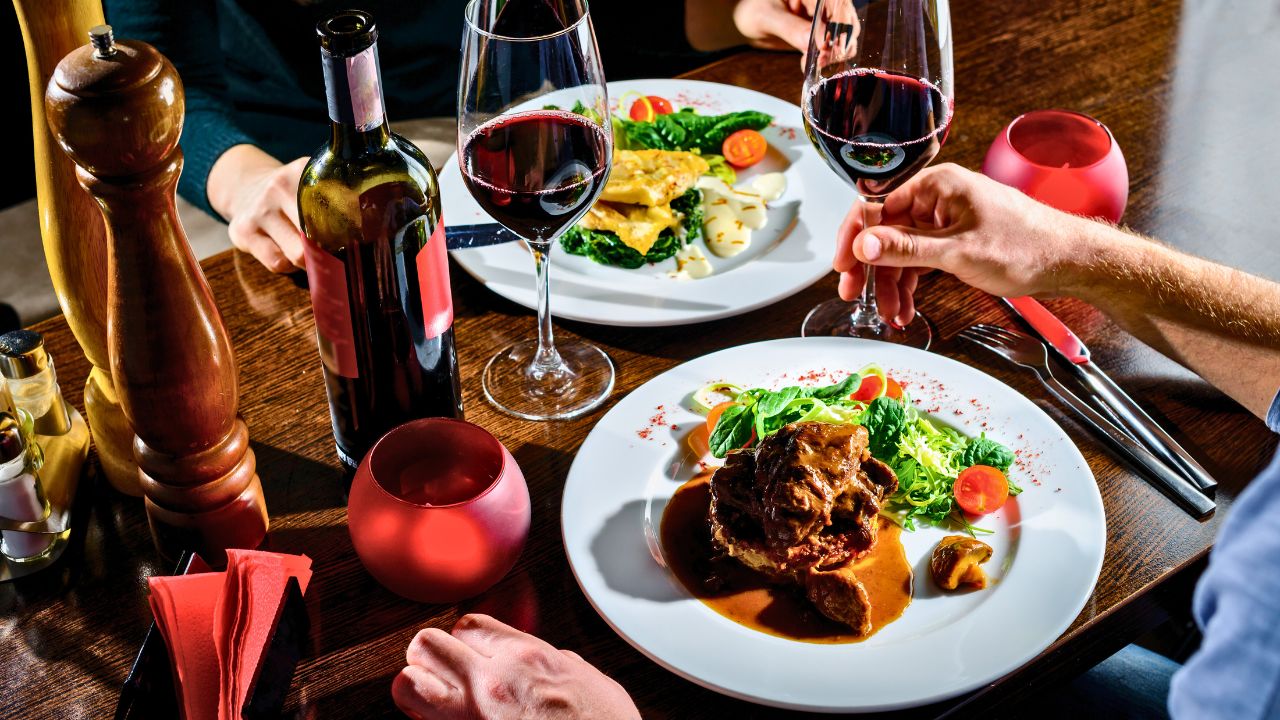
Daniel chose to proceed with the date regardless, but he had a strategy: he would request that the bill be split. Come Monday morning at the office, Lydia was livid. She had steered Daniel to an upscale steakhouse where she “ended up splurging” on a cocktail, a complete entree, a side dish, and dessert. Her portion of the bill exceeded seventy dollars. She was “almost in tears” because she had to cover it herself and now wouldn’t have sufficient funds left for gas.
When she accused her coworker of sabotaging her free dinner, he was outraged that she had attempted to exploit his heartbroken friend as a “literal meal ticket.” However, a few of their other colleagues felt he should have kept out of the matter, arguing it wasn’t his place to get involved.
The Internet Reacts
Once this account made its way around the internet, people had no shortage of opinions, and hardly anyone sided with Lydia. The discussion rapidly organized itself into several distinct perspectives.
The first was the “Absolutely Not” faction, people who were completely horrified by Lydia’s behavior. In their view, she received precisely the outcome she earned. One commenter summed it up bluntly: “If she can’t afford her food, then she shouldn’t go to the restaurant.”
Someone else highlighted what should be obvious, saying, “Men are not meal tickets. She’s hurting people by just using them for food.” A great many saw her conduct as a heartless scheme, with one individual branding her a “con artist” perpetrating a “romance scam” that frequently preys on vulnerable individuals like widowers.
Then there was the smaller contingent of coworkers who believed the man should have kept his nose out of the situation. This “Stay Out of It” group maintained that getting involved was inappropriate, no matter what Lydia’s motives were. But online commenters were quick to dismiss that stance. One user fervently stood up for the man’s decision, writing, “That’s your friend! Of course it’s your business! Protecting your friends from getting hurt is what you’re supposed to do!” The prevailing sentiment was clear: loyalty and basic decency outweigh keeping quiet.

Lastly, there was the “Clever Comeuppance” group, who praised the elegance of Daniel’s approach. They viewed his straightforward request for separate checks as the ideal, low-key method of giving Lydia a taste of her own medicine. One user remarked that they were amazed this hadn’t happened to her sooner, noting, “If I were taking someone to dinner on a date and saw them splurge at the expensive end of the menu I’d call for separate bills at the end of the evening just to gauge the reaction.” Another described Daniel’s move as “fair play” and “my kind of petty.”
The Etiquette Verdict
Frankly, it’s astounding that this even needs to be spelled out for anyone, but taking advantage of another person for a complimentary dinner is not a “life hack.” It’s dishonest, inconsiderate, and quite simply, tasteless. The entire premise of dating rests on mutual respect. Walking into a date with the exclusive goal of exploiting someone’s willingness to be generous is a betrayal of that basic trust.
The cardinal rule of contemporary dating etiquette couldn’t be more straightforward: always arrive at a date fully prepared to cover your own expenses. Counting on a free meal, particularly while deliberately choosing the priciest options available, is the pinnacle of poor manners.
What Do You Think?
Did this man make the right call by alerting his grieving friend to his coworker’s manipulative tactics, or should he have minded his own business and allowed his friend to discover the truth for himself?