I Accidentally Ordered a Dish I Couldn’t Eat, so My Friends Took it Home. Then They Sent Me a Bill for Their Leftovers.
There are some rules of etiquette that are simply universal. When you order a meal at a restaurant, you are expected to pay for it, whether you clean your plate or barely touch it. It’s a simple matter of taking responsibility for your choices.
However, one young woman recently took to the internet to share a story that proves even the simplest rules can get complicated, sparking a fierce debate about fairness, friendship, and the price of a free meal.
The Incident
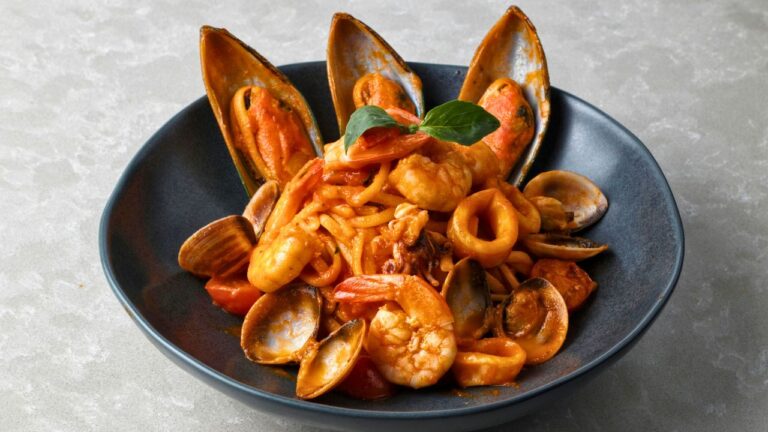
The story begins with a simple dinner out. A 20-year-old woman was dining with her friend and her friend’s boyfriend when she accidentally ordered a dish she couldn’t eat. She fully admits it was her own mistake and was prepared to pay for the plate, even if it went to waste.
As the meal wound down, her friend and the boyfriend noticed the uneaten dish. Rather than see it thrown away, they asked if they could take it home. The woman readily agreed, thinking it was better than letting good food go in the bin. She assumed that was the end of it—a simple solution to an unfortunate mistake.
But a few days later, she received a message that left her completely stunned. The boyfriend reached out asking her to pay for her full portion of the dinner, which included the very meal they had taken home and eaten. “This caught me by surprise,” she wrote, “since again, they were the ones who ended up eating it all and it felt like being asked to pay for part of their meal.”
She explained her position, and the boyfriend recalculated the total, knocking $20 off her share. But the damage was done. The friendship soured, and the couple began avoiding her, leaving her to wonder if she had done something wrong. As she perfectly put it, “This feels like if someone ate your food and still asked you to pay for it.”
The Internet Reacts
When she shared her story online, the internet had plenty to say, with opinions splitting into a few distinct camps.
First, there was the “Strict Traditionalist” crowd. These commenters believed the rule is the rule, no exceptions. They argued that because she ordered the meal, the financial responsibility was hers alone, regardless of who ended up eating it. One person stated firmly, “You ordered the dinner, you’re responsible to pay for it regardless of whether it ends up in the trash or someone else decides to eat it.”
Another was even harsher, saying, “She would pay for it if it was thrown in the trash, but not if someone ate it? She’s promoting waste.” For this group, the woman was completely out of line.
Then came the “Where Are Your Manners?” camp, who were appalled on the woman’s behalf. These readers felt the friends’ behavior was the real problem. “I think people are being pretty hard on you,” one sympathizer wrote. “If I were the friend who took the meal, I’d never have asked you to then pay me back for it.”
Another summed up the tackiness of it all, exclaiming, “The gall of scraping her crumbs and then asking her to pony up days later is sending me.” This group saw the friends as opportunistic and utterly lacking in grace.

Finally, there were those who believed everyone could have handled it better. This “Meet in the Middle” group saw fault on both sides. They felt a conversation should have happened at the restaurant to avoid any awkwardness later.
“I’d think that saying, ‘I know I ordered it, but y’all took it home and ate it, so maybe we could split the cost of it?’ would be more reasonable,” one commenter suggested. Many just couldn’t believe a friendship was crumbling over such a small amount of money, with one asking, “it’s $20? … is it really worth a friendship to die on that hill?”
The Etiquette Verdict
While it’s true that you are technically responsible for what you order, good manners are about more than just technicalities. They are about navigating social situations with grace and consideration for others. The real breach of etiquette here was committed by the friends. To take home a meal that was offered freely, enjoy it, and then have the nerve to send a bill for it days later is simply poor form.
A gracious friend would have either insisted on paying for the dish at the table or accepted it as the kind gesture it was. The golden rule of friendship and finance is simple: don’t make things awkward over small sums of money. A friendship should always be valued more than twenty dollars.

Your Thoughts
Who was truly in the wrong here? The woman who refused to pay for a meal she didn’t eat, or the friends who billed her for their leftovers?