Aunt Discovered My Homemade Lasagna Was Gluten-Free, So She Dropped Her Fork and Demanded a Separate Meal
It’s universally understood that being a guest at someone’s dinner table comes with an unspoken contract: show appreciation. You express gratitude, praise the cook, and if a dish isn’t quite your thing, you eat what you can and keep quiet about it. This is the bedrock of basic courtesy.
Yet, one young woman recently went online to share an experience that demonstrates how spectacularly some people fail to follow these rules. Her tale features a homemade lasagna, a food allergy, and an aunt who crossed every conceivable line.
The Incident
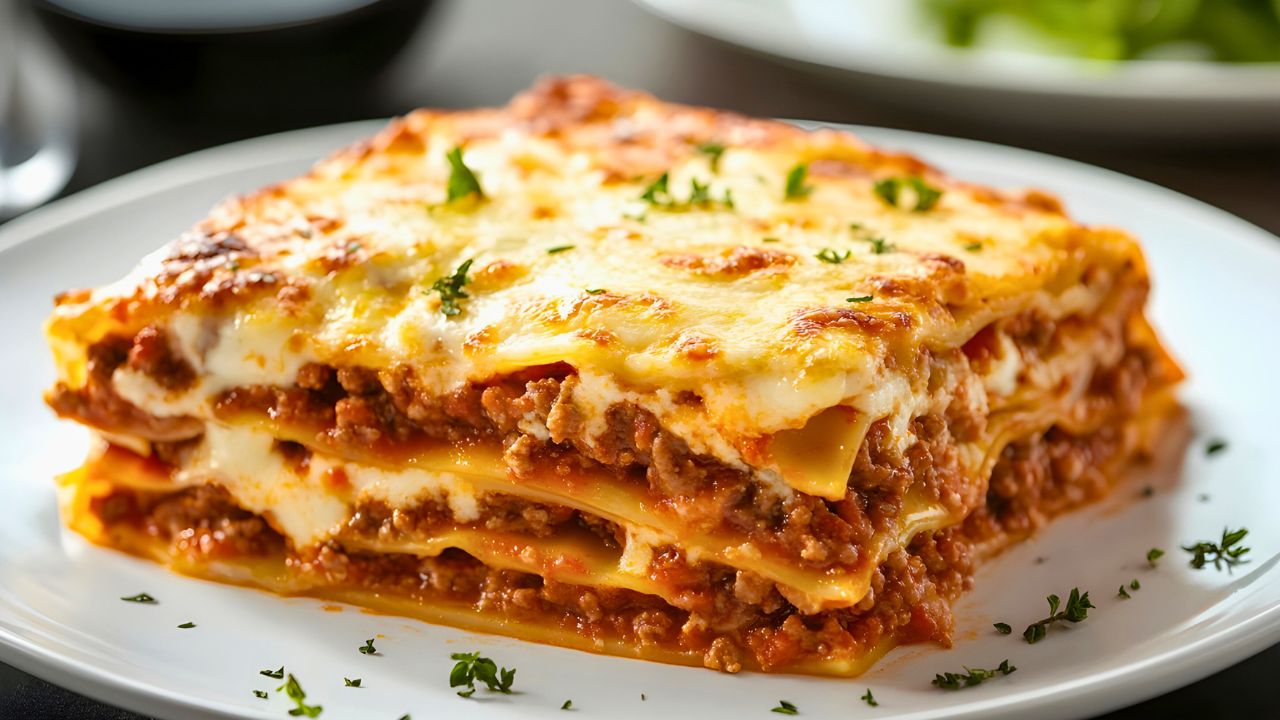
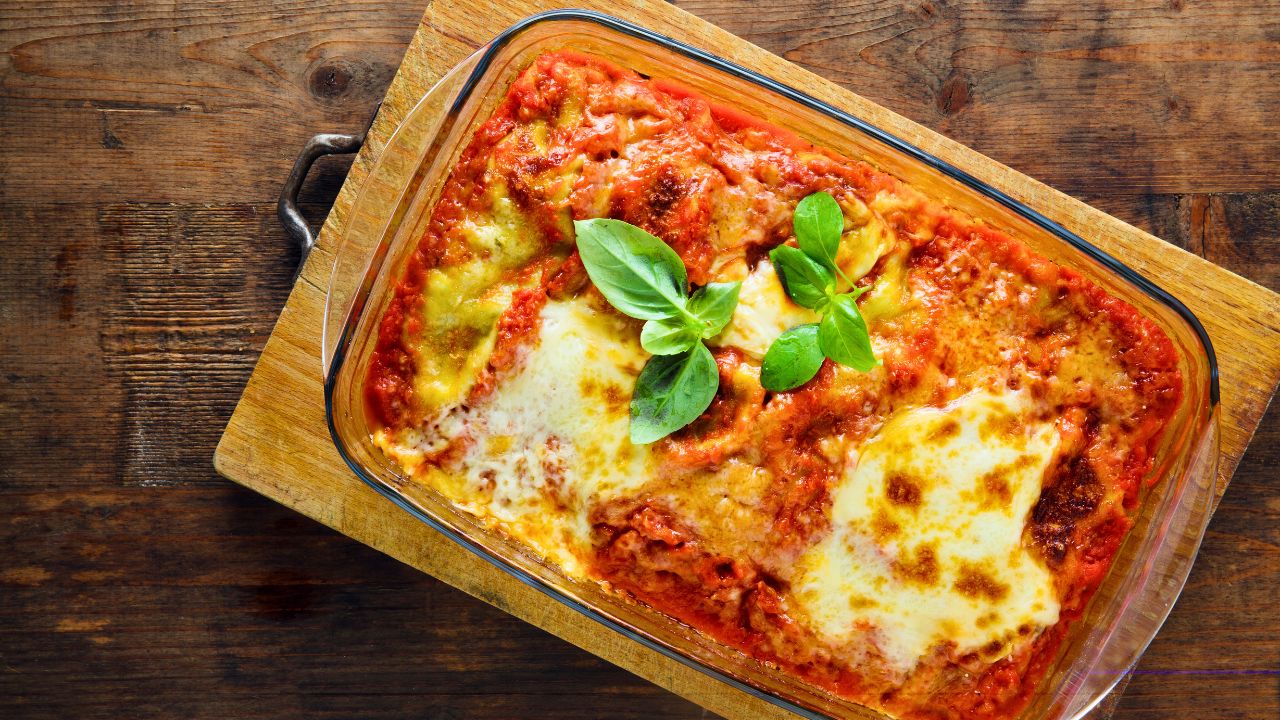
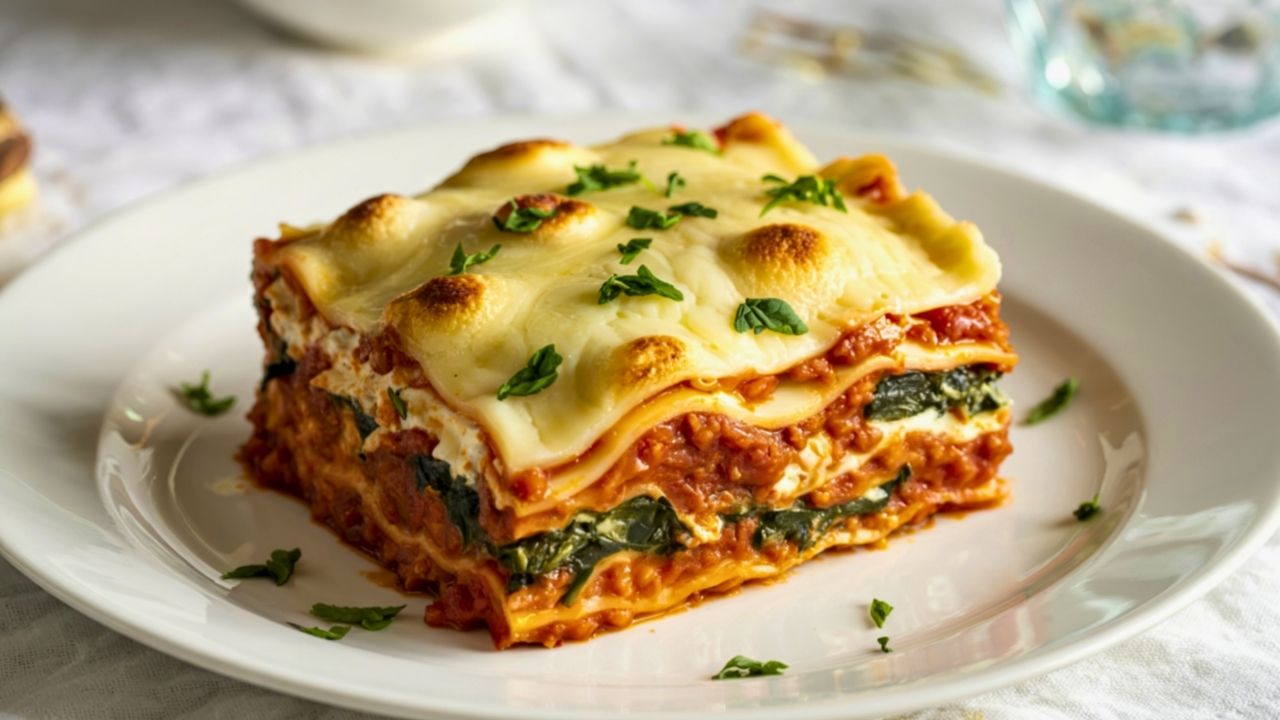
A 22-year-old from a big family with a tradition of rotating dinner hosting duties volunteered to prepare lasagna for more than 15 family members. Since the hostess has a wheat allergy, she understandably prepared the entire meal using ingredients safe for her to consume in her own kitchen — specifically gluten-free noodles and rolls. According to her, the alternatives were virtually indistinguishable from the originals; even her mother and husband noticed no difference whatsoever.
Everything unraveled because of a harmless question. Her younger cousin, wanting to get brand suggestions for a classmate dealing with a similar allergy, asked which noodles she had used. The moment the hostess revealed that all the food was gluten-free, her aunt immediately set down her fork and declared she was finished eating because she “does NOT eat gluten free.”
Attempting to smooth things over, the hostess offered additional salad or volunteered to warm up an alternative. Her aunt declined both options and instead accused her niece of being “rude for not making a regular Lasagna and a GF Lasagna.” The worn-out young hostess explained just how labor-intensive it was to feed 15 people, but her aunt came back with a jaw-dropping proposal: the hostess should have prepared a “regular” lasagna for the rest of the family and simply microwaved something for herself. In her own house.
The dispute dragged on for an incredible thirty minutes, during which the aunt accused her niece of being insensitive. At last, the hostess reached her breaking point. She slammed both hands down on the table and told her aunt that if the food wasn’t good enough, she could leave. Some family members felt she went too far, while others believed the aunt entirely deserved it.
The Internet Reacts
The online response came fast and landed almost entirely in the young woman’s favor. Commenters were stunned by the aunt’s entitlement and generally fell into a handful of distinct groups.
The first was the “Absolutely Not” contingent, who were outraged on the hostess’s behalf. They viewed the aunt’s conduct as an egregious violation of basic social norms. One commenter declared, “Your aunt has some nerve coming into your home and complaining about a free meal you made for the family. She’s a j.rk for making this her hill to die on.”
Someone else highlighted the critical distinction between personal taste and a medical necessity, writing, “GF is a health accommodation… GF free food does not cause health problems in your aunt. She does not need gluten accommodation.”
Next came the “Devil’s Advocate” group, though they were extremely rare. These commenters didn’t excuse the aunt’s reaction but attempted to acknowledge a kernel of validity in her taste preferences. One admitted, “I’ve had Barilla gluten free. You can very easily tell the difference and they are nowhere near as nice as the regular.”
Still, they immediately added the essential caveat: “Regardless of whether she liked it or not, she is out of line for her response.” This was a recurring theme: even if certain gluten-free substitutes taste noticeably different, that’s never a justification for such appalling rudeness.
Lastly, there was the “Petty Revenge” faction, who served up some delightfully sharp, if somewhat salty, suggestions for future gatherings. A favorite recommendation involved a generous helping of malicious compliance. “I wouldn’t bother cooking again,” one user counseled. “If you host, tell your aunt that the condition of her coming is that she brings all the food to make sure she’s satisfied with it, and that you will make yourself something gluten-free as she has suggested.”
Others cautioned the hostess to stay vigilant going forward, with one person noting, “I’d be leery about eating anything the Aunt made from now on because she’s probably going to slip gluten in it.”
The Etiquette Verdict
Let’s make this crystal clear: the aunt’s behavior was entirely indefensible. Walking into someone’s home and disparaging a meal they poured their energy into preparing represents the pinnacle of bad manners. To then insist they cook an entirely separate version of the dish — particularly one containing an ingredient the host is medically allergic to — is nothing short of breathtaking.
A personal food preference simply does not carry the same significance as a genuine medical condition. As a guest, you’re on the host’s territory. While the hostess’s eventual eruption may have been intense, it came only after enduring thirty solid minutes of disrespect. The fundamental principle for any dinner guest is gratitude. If that’s beyond your capability, the better choice is to graciously turn down the invitation altogether.
Your Thoughts
This family gathering clearly spiraled into chaos, leaving loved ones on opposite sides of the argument. But where do you stand? Was the hostess right to throw her aunt out, or did she let her frustration go too far?