MIL Called Me a “Terrible Mother” After I Caught Her Weaponizing Mushrooms Against My Kid
Most of us grew up hearing some variation of the “finish everything on your plate” mantra—a well-meaning parental strategy designed to ensure we stayed fed and didn’t let food go to waste. It’s a nearly universal childhood experience. But there’s a world of difference between gently nudging a kid to sample their vegetables and launching full-scale psychological warfare over a single ingredient.
One woman recently turned to the internet to recount a story about a grandmother whose version of “tough love” obliterated every reasonable boundary of decency, making it abundantly clear that certain dinner table standoffs have absolutely nothing to do with nutrition.
The Incident
A mother who works in healthcare—as does her husband—opened up about a deeply troubling situation within her family. Her mother-in-law had been living under their roof and, as part of the arrangement, would look after their 10-year-old daughter, Susie, in the afternoons and prepare dinner on evenings when the parents had late shifts.
On paper, it was an ideal setup. There was only one widely acknowledged detail: Susie cannot stand mushrooms. She’s far from a fussy eater, but the flavor, the texture, and even the odor of mushrooms are completely intolerable to her.
One night, when both parents happened to be home, their daughter approached them sobbing. She revealed that she was “sick and tired of being starved most nights” and pleaded with them to prepare her meals instead of leaving it to her grandmother.
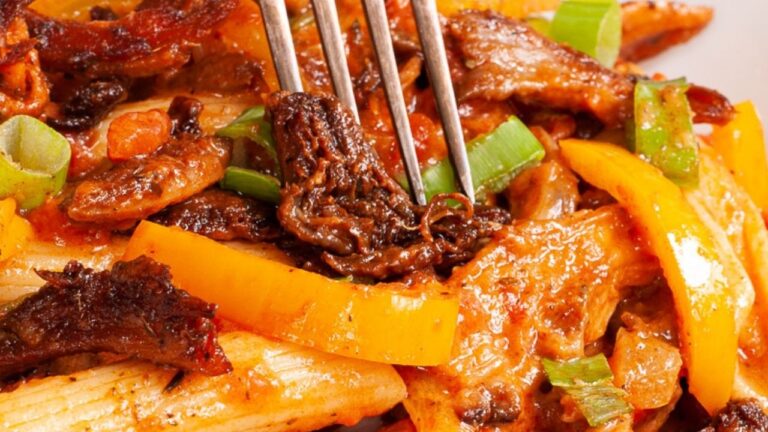
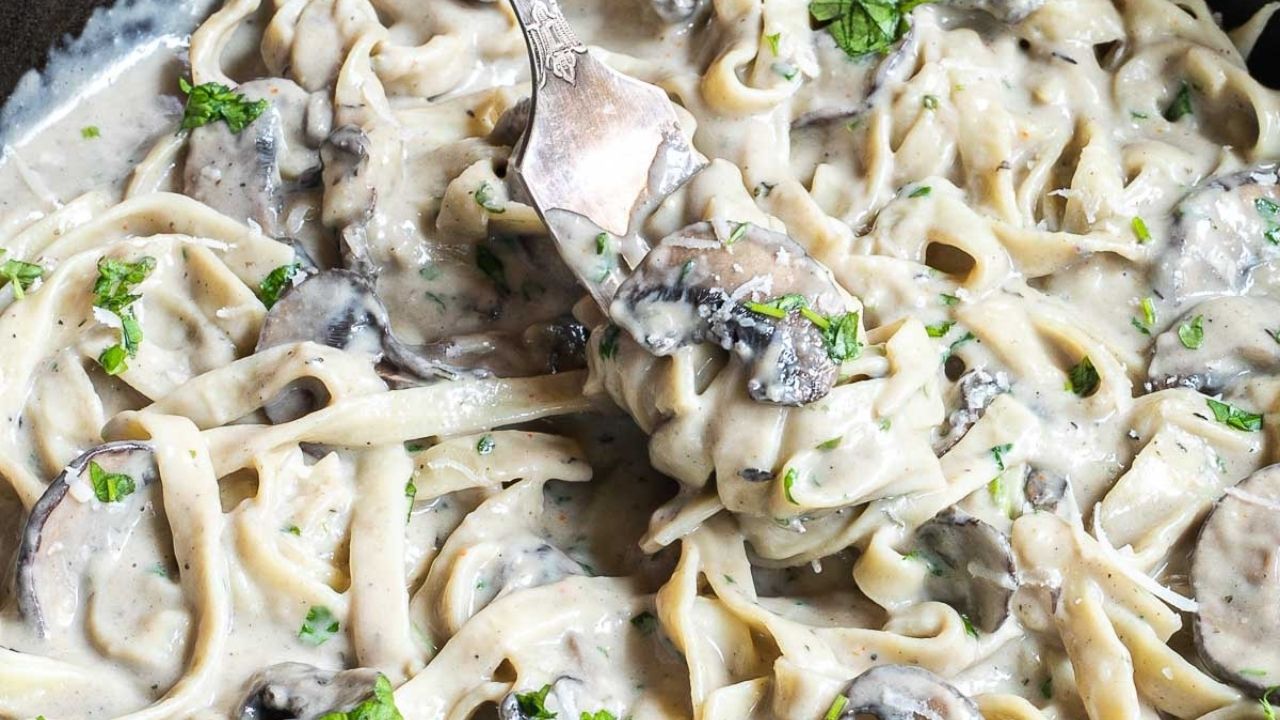
The parents were stunned to discover that for weeks on end, every single dish the grandmother cooked for Susie revolved around mushrooms. Portobello mushroom burgers, mushroom risotto, mushroom pasta—the full repertoire. And critically, these meals were only ever served when the parents weren’t around.
Whenever Susie would respectfully decline the food, her grandmother’s reaction was icy and unyielding. She would tell the 10-year-old to “suit herself but she’s not getting any other food the rest of the night.” The grandmother maintained that Susie needed to “outgrow this stupid mushroom hatred.”

When the parents confronted her about it, the mother-in-law showed zero remorse, dismissing her actions as “tough love.” The confrontation intensified, and the grandmother erupted, accusing her daughter-in-law of being a terrible mother for “prioritizing my career over my child.” That was the breaking point. The mother immediately told her to pack her things and leave their home.
The Internet Reacts
The online response was overwhelmingly supportive of the mother, with thousands of commenters voicing their outrage and disbelief at the grandmother’s conduct. The reactions generally clustered into a few clear categories.
First came the “Absolutely Not” contingent, who interpreted the grandmother’s behavior as a deliberate and malicious power struggle. One of the highest-rated comments captured the sentiment perfectly: “This is a power move, pure and simple. She’s going to MAKE her love mushrooms or else!” Someone else underscored the calculated cruelty involved, observing, “to tell the parents you’re feeding their child but secretly only prepare food with mushrooms is nothing short of sadistic.”
Numerous commenters zeroed in on the grandmother’s secrecy as damning evidence of her guilt. “These dishes aren’t made when either myself or my husband are around,” one user quoted, then added, “This should tell you, that she’s perfectly aware that this behavior is wrong.”
Next came the contingent attempting to uncover the “Deeper Motive.” These commenters weren’t defending the grandmother but rather arguing that the real issue extended far beyond mushrooms. They detected her simmering resentment lurking beneath the surface. One perceptive reader theorized, “It’s a power play with OP. Her true colors showed when she called OP a ‘terrible mother for prioritizing her career.’
That’s what this is about.” This group was convinced the grandmother was exploiting her granddaughter as a weapon to punish her daughter-in-law for having a thriving career.
Lastly, the “Petty Revenge” faction weighed in with their own flavor of justice. Several people recounted how being coerced into eating specific foods during childhood produced permanent aversions. As one commenter put it, “If I would have been forced to eat them my whole childhood I would still hate them probably.”
Another user proposed a deliciously satisfying, if slightly mischievous, countermeasure: “I’d invite her over just to serve her the one thing she doesn’t like for dinner and see how she reacts. Tell her to grow up if she gets mad about it.”
The Etiquette Verdict
Let’s make one thing absolutely clear. What this grandmother did was not “tough love”—it was a cruel and calculated betrayal of trust. Denying a child food in order to make a point is never justifiable under any circumstances. A caregiver’s fundamental duty is to safeguard a child’s welfare, not to wage a personal crusade over a food preference.
Every person has the right to dislike certain foods, and having an aversion to a particular ingredient is not a character deficiency—particularly for a child who is otherwise willing to try just about anything. The grandmother dramatically exceeded her role, turned food into a weapon, and exposed a deep-rooted bitterness that has absolutely no place in a caring household.
Your Thoughts
This story goes far deeper than a disagreement over mushrooms. At its core, it’s about respect, trust, and the lines we draw with the people closest to us. Was the grandmother’s behavior merely a lapse in judgment, or was the mother entirely right to show her the door?