I Changed My Entire Wedding Menu for My Best Friend’s “Allergy” Only to Learn She Just Didn’t Like Indian Food
Most of us grow up learning that when you’re a guest at someone’s house, you show appreciation for whatever food is offered. A polite “no, thank you” or a courteous reason typically suffices if something doesn’t suit your palate. It’s one of the fundamental pillars of basic etiquette.
Yet, one woman recently posted an account online that demonstrates just how far some individuals will go to dodge a meal they don’t enjoy — with crushing repercussions for a friendship that lasted decades. This wasn’t merely a harmless little fib; it was a years-long deception that inflicted genuine emotional pain.
The Incident
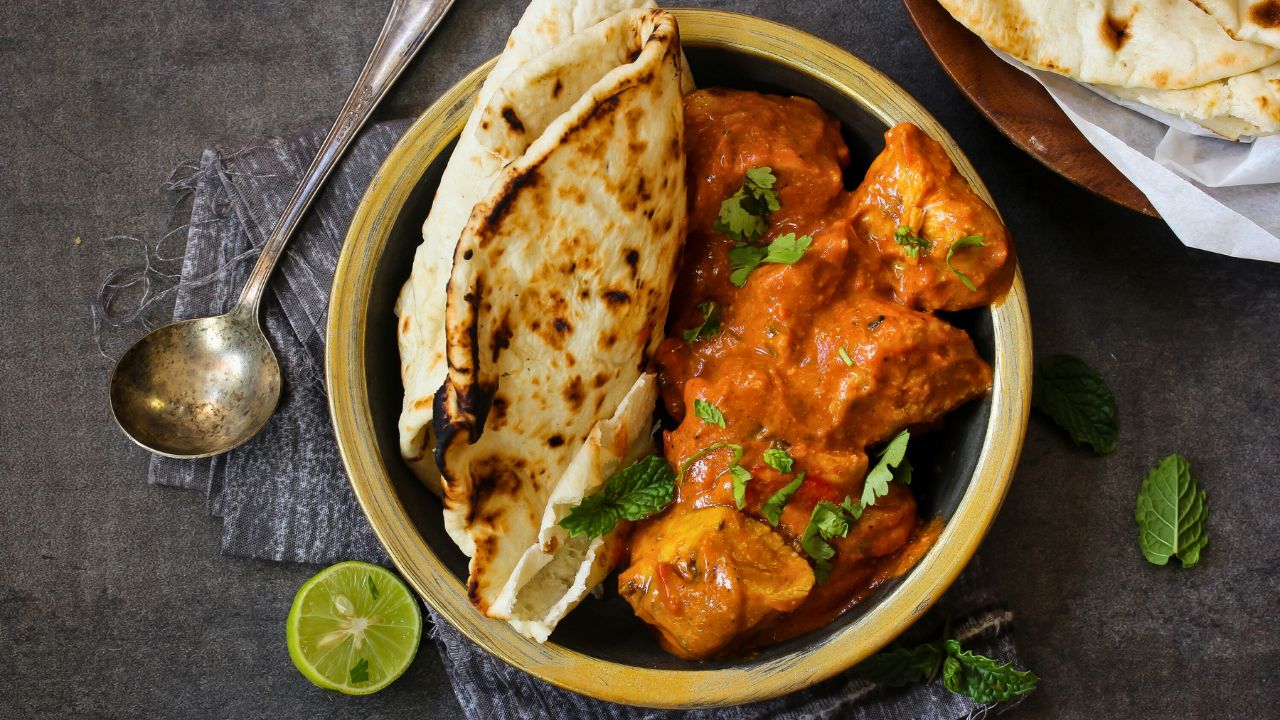
A young woman with Indian roots described how she and her closest friend had been virtually inseparable since grade school. Throughout their childhood, her friend frequently came over to her house, where the rich aromas of Indian cuisine always filled the air. The woman was consistently thoughtful, always offering alternatives such as pizza or pasta, understanding that the bold spices might be unfamiliar territory.
Her friend, though, invariably turned down the Indian dishes, insisting she was “deathly allergic” to numerous spices found in the cooking. The allergy was allegedly so extreme that merely inhaling the scent of the food while it was being prepared could trigger her throat to swell shut.
One particularly memorable childhood episode stood out: the friend started coughing and wheezing after the woman’s mother had simply warmed up her own dinner. Terrified, the mother discarded her own meal and scrambled for medication.
After that day, the entire family took remarkable precautions to safeguard the friend, refusing to even use the microwave for Indian food whenever she was around. These accommodations persisted well into their adult years. The writer routinely contacted restaurants in advance and designed whole meal plans around these purported allergies.
The greatest sacrifice arrived at her own wedding, where she opted for a completely Western menu so that her bridesmaid could attend without risk. This choice sparked a bitter conflict with her extended family, who felt their cultural traditions were being cast aside.

Years afterward, while assisting this very same friend with planning her own wedding, the woman offhandedly suggested to the friend’s mother that they should keep an EpiPen nearby. The mother looked puzzled and responded, “But she isn’t allergic to anything.” When the woman eventually confronted her friend about it, what she received wasn’t remorse — it was laughter. The friend casually admitted it was “just her way of avoiding Indian food.”
The Internet Reacts
Once the story went viral, people across the internet were utterly stunned by the friend’s conduct. The court of online opinion assembled swiftly, and commenters naturally divided themselves into a handful of clear factions.
First up was the “Absolutely Not” contingent, who were livid on the woman’s behalf. They viewed the lie as a profound and inexcusable act of betrayal. One commenter stated it plainly: “This is NOT a friend worth keeping. She was willing to inconvenience you and your family for years.”
Another concurred, writing, “Your mom is wrong, you don’t actually have a friendship with this girl, you never did.” The prevailing sentiment within this group was that the dishonesty extended well past mere fussy eating and ventured into deliberate, calculated manipulation.
Next emerged the “Devil’s Advocate” faction, who attempted to locate some grain of sympathy for the friend. Their reasoning was that the lie probably originated when she was just a kid who lacked the social tools to gracefully turn down food. “It is kind of awkward to be like ‘nah, all your food looks nasty,'” one person observed.
Still, even members of this group conceded that the excuse lost all validity once she reached adulthood. The sharpest comment captured it flawlessly: “She should have come clean when OP was having conflict with her own family by having Western instead of Indian food at the wedding… She was not a kid at this point.”

Lastly, the “Petty Revenge” brigade chimed in with some rather creative, albeit ruthless, recommendations. Exasperated by the friend’s disregard, they proposed a bit of comeuppance was warranted.
Among the most savage suggestions was, “If you do maintain contact with her, NEVER change what you eat for her again. If she complains, jab her with an epi pen and tell her, ‘Shh, you’re safe now.'”
The Etiquette Verdict
Let’s state this unequivocally: this conduct is absolutely disgraceful. A small falsehood told by a child to spare someone’s feelings is understandable. But perpetuating that lie well into adulthood, fabricating a potentially fatal reaction, and standing by while your best friend fractures her own family relationships on your behalf is an entirely different matter. It reveals an astonishing deficit of respect, compassion, and moral fiber.
This was never simply about food preferences. It was a falsehood that disrespected her friend’s family, her heritage, and the very genuine dangers confronted by individuals with real allergies. The foundational principle of any friendship is mutual honesty and reciprocity. This so-called “friend” accepted years of generosity and personal sacrifice without ever providing the basic courtesy of truth in return. That isn’t friendship; it’s a charade.
What Do You Think?
This is a scenario that genuinely puts the strength of a friendship to the ultimate test. Following such a profound betrayal, can forgiveness truly be extended, or are certain lies simply too destructive to move past? We’d love to hear your perspective. Was the friend’s deception an innocent white lie that snowballed beyond control, or was this a betrayal so deep that no friendship could possibly withstand it?