I Tried to Accommodate My Extremely Picky Friend at Dinner and She Still Blamed Me for the Bill
There are certain unwritten codes of decency that most of us follow without question. Among the most fundamental is the expectation that when you accept an invitation, especially one involving a meal, you do so with good grace. You’re expected to be agreeable company and, when the check shows up, to cover your portion without making a fuss. It’s a basic question of courtesy and equity.
Yet one young man recently posted a story online that demonstrates how not everyone abides by these same standards. His account of a group dinner that went sideways is a striking reminder that good etiquette, especially where money is concerned, cannot always be taken for granted, even within a circle of friends.
The Incident
The man described how his friend, a young woman he refers to as “C,” is an extraordinarily selective eater. Her roster of food aversions is extensive, spanning everything from chicken and fish to rice, crunchy textures, and anything carrying even the faintest trace of spice. Needless to say, this turns every restaurant outing with her into quite an ordeal.
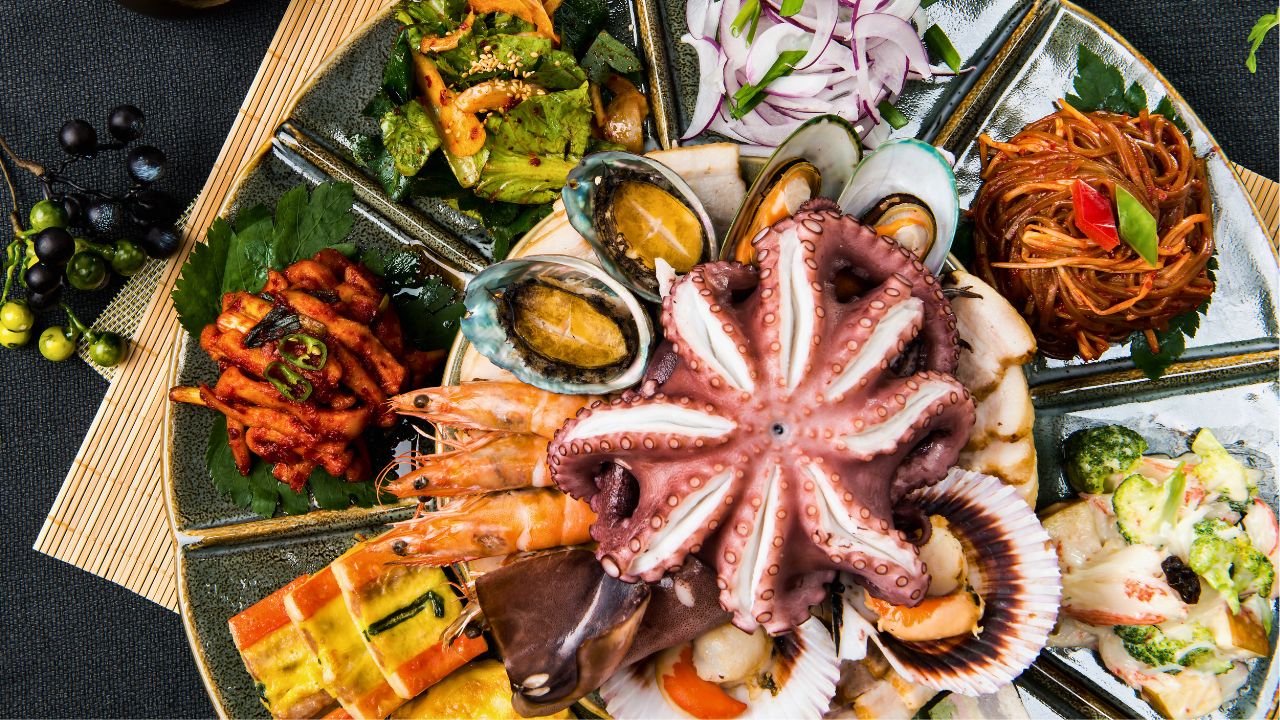
Not long ago, the friend group made plans to go out for Korean cuisine. C knew full well what kind of restaurant they were heading to but decided to tag along regardless. Being mindful of her preferences, the man thoughtfully suggested she choose one or two dishes for herself from the menu so she’d be guaranteed something she could eat. Her reply was puzzling. She brushed it aside, saying, “it’s OK, I will just eat what you all ordered.”
The group selected an assortment of shared plates, even making an effort to cater to C by steering clear of heavily spiced options. When all was said and done, C hardly touched any of the food, nibbling only a small amount before announcing she was full. The remaining five friends savored the meal, polishing off everything that had been served. When the bill arrived, the group decided to divide it equally six ways, as was their standard practice for communal dining. C raised no objection at that moment.
The drama only erupted after everyone had gone their separate ways. C fired off a furious text to the man, accusing him of “scamming her since she was paying mostly food that she didn’t eat.” She insisted she should only have been charged for the minuscule portion she actually consumed and announced she would no longer dine out with the group. Her delayed outburst left her friend completely blindsided.
The Internet Reacts
The account ignited a fierce debate online, with readers quickly taking sides on who was truly at fault. The jury of public opinion was split, though most concluded that the friend’s conduct was simply inexcusable.
The first faction, the “Absolutely Not” crowd, was outraged on the man’s behalf. Their argument was that C was a grown woman who made her own decisions and needed to accept the consequences. One commenter stated it plainly: “Once she said she’ll eat whatever you guys ordered, all bets are off. She has to pay up.”
Another concurred, noting that her words, “‘it’s OK, I will just eat what you all ordered’ means she is joining you, and sharing the bill.” In their view, the issue was straightforward: she consented to the terms of the dinner through her own statement and behavior.
Then came the “Devil’s Advocate” camp, which attempted to extend some understanding toward the selective eater. These commenters felt that although C handled things badly, the group could have been more considerate. They highlighted that she clearly consumed almost nothing and was essentially subsidizing her friends’ dinner.
One person remarked, “it was out of line to peer pressure her into paying for a meal she didn’t order and didn’t eat.” Others speculated that her extreme pickiness could indicate a deeper issue, such as an eating disorder, and that the group was being tone-deaf to her struggles.
Lastly, the “Practical Advice” camp stepped in with solutions to prevent such conflict going forward. These pragmatic voices emphasized the critical role of transparent communication from the outset. As one person astutely recommended, “from now on get separate checks if C is there. Even if the rest of you get a meal designed for a group, insist that C order and pay for her own. If she demurs, remind her of this latest incident.” This faction was convinced the entire debacle could have been sidestepped if expectations had been clearly established ahead of time.
The Etiquette Verdict
While it’s natural to feel compassion for someone with food sensitivities, that compassion reaches its limit where personal accountability takes over. When you are an adult who knows full well about your own dietary limitations, it falls squarely on your shoulders to handle them. You need to advocate for yourself politely and ahead of time. This young woman was offered every chance to select something she’d actually enjoy or to make it clear she wouldn’t be eating and therefore shouldn’t be expected to chip in for the bill.
Instead, she opted to stay silent at the table and lash out afterward through a text message, which is simply bad form. The cardinal rule of group dining comes down to this: state your needs openly and from the start. Counting on others to intuit your preferences or to cover your share after the fact is not only unjust, it’s a guaranteed way to ensure your name gets dropped from the next dinner invite.
What Do You Think?
Was the picky eater within her rights to be upset because she barely ate anything, or did she give up any ground to complain the moment she turned down the chance to order for herself?