My Nephew Won’t Eat Anything but Plain Pizza and Burgers So I Tried to Force Him to Branch Out
We’re all familiar with the thin boundary separating genuine care for our loved ones from attempts to control them. That boundary becomes particularly fuzzy within families, especially when it involves younger members. Of course we desire the best outcomes for them, but our well-meaning efforts can sometimes create a seriously rocky path.
A woman recently went online to recount a situation involving precisely this dilemma, questioning whether she crossed a line by attempting to push her nephew past his extremely selective eating habits.
The Incident
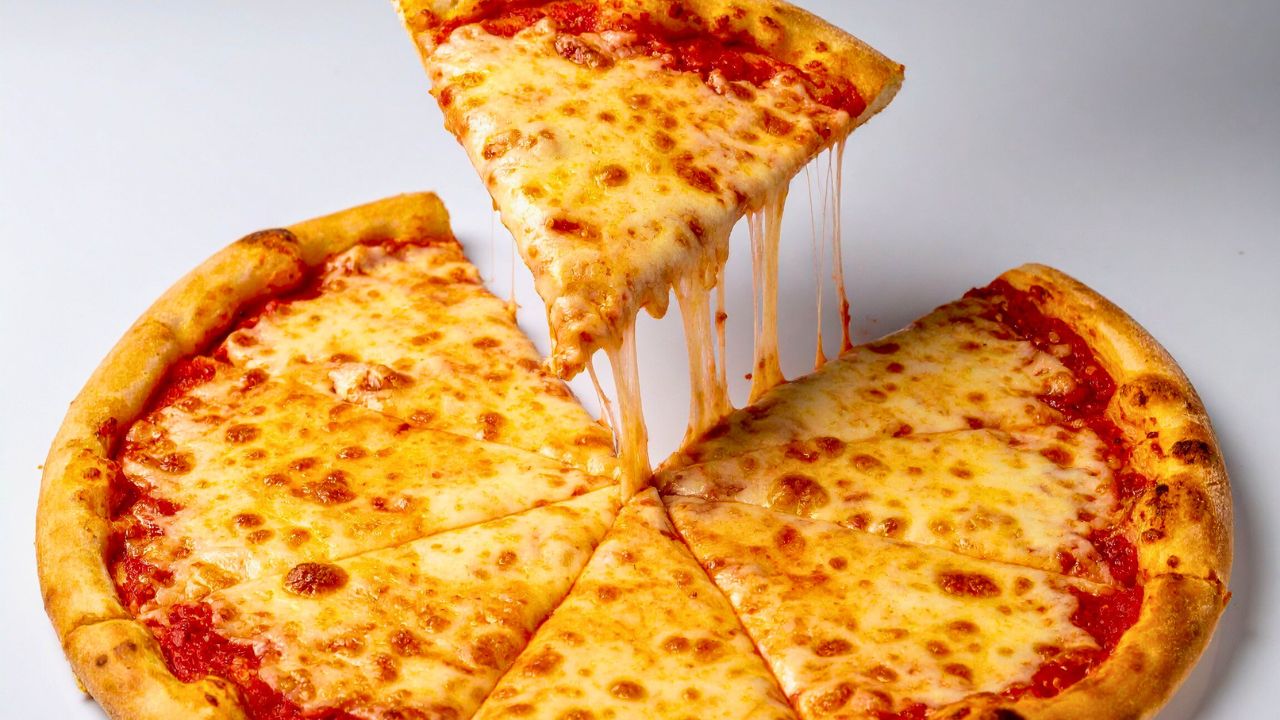
The tale centers on a good-hearted aunt who was spending the day with her 12-year-old nephew. She paints a rather grim picture of his eating habits: his pizza must be plain cheese, his burgers come with zero toppings, and he guzzles between three and five sodas daily while flatly rejecting any fruits or vegetables. She notes that he hasn’t so much as tasted an apple, and none of this stems from any food allergies.
While they were out together, they went looking for somewhere to grab a meal. Their initial pick, a ramen restaurant, turned out to be closed, so they wandered into a Vietnamese place right next door. The second he glanced at the menu, the boy announced, “I am not going to be able to eat anything here.”
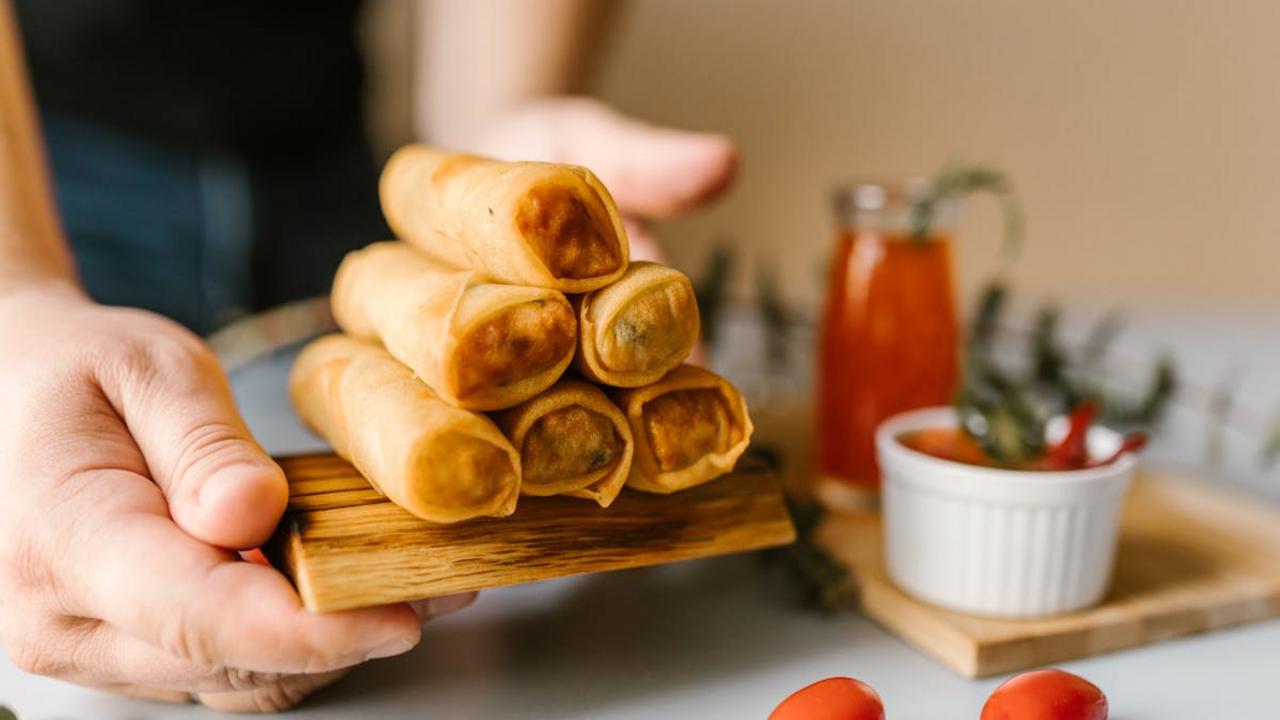
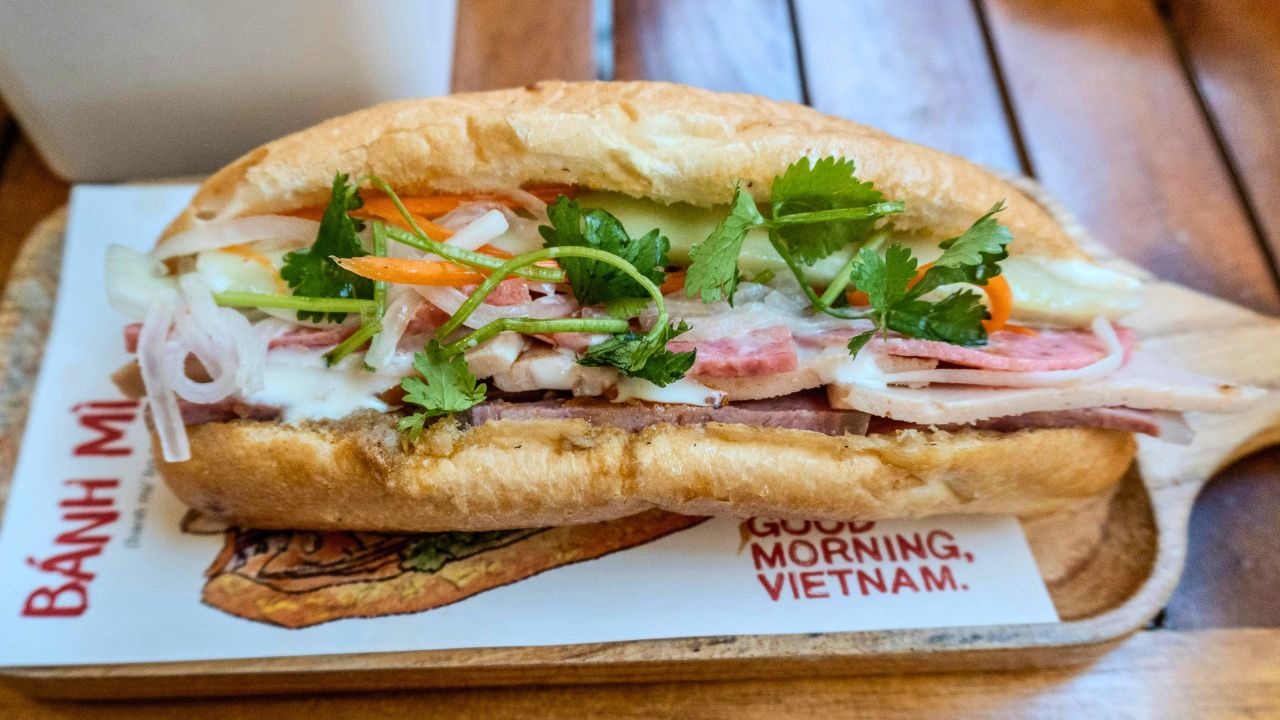
In an effort to help, his aunt pointed out some straightforward noodle and rice options, but he rejected every suggestion. She decided to go ahead and order a spread of dishes for sharing—pork and shrimp noodles, a chicken sandwich, and spring rolls. Once the food landed on the table, she carefully offered him a piece of shrimp. “No, I’ve never tried it,” he said. He gave the exact same answer when she offered the pork and the spring rolls.
The aunt openly admitted her frustration. “I was pretty upset that he would not even take a bite,” she wrote. “He automatically disqualifies anything new.” She noted that this pattern extends well beyond meals; he similarly refuses roller coasters and steers clear of sports. Her well-intentioned effort to broaden his world had reached a complete dead end, and she was left questioning whether she had been wrong to push him.
The Internet Reacts
The internet, predictably, had no shortage of opinions, and the responses were sharply split. Commenters rapidly sorted themselves into several distinct groups.
The “Absolutely Not” Crowd
A large number of readers were horrified on the nephew’s behalf, insisting that pressuring a child to eat is a guaranteed path to problems. They offered deeply personal accounts of how that kind of force created lasting damage. One commenter shared, “Some of the more traumatic memories I have were being forced to eat or try things I was not comfortable with. The more you force the more the individual develops an aversion to things.”
Another adult who had once been a selective eater themselves chimed in, “I STILL have disordered eating and food aversion issues because of how hard my mother tried to ‘break me out of it’.” The overwhelming sentiment from this group was unmistakable: the aunt’s pressure, regardless of her good intentions, risked doing real damage. As one person stated flatly, “He has parents. If you have concerns, talk to them.”
The “Devil’s Advocate”
This contingent of commenters proposed that something deeper might be at play beneath the surface. They highlighted that such extreme selectiveness could indicate a sensory processing issue or possibly a condition on the autism spectrum. “Let up on your efforts and make things available, not pressure him to try things,” one individual recommended.
Others zeroed in on the broader health picture, though not in the direction the aunt had anticipated. The true problem, they contended, wasn’t the kid’s refusal to eat pho or spring rolls—it was the alarming sugar consumption. “I think you should be less worried about him being a picky eater and more about how he drinks 3-5 sodas a day and doesn’t eat fruits or vegetables,” read one of the highest-rated comments.
The “Sympathetic But…” Crowd
Lastly, a smaller faction expressed understanding toward the aunt’s exasperation. They believed that by age 12, a child ought to be willing to at least sample something unfamiliar. One commenter, who described themselves as a picky eater, said, “I wish I wasn’t. It’s hard, but not impossible to get picky eaters to try new things… 12 is old enough to push him.”
A different reader concurred, directing the blame entirely at the parents. “Your sibling is messing up your nephew’s diet… At this point the kid is just being difficult and the parents are encouraging it.” These commenters felt the aunt had every reason to worry about her nephew’s health and long-term well-being.
The Etiquette Verdict
Though the aunt undoubtedly had good intentions, her approach missed the mark. Food is an intensely personal matter, and pressuring anyone—particularly a child—to consume something that makes them uncomfortable represents a significant boundary violation. Such pressure can generate anxiety around eating and erode the trust between a young person and a caregiver.
The fundamental principle here is to model good behavior and present options without ever imposing them. The duty of managing this child’s nutrition and wellness belongs to his parents. The aunt’s proper role is that of a caring, supportive presence—not an enforcer overseeing his palate. A private, respectful discussion with his parents would have been a much more fitting response than a showdown over the dinner table.
Your Thoughts
Where do you stand on this? Was the aunt justified in her concern and attempt to step in, or did she completely cross the line?