I Saved My MIL’s Pricey Restaurant Leftovers From Going in the Trash, Then She Accused Me of Stealing Her Food
We’re all familiar with the unspoken expectations that come with staying in someone else’s home. You clean up after yourself, you honor their boundaries, and you definitely don’t raid the fridge without permission. It’s basic decency—the kind of thing most of us learned as children.
Yet one man’s recent online post demonstrates just how murky those straightforward guidelines can become when family dynamics enter the picture. He wound up in a painfully uncomfortable standoff with his mother-in-law over a box of leftover food, and it has sparked a heated debate about a crucial question: at what point are someone else’s leftovers up for grabs?
The Incident
The tale starts with a young married couple navigating a temporary but fairly typical living arrangement. As they waited for construction on their new house to wrap up, they moved in with the wife’s mother for a few months. The son-in-law, eager to pull his weight as a houseguest, frequently volunteered to handle the dishes and kitchen cleanup.
It was while performing these tasks that he started noticing a recurring pattern: his mother-in-law would routinely box up leftovers after meals but never actually get around to eating them. He was invariably the one who ended up tossing the rotting food into the garbage.
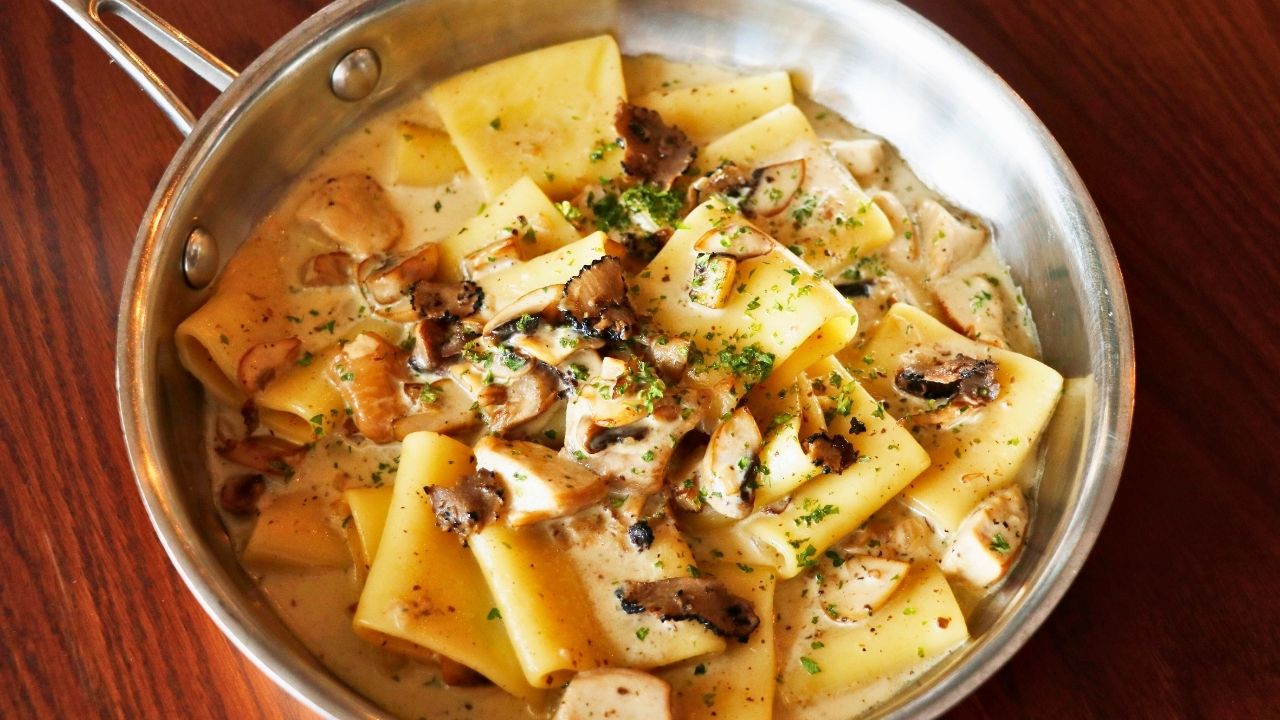
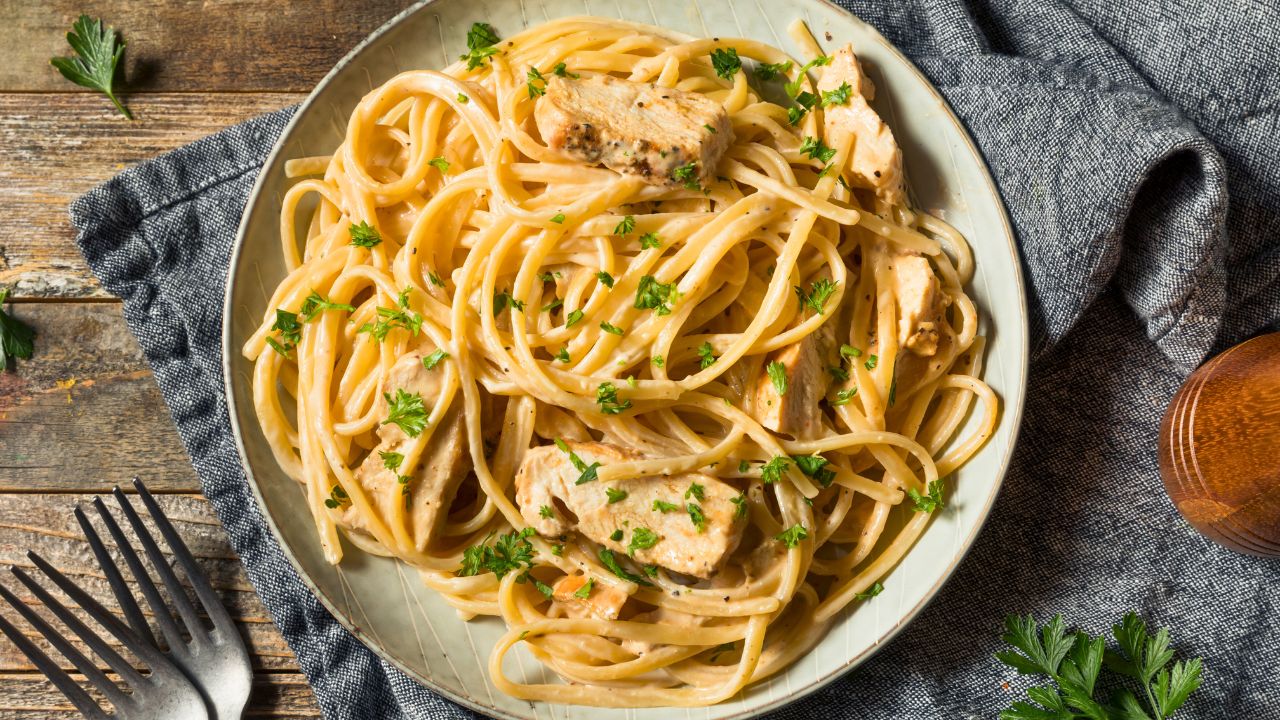
As a gesture of gratitude for her generosity in letting them stay, he took the whole family out to an upscale restaurant where each entrée ran about seventy dollars or more. His mother-in-law chose a pasta dish, took only a handful of bites, and then requested a to-go box. That box proceeded to sit undisturbed in the fridge for a full five days.
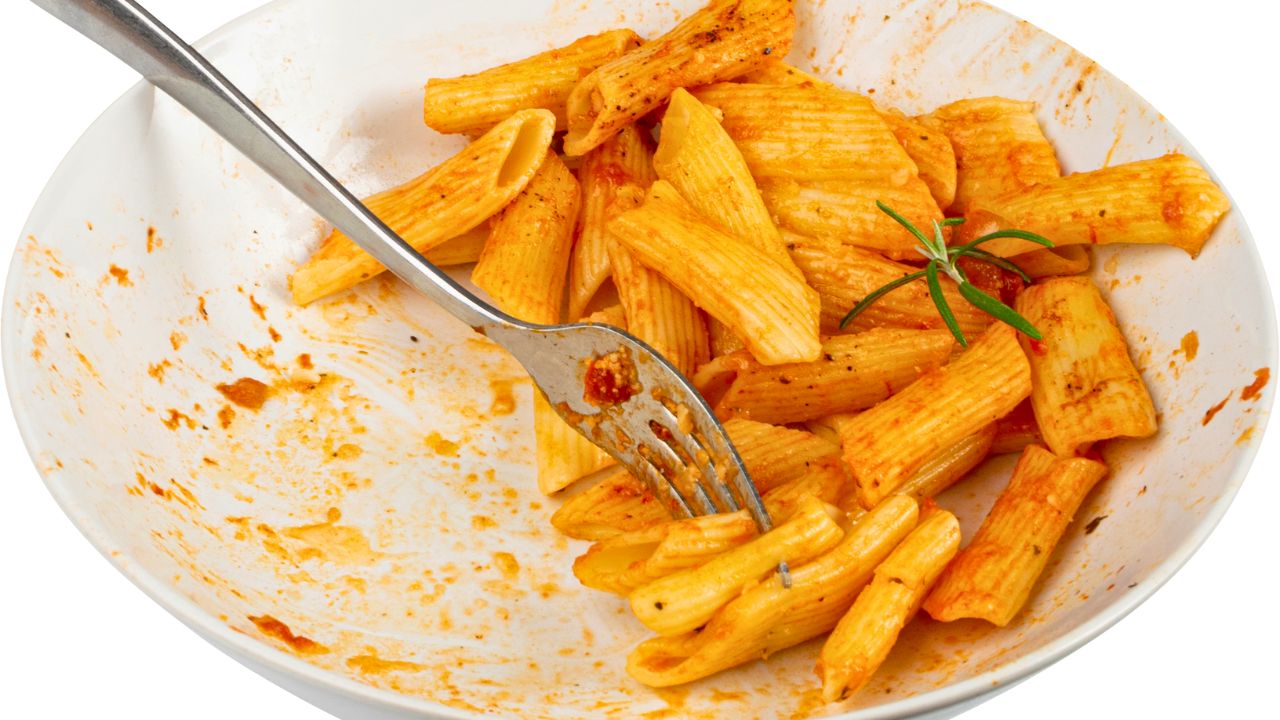
Watching the pricey meal inch closer to spoiling, and fully aware of his mother-in-law’s established pattern, the son-in-law went ahead and ate the pasta for his lunch. From his perspective, he was simply saving good food from the trash. But when his mother-in-law returned home from work that day, she was livid.
When he confessed to having eaten it, she reprimanded him sharply, saying, “Well that wasn’t your food to eat.” He was genuinely bewildered. Given that five days had passed—and considering her well-documented habit—he believed he had made the reasonable choice.
The Internet Reacts
Once he posted the story online, the responses came flooding in, and commenters quickly sorted themselves into distinct factions.
First up was the “Absolutely Not” crowd, which rallied squarely behind the son-in-law. They considered the mother-in-law’s reaction completely over the top. One commenter made the point bluntly: “After 5 days?!? There was no way she was eating that.”
Someone else chimed in, highlighting her well-established behavior: “5 days is long enough and with her history of never eating them I’d do the same.” Numerous others noted that pasta sitting in a refrigerator for five days is dubious at best when it comes to food safety.
Next came the “Devil’s Advocate” camp, which maintained that the son-in-law had violated a core principle of good manners. These commenters argued that regardless of the situation, you should always ask first. As one person eloquently observed, “Manners were invented to keep us from clubbing each other over petty issues that drive us crazy.”
Another stressed that his role as a guest was the decisive factor: “You’re a guest in her home… and so you should be asking before eating something of hers.” In their view, the fact that he had footed the bill for dinner was beside the point—it was a gift, and it became hers to handle however she saw fit.
Lastly, a handful of perceptive readers proposed that the pasta was merely a symptom of something larger. One commenter theorized that deeper frustrations might be simmering beneath the surface. “It makes me wonder if she’s frustrated about something else related to yall living with her for a bit,” they wrote, “and she is failing to grasp or communicate that and so snapped on the first thing she felt in the right about.”
This observation clearly struck a chord with many, who concurred that such an intense blowup over aging leftovers almost certainly pointed to a bigger underlying issue.
The Etiquette Verdict
Let’s face it—this situation is genuinely complicated. While it is undeniably more courteous to ask before helping yourself to something that isn’t yours, the mother-in-law’s behavior in this scenario is truly puzzling. Flying into a rage over five-day-old leftovers that, by every indication, were headed straight for the garbage strikes most people as remarkably petty.
Food exists to be consumed, not stockpiled in the depths of a refrigerator until it goes bad. Although the son-in-law could have fired off a quick text message just to cover his bases, the mother-in-law’s outburst was uncharitable and, quite honestly, wasteful. This clash seems to be less about a container of pasta and more about the pressures of cohabitation. A brief, honest conversation could have averted this entire ridiculous episode.
Your Thoughts
Where do you stand on this? Was the mother-in-law justified in protecting her leftovers, or was the son-in-law just being sensible by rescuing food from the trash?