I Caught My Coworker Faking A Severe Allergy And Refused To Stop Eating My Favorite Lunch
Have you ever tiptoed around someone else’s delicate sensibilities, only to discover you were being completely taken advantage of? There is a special kind of betrayal in bending over backward to accommodate a colleague’s needs, only to find out they manipulated your goodwill for their own convenience.
We all want to be considerate office mates, especially when it comes to health and safety. But one frustrated professional recently found herself in a deeply uncomfortable standoff after discovering her coworker’s life-threatening food allergy was nothing more than a theatrical performance.
The Incident
The drama centers around a workplace where one woman claimed to have a severe, life-threatening allergy to onions. She insisted her condition was so sensitive that no one could even bring the vegetable into the office without putting her at immediate risk.
Being a decent and empathetic team player, our author completely gave up her favorite lunch ingredient to keep her colleague safe. The facade crumbled, however, during a chance encounter at a local restaurant.
The author happened to be dining at the same establishment and overheard her coworker chatting up a date. The coworker gleefully admitted that she only tells people she is allergic because she hates the smell and taste.
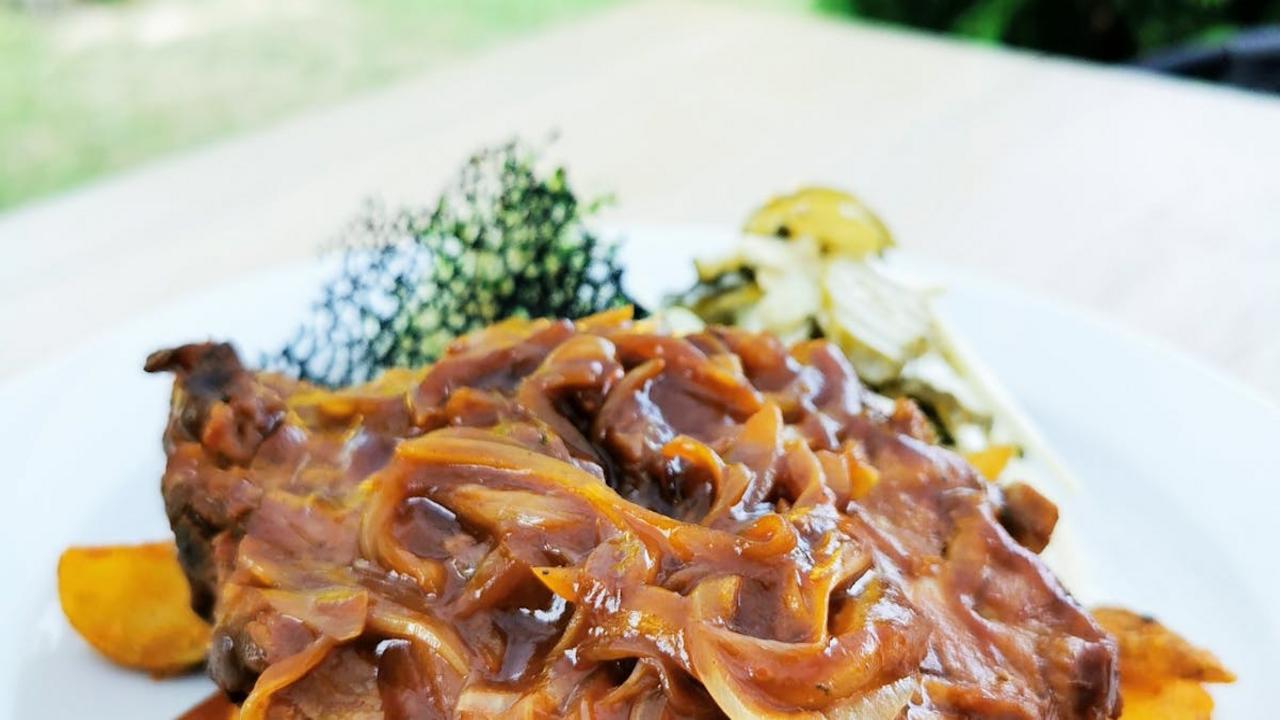
Feeling understandably deceived, the author decided to reintroduce onions into her work lunches. She still maintained excellent office manners, making sure to eat with her door shut and microwaving her meals on an entirely different floor.
Despite these incredibly generous accommodations, the lying coworker marched up and demanded she stop eating onions. The author stood her ground, stating she knew the allergy was completely made up.

“I told her… I was willing to make reasonable accommodations for her preference, but I was no longer going to entirely eschew a food I enjoy for her sake,” she explained. Astonishingly, the coworker threw a tantrum and called her disrespectful.
The Internet Reacts
The court of public opinion was swift and unforgiving. Readers quickly separated into three distinct camps, though almost no one had sympathy for the lying coworker.
The first camp was absolutely livid on the author’s behalf, especially those who suffer from genuine medical conditions. They pointed out that faking an illness is the ultimate form of disrespect to those who carry EpiPens daily.
One user scoffed, “Imagine lecturing a coworker about disrespect after lying to all of them about a medical condition.” Another frustrated reader added, “People like this are the reason people don’t believe real allergies are serious.”
The second camp played a cautious devil’s advocate, looking at the corporate reality of the situation. While they did not defend the liar, they warned the author to protect herself from potential HR fallout.
They noted that a colleague manipulative enough to fake a deadly allergy is absolutely capable of twisting the narrative to management. One user warned, “She sounds like someone who will file a complaint against you.”

Finally, the petty revenge crowd arrived with some truly devious suggestions. They felt the author was already being entirely too nice by eating her lunch on a different floor.
One mischievous commenter suggested, “Microwave a plate of tuna mixed with onions.” Another chimed in with a highly targeted strategy, saying, “Reheating French onion soup I think would work better.” A particularly fed-up reader declared, “She’s just as full of sh.t as my toilet is after I had chips with store bought salsa.”
The Etiquette Verdict
Faking a medical condition to control the behavior of those around you is not just poor etiquette; it is deeply manipulative and incredibly selfish. When we lie about severe allergies, we put people with actual, life-threatening conditions in very real danger because it breeds skepticism in restaurants and workplaces.
The golden rule of shared spaces is mutual respect. It is perfectly fine to politely ask coworkers to be mindful of strong odors in a small office. However, demanding a blanket ban on a common food item based on a complete fabrication crosses the line from a simple preference to outright tyranny.
Your Thoughts
Now, I want to hear from you. Was the author completely justified in bringing her favorite lunch back to the office, or should she have kept the peace and left the onions at home?