My Family Called Me a Bridezilla After They Read the Drink Rules Card in My Wedding Invitation
The Incident
Posting her story online, a young woman shared that she and her fiancé were in the process of mailing out their wedding invitations. Because she hails from what she characterized as an “alcoholic heavy family,” she felt deeply uneasy about the prospect of an open bar. She simply didn’t want heavy drinking surrounding her on such an important day, which is an entirely reasonable sentiment.
The fix, recommended by her venue, was a drink ticket system. But this wasn’t your ordinary ticket arrangement. Alongside the invitation, each guest received a card laying out an extremely detailed set of guidelines. She believed this would serve as a “nice, classy heads up.”
The card specified that alcoholic beverages were capped at two per guest. On top of that, the tickets were “non-transferable,” meaning you couldn’t pass your unused ticket along to your partner or a buddy. But the restrictions didn’t end there. Beverages had to be ordered from your designated seat and, most shockingly, “were also to be enjoyed at your assigned table.” You read that correctly—absolutely no walking around with a drink in your hand.
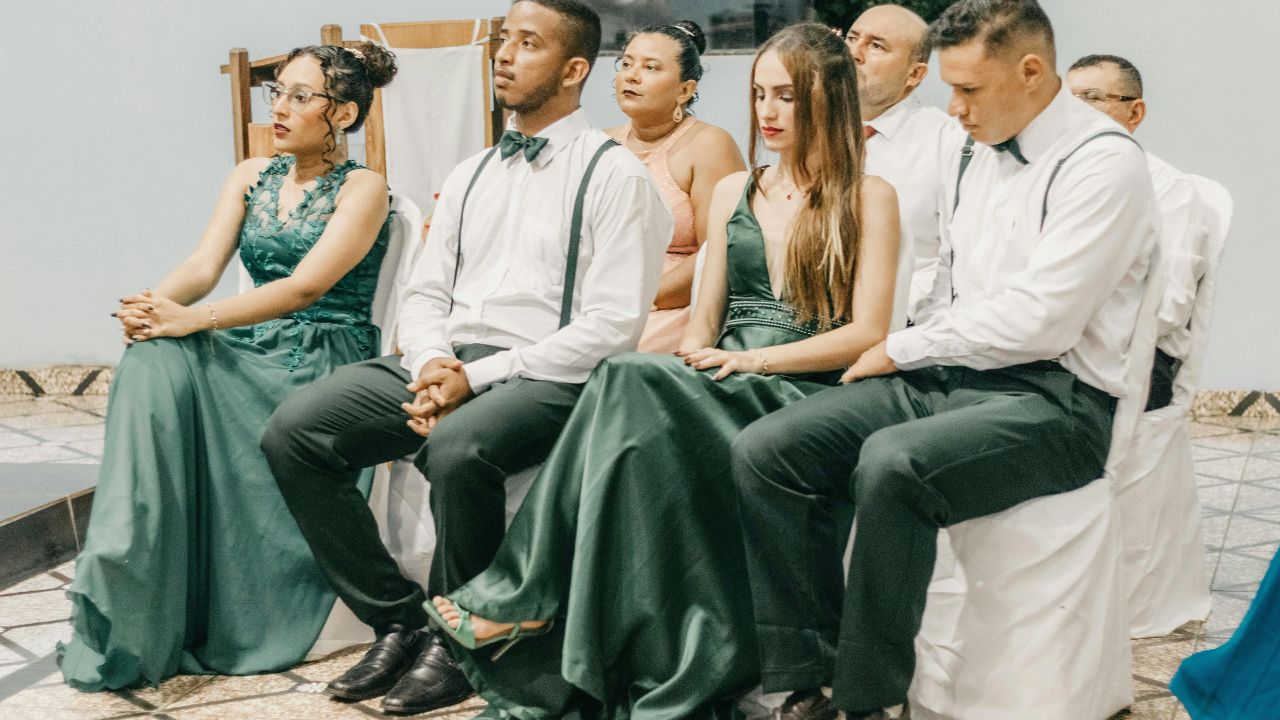
The response was immediate and overwhelmingly critical. The bride was branded a “bridezilla,” and one uncle went so far as to tell her she was a terrible person for attempting to, in his words, “spoil the fun of a wedding reception.” The fierce pushback from relatives on both sides left her shaken and second-guessing whether she had made a catastrophic error.
The Internet Reacts
When the bride sought the internet’s judgment, commenters pulled absolutely no punches. The verdict was resounding: while her motives may have been sincere, her approach was anything but gracious.
Camp 1: The “Absolutely Not” Crowd
The majority of readers were stunned by the degree of control the bride attempted to impose on her guests. They believed the rules far exceeded what’s reasonable and ventured into territory where adults were being handled like misbehaving toddlers.
One of the highest-rated comments captured the sentiment flawlessly: “Your ticket plan went from moderately novel to aggressively controlling the more you explained it. Are you going to have security tackle Aunt Joan if she gets out of her chair with a glass of chard in her hand?”
Someone else was just as direct, writing, “Your wedding sounds like an unenjoyable event to attend with so many restrictions for your ‘guests’ being treated like school children.”
Camp 2: The “Devil’s Advocate”
A handful of people attempted to empathize with the bride’s perspective, acknowledging that skipping an open bar is completely acceptable. The issue, they contended, wasn’t limiting the number of drinks but rather the patronizing regulations attached to them.
As one commenter perceptively observed, “The ticket system is reasonable. It controls costs and keeps drinking down a bit. All the other is over the top.” Numerous others proposed that if alcohol truly made her that uncomfortable, hosting a completely dry wedding would have been a more straightforward and honest choice. “Just have a dry wedding if you’re so uncomfortable around alcohol,” one person counseled.
Camp 3: The “Petty Revenge” Crowd
This faction highlighted that her rigid regulations would almost certainly produce the exact opposite result. Guests determined to drink will invariably find a workaround, and her plan would only motivate them to do it covertly.
One user foresaw the inevitable: “The true alcoholic, knowing this is the situation might well bring a flask and have two bottles out in the car.” Another jumped in, adding, “I’m not an alcoholic and I would buy a flask with something strong just for this.” The prevailing sentiment was that attempting to micromanage fully grown adults is a losing battle that typically results in worse conduct, not improved behavior.
The Etiquette Verdict
Dear reader, let’s speak candidly. This bride’s intentions were almost certainly well-meaning. She wanted to sidestep family conflict and guarantee her wedding day would be serene and memorable for all the right reasons. Nobody can criticize her for wanting that. But a wedding reception is a joyous celebration, not a supervised lockdown.
When you ask people to share in your happiness, you also need to grant them your trust. Approaching your guests with suspicion and essentially tethering them to their chairs with an exhaustive rulebook is the antithesis of gracious hosting. The fundamental principle of being a good host is making your guests feel at ease and appreciated. These rules, unfortunately, were crafted to ensure only the bride’s comfort, at the expense of everyone else’s enjoyment.

What Do You Think?
Did this bride’s restrictions cross the boundary from prudent to overbearing, or were her guests blowing a perfectly reasonable request out of proportion?