I Refused To Subsidize My Family’s Alcohol And Kids’ Meals At Nan’s Birthday Dinner
Few things generate more awkwardness than the arrival of a check at a big group dinner. There’s an unwritten code everyone is expected to follow: keep things equitable, be thoughtful, and never assume others should foot the bill for your extravagances. It comes down to basic courtesy.
Yet, a woman recently recounted an experience at a family dinner that demonstrates this basic decency isn’t always universally practiced. What was supposed to be a joyful birthday gathering honoring her grandmother rapidly spiraled into an ugly dispute about money, leaving her shocked and cast aside simply because she wanted to pay only what she owed.
A Birthday Dinner Turns Bitter
The setting was a family get-together celebrating “Nan’s” birthday, attended by several branches of the family. The woman telling the story, who is 30, had pre-selected a humble two-course meal along with a non-alcoholic drink. Based on her math, her share — even factoring in a modest chip-in toward her Nan’s dinner — should have come to roughly $25.
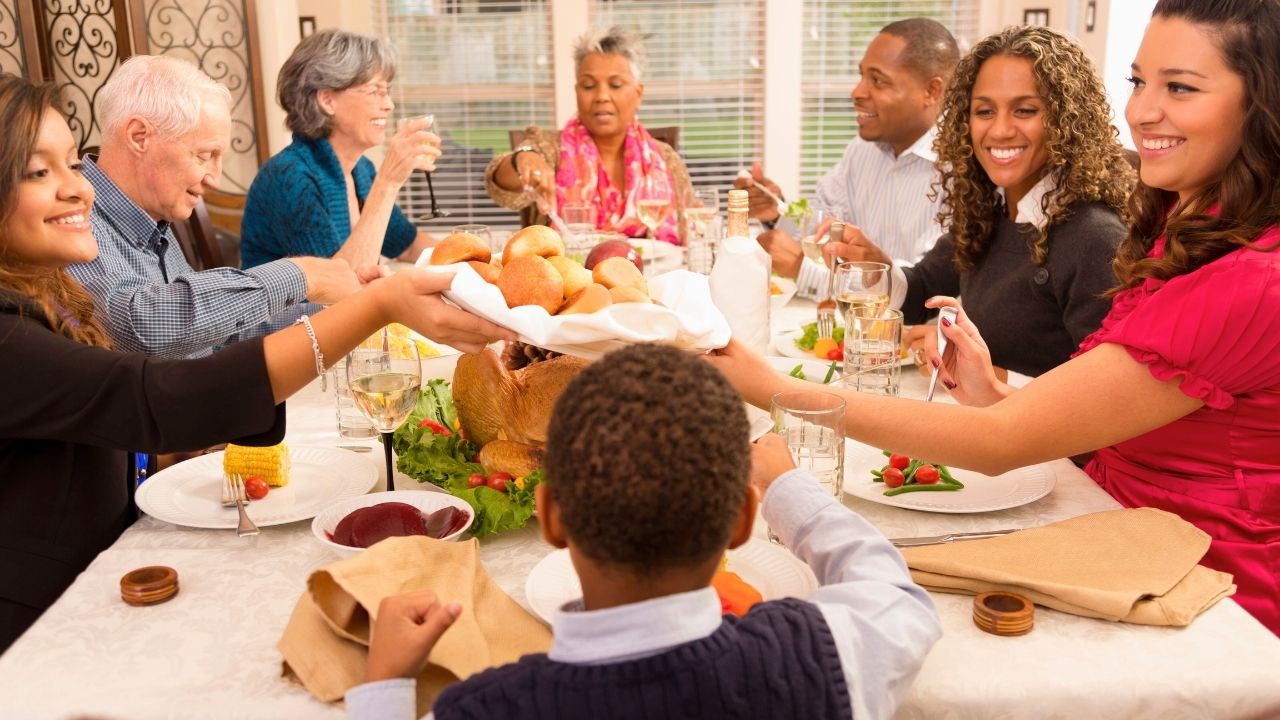
Meanwhile, virtually every other grown-up at the table indulged in three courses, several rounds of alcoholic beverages, and a hot drink to cap things off. Once the check landed, her cousin declared that each adult’s share was $50. That number didn’t just account for the pricier food and drinks others had consumed — it was also designed to cover the meals of the school-age children who were there.
The moment she respectfully noted that her actual bill was half that amount, all hell broke loose. Her brother-in-law started shouting, and one aunt yelled, “She’s not MY granddaughter, so why do I have to pay for her?!” Yet another aunt got in her face, insisting, “Why can’t you just muck in like everybody else?!”
When she made it clear that paying double simply wasn’t within her budget, she received a jaw-dropping threat: “What do we do, not invite you to future events?!”

As it turned out, the family had quietly abandoned their longtime practice of each household covering its own costs in favor of an even-split approach — a change that somehow always resulted in her subsidizing everybody else’s choices.
The Internet Reacts
Once she posted her story online, thousands of people chimed in, and the conversation was heated. Responses generally fell into three clear camps, all of which backed the woman who had been treated so unfairly.
The first was the “Absolutely Not” contingent, who were livid on her behalf. They found the family’s behavior utterly brazen. One commenter captured the sentiment perfectly: “The ‘let’s just split the bill’ people are always the ones with the big tab.”
Someone else was astounded by the expectation that she should help cover kids’ meals, writing, “Why on earth would someone expect for you to pitch in for their kids’ meals?! Their kids, they pay.” The overwhelming agreement was unmistakable: this had nothing to do with “mucking in” and everything to do with financially exploiting a relative.
The second camp consisted of the “Practical Planners.” While they fully agreed the family was in the wrong, their energy was directed toward helping her avoid this kind of disaster going forward. Their guidance was clear and pragmatic. “In future, make a waiter aware that you would like your own bill where possibly,” one recommended.
Another offered sage counsel: “If you are invited to another family meal, discuss payment options ahead of time.” These commenters were convinced that a bit of foresight could spare a whole lot of family conflict.
Last but not least came the “Petty Revenge” faction, who served up some delightfully spicy — if mischievous — ideas. One crowd favorite involved flipping the script on the family entirely. “Save up a bit and set it aside for the next large family meal,” one person wrote, “then order the most expensive thing possible, and when the bill comes around, let them split it evenly and see how they feel about it then.”
Another commenter supplied a razor-sharp comeback for the next time anyone threatens to exclude her: “When they said ‘we shouldn’t invite you to future family events,’ you should have said ‘do you promise?'”
The Etiquette Verdict
Let’s not mince words: this woman’s relatives acted shamefully. Dividing a bill equally only makes sense when everyone at the table has ordered comparably priced items. To demand that one person — who deliberately chose less expensive options — cover other people’s cocktails, desserts, and above all their children’s meals is spectacularly rude. It turns what should be an expression of family unity into a form of financial coercion.
The fundamental principle of group dining is fairness. Each person pays for what they ordered. Any departure from that standard — whether it’s splitting the check evenly or treating someone — needs to be unanimously agreed upon before anyone picks up a menu. Generosity is something freely given, not something extracted under pressure, and it should absolutely never be demanded — least of all by your own family.

Your Take
Where do you land on this? Should she have just coughed up the extra cash to maintain harmony at a family celebration, or was she entirely justified in holding firm against her family’s unreasonable expectations?