A Waitress Saved A Choking Customer’s Life, Then His Table Left Her A $6 Tip
We all love the simple magic of dining out. There’s a special comfort in sitting down to a beautifully prepared meal, forgetting for a moment the whirlwind of activity required to make it happen. But behind those swinging kitchen doors, the staff navigates a reality far more intense than we could ever imagine.
Recently, a restaurant worker took to the internet to share a story about the ultimate disruption, giving us a shocking peek behind the curtain at the crises that can unfold between the appetizer and the main course.
The Kitchen Nightmare
The story began with a question that stopped everyone in their tracks: “Ever have a person die at your restaurant?” The original poster then shared a brief, tragic account. “About 3 years ago, a person choked on a steak and died in our bathroom,” they wrote. It was a simple, awful event that was no fault of the restaurant.
Imagine the scene: a bustling dining room, the clatter of silverware, the hum of happy conversation. A gentleman is enjoying a steak dinner, but takes too large of a bite. In a moment of panic and perhaps embarrassment, he rushes to the restroom. For the staff, a normal dinner service instantly transformed into a life-or-death emergency. By the time he was found, it was too late. This is the nightmare scenario that haunts every person in the hospitality industry—the moment their workplace becomes the scene of a tragedy they are powerless to prevent.
The Boiling Point
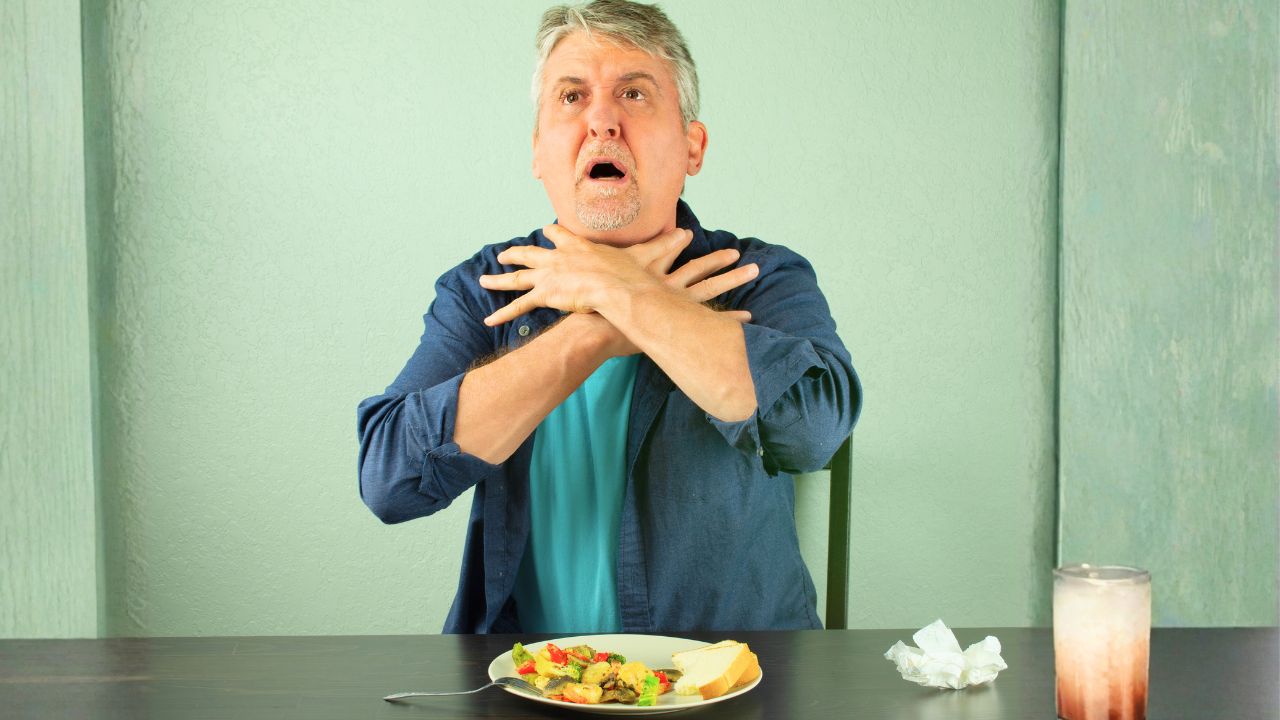
What happens after the unthinkable occurs? For the staff, the emotional toll is immense, and it’s often made worse by the shocking behavior of others. The online discussion quickly filled with stories that would make anyone’s blood boil. One woman shared that her daughter, a waitress, performed the Heimlich maneuver on a choking customer, saving his life. The party of six finished their dinner and left her a paltry $6.00 tip.
In another heartbreaking account, a man having a Valentine’s Day dinner with his daughter suffered a fatal heart attack. As his daughter wept and paramedics tried to save him, patrons at nearby tables were “pi..ed they had to get up and get out of the way of the gurney, b-tching and complaining.”
Perhaps most chillingly, one employee described how ownership reacted when a regular customer passed away in the bar. The owner screamed at a manager that he “‘didn’t care if the whole… world is sad, we aren’t closing.’” These moments reveal the incredible pressure on staff to suppress their own shock and grief and carry on, no matter what.
The Internet Reacts
The flood of responses showed just how many people have witnessed these hidden dramas. The commenters quickly formed a few distinct camps.
First were the Industry Veterans, who shared their own harrowing experiences with a sense of weary solidarity. One chef at a retirement facility wryly noted that for him, the question was “a little unfair.” Another employee recounted watching a man die, only to have to clean up, reset the tables, and greet the next group of diners with a smile. “To just go back to putting a smile on our faces after we watched someone die was strange,” they admitted.
Next were the Appalled Onlookers, regular people who were horrified by the lack of compassion shown in some stories. Responding to the waitress who received a $6 tip for saving a man’s life, one person joked darkly, “They must have not liked their dinner companion.” Another, hearing about the diners complaining during the Valentine’s Day tragedy, was simply furious at their selfishness.

Finally, there were the Helpful Samaritans, who shared crucial, life-saving advice. The most popular comment came from someone who recalled their CPR instructor’s words: if you see someone rush to the bathroom, silent and unable to cough, follow them. They are likely choking and too embarrassed to ask for help. In a heartening contrast to the bad tip story, a bartender shared how he saved a choking man and was gratefully tipped $120.
The Etiquette Verdict
There is an unspoken agreement when we dine out, and it extends far beyond how to hold a fork. It’s a contract of basic human decency. A restaurant is not just a business; it’s a community space where people gather. When a medical emergency occurs, the rules of customer service are suspended, and the rules of humanity must take over.
Patience, empathy, and grace are required from everyone. To complain about an interrupted meal while someone is fighting for their life nearby is a profound failure of character. We must remember that behind every apron and every order pad is a person, and they deserve our respect and compassion, especially when they are forced to face the worst moments of life at work.

Your Thoughts
When a tragedy occurs in a public place, what is the proper response? Should a restaurant close immediately out of respect for the victim and the staff, or is it reasonable for the business to carry on as discreetly as possible?