Half of Guests Walked Out of Wedding Before Cake After Finding Out Reception Was ‘Dry’
We can all agree on certain fundamental principles of etiquette. Chief among them is that when you’re invited to someone’s celebration—especially a wedding—your job is to be present for their happiness. You’re there to honor a life-changing moment, not to judge the menu or the bar selection.
That said, a recently married man posted his experience online and proved that not everyone shares this philosophy, igniting a heated debate about who truly deserved the blame when his reception emptied out before the night was over.
The Incident
A young groom, just back from his honeymoon, laid out the messy details. His wife’s family, who follow a faith that prohibits alcohol, had graciously volunteered to cover the full cost of the wedding. Their sole stipulation: the event must be completely “dry,” meaning no alcoholic drinks whatsoever. The couple happily accepted, viewing it as their ticket to a stunning ceremony, a three-week honeymoon across Europe, and enough left over for a house down payment.
They chose not to disclose the absence of alcohol on the invitations, figuring it wasn’t an essential piece of information. That turned out to be a costly miscalculation. Right as the newlyweds were preparing for their big entrance into the reception, they noticed a coworker and her husband walking toward the door.
When the groom inquired about their departure, the husband was brutally direct. He flatly told them they were “heading out, kinda in bad taste not to mention a wedding is dry on the invite.”

That was only the tip of the iceberg. The groom revealed that “more than half the wedding was gone before cake,” as numerous other attendees voiced similar frustrations on their way out. The aftermath was swift and ugly. His new father-in-law turned on him, insisting that his friends and relatives were a poor reflection of his character.
That pushed the groom over the edge. He fired back at his father-in-law’s religious restrictions, swearing he would never bend to them again. Compounding the damage, once he was back at the office, he cut ties with the coworkers who had voiced their complaints.
The Internet Reacts
Once the groom put the question to the internet, opinions split sharply down the middle. Clearly this scenario struck a deep chord, and everybody had a passionate opinion about who bore responsibility for this wedding catastrophe. Commenters rapidly sorted themselves into several clear factions.
First up was the “Absolutely Not” Crowd, who were outraged on behalf of the groom. These readers considered the guests’ actions to be breathtakingly impolite. Their argument was simple: a wedding exists to honor the couple’s union, not to serve as an open-bar party. One person expressed it this way: “You go to a wedding to celebrate the marriage of the bride and groom. If you don’t like the way they celebrate, then that’s fine, but you keep your opinions to yourself.”
Someone else weighed in, noting she had been brought up knowing proper guest behavior and would “sure as heck” not gripe about what was offered at an event to which she’d been invited.
Next came the “Devil’s Advocate” camp, who maintained the groom had essentially engineered his own disaster. Their position was that failing to mention the dry wedding amounted to deliberate deception. Guests plan around weddings—booking cabs, reserving hotel rooms—under the reasonable assumption that celebratory cocktails will be flowing.
One commenter captured this sentiment precisely: “I’d be PI..ED if I spent money on a hotel room for no reason.” In their view, the couple treated their guests like “untrustworthy adversaries” by concealing crucial details, which is hardly the foundation for good hospitality or a healthy marriage.
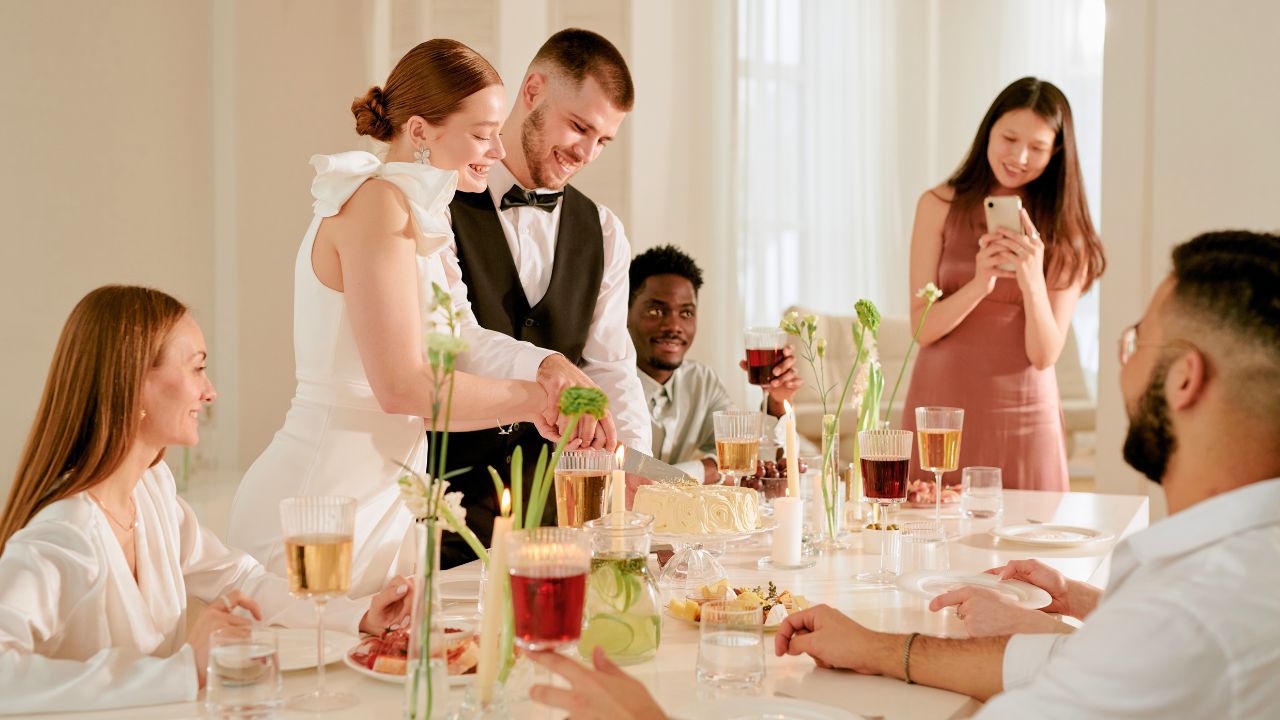
Lastly, a sizable contingent maintained that “Everyone Was Wrong.” They emphasized that the whole debacle was entirely preventable. The in-laws were at fault for imposing such strict conditions on their financial gift. The guests were at fault for walking out and making disrespectful remarks. And the groom was at fault for taking the money, agreeing to the conditions, and then directing his fury at everyone when things fell apart.
One commenter distilled it neatly, calling it a “perfect illustration of why people should pay for their own weddings,” and adding, “You want a wedding that is authentic to your values? Pay for it yourself.”
The Etiquette Verdict
What a complicated mess this turned out to be. Although the guests who caused a scene certainly lacked tact, the real blunder rests with the hosts. The cardinal rule of hospitality is treating your guests with consideration and communicating transparently. The couple struck a bargain, and one unavoidable result of that bargain was a party without alcohol.
Given that they knew this would catch their social circle off guard, they had an obligation to inform their guests ahead of time. Something as straightforward as a note on the invitation reading “Join us for dinner, mocktails, and dancing” would have properly managed expectations and averted this entire disaster.

Your Take?
This one is genuinely difficult, and there’s no shortage of fault to assign. So where do you come down? Were the guests unforgivably rude for walking out, or was the groom at fault for keeping them in the dark about what kind of celebration they were attending?