As a Vegan, My Friends Expected Me to Just Eat a Side Salad at a Steakhouse During Our Group Holiday
There are certain unwritten codes that come with true friendship, and among the most fundamental is ensuring nobody gets left out. When you organize a group activity, particularly a memorable dinner during a long-anticipated getaway, the whole point is for everyone to enjoy it equally. It goes far beyond what’s on the plate; it’s about togetherness and creating shared moments that last.
Yet, one woman recently went online to recount an experience where her friends appeared to overlook this basic principle of thoughtfulness. Her predicament ignited a compelling discussion about accommodating others and what genuine consideration really looks like.
The Incident
Picture this: you’re soaking up the sun on a gorgeous Croatian holiday with a close-knit group of seven friends. You’ve all been sharing a rental home, preparing your own food, and have agreed to splurge on just one memorable restaurant dinner during the entire trip. It’s the one event everyone has been eagerly anticipating.
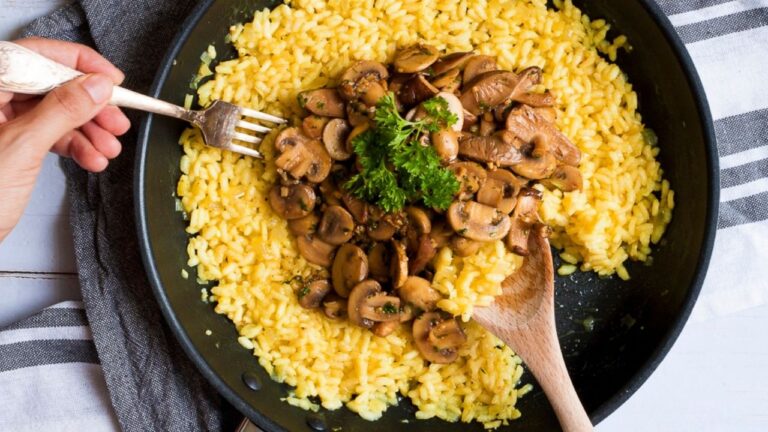
For the woman at the center of this story, that anticipation quickly turned to disappointment. She had been following a vegan lifestyle for three years—something every one of her friends knew perfectly well. When the group settled on a restaurant—a classic steakhouse—and posted the menu in their group chat, her excitement must have evaporated instantly. She pored over every option, desperately looking for something she could order.
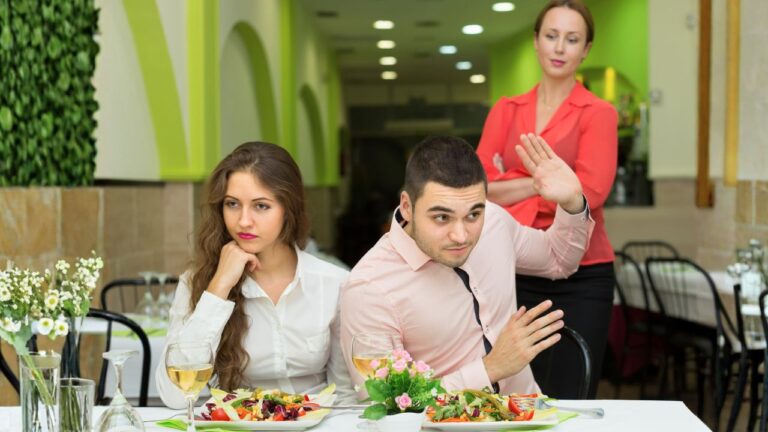
What did she find? Absolutely nothing. There wasn’t a single vegetarian entrée on the menu, much less a vegan one. The sole item compatible with her diet was a “small side salad.” Just picture that for a moment—sitting among your closest friends as they savor course after course of a lavish meal while you pick at a handful of greens. It’s downright mortifying.
She responded to the situation gracefully, letting her friends know she’d just stay behind at the house. As she put it, “I don’t want to be sat there with nothing to eat while they were eating a full menu of meats.” Even so, the hurt was hard to shake off. “Personally, I think since they are all aware of my dietary choices, it would have been fair from them to look for a restaurant that would have at least some vegetarian options,” she wrote.
It never escalated into a major argument—she later shared an update explaining that another friend advocated on her behalf, and the group ultimately changed their reservation to a more accommodating restaurant. But that initial thoughtlessness left a mark.
The Internet Reacts
Her story resonated deeply with people online, and opinions poured in almost immediately. The responses generally fell into a few clear categories.
First up was the “Absolutely Not” Crowd, who were genuinely outraged on the woman’s behalf. These respondents believed her friends had been completely thoughtless. One commenter captured the sentiment perfectly: “Personally I don’t think it is very nice or inclusive to chose a restaurant with no vegetarian or vegan options. It is a bit inconsiderate.”
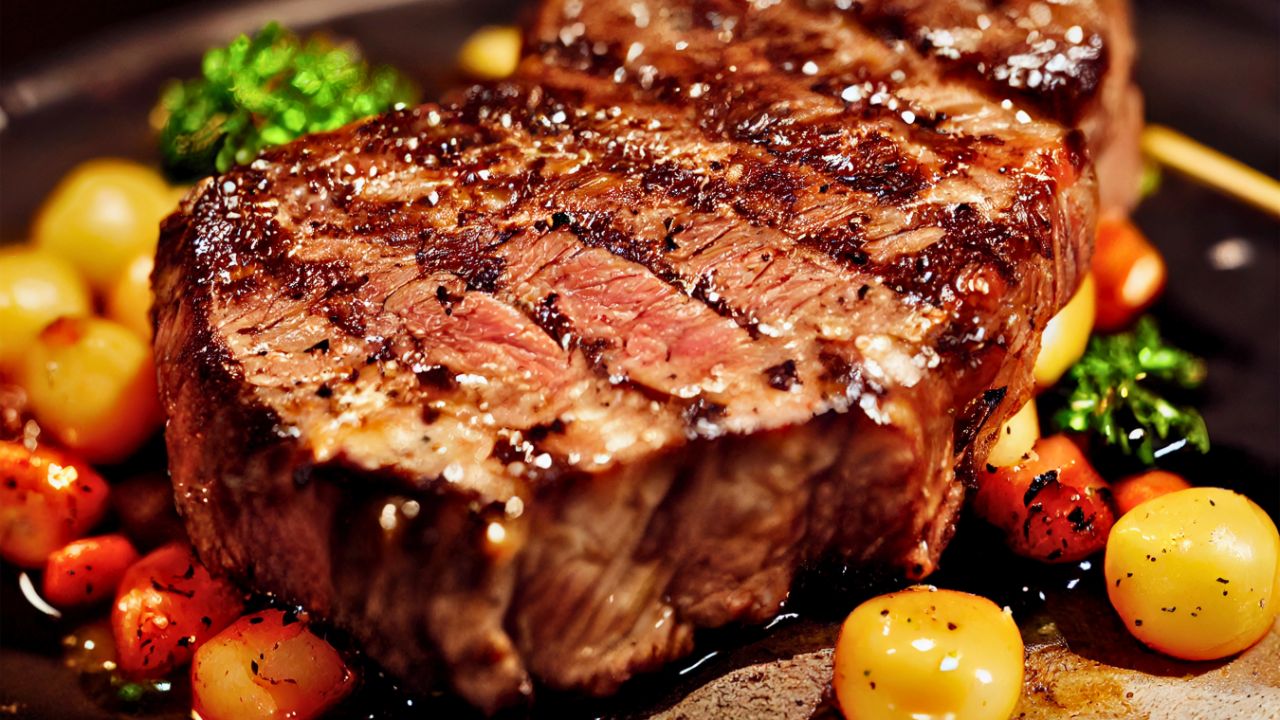
Someone else chimed in, “I am a huge lover of steak but would never expect my vegan friend to join me at a steakhouse.” For these people, it boiled down to basic decency and what friendship means; you simply don’t deliberately shut someone out of the group’s only big celebration.
Next came the “Devil’s Advocate” camp. These voices argued that the onus rested squarely on the vegan woman rather than her six companions. Their position was that the majority shouldn’t be forced to alter their plans to suit one individual’s dietary preference. One commenter was especially direct, saying she was wrong “by expecting the majority (6) to cater to you (1) because of your chosen, optional diet.”
Another echoed this view, writing, “You being a vegan is very limiting and that’s your choice, not theirs.” From their perspective, it was purely a matter of math—why should six people sacrifice an incredible steak dinner to accommodate a single person?
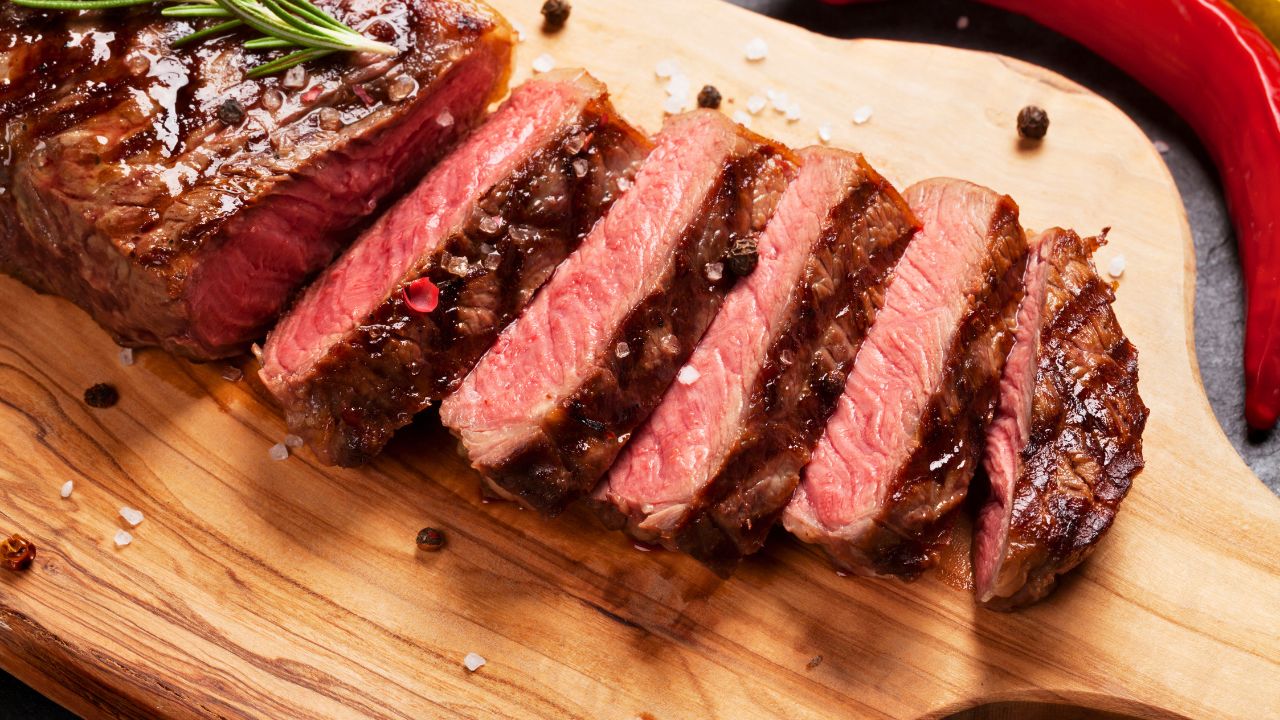
Lastly, there was the “No Drama” Crowd”. These commenters saw no bad guys in the entire situation. They believed everyone had a right to their own decisions and that the whole thing didn’t warrant any fuss. “Your friends are allowed to enjoy a steak, even if you can’t,” one person pointed out. “You’re also not obligated to join them at the steakhouse.”
Someone else suggested a pragmatic workaround that has likely crossed many of our minds: “If you feel like you don’t want to miss out you can always eat before hand and just have drinks.” In their eyes, this was a straightforward logistics problem, not an existential threat to the friendship.
The Etiquette Verdict
Although it’s great that this specific scenario ultimately had a peaceful resolution, the friends were undeniably guilty of a lapse in etiquette. Organizing a group outing, especially during a vacation, should be about crafting a joyful, communal experience. Selecting a restaurant where you know full well that one member of your group has nothing to eat is the very definition of exclusion. It communicates an unmistakable message: “This is what we want, and whether you can participate is secondary.”
Genuine friendship and proper manners demand a small measure of forethought. Nobody’s asking anyone to move mountains to cater to every individual preference, but making sure each person feels valued and included is non-negotiable. A quick five-minute search for a restaurant offering even one solid vegetarian dish would have resolved the entire issue and ensured the whole group could celebrate their single special evening together.
Your Take
So, where do you land on this? Were the friends being thoughtless by choosing a restaurant where their friend had nothing to eat, or should the vegan woman have simply gone along with the group’s decision without making waves?