Restaurant Staff Confess how They Secretly Manipulate Diners for Much Bigger Tips
It is often said that the service industry is a stage, and every shift is a performance. While diners expect friendly and attentive service, they may not realize the extent of the act required to earn a living wage. Recently, a server took to the internet to ask a provocative question: “Do you ever lie to your customers in order to secure a better tip?”
The resulting flood of confessions peels back the curtain on the subtle deceptions and carefully crafted personas that are often necessary tools of the trade, revealing that the “service with a smile” sometimes comes from a well-rehearsed script.
The Art of the White Lie
The original poster kicked off the discussion by admitting to a minor, yet effective, embellishment. “I guess lie would be a strong word, more like pretend to be someone you aren’t,” they wrote, confessing to “dropping a ‘God bless’ here and there on old people” to build a connection with their mostly older, southern clientele.
This small act of mirroring a customer’s perceived values to create a rapport is a common tactic, a way to transform a transactional exchange into a personal connection, however fleeting or fabricated it may be.
This sentiment was overwhelmingly validated by others in the industry. One commenter stated bluntly, “My entire work personality is a lie.” Another likened the job to acting, quoting a colleague who said, “Our real job is ‘actor.’ I act like I enjoy working here. I act like I’m happy to help customers. I’m a great actor.”
This idea of playing a part is a core survival skill, where staff must suppress their true feelings to project an image of unwavering cheerfulness and helpfulness, all in the hopes of a generous tip.
Masterful Manipulations for a Bigger Tip
Beyond simply adjusting one’s personality, many servers shared ingenious strategies that blur the line between service and salesmanship. One of the most common ploys is feigning inexperience. “I mean I wore my trainee badge until my manager MADE me take it off,” one person admitted. Others confessed to saying “it’s my first day!” for years, a tactic that instantly makes customers more forgiving of minor errors and often more generous with their gratuity.
Some tactics are even more elaborate. A daughter who wore a birthday hat and sash on her 21st birthday earned over $400 in tips, nearly double her usual take. This inspired suggestions for a monthly “birthday rotation” among staff.
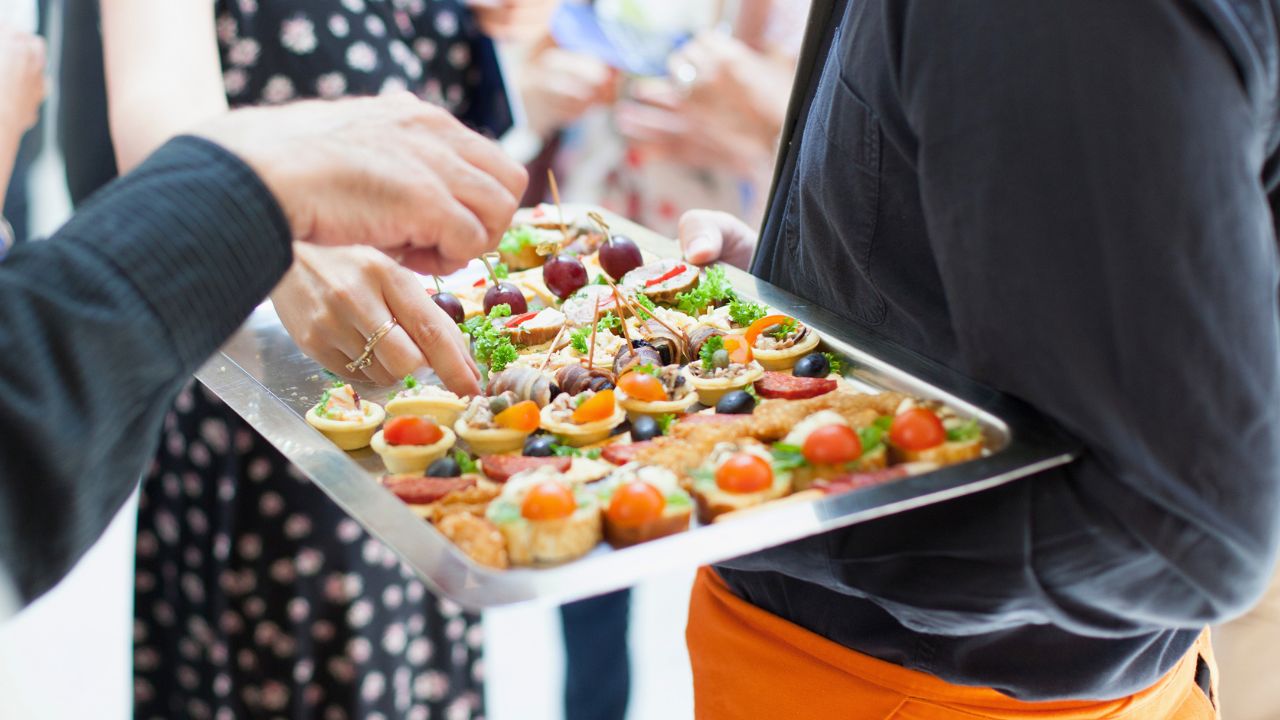
One bartender revealed a particularly clever ruse: keeping a single cigarette in a pack and telling any customer who asked to bum one, “I was saving my last one for after the shift, but you can have it.” This small, seemingly selfless act consistently led to huge tips.
Even mistakes can be spun into gold. One server shared their method for dealing with accidentally neglecting a table: “I would go up to them and say ‘is anyone taking care of you yet?’ When they say ‘no’ I would say ‘well, I don’t know who your server was supposed to be, but I’ll take care of you.’” This masterstroke transforms them from a forgetful server into a hero, often resulting in a better tip than if the service had been perfect from the start.
The Internet Reacts
The online discussion quickly revealed several schools of thought on these service industry deceptions, with professionals from all corners of the hospitality world chiming in with their own experiences and justifications.
One group could be called the “Master Salesmen.” These individuals saw no issue with recommending products they had never tried or actively disliked. One of the most popular stories came from a user who worked with a vegan woman at a steakhouse.
Despite her dietary restrictions, “she sold more high-end steaks than almost anyone there. Just lied through her teeth about it, and explained them incredibly well to guests.” Another server, who was allergic to most seafood, admitted to talking up the most expensive entrees to great effect.
Another camp was the “Identity Swap Strategists,” who used fake names to create a buffer between their work and personal lives, or to avoid consequences. One server always answered the phone as “Sylvia” with a southern drawl to avoid responsibility.
A more daring employee had a system: “If the service is good, my name is Javier. If you’re unhappy with the service, my name is [name of another server].” This tactic, when delivered with the right personality, was reportedly a hit with tables.
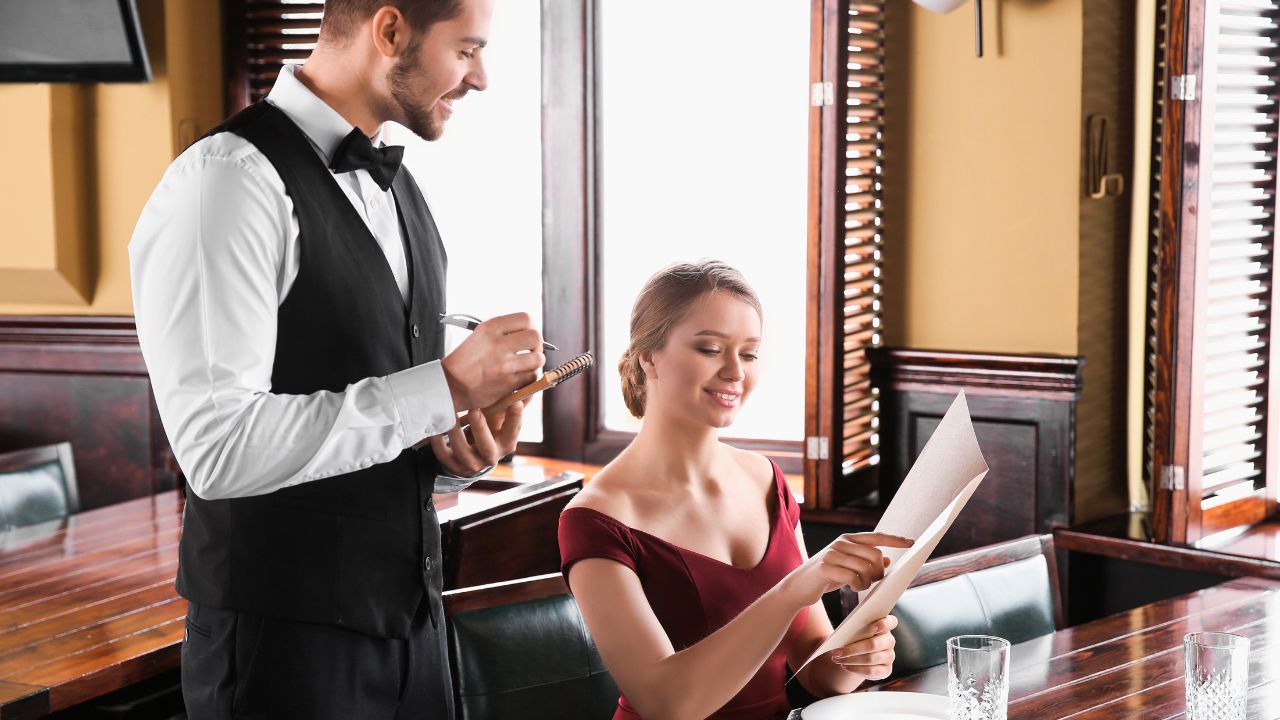
Finally, there was the “Total Fabrication Crew,” who construct entirely new lives for themselves depending on the customer. “Every word I say from punch in to punch out is a lie,” one user confessed. “Sometimes I’m married, sometimes I’m divorced, sometimes I have kids. Whatever seems to work in the situation.”
Another server admitted to being “pregnant every Christmas, just got dumped every Valentines, and can’t wait to get home to my kids every mothers day. (They are cats).”
The Etiquette Verdict
While some may view these actions as dishonest, they paint a poignant picture of the pressures faced by service industry workers. In a profession where income is largely dependent on the whims and moods of strangers, creating a character or telling a white lie is not about malicious deception. It is a calculated survival strategy designed to ensure a stable income.
The unspoken contract of dining out is that customers pay for an experience, and these stories reveal just how much effort, and acting, goes into manufacturing that pleasant experience, shift after shift.

Your Thoughts
Are these small deceptions a harmless part of providing good customer service, or do they point to a broken tipping system that forces workers to perform for their pay?