I Baked My Siblings a Homemade Lasagna from Scratch but Mom Scolded Me Because They Wanted Nuggets
There’s a basic etiquette principle that the majority of us picked up during childhood: when somebody prepares a meal for you, you accept it with gratitude. Under no circumstances should you disparage the cook or insist on an alternative dish. It’s a foundational way of showing appreciation and respect for the energy and effort another person has invested.
Yet, a teenage girl recently posted an account online that demonstrates how this essential courtesy can be entirely disregarded, even within a family. After rising to the occasion to look after her younger siblings during a crisis, she wasn’t met with appreciation but rather with complaints and, astonishingly, a reprimand from her very own mother.
The Incident
This account originates from a 16-year-old who suddenly became the one in charge after her parents got stuck in a different state because of extreme weather conditions. Over the course of several days, she balanced her school assignments and household tasks while simultaneously supervising her nine-year-old sister, Mia, and seven-year-old brother, Max. In her own words, she was worn out simply “making sure they’re not setting the house on fire.”
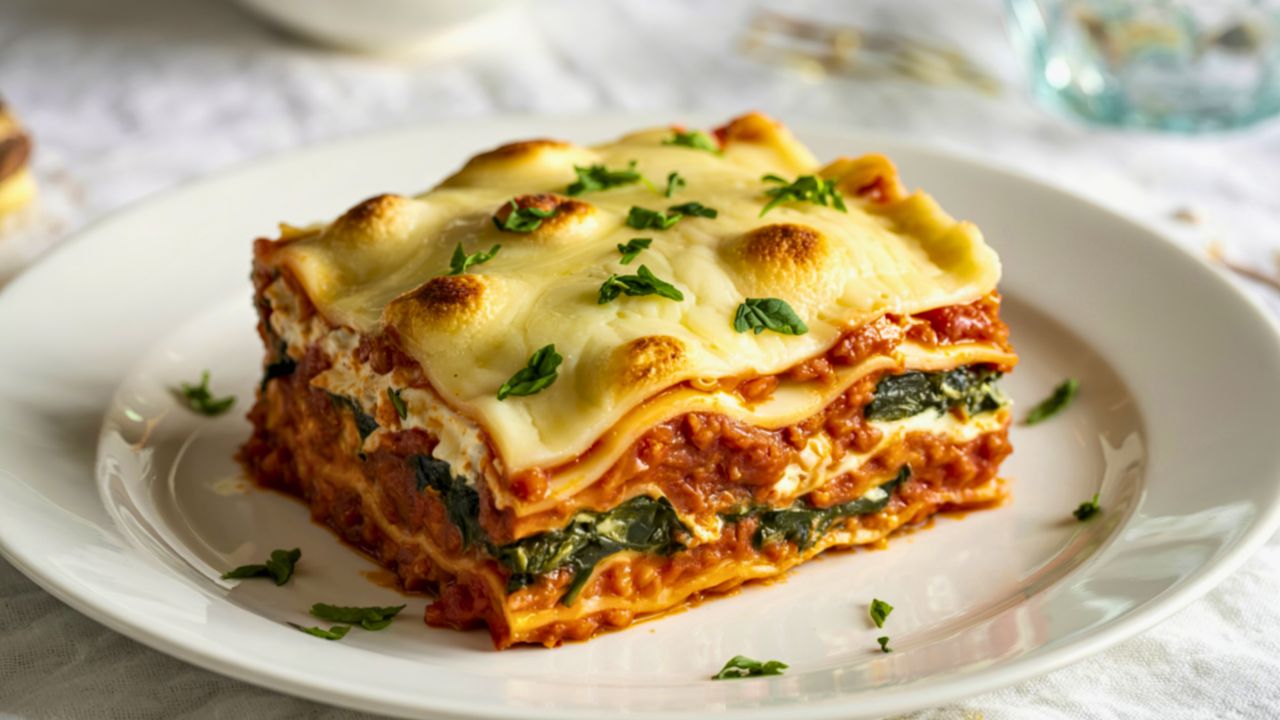
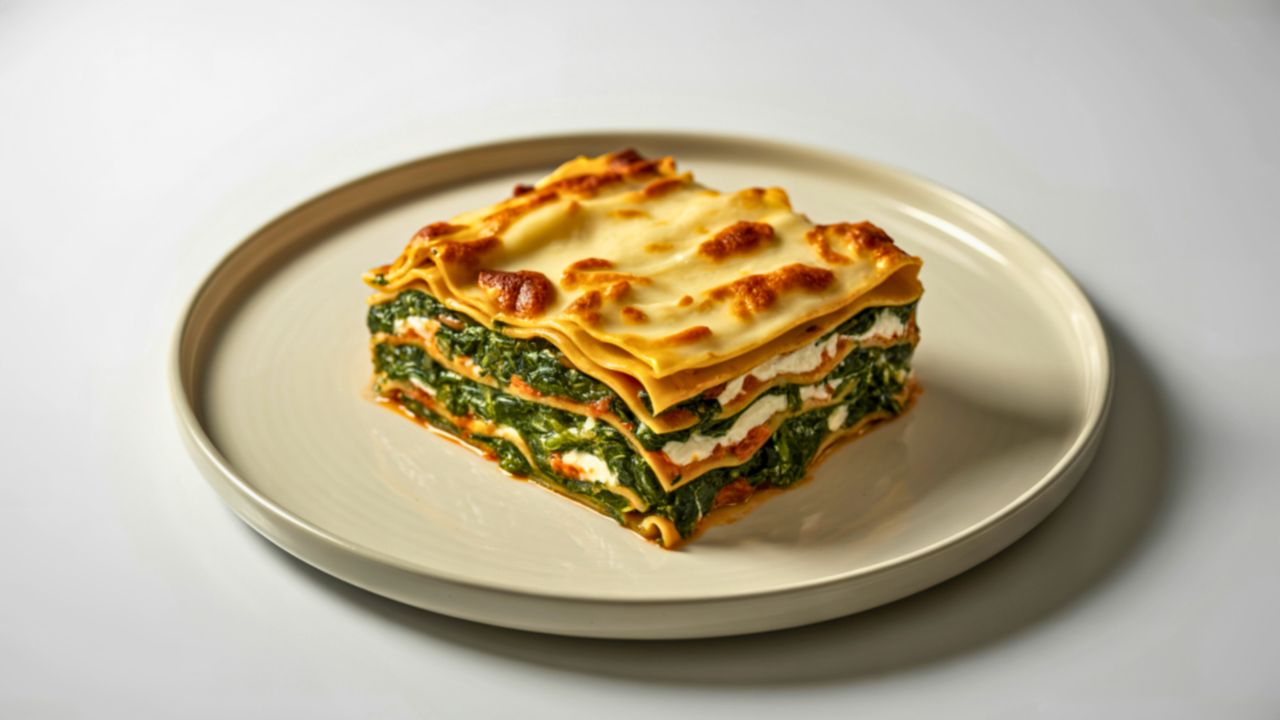
Hoping to do something meaningful, she chose to “go all out” and prepare a real home-cooked dinner. She dedicated hours of her limited free time to crafting a spinach and cheese lasagna entirely from scratch. She felt tremendous pride in what she’d made, describing how it “smelled amazing and looked straight out of a food magazine.”
Yet when she placed the dish on the table, her efforts were greeted with instant contempt. Her sister Mia prodded at the food “like it was toxic waste,” and her brother Max delivered the crushing verdict. “This is gross,” he declared. “I want nuggets.”
Despite her frustration, the teenager maintained her composure. She told them matter-of-factly, “This is dinner. If you don’t want it, that’s fine, but I’m not making anything else.” Both kids refused to touch their plates and wandered off to watch TV. When their mother phoned later to get an update, things took an even worse turn.
Rather than expressing appreciation for her daughter managing everything at home, the mother became upset, insisting, “They have to eat something,” and that “kids don’t really like those stuff.” She was livid that the younger two had barely eaten, placing the blame squarely on the teenager for not accommodating their fussy preferences.
The Internet Reacts
Once the teenager posted her experience, the online response was overwhelmingly supportive, with thousands of people jumping to her defense. The reactions generally sorted themselves into a few clear categories.
To begin with, there was the “Absolutely Not” Crowd—people who were outraged on the teen’s behalf and believed the parents were the truly responsible party. As one commenter stated plainly: “Your parents should be grateful that you’ve stepped up and taken care of things on top of your other responsibilities.”
Someone else highlighted just how ridiculous the whole scenario was by writing, “You made food, they have access to food. They are currently not dead or dying. The house is not on fire yet. The minimum threshold of babysitting has been met.” A large number of respondents concurred that children aged seven and nine are perfectly capable of throwing together a sandwich or pouring a bowl of cereal if genuine hunger strikes.
Next was the “Devil’s Advocate” camp. These voices, though frequently empathetic, implied the teenager may have miscalculated who she was cooking for. One individual observed, “It’s odd to take hours to make a dish that you’d know beforehand with 100% certainty a 9 and 7 year old wouldn’t be interested in eating.”
A self-described nanny was even more forthright, declaring, “Spinach Lasagna is a bad choice for littles… That mistake is not the problem, it is your stubbornness.”
Lastly, a third contingent stepped in with Warm and Practical Advice. One woman, identifying herself as a “random internet mom,” commended the teenager for her remarkable effort while gently encouraging her not to take the rejection to heart.
She perceptively noted that the younger kids were probably frightened and uneasy with their parents away, which can certainly diminish appetite. “You can make a goddamn Michelin meal but you cannot force anyone to eat it,” she wrote. “That doesn’t mean you’re terrible, or a bad cook, or a bad sibling. You just misjudged your audience.”
The Etiquette Verdict
Let’s make one thing absolutely clear: this 16-year-old is a champion, not a culprit. She was unexpectedly pushed into a parental role amid a high-stress scenario and navigated it with more poise than plenty of grown adults could manage. The rudeness from her siblings is understandable on some level—they’re kids, after all—but her mother’s reaction is nothing short of disgraceful.
When somebody rises to the challenge during a crisis, the sole fitting response is thankfulness. To critique the individual who is preparing meals, tidying the house, and watching over your children while you sit in a hotel room is a breathtaking lapse in both manners and parenting. The overarching principle couldn’t be simpler: you don’t bite the hand that feeds you, and you absolutely don’t berate the hand that’s feeding your children without compensation.

What Do You Think?
This scenario has ignited quite a lively discussion. Was the teenager justified in holding firm and declining to prepare a second meal, or should she have accommodated her finicky siblings given the stressful family circumstances?