We Bought an Old BBQ Joint and Found a 30-Year-Old Kitchen Nightmare That Made a Biohazard Worker Sick
We all love the simple magic of dining out. There’s a deep comfort in sitting down to a beautifully prepared meal, a sense of being cared for that we rarely get at home. But we seldom think about the intense, often chaotic ballet happening just behind those swinging kitchen doors. The truth is, there’s an entire world of unseen labor that goes into every plate that arrives at our table.
Recently, a person who helped their mother start a new restaurant took to the internet to give us a shocking peek behind that curtain, revealing a nightmare left behind by a previous owner.
The Kitchen Nightmare
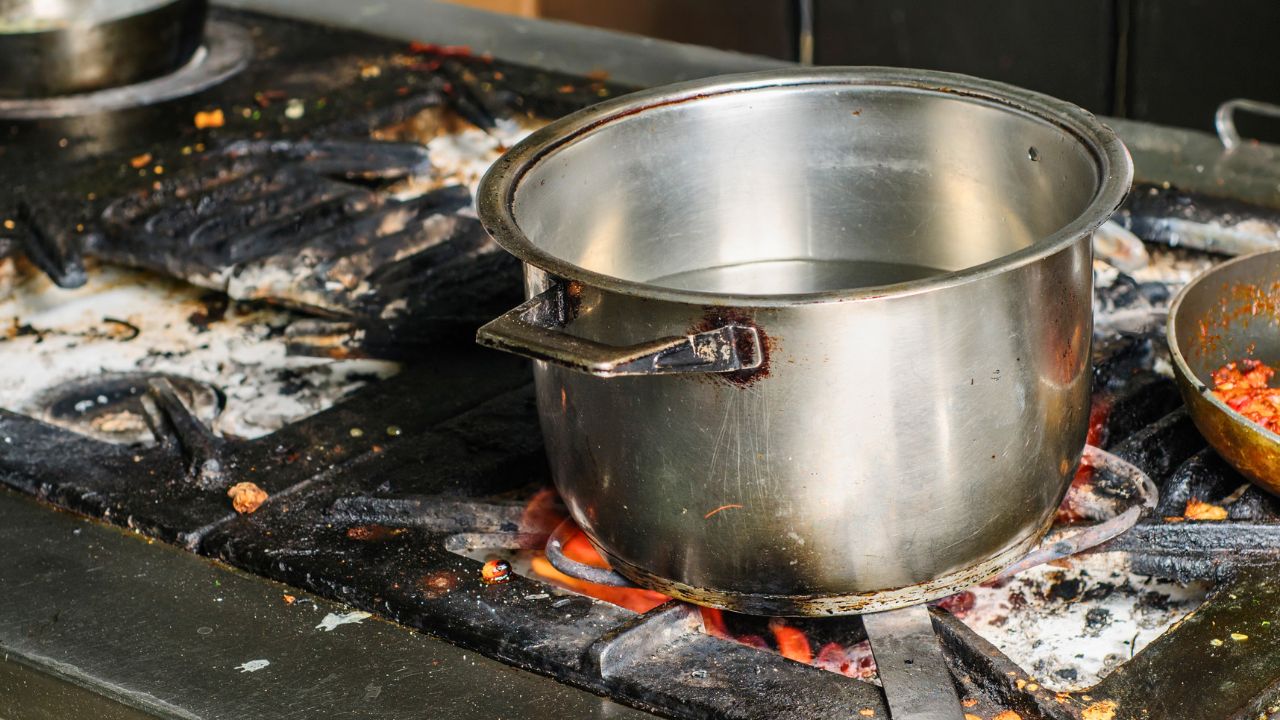
The story begins with a dream. A mother and her child, fresh out of school, decided to open a small delicatessen. They found a space that had been a barbecue joint for nearly 30 years, and one can only imagine their excitement as they took the keys. But that excitement quickly turned to horror. The previous tenants had, to put it mildly, neglected their duties. A thick, sticky layer of old grease coated every single surface in the building.
As they began the monumental task of cleaning, they uncovered something far worse than just surface grime. It was a piece of equipment most diners have never heard of, called a grease trap. This device is essential for a commercial kitchen, but it requires regular maintenance. It soon became terrifyingly clear that this one had been completely ignored for decades, creating a ticking time bomb of filth.
The Boiling Point
The moment they pried open the lid of that long-forgotten trap, the air itself turned toxic. The storyteller described it as “the nastiest, most foul, rotten, putrid thing I’ve ever smelled in my entire life.” The odor was so immediately overwhelming that the mother, a woman who had never been seen running, “sprinted for the door to get fresh air.” The scene was so visceral that it defeated even the most hardened professionals.
A family friend who was helping them clean had a strong stomach from years of working difficult jobs, including transporting the deceased and cleaning up biohazard waste. Yet, upon smelling the contents of the trap, he instantly gagged and became ill, admitting it was “far worse than anything he’d ever encountered.”
In the end, a brave employee from the mother’s other business offered to tackle the job for a couple hundred dollars. He donned a mask and somehow managed to empty and clean the decades of putrid neglect. The mother later confided that she would have “gladly paid him double or triple that” because the task was so unbelievably foul. It was a testament to the sheer horror they had inherited.
The Internet Reacts
When this story was shared online, it opened a floodgate of responses, revealing that such nightmares are sadly more common than we’d like to think. The reactions fell into a few distinct camps.
First were the Industry Veterans, fellow culinary professionals who had their own war stories. One sous chef shared a harrowing tale of having to clean a similarly neglected grease trap by hand, pulling out “wing bones, silverware, plastic straws, and somehow a dozen game cards.”
Others told of taking over spaces where previous tenants had simply walked away, leaving food to rot in refrigerators and ovens for months, creating what one person called “a legit biohazard.”
Then came the Appalled Diners. These were everyday people, shocked by the lack of professional care. Their comments captured the sense of disbelief that anyone could leave a place of business in such a state. One person simply wrote, “This is why I drink at home,” while another suggested the only solution was to “call a hazmat cleaning company and tell them to make the place spotless.”

Finally, a third group pointed to what they saw as The Real Problem: negligent and disrespectful owners. A health inspector weighed in with a powerful perspective, stating that the most disgusting thing they encounter isn’t mold or pests, but “the managers who couldn’t give two sh..s about their facility or the people working for them.”
This sentiment was echoed by others who felt that true filth in the industry comes from a lack of respect for employees and the business itself.
The Etiquette Verdict
These stories are about more than just stomach-turning messes; they are about a fundamental breakdown of professional etiquette. When a restaurant owner abandons their post, leaving behind a legacy of filth, it is the ultimate act of disrespect. It disrespects the space, the craft of cooking, and, most importantly, the next hardworking person who comes along trying to build their own dream.
Running a restaurant is a demanding profession, and leaving it with integrity is just as important as running it with passion. Behind every clean kitchen and delicious meal is a professional who cares, and that deserves our deepest admiration.
Your Thoughts
Do these behind-the-scenes stories make you more appreciative of the clean, well-run restaurants you love, or do they make you a little more hesitant to dine out?