Chef Threw a Cook’s Blender and Hollandaise in the Trash. He Banned Shortcuts for the Sauce.
We all love the simple magic of sitting down to a beautifully plated restaurant meal. We admire the artful drizzle of sauce, the perfectly cooked protein, and the delicate garnish. But we rarely think about the chaotic, high-pressure ballet happening just behind those swinging kitchen doors. It’s a world of intense heat, sharp knives, and even sharper opinions.
Recently, a group of hardworking chefs and cooks took to the internet to give us a shocking, and frankly delightful, peek behind the curtain, sharing the passionate debates that rage when no customers are listening.
The Kitchen Nightmare
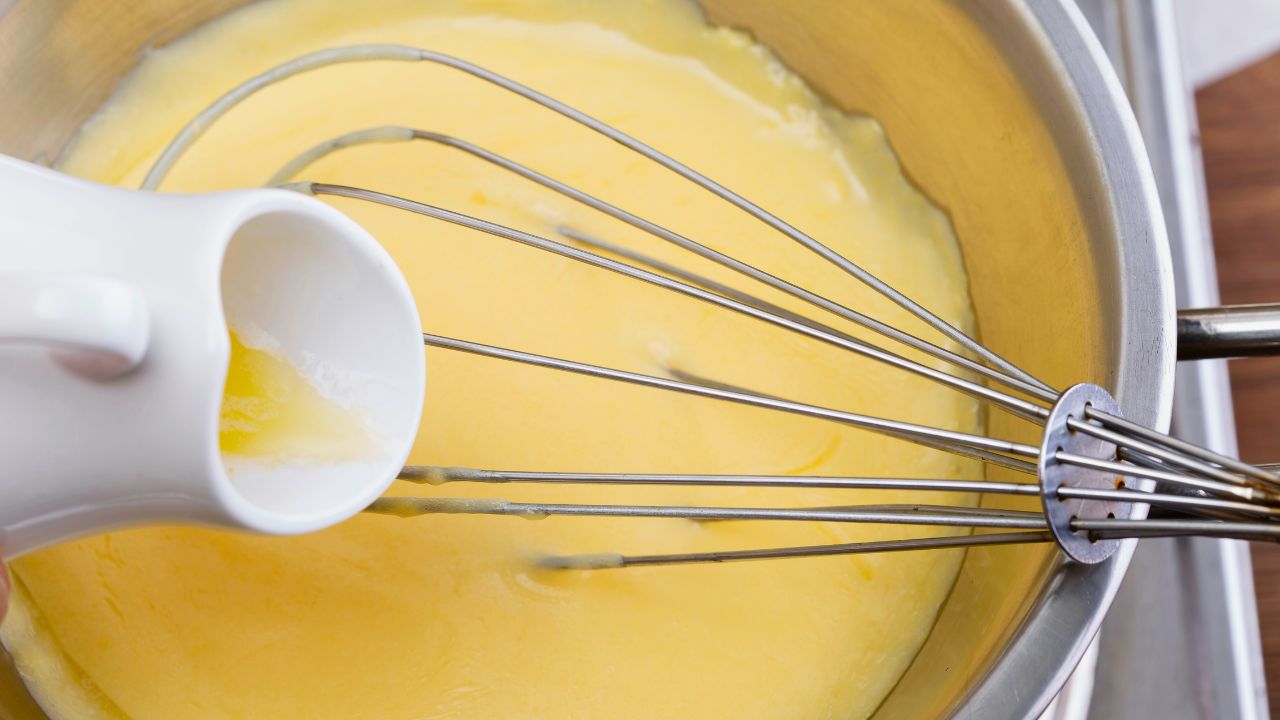
Imagine this scene, shared by one industry veteran. It’s a busy night in a high-end restaurant. A line cook, trying to work efficiently to get plates out to waiting diners, reaches for a blender to whip up a batch of delicate hollandaise sauce. It’s a simple, modern shortcut that ensures a consistent, delicious result every time. But the head chef sees it, and the kitchen comes to a screeching halt.
The veteran recalls hearing a commotion and looking up to see the chef furiously berating the cook. The argument ended with the chef “throwing the offending blender and hollandaise in the trash.” In that kitchen, tradition was law, and the cook’s attempt at practicality was seen as a cardinal sin. This clash between old-school methods and modern efficiency is a constant source of tension for culinary professionals who are just trying to make a beautiful meal under incredible pressure.
The Boiling Point
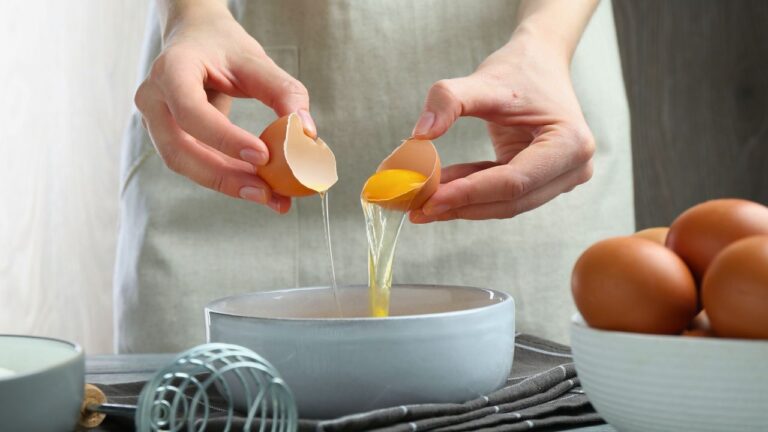
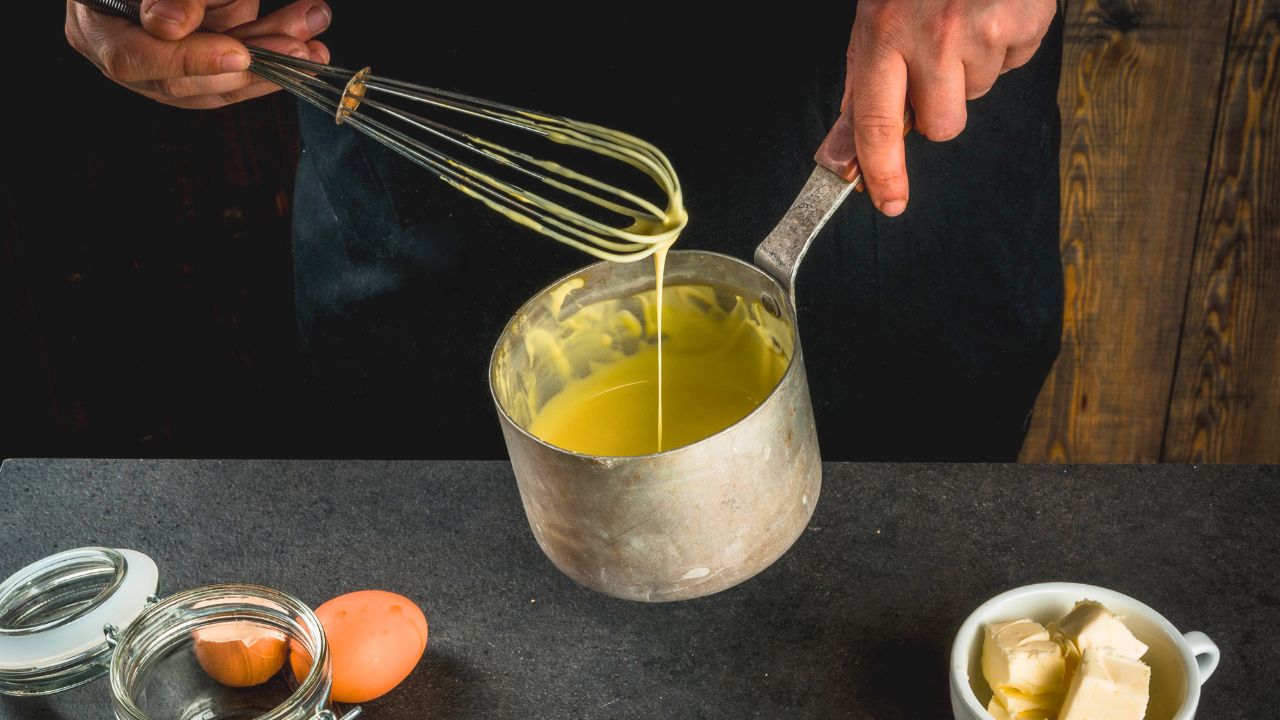
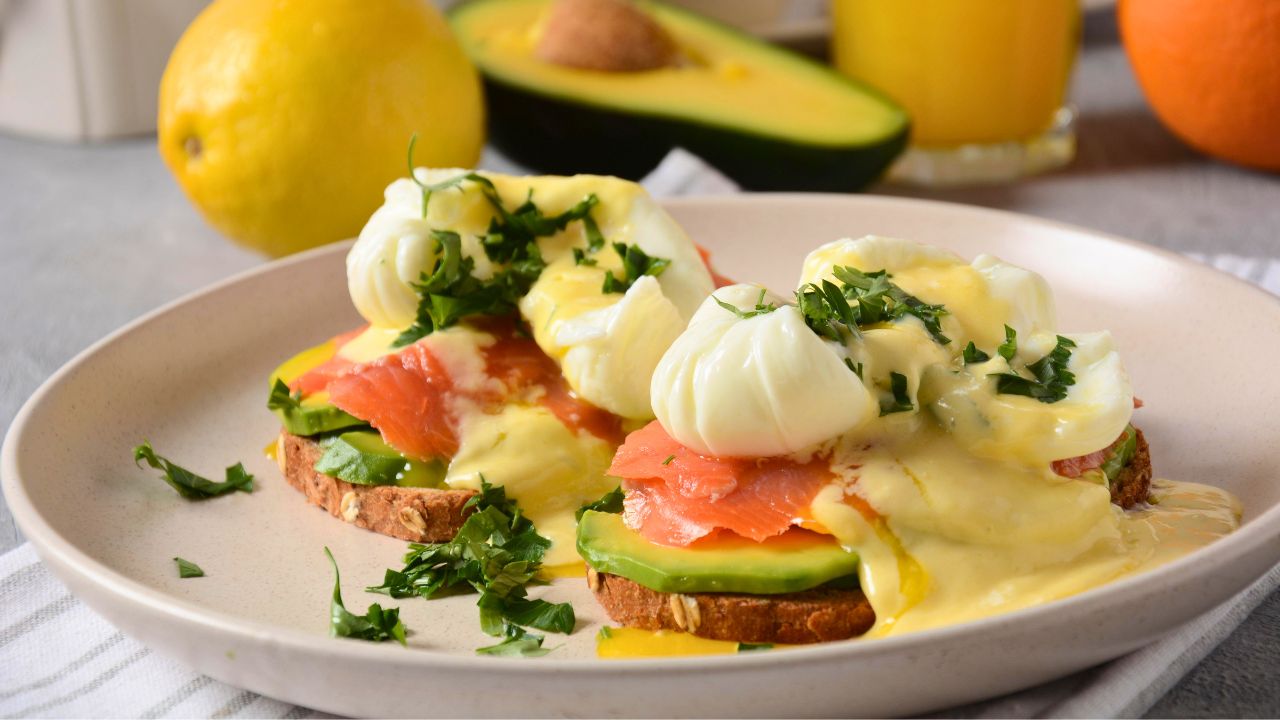
But for every chef clinging to the past, there’s another who embraces common sense. Another cook shared a story about a brilliant head chef who had a very different philosophy. During a frantic brunch service, with orders for Eggs Benedict piling up, she saw her cooks struggling to whisk hollandaise by hand, just as tradition dictates. She walked over to them and set the record straight.
“It’s cool if you can make a proper Hollandaise by hand with good technique,” she told them, “but we’re dragging 20 minutes behind… and the guest don’t give a [d..n] about how it’s traditionally made. Now quit wasting time and grab the [d..n] robocoupe.”
A robocoupe, my dears, is simply a professional food processor. Her point was clear: the goal is a happy customer enjoying a delicious meal, not a performative adherence to centuries-old techniques. As another 20-year veteran cook put it, “If Escoffier had an immersion blender, he would’ve used it!”
The Internet Reacts
This peek into the professional kitchen opened the floodgates, and culinary pros from around the world chimed in, quickly falling into a few distinct camps.
First, there were the Industry Veterans, who championed the same practicality as the hollandaise-blending chef. They confessed to using all sorts of modern shortcuts. “A microwave is a useful tool in a restaurant kitchen,” one declared, a sentiment echoed by a pastry chef who fiercely defended her right to use “Chef Mike,” as they call it, for everything from melting chocolate to warming glazes.
Another cook admitted he saves the fancy techniques for work. At home, his wife “does not give a flying [care] about my hollandaise being made with the stick blender… she is just excited to see me cooking good food and being happy while doing it.”
Then came the Menu Purists. These professionals weren’t concerned with tools, but with words. Their deepest frustration is with menus that use fancy terms for simple things.
One cook went on a passionate tirade: “It’s not [freaking] aioli if you add garlic to mayo, thats just [freaking] GARLIC MAYO!” He explained that true aioli is an emulsion of garlic and olive oil, while mayonnaise is based on egg and neutral oil. This is a matter of deep professional pride and respect for classic cuisine.
Finally, there were the Trend Haters, who had strong opinions about overused ingredients. Many agreed that truffle oil is “waaaaaay overrated,” with one calling it a “chemical facsimile of the real thing.”
Another took aim at a popular topping, saying, “I think everything bagel seasoning is a trend that should die. Except on a bagel.” These are the little things that chefs see day in and day out, the fads they wish would fade so they can get back to timeless, delicious food.
The Etiquette Verdict
So what can we, as discerning diners, take away from this fascinating conversation? It all comes down to a single word: respect. These chefs and cooks pour their hearts, souls, and an incredible amount of hard work into every single plate they send out. Their debates about blenders versus whisks or the true definition of aioli stem from a deep respect for their craft.
When we dine out, we enter into an unspoken agreement to respect their expertise. While legitimate allergies must always be honored, we should trust that the professionals know what they are doing. Behind every plate is a dedicated human being who deserves our courtesy and appreciation for their incredible skill.
Your Thoughts
Should chefs stick to traditional techniques no matter the cost, or is using a modern shortcut to get delicious food on the table faster always the better choice?